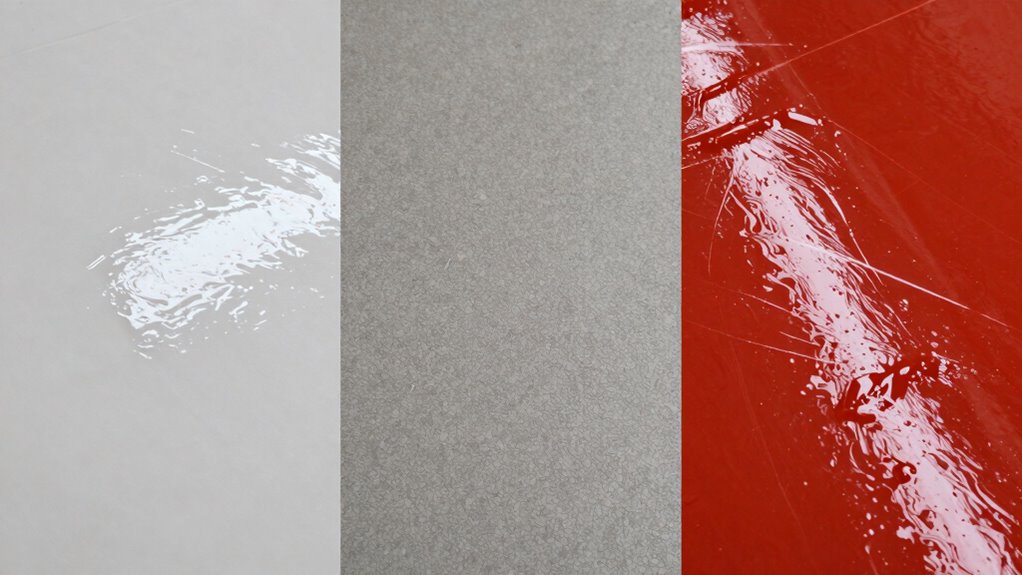
If you’re choosing between epoxy, polyurea, and polyaspartic coatings, you’ll notice their differences in application, durability, and environmental impact. Epoxy is highly durable but rigid, taking longer to cure. Polyurea cures fast and offers flexibility, making it good for dynamic environments. Polyaspartic provides quick drying, balancing durability with UV resistance. To decide what’s best for your project, understanding these key traits will help—stick around for more in-depth insights.
Key Takeaways
- Epoxy is highly durable but rigid, while polyurea offers superior flexibility and polyaspartic balances durability with fast curing.
- Epoxy requires longer curing times (24-72 hours), whereas polyurea cures in minutes and polyaspartic in hours.
- Epoxy has higher VOC emissions during application; polyurea and polyaspartic are more eco-friendly with lower emissions.
- Polyurea and polyaspartic provide faster installation and more color options due to quick drying times.
- Cost-wise, epoxy is cheaper initially but less durable long-term, while polyurea and polyaspartic may have higher upfront costs but last longer.
As an affiliate, we earn on qualifying purchases.
What Are the Main Differences Between Epoxy, Polyurea, and Polyaspartic Coatings?
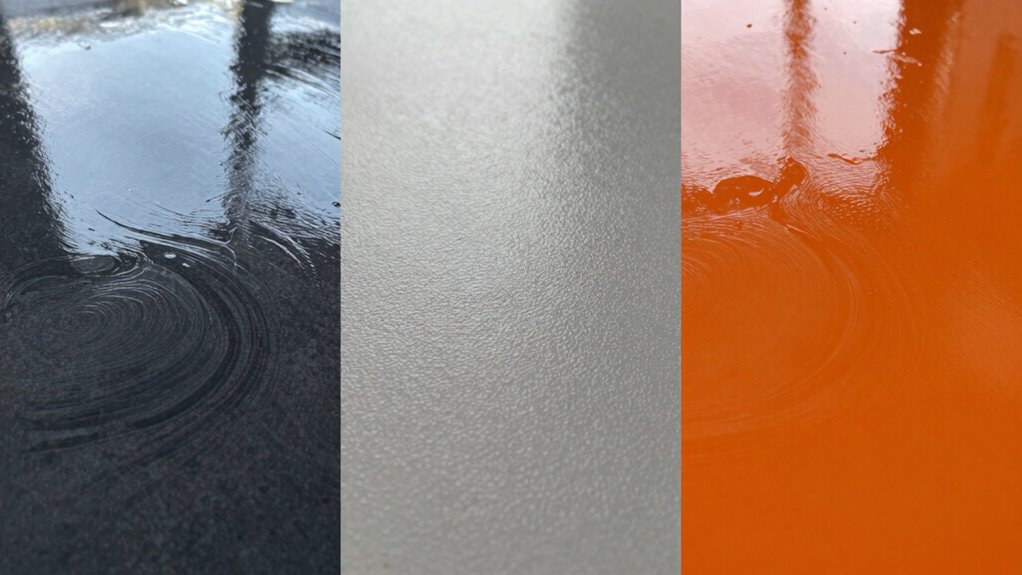
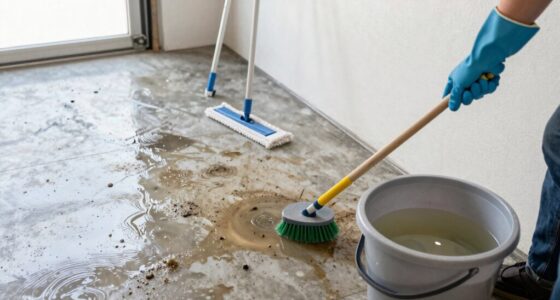
Understanding the main differences between epoxy, polyurea, and polyaspartic coatings is essential when choosing the right flooring solution. Surface preparation varies: epoxy requires thorough cleaning and etching, while polyurea and polyaspartic often need less prep. Environmental impact also plays a role; epoxy involves higher VOC emissions during mixing and curing, whereas polyurea and polyaspartic tend to be more eco-friendly with lower emissions. Polyurea offers rapid curing and excellent durability but can be more sensitive to application conditions. Polyaspartic coatings combine fast drying with UV resistance, making them versatile for many environments. Knowing these distinctions helps you select a coating that suits your needs, considering installation complexity, environmental impact, and surface prep requirements. Understanding coating types is crucial for making an informed decision.
As an affiliate, we earn on qualifying purchases.
How Do Application and Drying Times Differ for Each Coating?
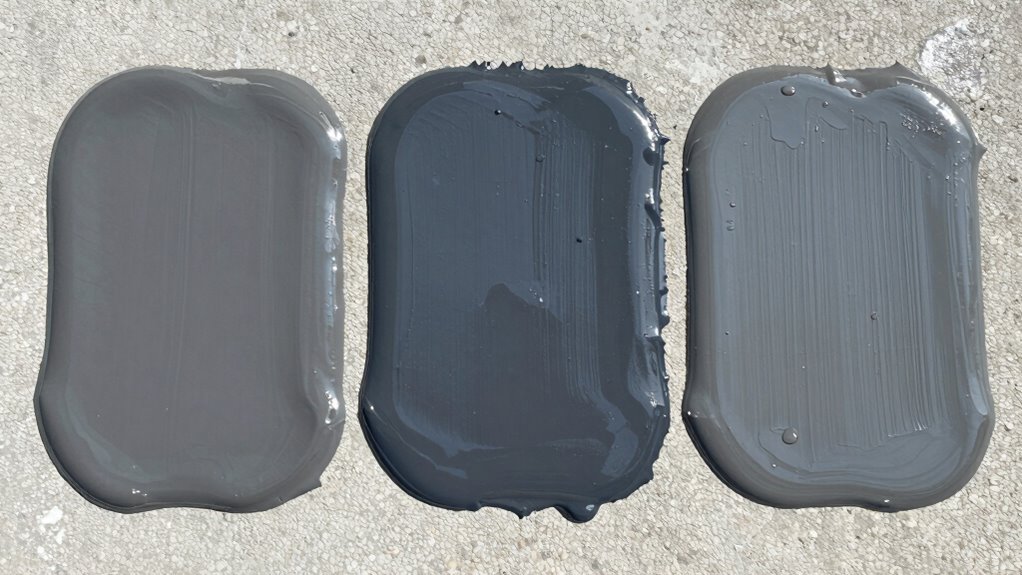
Application and drying times vary markedly among epoxy, polyurea, and polyaspartic coatings, impacting project schedules. Epoxy typically requires longer curing times, often taking 24-72 hours to fully dry, which limits quick turnaround. Polyurea dries extremely fast, often within 5-15 minutes, but its application requires precise equipment. Polyaspartic coatings strike a balance, drying in about 1-4 hours, allowing for rapid installation. Additionally, the quick drying of polyurea and polyaspartic means they offer more color options since they can be recoated sooner, providing design flexibility. When considering environmental impact, faster drying minimizes VOC emissions and reduces overall energy use. The application process for each coating type also influences overall project efficiency and outcome. Understanding curing times is essential for planning and ensuring quality results. Proper surface preparation is critical for achieving optimal adhesion and durability with each coating type, especially given their different application techniques. Being aware of the drying times can help optimize workflow and reduce delays.
polyaspartic garage floor coating
As an affiliate, we earn on qualifying purchases.
As an affiliate, we earn on qualifying purchases.
Which Coating Is Most Durable and Flexible for Your Environment?
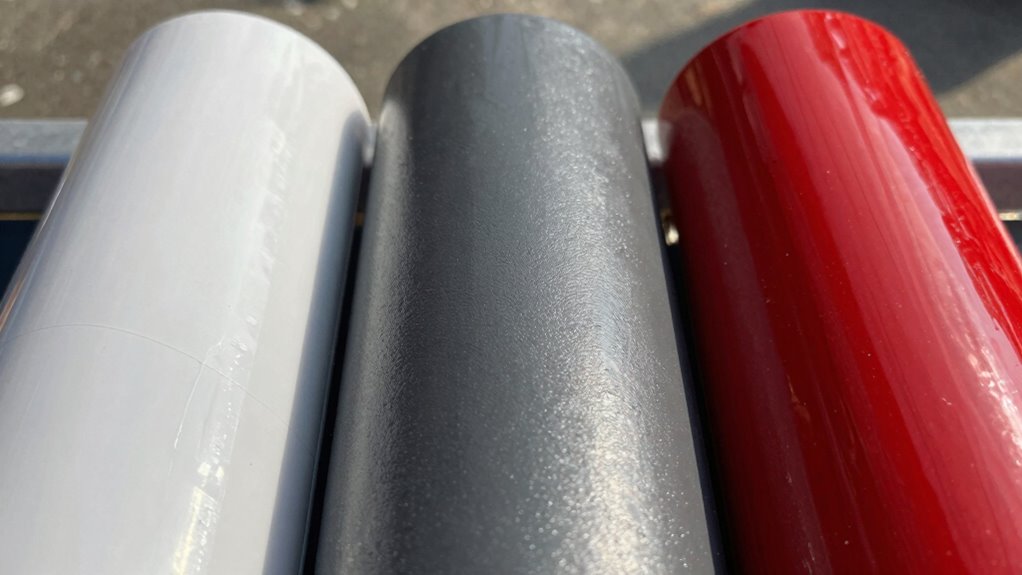
When choosing a coating for a demanding environment, durability and flexibility are key factors to take into account. Epoxy provides excellent durability but can be more rigid, making it less adaptable to movement or substrate shifts. Polyurea, on the other hand, offers superior flexibility, accommodating expansion and contraction without cracking. Polyaspartic coatings balance durability with quick curing times and good flexibility, ideal for high-traffic or dynamic environments. Additionally, each coating offers different options for aesthetic customization, allowing you to tailor the appearance to your needs. Consider the environmental impact, as some coatings are more eco-friendly than others, influencing your choice based on sustainability goals. Ultimately, selecting the right coating depends on your specific environment’s demands for flexibility, durability, aesthetics, and eco-consciousness.
As an affiliate, we earn on qualifying purchases.
What Are the Costs and Maintenance Needs of These Floor Coatings?
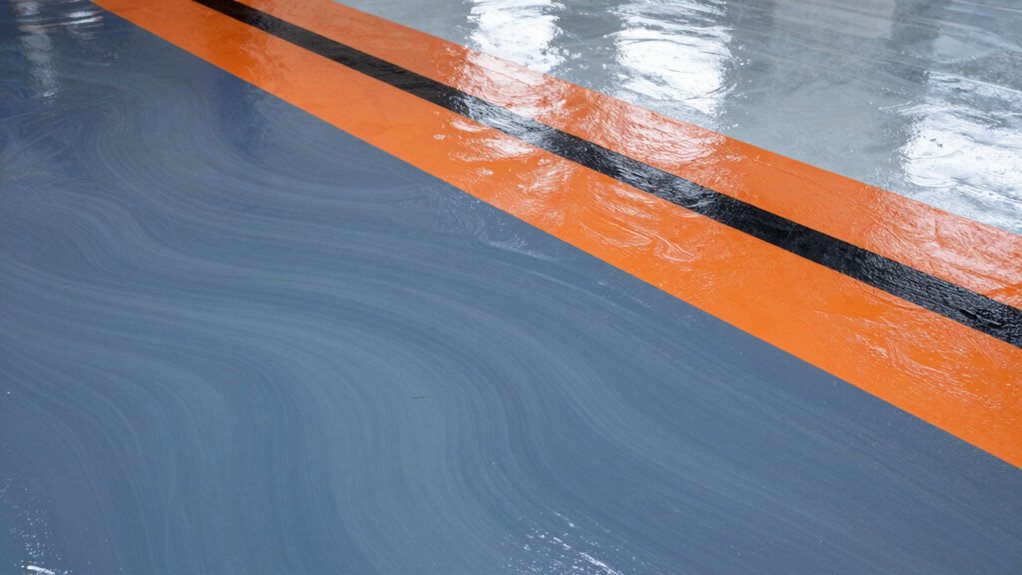
While the initial installation costs vary, epoxy, polyurea, and polyaspartic coatings each have distinct pricing and maintenance needs that can influence your long-term expenses. A clear cost comparison helps you decide which option fits your budget. Epoxy is usually the most affordable upfront but may require more frequent repairs over time. Polyurea and polyaspartic coatings tend to cost more initially but offer longer-lasting durability, reducing maintenance needs. To keep your floors in top shape, follow simple maintenance tips like regular cleaning and avoiding harsh chemicals. Additionally, considering eco-friendly natural pools can inspire sustainable choices that complement your flooring options.
How to Choose the Best Coating for Your Flooring Project?
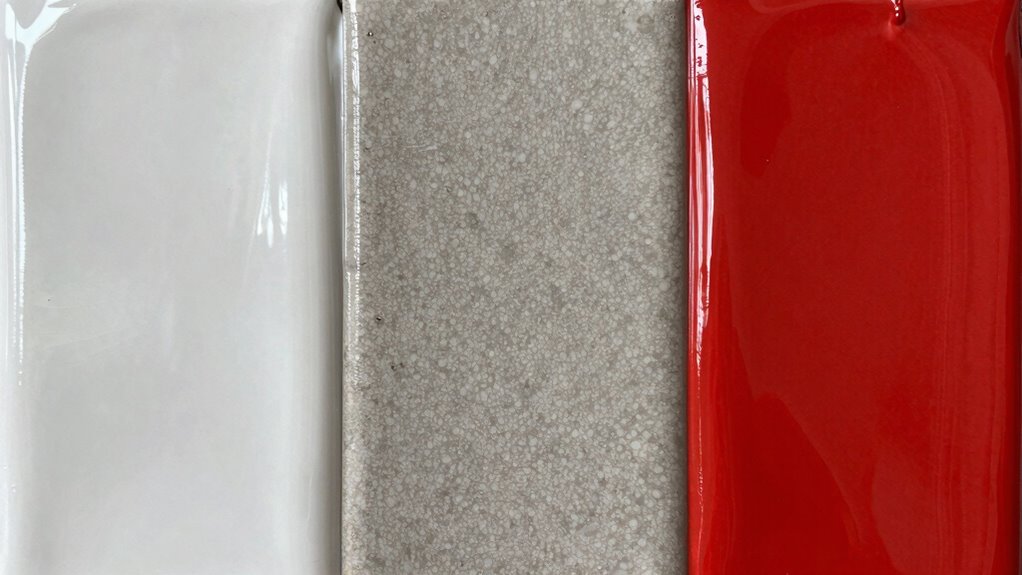
Choosing the right coating for your flooring project depends on your specific needs, budget, and the environment where the floor will be installed. Start by examining surface preparation; a clean, well-prepared surface ensures proper adhesion and durability. Consider the environmental impact of each coating—some options are more eco-friendly and emit fewer VOCs. Think about the floor’s use: high-traffic areas may need more durable coatings like polyurea, while decorative or residential spaces might benefit from epoxy. Also, evaluate your climate and exposure to moisture, which influence the coating’s performance. Cost, maintenance, and curing time are key factors. By understanding these aspects, you can select a coating that balances performance, environmental considerations, and long-term value.
Frequently Asked Questions
Are Epoxy, Polyurea, and Polyaspartic Coatings Environmentally Friendly?
Epoxy, polyurea, and polyaspartic coatings have varying environmental impacts. Epoxies often contain volatile organic compounds (VOCs) that can harm air quality, while polyurea and polyaspartic coatings typically emit fewer VOCs, making them more eco-friendly. For sustainability considerations, polyaspartic coatings are advantageous because they cure faster and produce less waste. Overall, choosing environmentally friendly options depends on the specific product formulations and application methods.
Can These Coatings Be Applied on Existing Floors or Only New Surfaces?
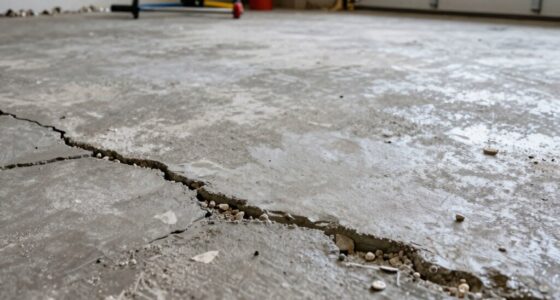
You can apply epoxy, polyurea, or polyaspartic coatings on existing floors if you properly prepare the surface. This involves cleaning, repairing cracks, and guaranteeing good adhesion through appropriate floor preparation. Keep in mind, curing time varies; polyaspartic cures fastest, while epoxy takes longer. Proper preparation ensures a durable bond, whether working on new or existing surfaces, and helps you achieve the best results with minimal downtime.
How Do Color Options and Finish Appearances Compare Among the Coatings?
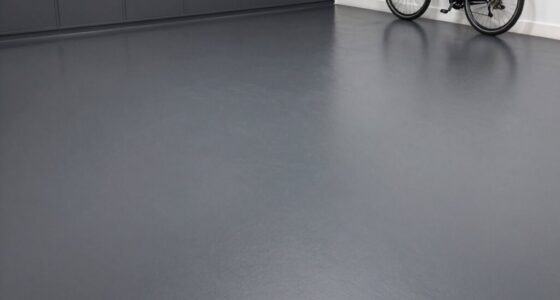
Sure, because who wouldn’t want endless choices, right? When it comes to color variety and finish textures, epoxy offers the widest palette and customizable textures, making it perfect for unique designs. Polyurea and polyaspartic provide a more limited selection but still deliver sleek, high-gloss finishes. If you crave vibrant hues and textured surfaces, epoxy’s your best bet, but for quick, durable, and modern looks, polyurea or polyaspartic might be more your style.
Are There Any Health or Safety Concerns During Application?
During application, health risks mainly come from fumes and VOCs, so you should wear proper safety precautions like respirators, gloves, and ventilation. Always work in well-ventilated areas to minimize inhalation hazards. Follow the manufacturer’s safety guidelines closely to reduce exposure to harmful chemicals. If you’re unsure, consulting a professional guarantees safety and helps prevent health concerns related to chemical fumes and skin contact.
Which Coating Offers the Best Resistance to Chemicals and Stains?
You’ll find that polyurea offers the best resistance to chemicals and stains due to its rapid curing and flexible, durable surface. To maximize this resistance, guarantee proper surface preparation and follow precise application techniques. Proper cleaning and priming before applying the coating help create a strong bond, while following manufacturer instructions during application prevents issues. This combination ensures your surface withstands harsh chemicals and stains effectively over time.
Conclusion
Choosing the right coating depends on your needs, your environment, and your budget. Whether you prioritize durability, speed, flexibility, or cost, understanding the differences helps you make an informed decision. Consider your project’s demands, weigh your options carefully, and select the coating that best aligns with your goals. Ultimately, the right choice protects your space, enhances its appearance, and provides peace of mind for years to come.