
TL;DR

Get home appliances delivered free with Prime
- Fast, free delivery on millions of items
- Prime Video, Amazon Music and more included
- Member-only deals all year
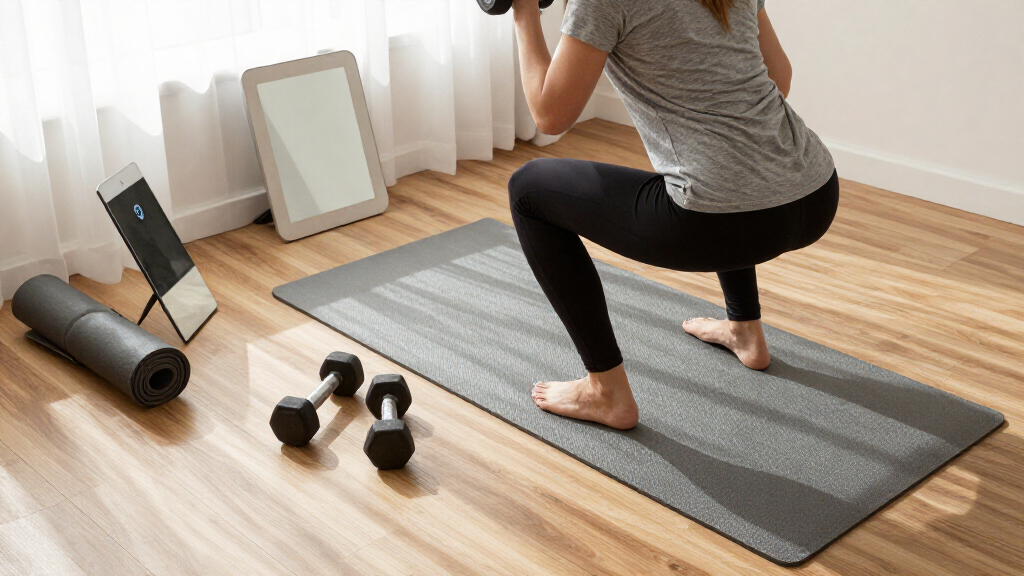
A Livingetc report on home gym design finds that residential designers still see demand for home workout spaces, even as group fitness and wellness activities become social outings. Designers say the shift is toward gyms planned as part of a home’s architecture and broader wellness amenities, rather than rooms focused only on exercise equipment.
Home gyms remain in demand in contemporary residential projects, but designers say their purpose and design are changing as exercise increasingly doubles as a social activity outside the home. A Livingetc report drawing on interviews with interior designers describes a move away from equipment-only rooms toward integrated wellness spaces planned alongside a home’s architecture and other amenities.
Interior designer Nina Maya told Livingetc that home gyms remain an important part of the luxury residential brief. She said the appetite for more comprehensive wellness spaces has grown, and that designers are giving greater thought to a gym’s location, outlook and relationship to other rooms from the earliest stages of a project.
Rebecca Hughes, another designer interviewed for the report, also described strong demand. She said home gyms that were once treated as purely functional are now considered part of a home’s design and lifestyle offering. Examples in the report include a gym overlooking a pool and garden, and a bespoke space designed to work with a historic home’s timber beams.
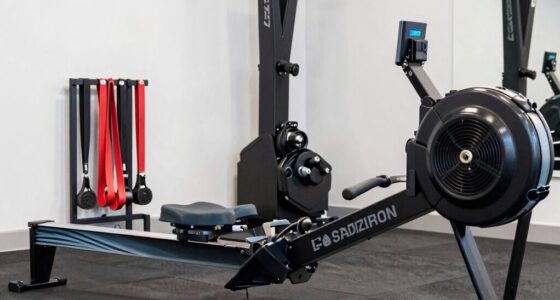
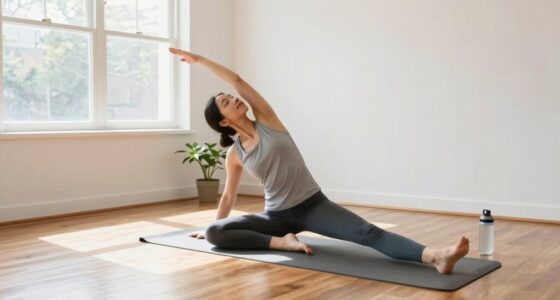
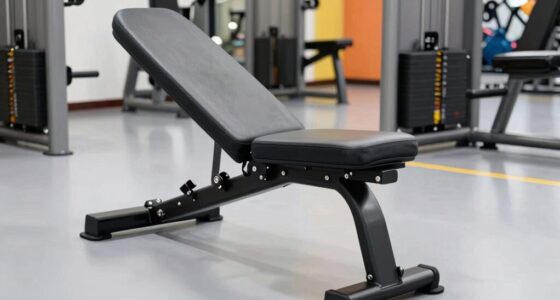
Equipment and amenities are part of that change. The report describes spaces that may include a gym alongside a sauna, steam room or cold plunge, as well as room for stretching and quieter activities. Alama Studio co-founder Gabriele Zanni said clients want fitness areas to feel like a genuine part of the home, rather than a room set aside for a treadmill, bench and weights.
From Equipment Room to Wellness Space
The change matters to homeowners and designers because it reframes what a home gym is expected to do. Instead of competing directly with group classes or boutique studios, a residential workout space can offer convenience and privacy while sitting within a wider routine of movement and recovery. The report’s designers describe planning for daylight, garden views, storage and materials as well as exercise equipment.
That approach may also affect how space is allocated in new homes and renovations. If wellness facilities are considered early in a project, they can be designed around circulation, outlook and nearby amenities rather than added as an afterthought. But the report does not establish how widespread this shift is beyond the designers’ residential projects, or whether it extends to homes without substantial space or budgets.
Products Worth Considering

Ring Alarm Pro 14-Piece Home Security Kit with Built-In eero Wi-Fi 6 Router

Philips Hue Secure Starter Kit with Contact Sensors, Motion Sensor, Bridge, and Color Smart Bulbs

Philips Hue White and Color Ambiance Smart Light Starter Kit, 2 A19 Bulbs with Hub
As an affiliate, we earn on qualifying purchases.
The report sets the design discussion against the growing visibility of run clubs, Pilates gatherings and group sauna sessions, which it describes as alternatives to traditional social venues. That trend prompts a practical question: if people increasingly exercise with others outside the home, will they still want to dedicate space at home to fitness?
The designers interviewed by Livingetc answer yes, while describing a different emphasis. Maya said homeowners are thinking about how their homes support movement, recovery and time alone. Zanni said the gym is increasingly planned with architecture and interiors from the outset. These are industry perspectives, not survey findings or data measuring demand across the housing market.
“What was once often a purely functional space is now being considered an integral part of the home’s overall design and lifestyle offering.”
— Rebecca Hughes, founder of Rebecca Hughes Interiors
How Broad Is the Demand?
The report does not provide market data, sales figures or a homeowner survey to quantify demand for home gyms. Its conclusions come from interviews with designers whose work includes residential projects, including luxury homes. It also does not establish whether social fitness activities are reducing home gym use, or how often owners use these spaces after installation.
Details such as typical project costs, the share of homes with dedicated gyms and the balance between exercise equipment and recovery amenities are not provided. The report’s outlook for 2027 is a design forecast, not a confirmed description of every home or a measured industry-wide trend.
What Designers Are Planning
The report points to more integrated planning as the clearest direction: designers are considering gym location, natural light, storage and connections to gardens or recovery amenities while a home is being designed. It discusses what home gyms may look like in 2027, but does not identify a specific project, launch or construction milestone to watch.
For now, the next useful test will be whether this design approach appears beyond high-end residential work. More detailed market research or project data would be needed to show whether homeowners broadly are making space for dedicated gyms—and whether those spaces are used alongside, or instead of, social fitness venues.
Key Questions
Are home gyms still in demand?
The designers interviewed by Livingetc say yes, particularly in luxury residential projects. The report does not include market-wide data to measure the scale of demand.
How are home gyms changing?
Designers describe a shift from rooms focused mainly on equipment to spaces integrated with the home’s architecture, materials and lighting, sometimes alongside recovery amenities.
Are social workouts replacing home gyms?
The report describes group fitness and wellness activities as increasingly social, but it does not provide evidence that they are reducing home gym demand or use.
What amenities might be included in a home wellness space?
Examples discussed in the report include exercise equipment, stretching areas, saunas, steam rooms and cold plunges. The mix depends on the home and project; the report does not specify typical costs or layouts.
Source: livingetc.com