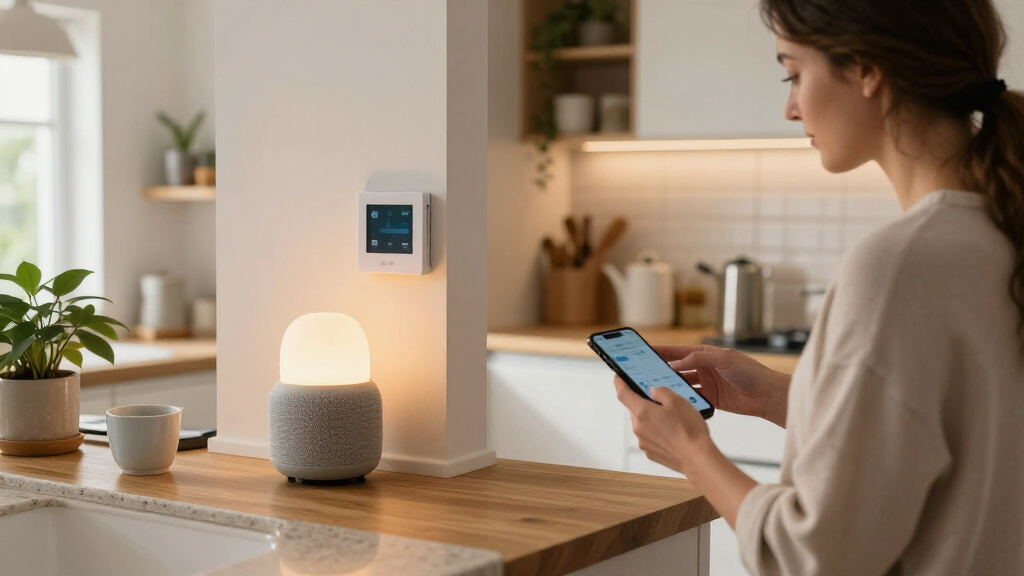

Choosing the best smart home devices in 2027 means balancing ecosystem loyalty with emerging standards like Matter. The Amazon Echo Show 15 stands out as the best overall pick for its large interface and Fire TV integration, making it a central hub for most households. For those prioritizing affordability and reliability, the Linkind Matter Smart Plug offers future-proof connectivity without the premium price tag of other hubs. Buyers often face a choice between sticking to a single manufacturer’s ecosystem for ease of use or mixing brands for better value. This guide breaks down the top contenders to help you build a setup that fits your specific needs and budget.

Get home appliances delivered free with Prime
- Fast, free delivery on millions of items
- Prime Video, Amazon Music and more included
- Member-only deals all year
Complete the kit


Key Takeaways
- The Amazon Echo Show 15 dominates the premium display category due to its dual-functionality as a smart home hub and Fire TV stick.
- Matter-compatible plugs like the Linkind Matter Smart Plug are increasingly preferred over proprietary options for long-term device longevity.
- Budget-conscious buyers can achieve 90% of the functionality of premium devices by choosing Amazon Basics Smart Plugs and Govee bulbs.
- Display size correlates strongly with usability; smaller screens like the Echo Show 5 are best for bedside use, while larger screens serve as central hubs.
- Ecosystem lock-in is less absolute in 2027, but mixing Apple HomeKit with Alexa devices still introduces noticeable latency and setup friction.
| Linkind Matter Smart Plug, 4-Pack | 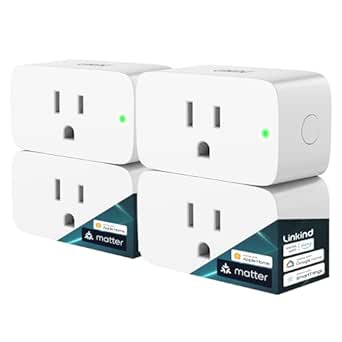 | Best for Cross-Platform Homes | Pack size: 4 plugs | Matter compatible: Yes | Compatible platforms: Apple Home, Alexa, Google Home, SmartThings, AiDot | VIEW LATEST PRICE | See Our Full Breakdown |
| Amazon Echo Dot Max Smart Speaker with Alexa, Graphite |  | Best Smart Home Hub and Speaker | Dimensions: 4.27 × 4.27 × 3.9 in | Speakers: 1 × 0.8 in tweeter; 1 × 2.5 in woofer | Audio bandwidth: 53 Hz–16 kHz at volume 6 | VIEW LATEST PRICE | See Our Full Breakdown |
| Amazon Echo Show 5 Smart Display, Cloud Blue |  | Best Compact Smart Display | Display: 5.5-inch touchscreen | Dimensions: 5.8 × 3.6 × 3.2 in | Camera: 2 MP with built-in shutter | VIEW LATEST PRICE | See Our Full Breakdown |
| Amazon Basics Smart Plug, Alexa-Compatible, 4-Pack | 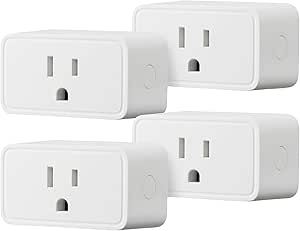 | Best Value for Alexa Households | Pack size: 4 plugs | Compatibility: Amazon Alexa only | Connectivity: 2.4 GHz Wi-Fi | VIEW LATEST PRICE | See Our Full Breakdown |
| Amazon Smart Plug with Alexa |  | Best Single Plug for Alexa Beginners | Maximum output: 15 A | Input: 120 VAC, 60 Hz, 15 A max | Network: 2.4 GHz Wi-Fi, 802.11 b/g/n | VIEW LATEST PRICE | See Our Full Breakdown |
| Govee A19 Color-Changing Smart LED Bulbs, 800 Lumens, E26 Base, 4-Pack |  | Best for Colorful Room Lighting | Quantity: 4 bulbs | Bulb shape and base: A19, E26 | Maximum brightness: 800 lumens | VIEW LATEST PRICE | See Our Full Breakdown |
| Amazon Echo Show 11 Smart Display with Full HD Touchscreen and Spatial Audio, Graphite |  | Best Smart Display and Hub | Display: 10.95-inch Full HD touchscreen, 1920 × 1200 | Camera: 13 MP with auto framing and 3.3x zoom | Audio: 1 × 2.8-inch woofer and 2 full-range drivers | VIEW LATEST PRICE | See Our Full Breakdown |
| Govee Smart Plug, Wi-Fi Outlet, 4-Pack |  | Best for Bluetooth-Assisted Setup | Quantity: 4 plugs | Plug type: Type B | Connectivity: Bluetooth and 2.4 GHz Wi-Fi | VIEW LATEST PRICE | See Our Full Breakdown |
| Kasa Smart Wi-Fi Plug, 4-Pack |  | Best Value Smart Plug Set | Pack size: 4 plugs | Operating voltage: 120 V AC | Maximum wattage: 1800 W | VIEW LATEST PRICE | See Our Full Breakdown |
| Amazon Echo Dot (5th Gen) Smart Speaker, Deep Sea Blue |  | Best Compact Voice Controller | Generation: 5th Gen | Dimensions: 3.9 × 3.9 × 3.5 inches | Weight: 10.7 oz (304 g) | VIEW LATEST PRICE | See Our Full Breakdown |
| GHome Smart Plug | 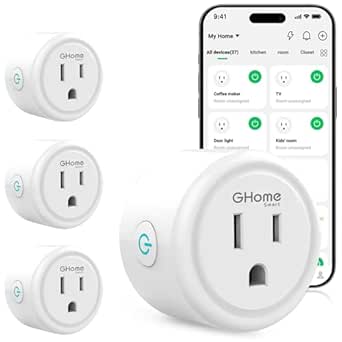 | Best Budget Entry Point | Connectivity: WiFi (2.4GHz only) and Bluetooth | Compatibility: Alexa, Google Home, GHome App, Smart Life App, Tuya App | Automation Features: Schedules, Timers, Group Control | VIEW LATEST PRICE | See Our Full Breakdown |
| Kasa Smart Power Strip KP303 |  | Best for Desk & Entertainment Centers | Model: KP303 | Outlets: 3 Smart Outlets (Individually Controlled) | USB Ports: 2 Always-On USB Ports | VIEW LATEST PRICE | See Our Full Breakdown |
| Amazon Echo Show 15 (2nd Gen) |  | Best Family Command Center | Display: 15.6-inch Full HD (1920×1080) | Orientation: Landscape or Portrait | Smart Home Hub: Zigbee, Matter, Thread Border Router | VIEW LATEST PRICE | See Our Full Breakdown |
| TP-Link Tapo P125M Matter Smart Plug Mini |  | Best Matter-Compatible Value | Pack Size: 3-Pack | Connectivity: Matter, 2.4GHz WiFi, Bluetooth | Compatibility: Apple Home, Alexa, Google Home, SmartThings | VIEW LATEST PRICE | See Our Full Breakdown |
| Amazon Echo Spot Smart Alarm Clock |  | Best Compact Bedside Companion | Primary Function: Smart Alarm Clock with Display | Wi-Fi Extension: Up to 1,000 sq. ft. (eero required) | Assistant: Alexa | VIEW LATEST PRICE | See Our Full Breakdown |
More Details on Our Top Picks
Linkind Matter Smart Plug, 4-Pack
I’d choose the Linkind Matter Smart Plug for a household that may use more than one smart home platform, or could change platforms later. Its Matter support spans Apple Home, Alexa, Google Home, and SmartThings, giving it a wider path than the Amazon Basics Smart Plug and Amazon Smart Plug, which are limited to Alexa. Local network control can also keep compatible Matter devices responsive when the internet is down. The four-plug pack, scheduling, timers, and overload protection make it useful for automating several lamps or small appliances.
The tradeoff is setup: most listed platforms require a compatible Matter hub or controller, and the plug needs 2.4 GHz Wi-Fi with IPv6. For an Alexa-only home seeking the simplest setup, I’d pick the Amazon Basics four-pack instead. I’d skip Linkind if the network requirements or hub setup are a poor fit.
Pros:- Matter support works across several major smart home platforms.
- Local network control can keep compatible Matter devices available without internet access.
- Four plugs support scheduling, timers, app control, and voice control.
- Compact, fire-resistant construction includes short-circuit and overload protection.
Cons:- Most supported platforms require a compatible Matter hub or controller.
- Requires both 2.4 GHz Wi-Fi and IPv6.
- Less straightforward to set up than the hub-free Amazon Basics Smart Plug for Alexa households.
Best for: Households using Apple Home, Google Home, SmartThings, or Alexa that want four plugs with flexibility to change platforms.
Not ideal for: Buyers who want a hub-free Alexa setup or whose Wi-Fi does not support 2.4 GHz and IPv6.
- Pack size:4 plugs
- Matter compatible:Yes
- Compatible platforms:Apple Home, Alexa, Google Home, SmartThings, AiDot
- Wi-Fi:2.4 GHz; IPv6 required
- Power capacity:1800 W
- Amperage:15 A
- Plug type:Type A
- Safety certifications:FCC certified; ETL certified
Our verdict“Choose Linkind if you want a four-pack that can fit several Matter ecosystems, and skip it if you need a simple, hub-free Alexa plug.”
Amazon Echo Dot Max Smart Speaker with Alexa, Graphite
The Echo Dot Max is the strongest choice here if I want one device to handle music, Alexa routines, and connections to smart home gear. Its built-in Zigbee, Matter, and Thread hub can reduce the need for separate bridges, while presence and temperature sensing let routines respond to conditions in a room rather than only a schedule. Compared with the Echo Show 5, it gives up a screen and camera but adds richer speaker hardware and a broader hub role; compared with the Echo Dot (5th Gen), its larger woofer and room adaptation point toward fuller sound.
The costs are space and ecosystem dependence: it is not a visual control panel, and its eero Wi-Fi extension works only with a compatible eero router. I’d skip it if a display matters more than audio or if I do not use Alexa-compatible devices.
Pros:- Built-in Zigbee, Matter, and Thread support can simplify smart device setup.
- Larger woofer and automatic room adaptation target fuller, room-filling sound.
- Presence, ambient light, and temperature sensing can inform Alexa routines.
- Wi-Fi 6E and Bluetooth 5.3 provide modern connectivity.
Cons:- eero Built-in coverage requires a compatible eero router, account linking, and the eero app.
- No touchscreen for visual controls, video calls, or glanceable information.
- Bluetooth speakers that require PIN codes are not supported.
Best for: Alexa households that want a better-sounding everyday speaker with a built-in hub for Zigbee, Matter, and Thread devices.
Not ideal for: Buyers who need a touchscreen, camera, or eero extension without owning a compatible eero router.
- Dimensions:4.27 × 4.27 × 3.9 in
- Speakers:1 × 0.8 in tweeter; 1 × 2.5 in woofer
- Audio bandwidth:53 Hz–16 kHz at volume 6
- Wi-Fi:Wi-Fi 6E
- Smart home hub:Zigbee, Matter, Thread Border Router
- Sensors:Ambient temperature, ambient light, presence detection
- Bluetooth:Bluetooth Low Energy 5.3; A2DP and AVRCP
- eero Built-in:Up to 1,000 sq. ft. additional coverage with compatible eero router
Our verdict“Pick the Echo Dot Max if sound and built-in smart home connectivity matter more than having a screen.”
Amazon Echo Show 5 Smart Display, Cloud Blue
I’d place the Echo Show 5 on a bedside table or kitchen counter when a small screen is more useful than a speaker-only device. Its 5.5-inch touchscreen puts weather, photos, video, and compatible camera feeds within view, while Alexa handles voice commands and smart home controls. The built-in camera also supports video calls, and its physical shutter and microphone/camera off button offer more direct privacy control than the audio-only Echo Dot Max. Compared with the larger Echo Show 11, the Show 5 takes up less space, but its compact display is less suited to watching from across a room.
The small screen and single full-range speaker limit its role as an entertainment center, and it does not replace a dedicated smart home hub based on the listed specifications. I’d skip it if I want a large viewing area or a display-free room.
Pros:- Compact touchscreen shows useful information, photos, video, and compatible camera feeds.
- Built-in camera supports video calls.
- Camera shutter and microphone/camera off button offer physical privacy controls.
- Uses recycled fabric and aluminum, with recyclable packaging.
Cons:- The 5.5-inch screen is small for watching video from a distance.
- Single 1.75-inch full-range speaker is less suited to room-filling sound than the Echo Dot Max.
- Does not support ad-hoc or peer-to-peer Wi-Fi networks.
Best for: People who want an Alexa screen for a bedside table or compact counter, with camera-based calls and smart camera viewing.
Not ideal for: Buyers who want a large screen for viewing across a room or prefer a speaker with a built-in smart home hub.
- Display:5.5-inch touchscreen
- Dimensions:5.8 × 3.6 × 3.2 in
- Camera:2 MP with built-in shutter
- Speaker:1.75-inch full-range speaker
- Wi-Fi:Dual-band 802.11a/b/g/n/ac
- Bluetooth:A2DP and AVRCP support
- Color:Cloud Blue
- Materials:Fabric from 100% post-consumer recycled polyester yarn; aluminum from 100% recycled aluminum
Our verdict“Choose the Echo Show 5 for compact, glanceable Alexa controls and calls, not for a large-screen viewing or audio setup.”
Amazon Basics Smart Plug, Alexa-Compatible, 4-Pack
For an Alexa-only home automating several lamps or small appliances, I’d start with the Amazon Basics Smart Plug four-pack. Setup and control stay inside the Alexa app, with no separate hub or third-party app, and schedules can follow a set time, sunrise, or sunset. That makes it less demanding than the Linkind Matter Smart Plug, which offers wider platform support but calls for IPv6 and, for most platforms, a Matter hub. Compared with the single Amazon Smart Plug, this pack is a better fit when several outlets need automation at once.
The limitation is clear: these plugs work only with Alexa and use 2.4 GHz Wi-Fi. They are not the right choice for a mixed-platform home or anyone who wants Matter compatibility. I’d choose Linkind for flexibility, but Amazon Basics for a straightforward Alexa setup across multiple rooms.
Pros:- Four-plug pack suits multi-room automation.
- Alexa app supports remote control, voice commands, and routines.
- Schedules can follow set times, sunrise, or sunset.
- Compact form is designed to leave adjacent outlets accessible.
Cons:- Works with Amazon Alexa only.
- Requires a 2.4 GHz Wi-Fi network.
- Offers less platform flexibility than the Matter-compatible Linkind four-pack.
Best for: Alexa users who want to automate several indoor appliances with schedules and voice commands from one app.
Not ideal for: Homes using Apple Home, Google Home, SmartThings, or Matter devices that need broader platform compatibility.
- Pack size:4 plugs
- Compatibility:Amazon Alexa only
- Connectivity:2.4 GHz Wi-Fi
- Plug type:Type B
- Amperage:15 A
- Dimensions:2.7 × 2.1 × 1.5 in
- Weight:2.4 oz
- Warranty:1-year limited
Our verdict“Choose this four-pack for simple, multi-room Alexa control, but pick Linkind if you need compatibility beyond Alexa.”
Amazon Smart Plug with Alexa
The Amazon Smart Plug is a straightforward way to give one indoor appliance Alexa voice control, app management, and routines without adding a hub. Its physical on/off switch is useful when I want manual control at the outlet, and its compact shape leaves the second receptacle free. Compared with the Amazon Basics Smart Plug four-pack, this is the more focused choice for a single lamp or appliance rather than outfitting several rooms. It also reconnects to Alexa after power or Wi-Fi outages, which reduces the need to set it up again after a brief interruption.
That simplicity comes with a firm ecosystem boundary: it works exclusively with Alexa, uses 2.4 GHz Wi-Fi, and is intended for indoor use. The Linkind Matter Smart Plug is a better fit for a home that needs cross-platform control, while the Amazon plug suits someone already committed to Alexa and seeking a single outlet upgrade.
Pros:- No smart home hub is required for Alexa control.
- Physical on/off switch provides direct manual control.
- Compact design leaves the second outlet free.
- Automatically reconnects to Alexa after power or Wi-Fi outages.
Cons:- Works exclusively with Alexa and does not support other voice assistants or smart hubs.
- Requires 2.4 GHz Wi-Fi and does not support 5 GHz or ad-hoc networks.
- Indoor use only; less suitable for multi-room automation than the Amazon Basics four-pack.
Best for: Alexa users who want to automate one indoor lamp or appliance and retain a physical on/off control.
Not ideal for: Buyers using other voice assistants, needing outdoor use, or wanting a multi-plug pack or Matter compatibility.
- Maximum output:15 A
- Input:120 VAC, 60 Hz, 15 A max
- Network:2.4 GHz Wi-Fi, 802.11 b/g/n
- Compatibility:Alexa; Fire OS, Android, and iOS Alexa app
- Use:Indoor only
- Dimensions:3.2 × 1.5 × 2.2 in
- Weight:3.1 oz
- Warranty:1-year limited warranty
Our verdict“Pick this single plug for a simple Alexa-controlled indoor device, and choose Linkind if you need broader ecosystem support.”
Govee A19 Color-Changing Smart LED Bulbs, 800 Lumens, E26 Base, 4-Pack
I’d pick these Govee A19 bulbs when changing a room’s mood matters as much as automating it. Their 16 million color options and 54 preset scenes offer more playful lighting control than a smart plug such as the Kasa Smart Wi-Fi Plug, which can switch a lamp on or off but cannot change its color. App and voice control, schedules, and group control make the bulbs useful for everyday routines, while music sync adds an entertainment option.
The tradeoff is that this is a lighting-focused purchase, not a general smart-home controller: the bulbs require 2.4 GHz Wi-Fi, do not support smart switches, and music sync needs phone microphone access. I’d skip them if you want to automate appliances or use a wall switch as your main control.
Pros:- Offers 16 million colors and 54 preset scenes for varied room lighting.
- Supports app and compatible voice-assistant control, timers, and schedules.
- Four bulbs can be grouped with compatible Govee devices.
- Music sync adds reactive lighting without a separate controller.
Cons:- Requires a 2.4 GHz Wi-Fi network and does not support 5 GHz.
- Not compatible with smart switches.
- Music sync depends on phone microphone access.
Best for: Renters and homeowners who want app- or voice-controlled color scenes in lamps with E26 sockets.
Not ideal for: People who need smart-switch compatibility, 5 GHz Wi-Fi support, or automation for appliances rather than lighting.
- Quantity:4 bulbs
- Bulb shape and base:A19, E26
- Maximum brightness:800 lumens
- Power:9 watts
- Connectivity:Wi-Fi and Bluetooth; Wi-Fi requires 2.4 GHz
- Control:App and voice
- Color features:Multicolor, 16 million colors, 54 preset scenes
- Operating life:50,000 hours
Our verdict“Choose this four-bulb set for customizable color lighting and scenes, but skip it if smart-switch control is part of your setup.”
Amazon Echo Show 11 Smart Display with Full HD Touchscreen and Spatial Audio, Graphite
The Echo Show 11 is the strongest fit here for someone who wants a screen to serve as a smart-home control point, not just an Alexa speaker. Its Zigbee, Matter, and Thread support can connect compatible devices directly, giving it a broader hub role than the Echo Dot (5th Gen). The 10.95-inch Full HD display also gives video calls, photo viewing, and on-screen controls more room than a compact speaker can offer.
That capability comes with a larger, heavier device and a camera-equipped form factor; buyers should decide whether they want a display in the room and use its privacy controls when needed. The Echo Dot is the simpler choice for voice-first use or a small surface. I’d choose the Show 11 when the screen and built-in hub justify the added footprint.
Pros:- 10.95-inch Full HD touchscreen provides room for visual controls and calls.
- Built-in hub supports Zigbee, Matter, and Thread.
- 13 MP camera includes auto framing and 3.3x zoom.
- Spatial audio system includes a woofer and two full-range drivers.
Cons:- Larger and heavier than the Echo Dot (5th Gen), so it needs more dedicated space.
- A camera and microphones may not suit buyers who prefer a voice-only device.
- Bluetooth speakers requiring PIN codes are not supported.
Best for: Households that want a large Alexa touchscreen for video calls, visual controls, and connecting compatible Zigbee, Matter, or Thread devices.
Not ideal for: Buyers who want an inexpensive, compact voice-only device or do not want a camera-equipped display in shared spaces.
- Display:10.95-inch Full HD touchscreen, 1920 × 1200
- Camera:13 MP with auto framing and 3.3x zoom
- Audio:1 × 2.8-inch woofer and 2 full-range drivers
- Smart home hub:Zigbee, Matter, and Thread Border Router
- Wi-Fi:Wi-Fi 6E
- Bluetooth:Version 5.4
- Dimensions:10 × 5 × 7.2 inches
- Weight:45.92 oz (1302 g)
Our verdict“Pick the Echo Show 11 if you want a screen-based Alexa hub for calls and compatible smart devices; choose the Echo Dot for a smaller voice-first setup.”
Govee Smart Plug, Wi-Fi Outlet, 4-Pack
This Govee four-pack suits households that want to automate several ordinary appliances with schedules and voice commands without adding a hub. Its Wi-Fi and Bluetooth connectivity distinguishes it from the Wi-Fi-only Kasa Smart Wi-Fi Plug, while group control helps manage multiple connected plugs together. Alexa and Google Assistant support covers the two voice platforms listed for this model.
The main caution is the electrical rating: the product description lists 10 A, while the specifications list 11 A. I would verify the rating on the device or packaging before connecting a load that approaches the stated limit, and avoid treating this uncertainty as a fit for high-demand appliances. Like the Kasa plugs, it also requires 2.4 GHz Wi-Fi; Bluetooth does not add 5 GHz support.
Pros:- Four plugs let buyers automate several outlets in one purchase.
- Bluetooth and 2.4 GHz Wi-Fi connectivity are available without a hub.
- App scheduling and group control help coordinate connected devices.
- Works with Amazon Alexa and Google Assistant.
Cons:- Product information gives inconsistent current ratings of 10 A and 11 A.
- Does not support 5 GHz Wi-Fi.
- Voice assistant support is limited to Alexa and Google Assistant in the listed specs.
Best for: People automating several low-demand household devices who want app scheduling, voice control, and Bluetooth alongside 2.4 GHz Wi-Fi.
Not ideal for: Buyers with 5 GHz-only networks or anyone needing a clearly documented current rating for a higher-demand appliance.
- Quantity:4 plugs
- Plug type:Type B
- Connectivity:Bluetooth and 2.4 GHz Wi-Fi
- Maximum power:1200 W
- Voltage:120 V
- Voice assistants:Amazon Alexa and Google Assistant
- Hub required:No
- Certifications:ETL and FCC
Our verdict“Choose this set for everyday plug automation with Bluetooth and group control, but confirm its current rating before connecting demanding equipment.”
Kasa Smart Wi-Fi Plug, 4-Pack
The Kasa Smart Wi-Fi Plug four-pack is a straightforward choice for automating lamps and other compatible household devices across several outlets. It offers remote control, timers, and schedules through the Kasa app, plus Alexa and Google Assistant voice control, without a hub. Compared with the Govee Smart Plug set, Kasa’s listed 1800 W maximum is higher than Govee’s 1200 W, and its product data specifies UL certification and a two-year warranty.
That clearer set of documented limits makes Kasa easier to evaluate, but it is Wi-Fi-only and requires a 2.4 GHz network. It also lacks the Govee plugs’ Bluetooth connectivity. I’d pick Kasa for simple app-based outlet routines, not for buyers who need a multi-protocol plug or Matter support.
Pros:- Four plugs support automation at multiple outlets.
- App offers remote control, timers, and schedules.
- Works with Amazon Alexa and Google Assistant without a hub.
- Lists a 1800 W maximum and UL certification.
Cons:- Requires 2.4 GHz Wi-Fi and does not offer Bluetooth connectivity.
- Voice-assistant compatibility is limited to Alexa and Google Assistant in the listed specs.
- App compatibility requires Android 5.0 or later or iOS 10.0 or later.
Best for: Households that want a four-plug set for scheduled lamps and compatible appliances, with Alexa or Google Assistant control and no hub.
Not ideal for: People using only 5 GHz Wi-Fi or looking for Bluetooth connectivity or Matter support in their plugs.
- Pack size:4 plugs
- Operating voltage:120 V AC
- Maximum wattage:1800 W
- Connectivity:2.4 GHz Wi-Fi
- Control methods:App, voice, scheduling
- Compatible assistants:Amazon Alexa and Google Assistant
- Safety certification:UL certified
- Warranty:2 years
Our verdict“Choose Kasa for a plainly specified four-plug set with scheduling and voice control, but look elsewhere if you need Bluetooth or Matter.”
Amazon Echo Dot (5th Gen) Smart Speaker, Deep Sea Blue
The Echo Dot (5th Gen) is the most compact way in this group to add Alexa voice control, timers, alarms, and audio playback to a room. Unlike the Echo Show 11, it has no screen, but its small footprint works better on a bedside table or crowded counter. For smart-home routines, built-in motion and temperature sensors can trigger automations, and the listed compatibility includes Matter and Bluetooth Low Energy Mesh.
Its single 1.6-inch driver produces mono audio, so it is a better fit for casual listening than buyers seeking a larger, more room-filling setup. The Echo Show 11 adds a touchscreen and built-in Zigbee and Thread hub, while the Dot keeps the experience smaller and voice-led. I’d choose the Dot for everyday Alexa access, not as a substitute for a full-featured smart display.
Pros:- Compact size suits bedside tables and smaller rooms.
- Alexa supports voice control, timers, alarms, music, and podcasts.
- Built-in motion and temperature sensors can trigger routines.
- Lists compatibility with Matter and Bluetooth Low Energy Mesh.
Cons:- Single 1.6-inch driver provides mono playback rather than stereo sound.
- eero Built-in coverage requires a compatible eero network and separate setup.
- Some Alexa skills and services may require subscriptions or additional fees.
Best for: People who want a compact Alexa speaker for timers, casual audio, and voice control of compatible smart-home devices.
Not ideal for: Listeners who want stereo or room-filling audio, or buyers who need a touchscreen and a built-in Zigbee and Thread hub.
- Generation:5th Gen
- Dimensions:3.9 × 3.9 × 3.5 inches
- Weight:10.7 oz (304 g)
- Driver:1.6-inch full-range driver
- Playback:Mono
- Wi-Fi:Dual-band 2.4 and 5 GHz
- Smart home compatibility:Wi-Fi, Bluetooth Low Energy Mesh, Matter
- eero Built-in coverage:Up to 1,000 sq. ft. with a compatible eero network
Our verdict“Choose the Echo Dot for a small, voice-first Alexa controller, and choose the Echo Show 11 if you want a screen and a more extensive built-in hub.”
GHome Smart Plug
The GHome Smart Plug serves as a low-cost gateway into home automation, leveraging the widespread Smart Life and Tuya ecosystems. While it offers standard voice control via Alexa and Google Home, its primary distinction is its reliance on a specific app ecosystem rather than a native platform like Kasa or Tapo. Compared to the TP-Link Tapo P125M, which supports the universal Matter protocol, the GHome is less future-proof and may face compatibility hurdles if you switch ecosystems later. However, for users who already have many Tuya devices, this plug integrates seamlessly without needing a hub. The 2.4GHz-only limitation is standard for budget plugs but requires careful network management. It is a functional, no-frills option that prioritizes affordability over advanced features like energy monitoring or local control independence.
Pros:- Low entry cost for expanding an existing Tuya/Smart Life setup
- Broad voice assistant compatibility with Alexa and Google Home
- Includes family sharing features for household members
Cons:- Lacks Matter support, limiting future ecosystem flexibility
- Dependent on cloud servers for most automation features
- Initial setup can be finicky compared to dedicated brands
Best for: Users already invested in the Tuya or Smart Life ecosystem who need additional plugs at a low cost.
Not ideal for: Tech enthusiasts seeking Matter compatibility or local control independence from cloud servers.
- Connectivity:WiFi (2.4GHz only) and Bluetooth
- Compatibility:Alexa, Google Home, GHome App, Smart Life App, Tuya App
- Automation Features:Schedules, Timers, Group Control
- Control Methods:Voice, App, Remote
- Network Requirement:2.4GHz WiFi Only
- Ecosystem:Tuya/Smart Life
Our verdict“A practical choice for those already using Tuya devices, but less versatile for new smart home builds.”
Kasa Smart Power Strip KP303
The Kasa KP303 solves a common smart home pain point: managing multiple devices from a single outlet. Unlike single smart plugs like the GHome Smart Plug, this power strip offers three individually controlled outlets plus two always-on USB ports. This design is ideal for TV stands or gaming setups where you want to turn off the console but keep the router running. The ETL-certified surge protection adds a layer of safety that basic plugs lack. However, it lacks energy monitoring, a feature found in more expensive Kasa models. Compared to the Amazon Echo Show 15, which controls smart home devices, the KP303 is purely an execution device, not a controller. It is a robust, space-saving solution for consolidating smart control in cluttered areas.
Pros:- Three independently controlled outlets save space and reduce clutter
- Built-in surge protection safeguards connected electronics
- Reliable Kasa app performance with minimal latency
Cons:- No energy monitoring or power consumption stats
- USB ports do not support fast-charging protocols
- Bulkier form factor than single smart plugs
Best for: Users needing to manage multiple devices in tight spaces like media consoles or desks.
Not ideal for: Those needing individual energy usage tracking or outdoor-rated protection.
- Model:KP303
- Outlets:3 Smart Outlets (Individually Controlled)
- USB Ports:2 Always-On USB Ports
- Surge Protection:ETL-Certified
- Voice Compatibility:Alexa, Google Assistant
- App Control:Kasa Smart App (iOS & Android)
- Color:White
Our verdict“The definitive choice for consolidating smart control of multiple devices in one location.”
Amazon Echo Show 15 (2nd Gen)
The Echo Show 15 is not just a smart display; it is a centralized hub for household organization. Its 15.6-inch Full HD screen dwarfs smaller options like the Amazon Echo Spot, making it suitable for shared family spaces. The inclusion of Fire TV and a remote transforms it into a streaming device, while the customizable widget dashboard displays calendars and smart home status simultaneously. Compared to the Amazon Echo Show 11, the Show 15 offers significantly more screen real estate and supports both landscape and portrait orientations, catering to different mounting preferences. It also acts as a Zigbee and Matter hub, allowing direct connection to compatible smart home devices without additional bridges. This versatility makes it a premium anchor for a connected home, though its size demands dedicated wall or shelf space.
Pros:- Large 15.6-inch display supports landscape and portrait modes
- Integrated Fire TV enables streaming without separate hardware
- Built-in Zigbee, Matter, and Thread hub controls compatible devices directly
Cons:- Requires wall mounting or significant shelf space
- Some content services require additional subscriptions
- Premium price point compared to smaller displays
Best for: Families who need a central dashboard for calendars, video calls, and smart home monitoring.
Not ideal for: Users with limited wall space or those who only need basic voice assistance.
- Display:15.6-inch Full HD (1920×1080)
- Orientation:Landscape or Portrait
- Smart Home Hub:Zigbee, Matter, Thread Border Router
- Streaming:Built-in Fire TV with Remote
- Camera:13 MP with Auto-Framing and Privacy Shutter
- Audio:2 Woofers, 2 Tweeters
- Connectivity:Wi-Fi 6E, Bluetooth
Our verdict“An all-in-one hub that replaces calendars, tablets, and streaming sticks for modern families.”
TP-Link Tapo P125M Matter Smart Plug Mini
The Tapo P125M strikes a balance between modern standards and affordability. Its Matter support is its standout feature, allowing it to work natively with Apple Home, Google Home, and Amazon Alexa without needing specific cloud bridges. This offers greater flexibility than the GHome Smart Plug, which is tied to the Tuya ecosystem. The compact design prevents it from blocking adjacent outlets, a common issue with bulkier smart plugs. Furthermore, its ability to maintain local network control means automations continue even if your internet goes down, a reliability advantage over many budget competitors. While it requires a 2.4GHz network for setup, the ongoing performance is robust. For users building a mixed-ecosystem home, these plugs provide the best long-term compatibility at a competitive price.
Pros:- Matter support ensures cross-platform compatibility (Apple, Google, Alexa)
- Local control capabilities maintain automation during internet outages
- Compact size avoids blocking neighboring outlets
Cons:- Requires a compatible Matter hub for full ecosystem integration
- Setup process can be slower than proprietary protocols
- Limited to 2.4GHz WiFi networks
Best for: Users building a multi-platform smart home who want Matter compatibility and local control.
Not ideal for: Those with only 5GHz WiFi networks or no compatible Matter hub for initial setup.
- Pack Size:3-Pack
- Connectivity:Matter, 2.4GHz WiFi, Bluetooth
- Compatibility:Apple Home, Alexa, Google Home, SmartThings
- Control Type:Local and Cloud
- Max Load:15 A / 1800 W
- Safety:UL Certified, Flame-Retardant
- Warranty:2-Year Limited
Our verdict“The smartest long-term investment for users who value ecosystem flexibility and reliability.”
Amazon Echo Spot Smart Alarm Clock
The Echo Spot is designed for small spaces, functioning as a smart alarm clock with a customizable display. Unlike the Amazon Echo Dot (5th Gen), which is audio-only, the Spot provides visual feedback for weather, time, and reminders. It includes eero Built-in, allowing it to extend your Wi-Fi coverage by up to 1,000 sq. ft., a unique utility for households with Amazon routers. Compared to the Echo Show 15, it is far less capable for video calls or media consumption but excels at discreet bedside control. The microphone-off button offers tangible privacy assurance. It is best suited for users who want visual cues without the footprint of a large screen, though its smart home utility is limited compared to dedicated hubs.
Pros:- Compact form factor ideal for nightstands and small desks
- Includes eero Built-in to extend existing Wi-Fi networks
- Customizable display shows time, weather, and reminders
Cons:- Wi-Fi extension only works with existing eero networks
- Small screen limits utility for video calls or detailed controls
- No built-in Zigbee or Matter hub functionality
Best for: Bedroom users who want a smart alarm clock with visual display and Wi-Fi extension.
Not ideal for: Users needing video calling capabilities or large-screen media consumption.
- Primary Function:Smart Alarm Clock with Display
- Wi-Fi Extension:Up to 1,000 sq. ft. (eero required)
- Assistant:Alexa
- Display:Customizable Clock Face
- Privacy Features:Microphone-off Button, In-app Controls
- Materials:36% Recycled Materials
- Color:Black
Our verdict“A space-saving bedside device that combines smart alarms with useful Wi-Fi extension capabilities.”
How We Picked
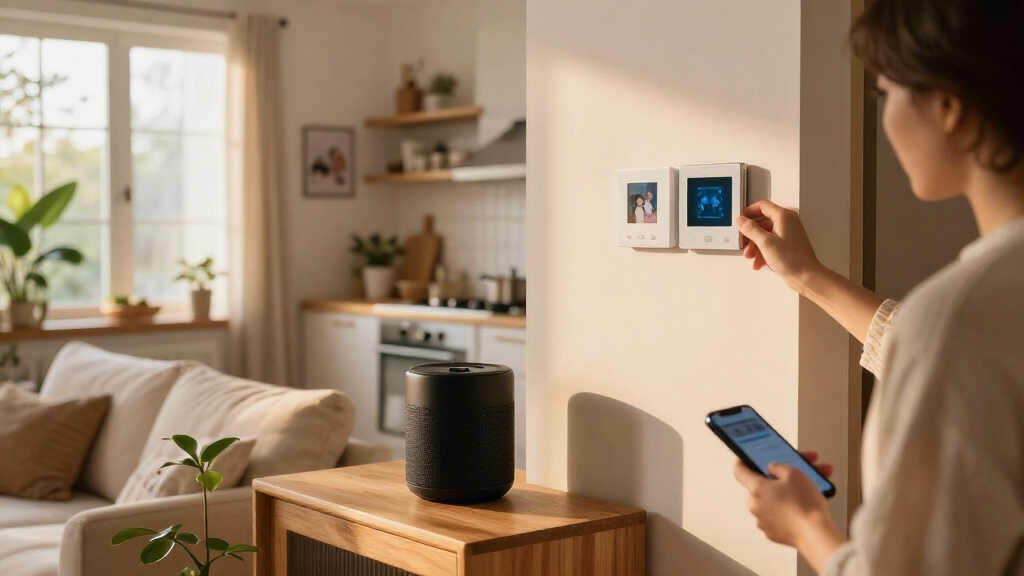
To determine the best smart home devices for 2027, my evaluation focused on three core pillars: ecosystem integration, hardware longevity, and real-world utility. I prioritized devices that support the Matter standard, as this protocol significantly reduces fragmentation between different brand ecosystems. Devices were ranked higher if they offered seamless setup processes and reliable voice assistant responses, minimizing the frustration common in early smart home adoption.
Value was assessed not just by price, but by the feature-to-cost ratio. For example, a smart plug that supports energy monitoring was ranked above a basic plug of similar price. I also considered physical design, ensuring that devices like the Amazon Echo Dot Max and Echo Show 11 fit aesthetically into modern living spaces without dominating the room. Devices with poor app support or frequent connectivity drops were excluded, regardless of their feature lists.
Factors to Consider When Choosing Best Smart Home Devices
Selecting smart home devices requires more than just picking the cheapest option or the one with the most features. The following factors will help you avoid common pitfalls and build a system that actually improves your daily life.
Ecosystem Compatibility and Interoperability
The single most important decision is choosing an ecosystem. If you already own an iPhone, sticking with HomeKit-compatible devices ensures smooth integration with Siri and your existing network. Conversely, Android users often find deeper integration with Google Home or Alexa. In 2027, Matter support is the bridge that allows these ecosystems to talk to each other. However, be aware that Matter is still evolving. Some advanced features, like specific motion sensor triggers or complex automation routines, may only work fully within a single manufacturer’s app. If you plan to mix brands, verify that each device explicitly lists support for the ecosystem you intend to use as your primary hub.
Hub Requirements vs. Standalone Connectivity
Many smart devices require a central hub to function, while others connect directly to your Wi-Fi. Devices like the Amazon Echo Show 15 act as hubs, allowing lower-power devices like Zigbee bulbs to communicate efficiently. Standalone Wi-Fi devices, such as many smart plugs, connect directly to your router. This can saturate your network if you have dozens of devices. A hub-based system is generally more stable and responsive but requires you to keep the hub powered and online. If your internet goes down, Wi-Fi devices often lose remote access, whereas hub-based local automations may continue to function. Assess your router’s capacity before adding more than ten Wi-Fi-connected devices to your home.
Physical Design and Placement Constraints
Smart home devices are physical objects that occupy space and require power outlets. Bulky smart plugs can block adjacent outlets in power strips, a common frustration with older designs. Look for compact or flat-plug designs like the TP-Link Tapo P125M if you plan to use multiple plugs in tight spaces. For displays, consider viewing angles and glare. A device like the Echo Show 5 is perfect for a nightstand but useless across a bright living room. Measure your available space and check the dimensions of each device. Aesthetics matter too; a matte black speaker may blend in better than a glossy white one in a modern apartment.
Privacy Settings and Data Control
Always-on microphones and cameras raise valid privacy concerns. Premium devices often offer hardware mute switches for microphones, which provide physical assurance that the device is not listening. Check if the manufacturer offers local processing options, where voice commands are processed on the device rather than in the cloud. This reduces latency and enhances privacy. For cameras and displays, review the data retention policies. Some brands allow you to delete voice recordings automatically, while others store them indefinitely for service improvement. If privacy is a high priority, prioritize devices with clear, accessible privacy controls and transparent data handling policies over those with flashy but opaque features.
Scalability and Future-Proofing
Start small but plan for growth. Buying a single smart bulb is easy, but managing fifty devices requires a robust app and potentially a stronger network. Ensure the brand you choose has a track record of firmware updates and long-term support. Proprietary standards can become obsolete, whereas open standards like Matter offer better longevity. If you anticipate expanding your setup, invest in a reliable hub and high-quality Wi-Fi mesh system early on. This prevents the need to replace core infrastructure as your device count grows. Consider the availability of accessories and third-party integrations, which add value and flexibility to your system over time.
Frequently Asked Questions
Do I need an Echo device to use Amazon smart home products?
Not necessarily, but it greatly simplifies the experience. While you can control most Amazon smart plugs and bulbs via the Alexa app on your smartphone, voice control requires an Echo device or a compatible third-party speaker. For beginners, the Amazon Echo Dot series offers the most cost-effective entry point into voice control. Without a voice device, you lose the hands-free convenience that defines the smart home experience, though app control remains fully functional and reliable.
What is the difference between a smart plug and a smart power strip?
A smart plug controls one outlet at a time, while a smart power strip like the Kasa Smart Power Strip allows you to control multiple devices individually from a single unit. Smart power strips are ideal for entertainment centers or desks where multiple devices need to be turned off at once to save energy. They also often include USB ports, reducing the need for separate chargers. If you only need to automate a lamp or a coffee maker, a single smart plug is more affordable and less bulky.
Are Matter-compatible devices worth the extra cost in 2027?
Yes, if you plan to mix ecosystems or anticipate changing your primary voice assistant. Matter devices, such as the Linkind Matter Smart Plug, work across Apple HomeKit, Google Home, and Amazon Alexa. This flexibility protects your investment if you switch phones or prefer different assistants for different rooms. While non-Matter devices may be slightly cheaper, they lock you into a specific ecosystem. For long-term home automation plans, the versatility of Matter outweighs the minor price premium.
Can smart home devices work without Wi-Fi?
It depends on the connectivity protocol. Wi-Fi devices require an active internet connection for remote access and voice processing, though some may offer limited local control. Zigbee and Z-Wave devices, often used with hubs like the Echo Show 15, can communicate locally within the network. This means automations like ‘turn off lights when motion is detected’ can still function if your internet goes down, provided the hub has power. However, you will lose remote access and cloud-based voice responses until connectivity is restored.
Which smart display size is right for my kitchen?
Kitchens typically benefit from larger screens for visibility while cooking. The Amazon Echo Show 15 is ideal for this purpose, offering a 15.6-inch screen that can display recipes, video calls, or security feeds clearly from a distance. Smaller displays like the Echo Show 5 are too small for kitchen counters and are better suited for bedrooms or bathrooms. If space is limited, the Echo Show 11 offers a middle ground with a full HD touchscreen that is easier to mount or place on a shelf while remaining legible.
Conclusion
Selecting the best smart home devices depends largely on your current ecosystem and specific use cases. For most users, the Amazon Echo Show 15 represents the best overall choice, combining a large touchscreen, smart hub capabilities, and Fire TV functionality into one premium unit. If you are looking for the best value, the Linkind Matter Smart Plug offers exceptional versatility and future-proofing at a low entry price. Beginners should start with the Amazon Echo Dot Max for its balanced audio and voice performance without the bulk of a display. For those prioritizing premium aesthetics and spatial audio in a living room, the Amazon Echo Show 11 is the superior pick. Finally, if you need reliable, no-frills automation for lights and appliances, the Kasa Smart Wi-Fi Plug provides the most stable and straightforward user experience. Match your choice to your primary room and existing smartphone ecosystem to maximize convenience.