
TL;DR
Experts recommend specific landscaping and environmental practices to turn residential yards into safe habitats for fireflies. This initiative aims to support declining firefly populations and enhance local biodiversity.
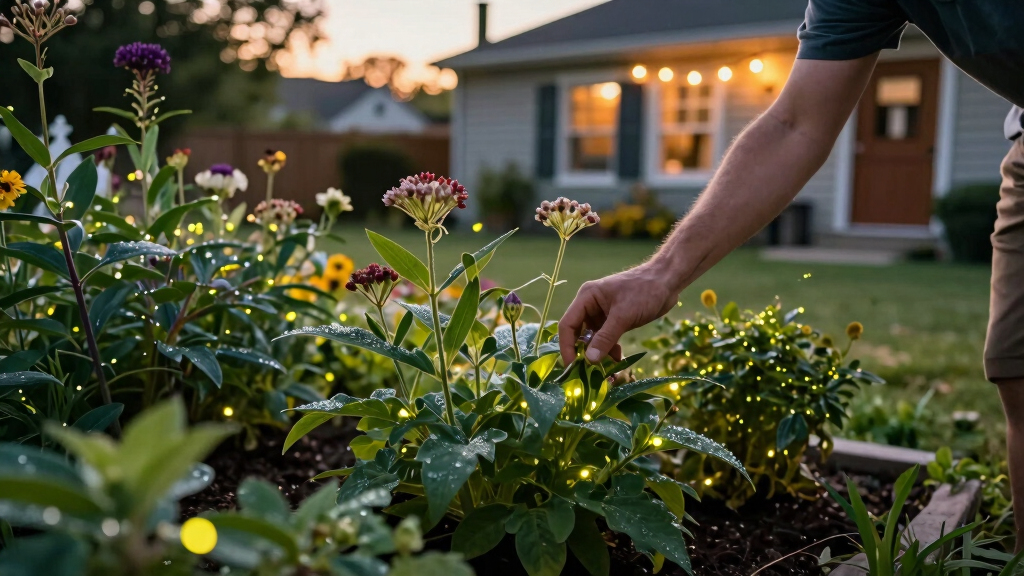
Conservation advocates and entomologists are now encouraging homeowners to modify their yards to become refuges for fireflies, amid concerns about declining populations. These efforts involve simple habitat improvements that can be implemented immediately, making backyard environments more inviting for these bioluminescent insects.
Experts suggest that reducing pesticide use, planting native vegetation, and creating moist, undisturbed areas can significantly increase firefly presence. The initiative is supported by local conservation groups and entomologists, who say these measures can help reverse recent declines in firefly numbers, which have been linked to habitat loss and pesticide overuse.
Specific recommendations include avoiding chemical pesticides, planting native grasses and flowers, and maintaining leaf litter and wood piles as natural shelters. These practices are easy for homeowners to adopt and can be incorporated into regular yard maintenance.
While these guidelines are supported by conservationists, the effectiveness of individual actions may vary depending on local environmental conditions. No large-scale studies have yet conclusively quantified the impact of these measures, but anecdotal reports suggest positive results.
Why Supporting Fireflies Matters for Ecosystems
Supporting fireflies in residential areas contributes to local biodiversity and ecosystem health. Fireflies are pollinators and serve as prey for various birds and insects, playing a vital role in food webs. Their decline signals broader environmental issues, including habitat destruction and pesticide overuse, which can also threaten other species and overall ecological balance.
Moreover, fireflies provide natural beauty and educational opportunities, fostering community engagement with environmental conservation. Creating firefly-friendly yards can help raise awareness about insect declines and promote sustainable landscaping practices.
As an affiliate, we earn on qualifying purchases.
Recent Trends in Firefly Population Declines and Conservation Efforts
Over the past decade, firefly populations have been decreasing in many regions, attributed mainly to habitat loss, urbanization, and widespread pesticide use. Conservation organizations have increasingly promoted habitat restoration and pesticide reduction as key strategies to support these insects.
Recent studies indicate that fireflies thrive in areas with minimal light pollution, moist soil, and native vegetation. Some communities have launched local initiatives encouraging residents to adopt firefly-friendly practices, with early reports of increased sightings.
This movement aligns with broader efforts to protect pollinators and promote sustainable landscaping, reflecting growing public awareness of insect declines and biodiversity loss.
“Creating simple habitat improvements, like reducing pesticides and planting native species, can significantly boost firefly populations in residential areas.”
— Dr. Emily Carter, Entomologist at GreenState University
As an affiliate, we earn on qualifying purchases.
Uncertainties About Effectiveness of Yard Modifications
While anecdotal evidence supports the benefits of habitat-friendly practices, there is limited scientific data quantifying how much these measures increase firefly populations. The long-term impact of widespread yard modifications remains to be studied, and results may vary based on local environmental factors.
Additionally, the specific types of native plants or habitat features most effective for fireflies are still under research, and some homeowners may require guidance tailored to their region.
As an affiliate, we earn on qualifying purchases.
Next Steps for Community Engagement and Scientific Study
Conservation groups plan to expand outreach programs to educate homeowners about firefly-friendly practices. They also aim to collaborate with researchers to monitor firefly populations in modified yards, gathering data to assess the effectiveness of different habitat strategies.
Further studies will help refine recommendations and potentially lead to broader policy support for habitat conservation efforts at the municipal or regional level.
natural leaf litter and wood piles for yard
As an affiliate, we earn on qualifying purchases.
As an affiliate, we earn on qualifying purchases.
Key Questions
What are the easiest ways to make my yard more firefly-friendly?
Reduce or eliminate pesticide use, plant native grasses and flowers, and leave leaf litter or wood piles undisturbed to provide shelter.
When is the best time to implement these changes?
Spring and early summer are ideal times to start, as fireflies become active and visible during these seasons.
Will these modifications harm other plants or animals in my yard?
No, most recommended practices are beneficial for a variety of native species and promote overall biodiversity.
Are there specific native plants that attract fireflies?
Native grasses, wildflowers, and plants that produce moist, undisturbed soil conditions are most effective, though recommendations vary by region.
How long will it take to see more fireflies after making these changes?
Results can vary, but some homeowners report increased sightings within one or two seasons of habitat improvements.
Source: rss