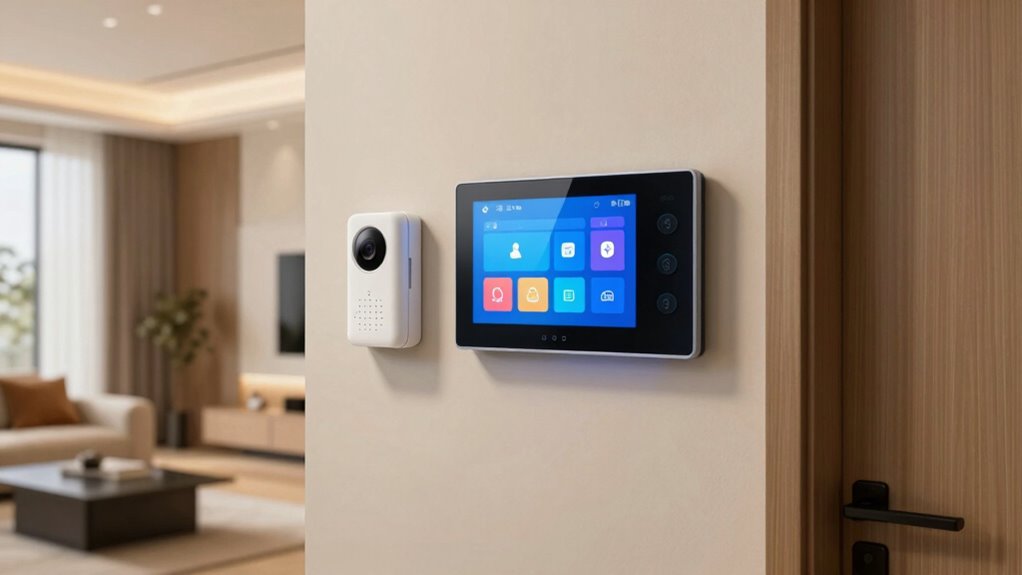

A home alarm system with cellular backup can keep alerts moving when an internet connection fails, but the products here differ sharply in how that backup works. My strongest fit for a ready-made kit is the PGST 22-piece system, which supports 4G alerts alongside Wi-Fi and adds a 2K camera. For a larger sensor layout and longer stated battery reserve, I would look at the 24-piece Wi-Fi and 4G system. The UNO IP Hybrid panel is a different kind of pick: it offers optional LTE backup and far more zones, but it suits buyers who already have compatible alarm hardware rather than people seeking a simple starter kit.

Get home appliances delivered free with Prime
- Fast, free delivery on millions of items
- Prime Video, Amazon Music and more included
- Member-only deals all year
The main tradeoff is between actual cellular connectivity and lower-complexity Wi-Fi alarms. Two kits in this list explicitly offer 4G or LTE backup; the other three rely on Wi-Fi and their hub batteries, so they should not be treated as cellular-backup systems. I rank the cellular-capable choices first for this specific search, then include the Wi-Fi-only systems as lower-complexity alternatives for buyers whose priority is app alerts during normal internet service rather than cellular coverage during an outage.
Complete the kit


Key Takeaways
- PGST is the clearest all-in-one cellular choice: it lists Wi-Fi and 4G SIM connectivity, plus app, call, and SMS alert options.
- The 24-piece kit has the longest stated hub backup runtime at up to 48 hours, but its SIM card is not included and its siren listing is inconsistent.
- UNO is the most expandable option, supporting 128 zones, but LTE is optional and installation depends on compatible alarm enclosures.
- Tolviviov and the compact Smart Life kit have Wi-Fi and hub backup batteries, not stated cellular backup; they are not direct substitutes for 4G systems during internet outages.
- Check the SIM, service, and alert path before buying: cellular hardware does not by itself establish that a plan or monitoring service is included.
| PGST 22-Piece WiFi and 4G Home Security System with 2K Camera |  | Best Overall Cellular-Ready Kit | Connectivity: 2.4 GHz Wi-Fi and 4G SIM | Kit size: 22 pieces | Camera: 2K; microSD up to 256 GB sold separately | VIEW ON AMAZON | See Our Full Breakdown |
| Wireless Home Alarm System with Wi-Fi and 4G Backup, 24-Piece Kit |  | Best for Longer Stated Battery Backup | Connectivity: 2.4 GHz Wi-Fi and GSM/4G LTE; SIM not included | Kit contents: 24 pieces, including 10 door/window sensors and five motion detectors | Battery backup: Up to 48 hours | VIEW ON AMAZON | See Our Full Breakdown |
| UNO IP Hybrid Professional Grade Alarm Panel |  | Best for Expanding an Existing Alarm Setup | Zone capacity: 128 | User capacity: 128 | FOB capacity: 128 | VIEW ON AMAZON | See Our Full Breakdown |
| Tolviviov 15-Piece WiFi Home Security System |  | Best Sensor Bundle Without a Cellular Claim | Included components: Base station, keypad, motion sensor, 10 door sensors, and two remotes | Connectivity: 2.4 GHz Wi-Fi and wireless sensors | Backup battery: Eight hours | VIEW ON AMAZON | See Our Full Breakdown |
| Wireless Wi-Fi Home Security Alarm System with 120 dB Siren |  | Best Compact Starter Kit | Included components: Hub, four door/window sensors, and one SOS remote | Connectivity: 2.4 GHz Wi-Fi; no cellular backup stated | Hub battery: Rechargeable backup battery | VIEW ON AMAZON | See Our Full Breakdown |
| home alarm system with cellular backup | Connectivity | Siren | Maximum stated range |
|---|---|---|---|
| PGST 22-Piece WiFi and 4G Home | 2.4 GHz Wi-Fi and 4G SIM | 120 dB | 1,000 feet |
| Wireless Home Alarm System wit | 2.4 GHz Wi-Fi and GSM/4G LTE; SIM not included | Listed as 110 dB and 120 dB | — |
| UNO IP Hybrid Professional Gra | Internet connection for remote control and notifications | — | — |
| Tolviviov 15-Piece WiFi Home S | 2.4 GHz Wi-Fi and wireless sensors | 120 dB | 100 feet |
| Wireless Wi-Fi Home Security A | 2.4 GHz Wi-Fi; no cellular backup stated | 120 dB | 10 meters |
More Details on Our Top Picks
PGST 22-Piece WiFi and 4G Home Security System with 2K Camera
For a buyer who wants cellular backup in a self-contained alarm kit, PGST makes the most direct case. It lists 2.4 GHz Wi-Fi and a 4G SIM connection, with app notifications, phone calls, and SMS alerts among its communication options. That gives it a more clearly described alternate alert path than the 24-piece kit, which also offers 4G but gives less detail about its cellular alert channels. Before relying on either, I would confirm SIM compatibility, activation requirements, and whether any service charges apply: “no monthly fees after activation” does not by itself explain the activation conditions.
The 2K camera, multiple sensor types, and SOS device make this a more feature-rich bundle than the simpler Wi-Fi options from Tolviviov and the Smart Life four-sensor kit. The camera can add visual context to an alarm event, but local storage requires a separately purchased microSD card, up to 256 GB. Its 2.4 GHz-only Wi-Fi requirement is common across this lineup, not a unique flaw, yet it still matters if the home network is configured only for 5 GHz. PGST’s 22 pieces are appealing for broad initial coverage; buyers who need a large, clearly stated zone ceiling may prefer UNO, while those prioritizing extended hub runtime should compare the 24-piece system.
I place PGST first because its cellular route and alert methods are described most concretely while the package includes a camera and emergency control. Its drawback is a setup checklist: a compatible SIM and optional memory card are not included, and the camera’s local-recording feature is not ready out of the box.
Pros:- Lists both 2.4 GHz Wi-Fi and 4G SIM connectivity.
- Supports app notifications, calls, and SMS alerts.
- Includes a 2K camera and an emergency SOS device.
- Offers a 22-piece kit with Smart Life and Tuya app compatibility.
Cons:- A 4G SIM is needed, and activation details should be confirmed.
- MicroSD storage for the camera is sold separately.
- Wi-Fi connection supports 2.4 GHz, not 5 GHz.
Best for: Households seeking a bundled DIY alarm with a stated 4G alert path, camera, and several sensor types.
Not ideal for: Buyers who want cellular service, camera storage, and monitoring arrangements fully included and clearly specified.
- Connectivity:2.4 GHz Wi-Fi and 4G SIM
- Kit size:22 pieces
- Camera:2K; microSD up to 256 GB sold separately
- Alert options:App, phone call, and SMS
- Siren:120 dB
- Apps:Smart Life and Tuya
- Maximum stated range:1,000 feet
Our verdict“I rank PGST first for its clearly stated 4G alert options and feature-rich kit, provided you verify SIM activation and add storage if you want local camera recording.”
Wireless Home Alarm System with Wi-Fi and 4G Backup, 24-Piece Kit
This 24-piece system is the strongest fit here for buyers who want a sizable sensor bundle and a stated reserve of power during an outage. Its hub uses 2.4 GHz Wi-Fi with optional GSM/4G LTE, while its built-in battery is rated for up to 48 hours. That runtime is longer than any other figure supplied for these products, making it more persuasive for extended power interruptions than PGST, whose backup duration is not specified. The rating is a claim rather than a guarantee for every installation; actual runtime can depend on how the system is configured and used.
Its package lists 10 door/window sensors and five motion detectors, which gives it an advantage over the compact Smart Life kit and the Tolviviov system’s included single motion sensor. It also works with Smart Life, Tuya, and Alexa, and lists audible, push, and SMS alerts. However, the cellular route is not ready without a SIM card, and the description does not explain as fully as PGST how cellular activation or service works. I would verify the network and service requirements before treating the system as a dependable backup path.
There are two details I would not gloss over: installation calls for drilling to mount the hub, and the siren is described as both 120 dB and 110 dB in the supplied specifications. That inconsistency makes it harder to compare audible output reliably. I rank it behind PGST because the backup battery figure is attractive, but the cellular and siren details are less tidy. Choose it for the larger included sensor spread and stated runtime, not for a fully explained cellular service package.
Pros:- Lists Wi-Fi plus optional GSM/4G LTE backup.
- States up to 48 hours of battery backup.
- Includes 10 door/window sensors and five motion detectors.
- Supports Smart Life, Tuya, Alexa, push alerts, and SMS.
Cons:- SIM card is not included, and cellular activation details are limited.
- Hub mounting requires drilling.
- Siren output is listed inconsistently as 110 dB and 120 dB.
Best for: Buyers who want many sensors in the box and the longest stated hub battery runtime among these picks.
Not ideal for: Renters avoiding drilling, or anyone unwilling to source and verify a compatible 4G SIM and service.
- Connectivity:2.4 GHz Wi-Fi and GSM/4G LTE; SIM not included
- Kit contents:24 pieces, including 10 door/window sensors and five motion detectors
- Battery backup:Up to 48 hours
- Siren:Listed as 110 dB and 120 dB
- Alerts:Audible alarm, push notification, and SMS
- Motion detection:110° field of view; up to 12 m range
- Smart-home compatibility:Alexa, Smart Life, and Tuya
Our verdict“I would choose this over PGST when the larger sensor bundle and stated 48-hour battery reserve matter more than a more fully described 4G alert path.”
UNO IP Hybrid Professional Grade Alarm Panel
UNO is not a conventional boxed starter kit. It is a hybrid alarm panel for a more involved installation, and its optional LTE backup is most relevant to people building on compatible alarm hardware. The stated capacity of 128 zones, users, and FOBs places it well beyond the small DIY kits in this list. If you need to cover multiple buildings, many entry points, or a larger household with separate access credentials, that capacity is a meaningful distinction rather than a decorative spec.
Unlike PGST, UNO does not present a complete sensor-and-camera bundle, and LTE is an option rather than a clearly included cellular service. It offers internet-based remote control and push notifications, with LTE available for alarm signaling during internet outages. Buyers should confirm what LTE hardware or service is needed and whether the specific panel configuration includes it. The description also says it fits most standard DSC or Honeywell enclosures, so it is not as convenient for someone who wants to attach sensors and begin using a self-contained kit.
I rank UNO third: it has the most headroom for a complex system, but its cellular backup promise depends more on configuration and compatible equipment than PGST’s stated 4G SIM setup. It also stands apart from the 24-piece kit, which emphasizes included sensors and backup runtime rather than system scale. This is the right direction for an installer or experienced owner expanding an existing setup; for a first alarm, the extra flexibility may be extra work.
Pros:- Supports up to 128 zones, users, and FOBs.
- Offers optional LTE alarm signaling during internet outages.
- Provides app-based remote control and push notifications.
- Fits many standard DSC or Honeywell enclosures.
Cons:- LTE is optional, and the included cellular hardware or service is not specified.
- Requires a compatible enclosure and may need configuration work.
- Does not present the ready-to-use sensor bundle included with PGST or the 24-piece kit.
Best for: Experienced DIY users or installers expanding a compatible alarm system that needs many zones and optional LTE signaling.
Not ideal for: First-time buyers looking for an all-in-one sensor kit, included LTE service, or a simple no-enclosure installation.
- Zone capacity:128
- User capacity:128
- FOB capacity:128
- Cellular option:Optional LTE alarm signaling
- Connectivity:Internet connection for remote control and notifications
- Home automation:Interface supported
- Enclosure fit:Most standard DSC or Honeywell enclosures
Our verdict“I recommend UNO for expanding a compatible alarm installation, but not as the easiest route to cellular backup for a first-time buyer.”
Tolviviov 15-Piece WiFi Home Security System
Tolviviov earns a place as a clearly labeled Wi-Fi-only alternative, not as a cellular-backup pick. Its listed connections are Wi-Fi and wireless sensors, and the hub battery is rated for eight hours. That battery can keep the alarm powered during a brief loss of mains electricity, but the supplied details do not say the system can send alerts over cellular if the home internet goes down. Compared with PGST and the 24-piece kit, that is a decisive limitation for anyone whose central requirement is an alternate communication path.
The kit includes 10 door sensors, a motion sensor, keypad, and two remotes, which gives it a stronger entry-point package than the compact Smart Life system. It can also expand to 20 sensors and supports app alerts, Alexa, and no monthly subscription fees according to the description. Buyers still need a 2.4 GHz Wi-Fi network; 5 GHz is not supported. A 120 dB siren is listed, but a loud local alarm does not replace remote notification when the network is unavailable.
I would choose Tolviviov over the four-sensor compact kit when the goal is to cover more doors on a modest DIY system, and over the cellular-capable systems only when 4G is not necessary. Its eight-hour hub reserve is also much shorter than the up-to-48-hour figure listed for the 24-piece system. That makes it a sensible choice for routine app control, but a poor match for buyers who used the phrase “cellular backup” because they need alerts to survive an internet outage.
Pros:- Includes 10 door sensors, a motion sensor, keypad, and two remotes.
- Supports app alerts, Alexa, and expansion up to 20 sensors.
- No monthly subscription fee is listed.
- DIY installation with an eight-hour hub backup battery.
Cons:- No cellular connection is stated; Wi-Fi loss can interrupt remote alerts.
- Hub backup is rated for eight hours, shorter than the 24-piece kit’s stated reserve.
- Requires 2.4 GHz Wi-Fi and does not support 5 GHz.
Best for: Households wanting a no-subscription DIY Wi-Fi alarm with many included door sensors and Alexa control.
Not ideal for: Anyone who needs cellular communication during an internet outage or a longer stated backup runtime.
- Included components:Base station, keypad, motion sensor, 10 door sensors, and two remotes
- Connectivity:2.4 GHz Wi-Fi and wireless sensors
- Backup battery:Eight hours
- Siren:120 dB
- Expansion:Up to 20 sensors and five remotes/keypads
- Control:App, remote, and Alexa voice control
- Maximum stated range:100 feet
Our verdict“I would pick Tolviviov for a larger no-fee Wi-Fi sensor bundle, but not if cellular backup is a firm requirement.”
Wireless Wi-Fi Home Security Alarm System with 120 dB Siren
This compact Smart Life kit is the simplest small-home or apartment starting point in the lineup, but it has no stated cellular backup. It connects through 2.4 GHz Wi-Fi for app arming, event records, and alerts, and the hub has a rechargeable backup battery. As with Tolviviov, that is a power reserve rather than a second route for communications. If internet failure is the risk you are trying to address, the PGST or 24-piece system is a better fit because both explicitly list 4G connectivity.
The included package is limited to four door/window sensors and an SOS remote, which keeps the initial setup more compact than Tolviviov’s 10-door-sensor bundle. It supports Alexa and Google Home, and can expand to 100 accessories, so a buyer can add coverage over time. That maximum is a flexibility claim, not a reason to expect full-home coverage from the base kit. Its stated maximum range is 10 meters, far less than the range figures supplied for PGST and the 24-piece system; check sensor placement carefully rather than assuming it suits a sprawling layout.
I rank it fifth because this guide prioritizes cellular continuity, and its connectivity description names Wi-Fi but no 4G or LTE. It is still a reasonable low-complexity choice for someone who wants a handful of entry sensors, voice-assistant compatibility, and a rechargeable hub battery. Compared with Tolviviov, it includes fewer sensors but supports a higher stated accessory count and both Alexa and Google Home. Skip it if the cellular element in the title is non-negotiable.
Pros:- Compact starter set includes four door/window sensors and an SOS remote.
- Supports Smart Life, Alexa, and Google Home.
- Hub has a rechargeable backup battery.
- Can expand to as many as 100 accessories.
Cons:- No cellular connection is stated.
- The kit includes fewer sensors than Tolviviov and the 24-piece system.
- Listed maximum range is 10 meters, so placement may limit coverage.
Best for: Apartment dwellers or buyers starting with a few entry points who want Smart Life and voice-assistant control.
Not ideal for: Households needing cellular alerts during Wi-Fi outages or broad coverage without buying extra sensors.
- Included components:Hub, four door/window sensors, and one SOS remote
- Connectivity:2.4 GHz Wi-Fi; no cellular backup stated
- Hub battery:Rechargeable backup battery
- Siren:120 dB
- Maximum accessories:100
- Smart-home compatibility:Alexa and Google Home
- Maximum stated range:10 meters
Our verdict“I would choose this as a compact Wi-Fi starter kit, not as a substitute for a system with a stated 4G or LTE backup path.”
How We Picked
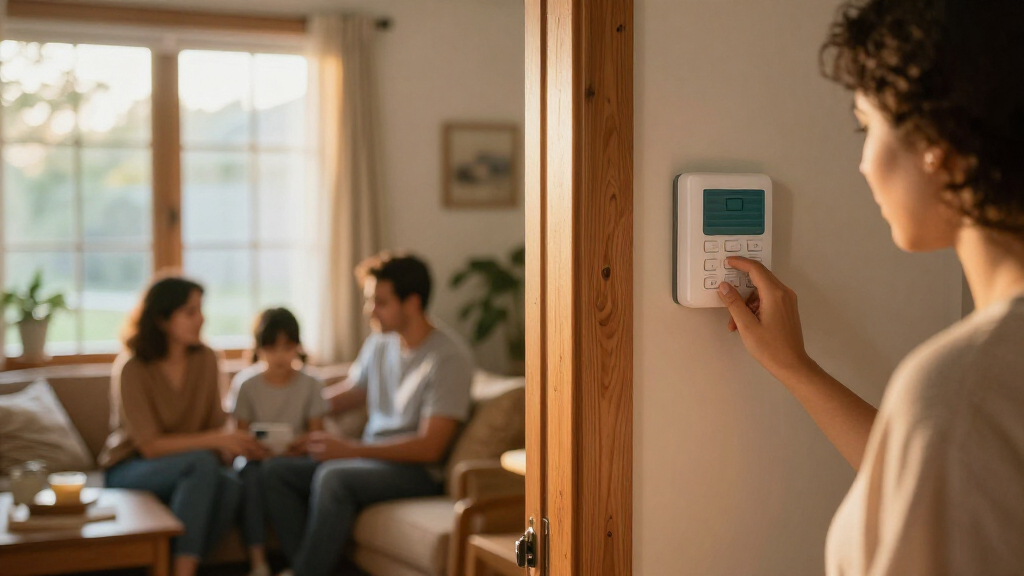
I ranked these systems around the promise in the title: keeping alarm communication available when home internet is interrupted. That puts products with explicitly stated 4G or LTE capability ahead of Wi-Fi-only alarms, even when the latter offer useful app controls or large sensor counts. I also distinguish cellular backup from a backup battery: a battery can keep a hub powered, but it cannot provide an alternate communication route if the hub has no cellular connection.
Within the cellular-capable group, I weighed how complete the kit appears, the stated alert methods, battery backup information, and the setup dependencies a buyer must resolve. PGST describes 4G SIM alerts through apps, calls, and SMS, while the 24-piece kit describes optional 4G backup and up to 48 hours of battery operation. UNO offers optional LTE and much greater zone capacity, but its enclosure requirement makes it less plug-and-play. I then included two Wi-Fi-only systems to show what buyers give up—and what they gain in simpler DIY use—when cellular redundancy is not a requirement. I did not infer included monitoring, SIM service, or cellular performance beyond the provided product details.
Factors to Consider When Choosing Home Alarm System With Cellular Backup
I would start by separating a true alternate communication path from a hub that merely stays powered. The cellular-capable options here are PGST, the 24-piece Wi-Fi and 4G kit, and UNO with optional LTE. Tolviviov and the compact Smart Life system are Wi-Fi-only based on the supplied details.Cellular backup is not the same as a backup battery
A battery keeps a hub running during a power cut; cellular capability can let it send an alert when home internet is down. A system may need both to remain useful during a combined outage. The 24-piece kit states up to 48 hours of battery backup, while Tolviviov lists eight hours, but neither runtime figure on its own proves cellular service is included. PGST explicitly lists a 4G SIM path, and UNO lists LTE as an option. I would check whether the cellular module, SIM, activation, and service are part of the configuration you are buying.
Confirm what happens when Wi-Fi fails
Ask whether the alarm can send app notices, calls, or texts through cellular, and whether those alerts require a separately activated SIM. PGST describes app, phone-call, and SMS alerts with its 4G option. The 24-piece system names push notifications and SMS, but its SIM is not included. UNO describes LTE alarm signaling during internet outages, though the option’s exact hardware and service requirements need checking. A Wi-Fi-only alarm may still sound locally when disconnected, but remote notification should not be assumed.
Match the sensor package to the home
Count exterior doors, accessible windows, and rooms that need motion coverage before comparing piece counts. The 24-piece kit includes 10 door/window sensors and five motion detectors; Tolviviov supplies 10 door sensors and one motion sensor. PGST offers a 22-piece set with multiple sensor types, while the compact Smart Life kit begins with four entry sensors. UNO is different: its 128-zone capacity is for building a larger system, not evidence that 128 sensors arrive in the box.
Check setup needs and network limits
All three boxed Wi-Fi systems described here require 2.4 GHz Wi-Fi; none of the supplied details claim 5 GHz support. Check that your router can connect the hub on that band. The 24-piece kit calls for drilling to mount its hub, while Tolviviov and the compact kit are described as DIY installations. UNO needs a compatible enclosure. These differences matter for renters, existing alarm-panel owners, and anyone who wants a system that can be set up without modifying walls or sorting out legacy hardware.
Treat cameras and smart-home features as separate requirements
PGST is the only listed option with a bundled camera, but local microSD storage is sold separately. The other systems emphasize sensors, app controls, or voice assistants rather than camera recording. If visual verification is important, check what storage and access are actually included. Alexa support appears on Tolviviov and the 24-piece kit; the compact kit adds Google Home. UNO’s home-automation interface may appeal to an existing system owner, but buyers should check compatibility with their specific setup.
Frequently Asked Questions
Which system in this roundup has the clearest cellular alert setup?
PGST gives the clearest description in the supplied details: it lists 4G SIM connectivity alongside Wi-Fi and names app notifications, phone calls, and SMS alerts. The SIM and activation conditions still need checking, so I would not assume service is included. The 24-piece kit also lists 4G backup, while UNO offers optional LTE signaling, but their setup requirements are less fully described.
Does a backup battery mean an alarm has cellular backup?
No. A backup battery can keep the alarm hub powered when electricity fails, but it does not create a cellular connection. Tolviviov lists an eight-hour battery and the compact Smart Life kit lists a rechargeable hub battery, yet neither product description states cellular connectivity. For an alternate route when internet service is unavailable, look for explicit 4G or LTE support and confirm the SIM and service requirements.
Do these systems include cellular monitoring?
The supplied descriptions do not establish that professional cellular monitoring is included. PGST and the 24-piece system describe cellular connectivity or alerts, and UNO lists optional LTE signaling, but buyers should verify whether a SIM, activation, a service plan, or a monitoring provider is needed. A device’s ability to send a cellular alert is not the same thing as a staffed monitoring service.
Which option makes the most sense for an existing alarm installation?
UNO is the strongest match for an existing setup because it is a hybrid panel that fits many standard DSC or Honeywell enclosures and supports up to 128 zones, users, and FOBs. Its LTE backup is optional, and compatibility depends on the actual equipment and configuration. For someone without an existing enclosure or alarm hardware, PGST or the 24-piece system is a more straightforward boxed kit.
Are any of these systems suitable for a 5 GHz-only Wi-Fi network?
The listed Wi-Fi kits specify 2.4 GHz and say they do not support 5 GHz, so a 5 GHz-only network would not match their stated requirements. That applies to PGST, the 24-piece kit, Tolviviov, and the compact Smart Life alarm. I would check router settings before purchase and confirm whether a 2.4 GHz band can be enabled; cellular capability does not remove the Wi-Fi setup requirement where the product calls for it.
Conclusion
For a buyer who wants a ready-made alarm with a clearly stated cellular route, I would start with PGST, then confirm SIM activation and plan details before relying on it. Choose the 24-piece system if a larger sensor bundle and its stated up-to-48-hour battery reserve are the priority, while accepting that the SIM is separate and the siren specification is inconsistent. For an existing compatible panel with a much larger coverage plan, UNO offers the most capacity, but LTE and enclosure compatibility need attention.
If cellular backup is optional rather than essential, Tolviviov is the better fit for a no-subscription Wi-Fi kit with many door sensors, and the compact Smart Life system suits a smaller setup with Alexa and Google Home. Neither should be mistaken for a cellular-backed alarm based on the information supplied. My final check would be simple: confirm the communication path, SIM and service requirements, battery behavior, and sensor coverage for the specific home before choosing.