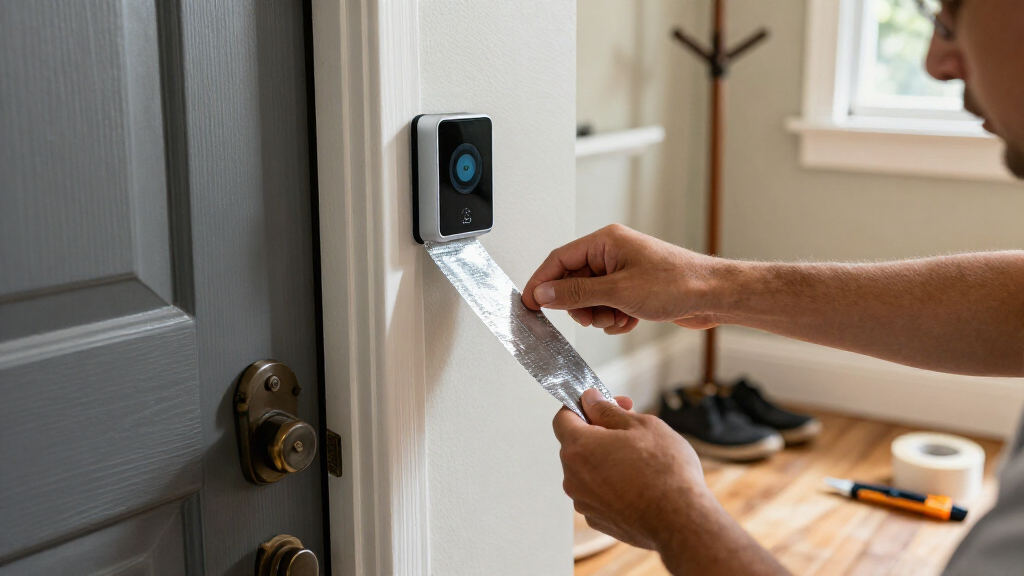

The best flashing tapes pair dependable adhesion with a width and material suited to the joint—not simply the biggest roll. My best overall pick is 3M All Weather Flashing Tape 8067 for its all-weather focus and practical 2-inch format; Typar All-Temperature Self-Adhering Flashing stands out for window and door work, while OSI Butyl Flash Tape offers wider butyl options for jobs that need more coverage. The main tradeoffs are butyl versus other adhesive constructions, narrow versus wide rolls, and specialized use versus general-purpose flexibility. A wider roll can cover more area, but it may be harder to position accurately and can create more waste on small details. Read on for the full comparison and guidance on matching tape to the opening, substrate, and installation conditions.

Get home appliances delivered free with Prime
- Fast, free delivery on millions of items
- Prime Video, Amazon Music and more included
- Member-only deals all year
Complete the kit


Key Takeaways
- 3M 8067 is the lineup’s best overall fit for compact, general flashing work: its 2-inch width is easier to handle on narrow joints, though it offers less coverage per pass than the wider rolls.
- Typar’s all-temperature line and butyl line serve different priorities: choose the former when temperature range is a deciding factor, and compare the latter when a butyl-based tape and broader widths better match the assembly.
- OSI Butyl and Typar Butyl come in several widths: the 4-inch versions suit many standard details, while 6- and 9-inch rolls can cover wider transitions with fewer seams.
- DuPont Tyvek’s 6-, 9-, and 12-inch options make width the main choice within that family: wider tape can reduce joins on broad areas but is less forgiving around tight corners and small openings.
- Not every roll is aimed at the same job: Cofair Quick Roof Extreme is positioned for roofing repairs, while ZIP System tape is a shorter 30-foot roll suited to compatible system details rather than long runs.


| flashing tape | Material |
|---|---|
| 3M All Weather Flashing Tape 8 | — |
| OSI Butyl Flash Tape | — |
| DuPont Tyvek Flashing Tape | Rubber |
| Cofair Quick Roof Extreme Whit | Vinyl |
| Typar All-Temperature Self-Adh | — |
| Typar Butyl Window and Door Fl | Butyl rubber copolymer |
| DuPont Tyvek Flashing Tape | Butyl |
| Typar Butyl Flashing Tape | Rubber |
| OSI Butyl Flash Tape | Butyl rubber |
| TYPAR All-Temperature Self-Adh | — |
| FrogTape Pro Grade Flashing Ta | — |
| TapeManBlue Self-Adhesive Flas | Polypropylene |
| DuPont Tyvek Flashing Tape | Polypropylene film |
| Typar Butyl Flashing Tape | — |
| ZIP System Adhesive Flashing T | — |
More Details on Our Top Picks
3M All Weather Flashing Tape 8067, Tan, 2 in x 75 ft, 1 Roll
The 2-inch width and thin, conformable backing make this 3M tape a focused choice for sealing around fasteners and tight window or door details, where a wider membrane may create unnecessary overlap. Its acrylic adhesive is rated for application from 0°F to 176°F and can bond to common building materials, including damp surfaces. Compared with the 4-inch Typar All-Temperature Self-Adhering Door and Window Flashing Tape, this roll offers less coverage per pass but can be easier to position in narrow areas. The backing is described as resistant to punctures and tears, which helps it stay intact around nails and staples. Its main limitation is scope: the listing says it is for concealed flashing in vertical walls, not roofs, and specifies industrial and occupational use only—not consumer use.
Pros:- Adheres to common building materials without primers or staples
- Can bond to damp surfaces across a 0°F to 176°F application range
- Thin backing conforms around nails and staples with less buildup
- Backing resists punctures and tears
Cons:- Listed for industrial and occupational use only, not consumer sale or use
- Two-inch width provides less coverage per pass than wider flashing tapes
- Recommended for concealed vertical-wall flashing, not roof applications
Best for: Professional installers who need a narrow tape for concealed vertical-wall details and fastener areas, including work in cool or damp conditions
Not ideal for: Homeowners seeking a consumer-use product, roofers, or anyone who needs wide coverage with fewer seams
- Brand:3M
- Model:8067/TAN225
- Dimensions:2 in x 75 ft
- Quantity:1 roll
- Color:Tan
- Adhesive:Acrylic pressure-sensitive
- Application temperature:0°F to 176°F (-18°C to 80°C)
- Surface compatibility:Common building materials; adheres to damp surfaces
Our verdict“Choose this 3M roll for narrow, concealed wall details if its occupational-use limitation fits your project; skip it for roofing or broad openings.”
OSI Butyl Flash Tape, 6 in x 75 ft, Black
Six-inch width and a 15 mil butyl membrane give this OSI tape a clear role when a window or door opening needs a broad, water-resistant strip rather than a narrow detail patch. The product is designed to form an air and vapor barrier, and its listed compatibility includes wood and cement. Compared with the 4-inch Typar All-Temperature Self-Adhering Door and Window Flashing Tape, OSI covers more area per pass, though its stated recommended surface is wood, so buyers should check suitability for their exact substrate. The tape is also listed as UV resistant, a useful property when installation may be exposed before the surrounding work is complete. It is single-sided, however, and the supplied data gives a maximum temperature of 180°F without a low-temperature application rating. That makes it less clearly specified for cold-weather installation than Typar or 3M 8067.
Pros:- Six-inch width covers more area per pass than 4-inch options
- Butyl membrane is designed to form an air and vapor barrier
- Listed as water resistant and UV resistant
- Compatible with wood and cement
Cons:- Adhesive is on one side only
- No low-temperature application range is supplied
- Recommended surfaces list wood, so suitability for other substrates needs checking
Best for: Builders flashing broad window or door areas who want a butyl tape with listed wood and cement compatibility
Not ideal for: Installers who need a specified cold-weather application range, two-sided adhesion, or confirmed compatibility with substrates beyond those listed
- Brand:OSI
- Model:2579106
- Dimensions:6 in x 75 ft
- Color:Black
- Material and thickness:Rubber; 15 mil
- Adhesive:Self-adhesive butyl, one-sided
- Compatible materials:Cement and wood
- Water and UV resistance:Water resistant; UV resistant
- Maximum temperature:180°F
Our verdict“Pick OSI for broad, single-sided butyl coverage when its listed substrate compatibility matches your opening and cold-weather application is not a requirement.”
DuPont Tyvek Flashing Tape, 9 in x 75 ft, 1 Roll
Nine inches of width is the deciding feature here: this Tyvek roll can cover a larger section of wall per strip than the 6-inch OSI Butyl Flash Tape, which may reduce the number of parallel runs on a broad wall detail. It is a single-sided, water-resistant rubber adhesive tape intended for wall surfaces, not a general roof-repair product. The 75-foot length matches several other options in this lineup, but width—not roll length—is its main advantage. The product data leaves important installation questions unanswered, including a usable temperature range; its listed upper temperature rating is only 25°F, which is unusual and should be verified with the manufacturer before purchase rather than treated as a conventional warm-weather rating. Compared with the more clearly specified Typar All-Temperature Self-Adhering Door and Window Flashing Tape, this is a more specialized wall-coverage pick with less complete temperature guidance.
Pros:- Nine-inch width covers broad wall areas in fewer strips
- Seventy-five-foot roll length suits extended runs
- Single-sided adhesive supports conventional wall-flashing application
- Water-resistant construction
Cons:- Designed for wall surfaces, limiting its stated application scope
- The listed 25°F upper temperature rating is unusual and should be verified
- The supplied data does not specify compatible substrates beyond wall surfaces
Best for: Installers who need a wide, single-sided water-resistant tape for wall flashing and can confirm the temperature rating for their project
Not ideal for: Buyers who need clear temperature guidance, a tape specified for roofing, or a narrower strip for tight window details
- Brand:DuPont
- Dimensions:9 in x 75 ft
- Quantity:1 roll
- Material:Rubber
- Color:White
- Adhesive:Single-sided
- Recommended surface:Wall
- Water resistance:Water resistant
- Item weight:3.9 kg
Our verdict“Consider this Tyvek roll for wide wall coverage only after confirming its unusual temperature information and substrate suitability.”
Cofair Quick Roof Extreme White Self-Adhesive Roofing Tape, 4 in x 75 ft
Roofing is this tape’s defining distinction. Cofair’s self-adhesive roll has a white TPO surface and is listed for outdoor use on EPDM, TPO, metal, fiberglass, aged rigid PVC, vinyl, wood, OSB, and most building materials. That broad roofing-material list separates it from the window-and-door focus of Typar All-Temperature Self-Adhering Door and Window Flashing Tape, making Cofair the more relevant pick for compatible roof repairs rather than a default choice for flashing openings in walls. Its 4-inch width offers more coverage per pass than the 2-inch 3M All Weather Flashing Tape 8067, though it is less suited to very tight details. The listing describes it as water resistant and single-use; it does not provide application-temperature limits, and its product description includes the unclear phrase “harden or shrink.” I would verify the intended limits before relying on it in a critical repair.
Pros:- Designed for outdoor roofing applications
- White TPO surface can suit repairs where a white finish is preferred
- Listed for a wide range of roofing and building materials
- Self-adhesive application avoids a separate adhesive step
Cons:- Single-use product
- No application-temperature range is supplied
- The stated “harden or shrink” limitation is unclear and should be clarified
Best for: DIYers or contractors patching compatible outdoor roofing materials who want a white, self-adhesive strip
Not ideal for: Buyers primarily flashing windows and doors, or anyone who needs a clearly stated temperature range and installation limitations
- Brand:Cofair
- Model:UBE475
- Size:4 in x 75 ft
- Surface:White TPO
- Material:Vinyl
- Compatible surfaces:EPDM, TPO, metal, fiberglass, aged rigid PVC, vinyl, wood, OSB, and most building materials
- Application:Self-adhesive
- Water resistance:Water resistant
- Recommended use:Outdoor roofing
Our verdict“Choose Cofair for a compatible outdoor roofing repair, not as a first-choice window or door flashing tape.”
Typar All-Temperature Self-Adhering Door and Window Flashing Tape, 4 in x 75 ft
A 0°F installation rating makes this Typar a strong fit when window and door flashing has to go on in cold conditions. Its synthetic block copolymer adhesive is listed for OSB, plywood, aluminum, vinyl, and weather-resistive barriers, giving buyers a clearer substrate guide than the 9-inch DuPont Tyvek Flashing Tape, whose supplied temperature information is unusually limited. Typar is also described as able to adhere to wet surfaces, a practical advantage when conditions are not perfectly dry. The tradeoff is its 4-inch width: compared with 6-inch OSI Butyl Flash Tape, it takes more strips to cover a broad opening, though the narrower roll can be easier to place around standard details. This is a purpose-built window and door flashing membrane, not a general-purpose sealing tape or a roofing patch.
Pros:- Designed for installation at temperatures as low as 0°F
- Adheres to listed materials including OSB, plywood, aluminum, and vinyl
- Can adhere to wet surfaces
- Purpose-built for window, door, and wall entry-point flashing
Cons:- Four-inch width may require multiple strips over wider areas
- Specified for flashing applications rather than general-purpose sealing
- No roll quantity beyond the listed single roll is specified
Best for: Window and door installers who need a 4-inch flashing membrane for cold-weather work on listed substrates
Not ideal for: Buyers covering wide openings who want fewer seams, or those seeking a general-purpose or roofing repair tape
- Brand:Typar
- Product type:Self-adhering flashing membrane
- Dimensions:75 ft x 4 in x 0.06 in
- Installation temperature:As low as 0°F
- Adhesive material:Synthetic block copolymer
- Compatible materials:OSB, plywood, aluminum, vinyl, and weather-resistive barriers
- Water resistance:Water resistant
- Recommended use:Outdoor window, door, and wall entry-point flashing
- Item weight:2 lb
Our verdict“Choose Typar for cold-weather window and door flashing on compatible substrates; choose a wider tape when broad coverage matters more.”
Typar Butyl Window and Door Flashing Tape, 6 in. x 75 ft.
I’d choose this 6-inch butyl tape when a window or door opening needs broad coverage and installation may happen in cool weather. Its split poly backing helps with placement, while the pliable butyl is designed to maintain a durable seal. The stated minimum installation temperature is 30°F, giving it a practical cold-weather edge over products whose guidance is less clear, such as the DuPont Tyvek Flashing Tape listing, which gives a confusing upper-temperature figure of 25°F. The tradeoff is that Typar’s thermal stability tops out at 180°F, and the tape may not pair with every caulk or sealant. I’d check sealant compatibility before specifying it for a layered assembly.
Pros:- Six-inch width covers a broader area than the 4-inch Typar butyl tape.
- Split poly backing supports easier positioning during application.
- Can be installed at temperatures down to 30°F.
- Contains no VOCs.
Cons:- Thermal stability is limited to 180°F.
- Not compatible with every caulk or sealant.
Best for: Installers sealing standard window and door openings who want 6-inch coverage, split backing, and a stated 30°F installation minimum.
Not ideal for: Builders using sealants with unverified compatibility or assemblies expected to face temperatures above the stated 180°F thermal stability limit.
- Material:Butyl rubber copolymer
- Size:6 in. x 75 ft.
- Color:Gray
- Thickness:0.01 in.
- Installation temperature:Down to 30°F (-1°C)
- Thermal stability:Up to 180°F (82°C)
- Backing:Split poly
- VOC content:None
Our verdict“Choose this Typar roll for wider window and door coverage in cool-weather work, provided your sealant is compatible.”
DuPont Tyvek Flashing Tape, 6 in x 75 ft, 1 Roll
This DuPont roll is a straightforward choice for buyers who need self-adhering, water-resistant flashing on wood around windows. Its 6-inch width matches the coverage of the Typar 6-inch butyl tape, but the listing more specifically identifies wood as the compatible surface and windows as the intended use. That makes it a focused pick rather than the more broadly described TYPAR All-Temperature Self-Adhering Window and Door Flashing. One specification needs a careful read: the supplied data calls 25°F an upper temperature rating, which is unusual and does not establish a clear minimum installation temperature. I wouldn’t select it for cold-weather scheduling without confirming the manufacturer’s temperature guidance. It is also a single-sided tape, so it serves conventional surface flashing rather than a two-sided bonding task.
Pros:- Self-adhering format is ready for direct application.
- Water-resistant construction suits window flashing.
- Six-inch width provides broad coverage around openings.
- Wood is listed as a compatible surface.
Cons:- The supplied 25°F upper-temperature rating is ambiguous and does not clarify a minimum installation temperature.
- Single-sided adhesive limits it to conventional one-surface application.
- The listed use is focused on windows rather than a wider range of assemblies.
Best for: Window installers working on wood surfaces who want a self-adhering, water-resistant 6-inch flashing roll.
Not ideal for: Crews planning cold-weather application or buyers who need clearly documented temperature limits or adhesive on both sides.
- Material:Butyl
- Dimensions:6 in. x 75 ft.
- Color:White
- Adhesive format:Self-adhesive
- Adhesive sides:1
- Water resistance:Water resistant
- Compatible material:Wood
- Quantity:1 roll
Our verdict“Pick this DuPont tape for wood window flashing when its temperature guidance fits your job and you need a simple one-sided application.”
Typar Butyl Flashing Tape, 4 in. x 75 ft.
For narrower window details, I’d favor this 4-inch Typar butyl tape over the 6-inch Typar Butyl Window and Door Flashing Tape: it offers the same 75-foot roll length and split backing in a narrower format, which can be easier to handle where broad coverage is unnecessary. The product data also says it works with most caulks and sealants, a useful distinction from the 6-inch Typar listing, which warns that compatibility is not universal. Its no-VOC formulation and 30°F installation minimum add flexibility for occupied buildings and cooler workdays. The narrower width is the main compromise; larger openings may require more careful layout or additional runs. It also cannot be installed below 30°F according to the supplied specifications.
Pros:- Four-inch width is easier to manage on narrower flashing details.
- Split poly backing supports easier installation.
- Compatible with most caulks and sealants, according to the product description.
- Contains no VOCs and is rated for installation down to 30°F.
Cons:- Narrower coverage can mean more runs on wide openings.
- Installation is limited to temperatures of 30°F and above.
Best for: Window installers handling narrower details who want a manageable roll with split backing and stated compatibility with most caulks and sealants.
Not ideal for: Crews covering broad openings who want fewer seams, or anyone applying tape below 30°F.
- Width:4 in.
- Length:75 ft.
- Material:Rubber
- Backing:Split poly
- VOC content:None
- Minimum installation temperature:30°F (-1°C)
- Thermal stability:Up to 180°F (82°C)
- Weight:2.22 lbs
Our verdict“Choose this 4-inch Typar roll for narrower details and broad sealant compatibility, but use the 6-inch version when opening coverage matters more.”
OSI Butyl Flash Tape, 4 in. x 75 ft., Black
OSI’s black, 4-inch butyl strip stands out for a narrower surface detail where the listed material compatibility includes both wood and cement. That makes it a more specific alternative to the Typar Butyl Flashing Tape, 4-inch roll, whose supplied data emphasizes compatibility with most caulks and sealants rather than naming cement. OSI also identifies window and door flashing as its intended use and describes the tape as water resistant. The tradeoff is a thinner information set: no installation-temperature range, backing type, or thermal-stability limit is supplied here, so I would not assume it matches Typar’s stated 30°F-to-180°F range or split-backing convenience. Its single-sided adhesive suits standard surface application, not bonding on two faces.
Pros:- Butyl rubber construction is intended for window and door flashing.
- Water-resistant tape suits exposed flashing details.
- Product data lists both wood and cement as compatible materials.
- Four-inch width fits narrower applications.
Cons:- Single-sided adhesive is limited to conventional surface application.
- Installation-temperature and thermal-stability limits are not provided in the supplied data.
- The 4-inch width offers less coverage per run than 6-inch options.
Best for: Installers flashing window or door details on wood or cement who need a black, 4-inch butyl strip.
Not ideal for: Buyers who need a documented cold-weather installation range, split release backing, or a wider tape for large openings.
- Size:4 in. x 75 ft.
- Color:Black
- Material:Butyl rubber
- Adhesive material:Butyl
- Adhesive sides:1
- Water resistance:Water resistant
- Recommended use:Window and door flashing
- Compatible materials:Cement and wood
Our verdict“Choose OSI when a black 4-inch butyl strip for wood or cement matters more than documented temperature limits or split backing.”
TYPAR All-Temperature Self-Adhering Window and Door Flashing, 6 in. x 75 ft.
This is the wide-coverage pick for buyers who want one 6-inch roll for both window and door flashing. It pairs split poly backing with self-adhering application, and the product description says it is compatible with most caulks and sealants. Compared with the 4-inch Typar Butyl Flashing Tape, this roll covers more area per pass, which can simplify layouts around larger openings; compared with the other 6-inch Typar listing, it also expressly describes compatibility with most sealants. Its stated temperature range is still bounded: installation starts at 30°F, with thermal stability up to 180°F. The supplied material field says polyethylene, while the description calls it butyl flashing, so I’d verify material details for projects with strict specifications. It is intended specifically for window and door work.
Pros:- Six-inch width covers more area per run than the 4-inch Typar option.
- Split poly backing helps with application and positioning.
- Description states compatibility with most caulks and sealants.
- No VOCs, with stated thermal stability up to 180°F.
Cons:- Installation is limited to 30°F and above.
- Product data lists polyethylene while the description identifies butyl flashing, creating a material-specification ambiguity.
- Specified for window and door flashing applications.
Best for: Builders flashing larger window and door openings who want 6-inch coverage, split backing, and stated compatibility with most sealants.
Not ideal for: Installers working below 30°F, handling applications outside windows and doors, or requiring an unambiguous material specification without confirmation.
- Size:6 in. x 75 ft.
- Manufacturer:TYPAR
- Model:ATFLH-002
- Material listed in specs:Polyethylene
- Installation temperature:Down to 30°F (-1°C)
- Thermal stability:Up to 180°F (82°C)
- Backing:Split poly
- VOC content:None
Our verdict“Choose this TYPAR roll for broad window and door coverage if its 30°F minimum and material specification suit your project.”
FrogTape Pro Grade Flashing Tape for Windows and Doors, 3.75 in Wide, Black
Repositionable acrylic adhesive gives this FrogTape an advantage when aligning tape around a rough opening: it can be adjusted before the installer presses it firmly into place. Its conformable backing also helps cover corners and edges, while the tape is designed to self-heal around fasteners. Compared with the ZIP System Adhesive Flashing Tape, FrogTape offers a wider stated application-temperature range and a longer roll, making it a better fit for broader runs and varied job conditions. It also bonds to several listed materials, including concrete and glass-faced gypsum. The tradeoff is that its 3.75-inch width may not cover larger details as readily as the 9-inch Typar Butyl Flashing Tape, and a reliable seal depends on applying firm, even pressure.
Pros:- Repositionable acrylic adhesive aids alignment before final pressing.
- Conformable backing bends around edges and corners.
- Self-heals around nails, screws, and other fasteners.
- Waterproof with up to 12 months of UV resistance.
Cons:- Requires firm, even pressure for a continuous bond.
- The 3.75-inch width offers less coverage per pass than wider options.
- Application is specified for 0°F to 150°F.
Best for: Installers who want time to align flashing around windows and doors and need tape listed for several common substrates, including concrete.
Not ideal for: Crews covering wide openings or large seams that would benefit from a wider tape, or installers unable to apply firm, even pressure across the adhesive.
- Width:3.75 in
- Length:75 ft
- Thickness:10 mil
- Adhesive:Acrylic
- Application temperature range:0°F to 150°F
- Performance temperature range:-40°F to 240°F
- UV resistance:12 months
- Compatible materials:OSB, glass-faced gypsum, concrete, sealants, caulking, and PVC window flanges
Our verdict“Choose FrogTape if adjustable placement and broad substrate compatibility matter more than covering wide openings in a single pass.”
TapeManBlue Self-Adhesive Flashing Tape, 4 in x 90 ft
A 90-foot roll gives TapeManBlue the longest stated run in this group, which can reduce roll changes on projects with many windows, doors, or panel seams. Its 4-inch width covers slightly more per pass than the FrogTape Pro Grade Flashing Tape, while its polypropylene backing is described as flexible enough for curves and corners. The acrylic adhesive and self-healing fastener seal suit common opening details, and the tape allows installation from 20°F to 180°F. That range is broader at the warm end than FrogTape’s, but it excludes colder starts below 20°F. Buyers also need clean, dry surfaces, and the stated UV protection lasts up to 12 months—not indefinitely—so exposed work should be covered within that period.
Pros:- 90-foot roll supports longer runs between roll changes.
- Flexible polypropylene backing conforms around curves and corners.
- Self-heals around nails and screws.
- Waterproof with up to 12 months of UV protection.
Cons:- Application requires a clean, dry surface.
- Installation temperature range starts at 20°F, above FrogTape’s 0°F minimum.
- UV protection is limited to up to 12 months.
Best for: Builders sealing multiple openings or panel seams who want a longer roll and a 4-inch-wide tape for repeated runs.
Not ideal for: Installers working below 20°F or anyone who cannot prepare a clean, dry bonding surface before application.
- Dimensions:4 in x 90 ft
- Thickness:10 mil
- Material:Polypropylene
- Adhesive:Acrylic
- Installation temperature range:20°F to 180°F
- Post-installation temperature range:-30°F to 200°F
- UV resistance:Up to 12 months
- Country of manufacture:USA
Our verdict“Pick TapeManBlue for repeated sealing runs where roll length and 4-inch coverage matter, provided installation conditions stay within its temperature range.”
DuPont Tyvek Flashing Tape, 12 in x 75 ft, 1 Roll
At 12 inches wide, this DuPont Tyvek tape is the clear choice here for covering broad heads and jambs with fewer strips than the narrower FrogTape Pro Grade Flashing Tape or ZIP System Adhesive Flashing Tape. Its polypropylene film and butyl rubber adhesive are intended to help resist both water and air intrusion, making it a fit for opening details where air leakage is part of the concern. Compatibility with DuPont Tyvek air and water barrier products also makes it a natural match for that system. The main compromise is its 120-day UV exposure limit, shorter than the up-to-12-month protection stated for FrogTape and TapeManBlue. It is also a specialized, wide roll rather than a narrow choice for routine small seams.
Pros:- 12-inch width covers broad opening details with fewer strips.
- Butyl rubber adhesive helps address water and air intrusion.
- Compatible with DuPont Tyvek air and water barrier products.
- Provides up to 120 days of UV exposure resistance.
Cons:- UV exposure limit is shorter than the 12-month protection stated for FrogTape and TapeManBlue.
- Wide format can be excessive for narrow seams and small repairs.
- Compatibility is specifically listed for DuPont Tyvek barrier products.
Best for: Builders working with DuPont Tyvek barrier products who need broad coverage over window or door heads and jambs.
Not ideal for: DIYers sealing narrow joints or projects likely to remain exposed beyond 120 days before cladding or other protection is installed.
- Dimensions:12 in x 75 ft
- Material:Polypropylene film
- Adhesive:Butyl rubber
- UV exposure resistance:120 days
- Water and air protection:Helps protect against water and air intrusion
- Compatibility:DuPont Tyvek air and water barrier products
- Quantity:1 roll
- Weight:13.77 lb
Our verdict“Choose this DuPont tape for wide opening details within a Tyvek system, but not for narrow joints or long periods of uncovered exposure.”
Typar Butyl Flashing Tape, 9 in. x 75 ft.
Butyl rubber copolymer adhesive makes this Typar a distinct alternative to the acrylic-based FrogTape Pro Grade Flashing Tape. Its 9-inch width offers substantially more coverage per pass than FrogTape’s 3.75-inch roll, while the split poly backing is intended to peel away quickly during placement. The product is described as forming a flexible, tight seal and staying pliable in cold weather while remaining stable at high temperatures; compatibility with most caulks and sealants can also help when the detail calls for coordinated sealing materials. Unlike the 12-inch DuPont Tyvek Flashing Tape, it is narrower, but that may be easier to handle on ordinary window, door, and wall work. Its stated application scope is also limited to those surfaces, so it is not the broadest pick for other building details.
Pros:- 9-inch width covers more area per pass than narrow opening tapes.
- Split poly backing is designed for quick peeling during application.
- Butyl adhesive forms a flexible, tight seal and remains pliable in cold weather.
- Compatible with most caulks and sealants.
Cons:- Stated use is focused on windows, doors, and walls.
- No UV exposure duration is provided in the product data.
- A 9-inch strip may be harder to position in tight or narrow details than 3.75- or 4-inch options.
Best for: Installers sealing windows, doors, and walls who prefer a wide butyl tape with split backing and compatibility with common caulks and sealants.
Not ideal for: Buyers who need a stated UV-exposure duration, or crews applying flashing to surfaces beyond the listed window, door, and wall uses.
- Width:9 in
- Length:75 ft
- Adhesive:Butyl rubber copolymer
- Backing:Split poly
- Tensile strength:150 psi
- Water resistance:Waterproof
- Surface recommendation:Windows, doors, and walls
- VOC content:No VOCs
Our verdict“Choose Typar for broad window, door, and wall coverage when butyl adhesion and sealant compatibility outweigh the need for a specified UV-exposure period.”
ZIP System Adhesive Flashing Tape for Windows and Doors, 3.75 in x 30 ft
ZIP System compatibility is the main reason to choose this narrow acrylic flashing tape: it is designed to seal windows, doors, and rough openings against moisture and air, with listed compatibility for wood and PVC. At 12 mil thick, it is thicker than the 10-mil FrogTape and TapeManBlue options, though its 30-foot roll is much shorter than either. That compact length may suit a focused repair or a small opening, but it is less convenient for a project with many windows. Compared with the DuPont Tyvek Flashing Tape, this tape has a much narrower format and a longer stated warranty, but it does not provide the same broad coverage per pass. Its 0°F to 120°F installation range also calls for attention to jobsite conditions.
Pros:- Designed to help seal rough openings against moisture and air.
- Compatible with wood and PVC.
- 12-mil thickness and stated tensile strength of 938 psi.
- Includes a 30-year limited warranty.
Cons:- 30-foot roll is substantially shorter than the 75- and 90-foot alternatives.
- 3.75-inch width may not suit wide seams or openings.
- Installation range is limited to 0°F to 120°F.
Best for: Builders sealing a small number of wood or PVC openings who want a tape aligned with ZIP System details and value its stated limited warranty.
Not ideal for: Crews handling many openings or wide seams, since the 30-foot roll and 3.75-inch width mean more roll changes and potentially more strips.
- Size:3.75 in x 30 ft
- Material and adhesive:Self-adhering acrylic
- Thickness:12 mil
- Compatible materials:Wood and PVC
- Water resistance:Water resistant
- Tensile strength:938 psi
- Installation temperature range:0°F to 120°F
- Warranty:30-year limited warranty
Our verdict“Choose ZIP System tape for focused wood or PVC opening work where system fit and the stated warranty matter more than roll length or wide coverage.”
How We Picked
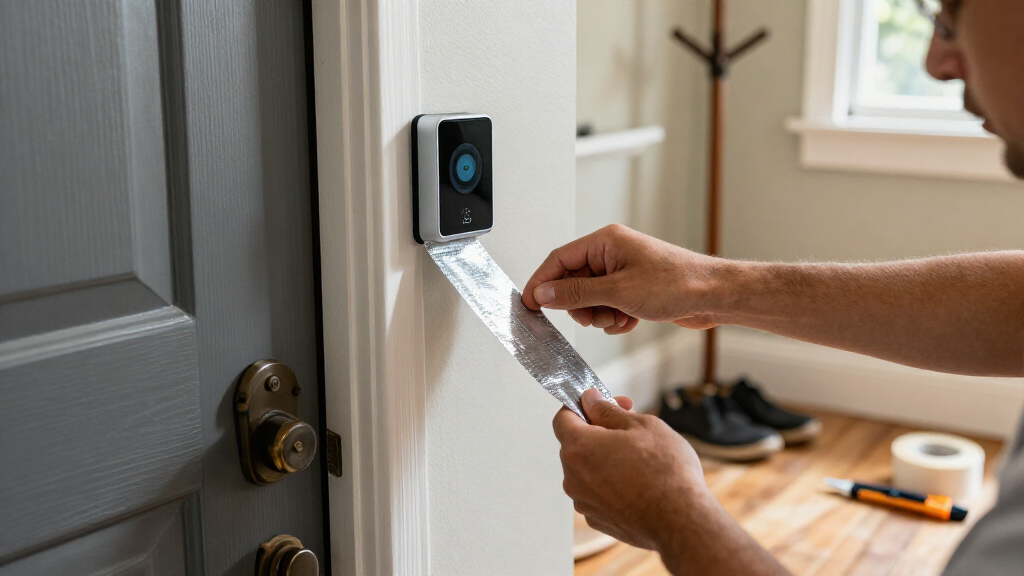
I compared the 15 options by the factors that change whether flashing tape fits a real installation: intended application, adhesive construction, available width, roll length, and handling implications. Window-and-door tapes, roofing repair tape, and system-oriented tape are not interchangeable just because they all stick; a product’s stated use and compatibility should guide the shortlist. I also treated width as a practical performance factor: a broad roll can bridge a larger area with fewer seams, while a narrower roll can be easier to place around small openings.
The ranking favors options with a clear, broadly useful role and a reasonable balance of application fit and handling flexibility. That puts 3M 8067 first as a compact general pick, with Typar’s all-temperature tape and the established butyl-width families close behind for buyers whose jobs call for those attributes. Specialized roofing and system tapes rank lower for general use—not because they are poor fits for their intended tasks, but because their narrower application makes them less versatile for a mixed project. I do not treat a wider roll or longer footage as an automatic advantage; the right choice depends on the joint, substrate, installation conditions, and manufacturer instructions.
Factors to Consider When Choosing Best Flashing Tapes
Flashing tape selection starts with the assembly, not the roll label. Before choosing among the options here, identify what you are sealing, what materials the tape must adhere to, and whether the product is approved for that application. These broader checks help avoid the most common mistake: buying a tape that seems similar on paper but does not suit the surface or installation detail.
Match the Tape to the Assembly
Window and door flashing, roofing repair, and sheathing-system details can call for different materials and installation sequences. Start with the window, door, roofing, or building-system instructions, then check whether the tape is named or approved for that use. A general-purpose label does not prove compatibility with every substrate or weather barrier. Using a product outside its stated application can create a weak bond or interfere with drainage details. For a repair, check whether the tape is intended to bridge the specific joint and surface condition. When instructions conflict, follow the requirements of the relevant assembly rather than choosing by brand familiarity alone.
Choose Width for the Detail, Not Just Coverage
Measure the area the tape must cover, including the required overlap onto each adjoining surface. A wider roll can reduce seams across a broad sill or transition, but extra width may wrinkle at corners or overlap areas where it is not needed. Narrow tape can be easier to align on small openings and tight details, though several strips may add labor and more opportunities for gaps. Do not assume that overlapping multiple narrow strips is equivalent to one wider strip unless the installation instructions allow it. For complex openings, plan corner pieces and sequencing before cutting the roll. The best width is the one that covers the required area cleanly without obstructing drainage or other components.
Check Adhesive Type and Surface Compatibility
Butyl and other adhesive constructions can behave differently across substrates, temperatures, and surface textures. Check the product documentation for approved materials, primers, and any limits on exposure or installation conditions. Dust, moisture, frost, oil, and loose fibers can all interfere with adhesion, even when the tape itself is appropriate. Some surfaces may need cleaning or priming, so factor that work into the project rather than treating the roll as a standalone solution. Test an inconspicuous area when the substrate is unfamiliar and the manufacturer permits it. If the tape will contact a housewrap, membrane, or coated surface, confirm compatibility with both materials.
Plan Around Temperature and Weather
Installation temperature and long-term exposure are separate questions: a tape may have one limit for application and another for service conditions. Read the technical information for both instead of relying on terms such as all-weather or all-temperature. Cold surfaces can make pressure-sensitive products harder to apply, while direct sun or rain may affect the work sequence. Store rolls as directed and avoid installing over wet or dirty surfaces unless the product instructions explicitly allow it. If a job spans several days, plan temporary protection for exposed openings. Choose a tape whose documented conditions match the actual site, not the weather you hope to have.
Estimate Roll Length and Waste
Calculate the total length of seams and add material for corners, overlaps, and mistakes. A longer roll can reduce interruptions on large projects, while a shorter roll may make sense for a small repair or a system-specific detail. But buying extra footage does not help if the width is wrong or the product is incompatible with the surface. Make a cut list before opening the roll, especially when working with wide tape that is harder to reposition once it contacts the substrate. Keep offcuts only if they remain clean and can form a useful, continuous patch. Compare usable coverage and handling needs rather than choosing by roll length alone.
Follow the Installation Sequence and Drainage Path
Flashing works as part of a water-management assembly, so placement and overlap matter as much as adhesion. Follow the project’s sequence for sill, jamb, and head flashing, and preserve the intended path for water to drain outward. Taping over a drainage opening or reversing overlaps can trap moisture instead of directing it away. Avoid stretching tape during application unless the product instructions call for that technique, since tension can pull edges loose later. Roll or press the tape as directed to establish contact across the surface. When details are uncertain, use the assembly manufacturer’s diagram before cutting or applying tape.
Frequently Asked Questions
Is a wider flashing tape always better for a window opening?
No. Wider tape can cover more of a broad joint and reduce the number of seams, but it can be awkward around narrow jambs, corners, and small openings. Choose a width that meets the required overlap on both surfaces without covering drainage paths or interfering with trim. The installation instructions may specify minimum coverage or a particular sequence. If you are between widths, mock up the detail with a measured strip before cutting the roll. A clean, correctly placed narrower strip is preferable to a wide strip with wrinkles or misplaced edges.
Can I use roofing flashing tape around windows and doors?
Do not assume that a roofing tape is suitable for a window or door opening. Products can differ in adhesive, intended substrate, exposure limits, and compatibility with the surrounding water-management layers. Check the tape’s technical information and the opening manufacturer’s instructions before substituting it. Roofing repair tape may be a sensible choice for its stated repair use, but that does not make it a universal flashing membrane. If the documentation does not list the application or substrate, choose a product that does or ask the manufacturer for guidance.
Should I choose butyl tape or an all-temperature tape?
Choose based on the product’s documented fit for your materials and installation conditions, not the adhesive name alone. Butyl options in this roundup are available in several widths, which can help when the detail needs a specific coverage area. Typar’s all-temperature line is the more direct comparison when installation conditions are a key concern, but its label should not replace checking the stated application and temperature limits. Read the technical sheets for application temperature, compatible substrates, and any primer requirements. If both products appear suitable, let the assembly instructions and the shape of the joint decide.
How much flashing tape should I buy for multiple windows?
Measure each opening’s sill, jamb, and head details according to the installation plan, then total the required lengths. Add material for specified overlaps, corner patches, and a small allowance for cutting errors. Do not calculate only from the window perimeter if the assembly calls for separate pieces or additional coverage at the sill. Roll widths and lengths vary across this roundup, so check whether the selected format suits the opening dimensions before estimating how many rolls you need. For a large job, prepare a cut plan and confirm the total against the manufacturer’s detail drawings.
Can flashing tape be applied over a damp or dusty surface?
Usually, a clean, dry surface is the safer starting point, but the tape manufacturer’s instructions control. Dust, dirt, loose coatings, and moisture can prevent reliable contact or cause an edge to lift. Some products may permit application under particular conditions, but that allowance should be stated in their documentation. Clean the surface using an approved method and let it dry if required; do not conceal a substrate problem under tape. When conditions are uncertain, postpone application or contact the manufacturer rather than relying on extra pressure to compensate.
Conclusion
For most buyers comparing these 15 rolls, 3M All Weather Flashing Tape 8067 is my best overall pick when a compact, general-use format suits the detail. For value and coverage choices, compare the 4-inch OSI or Typar butyl rolls against the amount of material your project actually needs; their wider family of sizes makes it easier to match a job than to default to an oversized roll. The best premium-style choice depends on the assembly: choose the DuPont Tyvek width that matches broad coverage needs, or ZIP System tape when the project calls for that system’s compatible details. For beginners, a 4-inch window-and-door tape is often easier to place than a 9- or 12-inch roll, provided it meets the required overlap. For roof repairs, look first at Cofair Quick Roof Extreme; for a specific temperature-driven window or door application, compare Typar’s all-temperature option. Confirm substrate compatibility and installation instructions before buying, then select the narrowest suitable width that covers the detail cleanly.