Finding the best Black Friday TVs means balancing brightness, color accuracy, and smart features against your specific viewing habits. My top overall pick is the Samsung 55-Inch M80H Series because it delivers premium Mini LED contrast without the OLED price tag. For budget-conscious buyers, the TCL 55-Inch F7D Series offers surprising QLED performance, while the Samsung 65-Inch S90H OLED remains the gold standard for dark-room movie enthusiasts. The main tradeoff this year is between peak brightness for sunlit rooms and perfect blacks for cinematic experiences. Continue reading for a detailed breakdown of which model fits your setup best.

Get home appliances delivered free with Prime
- Fast, free delivery on millions of items
- Prime Video, Amazon Music and more included
- Member-only deals all year
Complete the kit


Key Takeaways
- Mini LED technology has become the dominant choice for high-end viewing, offering OLED-like contrast with higher peak brightness suitable for daytime TV.
- Entry-level 4K TVs now include advanced gaming features like VRR and ALLM, making them viable for consoles despite lower panel quality.
- Fire TV integration is appearing across multiple brands, creating a unified ecosystem for users already invested in Amazon services.
- OLED panels remain unmatched for pure black levels but require careful placement in rooms with significant ambient light to avoid reflection issues.
- Screen size value has shifted, with 65-inch models now often priced close to 55-inch alternatives, making larger screens more accessible.




| Black Friday TV | Screen size | Resolution | Refresh rate |
|---|---|---|---|
| Samsung 55-Inch M80H Series 4K | 55 inches | 4K | 120 Hz; up to 144 Hz for compatible PC games |
| TCL 55-Inch F7D Series QLED 4K | 55 inches | 4K UHD | — |
| Roku Select Series 32-Inch 108 | 32 inches | 1080p Full HD | 60 Hz |
| Panasonic W80 Series 55-Inch Q | 55 inches | 4K UHD | 120 Hz |
| Samsung 65-Inch M70H Series 4K | 65 inches | 4K | 60 Hz; DLG up to 120 Hz |
| TCL 55-Inch QM7L Series SQD-Mi | 55 inches | 4K | 144 Hz |
| Amazon Ember 55-Inch 4-Series | 55 inches | 4K Ultra HD | — |
| Panasonic W85 Series 55-Inch 4 | 55 inches | 4K UHD | 60 Hz |
| Hisense 55" Class E6SR Series | 55 inches | 4K UHD | 60 Hz |
| LG 55-Inch QNED73B Mini LED 4K | 55 inches | 4K | 60 Hz |
| Hisense 75-Inch U6 Pro Mini-LE | 75 inches | 4K UHD | 144 Hz native |
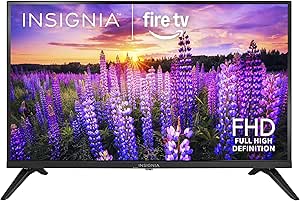
| INSIGNIA 40" Class F40 Series | 40 inches | 1080p Full HD | 60 Hz |
| Toshiba Z670R 75-Inch Mini-LED | 75 inches | 4K UHD | 144 Hz |
| Hisense 43-Inch S5 DécoTV 4K U | 43 inches | 4K UHD | 60 Hz |
| Samsung 65-Inch S90H Series OL | 65 inches | — | 165 Hz |
More Details on Our Top Picks
Samsung 55-Inch M80H Series 4K Mini LED Smart TV (2026)
The M80H is the most gaming-focused 55-inch pick in this group for buyers connecting a compatible PC: its up-to-144Hz support and variable refresh rate can make fast gameplay look smoother than on the TCL F7D, whose listed panel refresh rate is 60Hz. Its Mini LED display and NQ4 AI Gen2 processor also target stronger contrast and improved lower-resolution or SDR content, which helps if your viewing is a mix of streams and games. Samsung’s Tizen platform provides the smart-TV basics, but network-based services require internet access and a Samsung Account. The 144Hz ceiling is limited to compatible PC games, so console players should not choose it on that figure alone. Compared with the larger M70H, this model prioritizes a higher gaming refresh ceiling over a bigger screen.
Pros:- Mini LED display with AI-assisted picture processing
- Variable refresh rate and up to 144Hz for compatible PC games
- NQ4 AI Gen2 upscaling and SDR-to-HDR-style remastering
- Tizen smart-TV platform with built-in speakers
Cons:- The 144Hz mode applies only to compatible PC-connected games
- Network-based smart features require internet access and a Samsung Account
- Two-channel, 20-watt audio may not satisfy buyers seeking room-filling sound
Best for: PC gamers seeking a 55-inch 4K Mini LED TV with variable refresh rate and a high refresh option for compatible games
Not ideal for: Console-only gamers who expect every game to run at 144Hz, or viewers who want smart services without a Samsung Account
- Screen size:55 inches
- Display:Mini LED
- Resolution:4K
- Refresh rate:120 Hz; up to 144 Hz for compatible PC games
- HDR format:HDR10+
- Processor:NQ4 AI Gen2
- Smart platform:Tizen
- Audio:20 watts, 2-channel
Our verdict“Choose the M80H if PC gaming refresh flexibility matters more than the larger screen of Samsung’s M70H.”
TCL 55-Inch F7D Series QLED 4K UHD HDR Smart Fire TV (55F7D, 2026)
The F7D suits households that want broad HDR support and a familiar streaming hub in one 55-inch set. Its QLED color pairs with Dolby Vision, HDR10+, HDR10, and HLG, giving it more listed HDR format coverage than the Samsung M80H, which supports HDR10+. Fire TV with Alexa makes voice searches and app access straightforward, while AirPlay 2 and HomeKit are useful for Apple-device households. Gaming extras include Auto Game Mode and a Game Bar, but buyers should read the refresh specifications carefully: the display is listed at 60Hz, despite a Game Accelerator feature advertising up to 120 VRR. That makes the Panasonic W80 a clearer fit for shoppers prioritizing its listed 120Hz refresh rate. The TCL’s audio-format support is broad, though it does not establish that its built-in speakers deliver cinematic sound.
Pros:- QLED 4K display supports Dolby Vision, HDR10+, HDR10, and HLG
- Fire TV platform includes Alexa voice control
- Apple AirPlay 2 and HomeKit support
- Auto Game Mode, Game Bar, and Game Accelerator with up to 120 VRR
Cons:- Listed display refresh rate is 60Hz, so the 120 VRR feature needs careful interpretation
- Product information gives conflicting USB port counts
- Dolby Atmos and DTS:X support does not specify speaker configuration or output power
Best for: Streaming-focused households that want Fire TV, Alexa, Apple AirPlay 2, and support for several HDR formats
Not ideal for: Buyers seeking a clearly specified native high-refresh gaming panel or those who need unambiguous USB connectivity details
- Screen size:55 inches
- Display:QLED LED
- Resolution:4K UHD
- Listed refresh rate:60 Hz
- HDR formats:Dolby Vision, HDR10+, HDR10, HLG
- Smart platform:Fire TV with Alexa
- Gaming features:Auto Game Mode (ALLM), Game Bar, Game Accelerator 120 with 120 VRR
- HDMI ports:3
Our verdict“Pick the F7D for streaming and smart-home compatibility, not as the safest choice for a high-refresh gaming panel.”
Roku Select Series 32-Inch 1080p Full HD Smart TV
This Roku is the practical small-room choice in a roundup dominated by 55-inch and larger 4K sets. Its 32-inch Full HD screen is better suited to a bedroom, kitchen, or secondary viewing spot than the TCL F7D or Panasonic W80, both of which occupy far more wall or stand space. Roku’s uncluttered home screen, voice remote, and access to streaming apps and free live TV keep everyday use simple. Bluetooth headphone mode is a useful extra for late-night viewing, while AirPlay 2 and Miracast offer ways to share content. The tradeoff is resolution: at 1080p and 250 nits, it cannot match the detail or bright-room headroom of the larger 4K options. Its 60Hz refresh rate and lack of motion enhancement also make it a poor substitute for a gaming-focused television.
Pros:- Compact 32-inch size works well in secondary rooms
- Roku home screen offers streaming apps and free live TV
- Voice remote supports voice search and playback control
- Bluetooth headphone mode and AirPlay 2 support
Cons:- 1080p resolution falls short of the 4K TVs in this roundup
- Maximum listed brightness is 250 nits
- No motion enhancement technology and a 60Hz refresh rate
Best for: Shoppers furnishing a bedroom, kitchen, dorm room, or other small space who want straightforward streaming and private headphone listening
Not ideal for: Main-room viewers wanting 4K detail, a large screen, or motion features for fast-paced gaming
- Screen size:32 inches
- Display:LED
- Resolution:1080p Full HD
- Refresh rate:60 Hz
- Maximum brightness:250 nits
- HDR format:HDR10
- HDMI ports:3
- Wireless features:Bluetooth 5.2, AirPlay 2, Miracast
Our verdict“Choose this Roku for a small room and easy streaming; opt for the TCL F7D or Panasonic W80 for a main-room 4K screen.”
Panasonic W80 Series 55-Inch QLED 4K UHD Smart Fire TV (2026 Model)
The W80 is the standout choice here for buyers who want a 55-inch QLED and a feature set that addresses reflections as well as gaming. Glare Free Max is designed to reduce screen glare, a useful distinction from the TCL F7D, which offers a broader listed HDR format selection but no comparable glare-reduction feature. Panasonic also lists a 120Hz refresh rate, plus ALLM and VRR, giving it a more straightforward high-refresh specification than TCL’s 60Hz panel listing and 120 VRR feature. Fire TV, Alexa, and AirPlay cover common streaming and device-sharing needs. The caveat is brightness: the listed maximum is 300 nits, so the anti-glare feature does not make this a particularly bright screen for sunlit rooms. Its 20-watt built-in audio may also leave movie fans wanting external sound.
Pros:- Glare Free Max is designed to reduce reflections
- QLED 4K screen with Dolby Vision support
- Listed 120Hz refresh rate with ALLM and VRR
- Fire TV, Alexa voice control, and Apple AirPlay
Cons:- Maximum listed brightness is 300 nits
- Built-in speakers are limited to 20 watts
- The supplied HDR-format spec list does not include HDR10+, despite the product description mentioning it
Best for: Viewers placing a 55-inch TV in a room with bothersome reflections who also want listed 120Hz gaming support
Not ideal for: Shoppers who need high peak brightness for a very bright room or expect strong sound from built-in speakers alone
- Screen size:55 inches
- Display:QLED
- Resolution:4K UHD
- Refresh rate:120 Hz
- Maximum brightness:300 nits
- HDR formats:HDR10, HLG, Dolby Vision
- Smart platform:Fire OS
- Gaming features:120Hz OverClock, ALLM, VRR
Our verdict“Choose the W80 if reflection control and a clearly listed 120Hz refresh rate matter more than brightness or built-in audio power.”
Samsung 65-Inch M70H Series 4K Mini LED Smart TV (2026)
For buyers who want a bigger screen without stepping up to the premium OLED option elsewhere in the roundup, the M70H offers 65 inches of 4K Mini LED viewing and HDR10+. It is a more screen-first choice than Samsung’s 55-inch M80H: the M80H lists support up to 144Hz for compatible PC games, while the M70H is listed at 60Hz with DLG motion enhancement up to 120Hz. That DLG mode can help fast action appear smoother, but the supplied information says it reduces image sharpness. Its 350-nit maximum brightness and software-based dimming also temper expectations; this is not the same as a hardware full-array dimming system. Samsung TV Plus and popular streaming apps add convenient viewing options, though network services require internet access and a Samsung Account.
Pros:- 65-inch 4K Mini LED screen offers more viewing area than the 55-inch models
- HDR10+ support with color enhancement and software-based dimming
- DLG mode supports motion enhancement up to 120Hz
- Samsung TV Plus and listed streaming apps provide built-in viewing options
Cons:- Listed native refresh rate is 60Hz; DLG mode reduces image sharpness
- Dimming is software-based rather than full-array hardware-based
- Maximum listed brightness is 350 nits
- Network-based smart services require internet access and a Samsung Account
Best for: Viewers who want a 65-inch 4K Mini LED screen for everyday TV and streaming, with occasional motion-enhanced gaming
Not ideal for: Competitive gamers who prioritize clear native high-refresh motion, or buyers seeking high brightness and hardware-based full-array dimming
- Screen size:65 inches
- Display:Mini LED
- Resolution:4K
- Refresh rate:60 Hz; DLG up to 120 Hz
- Maximum brightness:350 nits
- HDR format:HDR10+
- Screen finish:Glossy
- Weight:31.7 pounds
Our verdict“Choose the M70H for a larger Mini LED screen, but favor the M80H if PC gaming refresh performance is your priority.”
TCL 55-Inch QM7L Series SQD-Mini LED 4K QLED Google TV, 144Hz
This model stands out for its 144Hz refresh rate and support for AMD FreeSync Premium Pro, making it the clear winner for serious gamers in this lineup. While the Hisense E6SR offers decent gaming features like VRR, it caps at 60Hz, which limits motion clarity in fast-paced titles. The TCL QM7L’s 2,100 local dimming zones also provide superior contrast compared to the Panasonic W85, which lacks high-zone count backlighting. However, the glossy finish can be a drawback in bright rooms, reflecting ambient light more than the anti-glare panels found on competitors. If you prioritize smooth gameplay and deep blacks over perfect light handling, this is the strongest choice.
Pros:- 144Hz refresh rate and FreeSync support for smooth gaming
- 2,100 local dimming zones for exceptional contrast
- High peak brightness of 3,000 nits for HDR impact
Cons:- Glossy screen reflects ambient light significantly
- Premium audio setup requires optional wireless add-ons
Best for: Console and PC gamers who need high refresh rates and low input lag
Not ideal for: Viewers in sun-drenched rooms where screen glare will be distracting
- Screen Size:55 inches
- Display Technology:Mini LED, QLED
- Resolution:4K
- Refresh Rate:144 Hz
- Peak Brightness:Up to 3,000 nits
- Local Dimming Zones:Up to 2,100
- Audio:Bang & Olufsen speakers, Dolby Atmos
Our verdict“Choose this if you are a gamer who values motion clarity and contrast over glare resistance.”
Amazon Ember 55-Inch 4-Series 4K Ultra HD Smart TV with Fire TV
This option makes the most sense for households already deep in the Amazon ecosystem. The built-in Alexa+ and ambient sensors allow for seamless smart home integration and voice-controlled display wake, features absent in the LG QNED73B and TCL QM7L. While the picture quality is competent with HDR10+ and 4K resolution, it lacks the Mini LED backlighting found in the Panasonic W85, resulting in less precise local dimming and lower peak brightness. It is a functional, no-frills smart TV that prioritizes software integration and ease of use over high-end visual fidelity. If your priority is controlling your home with voice commands rather than achieving cinematic contrast, this is the pragmatic pick.
Pros:- Deep integration with Alexa voice controls and smart home features
- Wi-Fi 6 support ensures stable streaming connections
- Fire TV interface is user-friendly and app-rich
Cons:- No Mini LED or local dimming for deeper blacks
- Limited advanced HDR formats compared to premium rivals
Best for: Users heavily invested in Alexa smart home devices and Prime Video
Not ideal for: Cinephiles seeking high-end contrast and advanced HDR performance
- Screen size:55 inches
- Resolution:4K Ultra HD
- HDR format:HDR10+
- Processor:Quad-core
- Wireless connectivity:Wi-Fi 6
- HDMI inputs:4
- Voice assistant:Alexa+
Our verdict“Buy this if you want a smart TV that acts as a central hub for your Alexa devices.”
Panasonic W85 Series 55-Inch 4K QD-Mini LED Google TV (TN-55W85CPS)
The Panasonic W85 distinguishes itself with an anti-glare screen and wide viewing angles, making it superior to the glossy TCL QM7L in sunlit living rooms. Its QD-Mini LED technology offers better contrast than the standard LED backlighting of the Hisense E6SR, though it lacks the high zone count of the TCL. The inclusion of Filmmaker Mode and Dolby Vision ensures accurate color reproduction for movie nights. However, the 60Hz refresh rate limits its appeal for gamers compared to the TCL, and the 20-watt speakers may need external audio support. This is the balanced choice for viewers who watch in varied lighting conditions and value color accuracy over peak brightness.
Pros:- Anti-glare panel reduces reflections in bright environments
- QD-Mini LED provides better contrast than standard LEDs
- Filmmaker Mode ensures accurate color and frame rates
Cons:- 60Hz refresh rate is limiting for modern gaming
- Built-in speakers lack power for large rooms
Best for: Viewers in bright rooms who need glare reduction and accurate color
Not ideal for: Competitive gamers requiring high refresh rates above 60Hz
- Brand:Panasonic
- Screen Size:55 inches
- Display Technology:QD-Mini LED
- Resolution:4K UHD
- Refresh Rate:60 Hz
- Maximum Brightness:400 nits
- Operating System:Google TV
Our verdict“This is the ideal pick for living rooms with lots of windows where glare is a constant issue.”
Hisense 55″ Class E6SR Series Hi-QLED 4K UHD Smart Roku TV (55E6SR, 2026 Model)
This model appeals to those who prefer the Roku OS for its straightforward, ad-light interface. Compared to the feature-heavy Amazon Ember or the tech-focused TCL QM7L, the Hisense E6SR offers a more traditional TV experience with easy navigation. The Hi-QLED Color and Dolby Vision support provide vivid visuals, though the direct LED backlighting cannot match the deep blacks of the Mini LED panels in the Panasonic W85 or LG QNED73B. It includes Game Mode Plus with VRR, but the 60Hz cap keeps it from being a top-tier gaming display. This is a solid, user-friendly option for families who want reliable streaming without complex smart home integrations.
Pros:- Roku OS offers a simple, intuitive user experience
- Dolby Vision and Hi-QLED Color enhance picture vibrancy
- Game Mode Plus with VRR reduces tearing for casual gaming
Cons:- Direct LED backlighting offers weaker contrast than Mini LED rivals
- 60Hz refresh rate limits motion clarity
Best for: Families who prioritize an easy-to-use interface and reliable streaming apps
Not ideal for: Enthusiasts seeking high-end contrast or advanced gaming features
- Display Technology:Hi-QLED
- Resolution:4K UHD
- Refresh Rate:60 Hz
- HDR Format Supported:Dolby Vision, HDR10, HLG
- Screen Size:55 inches
- Total Number of HDMI Ports:3
- Operating System:Roku OS
Our verdict“Select this for a hassle-free streaming experience with a familiar, easy-to-navigate platform.”
LG 55-Inch QNED73B Mini LED 4K Smart TV (2026)
The LG QNED73B offers a strong middle ground with Mini LED backlighting and Dynamic QNED Color, delivering better contrast than the Hisense E6SR without the extreme brightness of the TCL QM7L. Its a7 AI Processor upscales content effectively, though it lacks the 144Hz gaming speed of the TCL. The webOS platform is polished, offering a different experience from the Fire TV on the Amazon Ember or Google TV on the Panasonic. While the 60Hz refresh rate is standard, the inclusion of Game Optimizer and ALLM makes it competent for casual play. This is the safest bet for viewers who want premium picture quality features without paying for niche gaming specs.
Pros:- Mini LED backlighting improves contrast over standard LEDs
- a7 AI Processor enhances detail and color accuracy
- webOS offers a smooth, feature-rich smart experience
Cons:- 60Hz refresh rate is a limitation for high-end gaming
- Lacks Dolby Vision support in favor of HDR10 Pro
Best for: General viewers who want Mini LED contrast and a polished smart platform
Not ideal for: Hardcore gamers who require 120Hz+ refresh rates for competitive play
- Screen Size:55 inches
- Display Technology:Mini LED
- Resolution:4K
- Refresh Rate:60 Hz
- HDR Formats:HDR10, HLG
- Processor:a7 AI Processor 4K Gen9
- Connectivity:Bluetooth, Ethernet, HDMI, USB, Wi-Fi
Our verdict“This is the well-rounded choice for most households seeking high-quality picture and smart features.”
Hisense 75-Inch U6 Pro Mini-LED 4K UHD Smart Fire TV
This 75-inch model stands out by offering native 144Hz refresh rate and Mini-LED local dimming in a package that prioritizes gaming performance without the premium OLED price tag. Compared to the Toshiba Z670R, which shares similar specs, the Hisense U6 Pro distinguishes itself with a glare-reducing screen that makes it far more suitable for bright living rooms where sunlight is a constant factor. The inclusion of a built-in subwoofer is a rare and welcome addition, providing deeper bass than most thin-panel competitors like the Samsung S90H, which often rely on external audio. However, buyers should note that while the picture processing is robust, the contrast ratio is not explicitly numeric, leaving some uncertainty compared to the measured 3000:1 of the Toshiba. It is a strong contender for those who want big-screen immersion and low latency for console gaming.
Pros:- Native 144Hz refresh rate ensures smooth motion for high-frame-rate gaming
- Anti-reflection screen significantly reduces glare in well-lit spaces
- Built-in subwoofer enhances audio depth without needing a soundbar
- Hi-QLED quantum dot color delivers a wide and vibrant color gamut
Cons:- 75-inch size requires significant wall or stand space
- Lack of published numeric contrast ratio makes direct comparison difficult
Best for: Gamers with large living rooms who prioritize high refresh rates and screen visibility in bright environments.
Not ideal for: Home theater enthusiasts with dark rooms who want perfect blacks, as OLED panels still outperform Mini-LED in pure contrast.
- Screen Size:75 inches
- Resolution:4K UHD
- Display Technology:Mini-LED, Quantum Dot (Hi-QLED)
- Refresh Rate:144 Hz native
- HDR Formats:Dolby Vision, HDR10+, HLG
- Smart Platform:Fire TV
Our verdict“Choose this if you need a massive, bright-screen display with gaming-ready specs for a family room.”
INSIGNIA 40″ Class F40 Series LED Full HD Smart Fire TV
As the smallest option in this lineup, the Insignia F40 Series serves as the definitive entry-level choice for buyers who need a functional smart TV without breaking the bank. While it lacks the 4K resolution and Mini-LED backlighting found in premium picks like the Hisense S5 DécoTV, its 1080p Full HD panel is adequate for secondary rooms, bedrooms, or kitchens. The integration of Fire TV with Alexa Voice Remote provides access to major streaming services like Netflix and Disney+, mirroring the user experience of more expensive models. However, the 60Hz refresh rate means it is unsuitable for serious gaming, and the limited 2 HDMI ports may require a switch if you have multiple consoles or streaming sticks. It is a pragmatic choice for basic viewing needs where image fidelity is secondary to cost and size.
Pros:- Compact 40-inch size fits easily in tight spaces like bedrooms or dorms
- Fire TV platform offers extensive app support and easy Alexa voice control
- Full HD resolution is sufficient for standard definition and HD streaming content
- Includes basic connectivity options like HDMI ARC and Wi-Fi
Cons:- Only 1080p resolution looks soft on modern high-definition content
- Limited to 2 HDMI ports, restricting simultaneous device connections
- 60Hz refresh rate causes judder in fast-paced sports and games
Best for: Students, renters, or households needing a secondary TV for casual streaming in small spaces.
Not ideal for: Movie buffs or gamers who demand 4K sharpness, HDR impact, or high refresh rates.
- Screen Size:40 inches
- Resolution:1080p Full HD
- Refresh Rate:60 Hz
- Smart Platform:Fire TV
- Audio:DTS Virtual-X
- HDMI Ports:2
Our verdict“Buy this for a low-cost, space-saving TV that handles everyday streaming tasks reliably.”
Toshiba Z670R 75-Inch Mini-LED 4K UHD QLED Smart Fire TV
The Toshiba Z670R competes directly with the Hisense U6 Pro by offering similar 144Hz gaming capabilities and Mini-LED precision, but it wins on verified performance metrics. Unlike its competitor, Toshiba publishes a 3000:1 contrast ratio, giving buyers confidence in its ability to render deep blacks and bright highlights, which is critical for Dolby Vision IQ content. The inclusion of AMD FreeSync Premium and VRR makes it exceptionally well-suited for PC gamers who need tear-free performance at high frame rates. While it shares the Fire TV interface with many rivals, its AI picture processing aims to upscale lower-resolution content effectively. The tradeoff is its depth; at 3 inches, it is thinner than many competitors, which can limit internal speaker volume, though a built-in bass woofer helps compensate for this physical constraint.
Pros:- Published 3000:1 contrast ratio indicates strong black levels for Mini-LED
- Native 144Hz with VRR and FreeSync Premium ensures smooth, tear-free gaming
- Supports a wide range of HDR formats including Dolby Vision IQ and HDR10+
- Slim 3-inch profile allows for sleek wall mounting or stand placement
Cons:- Thin chassis may limit maximum audio volume compared to bulkier models
- 75-inch dimensions require a large viewing distance for optimal experience
Best for: PC gamers and home theater fans who want measurable contrast and high refresh rates in a 75-inch format.
Not ideal for: Users who prefer Google TV over Fire TV, as the interface may feel restrictive for some Android users.
- Screen Size:75 inches
- Resolution:4K UHD
- Contrast Ratio:3000:1
- Refresh Rate:144 Hz
- Gaming Features:VRR, ALLM, AMD FreeSync Premium
- Smart Platform:Fire TV
Our verdict“Opt for this if you want guaranteed contrast specs and top-tier gaming features in a large format.”
Hisense 43-Inch S5 DécoTV 4K UHD Smart Fire TV (43S5QF, 2026 Model)
Unlike the utilitarian plastic finishes of the Insignia F40 or the standard black frames of most competitors, the Hisense S5 DécoTV features a Morandi white finish and a sculpted central stand, making it a decorative object as much as a television. It packs 4K QLED resolution and Dolby Vision support into a compact 43-inch frame, ideal for apartments where space is limited. While it matches the Samsung S90H in resolution and HDR support, it lacks the OLED panel’s perfect blacks and the 165Hz refresh rate needed for high-end gaming. The 60Hz panel is its primary limitation, causing motion blur in fast action scenes. However, for viewers who value aesthetics and 4K clarity over raw speed, this model offers a sophisticated look that blends seamlessly into modern home décor.
Pros:- Unique Morandi white finish and sculpted stand enhance room aesthetics
- 4K QLED panel provides vibrant colors and sharp detail in a small footprint
- Supports Dolby Vision and Dolby Atmos for cinematic picture and sound
- AI 4K upscaling improves the appearance of lower-resolution streaming content
Cons:- 60Hz refresh rate limits performance for gaming and fast motion
- 16-watt stereo speakers lack the bass depth of models with subwoofers
Best for: Design-focused consumers who want a compact 4K TV that complements interior décor rather than dominating it.
Not ideal for: Sports fans and gamers who need high refresh rates to minimize motion blur.
- Screen Size:43 inches
- Resolution:4K UHD
- Display Technology:QLED with Full Array
- Refresh Rate:60 Hz
- Design Feature:Morandi White Finish
- Smart Platform:Fire TV
Our verdict“Select this if you prioritize stylish design and 4K clarity in a compact size over high-performance motion.”
Samsung 65-Inch S90H Series OLED 4K Smart TV (2026)
The Samsung S90H represents the pinnacle of picture quality in this roundup, utilizing an OLED panel to achieve perfect blacks and infinite contrast that Mini-LED rivals like the Toshiba Z670R cannot match. Its Glare Free matte finish is a significant advantage over glossy OLEDs, reducing reflections without sacrificing color vibrancy, which is often a tradeoff in premium displays. With support for up to 165Hz refresh rates, it outpaces the 144Hz limits of the Hisense and Toshiba models, making it the ultimate choice for high-end PC gaming. The NQ4 AI Gen3 processor excels at upscaling content, though results can vary depending on the source. While it offers superior image fidelity, the Graphite Black design is understated compared to the decorative Hisense S5, and the premium price point demands careful consideration of your budget versus performance needs.
Pros:- OLED technology delivers perfect blacks and superior color accuracy
- Glare Free matte screen minimizes reflections in daytime viewing
- Supports 165Hz refresh rate for ultra-smooth competitive gaming
- AI-powered processing enhances detail and reduces noise in low-res content
Cons:- Requires compatible high-end PC hardware to utilize 165Hz 4K gaming
- AI upscaling artifacts may appear with very low-quality source material
Best for: Audiophiles, cinephiles, and PC gamers seeking the absolute best contrast and motion handling available.
Not ideal for: Budget-conscious buyers or those with extremely bright rooms where OLED brightness limits may be noticeable.
- Screen Size:65 inches
- Display Technology:OLED
- Refresh Rate:165 Hz
- Peak Brightness:2000 nits
- Processor:NQ4 AI Gen3
- Screen Finish:Matte (Glare Free)
Our verdict“Invest in this for unmatched OLED contrast and elite gaming performance in a versatile 65-inch size.”
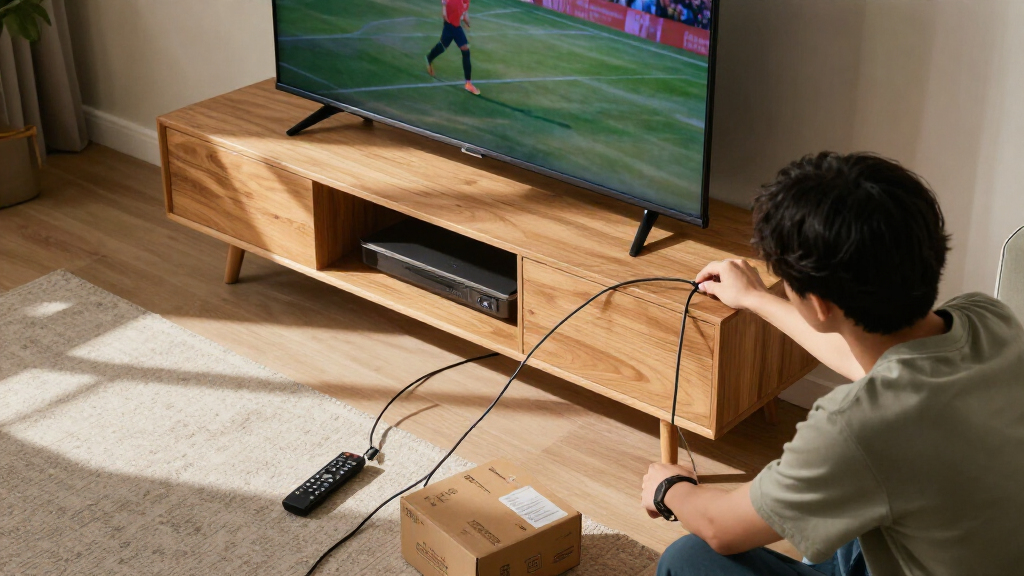
How We Picked
I evaluated these televisions based on panel technology, processing power, and smart platform usability. Panel technology was the primary differentiator, as Mini LED and OLED models offer significantly better contrast than standard LED or basic QLED units. I prioritized models with strong local dimming zones or self-emissive pixels, as these directly impact the perceived quality of dark scenes and HDR highlights. Processor performance was equally important, ensuring that upscaling from lower-resolution sources looks sharp and motion handling remains smooth during fast-paced content.
I also considered the smart TV ecosystem and connectivity. A great picture is worthless if the interface is sluggish or lacks popular apps. I favored models with responsive operating systems and sufficient HDMI 2.1 ports for modern gaming consoles. Finally, I assessed the value proposition relative to expected Black Friday pricing, ensuring that each pick offers a tangible benefit over its competitors rather than just marketing hype. This approach highlights which TVs deliver the most performance per dollar and which are worth the premium for specific use cases.
Factors to Consider When Choosing Best Black Friday TVs
Choosing a TV involves more than just picking the biggest screen. Here are the critical factors that influence long-term satisfaction and performance.Panel Technology: Mini LED vs. OLED vs. QLED
Understanding panel types is the single most important step in your decision. Mini LED panels use thousands of tiny LEDs to create precise local dimming zones, offering high brightness and good contrast, making them ideal for bright rooms. OLED panels use organic compounds that emit their own light, allowing pixels to turn off completely for perfect blacks, but they are generally dimmer and more susceptible to burn-in over very long periods. QLED (Quantum Dot LED) TVs enhance color volume and brightness using a quantum dot layer but rely on a traditional backlight, meaning they cannot achieve the infinite contrast of OLED. Decide based on your room: Mini LED for bright spaces, OLED for dedicated home theaters.
Smart Platform and Ecosystem Integration
The operating system dictates your daily experience. Google TV and Roku offer broad app compatibility and personalized recommendations, while Fire TV integrates deeply with Alexa and Amazon Prime Video. If you use multiple streaming services, a neutral platform like Roku or Google TV might reduce friction. Conversely, if you live in the Amazon ecosystem, a Fire TV model might offer superior voice control and content aggregation. Check if the interface feels sluggish in demos, as a slow OS can ruin an otherwise excellent picture.
Gaming Features and HDMI 2.1 Support
For gamers, HDMI 2.1 ports are non-negotiable for next-gen console performance. Look for support for Variable Refresh Rate (VRR) and Auto Low Latency Mode (ALLM), which eliminate screen tearing and reduce input lag. Not all TVs label these features clearly; some may support VRR but not at 4K/120Hz. If you play competitive shooters, prioritize models with low input lag specifications. Casual gamers can often save money by skipping HDMI 2.1, but it limits future-proofing.
Brightness and HDR Performance
Peak brightness, measured in nits, determines how well a TV handles HDR content, especially in well-lit environments. High peak brightness allows specular highlights like sunlight or explosions to pop without washing out the rest of the image. Many budget QLED and LED TVs struggle with HDR, often darkening the entire image to preserve contrast. If you watch a lot of high-quality streaming content, invest in a model with at least 500-600 nits of sustained brightness. For dark rooms, contrast matters more than raw brightness.
Screen Size and Viewing Distance
Buyers often underestimate the impact of screen size. The general rule is to sit at a distance of 1.5 to 2.5 times the screen’s diagonal for 4K content. A 65-inch TV is now the sweet spot for most living rooms, offering an immersive experience without overwhelming the space. However, if your seating is close, a 55-inch model might provide better pixel density and a more comfortable field of view. Measure your wall space and viewing distance before committing to a size, as returns for large TVs can be costly and complicated.
Connectivity and Port Layout
Check the physical layout of the ports. Some modern TVs have recessed or side-facing HDMI ports that make cable management difficult, especially for wall mounts. Ensure there are enough HDMI inputs for your devices; four is the standard for mid-to-high-end models. Look for an eARC or ARC port if you plan to connect a soundbar, as this simplifies audio control. Poor port placement is a common regret among buyers who install their TVs on stands or walls, so verify accessibility if you plan to change devices frequently.
Frequently Asked Questions
Do I really need a Mini LED TV for Black Friday deals?
You do not need a Mini LED TV if you primarily watch standard dynamic range (SDR) content in a moderately lit room. Standard QLED or high-end LED models often provide excellent color and brightness at a lower price point. However, if you frequently watch HDR content with deep shadows and bright highlights, Mini LED offers a significant upgrade in contrast and detail. The Black Friday discount on Mini LED models often closes the price gap with premium QLEDs, making it a worthwhile investment for cinephiles who want better picture depth without the OLED premium.Is OLED still worth buying during Black Friday sales?
OLED remains the best choice for dedicated home theaters and dark viewing environments due to its perfect black levels and infinite contrast. During Black Friday, OLED prices often drop substantially, making them more accessible. However, OLEDs are generally dimmer than Mini LED competitors, which can be a drawback in sunlit rooms. If your primary use is daytime TV or sports in a bright living room, a high-end Mini LED might serve you better. Choose OLED only if you can control ambient light or prioritize cinematic quality over peak brightness.Are 4K TVs still a good investment for 1080p content?
Yes, 4K TVs are beneficial even for 1080p content due to advanced upscaling processors in modern sets. High-quality upscaling algorithms sharpen lower-resolution signals, making cable news and older movies look crisper than they would on a native 1080p panel. Additionally, 4K TVs support HDR and wider color gamuts, which enhance the color and contrast of any content. Buying a 4K TV ensures future-proofing as streaming services and broadcasts continue to migrate toward higher resolutions, making it a smarter long-term purchase than sticking with older HD technology.What is the biggest mistake buyers make during Black Friday TV sales?
The most common mistake is focusing solely on price per inch rather than panel technology. A cheaper 65-inch LED TV may look worse than a 55-inch Mini LED or OLED model. Buyers often overlook the importance of local dimming zones and processor quality, leading to poor HDR performance and washed-out blacks. Always compare the picture quality features, not just the size and price tag. A smaller, higher-quality panel will provide a more enjoyable viewing experience than a larger, inferior one.Do smart TV platforms slow down over time?
All smart TV platforms can feel slower as apps update and demand more resources. However, brands like Samsung and LG tend to maintain performance better due to more powerful internal processors and regular software updates. Budget models with less RAM may exhibit lag or freezing after a few years of use. If you plan to keep your TV for more than four or five years, investing in a model with a robust processor and a track record of long-term software support is advisable. This prevents the need for premature replacement due to interface sluggishness.Conclusion
Selecting the right television depends on your specific viewing environment and priorities. For most buyers seeking the best balance of price and performance, the Samsung 55-Inch M80H Series stands out as the best overall choice, offering Mini LED brightness and excellent processing. If you are on a tight budget, the TCL 55-Inch F7D Series provides solid 4K QLED performance without breaking the bank. For home theater enthusiasts who demand perfect blacks, the Samsung 65-Inch S90H OLED is the premium pick. Beginners or those needing a simple secondary screen should look at the Roku Select Series for its ease of use. For gamers, the TCL QM7L Series offers the necessary 144Hz refresh rate and low latency. Match your choice to your room’s light conditions and usage habits to get the most value out of your Black Friday purchase.