Shopping for smart air purifiers for home means choosing between three core tradeoffs: room coverage versus footprint, app and voice control polish versus price, and long-term filter costs versus upfront savings. After comparing specs, connectivity, and real-world usability across 14 models, the Levoit Vital 200S-P stands out as the best overall pick for balancing large-room coverage, a mature app, and reasonable maintenance. The Levoit Core 300-P makes the most sense for small bedrooms on a tight budget, while the Dhyala purifier with washable pre-filters is the smarter buy for open-plan spaces where filter costs add up fast. If you want the strongest whole-floor performance, the Levoit Core 600S-P covers extra-large areas without giving up smart features. Keep reading for the full breakdown, including which models are better skipped and why the ordering works the way it does.
Complete the kit

Key Takeaways
- Levoit‘s smart models (Vital 200S-P, Core 600S-P, Core 200S-P) delivered the most consistent app experience, with reliable scheduling, air quality feedback, and Alexa/Google integration — a major reason they dominate the top of the ranking.
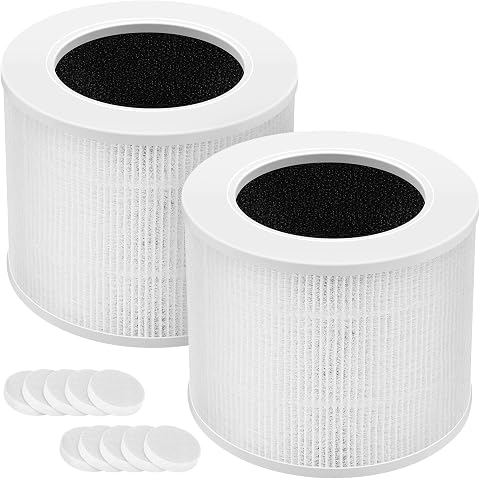
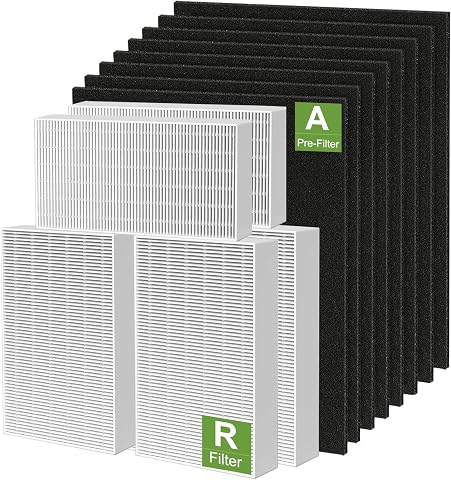
- Washable pre-filters (Dhyala, Smart Wi-Fi pet model) cut long-term costs dramatically, but every model still requires periodic HEPA replacement, so ‘washable’ never means maintenance-free.
- Two entries in this lineup (ECOSELF listings) are near-duplicates with different retail packaging; I treated them as one recommendation and flagged the pattern so buyers don’t pay twice for the same machine.
- Claimed coverage numbers ranged from small-room minis to 3,000 sq ft, but airflow (CADR) mattered more than the headline figure — the Core 600S-P and Dhyala units genuinely handle open floors where compact models stall.
- Sleep mode noise separated the bedroom-ready picks: the GoveeLife 24 dB model and Levoit Core 200S-P run quiet enough for light sleepers, while larger high-output units trade silence for air changes per hour.
| MOOKA PR1 Air Purifier for Large Rooms, White |  | Best for Pet Households | Coverage area: Up to 2,200 sq. ft. | Filtration: Four-stage system with washable pre-filter | Fan modes: Sleep, I, II, III, Auto, Pet | VIEW LATEST PRICE | See Our Full Breakdown |
| GoveeLife Smart Air Purifier for Large Rooms |  | Best Smart Home Integration | CADR: 135 CFM | Coverage: Up to 1,046 sq. ft. once per hour; 523 sq. ft. twice per hour | Filtration: Three-stage, 99.97% efficient for 0.1–0.3 micron particles | VIEW LATEST PRICE | See Our Full Breakdown |
| GoveeLife Smart Mini Air Purifier with App and Alexa Control |  | Best Compact Smart Pick | Coverage: 376 sq. ft. once per hour | Air intake: Dual-channel 360° | Sleep mode noise: As low as 24 dB | VIEW LATEST PRICE | See Our Full Breakdown |
| GoveeLife Air Purifier for Bedroom, up to 1,162 sq ft, 24 dB Sleep Mode |  | Best for Bedrooms | CADR: Up to 150 CFM | Coverage area: 232 sq. ft. at 5 air changes/hour; 581 sq. ft. every 30 minutes; up to 1,162 sq. ft. (title claim) | Sleep mode noise: 24 dB | VIEW LATEST PRICE | See Our Full Breakdown |
| ECOSELF Air Purifier for Large Rooms up to 2,400 sq ft |  | Best Large-Room Value | Coverage area: Up to 2,400 sq. ft. | Filtration: True HEPA; 99.97% of airborne particles | Air purification rate: Twice per hour | VIEW LATEST PRICE | See Our Full Breakdown |
| Dhyala Air Purifier for Large Rooms up to 3,000 Sq. Ft. with Wi-Fi and Washable Pre-Filters |  | Best for Open-Concept Living Spaces | Coverage: Up to 3,000 sq. ft. in one hour | CADR: Up to 265 CFM | Filtration: Three-stage: pre-filter, HEPA, activated carbon | VIEW LATEST PRICE | See Our Full Breakdown |
| Levoit Vital 200S-P Smart Air Purifier for Large Rooms |  | Best Certified Large-Room Pick | Coverage Area: Up to 1,875 sq. ft. | Smoke CADR: 250 CFM | Dust CADR: 254 CFM | VIEW LATEST PRICE | See Our Full Breakdown |
| Smart Wi-Fi Air Purifier for Pets with H13 HEPA and Washable Filter |  | Best Smart-Home Integration Value | Control: Tuya app; remote fan speed and mode control | Timer: 1–24 hours | CADR: Up to 300 m³/h | VIEW LATEST PRICE | See Our Full Breakdown |
| Levoit Core 200S-P Smart Air Purifier |  | Best Smart Pick for Bedrooms | Room Coverage: 140 ft² | Air Changes: 4.8 times per hour | Particle Removal: 99.97% of particles 0.1–0.3 microns | VIEW LATEST PRICE | See Our Full Breakdown |
| ECOSELF Air Purifier for Large Rooms Up to 2400 Sq Ft with True HEPA Filter | | Best for Bedrooms and Living Rooms Alike | Coverage Area: Up to 2,400 sq. ft. | Filter Type: True HEPA | Filtration Efficiency: 99.97% of airborne particles | VIEW LATEST PRICE | See Our Full Breakdown |
| Levoit Core 300-P Air Purifier for Home |  | Best Budget Bedroom Pick | Model: Core 300-P | Motor power: 56W | CADR: 143 CFM smoke / 153 CFM dust / 167 CFM pollen | VIEW LATEST PRICE | See Our Full Breakdown |
| Cobectal ZQA-8000A Air Purifier for Large Rooms, Black |  | Best for Feature Flexibility on a Budget | Model: ZQA-8000A | Color: Black | Filter: 3-in-1 | VIEW LATEST PRICE | See Our Full Breakdown |
| Levoit Core 600S-P Smart Air Purifier for Extra-Large Rooms |  | Best for Extra-Large and Open-Plan Spaces | Model: Core 600S-P | CADR: 391 CFM | Recommended coverage: 2,933 sq ft at 1 ACH; 606 sq ft every 12.5 minutes | VIEW LATEST PRICE | See Our Full Breakdown |
| Dreo DR-HAP009 HEPA Air Purifier for Home |  | Best Smart Value for Small Rooms | Model: DR-HAP009 | Filter: 3-in-1: pre-filter, high-efficiency filter, activated carbon | CADR: 158 CFM (AHAM verified) | VIEW LATEST PRICE | See Our Full Breakdown |
| smart air purifiers for home | Filtration | CADR |
|---|---|---|
| MOOKA PR1 Air Purifier for Lar | Four-stage system with washable pre-filter | — |
| GoveeLife Smart Air Purifier f | Three-stage, 99.97% efficient for 0.1–0.3 micron particles | 135 CFM |
| GoveeLife Smart Mini Air Purif | — | — |
| GoveeLife Air Purifier for Bed | — | Up to 150 CFM |
| ECOSELF Air Purifier for Large | True HEPA; 99.97% of airborne particles | — |
| Dhyala Air Purifier for Large | Three-stage: pre-filter, HEPA, activated carbon | Up to 265 CFM |
| Levoit Vital 200S-P Smart Air | — | — |
| Smart Wi-Fi Air Purifier for P | H13 HEPA; 99.7% of particles 0.1 microns and larger | Up to 300 m³/h |
| Levoit Core 200S-P Smart Air P | — | — |
| ECOSELF Air Purifier for Large | — | — |
| Levoit Core 300-P Air Purifier | HEPA-grade, 99.97% of 0.1–0.3 μm particles | 143 CFM smoke / 153 CFM dust / 167 CFM pollen |
| Cobectal ZQA-8000A Air Purifie | — | — |
| Levoit Core 600S-P Smart Air P | Three-stage; 99.97% of 0.1–0.3 μm particles | 391 CFM |
| Dreo DR-HAP009 HEPA Air Purifi | — | 158 CFM (AHAM verified) |
More Details on Our Top Picks
MOOKA PR1 Air Purifier for Large Rooms, White
This option stands out for pet-focused engineering that most general-purpose purifiers skip. The dedicated Pet mode and washable pre-filter work together to trap hair before it clogs the main filter — a practical advantage over the ECOSELF, which handles large spaces well but has no pet-specific cycle. With coverage rated to 2,200 sq. ft. and a live PM2.5 display, it matches the ECOSELF’s monitoring while adding six fan modes, child lock, and an aroma function. The tradeoff: filters need replacing every 3–6 months, so long-term costs run higher than washable-heavy designs like the Dhyala. Compared with the GoveeLife large-room model, the MOOKA gives you a built-in air quality readout without needing an external monitor, but it skips app and voice control entirely. For sheds-and-dander households, that sensor-plus-Pet-mode combo is the deciding feature.
Pros:- Dedicated Pet mode plus washable pre-filter that extends main filter life
- Built-in PM2.5 sensor with real-time display and Auto mode
- Six fan modes including a 26 dB sleep setting
- Useful extras: timer, child lock, aroma function, filter reminder
Cons:- Replacement filters recommended every 3–6 months adds ongoing cost
- No app or voice control unlike the GoveeLife models
- Air quality indicator flashes during a one-minute startup period
Best for: Dog and cat owners in larger homes who deal with constant hair, dander, and odors
Not ideal for: Smart-home enthusiasts who want app, Alexa, or Google control — this model is button-only
- Coverage area:Up to 2,200 sq. ft.
- Filtration:Four-stage system with washable pre-filter
- Fan modes:Sleep, I, II, III, Auto, Pet
- Minimum noise:26 dB
- Sensor:PM2.5 air quality sensor with display
- Features:Timer, child lock, aroma function, filter reminder
- Certifications:CARB, ETL, DOE, FCC
Our verdict“Pet owners with big living spaces get the most value here thanks to Pet mode and a washable pre-filter, though smart-home fans should look elsewhere.”
GoveeLife Smart Air Purifier for Large Rooms
For buyers whose priority is app, Alexa, and IFTTT control, this model makes the most sense. It connects to routines and automations in ways the MOOKA PR1 and ECOSELF simply can’t — schedule purification around your day, tie it to other devices via IFTTT, or adjust it by voice. With a 135 CFM CADR covering up to 1,046 sq. ft. once per hour, it sits between the compact GoveeLife Mini and the larger bedroom model in cleaning power. The 24 dB Sleep Mode keeps bedrooms quiet, though Turbo Mode gets noticeably loud when you need fast cleanup. One catch: unlike the MOOKA and ECOSELF, exact PM2.5 readings require a separately sold GoveeLife monitor — Auto mode works, but precise numbers don’t come free here. It’s also limited to 2.4 GHz Wi-Fi, which can complicate setup on modern routers.
Pros:- Full app, Alexa, and IFTTT control with automatic fan adjustment
- 135 CFM CADR covers rooms up to 1,046 sq. ft. once per hour
- Very quiet 24 dB Sleep Mode
- Washable pre-filter and activated carbon layer handle odors
Cons:- No 5 GHz Wi-Fi support
- Specific PM2.5 readings require a separate compatible monitor
- Turbo Mode noise is intrusive at high speeds
Best for: Smart-home builders who want voice control, scheduling, and IFTTT automations in a large living area
Not ideal for: Router setups that only broadcast 5 GHz, and buyers who want on-unit PM2.5 numbers without extra hardware
- CADR:135 CFM
- Coverage:Up to 1,046 sq. ft. once per hour; 523 sq. ft. twice per hour
- Filtration:Three-stage, 99.97% efficient for 0.1–0.3 micron particles
- Sleep Mode noise:24 dB
- Smart control:App, Alexa, and IFTTT (2.4 GHz Wi-Fi only)
- Features:Auto Mode, Turbo Mode, RGB mood lighting, air-quality indicator
- Certification:ETL
Our verdict“If voice control and app automation matter more to you than a built-in PM2.5 display, this is the smartest connected pick in the lineup.”
GoveeLife Smart Mini Air Purifier with App and Alexa Control
This is the pick for small rooms on a budget — nurseries, home offices, dorm rooms. Its dual-channel 360° air intake handles up to 376 sq. ft. once per hour, which is a fraction of what the MOOKA PR1 or ECOSELF cover, but that’s the point: this is a desk-and-nightstand machine, not a whole-floor cleaner. Unlike most mini purifiers, it keeps full app and Alexa control with scheduling and filter reminders, matching the smart features of its larger GoveeLife sibling. Sleep mode drops to 24 dB, quiet enough for light sleepers, and a built-in aromatherapy pad adds a nice touch the larger GoveeLife bedroom model lacks. The tradeoff is scale and sensing: automatic fan adjustment requires a separately sold air quality monitor, and 2.4 GHz-only Wi-Fi can be a setup headache. For small-space buyers, those compromises are reasonable.
Pros:- Compact footprint fits desks, nightstands, and shelves
- Full app, Alexa, and IFTTT control with scheduling and filter reminders
- Sleep mode as quiet as 24 dB
- Built-in aromatherapy function
Cons:- Automatic mode requires a separately sold air quality monitor
- No 5 GHz Wi-Fi support
- Limited coverage compared with large-room models
Best for: Students, office workers, and parents wanting app-controlled purification in a nursery, dorm, or small bedroom
Not ideal for: Anyone cleaning open-plan living areas — 376 sq. ft. per hour can’t keep up with large spaces
- Coverage:376 sq. ft. once per hour
- Air intake:Dual-channel 360°
- Sleep mode noise:As low as 24 dB
- Connectivity:App, Alexa, IFTTT (2.4 GHz only)
- Aromatherapy:Built-in fragrance pad
- Certifications:Energy Star, ETL, FCC, CA65
Our verdict“Small-space buyers who still want smart controls get the best size-to-feature ratio here; large-room shoppers should step up to a bigger unit.”
GoveeLife Air Purifier for Bedroom, up to 1,162 sq ft, 24 dB Sleep Mode
This model is better suited to nighttime use than anything else in this batch. The pairing of a 24 dB Sleep Mode with built-in smart air-quality sensing means it quietly reacts to overnight air changes without you touching it — a clear edge over the GoveeLife large-room model, which needs an external monitor for the same automation. Unlike the ECOSELF’s infrared sensor approach, this unit handles fan adjustment natively while supporting both Alexa and Google Assistant, covering both major voice ecosystems. Its 150 CFM CADR tops the 135 CFM of the other GoveeLife full-size unit, making it the stronger choice for medium-to-large bedrooms. The honest caveat: coverage claims range from 232 sq. ft. at five air changes per hour up to 1,162 sq. ft. at slower cycles, so plan around the conservative number. And again, 2.4 GHz-only Wi-Fi may frustrate newer-network owners.
Pros:- Very quiet 24 dB Sleep Mode designed for overnight running
- Built-in smart sensing with automatic fan adjustment — no extra hardware needed
- Works with both Alexa and Google Assistant
- 99.97% filtration with detachable pre-filter and activated carbon
Cons:- No 5 GHz Wi-Fi support
- Coverage figures vary dramatically depending on the stated cleaning interval
Best for: Light sleepers and allergy sufferers who want silent overnight purification with native auto-sensing in a medium or large bedroom
Not ideal for: Buyers on 5 GHz-only networks, or those expecting the headline 1,162 sq. ft. figure to reflect real five-air-change coverage
- CADR:Up to 150 CFM
- Coverage area:232 sq. ft. at 5 air changes/hour; 581 sq. ft. every 30 minutes; up to 1,162 sq. ft. (title claim)
- Sleep mode noise:24 dB
- Filtration efficiency:99.97% for fine particles
- Filter:Detachable pre-filter with activated carbon
- Connectivity:Alexa, Google Assistant, app (2.4 GHz only)
- Certifications:Energy Star, ETL, FCC, CA65
Our verdict“For silent, self-adjusting overnight purification with voice control on both major platforms, this is the bedroom pick to beat.”
ECOSELF Air Purifier for Large Rooms up to 2,400 sq ft
Compared with the MOOKA PR1, this ECOSELF trades pet-specific features for raw coverage and quiet operation. Its 2,400 sq. ft. rating edges out the MOOKA’s 2,200, and a 22 dB sleep mode makes it the quietest option in this batch — three steps below the already-hushed GoveeLife units. You get a real-time PM2.5 display and automatic fan adjustment built in, so unlike the GoveeLife large-room model there’s no extra monitor to buy. The downsides are real, though: the manufacturer pushes official replacement filters, which can lock you into pricier consumables, and the infrared sensor behind the PM2.5 readings is less precise than laser-based systems in premium rivals like the Levoit Vital 200S. Still, with a timer, control lock, aromatherapy, and a strong certification stack, this pick makes the most sense for big open spaces on a mid-range budget.
Pros:- Covers large rooms up to 2,400 sq. ft. with twice-per-hour purification
- Built-in PM2.5 display and Auto mode — no extra monitor required
- Quietest sleep mode in the lineup at 22 dB
- Aromatherapy, timer, control lock, and filter indicator included
Cons:- Manufacturer recommends official replacement filters, limiting cheaper alternatives
- Infrared sensor is less precise than laser-based PM2.5 systems
- No smart-home integration — no app or voice control
Best for: Budget-conscious owners of open-plan homes who want maximum coverage and built-in PM2.5 monitoring without paying premium prices
Not ideal for: Buyers who want third-party filter options to avoid proprietary consumable costs
- Coverage area:Up to 2,400 sq. ft.
- Filtration:True HEPA; 99.97% of airborne particles
- Air purification rate:Twice per hour
- Air quality monitoring:PM2.5 display with infrared sensor
- Sleep mode noise:22 dB
- Features:Auto mode, timer, fan speeds, control lock, filter indicator, aromatherapy
- Certifications:ETL, FCC, EPA, CARB, DOE
- Support:30-day money-back, 1 year+ warranty, lifetime technical support
Our verdict“Big-space buyers who prioritize coverage, quiet, and a built-in air quality display over smart features get strong value from this ECOSELF.”
Dhyala Air Purifier for Large Rooms up to 3,000 Sq. Ft. with Wi-Fi and Washable Pre-Filters
Among the large-room options here, this Dhyala stands out for its dual-sided intake and the most aggressive coverage claim in this batch at 3,000 sq. ft. — though buyers should read that carefully, since it reflects one hour of runtime rather than continuous cleaning. Compared with the ECOSELF 2,400 sq. ft. model, the Dhyala pulls air from two sides at once, which helps it move air across a wide, open floor plan more evenly. Its washable pre-filters extend the life of the main HEPA cartridges, a practical saving for pet-heavy households, and the 15 dB sleep mode is quieter than the ECOSELF’s 22 dB. The aromatherapy box and anti-chew cord are thoughtful touches for families. The tradeoff: main filters still need paid replacements, and independent certification data is thinner than what Levoit publishes.
Pros:- Dual-sided air intake for even coverage across wide spaces
- Washable, reusable pre-filters reduce long-term filter costs
- App, Alexa, and Google Assistant control with PM2.5 auto mode
- Whisper-quiet 15 dB sleep mode plus child lock and tilt shutoff
Cons:- Main HEPA filters still require periodic paid replacement
- Stated coverage is based on one hour of operation, not continuous use
Best for: Owners of open-concept homes with multiple pets who want maximum air movement and automatic fan adjustment
Not ideal for: Buyers who want independently verified coverage claims — the 3,000 sq. ft. figure is manufacturer-stated for one hour of operation
- Coverage:Up to 3,000 sq. ft. in one hour
- CADR:Up to 265 CFM
- Filtration:Three-stage: pre-filter, HEPA, activated carbon
- Connectivity:Wi-Fi, mobile app, Alexa, Google Assistant
- Sleep Mode Noise:As low as 15 dB
- Safety Features:Child lock, anti-chew cord, tilt shutoff
- Warranty:24 months
Our verdict“This pick makes the most sense for sprawling, pet-filled homes where airflow volume matters more than brand-name polish.”
Levoit Vital 200S-P Smart Air Purifier for Large Rooms
If independently verified performance is what sways your decision, the Vital 200S-P is the strongest argument in this lineup. It carries AHAM certification, meaning its CADR numbers were tested by a third party — something the Dhyala and the Smart Wi-Fi pet purifier can’t claim. Its published CADR figures (250 smoke, 254 dust, 289 pollen) give buyers a concrete way to size the unit, which is rare among the manufacturer-stated specs elsewhere here. The dual air inlets, including a U-shaped intake, are specifically aimed at trapping floating pet hair before it clogs the main filter — a smarter design than a single-inlet tower for shedding-heavy homes. Compared with the Levoit Core 600S-P, it covers less square footage, but its pet-focused intake geometry makes it the better fit for allergy sufferers with cats or dogs rather than raw room size. The main tradeoff is that smart features are more basic than app-rich rivals like the Dhyala.
Pros:- AHAM-certified with independently tested CADR ratings
- U-shaped secondary inlet captures airborne pet hair before it reaches the filter
- Handles large rooms up to 1,875 sq. ft.
- Strong pollen CADR of 289 CFM for seasonal allergy relief
Cons:- Fewer smart features than app-first competitors like the Dhyala
- Replacement filters are an ongoing cost the spec sheet doesn’t reveal
Best for: Allergy and pet owners who want third-party-verified performance data before buying
Not ideal for: Smart-home enthusiasts who want deep app automation, timers, and air-quality dashboards — the feature set here is more focused on filtration than connectivity
- Coverage Area:Up to 1,875 sq. ft.
- Smoke CADR:250 CFM
- Dust CADR:254 CFM
- Pollen CADR:289 CFM
- Air Inlets:Traditional and U-shaped
- Certification:AHAM certified
Our verdict“This model is better suited to buyers who trust certified numbers over marketing claims, especially in pet-heavy, large rooms.”
Smart Wi-Fi Air Purifier for Pets with H13 HEPA and Washable Filter
This unit earns its place by leaning hardest into the smart-home experience: the Tuya app opens it up to a wide ecosystem of automations, a 1–24 hour timer, and real-time PM2.5 readings you can actually act on. Compared with the Levoit Core 200S-P, which covers just 140 ft², this purifier claims up to 2,500 sq. ft. of coverage with a 300 m³/h CADR — far more muscle for the money in the mid-size smart category. The three-sided intake and washable PP pre-filter are practical for pet households, catching hair before it burdens the H13 HEPA layer. The honest caveat: unlike the Levoit Vital 200S-P, none of these performance figures are independently verified, and the listing omits noise levels entirely — a real gap if you plan to run it in a bedroom.
Pros:- Tuya app compatibility enables broad third-party smart-home automations
- Real-time PM2.5 monitoring with automatic mode
- Washable pre-filter cuts recurring filter costs
- Three-sided intake with H13 HEPA rated for 99.7% of 0.1-micron particles
Cons:- Coverage and CADR claims are manufacturer-stated, not independently certified
- No published noise level for sleep-mode use
Best for: Smart-home tinkerers on a budget who want app scheduling, monitoring, and automation in a large-capacity unit
Not ideal for: Light sleepers planning bedroom use — no published noise figures make it a gamble for nighttime operation
- Control:Tuya app; remote fan speed and mode control
- Timer:1–24 hours
- CADR:Up to 300 m³/h
- Coverage:Up to 2,500 sq. ft.
- Filtration:H13 HEPA; 99.7% of particles 0.1 microns and larger
- Monitoring:Real-time PM2.5 sensor
- Air Intake:3-sided
Our verdict“This option stands out for connected-home buyers who prioritize app control and automation over verified lab numbers.”
Levoit Core 200S-P Smart Air Purifier
Small rooms don’t need a 3,000 sq. ft. tower, and the Core 200S-P is the honest answer here: it refreshes a 140 ft² room 4.8 times per hour, which is the metric that actually matters for a bedroom or nursery. Its 360° intake pulls air from every side rather than one or two, a simpler but effective design for compact spaces. The smart features are genuinely useful rather than gimmicky — in-app filter-life monitoring tells you when to replace the filter instead of guessing, and voice control means you can adjust it without leaving bed. At 27 dB minimum, it’s quiet, though not as silent as the Dhyala’s 15 dB sleep mode. Compared with the GoveeLife Smart Mini, it offers a similar smart experience with better-documented filtration specs. The catch is scale: anything beyond a bedroom or home office will overwhelm it, and Levoit nudges you toward genuine replacement filters, which limits cheap third-party options.
Pros:- 4.8 air changes per hour in a 140 ft² room for genuinely frequent cleaning
- In-app filter-life monitoring removes replacement guesswork
- Quiet 27 dB low setting suitable for sleeping
- 360° air intake works well placed anywhere in a small room
Cons:- Limited to small rooms up to roughly 140 ft²
- Genuine Levoit replacement filters are effectively required, restricting cheaper alternatives
Best for: Bedroom, nursery, or home-office users who want quiet smart purification for a single small room
Not ideal for: Living rooms or open floor plans — the 140 ft² rating means it will barely make a dent in larger spaces
- Room Coverage:140 ft²
- Air Changes:4.8 times per hour
- Particle Removal:99.97% of particles 0.1–0.3 microns
- Noise Level:As low as 27 dB
- Air Intake:360°
- Controls:Smart app and voice control
Our verdict“This pick makes the most sense for anyone purifying one small room who values quiet nights and smart filter tracking.”
ECOSELF Air Purifier for Large Rooms Up to 2400 Sq Ft with True HEPA Filter
The ECOSELF splits the difference between the raw scale of the Dhyala and the small-room focus of the Levoit Core 200S-P, covering up to 2,400 sq. ft. while keeping a 22 dB sleep mode quiet enough for bedroom use. Its real-time PM2.5 display with auto-adjusting fan gives you visible proof the air is improving — a feature the Vital 200S-P lacks — and the infrared sensor responds quickly to cooking smells or pet dander spikes. The aromatherapy function and lock controls round out a well-rounded smart package, and the certification list (ETL, FCC, EPA, CARB, DOE) is extensive for this price class. The real friction point is filter lock-in: the manufacturer warns that off-brand filters may damage the unit or cut efficiency, so you’re committed to official ECOSELF replacements for the life of the purifier — a recurring cost worth factoring in before buying.
Pros:- Covers large rooms up to 2,400 sq. ft. with 99.97% True HEPA efficiency
- 22 dB sleep mode is quiet enough for bedside use
- Visible PM2.5 display with automatic fan adjustment
- Aromatherapy function and child-lock controls included
Cons:- Requires official ECOSELF replacement filters for full performance
- Off-brand filters may damage the unit or reduce filtration efficiency
Best for: Households that want one flexible unit to move between a large living area and a bedroom at night
Not ideal for: Buyers who prefer cheap third-party filters — the unit is designed around official ECOSELF replacements only
- Coverage Area:Up to 2,400 sq. ft.
- Filter Type:True HEPA
- Filtration Efficiency:99.97% of airborne particles
- Noise Level:22 dB (sleep mode)
- Smart Features:PM2.5 display, auto mode, timer, lock controls, aromatherapy
- Certifications:ETL, FCC, EPA, CARB, DOE
- Warranty:1 year+
Our verdict“This model is better suited to buyers who want large-room capacity and bedroom-friendly quiet in one unit and accept brand-locked filters.”
Levoit Core 300-P Air Purifier for Home
This option stands out for quiet, certifiable performance in small spaces at a price that makes multi-room coverage realistic. Compared with the Levoit Core 200S-P, the Core 300-P trades app control for higher AHAM-verified CADR numbers (143 CFM smoke), which matters more if your priority is measurable cleaning power rather than smart features. The 24 dB Sleep Mode with lights-off display makes it better suited to bedrooms than the bulkier Dreo DR-HAP009, which is louder in Turbo. The honest catch: its headline 1,073 ft² figure assumes just one air change per hour, so this pick makes the most sense for rooms around 220 ft² where it truly excels.
Pros:- AHAM-verified CADR ratings back up the cleaning claims
- 24 dB Sleep Mode with display shutoff for undisturbed nights
- 2/4/6/8-hour timer plus a check-filter indicator
- Multiple safety certifications including ETL and CARB compliance
Cons:- 120V US-only design limits international use
- Locked into official Levoit replacement filters, which adds long-term cost
- No smart features, air quality sensor, or automatic mode
Best for: Apartment dwellers and parents who want certified HEPA-grade filtration in a bedroom or nursery without paying for app connectivity
Not ideal for: Buyers wanting whole-home automation — there’s no Wi-Fi, no air quality sensor, and no auto mode here
- Model:Core 300-P
- Motor power:56W
- CADR:143 CFM smoke / 153 CFM dust / 167 CFM pollen
- Filtration:HEPA-grade, 99.97% of 0.1–0.3 μm particles
- Sleep Mode noise:24 dB
- Room coverage:222 ft² at 4.8 ACH; 1,073 ft² at 1 ACH
- Timer:2, 4, 6, or 8 hours
- Certifications:AHAM verified, FCC, ETL, CARB compliant
Our verdict“A reliable, certified small-room purifier for buyers who value quiet sleep and proven CADR over app control.”
Cobectal ZQA-8000A Air Purifier for Large Rooms, Black
Where the Levoit Core 300-P focuses on certified small-room performance, the Cobectal ZQA-8000A aims at big-space coverage with everyday conveniences. Its PM2.5 sensor with automatic fan adjustment is the standout — the Core 300-P offers nothing similar — and the aromatherapy tray and child lock give it a broader feature set than anything else at this capacity. Compared with the ECOSELF 2,400 sq ft models, the five fan speeds and auto mode make it easier to set and forget. The tradeoffs are real, though: the 2,216 sq ft rating isn’t tied to an AHAM-verified CADR figure, and the filter needs replacing after roughly 1,140 hours, so ongoing costs add up if it runs constantly.
Pros:- Covers rooms up to 2,216 sq ft
- PM2.5 sensor automatically adjusts fan speed
- Five fan speeds plus sleep mode and three timer settings
- Child lock and aromatherapy tray add everyday practicality
Cons:- No AHAM-verified CADR rating to validate the large coverage claim
- Filter replacement every 1,140 hours raises long-term costs
- Awkward cord storage underneath the unit
Best for: Pet owners in open-plan homes who want automatic air-quality response plus extras like aromatherapy and child lock without a premium price
Not ideal for: Buyers who want independently verified performance data — there’s no AHAM CADR figure to anchor the coverage claim
- Model:ZQA-8000A
- Color:Black
- Filter:3-in-1
- Coverage area:Up to 2,216 sq ft
- Fan speeds:5
- Air quality monitoring:PM2.5 sensor with automatic fan adjustment
- Timer settings:2, 4, and 8 hours
- Additional features:Sleep mode, aromatherapy tray, child lock, filter reminder
- Filter replacement interval:After 1,140 hours of operation
Our verdict“A feature-packed large-room option for buyers who prioritize automation and convenience over certified performance numbers.”
Levoit Core 600S-P Smart Air Purifier for Extra-Large Rooms
This model is the heavyweight of the lineup, with a 391 CFM CADR that nearly triples the Levoit Core 300-P’s output and comfortably outpaces the Vital 200S-P for open floor plans. VortexAir Technology 3.0 and Auto Mode mean it ramps up when air quality dips and settles down afterward — a hands-off experience the Core 300-P simply can’t match. That power comes with caveats worth weighing: the 2,933 sq ft headline assumes just one air change per hour, so for meaningful filtration you should think of it as a 600 sq ft room refreshed every 12.5 minutes. Full HEPA-grade Sleep Mode performance also depends on sticking with Levoit’s Original Filter, which ties you to branded replacements.
Pros:- 391 CFM CADR handles extra-large rooms and open layouts
- Auto Mode adjusts fan speed based on real air quality
- Three-stage filtration captures 99.97% of 0.1–0.3 μm particles
- Wide operating range from 14 to 104°F
Cons:- Headline 2,933 sq ft coverage is based on only 1 air change per hour
- Sleep Mode HEPA-grade claims require Levoit’s Original Filter
- Physically larger and more filter-costly than compact alternatives
Best for: Homeowners with open floor plans or great rooms who need serious CADR and want automatic operation
Not ideal for: Small-apartment buyers — its power is wasted in bedrooms, and its size and filter costs are overkill
- Model:Core 600S-P
- CADR:391 CFM
- Recommended coverage:2,933 sq ft at 1 ACH; 606 sq ft every 12.5 minutes
- Filtration:Three-stage; 99.97% of 0.1–0.3 μm particles
- Technology:VortexAir Technology 3.0
- Modes:Auto, Sleep
- Operating temperature:14–104°F (-10–40°C)
Our verdict“The clear choice for buyers whose space genuinely demands high-CADR, set-and-forget purification.”
Dreo DR-HAP009 HEPA Air Purifier for Home
This pick makes the most sense for buyers who want smart monitoring without paying large-room prices. Unlike the Levoit Core 300-P, it layers in a real-time PM2.5 sensor with an AQI display (1–999) and Auto Mode, so you can actually see air quality improve after cooking or vacuuming. Its AHAM-verified 158 CFM CADR is slightly ahead of the Core 300-P’s smoke rating, and the ENERGY STAR certification with roughly 162 kWh annual use keeps running costs low. The honest limitation is scale: the 1,176 sq ft figure assumes one air change per hour, so treat this as a 245 sq ft machine. Dreo also leaves noise levels and filter intervals unspecified, which makes long-term planning harder than with Levoit’s documented timer-and-indicator approach.
Pros:- AHAM-verified 158 CFM CADR
- Real-time PM2.5 monitor with AQI display and Auto mode
- Four modes and four manual fan speeds for fine control
- ENERGY STAR certified at roughly 162 kWh per year
Cons:- 1,176 sq ft coverage figure assumes only 1 air change per hour
- No specified noise level or filter replacement interval
- Activated carbon layer is thin for heavy odor or smoke loads
Best for: Budget-conscious buyers who want real-time PM2.5 feedback and auto mode in a bedroom, office, or studio under 250 sq ft
Not ideal for: Large-room buyers — at 158 CFM, anything beyond a mid-sized space will overwhelm it
- Model:DR-HAP009
- Filter:3-in-1: pre-filter, high-efficiency filter, activated carbon
- CADR:158 CFM (AHAM verified)
- Coverage:Up to 245 sq ft at 4.8 ACH; 1,176 sq ft at 1 ACH
- Air refresh rate:Every 12.4 minutes in rooms up to 245 sq ft
- Air quality monitor:PM2.5 sensor with AQI display (1–999)
- Modes / Fan speeds:Auto, Turbo, Sleep, Normal / 4 speeds
- Motor:BLDC
- Energy certification:ENERGY STAR, ~162 kWh/year
Our verdict“A smart, efficient choice for small rooms where visible air-quality data matters more than raw coverage.”
How We Picked
My ranking logic rests on five criteria, weighted in this order: smart functionality quality, real-world coverage and airflow, filtration design, long-term maintenance cost, and usability details like noise, display behavior, and filter access. A purifier earns the ‘smart’ label only if the app actually adds value — dependable Wi-Fi pairing, responsive remote control, usable scheduling, and air quality readings that reflect reality. Models with glitchy connectivity or apps that feel like afterthoughts ranked lower even when their hardware was strong.
Coverage claims were treated skeptically. Manufacturers quote maximum coverage assuming a single air change per hour, which is far below what allergy sufferers need, so I prioritized models whose airflow supports the room size they advertise for real-world use. Finally, I compared each model against at least one rival in this lineup rather than judging it alone — that head-to-head framing is why near-identical listings collapsed into a single recommendation and why Levoit’s ecosystem maturity outweighed cheaper rivals with similar paper specs.
Factors to Consider When Choosing Smart Air Purifiers For Home
Before picking a specific model, it helps to understand the forces that actually shape satisfaction with a smart air purifier. These are the factors that separated the winners from the misses in this comparison — and the mistakes I saw buyers make most often.Smart Features: What Actually Justifies the Premium
A connected purifier should cost more only if the intelligence changes how you use it. The features that genuinely matter are remote monitoring, so you can react to air quality changes while away from home; scheduling and automation tied to sensors, which reduces energy waste; and filter-life tracking that replaces guesswork with actual usage data. Voice assistant support is convenient but rarely decisive — if it’s the only smart feature, you’re paying a premium for a timer a $30 plug could replicate. During my comparison, app maturity varied more than hardware quality: a well-designed app turns an appliance into a set-and-forget system, while a buggy one means you’ll end up using manual buttons anyway. Before buying, check whether the manufacturer regularly updates the app, because abandoned software turns a smart device into a dumb one within a couple of years.
Room Size and Airflow: Reading Coverage Claims Correctly
Almost every mistake in this category starts with taking the square footage on the box at face value. Manufacturers typically base coverage on one air change per hour, but allergy and asthma sufferers benefit from four to five changes per hour — meaning you should halve or third the advertised figure for a realistic recommendation. A model claiming 2,400 sq ft is genuinely comfortable in roughly 800–1,000 sq ft of open space if you want continuous clean-air delivery. Ceiling height, open doorways, and obstructions all reduce effective coverage, which is why the extra-large models in this roundup earn their size. If your target room is enclosed with doors closed most of the day, smaller units perform better than their specs suggest; open-plan layouts are where high-airflow machines justify their bulk and noise.
Filtration Stages and the Washable Filter Trap
The core of any purifier worth buying is a true HEPA filter capturing 99.97% of particles down to 0.3 microns, paired with an activated carbon layer for odors and gases. Everything else — pre-filters, ionizers, UV lights — is secondary. Washable pre-filters genuinely extend the life of the expensive HEPA layer by trapping hair and dust before it gets there, and that’s where models like the Dhyala stand out. The trap to avoid: ‘washable’ never applies to the HEPA element itself. Wetting a HEPA filter destroys its fiber structure and can introduce mold, so any model marketed as fully washable deserves skepticism. Budget for replacement filters before you buy — check availability and pricing for your region, because an affordable purifier with scarce filters becomes an expensive paperweight within a year.
Noise and Sleep Behavior
Noise ratings tell only part of the story. A model listed at 24 dB is measuring its lowest setting, which often moves too little air to matter for anything beyond a small closed bedroom. What matters more is the noise-to-airflow ratio at medium speeds, because that’s where machines run most of the day. In this comparison, the dedicated bedroom models (GoveeLife’s 24 dB unit, the Levoit Core 200S-P) earned their spots by staying unobtrusive at useful speeds, while the large-room units prioritized output and accept more fan noise as the cost. Look for a true sleep mode that dims or disables display lights — a bright LED panel is a common complaint that spec sheets never mention. If you’re a light sleeper, treat any purifier without a display-off function as a dealbreaker regardless of its other strengths.
Total Cost of Ownership
The sticker price is the beginning of the math, not the end. Filter replacements typically run every 6–12 months, and third-party filter availability varies widely — Levoit’s popularity means cheap compatible filters are everywhere, while lesser-known brands can lock you into proprietary replacements at premium prices. Energy draw matters too: a purifier running 24/7 at 40W costs meaningfully more per year than a 10W bedroom unit. Washable pre-filters offset some of this, and sensor-driven auto mode reduces both filter wear and electricity use by ramping up only when needed. Before committing, calculate three years of ownership: unit price plus filters plus estimated electricity. That number frequently reshuffles the value ranking, which is exactly how the budget picks in this guide earned their positions despite modest spec sheets.
Matching the Purifier to Your Specific Problem
The best purifier depends on what you’re fighting. Pet owners need strong pre-filtration and substantial carbon for dander and odor — the dedicated pet model in this lineup exists precisely because generic units clog their HEPA layers with hair. Allergy sufferers should prioritize high airflow in the bedroom, where they spend eight stationary hours breathing the same air; a small quiet unit there outperforms a giant machine in the hallway. Wildfire smoke or VOC concerns demand heavy carbon stages, since HEPA captures particles but not gases. Smart-home enthusiasts should verify Matter or at least reliable Alexa/Google integration before buying, since ecosystems vary in support depth. Buying for the wrong problem is the most common — and most expensive — error in this category.
Frequently Asked Questions
Is a smart air purifier actually better than a regular one?
Only if you’ll use the connected features regularly. The hardware — fan, HEPA filter, carbon layer — is often identical between smart and non-smart versions of the same model, so the premium buys convenience rather than cleaner air. Remote monitoring genuinely helps if you want to check air quality while away or run the purifier only when pollution spikes, and filter-life tracking removes the guesswork of when to reorder. But if you’d just set it to auto mode and forget it, a non-smart unit with a good sensor delivers the same result for less money. In this lineup, the smart features justified the price on the Levoit models because their app and sensor integration work reliably; on budget brands, connectivity sometimes feels bolted on and fails to stay connected long-term.
Do washable filters mean I never have to buy replacements?
No, and this is one of the most misunderstood claims in the category. Only the pre-filter is washable on models like the Dhyala and the pet-focused unit here — it catches hair and large dust to protect the main filter. The HEPA element itself can’t be washed without destroying the fiber structure that makes it effective, and the carbon layer loses its odor absorption whether or not it looks dirty. What washable pre-filters actually do is extend HEPA life from roughly six months toward a year in dusty or pet-heavy homes, which meaningfully cuts costs over time. Budget for HEPA replacements even on ‘washable’ models, and treat any product claiming a fully washable HEPA filter as a red flag rather than a feature.
Should I buy one large purifier or several smaller ones?
Several smaller units usually win, with a few exceptions. Purifiers work by drawing air through themselves, and their effective radius is limited — walls, furniture, and closed doors all block airflow, so one machine in the living room does almost nothing for a closed bedroom down the hall. Two or three modest units placed where you actually spend time will outperform a single high-output model trying to cover the same footprint. The exception is genuinely open-plan space: if your main floor flows without walls, an extra-large model like the Core 600S-P can move enough air to matter across that area. A practical approach is to start with the room where you spend the most hours — usually the bedroom — and add units over time rather than overspending on one machine for the whole house.
How much should I trust the air quality readings in the app?
Treat them as trend indicators rather than lab instruments. Most consumer purifiers use inexpensive laser particle sensors that respond well to changes — smoke, cooking, dust — but their absolute numbers can drift out of calibration and vary between brands, so a reading of ’35’ on one machine isn’t comparable to ’35’ on another. What matters is the pattern: if your app shows spikes when you cook and gradual improvement afterward, the sensor is doing its job and auto mode will respond correctly. Where cheap sensors fall short is on gases and VOCs, which particle sensors can’t detect at all — a purifier may report clean air while paint fumes linger. If precision matters to you, a dedicated monitor paired with any purifier gives better data than trusting any single app’s numbers.
Are Levoit models worth paying more for than budget brands with similar specs?
In most cases, yes, for reasons the spec sheet doesn’t show. Levoit’s advantages are ecosystem maturity — the app receives consistent updates, pairing is reliable, and integration with Alexa and Google works without routine disconnects — plus cheap, widely available third-party replacement filters. Budget brands in this comparison often match the airflow numbers but pair them with software that’s buggy or abandoned, and proprietary filters that cost more per year than the price gap you saved upfront. That said, Levoit isn’t automatically better at every price point: if you want washable pre-filters or a specific feature Levoit omits, a brand like Dhyala can be the smarter buy. The deciding factor is whether you value long-term software support and filter availability over saving a modest amount today.
Conclusion
The right pick from this lineup depends less on specs and more on how you live. For most homes, the Levoit Vital 200S-P is the best overall choice: it covers large rooms honestly, its app and automation are the most dependable here, and filter costs stay reasonable. For best value, the Levoit Core 300-P delivers true HEPA filtration for small rooms at a price that lets you buy two — often the smarter strategy than one big machine. The Levoit Core 600S-P is the premium pick for open-plan floors and extra-large spaces where smaller models simply can’t move enough air. Beginners should start with the GoveeLife Smart Mini or Levoit Core 200S-P: cheap, simple, and low-risk ways to learn whether a smart purifier fits your routine before spending more.
For specific needs: pet owners get the most from the dedicated pet model with its washable pre-filter and odor-focused carbon; open-space dwellers watching long-term costs should look at the Dhyala with washable pre-filters; and light sleepers will appreciate the GoveeLife bedroom unit’s 24 dB sleep mode. Whatever you choose, size the machine to the room where you actually breathe, budget for filters before you buy, and treat app quality as seriously as airflow — those three habits matter more than any single brand choice.