Finding the best robot vacuums with mopping requires balancing raw suction power with effective wet-cleaning mechanics. My top recommendation for most homes is the Roborock Q7 M5+, which offers a rare combination of reliable self-emptying and consistent mopping performance without the exorbitant price tag of flagship models. For those prioritizing maximum cleaning force, the eufy E35 stands out with its massive 35,000 Pa suction, ideal for homes with thick carpets and heavy debris. The primary tradeoff in this category is between automation and maintenance: higher-end models like the Dreame L40 Ultra Gen 2 offer full station automation but demand more space and budget, while budget-friendly units require frequent manual intervention. Continue reading to see how these fourteen options stack up against specific household needs and floor types.

Get home appliances delivered free with Prime
- Fast, free delivery on millions of items
- Prime Video, Amazon Music and more included
- Member-only deals all year
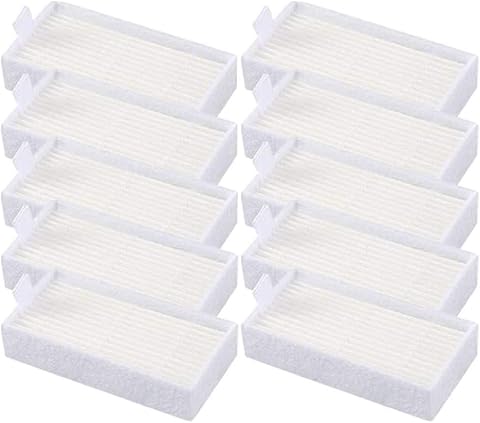
Complete the kit


Key Takeaways
- Suction power alone does not guarantee a clean floor; mop lift height is the critical differentiator for homes with mixed carpet and hard surfaces.
- Self-emptying docks have become standard in mid-range models, but bagless designs like the Airzeen Q20 offer long-term savings despite requiring more frequent manual cleaning.
- Higher suction ratings (30,000 Pa+) often correlate with louder operation and faster battery drain, making them better suited for shorter, intensive cleaning sessions.
- App reliability and mapping accuracy matter more than raw specs; models with advanced AI obstacle avoidance significantly reduce the need for pre-cleaning floor tidying.
- Corner and edge cleaning remains a weak point for most round robot designs, though models with extending side brushes or square-shaped chassis show marked improvement.
| eufy E25 Robot Vacuum and Mop |  | Best Overall | Maximum suction: 20,000 Pa | Runtime: 125 minutes in standard vacuum-and-mop mode | Navigation: Laser-guided mapping; stores up to 5 floor plans | VIEW LATEST PRICE | See Our Full Breakdown |
| Roborock Q7 M5+ Robot Vacuum and Mop with Self-Emptying Dock |  | Best Value for App-Controlled Cleaning | Suction power: 10,000 Pa | Battery life: 150 minutes | Navigation: PreciSense LiDAR | VIEW LATEST PRICE | See Our Full Breakdown |
| eufy E35 Robot Vacuum and Mop with 35,000 Pa Suction |  | Best for Heavy-Duty Cleaning | Suction power: 35,000 Pa | Mop pressure: 16 N | Battery life: 150 minutes | VIEW LATEST PRICE | See Our Full Breakdown |
| Shark Matrix Plus Robot Vacuum and Mop Combo with 60-Day Self-Emptying Base |  | Best Bagless Self-Emptying Pick | Model: AV2610WA | Mopping rate: Up to 100 scrubs per minute | Self-emptying capacity: Up to 60 days of dirt and debris | VIEW LATEST PRICE | See Our Full Breakdown |
| DREAME D30 Ultra CE Robot Vacuum and Mop with 25,000 Pa Suction |  | Best for Carpet-and-Hard-Floor Households | Suction power: 25,000 Pa | Battery life: 180 minutes | Dust bag capacity: 3.2 L | VIEW LATEST PRICE | See Our Full Breakdown |
| roborock 2026 New Qrevo S Pro Robot Vacuum and Mop, 18,500Pa Suction |  | Best for Pet-Hair Maintenance | Suction: 18,500 Pa | Dust bag capacity: 2.7 L | Battery life: Up to 180 minutes | VIEW LATEST PRICE | See Our Full Breakdown |
| Kilgone SDL40 Robot Vacuum and Mop Combo with Self-Emptying Base |  | Best for Multi-Floor Mapping | Cleaning functions: Vacuuming and sonic mopping | Navigation: LiDAR mapping; up to five maps | Dust bag capacity: 2.5 L | VIEW LATEST PRICE | See Our Full Breakdown |
| roborock 2026 New Qrevo 2 Pro Robot Vacuum and Mop, 20,000Pa Suction |  | Best for Mixed Floors and Edge Mopping | Suction: 20,000 Pa | Battery life: Up to 253 minutes | Mop system: Dual liftable spinning mops with FlexiArm edge mopping | VIEW LATEST PRICE | See Our Full Breakdown |
| Airzeen Q20 Ultra Bagless Robot Vacuum and Mop |  | Best Bagless Pick | Suction: Up to 10,000 Pa | Runtime: Up to 150 minutes in ECO mode | Cleaning functions: Vacuuming, sweeping, mopping, and self-emptying | VIEW LATEST PRICE | See Our Full Breakdown |
| Dreame L40 Ultra Gen 2 Robot Vacuum and Mop |  | Best for High-Suction Deep Cleaning | Suction: 25,000 Pa | Battery capacity: 5,200 mAh | Battery life: Up to 231 minutes | VIEW LATEST PRICE | See Our Full Breakdown |
| roborock 2026 New Qrevo Edge 3 Pro Robot Vacuum and Mop, 36000 Pa Suction |  | Best for Challenging Floor Plans | Suction: 36,000 Pa | Battery life: 180 minutes | Mop rotation: 200 RPM | VIEW LATEST PRICE | See Our Full Breakdown |
| eufy C28 Robot Vacuum Cleaner and Mop for pet hair, 15,000 Pa |  | Best for Frequent Wet Mopping | Suction: 15,000 Pa | Mop system: 28 cm HydroJet roller with 24 water ports | Roller speed: 270 RPM | VIEW LATEST PRICE | See Our Full Breakdown |
| Roborock Qrevo Edge 3 Pro Robot Vacuum and Mop, 36,000 Pa |  | Best for Long Cleaning Sessions | Suction: 36,000 Pa | Battery life: 256 minutes | Battery type: Lithium-ion | VIEW LATEST PRICE | See Our Full Breakdown |
| Roborock Q10 S5+ Robot Vacuum and Mop with Self-Emptying Station |  | Best for Straightforward Self-Emptying | Maximum suction: 10,000 Pa | Dust bag capacity: 2.7 L | Battery life: 150 minutes | VIEW LATEST PRICE | See Our Full Breakdown |
| robot vacuums with mopping | Battery life | Navigation | Connectivity | Dust bag capacity |
|---|---|---|---|---|
| eufy E25 Robot Vacuum and Mop | — | Laser-guided mapping; stores up to 5 floor plans | 2.4 GHz Wi-Fi; Alexa, Google Assistant, and Siri compatible | 3 L |
| Roborock Q7 M5+ Robot Vacuum a | 150 minutes | PreciSense LiDAR | 2.4 GHz Wi-Fi | 2.7 L |
| eufy E35 Robot Vacuum and Mop | 150 minutes | — | 2.4 GHz Wi-Fi; app, button, and voice control | 2.5 L |
| Shark Matrix Plus Robot Vacuum | — | 360° LiDAR mapping | — | — |
| DREAME D30 Ultra CE Robot Vacu | 180 minutes | — | 2.4 GHz Wi-Fi; USA use only | 3.2 L |
| roborock 2026 New Qrevo S Pro | Up to 180 minutes | LiDAR with Reactive Tech obstacle avoidance | 2.4 GHz Wi-Fi; app, button, and voice control | 2.7 L |
| Kilgone SDL40 Robot Vacuum and | Up to 150 minutes | LiDAR mapping; up to five maps | 2.4 GHz and 5 GHz Wi-Fi; app control; Amazon Echo compatibility | 2.5 L |
| roborock 2026 New Qrevo 2 Pro | Up to 253 minutes | LiDAR with Reactive Tech obstacle avoidance | 2.4 GHz Wi-Fi; app, button, and voice control | — |
| Airzeen Q20 Ultra Bagless Robo | — | LiDAR mapping; up to five maps | 2.4 GHz Wi-Fi; Honysmart app, Alexa, and Google Assistant | — |
| Dreame L40 Ultra Gen 2 Robot V | Up to 231 minutes | — | 2.4 GHz Wi-Fi; app, remote, Alexa, Siri, and Google Home | — |
| roborock 2026 New Qrevo Edge 3 | 180 minutes | — | — | — |
| eufy C28 Robot Vacuum Cleaner | 140 minutes | LiDAR; camera-free obstacle navigation | — | 3 L |
| Roborock Qrevo Edge 3 Pro Robo | 256 minutes | — | — | — |
| Roborock Q10 S5+ Robot Vacuum | 150 minutes | LiDAR with multi-level mapping | — | 2.7 L |
More Details on Our Top Picks
eufy E25 Robot Vacuum and Mop
The eufy E25 earns my Best Overall spot by making the mop part of the cleaning system, not just an add-on: its roller refreshes with clean water as it works, and the station washes and dries it, empties dust, and refills water. That gives it a more hands-off mopping setup than the Roborock Q7 M5+, whose listed strengths center on LiDAR, adjustable water flow, and self-emptying. The E25 also pairs laser mapping with an extendable edge-cleaning arm and 21 mm threshold clearance, useful for homes with connected rooms and hard-floor edges. Its 20,000 Pa suction and anti-tangle brushes round out a balanced vacuum-and-mop package. The tradeoffs are its 2.4 GHz-only Wi-Fi and a 10.8 mm mop lift, which may not give thicker carpets enough clearance.
Pros:- Roller mop is refreshed with clean water during cleaning.
- Station washes and dries the mop, empties dust, and refills water.
- Laser mapping stores up to five floor plans, with an extendable arm for edge cleaning.
- DuoSpiral brushes are designed to reduce hair tangles.
Cons:- The 10.8 mm mop lift may leave limited clearance over thicker carpets.
- Wi-Fi support is limited to 2.4 GHz.
- The listed 110 V specification makes it a US-use option.
Best for: Households with mostly hard floors, short carpets, and connected rooms that want a mop-cleaning and dust-emptying station to handle routine upkeep.
Not ideal for: Homes with thick carpets or 5 GHz-only Wi-Fi, since the mop lift is limited and the robot supports only 2.4 GHz networks.
- Maximum suction:20,000 Pa
- Runtime:125 minutes in standard vacuum-and-mop mode
- Navigation:Laser-guided mapping; stores up to 5 floor plans
- Mop lift:10.8 mm
- Threshold climbing:21 mm
- Dust bag capacity:3 L
- Water capacity:2.5 L
- Connectivity:2.4 GHz Wi-Fi; Alexa, Google Assistant, and Siri compatible
Our verdict“Choose the E25 for a balanced, low-intervention vacuum-and-mop routine across hard floors and short carpets, but skip it if thick carpet clearance is a priority.”
Roborock Q7 M5+ Robot Vacuum and Mop with Self-Emptying Dock
The Roborock Q7 M5+ is the straightforward pick for buyers who want mapped vacuuming, light mopping, and less frequent dustbin emptying without a more elaborate mop-washing station. Its PreciSense LiDAR and app tools for schedules, spot cleaning, and no-go zones make it easier to direct cleaning room by room than the more hands-off but more complex eufy E25. Three water-flow settings let you adjust how much moisture reaches the mop, while the 2.7 L bag is specified to last up to 7–9 weeks between changes. Its 150-minute battery life also exceeds the E25’s listed runtime. The tradeoff is that the Q7 M5+ lacks the E25’s roller refreshed with clean water during a run and station-based mop washing and drying; this is better for maintenance mopping than intensive floor scrubbing.
Pros:- LiDAR mapping supports orderly routes and targeted room cleaning.
- App offers scheduling, spot cleaning, no-go zones, and progress monitoring.
- Three water-flow settings allow some control over mopping moisture.
- Self-emptying dock uses a 2.7 L dust bag.
Cons:- The listed features do not include a station that washes and dries the mop.
- Wi-Fi support is limited to 2.4 GHz.
- At 65 dB listed noise, it may be noticeable during a cleaning run.
Best for: App-focused households with wood, tile, or marble floors that want room scheduling, no-go zones, and a self-emptying dock for routine cleaning.
Not ideal for: Buyers who want a self-washing mop station or stronger, continuously refreshed mop cleaning rather than adjustable water flow on a basic mop.
- Suction power:10,000 Pa
- Battery life:150 minutes
- Navigation:PreciSense LiDAR
- Dust bag capacity:2.7 L
- Water-flow settings:3
- Noise level:65 dB
- Connectivity:2.4 GHz Wi-Fi
- Recommended surfaces:Wood, tile, marble, and carpet
Our verdict“Pick the Q7 M5+ for mapped, app-directed maintenance cleaning and self-emptying, but choose the eufy E25 if mop washing and water refresh matter more.”
eufy E35 Robot Vacuum and Mop with 35,000 Pa Suction
For buyers who want a more forceful vacuum and an active scrubbing mop, the eufy E35 stands apart with 35,000 Pa suction, 16 N mop pressure, and a station that washes the roller with hot water, dries it, empties dust, and dispenses detergent. That is a more involved mop-care setup than the Roborock Q7 M5+, which offers adjustable water flow but no listed mop-washing station. The E35’s AI navigation combines a camera, LED light, and lasers for obstacle detection, including in dark rooms; its filtration is specified to capture 99.99% of particles as small as 5 μm. These capabilities suit demanding cleaning routines, but the large station needs space and dust bags, and 2.4 GHz-only Wi-Fi rules out 5 GHz networks. Its specifications are more elaborate than necessary for homes needing only occasional damp mopping.
Pros:- 35,000 Pa stated suction pairs with 16 N mop pressure and a powered roller mop.
- Station washes the mop at 140°F, hot-air dries it, and handles dust and detergent.
- Camera, LED light, and lasers support obstacle detection, including in dark rooms.
- Five-layer filtration is specified to capture 99.99% of particles as small as 5 μm.
Cons:- The station requires space and dust bags.
- Wi-Fi compatibility is limited to 2.4 GHz.
- Its extensive dock and mop-care features may be unnecessary for light cleaning needs.
Best for: Pet owners and busy households with mixed hard floors and carpet who want strong stated suction, active roller mopping, and automated mop care.
Not ideal for: Small homes with little room for a station, 5 GHz-only networks, or buyers who only need basic, occasional mopping.
- Suction power:35,000 Pa
- Mop pressure:16 N
- Battery life:150 minutes
- Filtration:5-layer filtration; captures 99.99% of particles as small as 5 μm
- Hot-water mop wash:140°F (60°C)
- Hot-air drying:131°F (55°C)
- Dust bag capacity:2.5 L
- Connectivity:2.4 GHz Wi-Fi; app, button, and voice control
Our verdict“Choose the E35 if strong stated suction and automated roller-mop care are priorities, but choose the simpler Roborock Q7 M5+ if you mainly want scheduled vacuuming and light mopping.”
Shark Matrix Plus Robot Vacuum and Mop Combo with 60-Day Self-Emptying Base
The Shark Matrix Plus is the distinct choice here for buyers who want a bagless self-emptying base rather than a dock that depends on dust bags. Its listed capacity is up to 60 days of debris, and True HEPA filtration captures 99.97% of dust and allergens down to 0.3 microns. For mopping, it uses sonic pads that scrub up to 100 times per minute while vacuuming, a different approach from the eufy E25, whose roller is refreshed with clean water during a run and washed at its station. LiDAR mapping and matrix cleaning support targeted routes, while the self-cleaning brushroll is designed for pet hair. The main limitation is that mopping is for hard floors, not carpets; the base and cleaning-solution supply also take up space and add upkeep. It lacks the detailed mop-washing automation offered by the eufy models.
Pros:- Bagless self-emptying base is specified to hold up to 60 days of debris.
- Sonic mopping scrubs up to 100 times per minute on hard floors.
- True HEPA filtration captures 99.97% of dust and allergens down to 0.3 microns.
- LiDAR mapping, matrix cleaning, and a self-cleaning brushroll support targeted cleaning and pet-hair pickup.
Cons:- Mopping is intended for hard floors and does not wet-clean carpet.
- The base and cleaning solution require storage space and maintenance.
- The listed features do not include automated washing and drying of the reusable mop pads.
Best for: Pet-owning households with mixed flooring that prefer a bagless debris base, HEPA filtration, and sonic mopping for hard-floor upkeep.
Not ideal for: Buyers seeking automated mop-pad washing and drying, or anyone who expects wet cleaning on carpet.
- Model:AV2610WA
- Mopping rate:Up to 100 scrubs per minute
- Self-emptying capacity:Up to 60 days of dirt and debris
- Navigation:360° LiDAR mapping
- Filtration:True HEPA; captures 99.97% of dust and allergens down to 0.3 microns
- Cleaning functions:Robot vacuuming and sonic mopping
- Included mop pads:2 reusable microfiber pads
- Warranty:1-year limited
Our verdict“Choose the Shark Matrix Plus if a bagless base and sonic hard-floor mopping suit your routine, but favor the eufy E25 for more automated mop washing.”
DREAME D30 Ultra CE Robot Vacuum and Mop with 25,000 Pa Suction
The DREAME D30 Ultra CE is the strongest fit in this group for homes that move between carpet and hard flooring: its dock washes and hot-air dries the mop pads, while carpet detection lifts the mops up to 0.41 in to help keep rugs dry. That makes it a more explicit carpet-aware mopping option than the eufy E25, whose listed mop lift is 10.8 mm. The D30 also offers 25,000 Pa stated suction, five suction levels, laser-guided mapping, obstacle detection, and a 3.2 L dust bag. Its 180-minute battery life is the longest among these five products’ listed runtimes. The tradeoffs are 2.4 GHz-only Wi-Fi and a USA-use specification. Buyers should also note that the stated mop lift is not a substitute for checking clearance against their own carpet pile.
Pros:- Carpet detection lifts mop pads up to 0.41 in to help keep carpets dry.
- Dock washes and hot-air dries mop pads and empties dust into a 3.2 L bag.
- Five suction levels and app controls support room and zone adjustments.
- 180-minute battery life is the longest listed among these five products.
Cons:- Specified for USA use only.
- Wi-Fi support is limited to 2.4 GHz.
- The 0.41-inch mop lift may not provide enough clearance for every carpet pile.
Best for: Households with both rugs and hard floors that want carpet-aware mop lifting, a mop-washing dock, and long listed battery life.
Not ideal for: Buyers outside the USA or with 5 GHz-only Wi-Fi, and households whose thick carpets need more clearance than the listed 0.41-inch lift.
- Suction power:25,000 Pa
- Battery life:180 minutes
- Dust bag capacity:3.2 L
- Dust box capacity:300 ml
- Mop lift:Up to 0.41 in
- Threshold clearance:Up to 0.79 in
- Suction levels:5
- Connectivity:2.4 GHz Wi-Fi; USA use only
Our verdict“Pick the D30 Ultra CE for mixed-floor homes that need carpet-aware mop lifting and a mop-care dock, provided its regional and network limits fit your setup.”
roborock 2026 New Qrevo S Pro Robot Vacuum and Mop, 18,500Pa Suction
The Qrevo S Pro is a strong fit for households that want vacuuming and mop upkeep handled by one dock. Its sealed 2.7 L dust bag, mop washing at 167°F, and warm-air drying reduce routine chores, while the anti-tangle brush system targets hair wrap from pets and long-haired occupants. Compared with the Roborock Qrevo 2 Pro, it has less listed suction and lacks that model’s automatic mop removal and extending edge mop, but it still offers liftable spinning mops and carpet-aware cleaning. The 3.8-inch profile may help it reach beneath some beds and sofas; obstacle detection and room-specific SmartPlan settings add convenience. The tradeoff is that this is a feature-rich system with a substantial dock, and its Wi-Fi support is limited to 2.4 GHz.
Pros:- Anti-tangle side and rubber main brushes are designed to reduce hair wrap.
- Dock empties into a sealed 2.7 L bag and washes and dries the mop pads.
- Dual spinning mops lift 10 mm for carpet cleaning.
- Low 3.8-inch profile can reach under some low-clearance furniture.
Cons:- Does not list automatic mop removal, unlike the Qrevo 2 Pro.
- Requires 2.4 GHz Wi-Fi for connected features.
- The multifunction dock takes more floor space than a basic charging base.
Best for: Pet owners who want a self-emptying, mop-washing robot with brushes designed to reduce hair wrap and carpet-aware mop lifting.
Not ideal for: Homes that need automatic mop removal for carpet transitions or edge-focused mopping; the Qrevo 2 Pro offers those more specialized features.
- Suction:18,500 Pa
- Dust bag capacity:2.7 L
- Battery life:Up to 180 minutes
- Mop system:Dual liftable spinning mops
- Mop washing:167°F self-cleaning; 113°F warm-air drying
- Navigation:LiDAR with Reactive Tech obstacle avoidance
- Carpet care:10 mm mop lift and customized carpet cleaning
- Connectivity:2.4 GHz Wi-Fi; app, button, and voice control
Our verdict“Choose the Qrevo S Pro if pet hair and low-effort mop maintenance matter more than automatic mop removal or specialized edge cleaning.”
Kilgone SDL40 Robot Vacuum and Mop Combo with Self-Emptying Base
The Kilgone SDL40 stands out for households that need saved layouts for several floors: its LiDAR system can store up to five maps, a useful advantage for a multilevel home or separate cleaning zones. It pairs vacuuming with sonic mopping and includes an anti-tangle brush system, while its 2.5 L dust bag is claimed to last up to 90 days between changes. That long interval is a headline figure rather than a guarantee, since actual use depends on debris and cleaning frequency. Compared with the bagless Airzeen Q20 Ultra, Kilgone offers a conventional self-emptying bag and automatic recharge-and-resume, but the Airzeen specifies suction power and also supports up to five maps. Kilgone’s 300 ml water tank may call for refills during larger mop jobs, and app-based setup means it is less appealing to buyers who want minimal connectivity dependence.
Pros:- LiDAR mapping supports up to five saved maps.
- Self-emptying base uses a 2.5 L dust bag.
- Automatically recharges and resumes cleaning.
- Anti-tangle brushes help limit hair wrap.
Cons:- The 300 ml water tank may need refilling during larger mopping sessions.
- The listed information gives no suction-power figure for comparison.
- Wi-Fi is required for setup and mapping.
Best for: Owners of multi-level homes who want LiDAR maps saved for several floors, self-emptying, and automatic cleaning recovery after recharging.
Not ideal for: Buyers who want a large water reservoir, detailed published suction figures, or a robot that can be set up without Wi-Fi.
- Cleaning functions:Vacuuming and sonic mopping
- Navigation:LiDAR mapping; up to five maps
- Dust bag capacity:2.5 L
- Claimed time between emptying:Up to 90 days
- Battery life:Up to 150 minutes
- Water capacity:300 ml
- Filter:HEPA
- Connectivity:2.4 GHz and 5 GHz Wi-Fi; app control; Amazon Echo compatibility
Our verdict“Pick the SDL40 if saving maps across multiple floors matters more to you than a larger water tank or clearly stated suction performance.”
roborock 2026 New Qrevo 2 Pro Robot Vacuum and Mop, 20,000Pa Suction
The Qrevo 2 Pro earns its place for homes where rugs, carpets, and hard floors meet—and where mopping close to walls matters. Its FlexiArm edge mop extends to within 1.85 mm of walls, while automatic mop removal, 15 mm lifting, and carpet-first cleaning help avoid carrying damp pads onto rugs. That makes it more specialized for floor transitions than the Qrevo S Pro, which lists a lower mop lift and does not specify automatic mop removal. The 20,000 Pa suction, long listed runtime, and zero-tangle brush design also suit homes with pets. Its dock washes and dries the mops and handles dust and water, but the system still needs dock upkeep. Buyers should also note that the robot supports only 2.4 GHz Wi-Fi, and its advanced carpet and mop features may be more than a mostly hard-floor home needs.
Pros:- FlexiArm mop reaches close to walls for improved edge coverage.
- Automatically removes the mop and lifts it up to 15 mm for carpet care.
- 20,000 Pa suction and zero-tangle brushes target pet hair and debris.
- Dock empties dust, refills water, washes the mops, and dries them.
Cons:- Supports 2.4 GHz Wi-Fi only.
- Multifunction dock and automated mop system add maintenance needs.
- Its carpet-transition features may be unnecessary in homes with few rugs.
Best for: Pet-owning households with a mix of rugs and hard flooring that want close-to-wall mopping and automatic mop handling around carpets.
Not ideal for: Mostly hard-floor homes seeking a simpler, less feature-heavy mop robot, or households whose Wi-Fi network requires 5 GHz support.
- Suction:20,000 Pa
- Battery life:Up to 253 minutes
- Mop system:Dual liftable spinning mops with FlexiArm edge mopping
- Mop lift:Up to 15 mm
- Carpet features:Automatic mop removal, carpet-first cleaning, and suction boost
- Dock:Auto-emptying, water refilling, 149°F mop washing, and 113°F warm-air drying
- Navigation:LiDAR with Reactive Tech obstacle avoidance
- Connectivity:2.4 GHz Wi-Fi; app, button, and voice control
Our verdict“Choose the Qrevo 2 Pro for mixed flooring if automatic mop handling and edge coverage are higher priorities than a simpler setup.”
Airzeen Q20 Ultra Bagless Robot Vacuum and Mop
The Airzeen Q20 Ultra is the bagless choice here: its reusable dust cup avoids replacement bags, which may appeal to buyers who prefer reusable collection over the Kilgone SDL40’s 2.5 L bag. It combines vacuuming, sweeping, mopping, and self-emptying, with LiDAR maps for up to five floors or layouts, scheduled cleaning, and automatic recharge-and-resume. Its 10,000 Pa suction is specified, but that figure is lower than the Roborock Qrevo options in this group, so buyers focused on stronger listed suction may prefer those models. The main mopping compromise is practical: the mop holder must be removed before carpet cleaning, rather than relying on the Qrevo 2 Pro’s automatic mop removal. A 2.4 GHz-only connection is another limitation, and the listed sponge filter may be less appealing to buyers specifically seeking a HEPA filter.
Pros:- Reusable bagless dust cup avoids disposable dust bags.
- LiDAR mapping supports up to five maps and customizable no-go zones.
- Automatically recharges and resumes cleaning.
- App and voice controls support scheduled cleaning.
Cons:- Mop holder must be removed before cleaning carpets.
- 10,000 Pa listed suction is lower than the Roborock Qrevo models in this lineup.
- Wi-Fi support is limited to 2.4 GHz and the listed filter is sponge.
Best for: Households that want a reusable, bagless dust cup, multi-map LiDAR navigation, and scheduled vacuum-and-mop cleaning.
Not ideal for: Homes with frequent carpet-to-hard-floor transitions where removing the mop holder by hand is inconvenient, or buyers who prioritize stronger stated suction.
- Suction:Up to 10,000 Pa
- Runtime:Up to 150 minutes in ECO mode
- Cleaning functions:Vacuuming, sweeping, mopping, and self-emptying
- Dust collection:Reusable bagless dust cup
- Navigation:LiDAR mapping; up to five maps
- Cleaning path width:12.6 inches
- Filter:Sponge
- Connectivity:2.4 GHz Wi-Fi; Honysmart app, Alexa, and Google Assistant
Our verdict“Pick the Q20 Ultra if you want a reusable bagless dust cup and multiple saved maps, and do not mind removing its mop holder for carpet runs.”
Dreame L40 Ultra Gen 2 Robot Vacuum and Mop
The Dreame L40 Ultra Gen 2 is the high-suction pick in this batch, with 25,000 Pa and five selectable suction levels for tailoring cleaning to different floors and debris. Its extendable brush and mop are intended to reach corners and areas beneath furniture, while the dock handles dust emptying, mop washing, and hot-air drying. Compared with the Roborock Qrevo 2 Pro, Dreame lists higher suction and a longer menu of control options, including a remote, but Roborock provides clearer carpet-transition details such as automatic mop removal and a specified 15 mm lift. Dreame lists carpet modes and obstacle avoidance, though the supplied surface recommendations focus on wood, marble, and tile. Its optional detergent dispenser adds another potential purchase, and Wi-Fi is restricted to 2.4 GHz and USA use.
Pros:- 25,000 Pa suction with five adjustable levels.
- Extendable brush and mop are designed to improve corner and edge reach.
- Dock empties dust, washes mops, and dries them with hot air.
- Supports app, remote, and voice control, including Alexa, Siri, and Google Home.
Cons:- Auto-detergent dispenser is an optional accessory sold separately.
- Wi-Fi support is limited to 2.4 GHz and USA use.
- Carpet recommendations and mop-lifting details are less explicit than the Qrevo 2 Pro’s.
Best for: Buyers seeking strong stated suction, adjustable cleaning levels, and an extendable brush and mop for corners and furniture edges.
Not ideal for: Households needing clearly specified automatic mop removal for carpet transitions, or buyers outside the USA or on 5 GHz-only Wi-Fi.
- Suction:25,000 Pa
- Battery capacity:5,200 mAh
- Battery life:Up to 231 minutes
- Cleaning coverage:Up to 1,679 ft² in Quiet Mode
- Suction levels:Five
- Mop lift:10.5 mm
- Dock:Auto-emptying, mop washing, and hot-air drying
- Navigation and obstacle avoidance:Smart Pathfinder and 3DAdapt
- Connectivity:2.4 GHz Wi-Fi; app, remote, Alexa, Siri, and Google Home
Our verdict“Choose the Dreame L40 Ultra Gen 2 if high listed suction and corner reach matter more than clearly specified automatic mop handling on carpets.”
roborock 2026 New Qrevo Edge 3 Pro Robot Vacuum and Mop, 36000 Pa Suction
The Qrevo Edge 3 Pro is the strongest fit here for homes where a robot’s route is as demanding as its cleaning: its AdaptiLift chassis is rated for thresholds up to 3.46 inches across double layers, and it can reach beneath furniture with 3.13 inches of clearance. That mobility sets it apart from the Roborock Q10 S5+, which has a simpler 8 mm mop lift and no comparable threshold-crossing figures in the supplied specifications. For mopping, this Edge uses 200 RPM dual spinning pads with up to 14 N of pressure, while its dock washes the pads with 212°F water and dries them with hot air. The tradeoff is a feature-heavy system that may be more than a straightforward, mostly single-level home needs; it also requires 2.4 GHz Wi-Fi, and its listed 180-minute battery life is shorter than the other Edge 3 Pro listing’s 256 minutes.
Pros:- Rated to cross thresholds up to 3.46 inches across double layers.
- Spinning mops apply up to 14 N of pressure and use warm water for stubborn marks.
- Dock automates mop washing, drying, detergent dispensing, refilling, and dust emptying.
- Obstacle recognition and a zero-tangle brush system are aimed at cluttered, pet-friendly homes.
Cons:- Requires 2.4 GHz Wi-Fi.
- Listed battery life is 180 minutes, below the 256 minutes stated for the other Qrevo Edge 3 Pro listing.
- Its many automated dock and navigation features may be unnecessary for smaller, uncluttered homes.
Best for: Owners of multi-room homes with raised thresholds, pets, and mixed hard floors and carpet who want automated mop and dust maintenance.
Not ideal for: People with a simple, mostly open floor plan who want a basic mop-and-vac routine, or households that rely on 5 GHz-only Wi-Fi.
- Suction:36,000 Pa
- Battery life:180 minutes
- Mop rotation:200 RPM
- Mop pressure:Up to 14 N
- Threshold crossing:Up to 1.77 in single-layer; 3.46 in double-layer
- Low-clearance access:3.13 in
- Dock cleaning and drying:212°F mop washing; 131°F hot-air drying
- Dust emptying:Up to 65 days
- Wi-Fi:2.4 GHz only
Our verdict“Choose this Qrevo Edge 3 Pro if thresholds, pet hair, and hands-off mopping matter more than a simpler setup.”
eufy C28 Robot Vacuum Cleaner and Mop for pet hair, 15,000 Pa
The eufy C28 takes a different approach to mopping from the Roborock options in this group: rather than spinning pads, it uses a HydroJet roller that continuously self-cleans as it works. That design is aimed at paw prints and everyday spills, where a mop that keeps separating dirty water can be more useful than a dry pad making repeated passes. Its 15,000 Pa suction is below the Qrevo Edge 3 Pro’s 36,000 Pa, so I’d favor the Edge for homes with heavier carpet-cleaning demands, but the C28 has a clear pet-hair focus, including a DuoSpiral brush designed to resist tangles. The station washes and dries the roller, empties dust, and collects wastewater. It lifts the mop only 10.8 mm on short carpets, so this is better suited to hard-floor-heavy layouts than homes with thick or varied carpeting.
Pros:- HydroJet roller continuously self-cleans during mopping and directs dirty water to a separate tank.
- DuoSpiral brush is designed to handle long pet hair with less tangling.
- Station automates dust emptying, mop washing, hot-air drying, and wastewater collection.
- Camera-free LiDAR navigation may suit buyers who prefer not to have a camera on their robot.
Cons:- Mop lifts only 10.8 mm on short carpets, limiting its suitability for mixed-height flooring.
- Listed suction is lower than the 36,000 Pa Qrevo Edge 3 Pro.
- Recommended surfaces exclude thick carpet and focus on hard floors and short-pile carpet.
Best for: Multi-pet households with mostly hard flooring that want a roller mop designed to stay clean during repeated wet passes.
Not ideal for: Homes with thick carpets, high thresholds, or buyers seeking the stronger listed suction and threshold features of the Qrevo Edge 3 Pro.
- Suction:15,000 Pa
- Mop system:28 cm HydroJet roller with 24 water ports
- Roller speed:270 RPM
- Mop lift:10.8 mm
- Battery life:140 minutes
- Dust bag capacity:3 L
- Station drying:50°C hot air
- Noise level:54.89 dB
- Navigation:LiDAR; camera-free obstacle navigation
Our verdict“Pick the C28 if routine wet mopping and pet hair on hard floors matter more than high-threshold access or deep carpet cleaning.”
Roborock Qrevo Edge 3 Pro Robot Vacuum and Mop, 36,000 Pa
This Qrevo Edge 3 Pro earns a distinct place for buyers who prioritize extended cleaning time: its listed 256-minute battery life is longer than the 180 minutes specified for the other Qrevo Edge 3 Pro listing in this batch. It pairs that endurance with 36,000 Pa suction, warm-water spinning mops, and a dock that washes, dries, refills, dispenses detergent, and empties dust. The AdaptiLift chassis is also rated for double-layer thresholds up to 3.46 inches, giving it an advantage over the Roborock Q10 S5+ in homes with awkward floor transitions. This is a feature-rich pick for larger or more segmented homes, but it still relies on 2.4 GHz Wi-Fi. The supplied specifications also give no reason to assume that its stronger suction alone makes it a better mop than the eufy C28’s continuously cleaned roller.
Pros:- Listed 256-minute battery life supports longer cleaning sessions.
- 36,000 Pa suction and dual zero-tangle design target debris and hair across floor types.
- Dock handles mop washing, hot-air drying, refilling, detergent dispensing, and dust emptying.
- AdaptiLift chassis is rated for thresholds up to 3.46 inches across double layers.
Cons:- Supports only 2.4 GHz Wi-Fi.
- Threshold and low-clearance limits may still prevent access in homes with larger obstacles or lower furniture.
- The feature-rich dock and navigation may be excessive for smaller homes with few floor transitions.
Best for: People with larger, multi-room homes who want long listed runtime, threshold crossing, and a dock that handles routine mop care.
Not ideal for: Buyers with 5 GHz-only networks or those who prefer a simpler, less feature-heavy robot for a small open-plan home.
- Suction:36,000 Pa
- Battery life:256 minutes
- Battery type:Lithium-ion
- Threshold crossing:Up to 1.77 in single-layer; 3.46 in double-layer
- Low-clearance access:3.13 in
- Mop rotation and pressure:200 RPM; up to 14 N
- Dock mop washing and drying:212°F washing; 131°F hot-air drying
- Dust emptying:Up to 65 days
- Wi-Fi:2.4 GHz only
Our verdict“Choose this version if longer listed runtime is your priority alongside strong suction, automated mopping, and threshold handling.”
Roborock Q10 S5+ Robot Vacuum and Mop with Self-Emptying Station
The Roborock Q10 S5+ is the more restrained choice in this group: it combines 10,000 Pa suction and a self-emptying station with a vibrating mop rated for up to 3,000 scrubs per minute, without the mop-washing and drying dock features of the Qrevo Edge 3 Pro. Its 8 mm mop lift helps avoid wetting low-pile carpet during a run, while LiDAR mapping, obstacle avoidance, and multi-level maps add useful structure for homes with more than one floor. Compared with the eufy C28, it has less elaborate wet-mop maintenance, but the C28’s roller system is more focused on continuous wet cleaning. The Q10 S5+ makes more sense for buyers who want mapped vacuuming and occasional floor scrubbing with less dock complexity. Its 150-minute battery life and 2.4 GHz-only Wi-Fi are meaningful limits for larger homes or newer network setups.
Pros:- Self-emptying station uses a 2.7 L dust bag.
- Vibrating mop is rated for up to 3,000 scrubs per minute.
- LiDAR supports multi-level mapping and scheduled, room-specific cleaning.
- Mop lifts up to 8 mm on carpet, helping separate wet mopping from carpet passes.
Cons:- The station does not list automatic mop washing or drying.
- Listed battery life is 150 minutes, shorter than either Qrevo Edge 3 Pro listing.
- Requires 2.4 GHz Wi-Fi.
Best for: Households that want LiDAR-mapped vacuuming, a self-emptying bin, and occasional hard-floor scrubbing without an automated mop-washing dock.
Not ideal for: Buyers who want hands-off mop washing and drying, longer cleaning sessions, or a roller mop built for frequent wet cleanup.
- Maximum suction:10,000 Pa
- Dust bag capacity:2.7 L
- Battery life:150 minutes
- Mop scrubbing rate:Up to 3,000 times per minute
- Mop lift:Up to 8 mm
- Navigation:LiDAR with multi-level mapping
- Obstacle avoidance:ReactiveTech structured light
- Noise level:65 dB
- Wi-Fi:2.4 GHz only
Our verdict“Choose the Q10 S5+ if you want mapped cleaning and self-emptying with occasional mopping, not a fully automated mop-care station.”
How We Picked
To curate this list, I evaluated each robot vacuum based on four core pillars: cleaning efficacy, automation level, navigation intelligence, and long-term maintenance. Cleaning efficacy was judged not just by suction specs, but by how well the device transitions between vacuuming and mopping, specifically looking at mop lift capabilities and water distribution consistency. Automation level assessed the degree of hands-off operation, prioritizing units with self-emptying dustbins and auto-washing mop pads, while noting the tradeoff in maintenance complexity.
Navigation intelligence was tested by analyzing how well each model handles complex home layouts, including multi-level homes and rooms with low-furniture clearance. Finally, long-term maintenance considered the availability of replacement parts, filter clogging risks, and the ease of accessing internal components for deep cleaning. Products were ranked by their ability to deliver consistent results across these categories, with a strong bias toward models that minimize user error and intervention.
Factors to Consider When Choosing Best Robot Vacuums With Mopping
Choosing a robot vacuum with mopping is not a one-size-fits-all decision. The right choice depends heavily on your floor types, household traffic, and tolerance for maintenance. Below are the key factors to weigh before making a purchase.Understanding Suction Power vs. Mop Lift
Many buyers fixate on Pa (Pascal) ratings, assuming higher numbers equal better cleaning. While high suction is vital for carpets, it is irrelevant for mopping if the mechanism cannot lift the pad off the floor. Mop lift height determines whether your carpets get wet during a vacuuming cycle. If you have mostly hard floors, a lower suction model with a strong mopping engine is more efficient. Conversely, homes with thick rugs require a model that can lift the mop at least 10mm to prevent damage and moisture retention.
The Reality of Self-Emptying Stations
Self-emptying docks promise weeks of freedom from manual dustbin emptying, but they introduce new maintenance tasks. You must regularly clean the dock’s internal channels and filters, which can clog with fine dust or hair. Bagless stations save money on consumables but require more frequent cleaning of the collection bin. Consider your living space: these docks are bulky and require specific clearance for the robot to dock and undock. If you have limited floor space, a standard charging dock might be the more practical choice.
Navigation: LiDAR vs. Visual AI
Navigation technology dictates how efficiently the robot cleans and how well it avoids obstacles. LiDAR-based systems create precise maps and are generally more reliable in dark rooms, but they struggle with small obstacles like socks or cables. Visual AI cameras excel at identifying and avoiding specific objects like pet waste or shoes, but they can fail in low-light conditions unless equipped with infrared sensors. For homes with many small items on the floor, AI-enhanced navigation reduces the need for pre-cleaning, saving you time in the long run.
Mopping Mechanisms: Rotating vs. Vibro
Not all mopping systems are created equal. Rotating mop pads apply pressure and scrub the floor, offering better stain removal than traditional vibro-mopping. Vibro-mops are lighter and often cheaper, but they tend to smear stains rather than lift them. If you have tile or vinyl floors with frequent spills, rotating mops are worth the investment. For light maintenance mopping on laminate, a vibro-mop is sufficient and quieter. Check if the model supports auto-washing, as dirty mops spread grime rather than clean it.
App Ecosystem and Smart Home Integration
The app is your primary interface for scheduling, zoning, and troubleshooting. A laggy or poorly designed app can make even the best hardware frustrating to use. Look for models with stable cloud connectivity and clear error reporting. If you use voice assistants, verify that the model supports your preferred ecosystem (Alexa, Google Home, or Apple HomeKit). Some brands lock advanced features behind app subscriptions, so check for any recurring costs associated with map saving or zone management.
Frequently Asked Questions
Can robot vacuums mop carpets effectively?
Generally, no. Most robot vacuums are designed to lift their mop pads when they detect carpet to avoid wetting the fibers. While some high-end models with advanced carpet detection can perform a ‘dry wipe’ or light misting, they are not designed for deep carpet cleaning or shampooing. If you have predominantly carpeted floors, you should prioritize vacuuming performance and consider a separate carpet cleaner for stains. For mixed flooring, ensure the model has a robust mop lift mechanism to prevent accidental water damage.
How often do I need to replace mop pads and filters?
Replacement frequency depends on usage intensity and water quality. Mop pads typically last 3-6 months with regular washing, but they degrade faster if you use harsh cleaning solutions. HEPA filters should be replaced every 2-3 months for optimal suction, though some models offer washable filters that extend this timeline. Always check the manufacturer’s recommendations, as using worn filters can reduce suction power and release allergens back into the air. Buying in bulk can reduce long-term costs, but ensure you do not stockpile pads that may dry out or crack over time.
Is a self-emptying dock worth the extra cost?
For pet owners or households with high dust levels, a self-emptying dock is often worth the investment. It reduces the frequency of manual emptying from every 2-3 days to once every 4-6 weeks, significantly lowering the maintenance burden. However, if you live in a smaller apartment with minimal debris, the added cost and bulk of the station may not justify the convenience. Additionally, consider the noise level of the dock’s suction cycle; some models operate at high decibels, which can be disruptive if the dock is located near living or sleeping areas.
Do robot vacuums work on high-pile rugs?
Most robot vacuums struggle with high-pile or shag rugs, as the wheels can get tangled and the suction may not penetrate deep enough to remove embedded debris. Models with all-terrain wheels and higher suction power (20,000 Pa+) handle medium-pile rugs better, but high-pile rugs remain a challenge for the entire category. If you have these rugs, you may need to set up ‘no-go’ zones in the app to prevent the robot from getting stuck. For effective cleaning of high-pile rugs, a traditional upright vacuum remains the superior tool.
Can I use any cleaning solution in the water tank?
No, you should strictly use the cleaning solution recommended by the manufacturer or plain water. Many robot vacuums have internal pumps and seals that can corrode or clog if exposed to vinegar, bleach, or generic floor cleaners. Using improper solutions can void the warranty and lead to permanent mechanical failure. Some models have a dedicated detergent dispenser that allows for specific compatible concentrates, but these are rare. When in doubt, stick to water or a small amount of mild, pH-neutral soap to maintain the longevity of the internal components.
Conclusion
Choosing the right robot vacuum with mopping comes down to matching the device’s strengths with your home’s specific challenges. For most users seeking a balance of performance and price, the Roborock Q7 M5+ offers the best overall value with its reliable self-emptying and consistent cleaning. If you have heavy carpets and need maximum power, the eufy E35 is the superior choice, provided you can tolerate the higher noise levels. For those who want a premium, fully automated experience with advanced obstacle avoidance, the Dreame L40 Ultra Gen 2 stands out as the top premium pick. Beginners or those on a tighter budget should look at the Shark Matrix Plus, which simplifies the learning curve with intuitive controls and robust basic features. Evaluate your floor types, obstacle density, and maintenance tolerance to make the final decision.