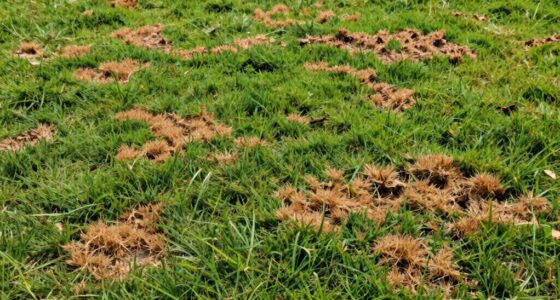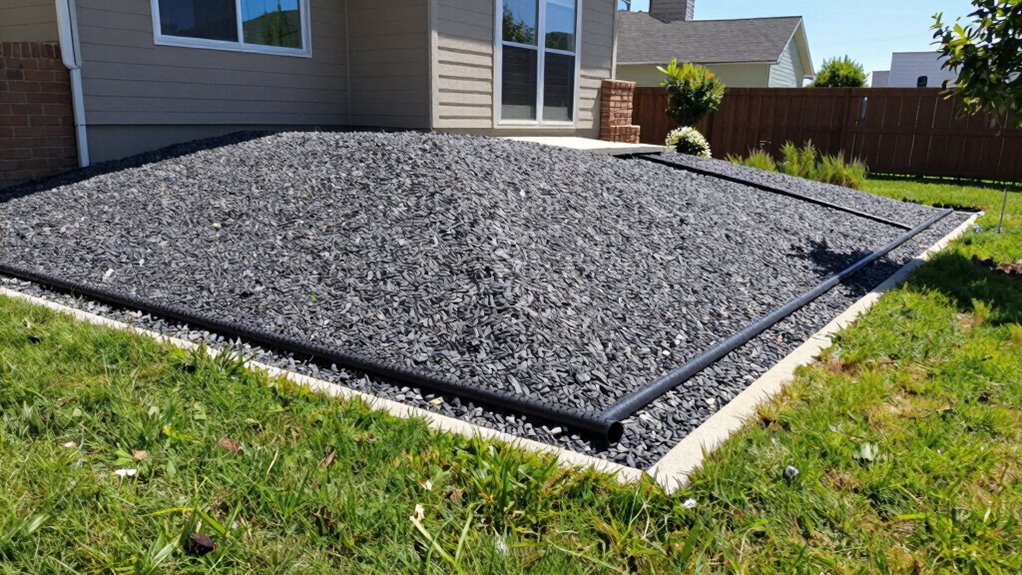

Understanding exterior drainage basics involves knowing how proper grading, gutters, and drainage systems work together to direct water away from your home. You need to keep gutters clear, guarantee downspouts extend several feet from the foundation, and maintain sloped terrain to prevent pooling and erosion. Regular maintenance and choosing the right drainage solutions, like French drains or rain gardens, help protect your property. Keep exploring to learn how these elements effectively prevent water issues around your home.
Key Takeaways
- Proper grading slopes away from the foundation to naturally direct water runoff and prevent pooling or erosion.
- Gutter systems, including downspouts and extensions, channel roof water safely away from the home’s foundation.
- Drainage solutions like French drains, rain gardens, and dry wells help manage excess groundwater effectively.
- Regular maintenance of gutters, downspouts, and grading ensures continuous proper water diversion.
- Addressing drainage issues early prevents foundation damage, soil erosion, and basement flooding.

NAACOO Gutter Downspout Extensions, Upgraded 12x12in Catch Basin Low Profile Downspout Extender | No Deep Dig French Drain, Flexible Pipe Extension to 8.2ft, Protect House Foundation.
🏆【US Patented Design】 Patent No. D1018796.
As an affiliate, we earn on qualifying purchases.
As an affiliate, we earn on qualifying purchases.
What Is Exterior Drainage and Why Is It Important?

Have you ever wondered why proper exterior drainage is essential for your property? It all begins with effective drainage planning, which helps direct water away from your home and landscape. Proper water flow management prevents water from pooling around your foundation, reducing the risk of leaks, cracks, and structural damage. Exterior drainage involves designing a system that channels rainwater and runoff safely away from your property’s vulnerable areas. Without it, excess moisture can lead to erosion, mold, and other costly issues. By understanding how to manage water flow, you protect your property’s integrity and preserve its value. Good drainage isn’t just about preventing floods; it’s about creating a sustainable, safe environment around your home. Proper planning now saves you headaches later and ensures effective water management, which is a key component of exterior drainage systems. Properly installed drainage solutions also help prevent the buildup of standing water, which can cause additional structural damage over time. Incorporating proper grading and slope design can significantly improve water diversion and overall drainage efficiency. Additionally, understanding water flow principles can help you choose the most effective drainage methods for your property.

plusgutter White-2pack Rain Gutter Downspout Extensions Flexible, Drain Downspout Extender,Down Spout Drain Extender, Gutter Connector Rainwater Drainage,Extendable from 21 to 68 Inches
【 US Patented Product 】: No.D988482, No.D988483, No.D997309, No.D1009230, No.D1012250, No.D1016252, No.11885441
As an affiliate, we earn on qualifying purchases.
As an affiliate, we earn on qualifying purchases.
How Does Grading Help Keep Water Away From Your Home?
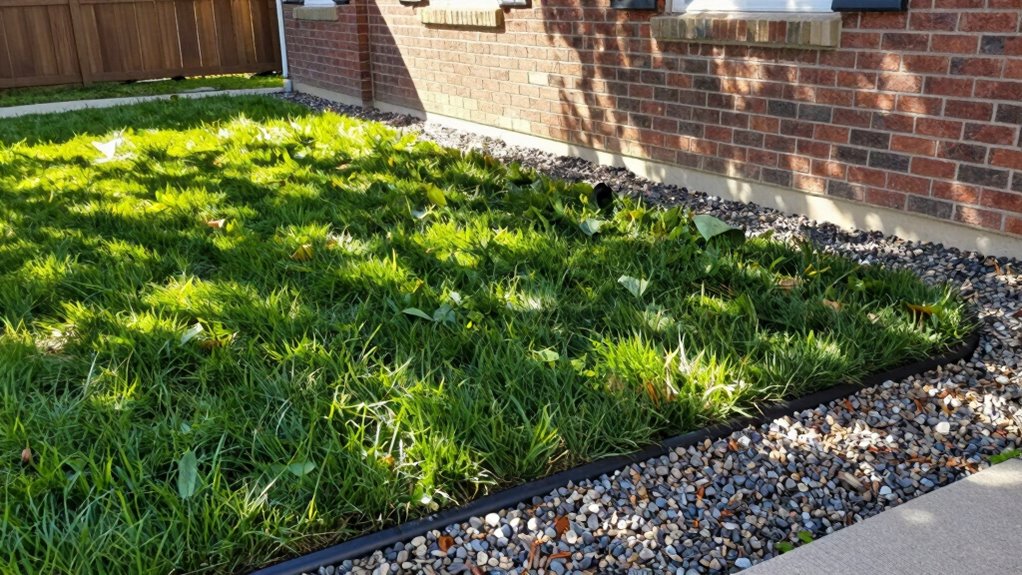
Proper grading directs water away from your home’s foundation, preventing moisture from seeping in and causing damage. Landscape grading involves shaping your yard so that the ground slopes away from the house, promoting effective water diversion. When your yard is correctly graded, rainwater naturally flows downhill and away from the foundation, reducing the risk of basement flooding or foundation cracks. A gentle slope of about 5% (or 6 inches per 10 feet) is typically recommended for ideal water runoff. This simple step helps keep your home dry and protected from water damage. Regularly checking and maintaining your grading ensures it remains effective over time, especially after heavy storms or landscaping changes. Proper grading is a fundamental part of exterior drainage that keeps your home safe and dry. Incorporating halal-friendly landscaping ideas can also enhance the effectiveness and aesthetic appeal of your yard, ensuring both water management and sustainability. Additionally, understanding creative problem-solving can help you find innovative ways to improve your drainage system and adapt to changing conditions. Paying attention to soil composition can also influence how well your grading performs in different weather scenarios.

The Original Rhino Strong Commercial Grade Air Wedge Bag Pump Professional Leveling Kit & Alignment Tool Inflatable Shim Bag 3 Piece (Small, Medium, Large). 3 sizes for all of your individual needs.
Perfect for any toolbox – 3 Sizes to meet all of your individual needs. Easy carry storage tote…
As an affiliate, we earn on qualifying purchases.
As an affiliate, we earn on qualifying purchases.
What Are the Best Drainage Systems for Your Property?
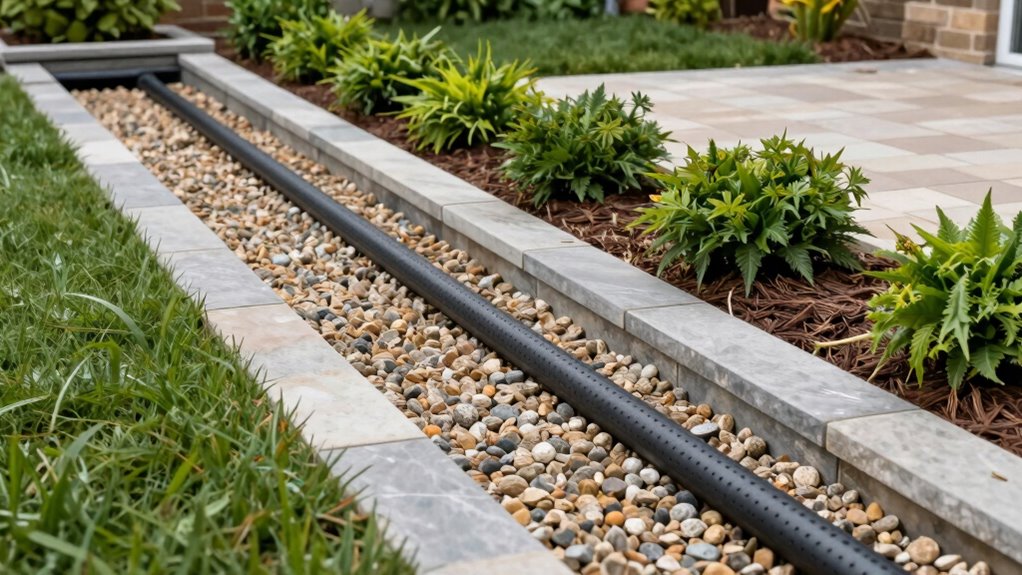
Choosing the right drainage system depends on your property’s specific needs and conditions. You should consider different types like surface drains, French drains, or retention basins, and evaluate which fits best. Factors such as soil type, slope, and rainfall influence the best choice for effective water management. Incorporating landscaping techniques can also help subtly direct water flow and improve overall drainage efficiency. Understanding exterior drainage basics can help prevent water-related issues and protect your property over time. Being aware of ethical considerations in environmental impact can also guide sustainable drainage choices that minimize disruption to natural ecosystems. Additionally, understanding the long-term maintenance requirements of various systems can ensure their effectiveness and durability. Considering smart yard care options, such as automated systems or innovative drainage solutions, can further enhance water management efficiency on your property.
Types of Drainage Systems
Selecting the right drainage system depends on your property’s unique needs and landscape. For example, rain gardens are excellent for absorbing excess water naturally and enhancing your yard’s beauty. They work well in areas with mild slopes and can handle moderate rainfall. French drains are versatile, effective, and discreet; they direct water away from foundations, basements, or low spots. If your property experiences heavy runoff or has poor soil drainage, installing a French drain can prevent water pooling. Combining systems, like rain gardens with French drains, can optimize your drainage. Consider the terrain, soil type, and water flow when choosing your system. Properly selected drainage solutions protect your property’s foundation, reduce erosion, and maintain landscape health. Incorporating water management principles can further improve your drainage strategy and promote landscape resilience. Understanding drainage system types helps you make informed decisions to best suit your property’s specific conditions. Recognizing the importance of proper installation techniques ensures your drainage system functions effectively over time, especially when creative storytelling is used to communicate maintenance plans to homeowners. Additionally, understanding hydraulics and water flow dynamics can enhance the efficiency of your chosen system.
Factors Influencing Choice
When determining the best drainage system for your property, several key factors come into play. Soil composition affects water absorption; sandy soils drain faster, while clay soils retain moisture, requiring different solutions. Landscaping design influences flow paths and aesthetic considerations. Your property’s slope and grading also matter, guiding water away from foundations. Additionally, local climate impacts drainage needs, especially in heavy rainfall. Consider your long-term maintenance capacity and budget. Use this table to evaluate options:
| Factor | Effect | Consideration |
|---|---|---|
| Soil Composition | Affects water absorption | Choose drainage based on soil type |
| Landscaping Design | Guides water flow | Align with existing landscape |
| Slope & Grade | Influences runoff direction | Ensure proper grading |
| Climate | Determines rainfall volume | Select robust systems |
| Maintenance | Impacts ongoing upkeep | Opt for low-maintenance options |
Furthermore, understanding soil properties can help you select the most effective drainage solutions tailored to your land. Being aware of drainage system options can also assist in making an informed decision that suits your property’s specific needs.
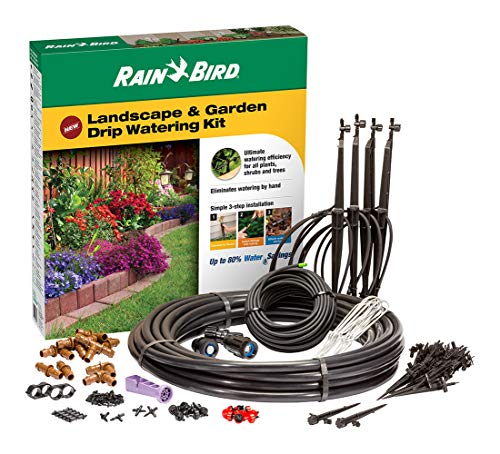
Rain Bird LNDDRIPKIT Drip Irrigation Landscape/Garden Watering Kit with Drippers, Micro-Bubblers, Micro-Sprays
Comprehensive 108-piece kit for flower beds, gardens and landscaped areas; eliminates hand watering, saves time and money
As an affiliate, we earn on qualifying purchases.
As an affiliate, we earn on qualifying purchases.
How Gutters and Downspouts Control Water Flow?
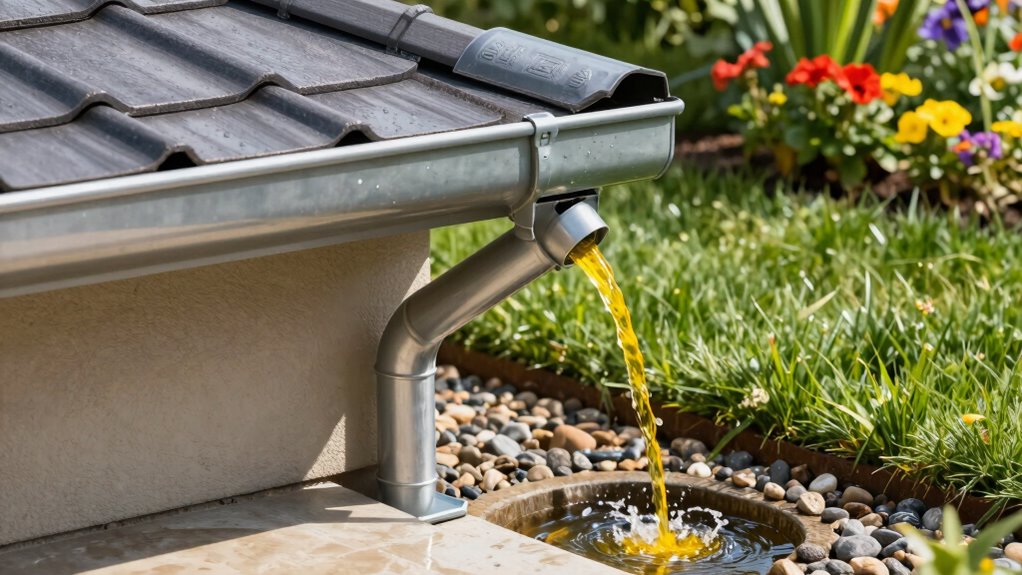
Gutters and downspouts direct water away from your home efficiently, preventing pooling around the foundation. This helps avoid costly damage and keeps your property solid. When they work properly, water flows along the intended path, protecting your home’s structure. Proper installation and maintenance are essential to ensure cabling solutions remain reliable and effective over time. Regularly inspecting and cleaning your gutters can also help maintain their proper function, ensuring your home stays cozy and protected from water damage. Incorporating tracking gear into your maintenance routine can alert you to potential issues early, so you can address them before they cause significant problems. Additionally, understanding the importance of drainage can help homeowners take proactive steps to safeguard their property. As sneaker and fashion trends continue to evolve, integrating durable and stylish sustainable materials into your gutter system can further enhance its longevity and eco-friendliness.
Direct Water Away Efficiently
Ever wondered how to keep your home dry during heavy rains? Properly directing water away is essential. Gutters and downspouts do more than just channel rainwater; they help with rainwater harvesting, collecting runoff for reuse. To maximize efficiency, guarantee gutters are clear of debris and slope correctly toward downspouts. Downspouts should direct water at least several feet away from your foundation, preventing excess water from seeping into the soil near your home. This promotes soil absorption away from your structure, reducing the risk of erosion or pooling. Installing splash blocks or extensions further directs water safely away. By managing water flow effectively, you protect your home from potential damage and support natural drainage processes.
Prevent Foundation Damage
Have you considered how proper water control can protect your home’s foundation? Gutters and downspouts direct water away, preventing soil erosion that weakens your foundation over time. Proper drainage maintains stable soil, avoiding shifts that cause cracks. Landscaping design also plays a role; strategic plant placement can absorb excess water, reducing runoff. Here’s a quick overview:
| Water Control Method | Effect on Soil | Impact on Foundation |
|---|---|---|
| Gutters & Downspouts | Redirects water | Prevents erosion |
| Gravel Drainage | Absorbs runoff | Stabilizes soil |
| Landscaping Design | Absorbs excess water | Supports foundation integrity |
Combining these methods ensures water flows exactly where you want, safeguarding your foundation from damage.
Maintain Proper Flow Path
Properly maintaining the flow path of water away from your home involves guaranteeing gutters and downspouts direct rainwater exactly where it’s intended. This prevents water from pooling near your foundation or seeping into your basement. To achieve this, consider landscape grading to slope away from your house, guiding water naturally downhill. Installing drainage barriers like splash blocks or extension pipes helps direct water further from your foundation. Regularly clean gutters and downspouts to prevent blockages that cause overflow. Also, check that downspouts extend at least 4-6 feet away from your home’s base. Here are key steps to maintain proper flow:
- Keep gutters clear of debris
- Ensure downspouts direct water away
- Grade landscape to slope away
- Use drainage barriers for added control
Troubleshooting Common Exterior Drainage Problems
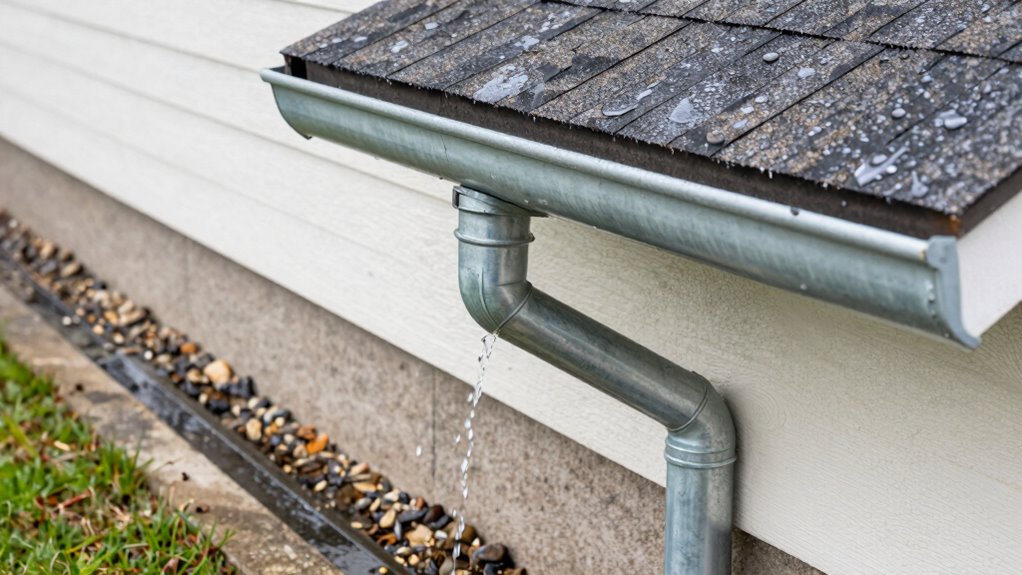
When exterior drainage problems arise, quick and accurate troubleshooting is essential to prevent water damage and foundation issues. Start by inspecting your landscape grading; if it’s uneven or slopes toward your home, water will pool and cause problems. Blocked gutters or improperly installed downspouts can also redirect water where it shouldn’t go. To fix these issues, consider effective drainage solutions like extending downspouts or adding gravel beds. Use this table to identify common problems and solutions:
| Problem | Cause | Solution |
|---|---|---|
| Water pooling near foundation | Poor landscape grading | Regrade soil to slope away from house |
| Clogged gutters | Debris buildup | Clean gutters and install guards |
| Poor drainage in yard | Inadequate drainage solutions | Install French drains or dry wells |
| Erosion on slopes | Lack of proper grading | Reinforce with retaining walls |
Tips for Maintaining Your Drainage System Year-Round
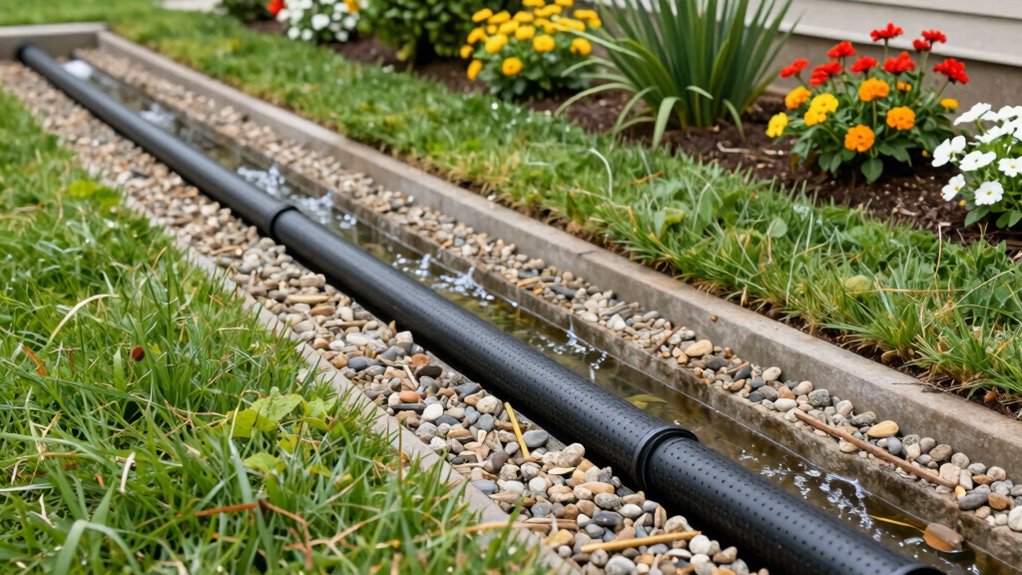
Maintaining your drainage system throughout the year helps prevent costly water problems and keeps your landscape in good shape. Regular upkeep ensures your drainage accessories function properly and extends their lifespan. To stay on top of maintenance:
- Clean out debris from gutters and downspouts regularly.
- Check drainage accessories like pipes and grates for damage or clogs.
- Use landscaping techniques such as grading to direct water away from foundations.
- Inspect and adjust drainage systems after heavy rains or snowmelt.
When Should You Call a Professional for Drainage Help?
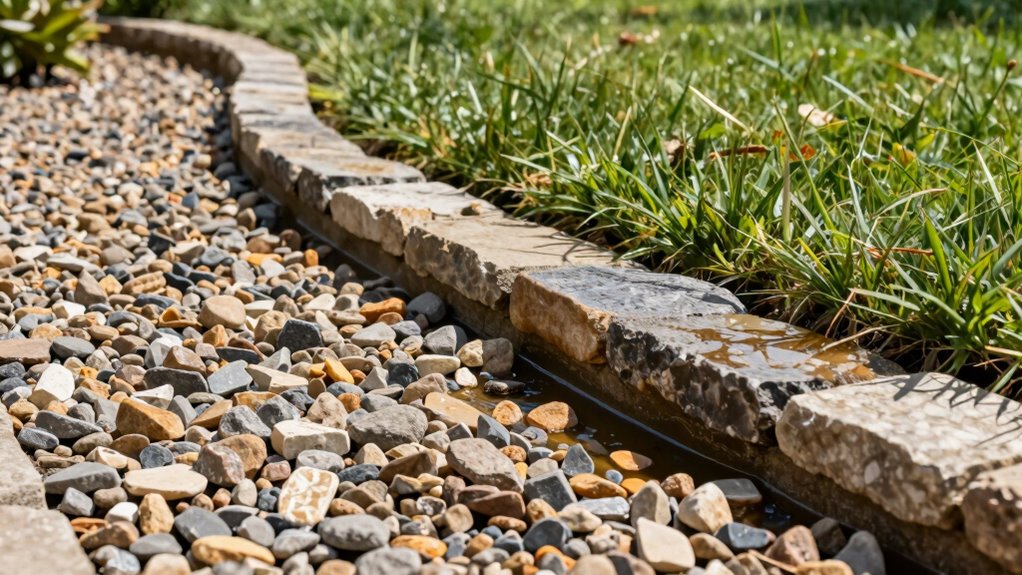
While routine maintenance can handle many drainage issues, there are times when professional help becomes essential. If you experience emergency flooding or notice persistent water pooling, it’s time to call a pro. Structural assessment is vital if you observe foundation cracks or uneven landscaping, indicating possible damage. Addressing these issues early can prevent costly repairs later.
| When to Call a Professional | Why |
|---|---|
| Emergency flooding | Immediate help needed to prevent damage |
| Persistent water pooling | Indicates underlying issues |
| Cracks in foundation | Structural assessment required |
| Unexplained dampness | Possible drainage system failure |
Frequently Asked Questions
How Often Should Exterior Drainage Systems Be Inspected?
You should inspect your exterior drainage system at least twice a year, ideally in spring and fall, to follow drainage system maintenance and inspection frequency guidelines. Additionally, check after heavy rains or storms to confirm everything functions properly. Regular inspections help prevent clogs, erosion, or backups, saving you money and stress. Staying proactive keeps your drainage system effective, protecting your property from water damage efficiently.
Can Landscaping Improve Drainage Around My Home?
Yes, landscaping can definitely improve drainage around your home. You should incorporate rainwater harvesting systems to direct excess water away from your foundation, and install permeable pavements to allow water to seep into the ground naturally. Planting native, drought-tolerant plants also helps absorb excess moisture, reducing runoff. These strategies work together to manage rainwater effectively, prevent erosion, and keep your home’s foundation dry and protected.
What Materials Are Best for DIY Drainage Projects?
For DIY drainage projects, you should choose durable drainage pipe materials like PVC or corrugated plastic, which are easy to install and long-lasting. Use gravel and stone choices such as washed gravel or crushed stone to fill trenches; they help with water flow and prevent clogging. These materials are readily available, affordable, and simple to work with, making your drainage system effective and easy to maintain.
How Do Tree Roots Affect Underground Drainage Systems?
Think of tree roots as enthusiastic explorers, seeking underground pipes like hidden treasures. They can infiltrate and crack your underground drainage system, causing blockages or leaks that lead to water damage. As roots grow, they exert pressure on pipes, potentially causing fractures. To protect your system, keep trees away from underground pipes, or consider installing root barriers. Regular inspections help catch root intrusion before it becomes a costly problem.
Are There Eco-Friendly Options for Exterior Drainage?
Yes, you can choose eco-friendly options like installing a rain garden or permeable pavement. Rain gardens naturally absorb runoff, reducing erosion and filtering pollutants. Permeable pavement allows water to seep through, preventing pooling and promoting groundwater recharge. Both methods are sustainable, cost-effective, and improve your property’s drainage while supporting environmental health. By incorporating these options, you help manage water responsibly and create a greener, more resilient outdoor space.
Conclusion
Understanding exterior drainage is your shield against unwanted water intrusion, like a guardian watching over your home. By mastering grading, choosing the right systems, and maintaining gutters, you keep water at bay and protect your investment. Think of your drainage system as the veins of your property—when healthy, it keeps everything flowing smoothly. Stay vigilant and proactive, and you’ll prevent costly issues before they start, ensuring your home remains a safe harbor through all seasons.