
Over time, your towels lose absorbency because fibers break down from repeated washing, harsh detergents, and high heat drying. Mineral buildup from hard water creates a coating that blocks water absorption, while improper washing habits can deposit residues and weaken fibers. To keep towels plush and absorbent, you need proper care—like gentle washing, avoiding fabric softeners, and using water softening methods. Continue to explore, and you’ll discover how to restore and maintain your towels’ performance.

Get home appliances delivered free with Prime
- Fast, free delivery on millions of items
- Prime Video, Amazon Music and more included
- Member-only deals all year
Key Takeaways
- Towels lose absorbency due to fiber breakdown from repeated washing and high heat drying.
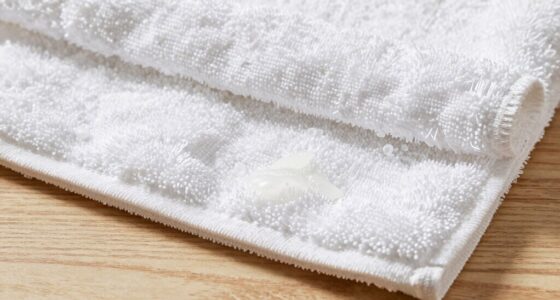
- Mineral buildup from hard water deposits coating fibers reduces water penetration.
- Residues from harsh detergents and fabric softeners create a barrier that impairs absorbency.
- Overuse of bleach and chemical damage weaken fiber integrity over time.
- Improper washing and drying habits accelerate fiber degradation and reduce towel plushness.
As an affiliate, we earn on qualifying purchases.
How Do I Know When My Towels Are No Longer Absorbing Water?
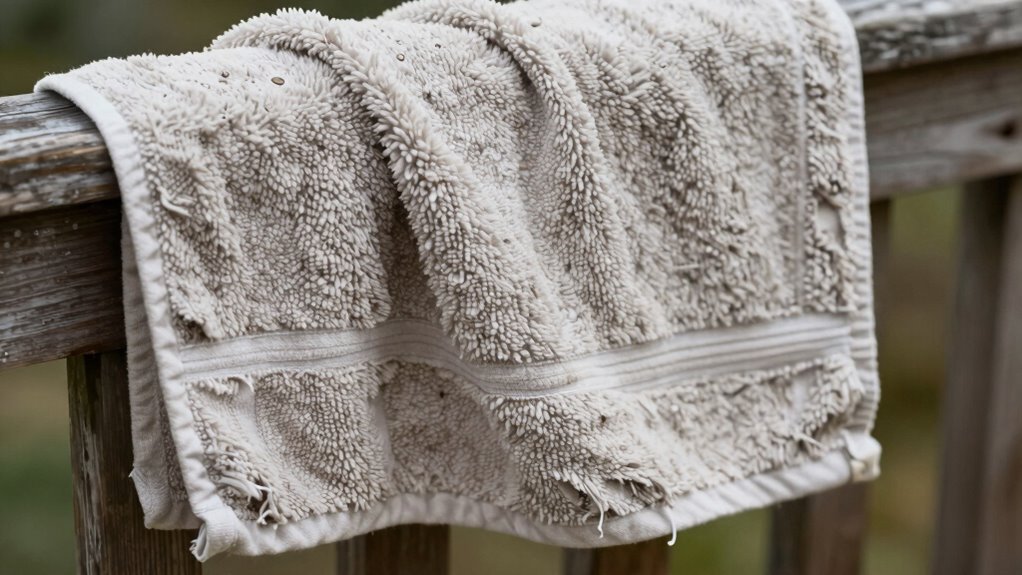
You’ll notice your towels aren’t drying you off as well as they used to, which is often the first sign they’ve lost some of their absorbency. This change usually results from the towel material and aging fibers. Over time, fibers break down and become less effective at trapping water. If your towel feels thinner, rougher, or doesn’t feel as plush, it’s a sign the fibers have degraded. Newer towels made from high-quality materials tend to absorb better initially, but even they can lose effectiveness with frequent use and washing. When fibers start to wear out, they can’t hold as much water, making your towel less efficient. Properly caring for your towels, such as avoiding harsh detergents and excessive drying, can help maintain their absorbency for a longer period. Additionally, understanding how fiber degradation impacts absorbency can guide you in choosing the right towels and caring for them properly. Regularly inspecting your towels can help you catch early signs of fiber breakdown, preventing you from using less effective towels unknowingly. Recognizing these signs helps you determine when it’s time to replace your towels for maximum drying, especially since laundry habits can accelerate fiber wear.
As an affiliate, we earn on qualifying purchases.
What Causes Towels to Lose Their Absorbency?
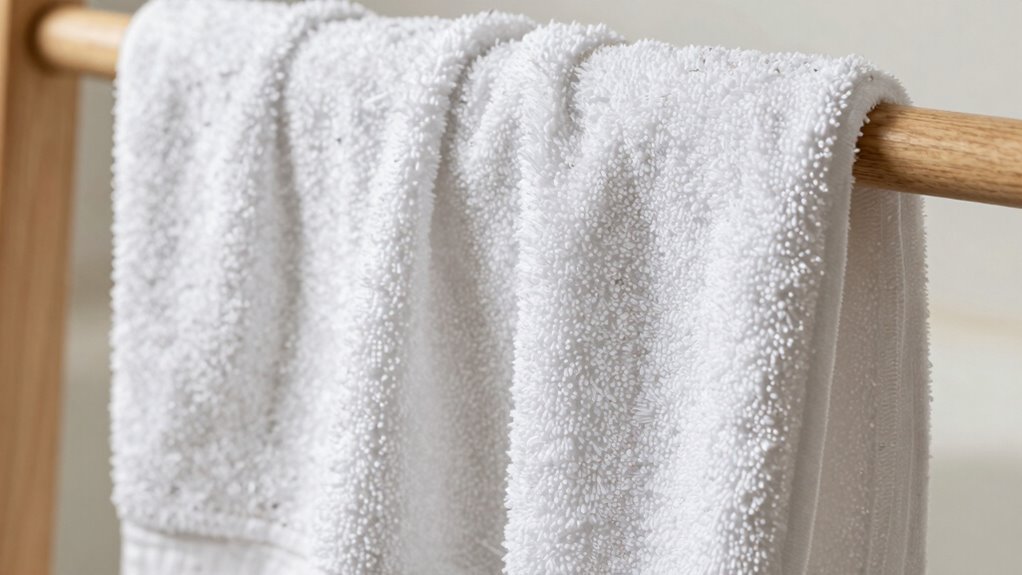
Several factors contribute to towels losing their absorbency over time. Fiber degradation is a primary cause, where repeated washing and drying weaken the towel’s fibers, making them less effective at soaking up water. Chemical damage also plays a significant role; harsh detergents, fabric softeners, and bleach can break down fibers or coat them with residues, reducing their ability to absorb. Over time, these chemicals can cause the fibers to become stiff or coated, hindering water penetration. Additionally, high heat from dryers can weaken fibers further, accelerating degradation. Proper washing methods and avoiding damaging chemicals are key to maintaining their absorbency longer. Understanding how fiber quality impacts towel durability can help you select better products and care for them effectively. Furthermore, calibration of washing techniques and detergents used can significantly influence how well towels retain their absorbency over time. To optimize towel longevity, using the right washing temperature and avoiding over-drying can help preserve fiber integrity. Regularly air drying towels when possible can also reduce the risk of fiber damage caused by heat. Using gentle detergent choices can further help maintain their softness and absorbency.
water softening laundry additives
As an affiliate, we earn on qualifying purchases.
As an affiliate, we earn on qualifying purchases.
How Hard Water Minerals Reduce Towel Absorbency
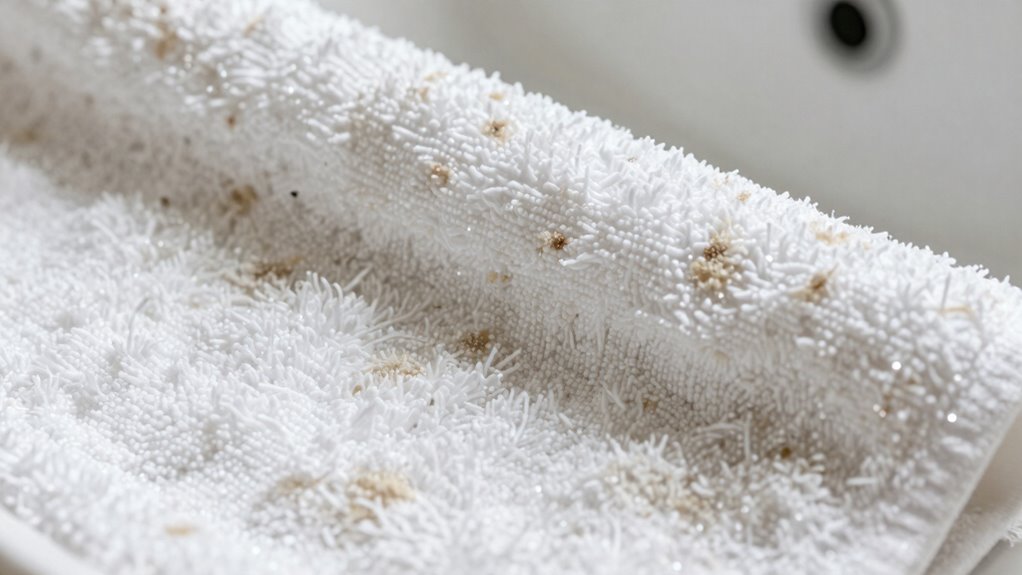
Hard water minerals like calcium and magnesium can build up on your towels’ fibers, forming a stubborn coating. This buildup makes it harder for water to penetrate, reducing absorbency. As a result, your towels may feel less plush and take longer to dry. Using a battery inverter generator can help power water softening systems that remove these minerals before they affect your towels. Regularly washing towels with an appropriate water softening process can also prevent mineral buildup and maintain their absorbency. Additionally, understanding the horsepower of electric dirt bikes can highlight the importance of proper maintenance and the use of suitable equipment to ensure your water softening system functions efficiently. Recognizing effective leadership in household management can encourage consistent maintenance routines for your water systems.
Mineral Buildup on Fibers
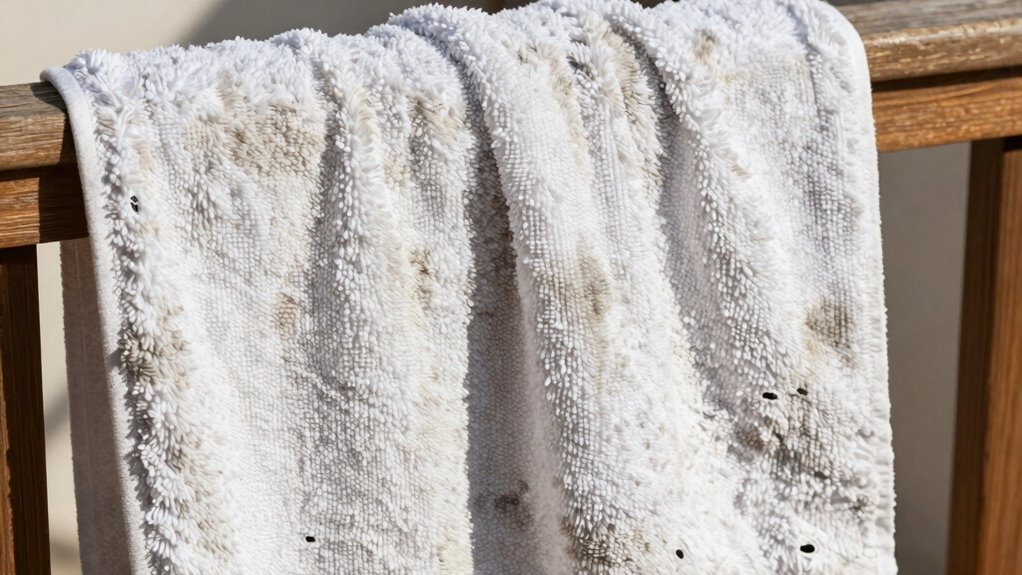
Mineral buildup on towel fibers occurs when minerals from hard water, such as calcium and magnesium, accumulate over time. These mineral deposits cling to the fibers, forming a crust that blocks water from penetrating easily. As mineral deposits gather, they cause fiber degradation, weakening the towel’s structure. This process can be accelerated by the presence of hard water minerals, which are common in certain water supplies. Additionally, water quality influences how quickly mineral buildup occurs, affecting towel longevity. Regular use of hard water leads to this mineral buildup, gradually diminishing your towel’s absorbency and lifespan. Understanding water quality can help you take steps to prevent or minimize this issue. Additionally, water softening methods can help reduce mineral deposits and extend the life of your towels. A proper washing routine can also aid in removing some mineral buildup and maintaining towel softness.
Reduced Water Penetration
As mineral deposits build up on towel fibers, they create a barrier that hampers water from penetrating the material effectively. This increased water resistance prevents towels from soaking up moisture properly. Over time, mineral buildup causes fiber degradation, weakening the towel’s structure and reducing absorbency. The minerals form a film that blocks water flow, making towels feel less plush and dry more slowly. Additionally, environmental impact of tissue paper production highlights the importance of choosing eco-friendly materials to reduce such mineral buildup. Here’s a simple illustration:
| Mineral Deposit Type | Effect on Water Penetration | Impact on Fiber Health |
|---|---|---|
| Calcium | Increases water resistance | Causes fiber brittleness |
| Magnesium | Blocks absorption | Weakens fibers |
| Lime | Forms a resistant layer | Promotes fiber degradation |
This process ultimately leads to less effective towels that resist water more and break down faster.
As an affiliate, we earn on qualifying purchases.
How Washing Habits Affect Towel Absorbency
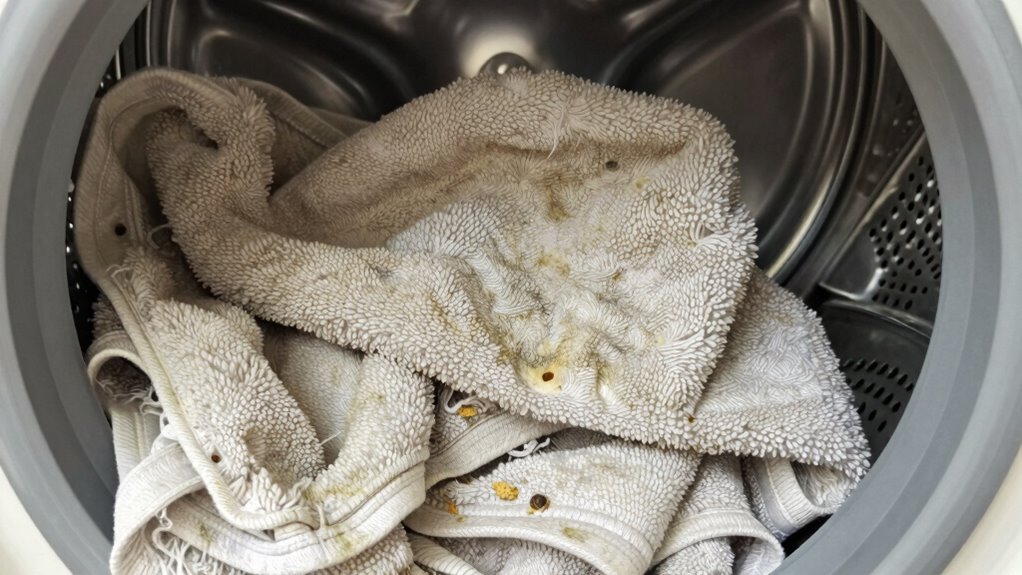
Washing habits play a significant role in maintaining a towel’s absorbency, and improper washing can quickly diminish its ability to soak up moisture. The type of towel material influences how you should wash it; for example, cotton towels need gentle cycles, while microfiber towels require specific detergents. Using harsh detergents or fabric softeners can leave residues that block fibers, reducing absorbency. Additionally, drying methods matter—air drying or low heat in the dryer helps preserve towel fibers, preventing them from becoming stiff or clogged. Over-washing or washing towels with heavy-duty detergents can break down fibers over time. To keep your towels absorbent, follow proper washing and drying routines suited to their material, avoiding aggressive detergents and high-heat drying whenever possible. Proper care supports the fiber integrity of your towels, helping them stay soft and absorbent for longer. Regularly refreshing towel fibers through gentle washing also helps maintain their maximum absorbency. Using the right washing techniques can also help prevent the buildup of residues that diminish absorbent capacity. Remember, fiber care is essential to prolong the lifespan and performance of your towels. Maintaining correct washing practices ensures that the fibers remain strong, keeping your towels plush and effective over time.
How to Restore Your Towels’ Absorbency
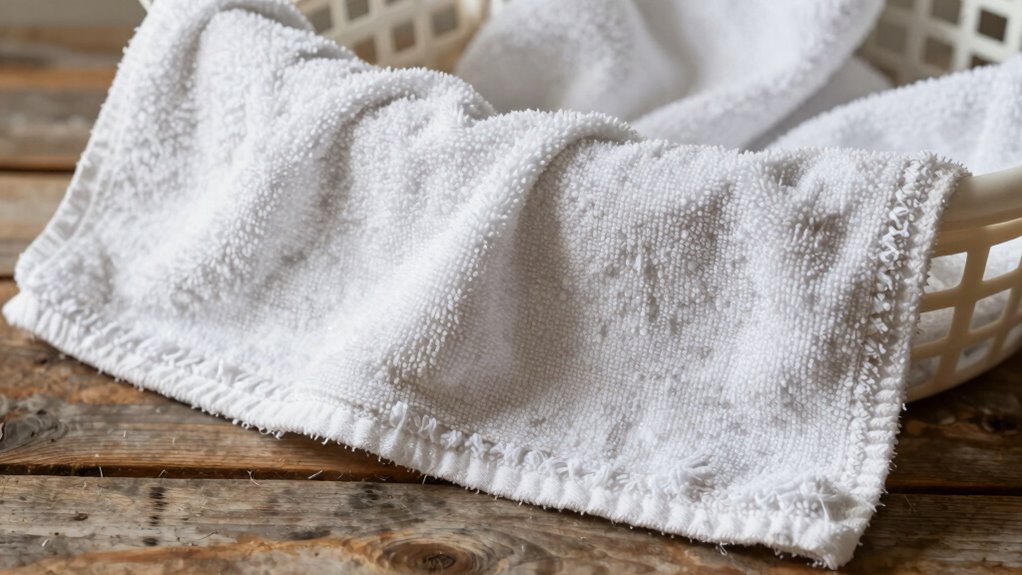
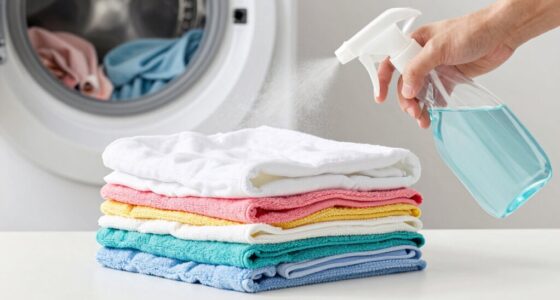
If your towels no longer feel as absorbent as they used to, there are effective methods to restore their soaking power. Start by rewashing with a cup of white vinegar to break down detergent residue, which hampers absorbency. Avoid fabric softeners, as they coat fibers and reduce drying efficiency. Towel material influences the best drying methods; cotton towels respond well to air drying or low-heat tumble drying, which preserve fibers. To optimize absorbency, consider the following:
| Towel Material | Recommended Drying Method |
|---|---|
| Cotton | Tumble dry low or air dry |
| Microfiber | Air dry or low-heat tumble dry |
| Linen | Air dry in the shade |
| Bamboo | Air dry, avoiding direct sunlight |
Using proper drying methods tailored to your towel’s material helps restore and maintain their absorbency. Additionally, proper drying techniques can prevent fibers from becoming damaged and losing their absorbent qualities over time.
Tips for Keeping Towels Soft, Fluffy, and Absorbent
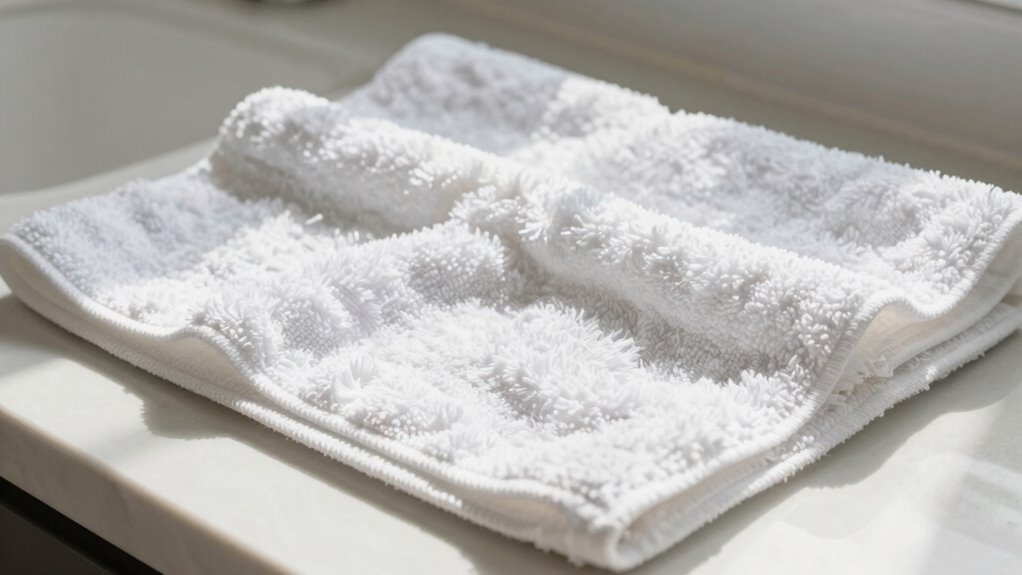
To keep your towels soft and fluffy, focus on proper washing techniques and avoid overloading your laundry. Using the right detergent guarantees they stay absorbent without buildup. Pay attention to these tips to maintain their plushness and effectiveness.
Proper Washing Techniques
Regularly washing your towels with the right techniques can help preserve their softness and absorbency. Use gentle detergent and avoid overusing fabric softeners, which can coat fibers and reduce absorbency. Wash in warm water to maintain fabric softness and prevent color fading. Rinse thoroughly to remove detergent residue, keeping towels plush and vibrant. To evoke emotion:
| Softness & Brightness | Color Preservation | Longevity |
|---|---|---|
| Feel the plush towel | Keep colors vivid | Towels last longer |
| Soft fabric every wash | No dullness | Save money, enjoy more |
| Comfort in every touch | Brightness stays | Feel confident in clean towels |
Stick to these tips, and your towels will stay fluffy, colorful, and cozy longer.
Avoid Overloading Laundry
Overloading your washing machine can do more harm than good when it comes to maintaining soft, fluffy, and absorbent towels. When you pack too many towels inside, water and detergent can’t circulate properly, preventing thorough cleaning and rinsing. This can leave residues that dull towel material and reduce absorption. Additionally, overcrowding can cause towels to clump together, trapping moisture and leading to stiffness. To keep your towels soft, wash them in smaller loads and avoid overstuffing. When drying, use a moderate temperature; high heat can damage fibers, making towels rough and less absorbent. Proper load size and appropriate drying temperature help preserve towel material, ensuring your towels stay plush, fluffy, and highly absorbent over time.
Use of Correct Detergent
Using the right detergent is essential for maintaining your towels’ softness and absorbency. Choose a gentle, liquid detergent designed for delicate fabrics or towels, avoiding harsh chemicals that can damage fibers. Proper detergent selection guarantees your towels stay fluffy and absorbent over time. Additionally, pay attention to washing temperature; using warm or hot water helps remove oils, detergent residue, and buildup that can make towels stiff. However, don’t overuse detergent, as excess soap can cling to fibers and reduce absorbency. Always measure your detergent correctly and opt for a rinse cycle to thoroughly wash away residue. By selecting the right detergent and washing at appropriate temperatures, you preserve your towels’ absorbency and keep them feeling fresh and soft longer.
Preventing Future Loss of Towel Absorbency
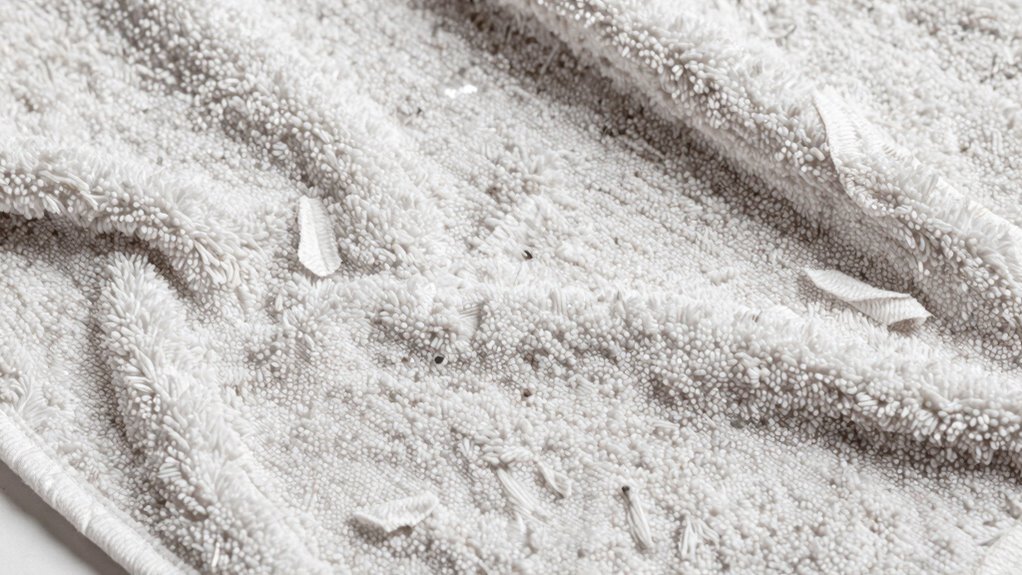
To prevent your towels from losing their absorbency in the future, it’s important to handle them with care during washing and drying. Proper care maintains towel durability and preserves fabric texture. Here are four key tips:
- Wash towels separately from other items to avoid fabric abrasion.
- Use a gentle cycle with cold or warm water to protect fibers.
- Avoid fabric softeners, which can coat fibers and reduce absorbency.
- Tumble dry on low heat or line dry to prevent fiber damage and maintain texture.
Frequently Asked Questions
Can Fabric Type Affect How Quickly Towels Lose Absorbency?
Yes, fabric type affects how quickly towels lose absorbency. You’ll notice that towels made from different fiber compositions, like cotton or microfiber, behave differently over time. The weave pattern also matters; a dense, tight weave retains more water, while a looser weave may become less absorbent faster. Choosing high-quality fibers and a suitable weave pattern can help maintain your towel’s absorbency longer.
Do Dryer Settings Impact Towel Absorbency Over Time?
Yes, your dryer settings can impact towel absorbency. If you use high heat, lint buildup can clog fibers over time, reducing their ability to soak up water. Additionally, fabric softeners in dryer sheets coat the towel fibers, diminishing their absorbency. To keep your towels fluffy and absorbent, opt for lower heat settings, skip softeners, and clean your lint filter regularly. This simple change can preserve their plushness longer.
Are There Specific Detergents That Preserve Towel Absorbency Better?
Yes, certain detergents help preserve towel absorbency better. Look for detergents with gentle enzyme formulas that break down oils without damaging fibers. Make sure the detergent maintains a neutral pH balance, as too acidic or alkaline solutions can weaken towel fibers over time. By choosing the right detergent, you help keep your towels soft, fluffy, and highly absorbent, extending their lifespan and performance.
How Does Towel Thickness Influence Its Absorbency Lifespan?
Think of your towel as a sturdy fortress. Thicker towels act like brick walls, holding more water and offering better water retention. However, over time, the fabric durability may decline if the inner layers wear down. While plush, thick towels initially excel at absorbing water, their lifespan in maintaining absorbency depends on how well their layers stay intact. Regular care helps preserve this balance, keeping your fortress strong.
Is It Better to Air Dry or Machine Dry Towels for Longevity?
You should air dry your towels to maintain linen softness and prevent color fading, which can happen more quickly with machine drying. Air drying gently preserves the fibers, extending the towel’s absorbency and overall lifespan. Although machine drying is quicker, it can cause towels to become stiff and fade faster over time. So, for the best longevity and softness, opt for air drying whenever possible.
Conclusion
Think of your towels as sponges in a busy kitchen—over time, they get clogged and tired. By understanding what causes them to lose their absorbency, you can keep them fresh and ready for action. With simple tips and proper care, your towels will stay as fluffy and thirsty as a well-watered plant. Keep them happy, and they’ll continue to soak up every drop, turning your bathroom into a spa-like oasis every time.
Halloween Picks
halloween
As an affiliate, we earn on qualifying purchases.