Water hardness, caused by minerals like calcium and magnesium, can make laundry less effective and damage your appliances over time. Hard water leaves mineral deposits on clothes, making fabrics stiff and dull, and clogs washing machines and pipes, leading to costly repairs. Using water softeners or eco-friendly alternatives can help protect your laundry and appliances. If you want to learn how to detect, prevent, and manage hard water issues effectively, keep exploring these solutions.
Key Takeaways
- Hard water contains minerals like calcium and magnesium that reduce detergent effectiveness and cause mineral buildup on fabrics and appliances.
- Signs of hard water in laundry include stiff, dull fabrics and soap scum on clothing and washing machines.
- Using water softening methods, such as ion exchange or eco-friendly conditioners, helps maintain laundry quality and appliance performance.
- Regular cleaning of washing machines and avoiding overloading can prevent mineral deposits and improve cleaning efficiency.
- Conducting water tests and regional water analysis guides effective treatment choices to protect laundry and appliances from hard water damage.
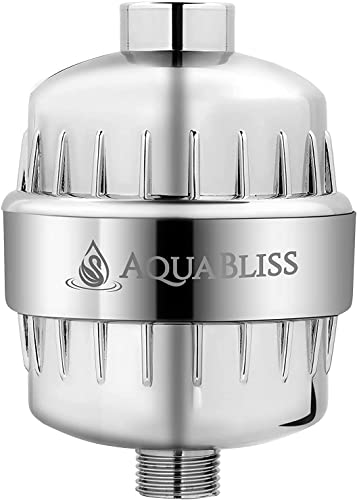
AquaBliss High Output Revitalizing Shower Filter – Reduces Dry Itchy Skin, Dandruff, Eczema, and Dramatically Improves The Condition of Your Skin, Hair and Nails – Chrome (SF100)
DAY 1 – IMMEDIATELY BEGINS REJUVENATING SKIN, HAIR & NAILS: HARD, chlorinated, chemical ridden water causing itchy skin,…
As an affiliate, we earn on qualifying purchases.
As an affiliate, we earn on qualifying purchases.
What Is Water Hardness and Why Does It Matter?
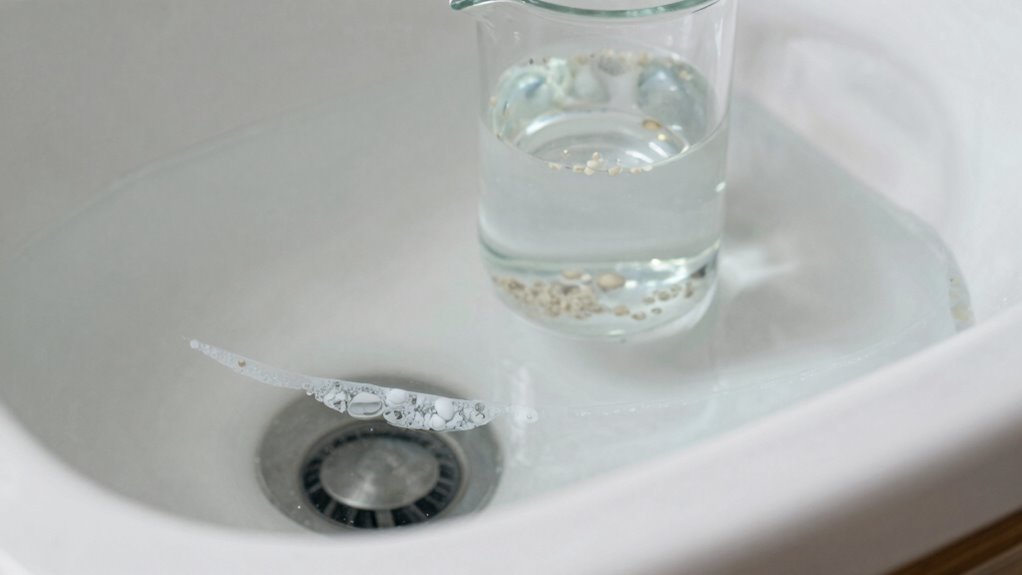
Have you ever noticed soap not lathering well or seeing spots on your dishes after washing? That’s a sign of water hardness. Water hardness refers to minerals like calcium and magnesium dissolved in your water. It’s essential to understand because hard water can hinder effective water purification, making cleaning less efficient. This affects your laundry, skin, and even your plumbing. The hydration importance of soft water becomes clear when you realize it helps soap and detergent work better, saving you money and effort. Hard water can cause mineral buildup, leading to soap scum and spots. Recognizing water treatment techniques can help you manage and reduce water hardness effectively. For example, installing water softeners or filtration systems can significantly improve water quality. Knowing what water hardness is helps you take steps to improve water quality, ensuring your water is better for everyday tasks and protecting your home’s plumbing. Additionally, understanding water testing methods allows homeowners to determine the level of hardness and choose appropriate solutions.

Varify Water Hardness Test Kit – Water Testing Kit for Home, Drinking, Well, Spa, Swimming Pool, Softener, Dishwasher & More – Hard Water Test Strips for Calcium, Magnesium etc (0-425 pmm, 150 Strips)
PROTECT YOUR HOME AND WELLNESS: Understand the impact of hard water on your home and health. Hard water…
As an affiliate, we earn on qualifying purchases.
As an affiliate, we earn on qualifying purchases.
How to Detect Hard Water Problems in Your Home
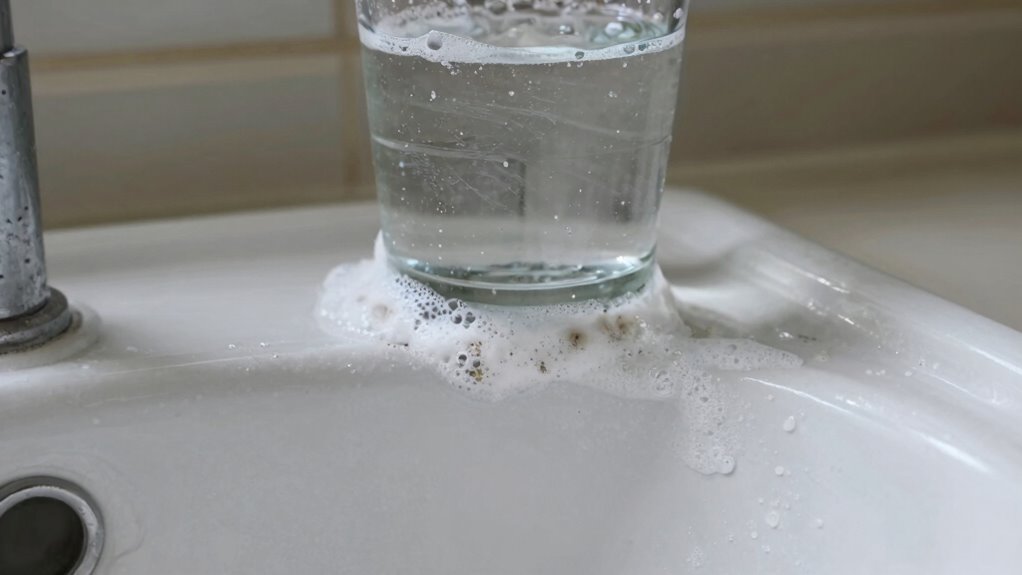
You can spot hard water by noticing signs like soap scum, mineral deposits, or dry skin after washing. Testing methods, such as water test kits or sending samples to a lab, help confirm the issue. Recognizing these clues early allows you to address hard water problems before they cause more damage. Incorporating water softening techniques can effectively reduce mineral buildup and protect your appliances. Additionally, monitoring water quality through hard water detection methods ensures timely intervention and maintains your home’s plumbing and appliances in good condition. Regularly inspecting your water supply for mineral buildup helps prevent long-term damage and keeps your home running smoothly. Being aware of water chemistry can provide deeper insights into the types of minerals present and the most effective treatment options. To enhance your understanding, consider exploring natural pool designs that promote eco-friendly solutions and sustainable backyard practices.
Signs of Hard Water
Hard water often reveals itself through visible signs that you might notice during daily chores. You may see white, chalky spots on your fixtures or soap scum buildup on tubs and sinks. These mineral deposits indicate your water contains high mineral content, which can interfere with water softening efforts. Additionally, hard water can sometimes cause damage to appliances over time if not addressed. Recognizing these signs can help you identify hard water problems early and take steps to mitigate their effects. Being aware of water hardness levels can also help you choose the most effective water treatment options for your home. Understanding the regional flavor profiles and mineral content can provide further insight into your water’s composition and how it impacts daily use. Notably, regions with significant Native American history, like the Hopi Tribe villages, often have unique natural water characteristics that influence local water quality and usage.
Testing Methods for Hardness
Detecting water hardness early can save you from costly appliance repairs and excessive detergent use. One simple method is testing your water’s mineral content, which indicates hardness levels. You can buy test kits that analyze water mineral content and provide quick results. These kits often include test strips or liquid reagents; simply follow the instructions to check your water’s hardness. Additionally, testing water pH levels can reveal underlying issues, as hard water usually has a neutral to slightly alkaline pH. Regular testing helps you monitor changes over time and determine if water softening treatments are needed. For more precise readings, professional laboratory testing is available, especially if you suspect high mineral content or abnormal pH levels contributing to hard water problems in your home. Monitoring water quality regularly can help identify early signs of water hardness and prevent further problems. Being aware of water testing methods ensures you can accurately assess and address your water concerns before they escalate. Using reliable testing methods and understanding the signs of hard water can further assist in timely detection and management. Incorporating water hardness testing kits into your routine can provide an additional layer of assurance for maintaining optimal water conditions. Recognizing water composition can also help you better understand the specific minerals contributing to hardness and tailor your treatment options accordingly.

Aquasure Harmony Series 50,000 Grains Whole House Water Softener with High Performance Automatic Digital Metered Control Head | Reduces Hardness & Minerals | Improve Water Quality | for 4-6 Bathrooms
💧【 PERFECTLY DESIGNED FOR 4-6 BATHROOMS 】The Aquasure Harmony Series professional grade whole house water softener is rated…
As an affiliate, we earn on qualifying purchases.
As an affiliate, we earn on qualifying purchases.
Simple Ways to Test Your Water Hardness at Home
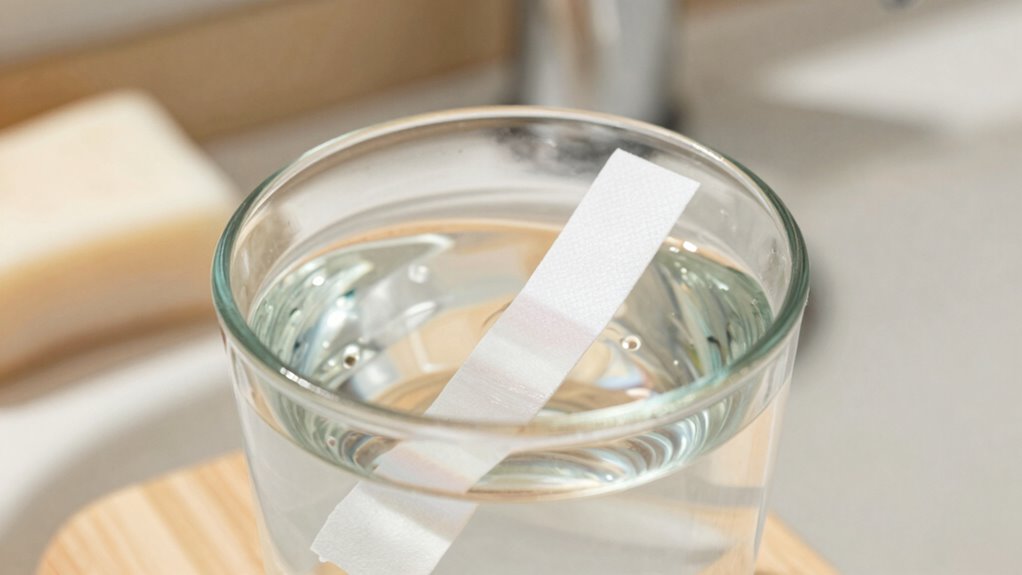
Testing your water hardness at home is easier than you might think. One simple method involves water testing kits available at most hardware stores or online. These kits typically include test strips that you dip into a water sample, then compare the color change to a chart. The color indicates the level of mineral deposits, which reflect water hardness. Alternatively, you can collect a sample in a clear container and observe how quickly soap suds form; hard water produces fewer suds. Both methods give you a quick idea of your water’s mineral content without specialized equipment. Regular testing helps you understand your water quality and decide if you need water softening solutions to prevent mineral deposits. Being aware of your water hardness also helps in maintaining the efficiency of appliances like portable oil radiators, which can be affected by mineral buildup. Additionally, understanding how mineral content impacts appliance performance can aid in choosing the right water treatment system for your home. Monitoring your water quality regularly can also help you identify changes in mineral levels, ensuring you take timely action to protect your appliances. Recognizing these water quality indicators is crucial for maintaining overall household efficiency.

Kitsch Rice Water Protein Solid Shampoo and Conditioner Set for Hair Growth – Strengthening Hair Care Duo w/Rice Protein & Vitamins for Damage Repair – Paraben, Sulfate & Silicone Free, Made in USA
STRENGTHENING RICE WATER FORMULA – This rice water shampoo and conditioner bar duo is enriched with rice protein,…
As an affiliate, we earn on qualifying purchases.
As an affiliate, we earn on qualifying purchases.
How Hard Water Affects Your Laundry Results
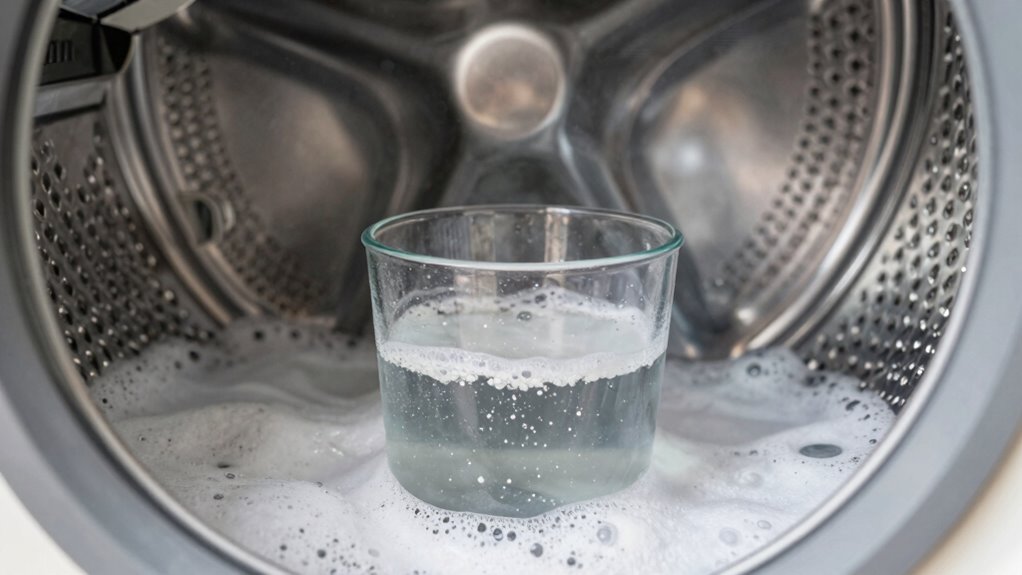
When your laundry comes out looking dull or feeling stiff, hard water might be the culprit. Water mineralization causes minerals like calcium and magnesium to build up during washing, affecting your results. This mineral buildup can:
- Leave soap scum on clothes, making fabrics look dull.
- Reduce the effectiveness of laundry detergents, requiring more product to clean properly.
- Cause fibers to become rough and stiff over time, making laundry feel uncomfortable.
- Inefficient filter sizing/flow can allow mineral deposits to accumulate more quickly, worsening laundry issues.
Hard water reacts with laundry detergents, forming insoluble deposits that cling to fabrics. This not only hampers cleaning but also leaves clothes feeling less soft and fresh. Understanding how water mineralization impacts your laundry helps you choose better detergents and improve your laundry results.
How Hard Water Can Damage Your Washing Machine and Appliances
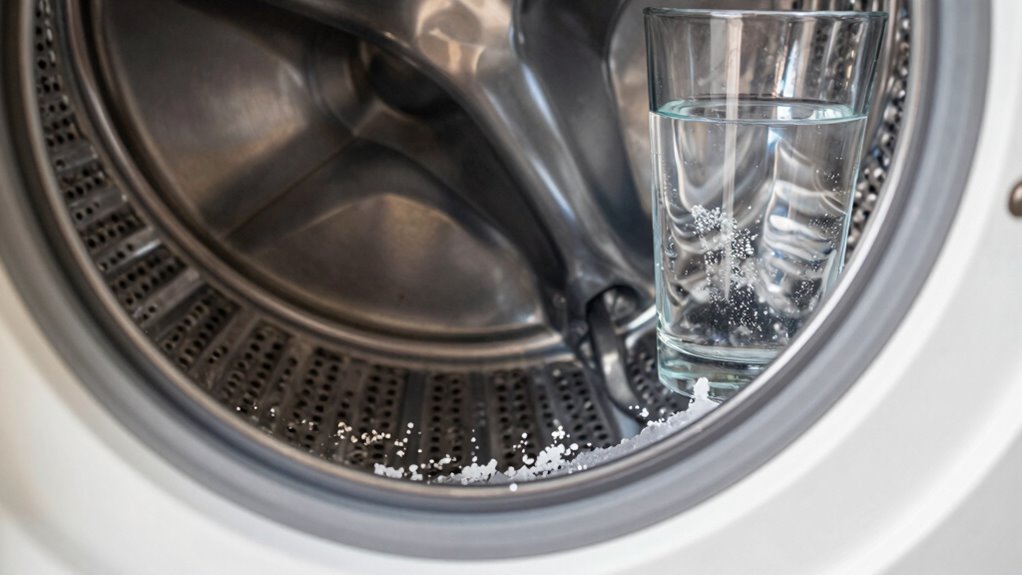
Hard water causes mineral buildup inside your washing machine, which can clog and reduce its efficiency. Over time, these deposits may lead to corrosion of internal parts, increasing the risk of breakdowns. Ignoring this damage can shorten the lifespan of your appliances and lead to costly repairs.
Mineral Buildup Causes Damage
Mineral buildup from hard water can considerably damage your washing machine and appliances over time. As mineral deposits accumulate, they clog water filtration systems and settle inside components. This buildup can cause decreased efficiency and eventual breakdown. Imagine these effects:
- Mineral deposits forming crusts on heating elements, reducing heat transfer.
- Clogged water filters that restrict flow, leading to longer wash cycles.
- Sediment settling in pipes and valves, causing leaks or failures.
These issues not only impair performance but also increase energy costs. Over time, the persistent buildup can cause internal damage, making repairs costly. Regularly using water softeners or filters helps prevent this buildup, protecting your appliances and extending their lifespan. Keep an eye on mineral deposits to avoid costly repairs down the line.
Corrosion of Internal Components
Hard water contains high levels of minerals like calcium and magnesium, which can initiate corrosion inside your appliances. This internal corrosion leads to component degradation, weakening essential parts over time. As minerals build up, they create a corrosive environment that damages metal surfaces and seals, reducing the lifespan of your washing machine. To highlight how mineral buildup accelerates corrosion, consider this comparison:
| Mineral Presence | Effect on Components |
|---|---|
| High | Promotes internal corrosion and degradation |
| Low | Reduces risk of damage and prolongs lifespan |
Keeping water soft or installing filters can minimize mineral deposits, protecting your appliance from premature failure. Regular maintenance and prompt repairs are key to avoiding costly damage caused by mineral-induced corrosion.
Choosing the Best Water Softening Method for Laundry
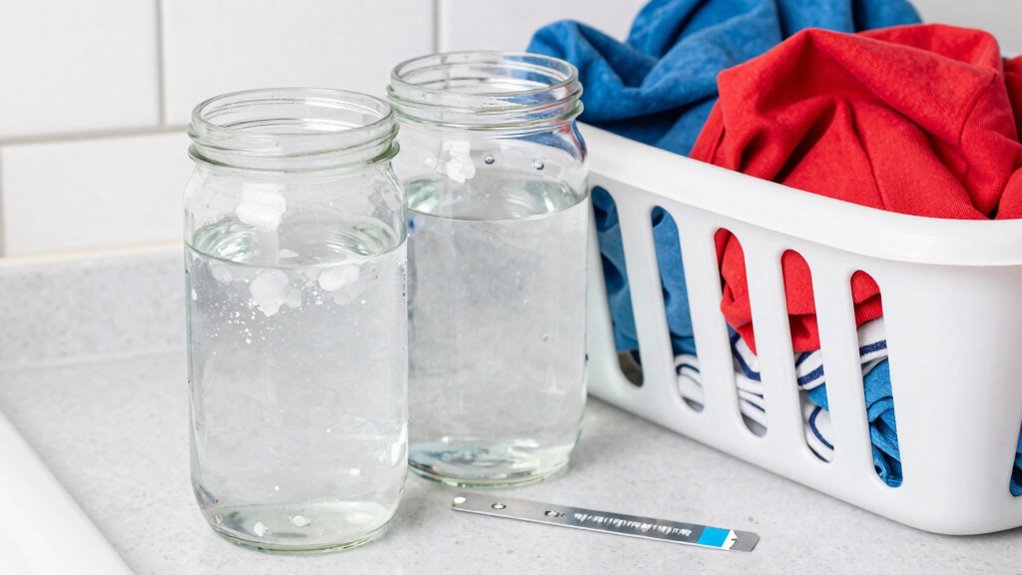
Choosing the right water softening method can make a significant difference in how effectively your laundry turns out. For best results, consider options like:
- Water filtration systems that remove minerals before laundry, reducing mineral buildup.
- Eco-friendly softening methods, such as using natural agents or magnetic devices that alter mineral properties without chemicals.
- Ion exchange softeners that swap calcium and magnesium ions for sodium, but be mindful of salt use if you prefer an environmentally friendly approach.
Pros and Cons of Salt-Based Water Softeners
Salt-based water softeners are a popular choice for tackling mineral buildup in laundry water, but they come with both advantages and drawbacks. These salt based softeners effectively remove hardness minerals, preventing soap scumping and fabric damage. They’re easy to maintain and can extend the lifespan of your appliances. However, they also have environmental impact concerns. The salt used can contribute to increased sodium levels in wastewater, which might harm local ecosystems. Additionally, they require regular salt refills, which can add to ongoing costs. If you’re environmentally conscious, you may need to weigh these considerations against the benefits. While salt-based softeners are reliable, it’s important to stay aware of their environmental footprint and explore alternatives if eco-friendliness is a priority.
Alternative Water Softening Solutions for Laundry
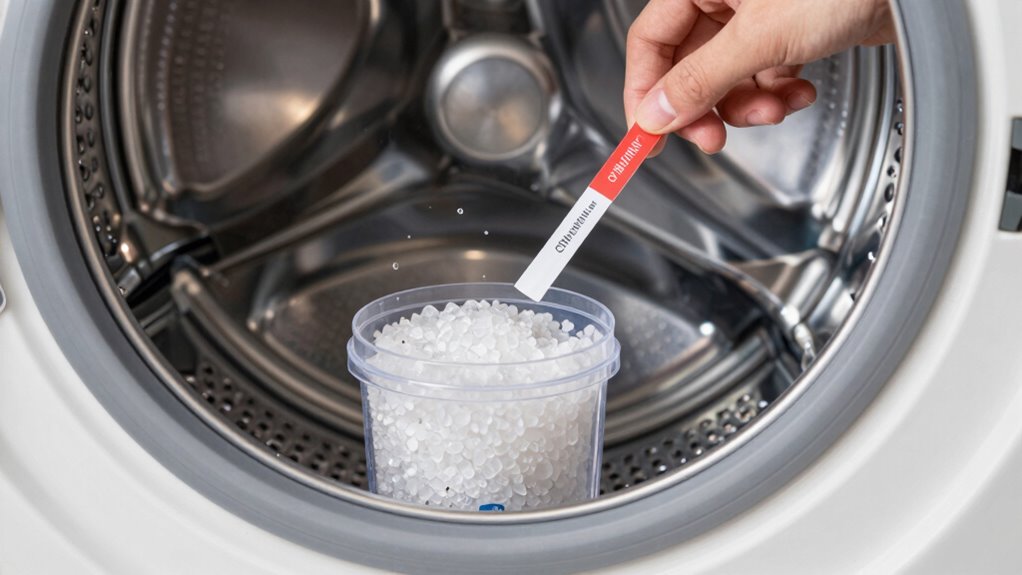
Are there effective alternatives to salt-based water softeners for laundry? Yes! Eco-friendly alternatives and chemical-free solutions are gaining popularity. These options help you soften water without harsh chemicals or salt, making laundry safer for your skin and the environment. Imagine:
- Ion Exchange Beads: Tiny spheres that attract minerals, reducing hardness naturally.
- Magnetic or Electronic Descalers: Devices that alter mineral properties, preventing scale buildup.
- Natural Filtration Systems: Using charcoal or mineral beds to remove calcium and magnesium ions.
These solutions provide sustainable ways to improve laundry results while being gentle on the planet. They’re ideal if you want to avoid the downsides of traditional salt-based softeners and embrace greener, chemical-free alternatives.
How to Maintain Laundry Quality in Hard Water
Maintaining laundry quality in hard water requires careful attention to how minerals interact with your detergents and fabrics. To prevent mineral buildup and fabric stiffness, use eco friendly detergents that are designed to work effectively in hard water conditions. These detergents often contain water softening agents that help reduce mineral deposits. Additionally, consider fabric softening products that are compatible with hard water; they can improve the softness and longevity of your clothes. Avoid overloading your washing machine, which can hinder cleaning efficiency. Regularly cleaning your washer also helps prevent mineral buildup. By choosing the right detergents and softening agents, you guarantee your laundry remains clean, soft, and fresh despite the challenges posed by hard water.
Final Tips for Managing Water Hardness and Protecting Your Clothes
To effectively manage water hardness and keep your clothes in top condition, it’s important to adopt some final strategies that complement your existing laundry routine. First, choose eco friendly detergents that are designed to work well in hard water, reducing mineral buildup on fabrics. Second, consider using a water softener or adding a water conditioner to your laundry process, which helps prevent mineral deposits. Third, incorporate fabric softening methods—such as natural softeners or specialized conditioners—to maintain fabric flexibility and reduce stiffness. Imagine your clothes feeling fresh and soft, even after multiple washes. By implementing these tips, you’ll protect your laundry from the damaging effects of hard water, ensuring longer-lasting, vibrant clothing.
Frequently Asked Questions
Can Hard Water Cause Skin Irritation After Laundry?
Yes, hard water can cause skin irritation after laundry. The minerals in hard water can leave soap residue on your skin, leading to dryness and irritation. To prevent this, use moisturizing lotions and consider installing a water softener. Proper rinsing during laundry also helps remove mineral deposits, reducing skin dryness and irritation. Taking these steps can improve skin comfort and help you avoid irritation caused by hard water.
Does Water Hardness Affect the Color Longevity of Clothes?
Ever wonder if water hardness secretly sabotages your clothes? It does—hard water accelerates color fading, making your vibrant garments lose their luster faster. The minerals in hard water settle into fabrics, dulling the colors and compromising fabric preservation. So, next time you wash, consider softening the water to keep your clothes looking fresh and bright longer. Your wardrobe’s longevity depends on it, and the difference will surprise you.
Are There Eco-Friendly Water Softening Options for Laundry?
Yes, there are eco-friendly alternatives for softening water in laundry. You can use natural softening methods like adding washing soda or baking soda, which effectively reduce water hardness without harsh chemicals. Additionally, using plant-based or mineral-based water softeners, such as zeolites, offers sustainable options. These methods protect your clothes and the environment, making your laundry routine more eco-conscious while maintaining fabric quality and color longevity.
How Often Should I Service My Water Softening System?
Don’t wait until the wheels fall off—regular water softener maintenance is key. You should service your system every 6 to 12 months, depending on your water usage and hardness levels. This keeps it running efficiently and prolongs its system lifespan considerations. Check salt levels, clean the resin bed, and inspect for any issues. Staying proactive prevents costly repairs and guarantees your laundry stays fresh and soft.
Can Hard Water Impact the Scent of Freshly Laundered Clothes?
Yes, hard water can impact the scent of freshly laundered clothes. Mineral buildup from hard water can trap odors, making your laundry smell less fresh. Additionally, it causes fabric stiffness, which can hold onto smells and make clothes feel rough. To improve scent and softness, consider using water softeners or extra rinse cycles. Proper maintenance of your system helps prevent mineral buildup and keeps your laundry smelling clean and feeling soft.
Conclusion
By understanding water hardness and exploring your options, you can keep your laundry soft and vibrant. With a few simple tests and mindful choices, you’ll gently steer clear of potential issues, ensuring your clothes stay fresh and your appliances run smoothly. Embrace these small steps, and you’ll find that managing water quality becomes a seamless part of your routine—helping your laundry shine and your home stay happy, quietly weaving comfort into every wash.