
Fabric softeners may damage your towels because they leave chemical buildup that clogs fibers, making towels stiff and less absorbent. Over time, these residues weaken the fibers, causing roughness, fraying, and reduced plushness. Excessive softener use can also lead to dullness and skin irritation. If you keep using softeners, you risk shortening your towels’ lifespan. To discover natural ways to keep your towels soft and more durable, keep exploring these tips.

Get home appliances delivered free with Prime
- Fast, free delivery on millions of items
- Prime Video, Amazon Music and more included
- Member-only deals all year
Key Takeaways
- Fabric softeners create chemical coatings on towel fibers, blocking pores and reducing absorbency.
- Over time, softener buildup weakens fibers, leading to fraying and decreased towel durability.
- Frequent use of softeners causes stiff, rough towels that resist softness and plushness restoration.
- Residual softener chemicals can cause skin irritation and diminish towel hygiene.
- Softener coatings hinder fiber movement, accelerating fiber damage and shortening towel lifespan.
natural towel softener alternatives
As an affiliate, we earn on qualifying purchases.
As an affiliate, we earn on qualifying purchases.
Why Do Towels Lose Their Softness and Absorbency?
Have you ever wondered why your fluffy towels become stiff and less absorbent over time? The main reason is buildup of detergent residue and fabric softeners, which can clog towel fibers. Towel dyeing and repeated washing cause color fading, but they also weaken the fibers, making towels rougher. When towels are washed with fabric softeners, the chemicals coat the fibers, reducing their ability to absorb water. Over time, this coating accumulates, leading to stiff, less absorbent towels. Additionally, dye loss from towel dyeing can make towels look dull and feel rougher. To keep your towels soft and absorbent, avoid excessive use of softeners and wash with gentle detergents. Proper care helps maintain their plushness and prevents color fading.
As an affiliate, we earn on qualifying purchases.
How Do Fabric Softeners Damage Towel Fibers?
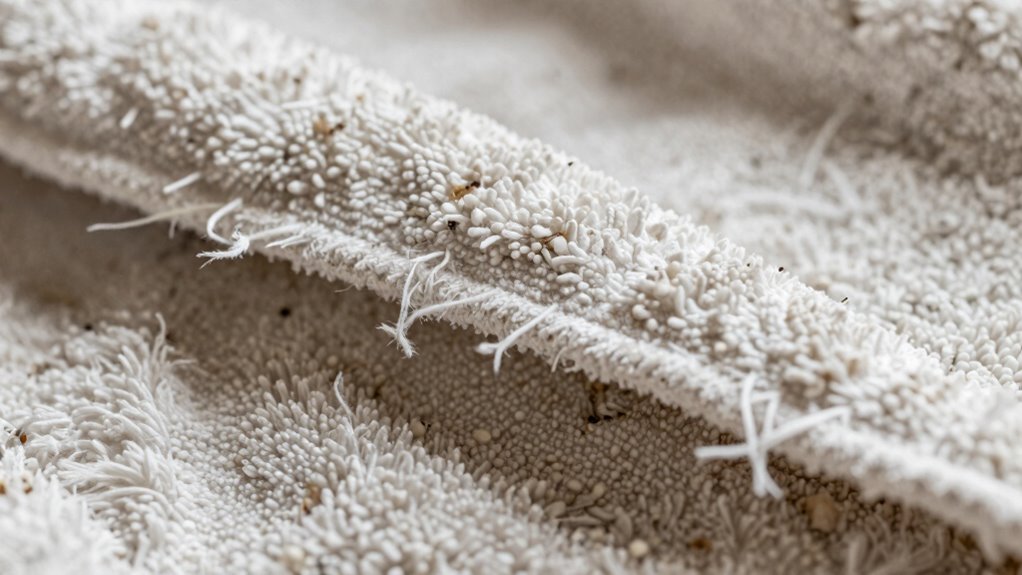
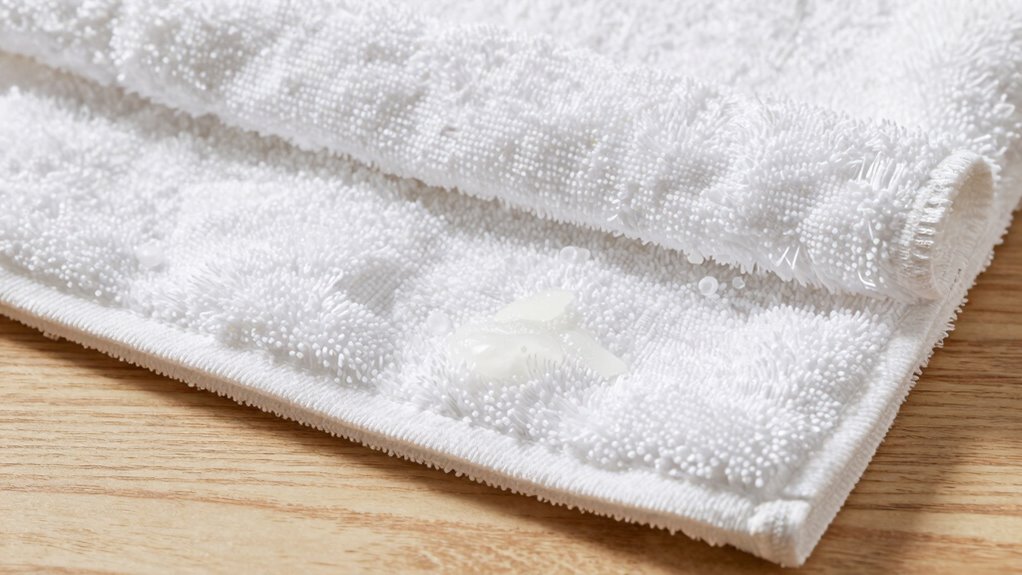
Fabric softeners can damage towel fibers by creating a thin chemical coating that clogs the tiny pores and roughens the surface. This coating prevents the fibers from moving freely, leading to fiber degradation over time. As the chemical buildup accumulates, it weakens the structural integrity of the fibers, making them more prone to fraying and tearing. The chemical layer also hampers the towel’s ability to absorb water properly, reducing its effectiveness. Continuous exposure to softening agents accelerates fiber degradation, causing towels to become stiff and less durable. Incorporating landscaping techniques to enhance natural airflow and sunlight exposure can help reduce the need for frequent washing with softeners, thereby protecting towel fibers. Understanding water chemistry is essential, as improper levels can also contribute to fiber damage and reduce towel longevity. Proper fabric care practices can further minimize chemical buildup and extend the lifespan of your towels. Additionally, selecting appropriate laundry products that are gentle on fibers can help maintain towel softness and durability. Ultimately, the buildup of chemicals doesn’t just affect softness but also compromises the towel’s long-term health by weakening the fibers at a microscopic level.
As an affiliate, we earn on qualifying purchases.
What Buildup From Softening Agents Does to Towels?
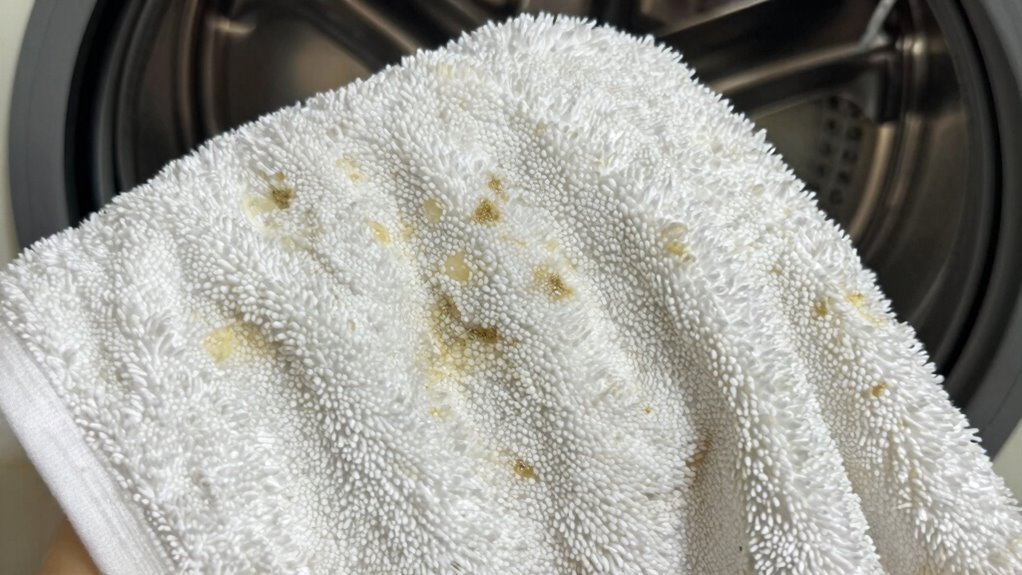
When softening agents build up on towels, they create a sticky film that affects how well your towels perform. This buildup leaves behind chemical residue that clogs the towel’s fibers, reducing their absorbency and softness. Over time, the residue weakens the fibers, leading to fiber degradation. As the fibers break down, towels become less durable and more prone to wear and tear. The chemical residue also prevents water from penetrating effectively, making your towels less efficient at drying. Instead of revitalizing your towels, fabric softener creates a barrier that diminishes their natural ability to absorb and dry. This buildup not only compromises towel quality but also accelerates their deterioration, shortening their lifespan considerably. Regular use of fabric softener can also interfere with the towel’s fiber structure, further accelerating damage and reducing longevity. Understanding requirements traceability can help identify products or practices that contribute to such buildup, ensuring better maintenance and care. Proper knowledge of cloud service reliance highlights the importance of maintaining appliance and product performance to prevent similar issues. Additionally, being aware of the impact of chemical residues can guide you toward healthier laundry practices that preserve towel integrity. Recognizing the long-term effects of chemical buildup can also help you make more informed decisions about laundry products to extend your towels’ lifespan.
towel care and maintenance products
As an affiliate, we earn on qualifying purchases.
As an affiliate, we earn on qualifying purchases.
Signs Your Towels Are Damaged by Softener Use
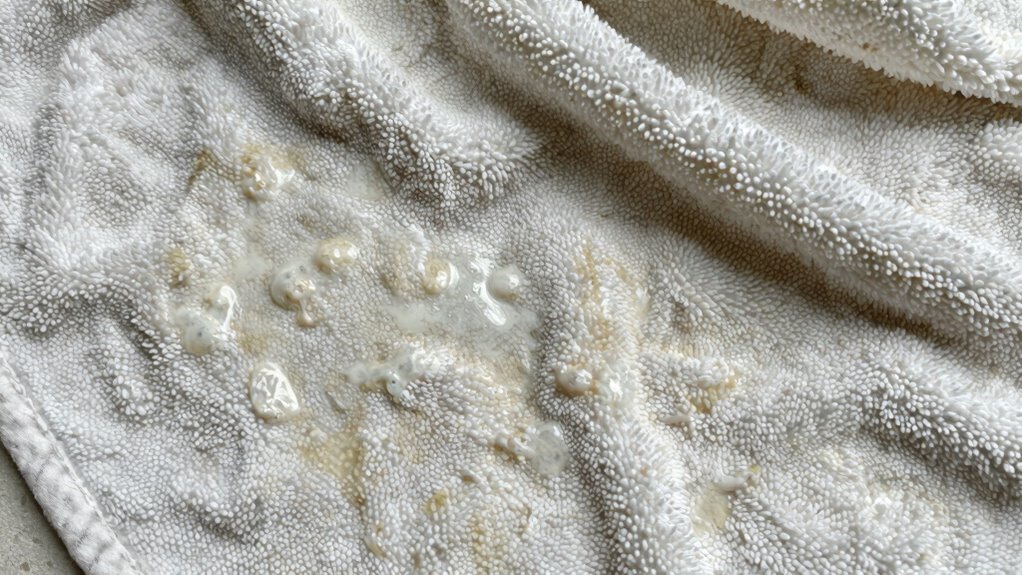
If your towels are no longer as soft or absorbent as they used to be, softener damage might be the culprit. You may notice a stiff, rough texture that doesn’t improve with washing, indicating the fabric’s fibers are coated or damaged. Pay attention to signs of fabric softener allergies, such as skin irritation or rashes after use, which can suggest residues are left behind. Additionally, color fading effects may become evident, causing your towels to look dull or washed out faster than normal. These signs point to the buildup of softening agents that interfere with the towel’s natural absorbency and appearance. Recognizing these issues early can help you decide to switch to gentler, alternative cleaning methods. Proper fabric care ensures your towels stay soft and functional for longer.
Natural Ways to Keep Towels Soft and Fluffy
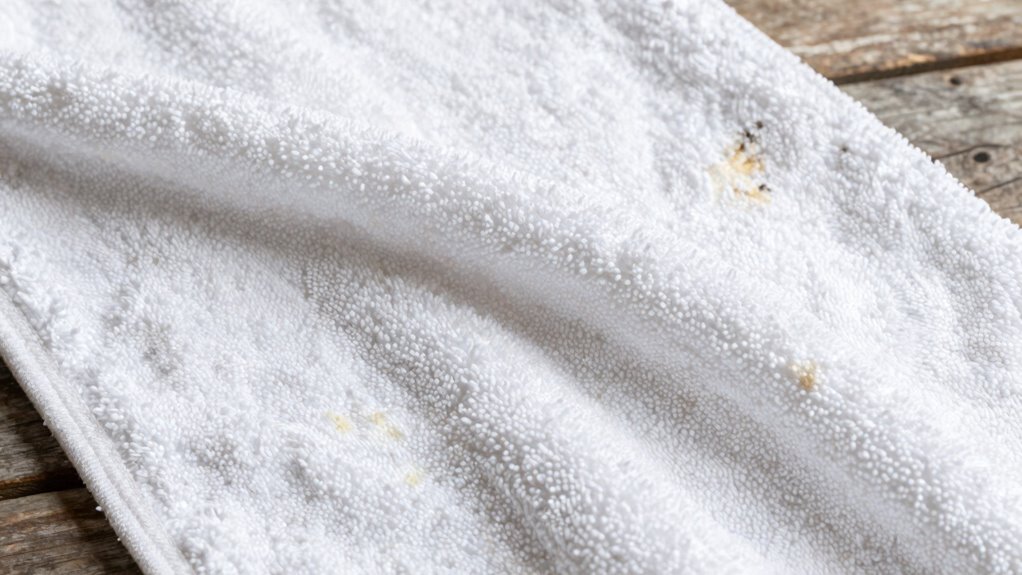
To keep your towels soft and fluffy naturally, try rinsing them with vinegar to break down residue. Baking soda can also help refresh fibers and boost softness without harsh chemicals. Additionally, air drying your towels allows them to maintain their plushness and prevents damage from dryer heat. Using the right amount of fabric softener can sometimes lead to buildup that diminishes towel quality, so it’s best to avoid it altogether.
Use Vinegar Rinse
Have you ever wondered how a simple kitchen staple can keep your towels soft and fluffy? Using vinegar as a rinse is an easy, natural way to do it. When you add a cup of white vinegar during the rinse cycle, it helps remove laundry scent and breaks down fabric residue that can make towels stiff. Vinegar acts as a natural fabric softener without the harsh chemicals found in commercial products. It also helps to restore the towels’ fluffiness by balancing pH levels and dissolving mineral deposits. Plus, it leaves your towels feeling fresh and clean, without the lingering smell of fabric softeners. Incorporating vinegar into your laundry routine aligns with the adaptable, long-term structure of exploring natural and sustainable cleaning methods. Just remember not to use vinegar with bleach, and you’ll enjoy softer, more absorbent towels every time.
Opt for Baking Soda
Baking soda is a natural and effective way to keep your towels soft and fluffy. Unlike traditional laundry detergents, baking soda helps break down residue that can make towels feel stiff. It also acts as a gentle fabric softener alternative, neutralizing odors without harsh chemicals. To use, add half a cup of baking soda to your washing cycle along with your regular detergent. This boosts cleaning power and restores softness without the need for commercial fabric softener. Baking soda also helps balance pH levels, reducing buildup that can cause towels to become rough. Incorporating it into your laundry routine keeps towels fresh, soft, and fluffy, all while avoiding the potential damage caused by conventional fabric softeners. Additionally, using natural solutions like baking soda aligns with eco-friendly Home essentials and everyday living principles. Proper laundry practices, including using eco-friendly methods, can extend the lifespan of your towels and maintain their softness over time. Regular use of natural deodorizers like baking soda can further enhance freshness and overall laundry sustainability. Using baking soda also supports air quality, as it reduces chemical residues that may linger in your laundry space and affect your indoor environment.
Air Dry Naturally
After using baking soda to keep your towels soft and fresh, letting them air dry naturally is another effective way to preserve their fluffiness. Using high-quality laundry detergents without harsh chemicals helps maintain towel fibers, preventing damage from residue. When drying, avoid tumble dryers that can weaken fibers over time. Instead, hang towels in a well-ventilated area, allowing air to circulate freely. This natural drying method reduces the need for towel bleaching, which can weaken fibers and cause stiffness. By skipping towel bleaching and opting for air drying, you help preserve the towel’s absorbency and softness. Plus, air drying is eco-friendly and gentle on your towels, ensuring they stay fluffy, fresh, and long-lasting. Incorporating sound healing science principles, such as gentle vibrations during drying, can further enhance the preservation process.
Are There Safe Alternatives to Fabric Softener?
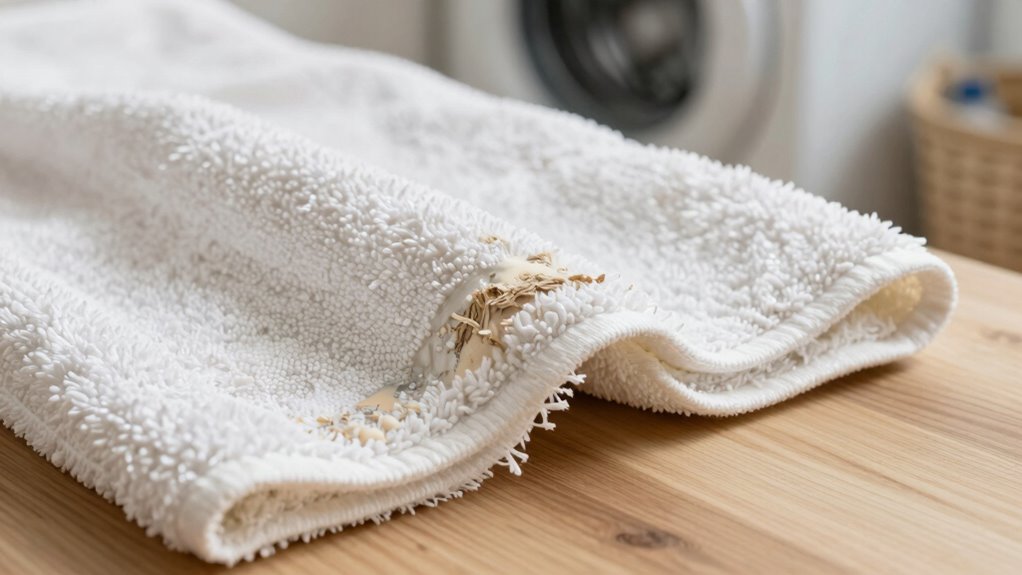
Many people seek safe alternatives to traditional fabric softeners because of concerns about chemical residues and potential skin sensitivities. Eco-friendly options can soften towels without harsh chemicals, such as adding a cup of white vinegar during the rinse cycle. Vinegar helps break down residue and leaves fabrics soft and fresh. DIY solutions also provide safe alternatives; for example, mixing equal parts of water and white vinegar with a few drops of essential oils creates a natural fabric softener. Wool dryer balls are another eco-friendly option—they tumble with your laundry, softening fabrics naturally and reducing static. Incorporating gentle laundry practices can further protect your towels and skin. Additionally, choosing natural fabric softeners helps preserve the integrity of your towels’ fibers and prolongs their lifespan. Using chemical-free methods can also help maintain the quality of your towels over time. For added benefits, selecting products with biodegradable ingredients ensures that your laundry routine remains environmentally responsible. Embracing eco-friendly laundry methods not only benefits your towels but also supports environmental sustainability, making these alternatives even more appealing.
Tips for Maintaining Plush Towels Without Softener
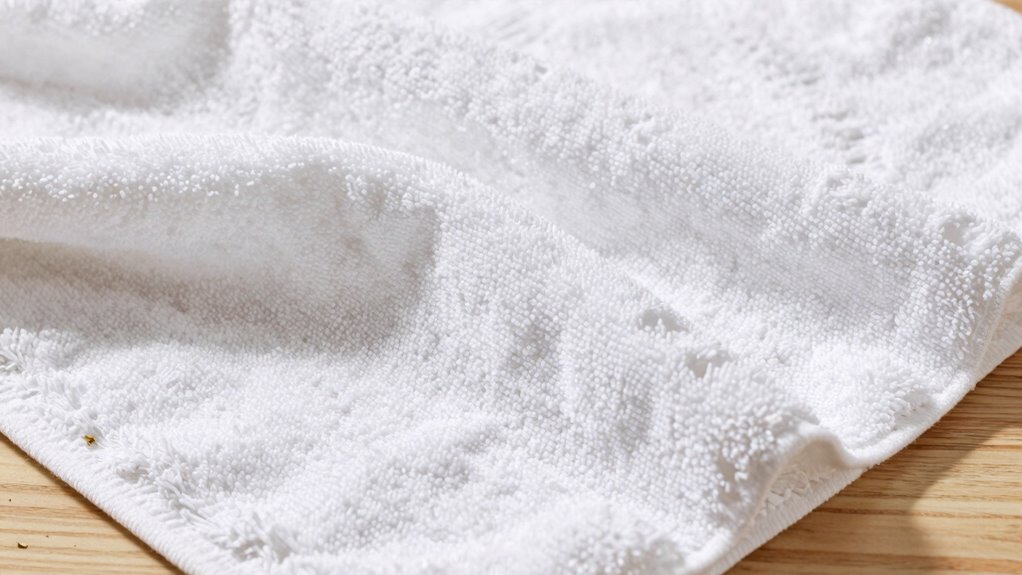
Maintaining the plush feel of your towels without relying on fabric softeners requires a few simple techniques. First, use appropriate laundering gadgets, such as gentle cycle settings and cold water, to prevent fiber damage. Avoid overloading the washer, as this can hinder proper rinsing and leave residues that make towels stiff. To add a pleasant scent without softeners, try fabric scent boosters designed for towels; these enhance freshness without compromising fabric integrity. Regularly wash towels separately from heavy items like jeans or blankets to reduce friction and wear. Also, occasionally run an extra rinse cycle to remove detergent buildup, which can dull towel softness. Using dryer balls during drying can also help fluff towels naturally and reduce static. Additionally, choosing proper drying techniques can maintain towel plushness and longevity. These tips help keep your towels fluffy, absorbent, and fresh without the need for softening agents.
Myths About Fabric Softeners and Towel Care Explained
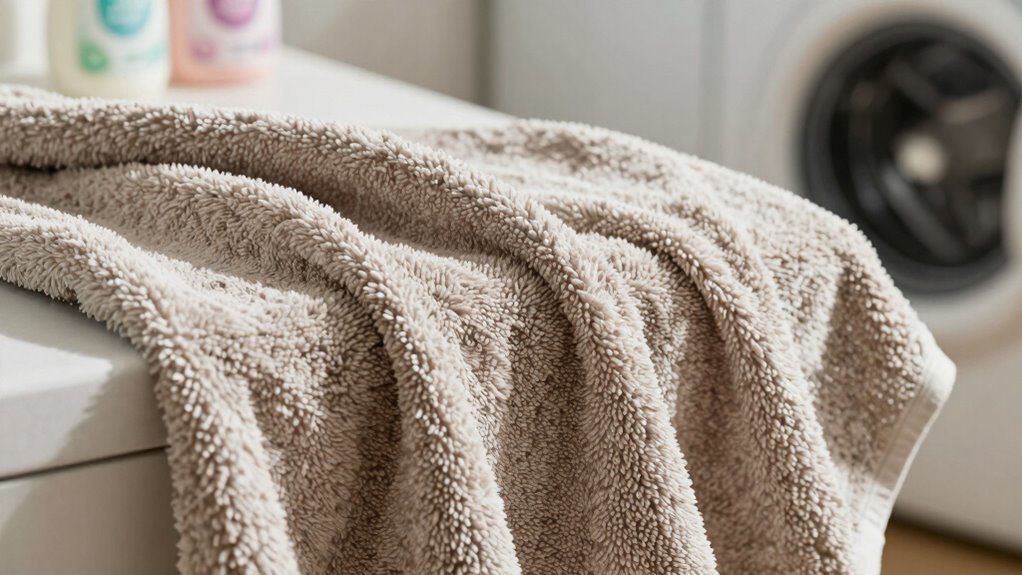
There are several common misconceptions about fabric softeners and their effects on towels that can lead to unnecessary or even harmful practices. Many believe fabric softener chemistry always damages towels, but that’s not true for all towel material types. In fact, some softeners work well with certain fabrics, while others can clog fibers or reduce absorbency.
| Myth | Reality | Tip |
|---|---|---|
| Fabric softener always harms towels | It depends on towel material types and softener chemistry | Use softeners designed for towels, or skip altogether |
| Softener restores softness | It can coat fibers, reducing absorbency | Opt for natural alternatives for softness |
| Softener is necessary for fluffy towels | Overuse causes buildup | Limit use or avoid softeners for towels |
Frequently Asked Questions
Can Using Less Fabric Softener Prevent Towel Damage?
Using less fabric softener can definitely help prevent towel damage. When you use too much, fabric residue and softener buildup can accumulate on your towels, making them less absorbent and rougher over time. By reducing the amount you use, you minimize softener buildup, allowing towels to stay fluffy and absorbent longer. This simple change helps maintain towel quality and prevents the damage caused by excessive fabric softener.
Do Specific Towel Materials React Differently to Softeners?
Different towel fibers react uniquely to softeners. For example, cotton towels often absorb softener residue more easily, leading to decreased absorbency over time. Microfiber towels, on the other hand, can be more sensitive and might break down quicker when exposed to certain softeners. Studies show that fiber type impacts how softener interacts, so understanding your towel’s material helps prevent damage and maintain their softness and absorbency longer.
How Often Should Towels Be Washed to Maintain Their Quality?
You should wash your towels every 3-4 uses to keep their towel texture soft and absorbent. Frequent washing helps remove fabric residue and buildup that can make towels feel stiff and less effective. Avoid over-washing, which can damage fibers. Use a gentle detergent and skip fabric softener occasionally to preserve towel quality. Proper drying also helps maintain their softness and prolongs their lifespan.
Are Natural Softening Agents Better for Towel Longevity?
Yes, natural softening agents are better for towel longevity. Eco-friendly alternatives like white vinegar, baking soda, or wool dryer balls are chemical-free options that soften towels without damaging fibers. These methods preserve towel absorbency and texture over time, unlike traditional fabric softeners. By choosing these natural solutions, you extend your towels’ lifespan and support environmentally conscious cleaning habits.
Does Fabric Softener Affect Towel Antibacterial Properties?
Did you know that over 70% of softeners leave residue on fabrics? Fabric softener can diminish towel antibacterial properties by creating a film that blocks pores. This residue affects towel fiber integrity, making fibers less absorbent and more prone to damage. When you use softener, you’re potentially compromising the towel’s germ-fighting abilities and overall durability, which could mean replacing them sooner. Consider alternatives to keep your towels fresh and effective.
Conclusion
If you’ve been relying on fabric softener, you might be unknowingly harming your towels’ softness and absorbency. But what if there’s a better way—one that keeps your towels plush without damage? The secret lies in natural solutions and proper care techniques. Curious to discover the safe, effective methods that preserve your towels’ fluffiness? Don’t miss out—your towels’ true potential is just a simple change away. Are you ready to access it?
NFL season / tailgating Picks
team gear
As an affiliate, we earn on qualifying purchases.