To keep your food safe and fresh, set your refrigerator at around 37°F (3°C) and your freezer at 0°F (-18°C). Use a thermometer to check the temperature regularly, especially after adjustments. Make sure the door seals are tight, and avoid overloading. Signs of temperature issues include spoilage, frost buildup, or increased energy bills. If you want to know how to adjust, test, and maintain these settings properly, keep exploring these tips.
Key Takeaways
- Keep the refrigerator at around 37°F (3°C) for optimal food safety and freshness.
- Set the freezer to 0°F (-18°C) to preserve food quality and prevent spoilage.
- Use a thermometer to verify actual temperatures and adjust controls accordingly.
- Regularly monitor temperature readings monthly to ensure proper functioning and avoid spoilage risks.
- Signs of improper settings include food spoilage, excess frost, and unusual appliance noise.

2 Pack Refrigerator Thermometer, 30-30°C/20-80°F, Classic Fridge Thermometer Large Dial with Red Indicator Thermometer for Freezer Refrigerator Cooler
Convenient and practical: Our refrigerator thermometer is suitable for traditional refrigerators, freezers, insulated boxes, etc. It has a…
As an affiliate, we earn on qualifying purchases.
As an affiliate, we earn on qualifying purchases.
What Is the Recommended Refrigerator Temperature for Food Safety?
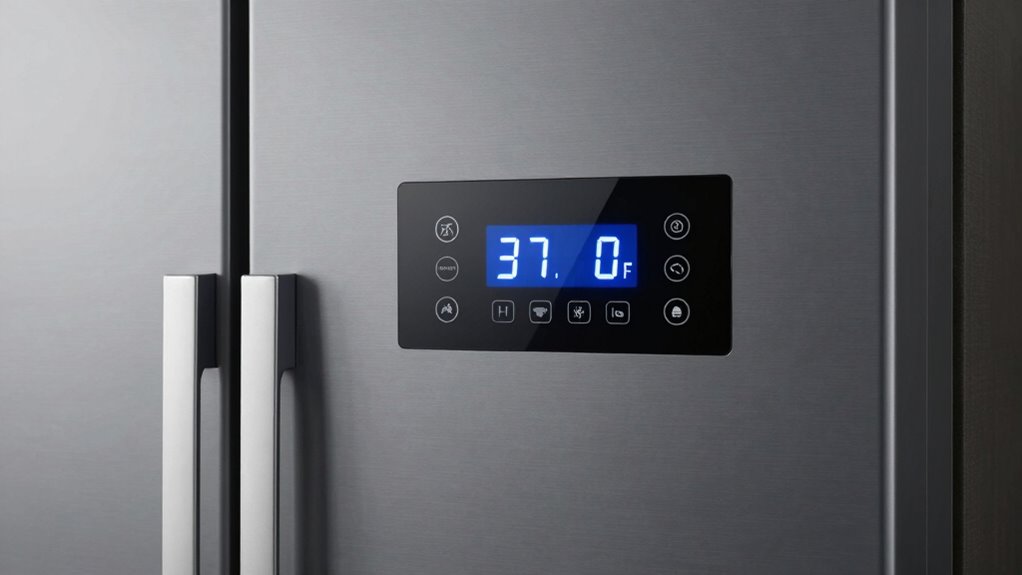
Maintaining the right refrigerator temperature is essential for keeping your food safe. When you keep your fridge at the proper setting, it helps prevent bacteria growth and preserves your groceries longer. For ideal food safety, set your refrigerator to around 37°F (3°C). Proper kitchen organization makes it easier to monitor temperature zones and avoid overcrowding, which can affect appliance efficiency. Regular appliance maintenance, like cleaning coils and checking door seals, ensures consistent cooling. Avoid leaving leftovers or perishables at unsafe temperatures by promptly storing them in the right spots. Additionally, understanding how filter maintenance and gear care contribute to a safer and more efficient kitchen environment can help prevent accidents or spoilage. Staying informed about trusted market reviews of appliance providers can also guide you in choosing reliable products and services, ensuring your refrigerator functions optimally. Proper air circulation within the fridge is key to maintaining a steady temperature and preventing cold spots. By staying vigilant about your fridge’s temperature and keeping your kitchen organized, you reduce spoilage and maintain food freshness. Remember, a well-maintained refrigerator is key to safe, healthy eating.

Inkbird Temp Control Thermostat ITC1000 Dual Stage Digital Temperature Switch Controller ℃ ℉ Display Heating Cooling Relay NTC Sensor 3D Printer Freezer Fridge Hatching 110 Volt
It does indeed read in deg F
As an affiliate, we earn on qualifying purchases.
As an affiliate, we earn on qualifying purchases.
How to Adjust Your Refrigerator Temperature Settings
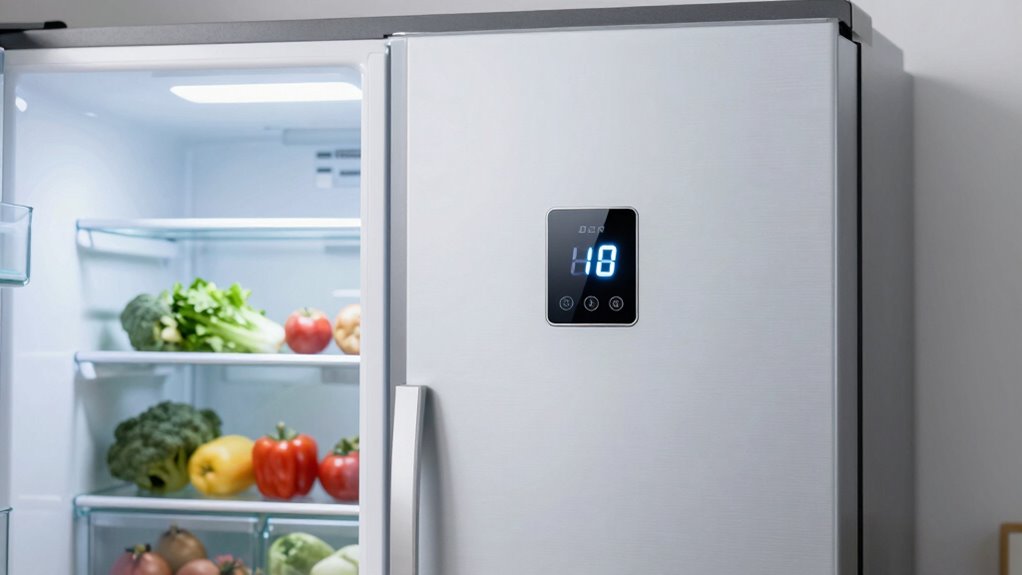
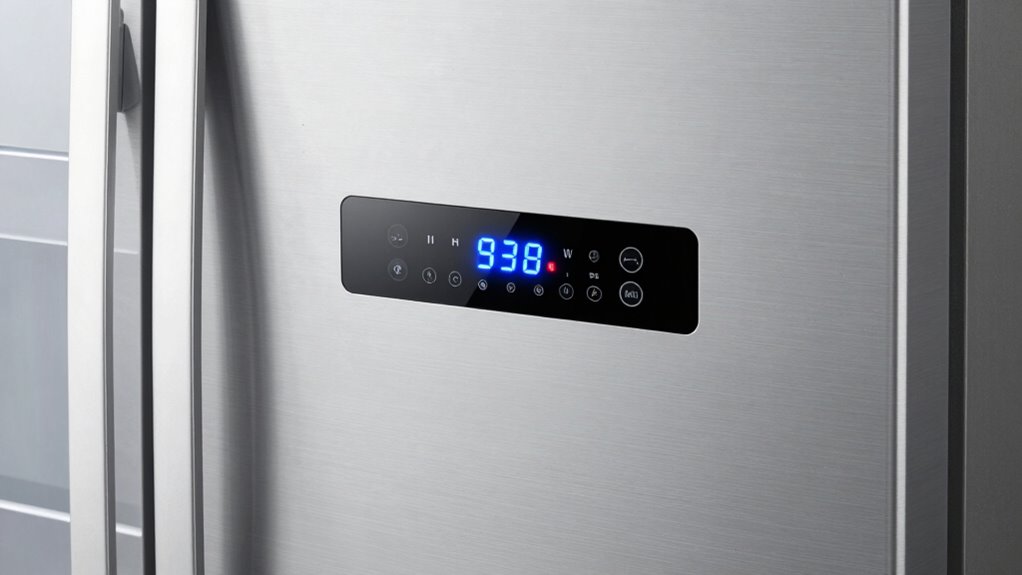
Adjusting your refrigerator’s temperature settings is straightforward once you know where and how to do it. First, locate the control panel, usually inside the fridge or on the front display. Use the temperature dial or digital controls to set the ideal temperature, typically around 37°F (3°C). If your fridge has an ice maker, verify it’s set to the correct temperature for ice production without overcooling. Check that the door seals are tight; loose seals can cause temperature fluctuations, making adjustments less effective. When you change the settings, give the fridge some time to stabilize before making further adjustments. Regularly inspecting door seals and maintaining the correct temperature will keep your food fresh and your ice maker functioning properly. Additionally, understanding the importance of temperature calibration can help ensure your fridge operates at optimal settings. Being aware of temperature fluctuations can help you troubleshoot issues more effectively and maintain a consistent environment inside your refrigerator. Monitoring these factors is essential for a consistent refrigerator environment and optimal appliance performance, especially since door seals play a crucial role in maintaining the internal temperature. Regularly checking for temperature stability can prevent unnecessary energy use and extend the lifespan of your appliance.

50 Feet D-Shape Rubber Weather Stripping Door Seal Strip, Fingwerk Self-Adhesive Backing Door Weatherstripping for Door Frame Insulation Large Gap, Easy Cut to Size with Tailor Scissors(Black)
【PACKAGE INCLUDES】Total length 50 feet, with a pair of tailor scissors. Width: 0.35inch/(7/20inch)/9mm; Thickness: 0.23inch/(23/100inch)/6mm; Suitable for gaps…
As an affiliate, we earn on qualifying purchases.
As an affiliate, we earn on qualifying purchases.
How to Test Your Refrigerator’s Temperature
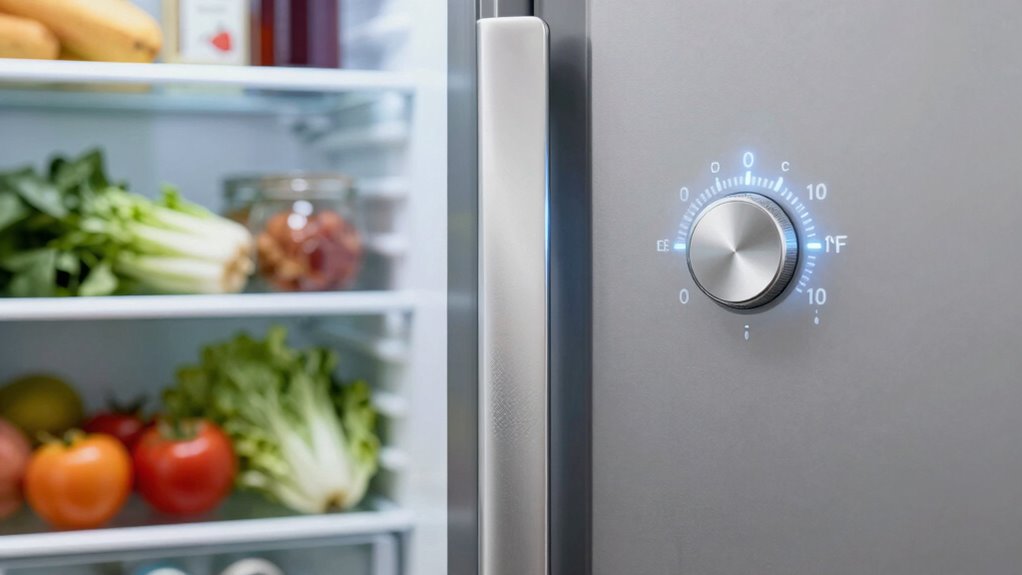
To guarantee your refrigerator is maintaining the proper temperature, you need to test it accurately. Start by placing a thermometer in the middle of the fridge, away from the door. Allow it to sit for at least 24 hours to get an accurate reading. Check the temperature calibration to ensure the thermometer shows the correct temperature. Keep in mind that sensor placement affects readings—make sure the sensor isn’t near vents or walls that could skew results. For the most reliable results, consider using a digital thermometer with precise temperature readings. Additionally, regularly monitoring your refrigerator’s performance helps ensure it remains durable and reliable over time. Proper soundproofing techniques can also help reduce noise from your appliances, contributing to a quieter kitchen environment. Incorporating efficient water systems in your home can also support overall appliance performance and longevity, just as understanding the Power of Imagination can enhance your approach to home management and innovation.
2 Pack Refrigerator Thermometer, 30-30°C/20-80°F, Classic Fridge Thermometer Large Dial with Red Indicator Thermometer for Freezer Refrigerator Cooler
Convenient and practical: Our refrigerator thermometer is suitable for traditional refrigerators, freezers, insulated boxes, etc. It has a…
As an affiliate, we earn on qualifying purchases.
As an affiliate, we earn on qualifying purchases.
Signs Your Fridge Is Too Warm or Too Cold
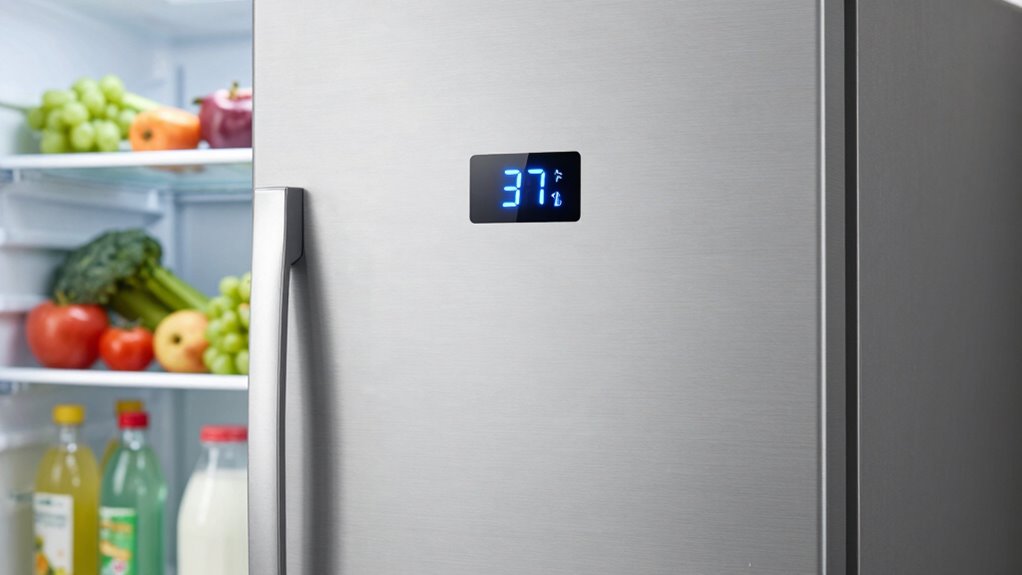
If your food isn’t staying fresh or you notice it spoiling quickly, your fridge might be too warm. On the other hand, if your energy bills spike unexpectedly, it could be a sign your fridge is overworking due to temperature issues. Recognizing these signs helps keep your food safe and your appliance running efficiently. Monitoring refrigerator temperature settings is essential for maintaining optimal performance and energy efficiency. Proper temperature control also helps prevent excessive energy consumption caused by an overworking compressor. Additionally, understanding the signs of temperature imbalance can help you identify whether your fridge needs adjustment or maintenance. Regularly checking the recommended temperature ranges can help ensure your appliance operates within safe and efficient limits, reducing the risk of food spoilage and unnecessary energy use. Keeping an eye on household safety tips related to appliance operation can further ensure safe and efficient use of your refrigerator.
Unusual Food Preservation Issues
Have you noticed your food spoiling faster than usual or developing odd textures? These signs often point to your fridge being too warm or too cold. You might observe:
- Food texture changes, like vegetables turning limp or cheese becoming crumbly
- Excessive appliance noise, indicating the compressor is working harder than it should
- Fruits and vegetables freezing or becoming mushy
- Dairy products developing an off smell or texture
- Increased frost buildup or condensation inside the fridge
- Sometimes, temperature fluctuations can also impact the preservation of delicate ingredients used in women’s golf celebrations or LPGA events.
- Monitoring the refrigerator temperature regularly can help prevent these issues and ensure optimal food storage. Maintaining the correct temperature is also key to supporting kidney health, as improper storage conditions can lead to spoilage and waste.
- These issues suggest temperature imbalances affecting food preservation. When the fridge is too warm, perishables spoil quickly, and textures suffer. If it’s too cold, freezing can damage delicate items. Proper temperature regulation is essential for preventing such problems and ensuring your food stays fresh longer.
- Paying attention to the sound of your appliance can offer clues about its functioning and help troubleshoot effectively.
Excessive Energy Consumption
When your fridge’s temperature is off, it can cause your appliance to work harder than necessary, leading to higher energy bills. If your fridge is too warm or too cold, it strains the compressor, reducing energy efficiency and increasing electricity use. This extra workload not only hikes your bills but also shortens your appliance’s lifespan. An inefficient fridge consumes more power to maintain the set temperature, so regularly check and adjust the settings if needed. Proper temperature management guarantees your fridge operates smoothly, saving energy and preserving its longevity. Monitoring for signs like inconsistent cooling or excessive frost can help you catch issues early, keeping your appliance running efficiently and extending its lifespan. Additionally, keeping an eye on related indoor air quality factors, such as dust and microplastics, can further improve your home’s overall health and appliance performance.
Why Maintaining the Right Temperature Matters for Food Freshness
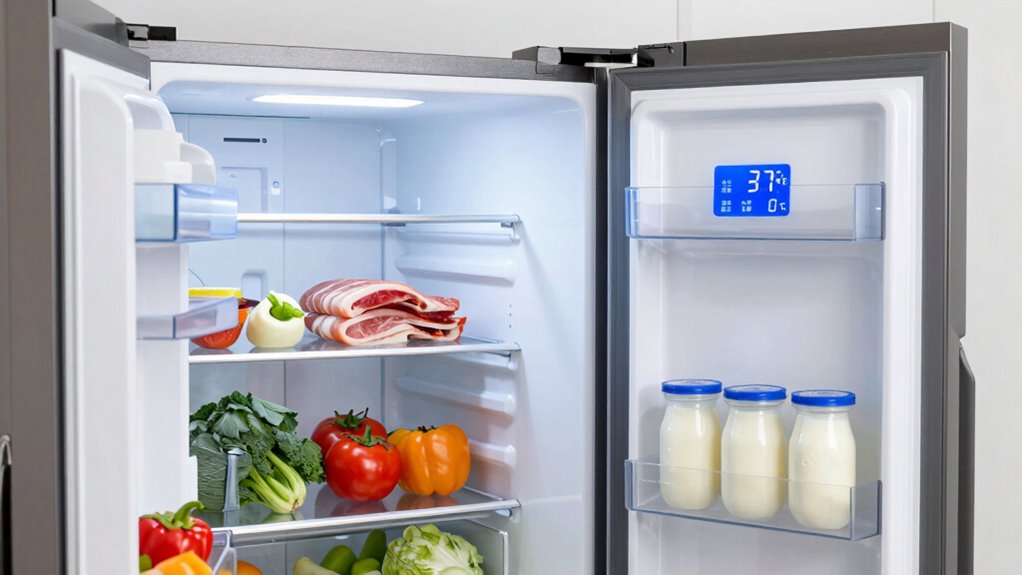
Keeping your fridge at the right temperature helps prevent bacterial growth, maintaining your food safer to eat. It also extends the shelf life of your groceries and preserves their nutritional value. When your fridge is set correctly, you guarantee your food stays fresh and healthy longer.
Prevents Bacterial Growth
Ever wonder why maintaining the correct refrigerator temperature is essential for food safety? Keeping your fridge at the right temperature slows bacterial growth, preventing foodborne illnesses. Bacteria thrive between 40°F and 140°F, known as the danger zone. When you control humidity and guarantee door seals are tight, you create an environment less hospitable for bacteria. Proper temperature:
- Limits bacterial multiplication
- Slows mold and yeast growth
- Preserves food quality longer
- Maintains humidity levels to prevent excess moisture
- Ensures door seals keep cold air in
These factors work together to keep your food fresher and safer. By maintaining a consistent, recommended temperature, you minimize the risk of bacteria spreading and spoiling your groceries. Regularly check your fridge settings for ideal food safety.
Extends Food Shelf Life
Did you know that maintaining the right refrigerator temperature can considerably extend the freshness of your food? When your fridge stays at a steady, ideal temperature, it slows down food spoilage and keeps your items fresh longer. Temperature fluctuations, even minor ones, can accelerate the growth of bacteria and mold, causing food to spoil faster. Consistent cooling prevents these fluctuations, helping your food stay safe and tasty. By setting your refrigerator to the recommended range—usually around 37°F (3°C)—you reduce the risk of spoilage and waste. Proper temperature control not only preserves the quality of your groceries but also saves you money by extending their shelf life. Keep your fridge at a stable, suitable temperature to ensure your food remains fresh for as long as possible.
Maintains Nutritional Value
Maintaining the right refrigerator temperature is essential for preserving the nutritional value of your food. When the temperature is too high, nutrients break down faster, reducing the health benefits of your groceries. Proper cooling helps dairy stay fresh longer, ensuring calcium and vitamins remain intact. It also keeps fruits fresh and flavorful, maintaining their antioxidants and vitamin content. To optimize nutrient retention, keep your fridge at around 37°F (3°C).
- Prevents spoilage of dairy products
- Slows down nutrient loss in fruits
- Reduces bacterial growth
- Maintains enzyme activity for nutrients
- Preserves flavor and texture
Tips for Keeping Your Refrigerator at the Correct Temperature and Saving Energy
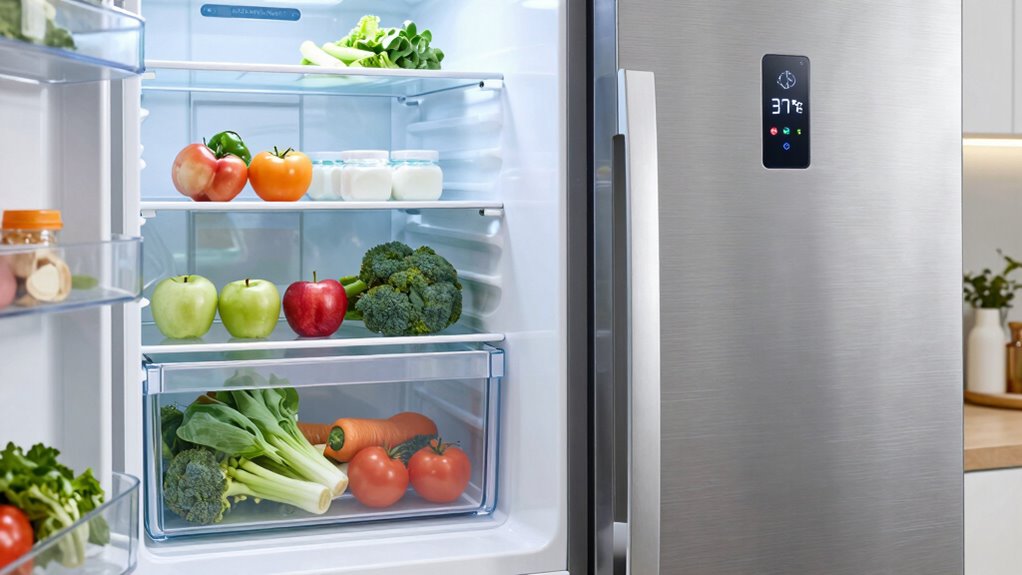
Are you aware that setting your refrigerator to the right temperature can both keep your food fresh longer and save you energy? To achieve this, regularly check your door seals for cracks or gaps, ensuring a tight fit that prevents cold air from escaping. Proper door seal inspection is essential for efficiency. Additionally, maintaining your ice maker by cleaning it and replacing filters helps prevent overworking your fridge, which can increase energy use. Keep the refrigerator temperature at around 37°F (3°C) for ideal performance. Avoid overloading the fridge, as it hampers cold air circulation. Regularly defrost if necessary, and keep vents clear of obstructions. These simple steps will help your refrigerator run efficiently, conserve energy, and keep your food fresh longer.
What Temperature Should Your Freezer Be Set To?
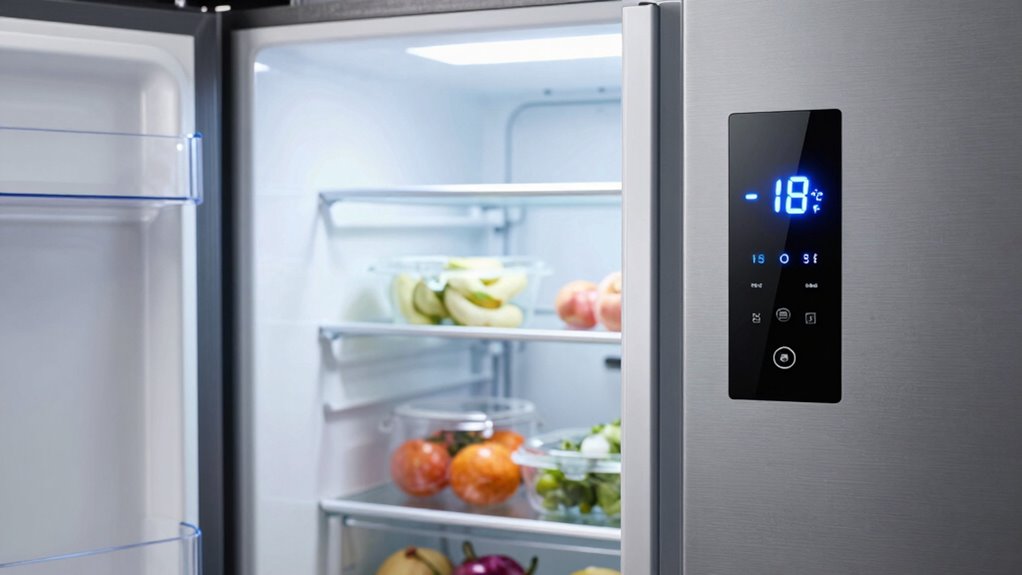
Setting your freezer to the right temperature is key to keeping frozen foods safe and preserving their quality. The ideal setting is 0°F (-18°C), which prevents bacteria growth and maintains texture. If the temperature is too warm, you risk spoilage; too cold, and you might notice ice buildup or strained door seals. To keep things running smoothly:
Set your freezer to 0°F (-18°C) to keep foods safe, fresh, and prevent ice buildup.
- Check for ice buildup regularly to avoid freezer efficiency issues
- Ensure door seals are tight to prevent warm air from entering
- Use a thermometer for accurate readings
- Avoid overloading, which can hinder airflow
- Keep the freezer full but not overcrowded for besttemperature regulation
Maintaining the right temperature prevents ice buildup and protects your food, while proper door seals keep cold air in and warm air out.
How Often Should You Check and Adjust Your Refrigerator Temperature?
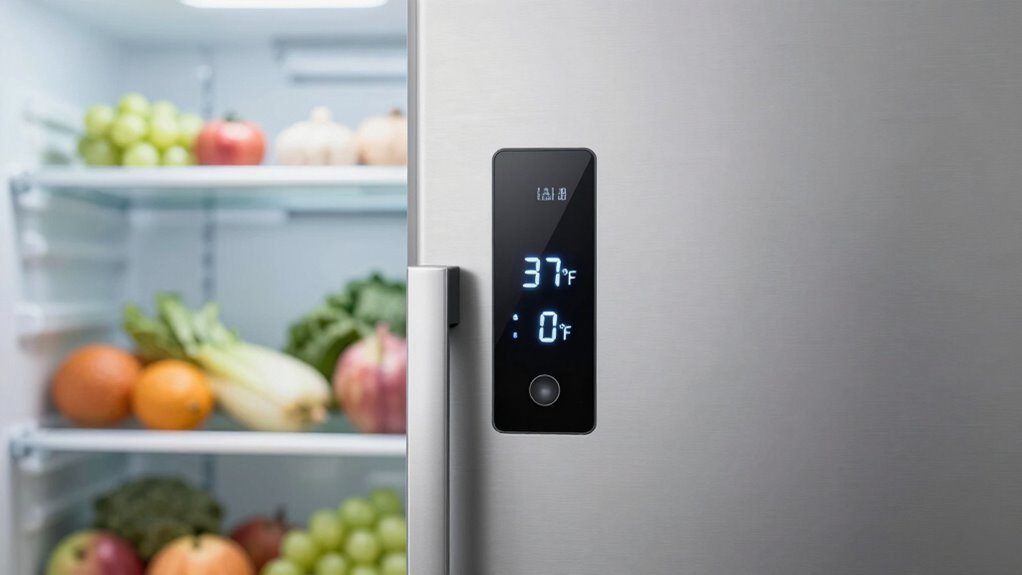
How often you check and adjust your refrigerator temperature depends on your usage and environment, but a good rule of thumb is to verify it at least once a month. Regular temperature calibration guarantees your fridge maintains the correct settings, preventing spoilage or freezing. Use a thermometer to verify the actual temperature and compare it to your fridge’s display. If you notice discrepancies, adjust the temperature and recheck after a few days. Sensor accuracy can drift over time, affecting temperature readings, so keeping sensors clean and functioning properly is essential. By routinely monitoring and calibrating, you’ll guarantee your refrigerator operates efficiently, keeps food fresh, and avoids unnecessary energy use. Staying on top of these checks helps maintain ideal conditions inside your fridge.
Common Mistakes That Can Affect Your Refrigerator’s Temperature
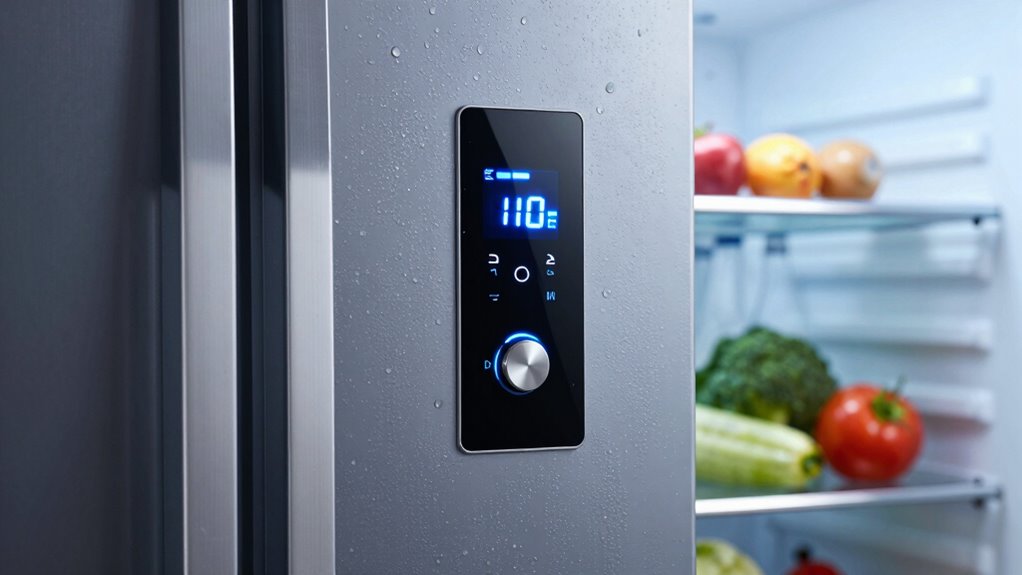
Even with regular checks and adjustments, certain common mistakes can throw off your refrigerator’s temperature without you realizing it. These errors can cause unnecessary temperature fluctuations and impact calibration accuracy. For example, placing hot or warm food inside can raise internal temperatures, while overcrowding blocks airflow. Ignoring door seals allows cold air to escape, leading to inconsistent cooling. Frequently opening the door causes temperature swings. Additionally, setting the thermostat too high or low hinders proper calibration. Finally, neglecting to keep coils clean reduces efficiency, affecting temperature stability. To maintain consistent temperature control, avoid these mistakes, ensure proper airflow, and regularly check your fridge’s calibration accuracy. Staying mindful of these pitfalls helps keep your food fresh and your appliance running smoothly.
Frequently Asked Questions
Can Different Zones Inside the Fridge Require Different Temperatures?
Yes, different zones inside your fridge can require different temperatures to guarantee food safety and energy efficiency. For example, the dairy or deli drawer should be colder to keep perishable items fresh, while the vegetable crisper can be slightly warmer. By adjusting these zones accordingly, you maintain ideal food safety, prevent spoilage, and save energy. Proper temperature management helps extend your food’s freshness and reduces electricity bills.
How Does Door Opening Frequency Affect Refrigerator Temperature?
Every time you open your fridge, it loses about 2 degrees of cold, making door opening frequency essential. Frequent openings cause temperature fluctuations, forcing your fridge to work harder to maintain proper cooling. Door insulation helps minimize heat transfer, while accurate temperature calibration guarantees the fridge responds correctly. To keep food fresh, try opening the door quickly and less often, allowing your fridge to maintain consistent, ideal temperatures.
What Impact Does Ambient Room Temperature Have on Fridge Settings?
Ambient room temperature substantially influences your fridge settings. When the room is warmer, your fridge works harder, increasing energy consumption and risking ice formation if temperatures drop too low. Conversely, in cooler rooms, you might need to slightly lower the temperature to prevent ice buildup and guarantee food stays fresh. Adjust your settings accordingly to maintain ideal performance, balancing energy use and avoiding ice formation.
Are Digital Thermostats More Accurate Than Manual Dials?
Digital thermostats are generally more accurate than manual dials, helping you maintain a consistent temperature. This precision benefits your ice maker by preventing overcooling or undercooling, which can affect ice production. Additionally, more accurate temperature control improves energy efficiency, saving you money and reducing wear on your refrigerator. So, if you want better ice quality and lower energy bills, upgrading to a digital thermostat is a smart choice.
How Do Power Outages Influence Refrigerator Temperature Stability?
Ever wondered how power outages affect your fridge? They can cause temperature fluctuations, making your food less safe and increasing energy consumption when power returns. During outages, your refrigerator works harder to maintain proper temperatures, wasting energy and risking spoilage. To save energy and keep food fresh, try to minimize outages and restore your fridge to the correct temperature quickly once power is back. Isn’t protecting your food worth the effort?
Conclusion
So, there you have it—your fridge’s secret recipe for freshness and safety. Ignore these tips, and you might as well toss your food into a science experiment. Keep the temperature just right, and your groceries will thank you, while your stomach avoids an unplanned science project. Remember, a well-tempered fridge isn’t just about avoiding spoilage; it’s about avoiding kitchen chaos. Now, go forth and chill responsibly—your taste buds will thank you!