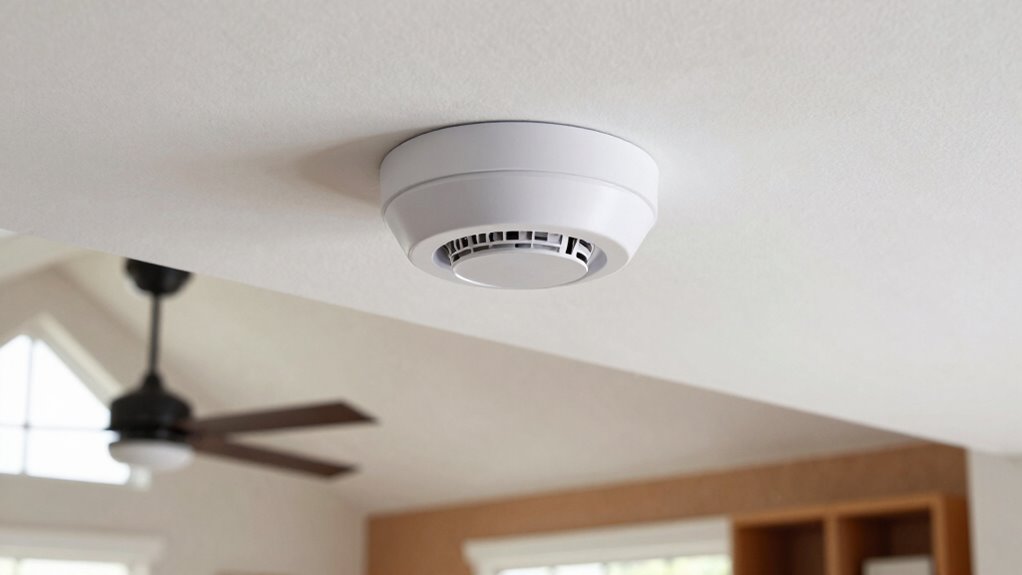
To guarantee early fire detection, install smoke detectors outside sleeping areas, inside large bedrooms, and on every home level, including the basement and attic. Place them on ceilings, away from vents, windows, or fans that can cause false alarms. Position detectors near stairwells and hallways for quick alerts. Proper placement and regular maintenance are key. Keep exploring to discover the best spots and common mistakes to avoid for maximum safety.
Key Takeaways
- Install smoke detectors on ceilings, at least 4 inches from walls or corners, for optimal smoke detection.
- Place detectors outside bedrooms and in each sleeping area for early alerts during sleep.
- Position detectors in hallways, stairwells, and common areas to ensure comprehensive coverage.
- Keep detectors away from vents, windows, and fans to prevent false alarms caused by drafts.
- Install detectors near potential fire hazards like electrical wiring or stored combustibles in basements and attics.

First Alert Smoke Alarm, Battery-Operated Detector with Test & Silence Button, SMI100, 1-Pack
First Alert's Precision Detection advanced sensing technology complies with new industry standards to reduce cooking nuisance alarms and…
As an affiliate, we earn on qualifying purchases.
As an affiliate, we earn on qualifying purchases.
Why Proper Placement of Smoke Detectors Matters
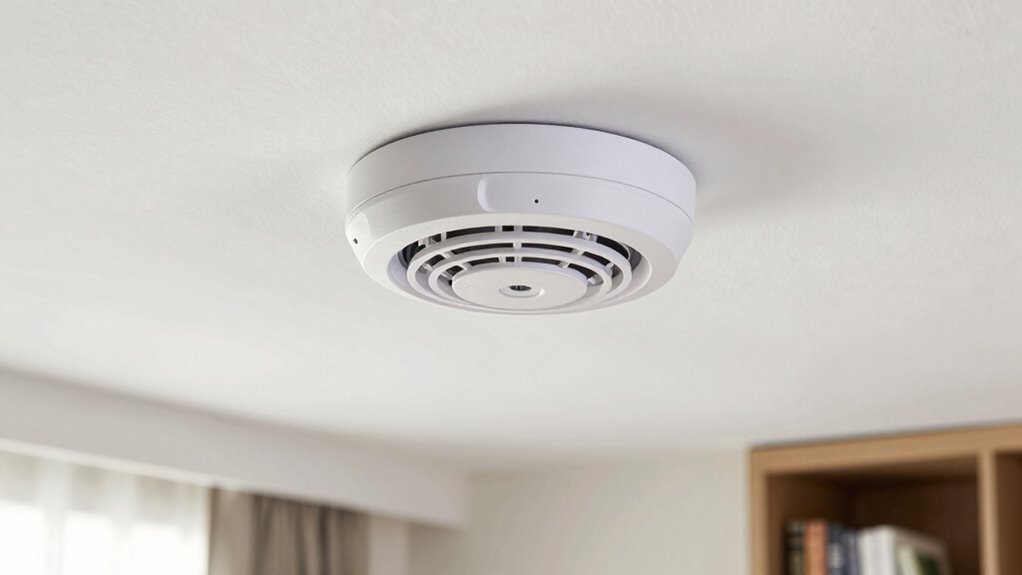
Proper placement of smoke detectors is essential because it directly affects their ability to detect smoke early and alert you in time. If fire alarm systems aren’t installed correctly, smoke may go unnoticed until it’s too late. Different smoke detector types, like ionization and photoelectric, have specific placement needs to maximize detection. Ionization detectors work best in areas where fast-moving smoke is common, while photoelectric detectors are better for slow-smoke fires, such as those from smoldering materials. Proper placement ensures all types of smoke are detected promptly, giving you more time to react. Avoid installing detectors too close to vents, windows, or kitchens, where false alarms are frequent. Correct placement is critical for safety, guaranteeing your fire alarm system functions effectively when every second counts. Additionally, understanding the indoor air quality fundamentals can help in choosing optimal locations that minimize false alarms and maximize safety. Being aware of vetted safety standards and guidelines can further enhance the effectiveness of your smoke detector placement. Proper placement also involves considering local building codes, which may specify requirements for installation heights and locations to ensure maximum safety. Also, paying attention to environmental factors like humidity and dust levels can improve detector longevity and performance. Incorporating proper maintenance routines can further ensure that detectors operate reliably over time.

First Alert BRK 3120B Hardwired Smoke Detector with Photoelectric and Ionization with Battery Backup
Dual Photoelectric and Ionization sensing technologies for optimal sensing of smoke particles produced in both flaming and smoldering…
As an affiliate, we earn on qualifying purchases.
As an affiliate, we earn on qualifying purchases.
How Many Smoke Detectors Do You Need in Your Home?
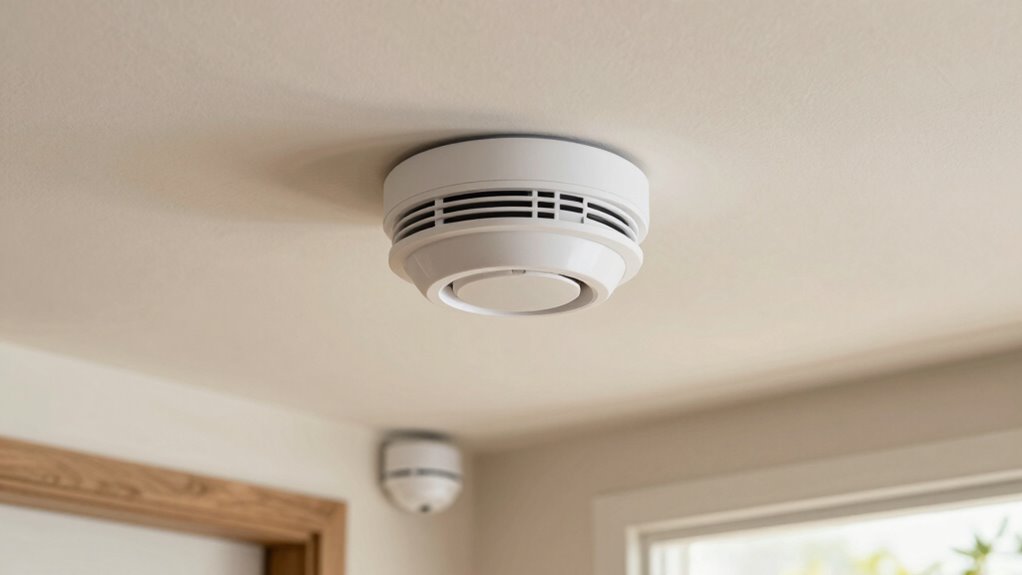
Determining how many smoke detectors you need depends on your home’s size and layout. You should install at least one detector in each sleeping area and on every level, including the basement. Proper placement guarantees you get early warnings from all parts of your home. Additionally, ensuring that detectors are properly maintained and tested can improve overall safety. Regularly checking your detectors and following safety guidelines can help prevent potential hazards. To maximize safety, consider household product placement to complement your smoke detectors and create a comprehensive safety system. Understanding fire safety standards can further enhance your home’s protection. Being aware of alarm signal patterns can also help residents respond more quickly in case of an emergency.
Number of Detectors Needed
Figuring out how many smoke detectors your home needs is essential for guaranteeing safety without unnecessary overlap. Generally, you should have at least one detector on each level, inside bedrooms, and outside sleeping areas. The number depends on your home’s size and layout, so consider detector type comparison to choose the best options for your needs. Regular fire alarm maintenance guarantees all detectors function properly. Additionally, selecting reliable security systems can enhance your overall safety measures. Understanding fire safety standards can help you determine the appropriate number and placement of detectors to maximize protection. Being aware of local building codes ensures your installation complies with safety regulations and provides optimal coverage. Proper placement also involves considering emergency escape routes to ensure everyone can evacuate safely during a fire. Incorporating fire safety awareness into your safety plan can further improve preparedness and response effectiveness.
Placement per Room
To guarantee your home is well-protected, you’ll want to carefully consider how many smoke detectors to install in each room. Modern fire alarm technology offers reliable coverage when detectors are strategically placed. For bedrooms, install at least one smoke detector outside sleeping areas and inside each bedroom if the space is large. In hallways and common areas, place detectors on the ceiling, avoiding corners or vents to assure optimal smoke detection. Regular smoke detector maintenance, like testing alarms monthly and replacing batteries annually, keeps your system effective. Remember, the right placement minimizes false alarms and maximizes safety. Proper detector placement is crucial for ensuring quick detection and alert in case of fire. By understanding how many detectors are necessary per room and maintaining them properly, you guarantee a swift warning in case of fire, protecting your home and loved ones.

CRAZYTHUR Smoke Detectors, 6 Pack Photoelectric Interconnected Smoke Detector, Battery Powered Wireless Interlinked Smoke Detectors&Fire Alarms(up to 200), LED Warning Light 85 dB Alarm Sound
Complete 6-Pack Smart Home Safety System:Smoke detector multipack protecting every critical zone: 6 pre-linked smoke alarms + batteries…
As an affiliate, we earn on qualifying purchases.
As an affiliate, we earn on qualifying purchases.
Best Places to Install Smoke Detectors for Maximum Safety
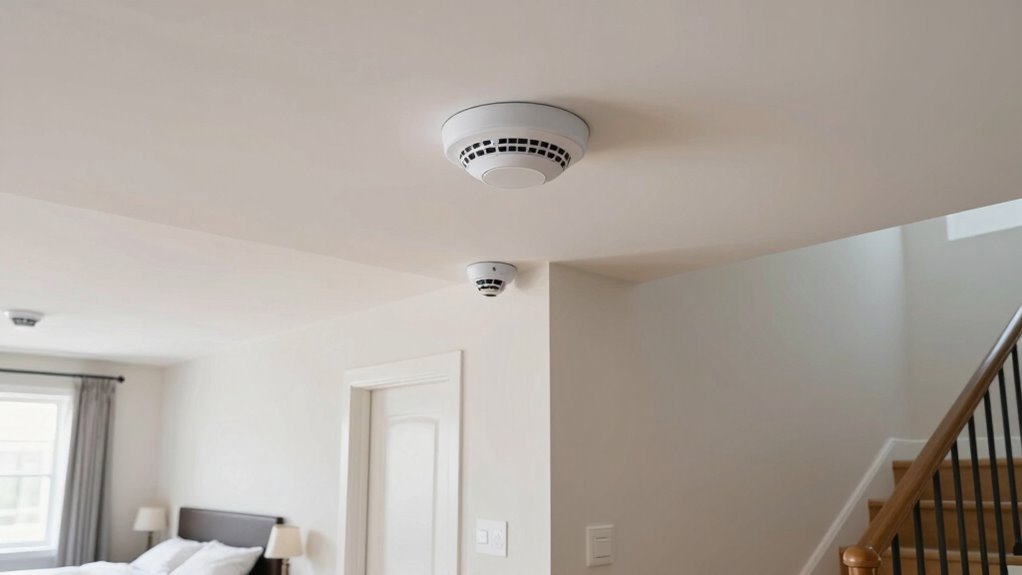
To maximize safety, you should install smoke detectors in hallways and staircases, where smoke naturally spreads. Placing detectors near bedrooms and living areas guarantees you get early warnings while you’re asleep or relaxing. Proper placement like this helps protect every part of your home effectively. Additionally, installing detectors at strategic locations ensures comprehensive coverage and enhances overall safety. Considering smoke dispersion patterns can further improve the placement and effectiveness of your detectors. Understanding home layout can also assist in identifying the best spots for placement to prevent blind spots and ensure quick detection. Proper installation and understanding of water damage prevention can also help protect your home from unexpected hazards.
Hallways and Staircases
Have you ever wondered where the best spots are to install smoke detectors within hallways and staircases? These areas are critical for early fire detection because smoke travels quickly through these pathways. To maximize safety, place smoke detectors on the ceiling at the top of stairwells and along hallways, ideally near entrances but away from vents or windows that could interfere with fire alarm technology. Different smoke detector types, such as ionization and photoelectric, have unique strengths; choosing the right one for hallways enhances response time. Fire alarm technology has advanced, offering units that detect smoke more reliably in open spaces. Proper placement guarantees early warning, giving you more time to react and evacuate safely. Additionally, understanding modern fire alarm technology can help you select the most effective detectors for your home. Incorporating smoke detector placement guidelines ensures comprehensive coverage and effective fire safety, providing peace of mind for your household.
Near Bedrooms and Living Areas
Placing smoke detectors near bedrooms and living areas guarantees you get early alerts while you’re sleeping or relaxing. Wireless alarms are ideal here because they’re easy to install and don’t require wiring, making maintenance simpler. Position detectors on the ceiling or high on walls, close to sleeping spaces and common gathering spots, but away from vents or fans that can interfere with their sensors. Regular smoke alarm maintenance is essential—test alarms monthly, replace batteries annually, and replace units every 10 years. Installing detectors near bedrooms ensures you wake up to warnings, while those in living areas protect the whole household during gatherings. Proper placement and upkeep provide peace of mind, maximizing safety for everyone in your home. Additionally, choosing best smoke detector types can improve detection reliability and safety. Using advanced smoke detection technology can further enhance the safety features of your alarms.

meioro Magnetic Smoke Detector Installation Tool,Quick and Easy Fastening Ceiling Mounted Kit for Smoke Alarm Ø 70mm,No Need Drill 10 Seconds Install Smoke Sensors(2 pcs)
☛HUMANIZED DESIGN:This smoke detector install tool is a wonderful design,no drill,no tool needed,no mess,no fuss,no holes in your…
As an affiliate, we earn on qualifying purchases.
As an affiliate, we earn on qualifying purchases.
Why Install Smoke Detectors in Bedrooms and Sleeping Areas
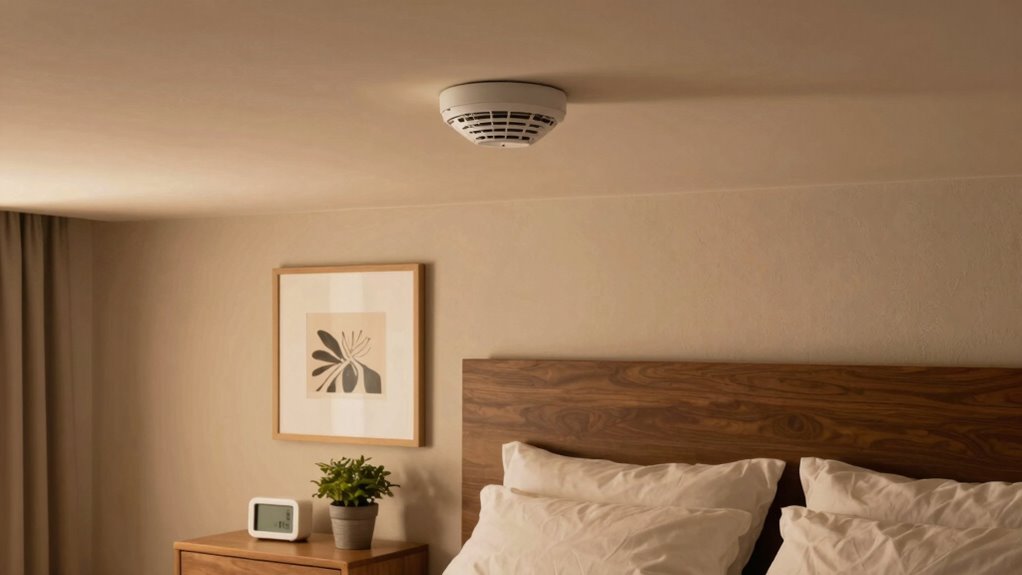
Ensuring you have smoke detectors in bedrooms and sleeping areas is crucial because these are the spaces where you spend a significant portion of your night, often unaware of early fire signs. Installing detectors in these rooms guarantees that you’ll be alerted promptly if a fire starts while you’re asleep. Proper fire alarm integration means your detectors can work together seamlessly, providing reliable protection. Regular smoke detector maintenance is essential to keep them functioning correctly, including testing batteries and cleaning sensors. Without detectors in bedrooms, you risk sleeping through smoke or fire alarms, delaying your escape. Protect yourself and your loved ones by prioritizing these areas, and ensure your smoke detectors are always in good working order for maximum safety.
Where to Mount Smoke Detectors Near Cooking Areas
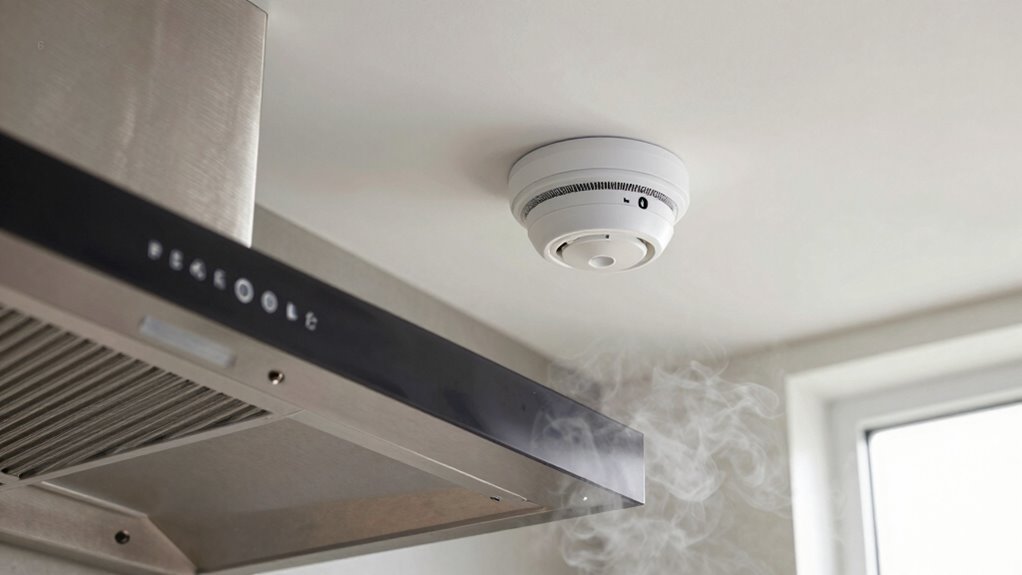
While installing smoke detectors in bedrooms is essential for safety, it’s equally important to think about their placement near cooking areas. Smoke from cooking can trigger false alarms if detectors are too close, so position them at a safe distance where kitchen ventilation helps disperse smoke effectively. The detector should be at least 10 feet from the stove or oven, avoiding areas directly above or adjacent to cooking surfaces. Follow fire safety regulations that specify proper mounting heights and distances. Proper placement guarantees early smoke detection without frequent false alarms, improving safety and convenience. Remember, a well-placed detector near the kitchen balances safety with practicality, helping you respond quickly in case of a real fire while minimizing unnecessary disturbances.
Key Locations for Smoke Detectors in Hallways and Corridors
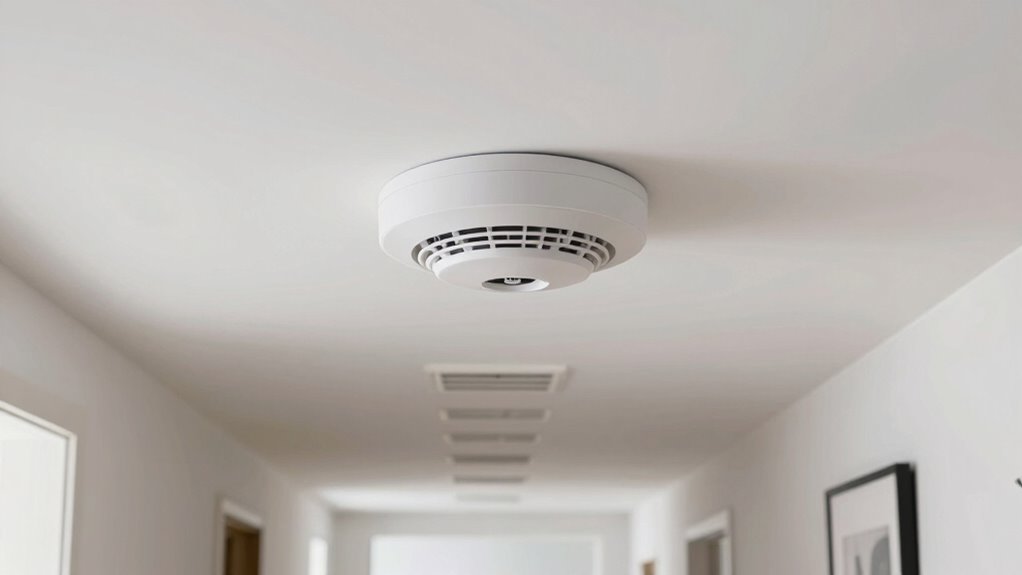
When installing smoke detectors in hallways and corridors, place them centrally to guarantee maximum coverage. Make certain they’re not obstructed by furniture or decorations, which can block smoke detection. Also, install them near room entrances to catch smoke early as it enters the corridor.
Central Placement for Coverage
Have you ever wondered where to place smoke detectors for maximum coverage? Central placement is vital to guarantee your fire alarm technology functions effectively in hallways and corridors. Position detectors in the middle of these areas to minimize blind spots and improve early fire detection. This placement boosts your confidence in smoke detector maintenance, making sure alarms are reliably alert when needed. Consider these key points:
- Avoid corners—they can delay smoke detection.
- Place at eye level for accurate sensing.
- Ensure proper spacing between detectors for complete coverage.
- Keep detectors away from vents or drafts that can interfere with fire alarm technology.
Proper central placement enhances safety, giving you peace of mind that your home or business is well-protected.
Avoid Obstructed Areas
Placing smoke detectors in unobstructed areas guarantees they can effectively detect smoke early on. Fire alarm regulations emphasize avoiding obstructions like furniture, curtains, or decorations that could block smoke from reaching the detector’s sensors. Hallways and corridors are ideal locations because they provide open pathways for smoke to reach the detector quickly. Different smoke detector types, such as ionization and photoelectric, work best when installed in clear, accessible spots. Avoid corners or areas near vents, windows, or fans, which can disrupt smoke flow. Ensuring your detectors are free from obstructions maximizes their responsiveness, increasing safety and compliance with fire safety standards. Proper placement in these key areas is essential for early warning and effective fire detection.
Install Near Room Entrances
Installing smoke detectors near room entrances in hallways and corridors is essential for early fire detection. These locations help catch smoke quickly before it spreads, giving you precious time to react. Proper placement guarantees effective fire alarm maintenance and maximizes the benefits of different smoke detector types.
Consider these key points:
- Early Warning – Detect smoke at the first sign of fire, protecting your loved ones.
- Coverage – Cover all rooms with detectors near entrances for thorough safety.
- Optimal Placement – Keep detectors at least 10 feet from cooking appliances to prevent false alarms.
- Peace of Mind – Knowing your detectors are correctly installed gives you confidence in your safety plan.
Placing detectors near doorways saves lives and makes fire safety easier to manage.
Placing Smoke Detectors on Every Level of Your Home
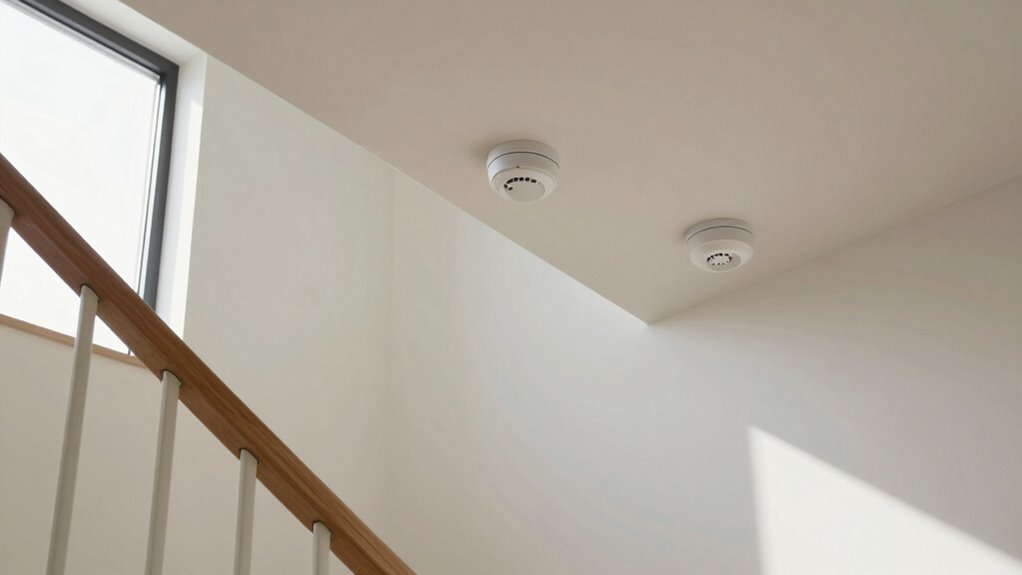
To guarantee you’re adequately protected from smoke and fire, it’s vital to install smoke detectors on every level of your home. This assures early warning regardless of where a fire starts. Place detectors in hallways outside bedrooms, living areas, and near stairwells. Regular detector maintenance is essential—test them monthly and replace batteries at least once a year. When replacing batteries, choose high-quality, long-lasting ones to prevent false alarms. Keep detectors away from kitchens and bathrooms to avoid false triggers from cooking or humidity. Remember, a detector that’s well-maintained and has fresh batteries provides reliable protection. Installing detectors on each level maximizes safety, giving you peace of mind that every part of your home is covered in case of a fire emergency.
Where to Install Smoke Detectors in Attics and Basements
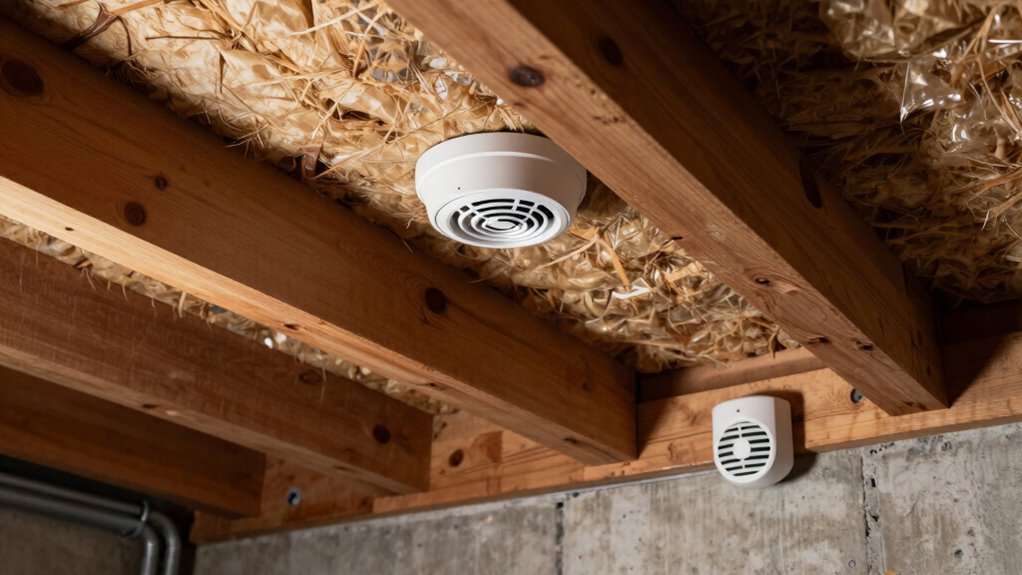
Attics and basements are common areas where fires can start unnoticed, so it’s crucial to install smoke detectors in these spaces for early warning. In the attic, place detectors away from attic insulation, which can block smoke and delay detection. For basements, install detectors at the ceiling but away from areas with high basement moisture, as humidity can affect their function. Consider these key spots:
- Near the attic entrance, to alert you before fire spreads.
- In the center of the basement ceiling, for maximum coverage.
- Away from vents or windows that can interfere with smoke detection.
- Near potential fire hazards like electrical wiring or stored combustibles.
Proper placement ensures early warning, even in challenging environments like moisture-prone basements or insulated attics.
Tips for Positioning Smoke Detectors for Early Warning
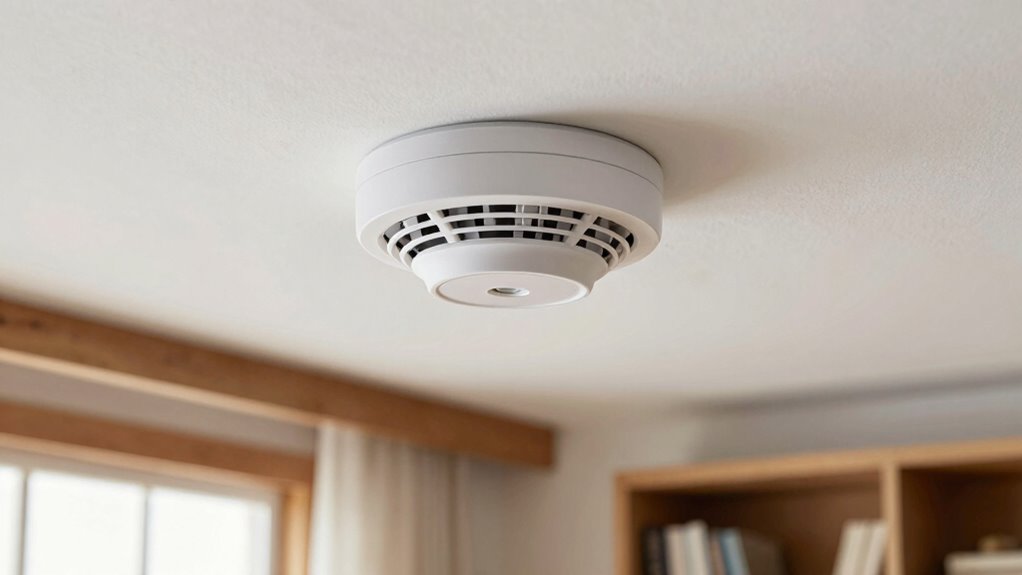
Positioning your smoke detectors correctly is essential for early fire detection. Place detectors on the ceiling or high on the walls, ideally in the center of each room, to maximize coverage. Avoid installing them near windows, vents, or doors where drafts could interfere with their operation. Regular fire alarm maintenance, including testing alarms monthly and cleaning dust and debris, guarantees they work effectively. Keep detector batteries fresh by replacing them at least once a year or immediately when you hear the low-battery chirp. This proactive approach helps ensure your smoke detectors respond quickly in an emergency. Proper positioning combined with routine maintenance and timely battery replacement provides the earliest warning, giving you more time to escape safely.
Common Mistakes to Avoid When Installing Smoke Detectors
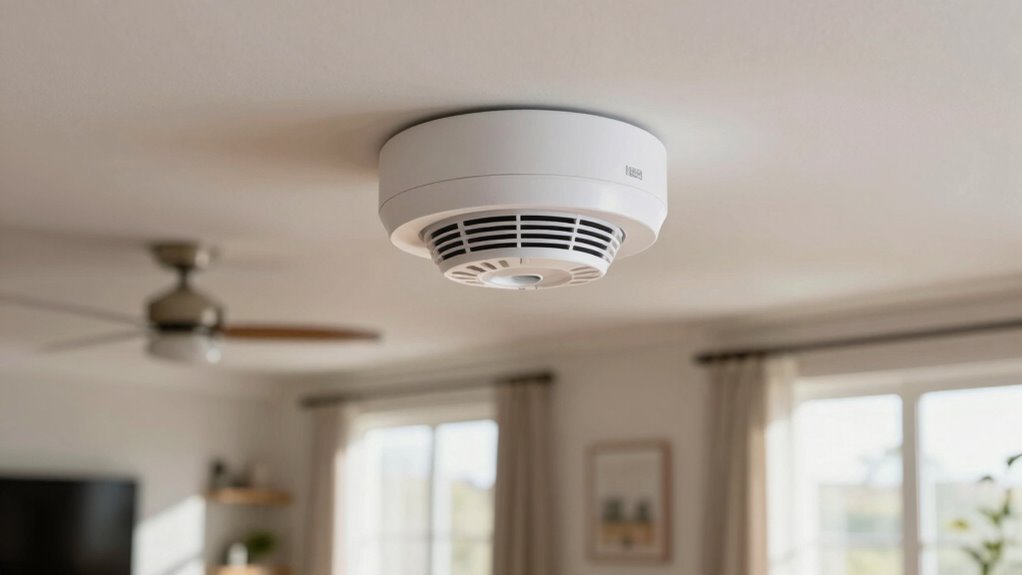
One common mistake people make when installing smoke detectors is placing them too close to sources of drafts or airflow, such as vents, fans, or open windows. This can prevent the detector from sensing smoke promptly. To avoid this, ensure proper placement and regularly perform detector testing to confirm functionality. Poor battery maintenance is another mistake—failing to replace batteries can delay alerts. Avoid these errors by:
Avoid placing smoke detectors near vents or fans to ensure prompt smoke detection and safety.
- Installing detectors at recommended heights and locations.
- Regularly testing each detector to ensure it works.
- Replacing batteries at least once a year.
- Moving detectors away from vents and fans to prevent false alarms.
Frequently Asked Questions
Can Smoke Detectors Be Installed Outdoors?
Yes, you can install smoke detectors outdoors, but only with weatherproof detectors designed for outdoor use. For outdoor placement, make sure to select detectors labeled as weatherproof or weather-resistant, as they withstand moisture, rain, and temperature changes. Mount them in sheltered areas, like covered patios or eaves, to protect them from the elements. Proper outdoor installation guarantees safety without false alarms caused by weather conditions.
How Often Should I Test My Smoke Detectors?
You should test your smoke detectors at least once a month to verify they’re working properly. During testing, check the battery maintenance—replace batteries if they’re weak or dead—and make sure the detector placement hasn’t been compromised by dust or debris. Regular testing helps you catch issues early, so your smoke alarms can alert you promptly in case of a fire. Stay proactive for your safety.
Are There Specific Smoke Detectors for Different Types of Fires?
A single smoke detector can’t conquer every fire type, so yes, there are specific detectors for different fires—like photoelectric for smoldering fires and ionization for flaming fires. Proper fire alarm placement is essential, and regular smoke detector maintenance guarantees they work when you need them most. You should match your detectors to your home’s risks, protecting everyone from the devastating blaze that can strike unexpectedly.
Should Smoke Detectors Be Interconnected in My Home?
Yes, you should interconnect smoke detectors in your home. Interconnected detectors communicate with each other via home wiring or wireless systems, ensuring that if one detects smoke, all alarms sound. Proper detector placement is essential—install detectors on every level, near bedrooms, and in hallways. This setup enhances safety by providing early warning, giving you more time to respond, especially during night-time or when you’re away.
What Is the Ideal Height to Mount a Smoke Detector?
You should mount smoke detectors at the ideal height, following placement guidelines that guarantee maximum safety. Typically, install them on the ceiling or high on the wall, about 4 to 12 inches below the ceiling. Mounting height matters because smoke rises, so placing detectors too low can delay detection. Keep these guidelines in mind to optimize detection time, protect your home, and assure your family’s safety effectively.
Conclusion
Think of your smoke detectors as vigilant guardians watching over your home. Proper placement guarantees they catch danger early, like a lighthouse guiding ships safely to shore. By installing them in the right spots—near bedrooms, kitchens, and every level—you’re creating a fortress of safety. Don’t let poor positioning leave you in the dark. With these tips, you’ll keep your home a safe harbor for you and your loved ones, no matter what storms may come.