Many home safety hazards often fly under your radar, such as faulty wiring, hidden leaks, and cluttered floors that cause slips. Overloaded outlets, poor ventilation, and unsecured furniture can also pose serious risks. Regular inspections and quick fixes can prevent accidents and damage. Staying aware of these overlooked dangers helps protect your home and loved ones. Keep exploring to uncover more simple tips that can make a big difference in your safety.
Key Takeaways
- Hidden plumbing leaks can cause mold growth and structural damage, often overlooked until significant issues arise.
- Outdated wiring and loose connections pose fire risks but are frequently neglected during home inspections.
- Poor indoor ventilation and excess humidity promote mold growth, which many homeowners fail to monitor regularly.
- Securing heavy furniture and decor is vital but often ignored, leading to potential injury hazards during earthquakes or accidents.
- Overloaded outlets and damaged extension cords increase fire risk but are commonly overlooked in routine safety checks.
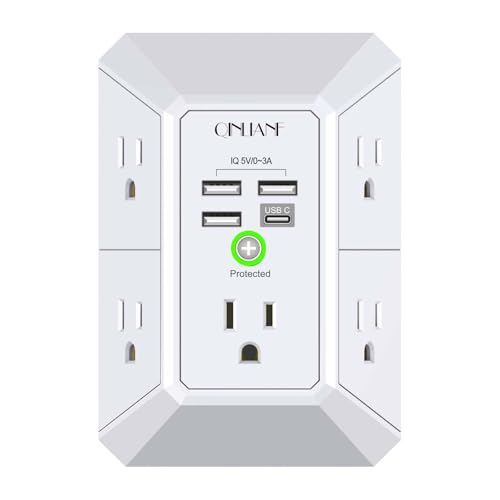
Wall Charger, Surge Protector, QINLIANF 5 Outlet Extender with 4 USB Charging Ports, 3-Sided 1680J Power Strip Multi Plug Adapter Spaced for Home Travel Office
【 Multi Function USB Outlet】- Securing onto the wall design. Fit duplex outlet perfectly, just plug in to…
As an affiliate, we earn on qualifying purchases.
As an affiliate, we earn on qualifying purchases.
How to Identify Hidden Electrical Hazards in Your Home
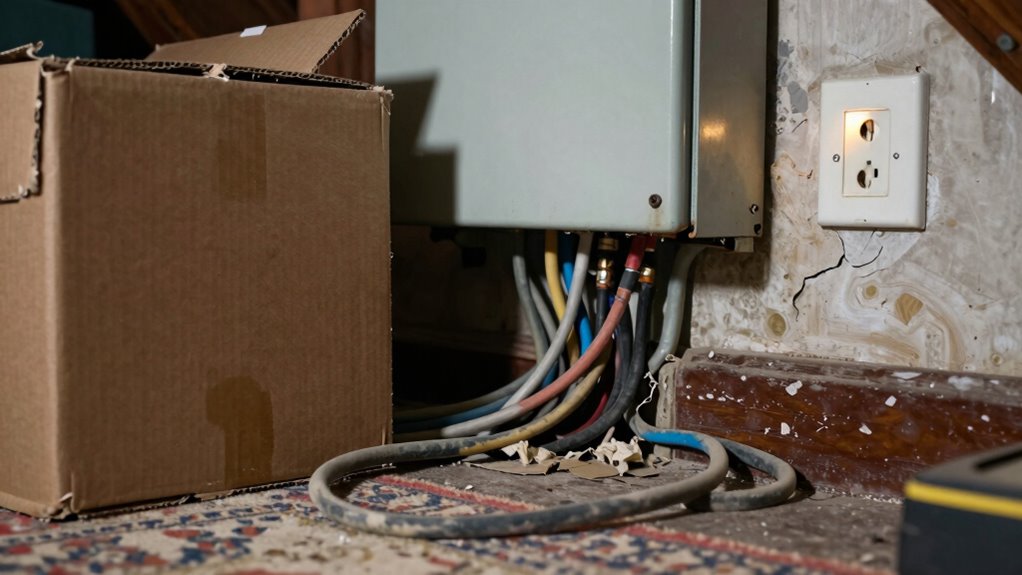
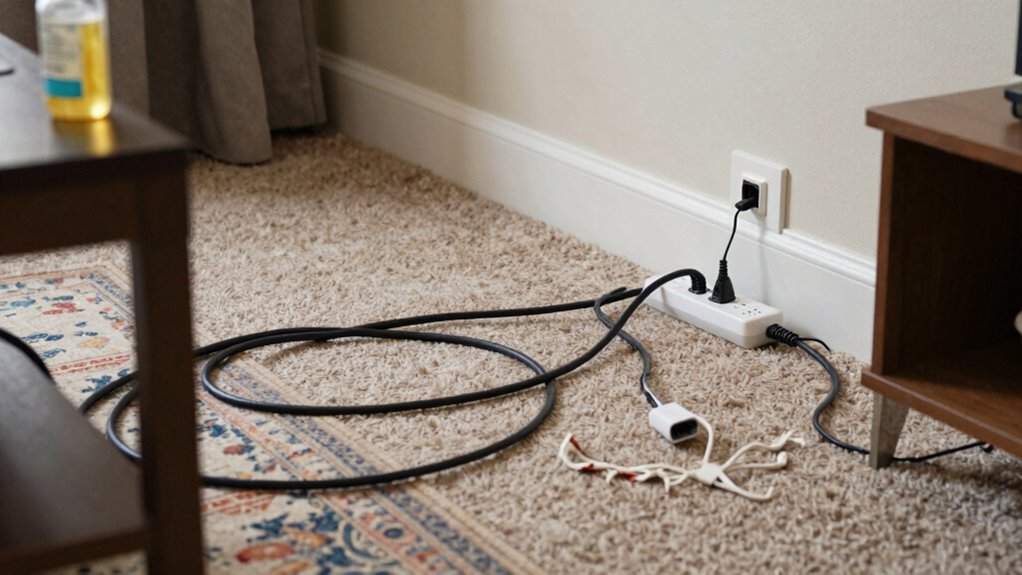
Electrical hazards often hide behind everyday fixtures and appliances, making it easy to overlook potential dangers. You should regularly inspect your electrical wiring for signs of wear, such as frayed insulation or exposed wires. Check outlets and switches for scorch marks, sparks, or loose connections, which could indicate circuit safety issues. Overloaded outlets and extension cords can also pose risks, so avoid plugging too many devices into one socket. Unfamiliar or outdated wiring may not meet current safety standards, increasing fire risks. Always turn off power before working on electrical fixtures, and consider hiring a professional electrician for thorough inspections. Keeping your electrical system in good condition helps prevent shocks, fires, and other hazards, ensuring your home remains safe. Regularly testing your home’s electrical system can help identify hidden hazards before they become serious problems. Additionally, understanding home safety standards can guide you in maintaining a safer environment. Being aware of Overloaded outlets and their dangers can help you prevent potential electrical fires and accidents. Regular inspections and staying informed about electrical safety are crucial steps toward protecting your household from unseen dangers. Incorporating proper electrical wiring practices can further reduce the risk of hazards caused by outdated or improper installations.

GORILLA GRIP Bath Rug Mat, Thick Soft Absorbent Chenille, Quick Dry Microfiber Mats, Rubber Backing Washable Shower Floor Rugs, US Designed Bathroom Bathmat Home Decor Accessories, 24×17, Grey
SOFT AND THICK CHENILLE: pamper your feet with the softest, coziest chenille; measuring almost one inch thick, plush…
As an affiliate, we earn on qualifying purchases.
As an affiliate, we earn on qualifying purchases.
Are Your Floors Slippery or Cluttered? Here’s How to Fix It
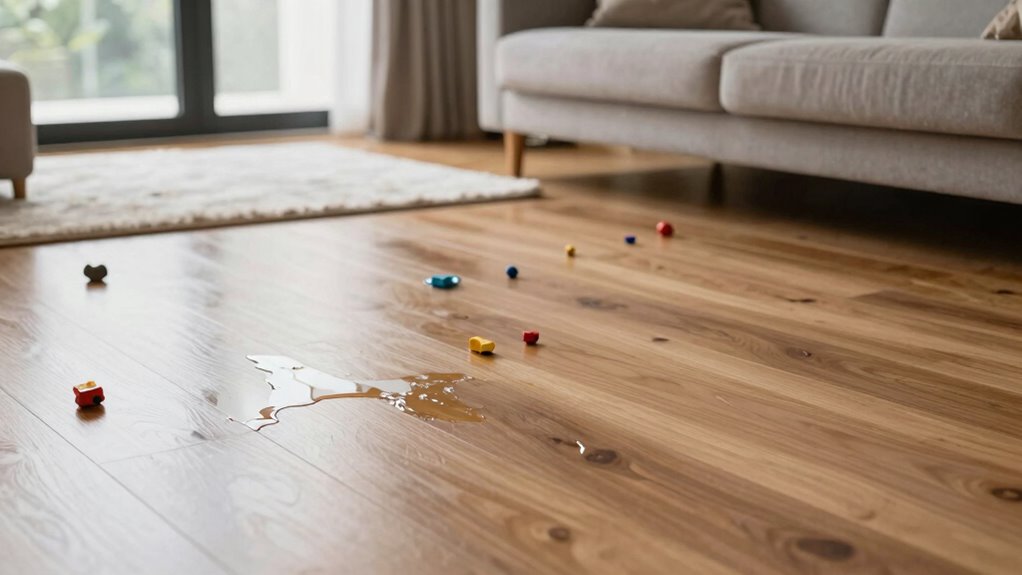
Slippery and cluttered floors are common hazards that can lead to slips, trips, and falls, especially in busy or poorly maintained areas. To address this, prioritize proper floor maintenance by regularly cleaning spills, removing debris, and fixing uneven surfaces. Clutter management is equally important—keep walkways clear of unnecessary items to prevent trips. Consider using non-slip mats in high-traffic or wet areas for added safety. Ensure rugs are secured to avoid slipping, and store frequently used objects within easy reach to reduce clutter. Regularly inspecting floors and practicing good organization can considerably lower your risk of accidents. Staying proactive with these simple measures keeps your home safer for everyone. Additionally, understanding child development/play-based growth mindset principles can help you teach children safe habits from an early age, fostering a safer environment overall. Incorporating home safety awareness into your routine can further help identify potential hazards before they cause harm. Developing a preventive safety mindset encourages ongoing vigilance and quick response to emerging risks. Furthermore, educating family members about the importance of personal safety habits can reinforce a collective effort to maintain a secure living space.

Booda Brand Furniture Anchors (10 Pack) for Baby Proofing, Furniture Straps Anti Tip Furniture Anchor Securing 400 lbs/Keep Baby Pet Safety from Falling Furniture, Metal White Earthquake Straps
CHILD SAFETY: Nothing is more important than living in a safe place. The furniture anchors will secure your…
As an affiliate, we earn on qualifying purchases.
As an affiliate, we earn on qualifying purchases.
Why Poor Ventilation and Air Quality Can Be a Safety Risk
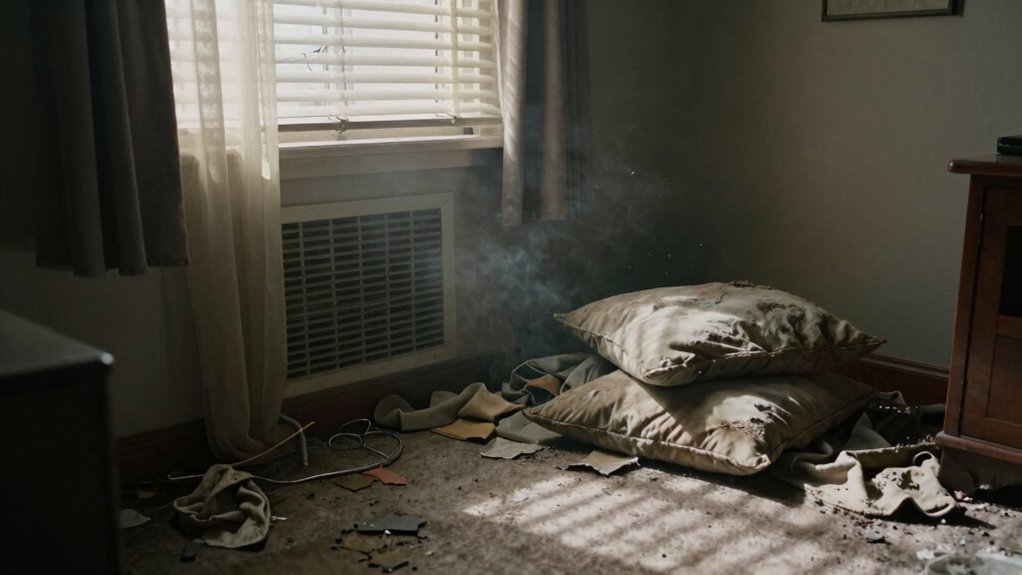
Poor ventilation can cause indoor pollutants to build up quickly, making the air unsafe to breathe. Mold can grow unnoticed in damp areas, increasing health risks and damaging your home. Breathing poor air quality can lead to respiratory problems and long-term health issues you want to avoid. Ensuring proper humidity levels with humidity control basics can help prevent mold growth and improve overall indoor air quality. Additionally, air circulation techniques can help remove stale air and reduce pollutant buildup, further enhancing your home’s safety. Regularly monitoring indoor air quality can help you identify potential hazards before they become serious health concerns. Being aware of ventilation systems and their proper maintenance is essential for maintaining a safe indoor environment. Implementing effective ventilation strategies can significantly reduce the risk of poor air quality in your home.
Indoor Pollutant Accumulation
Have you ever considered how indoor air quality affects your safety? Poor ventilation allows indoor pollutants to build up, increasing health risks and potential hazards. Indoor allergens like dust mites, pet dander, and pollen can accumulate, triggering allergies or respiratory issues. Pollutant sources such as cleaning products, cigarette smoke, and cooking fumes also contribute to unsafe air quality. Without proper airflow, these pollutants linger, making your home less safe and more uncomfortable. To reduce risks:
- Regularly ventilate your living spaces to promote fresh air exchange
- Use air purifiers equipped with HEPA filters to capture allergens and pollutants
- Minimize the use of strong chemical cleaners and avoid smoking indoors
- Recognize how indoor air quality directly impacts your health and safety. Improving ventilation systems can significantly decrease pollutant buildup and enhance overall safety. Proper air circulation is essential in maintaining a safe indoor environment.
Addressing indoor pollutant accumulation helps create a safer, healthier environment for everyone in your home.
Mold Growth Risks
Did you know that inadequate ventilation can lead to mold growth, posing serious safety risks? When air isn’t circulating properly, moisture gets trapped, creating the perfect environment for mold to thrive. Mold prevention starts with controlling humidity levels; aim to keep indoor humidity below 60%, ideally between 30-50%. Proper landscaping around your home can also help reduce moisture accumulation near foundations and walls. Poor air quality from stagnant air increases the chance of mold developing on walls, ceilings, and hidden areas. Regularly ventilate bathrooms, kitchens, and laundry rooms, and use exhaust fans or dehumidifiers as needed. Address leaks or water damage promptly to prevent moisture buildup. Maintaining good airflow and managing humidity reduces the risk of mold growth, protecting your home’s safety and your health from mold-related issues. Additionally, understanding the Gold IRA markets can help you prepare financially for unexpected home repairs caused by mold or other hazards. Staying aware of building ventilation systems can further enhance your efforts to prevent mold and ensure safe indoor air quality. Proper home maintenance practices are essential for long-term safety and health.
Respiratory Health Impact
When ventilation is inadequate, the air you breathe becomes stale and filled with pollutants, increasing the risk of respiratory problems. Poor air quality can trap indoor allergens like dust, pet dander, and mold spores, which can trigger asthma or allergies. Without proper airflow, these irritants linger longer, making breathing difficult. You might notice increased coughing, wheezing, or shortness of breath as a result. To improve respiratory health, consider:
- Regularly ventilating your home to reduce indoor allergen buildup
- Using air purifiers equipped with HEPA filters to enhance air quality
- Keeping humidity levels controlled to prevent mold growth and dust mite proliferation
Ensuring good ventilation is key to maintaining a safer, healthier living environment free of hidden respiratory hazards.

Klein Tools RT390 Circuit Analyzer with Large LCD, Identifies Wiring Faults, GFCI and AFCI Tester, Voltage Drop, Displays Trip Time
CLEAR COLOR LCD DISPLAY: Circuit Analyzer with large color LCD provides easy-to-understand results for wiring faults, AFCI, GFCI,…
As an affiliate, we earn on qualifying purchases.
As an affiliate, we earn on qualifying purchases.
How Plumbing Problems Could Compromise Your Home’s Safety
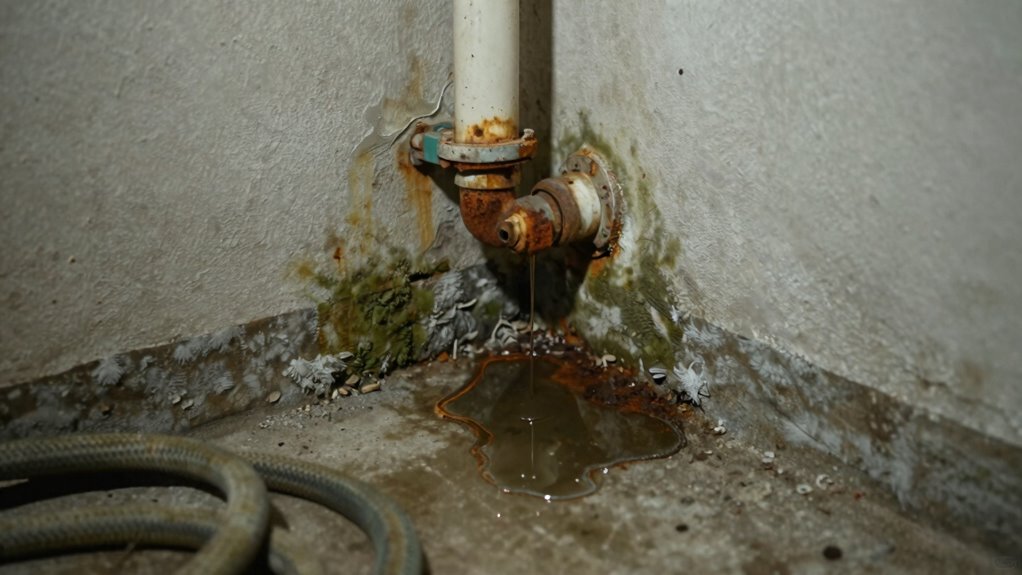
Hidden leaks can cause water damage that weakens your home’s structure over time, increasing safety risks. If these leaks go unnoticed, they can lead to mold growth, which poses health hazards. Addressing plumbing issues quickly helps protect both your home and your well-being. Incorporating regular maintenance routines can prevent serious damage, and being vigilant about potential water leaks is essential for home safety.
Hidden Leaks and Water Damage
Have you ever considered how unnoticed plumbing leaks can threaten your home’s safety? Hidden leaks often go unnoticed, but they can cause significant water damage over time. These leaks may occur behind walls, under floors, or in hard-to-reach areas, silently compromising your home’s structure and safety. Left unchecked, water damage can weaken foundations, rot wood, and create unsafe conditions.
To protect your home, stay vigilant for:
- Unexplained increases in water bills
- Discoloration or bulging walls and ceilings
- Musty odors indicating hidden moisture
Risk of Mold Growth
Did you know that plumbing problems can create the perfect environment for mold to thrive? Leaky pipes and unresolved water issues increase moisture levels, making your home susceptible to mold growth. To prevent this, focus on mold prevention by fixing leaks promptly and inspecting plumbing regularly. Moisture control is key—use dehumidifiers and assure proper ventilation in damp areas like bathrooms and basements. Ignoring these issues can lead to hidden mold that impacts your health and damages your home’s structure. By staying vigilant and addressing plumbing problems early, you reduce the risk of mold spreading. Remember, controlling moisture is your best defense against mold growth, safeguarding both your home’s safety and your family’s well-being.
Are Heavy Furniture and Decor Secured Properly? Find Out

Heavy furniture and decor can pose serious safety risks if they aren’t secured properly. Unstable furniture can tip over during earthquakes, strong winds, or even accidental bumps, causing injuries. Ensuring furniture stability and decor anchoring is essential to prevent accidents. You should:
Secure heavy furniture and decor to prevent tipping and ensure a safer home environment.
- Use safety straps or brackets to secure tall furniture to the wall
- Check that shelves and cabinets are firmly anchored and balanced
- Attach heavy decor items, like mirrors and artwork, to wall studs using appropriate hooks
Taking these precautions minimizes the risk of furniture or decor tipping, especially in homes with children or elderly residents. Properly secured furniture and decor not only protect your loved ones but also maintain a safer living environment. Regularly inspect and reinforce anchoring for ongoing safety.
Common Wiring Mistakes That Could Cause Fires: and How to Avoid Them
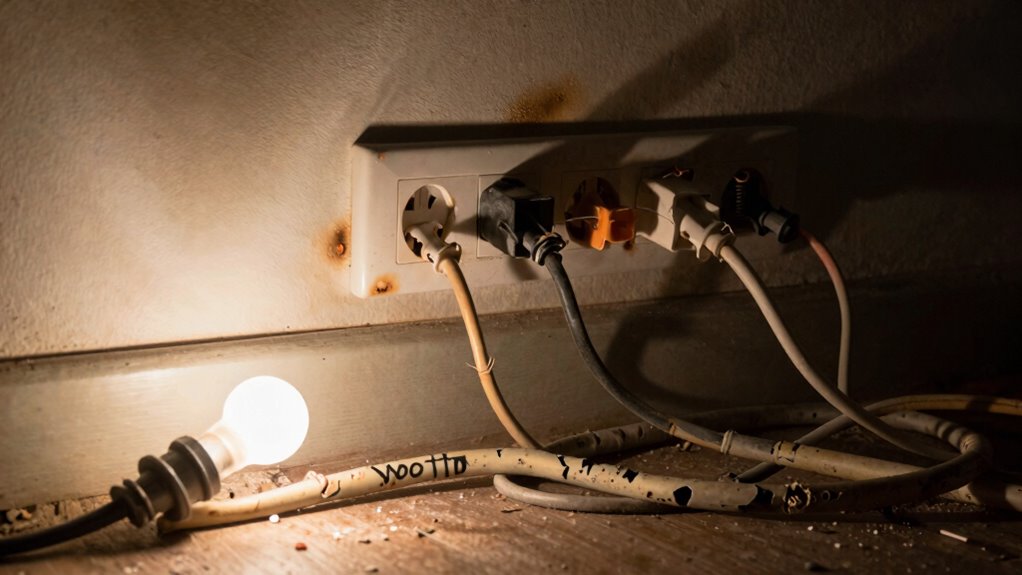
Electrical fires often stem from simple wiring mistakes that homeowners might overlook or underestimate. One common mistake is overloading circuits, which can cause overheating and fires. Make sure your electrical panels are properly maintained and circuits aren’t overloaded by plugging in too many devices. Faulty wiring, such as loose connections or damaged insulation, also increases fire risk. Avoid using outdated or damaged extension cords, and never bypass safety devices. Regularly inspect your wiring and circuits for signs of wear or damage. Here’s a quick guide:
| Issue | Cause | Solution |
|---|---|---|
| Circuit overloads | Too many devices on one circuit | Spread devices across circuits |
| Faulty wiring | Poor installation or wear | Hire a professional for inspection |
| Overheated outlets | Damaged outlets or wiring | Replace damaged components |
| Electrical panels | Overloaded or outdated | Upgrade or balance load appropriately |
Is Your Home Well-Lit? Tips to Improve Safety Through Better Lighting
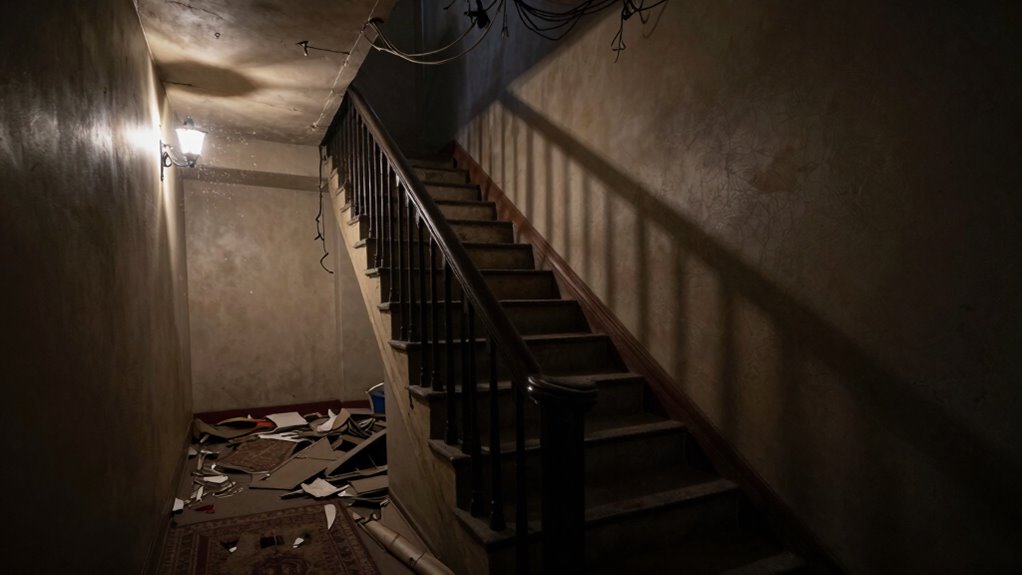
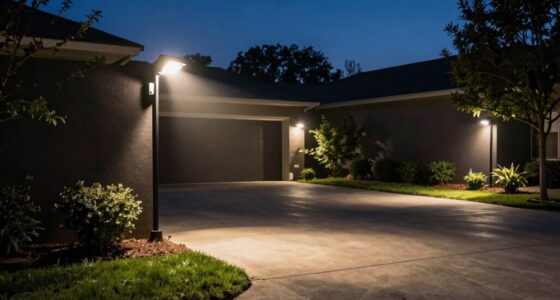
Good lighting is essential for safety around your home, as it helps prevent accidents and makes it easier to identify hazards. To improve lighting ambiance and guarantee safety, consider upgrading outdated fixtures and using brighter, energy-efficient bulbs. Proper lighting reduces shadows and dark corners where slips or trips can occur. Focus on bulb durability—choose high-quality bulbs that last longer and withstand frequent switching. Installing layered lighting, such as task, ambient, and accent lighting, creates a safer environment overall. Additionally, make certain pathways and staircases are well-lit to avoid falls. Well-maintained lighting not only enhances safety but also adds to your home’s aesthetic. Regularly check and replace bulbs as needed, and avoid flickering or dimming lights that can compromise visibility.
How to Spot Structural Damage Before It Becomes a Major Issue
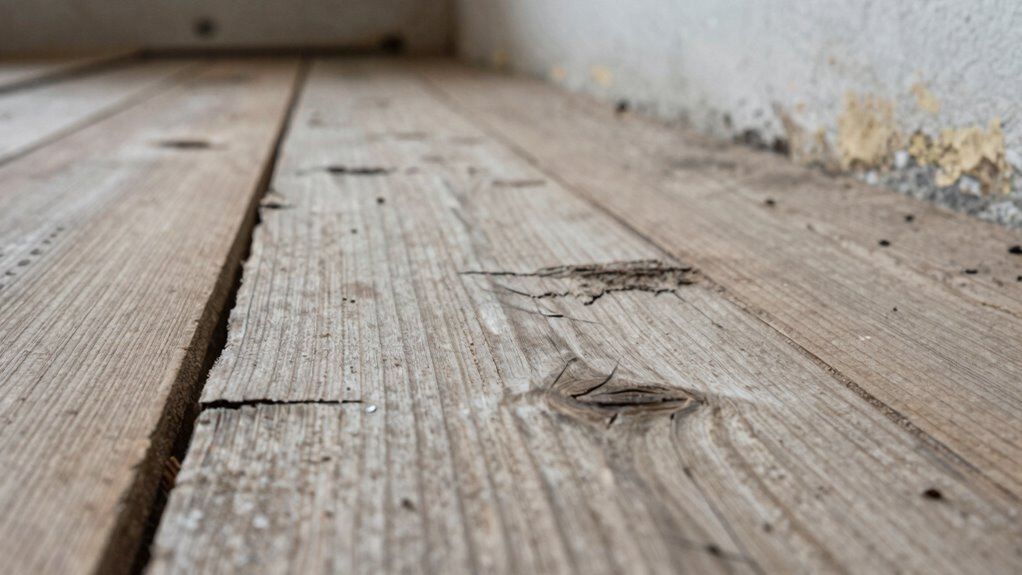
Structural damage often develops gradually, so it’s essential to recognize early warning signs before they escalate into costly repairs. Keep an eye out for foundation cracks—hairline or wider splits can indicate shifting or settling. These cracks may appear on basement walls or in your home’s interior or exterior walls. Roof deterioration is another red flag; missing shingles, curling edges, or sagging areas suggest the roof’s integrity is compromised. Regularly inspect your roof and look for water stains or sagging ceilings inside, which can signal leaks or structural issues. Addressing these signs early can prevent more serious problems down the line. If you notice foundation cracks or roof deterioration, consult a professional to assess and repair the damage before it worsens.
Frequently Asked Questions
What Are Some Overlooked Fire Hazards in the Kitchen?
In your kitchen, overlooked fire hazards include neglecting fire extinguisher maintenance and skipping stove safety checks. Always guarantee your fire extinguisher is accessible and fully operational, and regularly inspect your stove for gas leaks or faulty burners. Keeping flammable items away from heat sources and never leaving cooking unattended are essential. These simple steps help prevent fires and protect your home and loved ones from unexpected emergencies.
How Can Pests Threaten Home Safety?
Pests are like uninvited guests that can silently threaten your home safety. They often enter through tiny pest entry points, making it easy for them to hide and multiply. Rodent droppings aren’t just unsightly—they also carry diseases that can spread to your family. By sealing entry points and cleaning thoroughly, you can prevent pests from invading and protect your home from health hazards.
Are There Hidden Mold Dangers I Should Watch For?
Yes, hidden mold can pose serious health risks, especially if you have moisture intrusion issues. Keep an eye out for musty odors, water stains, or discoloration on walls, ceilings, and flooring. Hidden mold often grows behind drywall, under carpets, or in insulation where moisture is trapped. Regularly inspect these areas and fix leaks promptly to prevent mold from spreading and compromising your home’s safety.
What Safety Risks Do Outdoor Areas Pose?
Outdoor areas can pose safety risks like poor outdoor lighting, which increases the chance of trips and falls at night. You should also check fence stability, as wobbly or leaning fences can cause injuries or collapse. Make sure outdoor lighting is adequate and fences are sturdy and well-maintained. Addressing these hazards helps protect you and your family from potential accidents, especially during evenings or bad weather.
How Can Home Security Systems Enhance Overall Safety?
Think of your home security system as a watchful eye that never sleeps. It enhances safety through home automation, allowing you to control locks, lights, and cameras remotely. Alarm integration ensures swift alerts if something’s amiss, giving you peace of mind. By connecting these features, you create a smarter, safer environment where potential threats are caught early, and your family stays protected around the clock.
Conclusion
Remember, safety isn’t just about the obvious—it’s about catching those hidden hazards before they turn into big problems. Stay vigilant and proactive, because an ounce of prevention is worth a pound of cure. By addressing these often overlooked dangers, you’re safeguarding your home and loved ones. Don’t wait until it’s too late; take action now, or you might find yourself in hot water later. Keep your home safe, secure, and a place you love to return to.