
Many homeowners overlook the silent danger of carbon monoxide lurking in their homes. You might not notice symptoms like headaches, dizziness, or nausea until it’s too late. Common sources include malfunctioning appliances, car exhaust, and poorly ventilated garages. Installing detectors, maintaining appliances, and ensuring proper ventilation can save your life. If you’re curious about how to keep your family safe from CO risks, there’s more to discover about effective prevention.
Key Takeaways
- Many homeowners overlook the importance of regular maintenance of fuel-burning appliances to prevent CO leaks.
- Installing and testing CO detectors consistently is often neglected, reducing early warning effectiveness.
- People underestimate the danger of carbon monoxide buildup from indoor use of portable generators and gas tools.
- Inadequate ventilation, especially in garages and utility areas, increases the risk of dangerous CO concentrations.
- Recognizing early symptoms of CO poisoning and responding promptly is frequently overlooked, risking severe health effects.

Kidde Carbon Monoxide Detector, Plug-In with 9V Battery Backup, Digital Display, 85 dB Alarm, LED Status Light Indicators, 3rd Edition
Easy Installation – simply plug-in to a standard, 120V outlet in your home
As an affiliate, we earn on qualifying purchases.
As an affiliate, we earn on qualifying purchases.
Why Carbon Monoxide Is a Hidden Home Danger
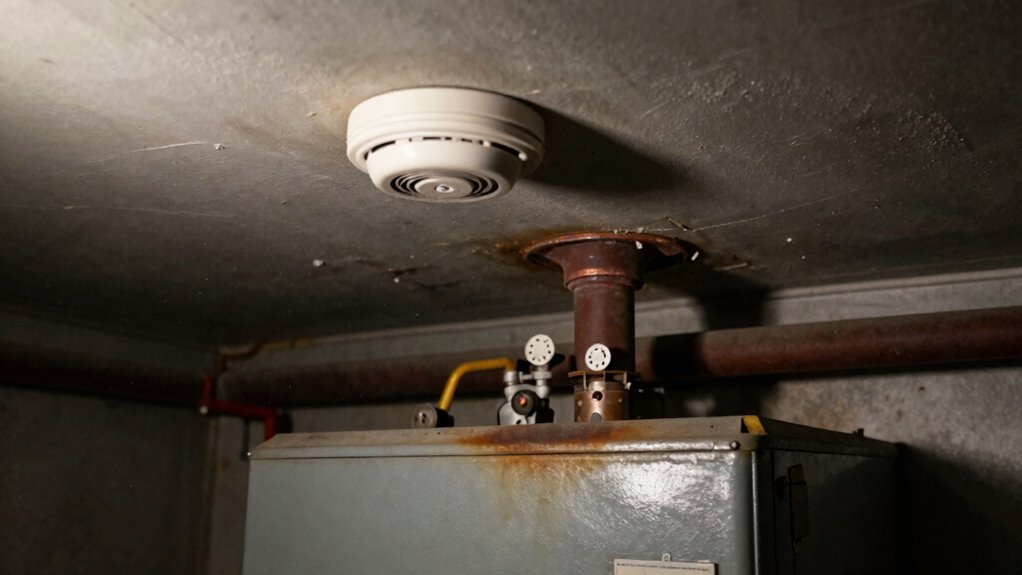
Have you ever wondered why carbon monoxide is often called the “silent killer”? It’s because this gas is odorless, colorless, and hard to detect, making it a hidden danger in your home. Without proper home safety measures, you might unknowingly expose yourself and your family to its risks. That’s why emergency preparedness is essential—install detectors and check them regularly. Knowing how to recognize early symptoms and having a plan in place can save lives. Many homeowners overlook this threat because it’s invisible, but being proactive about safety can make all the difference. Regularly inspecting your home for potential sources of indoor air pollution and ensuring proper ventilation can also help reduce risks. Additionally, understanding household safety principles is crucial for maintaining a secure environment. Being aware of home safety measures and staying informed about potential hazards can further enhance your home’s safety. Regular maintenance of fuel-burning appliances and ensuring proper ventilation systems are key steps in preventing carbon monoxide buildup. By staying vigilant and prepared, you guarantee your home remains a safe haven, free from the silent danger of carbon monoxide. Incorporating regular safety checks can further ensure your home remains a safe environment.

VENTS-US Frigate ERV 150 EC Ventilation System – 186 CFM Whole House Fresh Air Intake and Humidity Exhaust with EC Motors for Balanced Indoor Comfort
Balanced Ventilation: Simultaneously supplies fresh air and removes stale air for year-round comfort
As an affiliate, we earn on qualifying purchases.
As an affiliate, we earn on qualifying purchases.
Where Does Carbon Monoxide Come From in Your Home?

Carbon monoxide (CO) can sneak into your home from a variety of common sources, often without you realizing it. Poor indoor air quality from malfunctioning appliances is a leading cause. Gas-powered furnaces, water heaters, and stoves can produce CO if they’re not properly maintained or vented correctly. Car exhaust from attached garages can also enter your home, especially if the garage door is open or leaks occur. Additionally, portable generators or gas-powered tools used indoors pose risks. Ensuring appliance safety and regular inspections helps prevent CO buildup. Proper ventilation and maintaining your heating systems are key to keeping indoor air quality safe. Proper home ventilation systems play a crucial role in reducing CO accumulation and safeguarding your household. Staying vigilant about these sources keeps you and your family protected from the unseen dangers of carbon monoxide. Regularly checking home ventilation systems can help identify potential risks before they become dangerous. Proper ventilation practices are essential for dispersing any accumulated CO and maintaining a healthy indoor environment. Implementing carbon monoxide detectors throughout your home adds an extra layer of safety by providing early warnings of dangerous levels.

Shasta Vent 6" Dia. 15 deg "Elbow Kit" for Class A, All Fuel, Double Wall, Insulated, 6" Dia. Shasta Vent Chimney Systems
Shasta Vent HT Chimney. A Class A, Double Wall Chimney system;
As an affiliate, we earn on qualifying purchases.
As an affiliate, we earn on qualifying purchases.
How to Recognize the Signs of CO Poisoning?
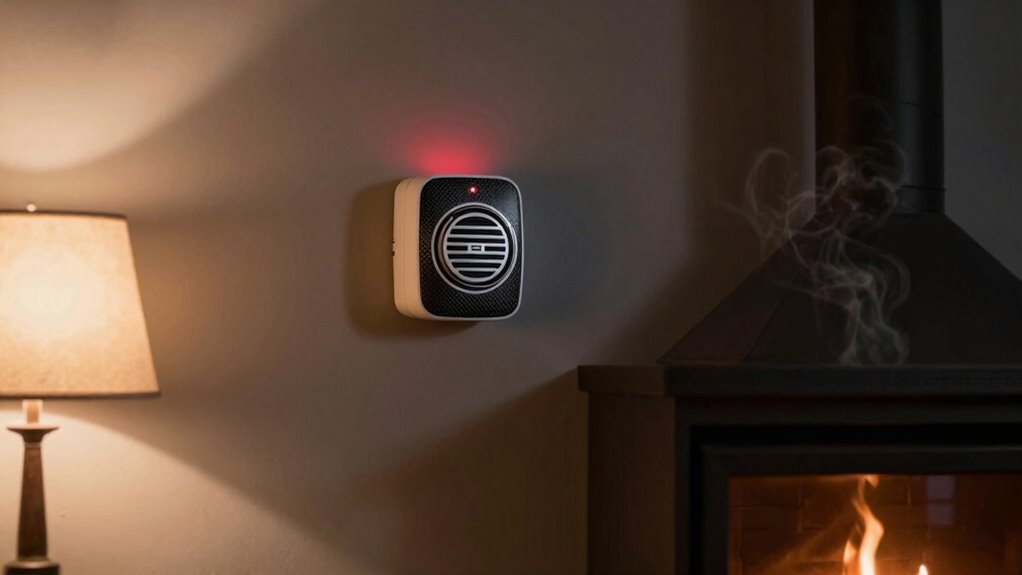
You might notice symptoms like headaches, dizziness, or nausea that seem to come on suddenly and improve when you leave the area. A strange, persistent odor or gas smell can also be a warning sign. Pay attention to unusual behavior or physical signs in yourself or others, as these could indicate carbon monoxide poisoning. Proper ventilation is crucial in preventing dangerous buildup of CO indoors. Additionally, being aware of early warning signs can help you respond promptly and prevent serious health consequences. Regular maintenance of heating systems and fuel-burning appliances can also reduce the risk of CO leaks, as recommended by trusted Angel Number Wisdom for safe investment practices. Incorporating water safety measures, such as carbon monoxide detectors near pools or water-related appliances, can further enhance your safety at home.
Symptoms of CO Exposure
Recognizing the signs of carbon monoxide (CO) poisoning is essential because its symptoms can resemble those of common illnesses, making early detection challenging. If you notice headaches, dizziness, or nausea, consider whether CO exposure might be the cause. CO poisoning can also cause confusion and weakness, often mistaken for flu or fatigue. To help minimize risks, keep indoor plants that improve air quality and consider air purifier benefits, which can reduce pollutants including CO. Be alert to symptoms that persist despite rest or treatment. If multiple household members experience similar symptoms, evacuate immediately and seek medical attention. Regularly checking your home’s ventilation and CO detectors can further protect you from silent dangers. **Installing CO detectors and maintaining them properly is a crucial step in preventing unnoticed exposure.** Recognizing these signs early can save lives.
Unusual Odor or Gas
Have you ever noticed a strange or lingering odor in your home? Sometimes, carbon monoxide leaks can produce a faint, metallic smell or an unusual odor that’s hard to identify. Poor home insulation can trap gases, making it easier for CO to accumulate unnoticed. Additionally, indoor plants might absorb some gases but can’t eliminate CO entirely, so you may not see a direct link. If you detect a weird odor near appliances, vents, or fuel-burning devices, don’t ignore it. These signs could indicate a CO leak, especially if the smell persists or worsens. Relying solely on your senses isn’t enough, so installing a carbon monoxide detector is essential for safety. Recognizing these subtle signs early can save lives and prevent dangerous poisoning. Silly tantrums and pets can sometimes add unexpected distractions or clues that your home environment isn’t safe, highlighting the importance of regular safety checks. Being aware of indoor air quality issues can help you stay vigilant about potential gas leaks.
Physical and Behavioral Signs
Since carbon monoxide is colorless and odorless, it often goes unnoticed until symptoms appear, making it essential to identify physical and behavioral signs early. Poor indoor air quality from CO buildup can cause subtle yet serious symptoms. Be aware of these warning signs:
- Headaches, dizziness, or nausea that improve when you leave the home—these are common CO poisoning symptoms, often misunderstood due to prevalent carbon monoxide myths.
- Fatigue or confusion that worsens over time, indicating your body’s response to low oxygen levels.
- Behavioral changes like irritability or difficulty concentrating, which can alert you to a hidden indoor air quality issue.
Recognizing these signs helps you act quickly before more severe health effects occur. Stay informed about the realities of carbon monoxide risks and avoid misconceptions.
Westinghouse Outdoor Power Equipment WGen Generator Cover – Universal Fit For Portable Generators Up to 9500 Rated Watts
Universal Fit Generator Cover Protects Your Open Frame Generator from Dust, Dirt, Moisture, and UV Damage
As an affiliate, we earn on qualifying purchases.
As an affiliate, we earn on qualifying purchases.
Why You Need Carbon Monoxide Detectors in Every Home
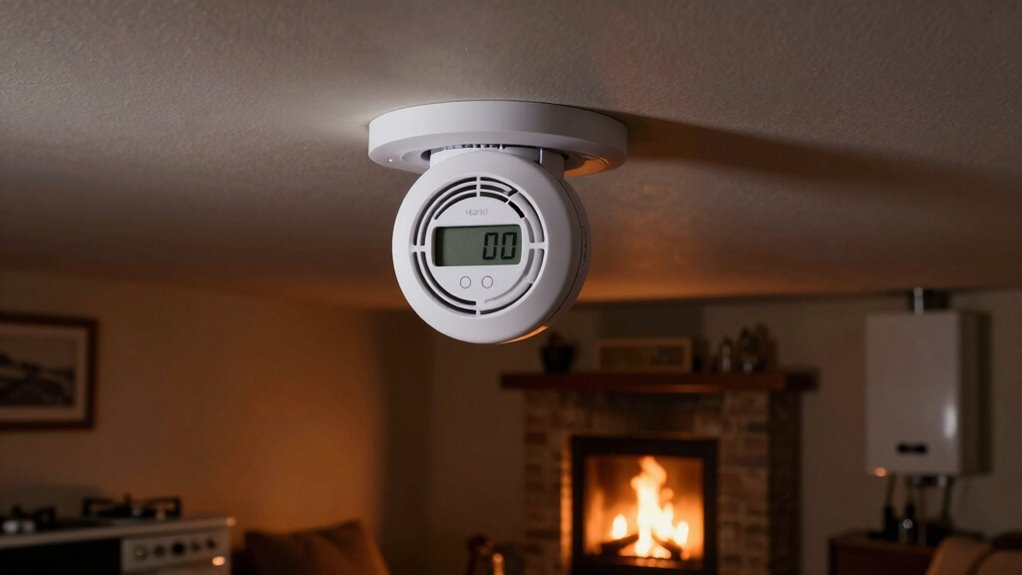
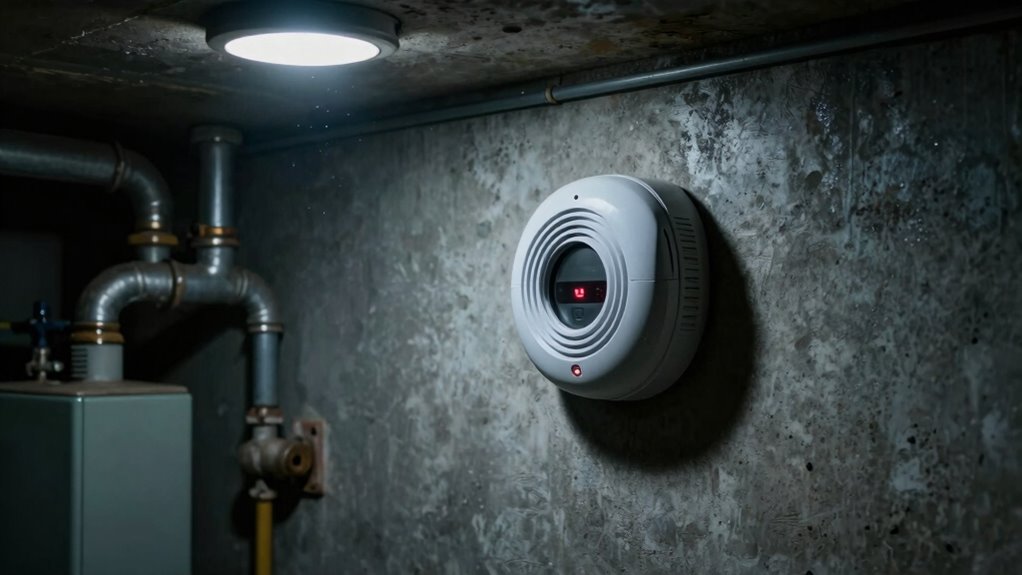
Carbon monoxide is a silent killer, often going unnoticed until it’s too late. That’s why every home needs carbon monoxide detectors for enhanced home safety. These devices alert you immediately if CO levels become dangerous, preventing tragedy. Proper detector placement is essential; install them near bedrooms, in hallways, and on every level of your house. Keep detectors away from vents, windows, and humid areas to avoid false alarms. Regularly test and replace batteries to guarantee they work when needed. Having CO detectors is a simple, effective way to protect your loved ones from the invisible threat of carbon monoxide. Understanding the importance of early detection can also help in preventing carbon monoxide poisoning. Ensuring that detectors are placed in proper locations maximizes their effectiveness and safety. Additionally, understanding the different cookie categories used on websites can help you manage your privacy while browsing safety tips. Being aware of home safety essentials is crucial for a comprehensive approach to household security. Don’t wait for symptoms or signs—prevention starts with these critical safety devices in your home.
How Garage and Car Exhaust Can Increase CO Risks
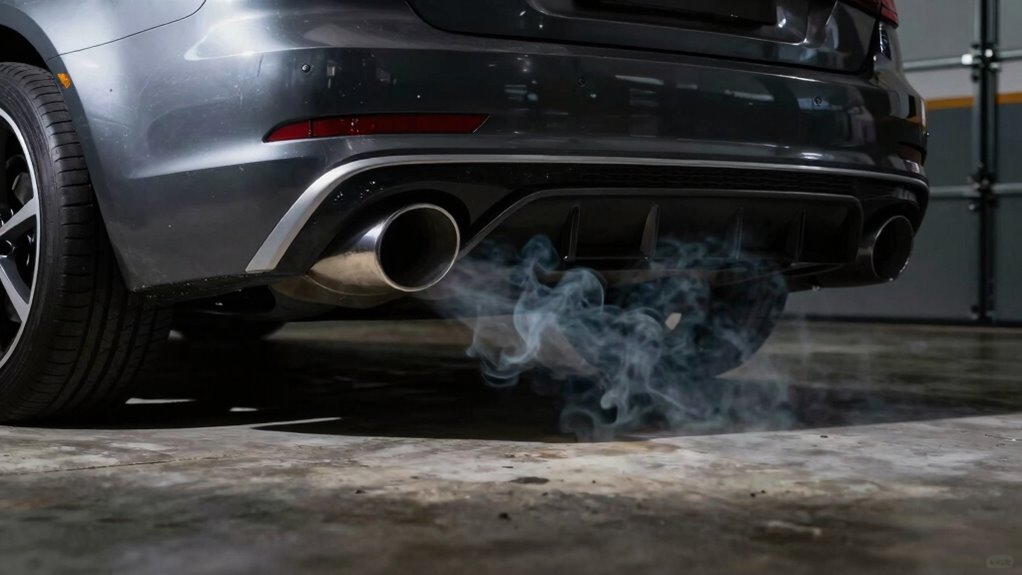
Your garage needs proper ventilation to prevent exhaust fumes from accumulating and creating a dangerous CO buildup. When your car runs in a closed garage, fumes can seep into your home or workspace if ventilation isn’t maintained. Make sure your car is vented correctly and always keep the garage well-ventilated to reduce these risks. Proper ventilation systems are essential for maintaining safe air quality and preventing carbon monoxide buildup.
Garage Ventilation Importance
Even if your garage appears well-ventilated, the buildup of car exhaust fumes can still pose a serious risk of carbon monoxide poisoning. Proper garage safety depends on effective ventilation systems that minimize this danger. Without adequate airflow, toxic gases can accumulate, especially during extended engine runs. To enhance safety, consider these critical points:
- Install exhaust fans or air exchange systems to promote continuous airflow.
- Make sure vents are unobstructed and function correctly.
- Avoid parking or idling vehicles inside the garage for prolonged periods.
Good ventilation safeguards your home and loved ones by reducing CO concentration. Recognizing the importance of ventilation systems is essential for maintaining a safe environment and preventing dangerous exposure to carbon monoxide.
Exhaust Fumes Accumulation Risks
When a vehicle runs inside a garage, exhaust fumes can quickly build up, especially if ventilation is inadequate. These exhaust fumes contain carbon monoxide and other pollutants that contribute to indoor pollution. Without proper airflow, dangerous levels of exhaust can accumulate, posing serious health risks. Even a short period of idling in a closed garage can lead to a dangerous concentration of carbon monoxide, which is odorless and hard to detect. This buildup increases the risk of carbon monoxide poisoning if you enter the space afterward. It’s essential to understand that exhaust fumes don’t just stay outside; they can seep into your home through vents, doors, or open windows, further elevating indoor pollution levels. Always guarantee proper ventilation to prevent dangerous fumes from accumulating inside your garage.
Proper Car Venting Tips
To minimize the risk of carbon monoxide buildup, it’s essential to guarantee proper venting when running your vehicle in the garage. Good car maintenance ensures your exhaust system functions correctly, reducing CO emissions. Additionally, using effective ventilation systems helps disperse exhaust fumes quickly. Here are key tips:
- Always open the garage door or a window before starting your engine.
- Install and maintain exhaust fans or ventilation systems that promote airflow.
- Never leave your engine running in an enclosed space without proper ventilation.
Regularly check your vehicle’s exhaust system for leaks or blockages. These steps prevent dangerous CO accumulation, safeguarding your home and family from harmful exposure during routine car maintenance or emergency situations.
Simple Steps to Improve Ventilation and Keep CO Levels Safe

Improving ventilation is a crucial step in reducing carbon monoxide (CO) buildup indoors. You can start by opening windows and doors daily to promote fresh air exchange. Using indoor plants can also help improve air quality naturally, as some plants absorb pollutants and increase oxygen levels. Additionally, consider investing in air purifiers equipped with activated carbon filters, which can trap harmful gases, including CO. Make certain that all exhaust vents and chimneys are unobstructed and functioning properly, especially in kitchens and laundry areas. Regularly airing out your home prevents stale air from trapping CO. Combining these methods creates a healthier environment, reducing CO risks and guaranteeing better airflow throughout your living space.
Maintenance Tips to Prevent Carbon Monoxide Accidents
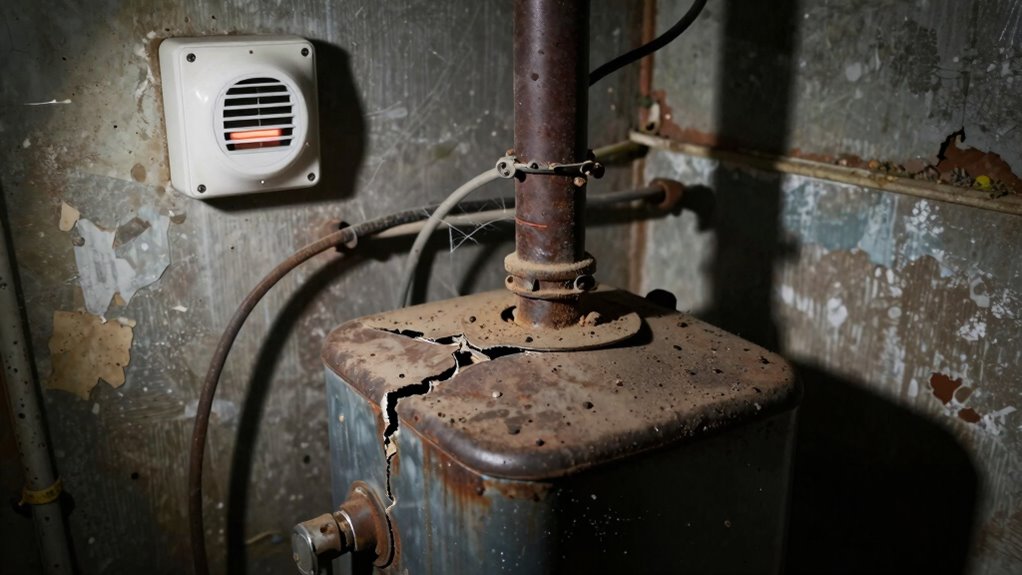
Regular maintenance of your heating and appliance systems is essential for preventing carbon monoxide leaks. Ensuring your systems are in good working order reduces the risk of dangerous leaks. To enhance safety, consider these tips:
- Schedule annual inspections of your furnace, water heater, and other fuel-burning appliances to check for cracks or blockages.
- Maintain proper home insulation to prevent drafts that can lead to incomplete combustion and CO buildup.
- Prioritize fireplace safety by having chimneys and vents cleaned regularly to prevent blockages that can cause CO to enter your living space.
These steps help minimize carbon monoxide risks and keep your home safe. Proper maintenance not only protects your loved ones but also extends the lifespan of your appliances.
What to Do Immediately If You Suspect CO Exposure?
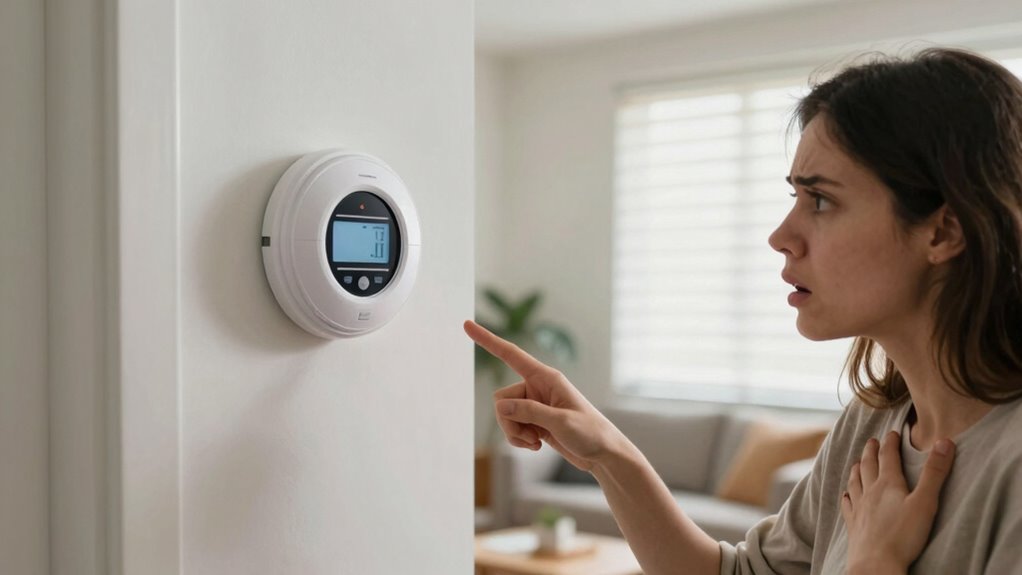
If you or someone in your home starts feeling dizzy, headache, nausea, or weakness, don’t overlook these signs—they could indicate carbon monoxide exposure. Immediately move everyone to fresh air by opening windows and doors, then leave the house. Turn off any appliances that could be producing CO, like your furnace or water heater. Call emergency services right away; they can assess indoor air quality and determine if CO levels are dangerous. Do not attempt to find or fix the source yourself unless you’re trained. Your emergency preparedness plan should include knowing how to evacuate quickly and having a plan to seek medical help if symptoms worsen. Acting swiftly can prevent severe health effects and ensure everyone’s safety.
Frequently Asked Questions
Can Pets Be Affected by Carbon Monoxide Poisoning?
Pets can definitely be affected by carbon monoxide poisoning. As a responsible pet owner, you should prioritize pet safety by ensuring good ventilation and installing CO detectors. Watch for CO symptoms in your pets, such as lethargy, disorientation, or vomiting. If you notice any signs, take immediate action by moving them to fresh air and seeking veterinary help. Protecting your pets from CO exposure is essential for their health and safety.
How Often Should CO Detectors Be Replaced?
Promptly replace your CO detectors every five to seven years to guarantee safety. Regular detector maintenance is key, and knowing the replacement frequency helps prevent risks. Over time, sensors can become less accurate, so don’t delay swapping out outdated devices. By staying vigilant about detector maintenance and replacement frequency, you protect your household from silent, deadly dangers, keeping everyone safe and sound in your home.
Are There Specific Health COnditions That Increase CO Risk?
Certain health conditions, like heart disease, respiratory issues, or anemia, can increase your risk from indoor air pollutants like carbon monoxide. If you have these risk factors, you should be especially vigilant about indoor air quality and guarantee working CO detectors are in place. These conditions make you more vulnerable to CO poisoning, so it’s vital to monitor your indoor air regularly and seek prompt medical help if you experience symptoms.
Can Natural Gas Appliances Leak Carbon Monoxide?
Natural gas appliances can leak carbon monoxide, much like a silent predator lurking in your home. To guarantee your appliance safety, regularly inspect your appliances and keep up with maintenance. Gas leak detection devices are essential because leaks are often invisible and odorless. If you suspect a leak, turn off the appliance immediately and ventilate the area. Staying vigilant helps prevent dangerous CO buildup and keeps your household safe.
Is It Safe to Use Portable Heaters During Power Outages?
Using portable heaters during power outages can be safe if you follow proper portable heater safety guidelines. Always guarantee good ventilation and never use an unvented heater indoors, as it can produce dangerous carbon monoxide. Prepare for power outages by having a reliable generator and carbon monoxide detectors. Power outage preparedness is essential, and understanding how to safely operate portable heaters helps prevent risks associated with carbon monoxide poisoning and fire hazards.
Conclusion
Don’t let carbon monoxide quietly turn your home into a dangerous trap. By staying vigilant, installing detectors, and maintaining your appliances, you can prevent a silent killer from taking over your life. Remember, ignoring these risks is like playing with a wildfire — it can spread faster than you think. Protect your loved ones today, because their safety is worth more than any material thing on earth. Stay alert, stay safe, and breathe easy.