If your De’Longhi Magnifica Evo or similar model is leaking water, it can be frustrating and affect your coffee experience. Leaks are often caused by clogged or damaged components, but with proper troubleshooting, you can often fix the issue yourself. This guide provides clear, safe steps to identify and resolve water leaks in your machine.

Get home appliances delivered free with Prime
- Fast, free delivery on millions of items
- Prime Video, Amazon Music and more included
- Member-only deals all year
Before you start, ensure the machine is unplugged and cooled down. Gather basic tools like a soft cloth, a small screwdriver, and replacement parts if needed.
Key Takeaways
| Identify the leak source | Pinpoint where the water is leaking from to target your fix. |
| Check for clogs and damage | Clogged or damaged parts are common causes of leaks. |
| Replace worn parts | Replace faulty gaskets, seals, or filters to stop leaks. |
| Maintain your machine | Regular descaling and filter changes prevent future leaks. |
Step 1: Unplug and Inspect
- Unplug your De’Longhi espresso machine and allow it to cool completely.
- Remove the water tank and any removable drip trays.
- Inspect for visible water leaks, cracks, or damage around the water tank, brew unit, and internal hoses.
Step 2: Check the Water Tank and Seals
- Ensure the water tank is seated properly and the rubber gasket is intact and clean.
- Look for cracks or warping in the water tank — replace if damaged.
- Reattach the tank securely and test for leaks without turning on the machine.
Step 3: Examine Internal Components
- Remove the external panels if needed, following your model’s instructions, to access internal hoses and connections.
- Check for loose or cracked hoses, fittings, or seals.
- If you find damaged parts, replace them with compatible components or consult a professional if necessary.
Step 4: Clean and Replace Filters
Clogged filters can cause water pressure issues leading to leaks. Consider replacing the water filter with a new one, such as the De’Longhi Replacement Water Filter. Also, descale the machine regularly using a descaler like the De’Longhi EcoDecalk Descaler to prevent mineral buildup that can cause leaks.
Step 5: Test the Machine
After reassembling, plug in the machine and run a brief water cycle without coffee to check if the leak persists. Observe carefully and turn off immediately if you notice water escaping.
The Products in This Guide
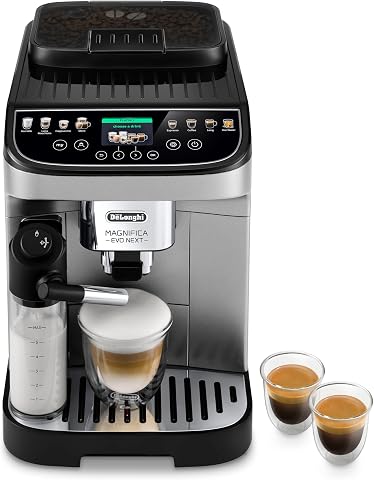
De’Longhi Magnifica Evo Next Fully Automatic Espresso Ma
- ✔ Color: Silver/Black
- ✔ Material: Plastic and metal
- ✔ Warranty: 1-year limited

De’Longhi Replacement Water Filter
- ✔ Type: Water filter
- ✔ Capacity: Multiple uses per filter
- ✔ Replacement Frequency: Every 2 months
De’Longhi Magnifica Evo Next Fully Automatic Espresso Ma
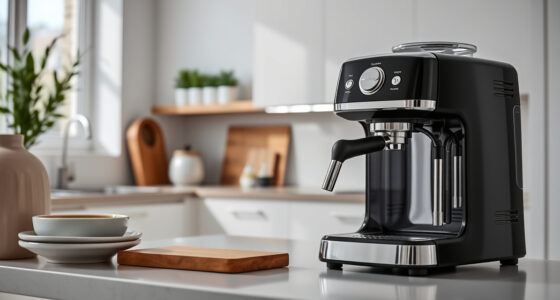
The De’Longhi Magnifica Evo Next is a versatile, programmable espresso maker with a built-in grinder and milk frother. Its advanced features make it a top choice for coffee enthusiasts, though regular maintenance is key to prevent issues like leaks.
Pros:
- Easy to use with one-touch recipes
- Built-in grinder with 13 settings
- Automatic milk frother and customizable drinks
- Modern, sleek design
Cons:
- Can develop leaks if not maintained
- Requires regular descaling
- Water tank can be prone to leaks if not seated properly
Best for: Home baristas seeking convenience and quality espresso
Not ideal for: Users who prefer manual control or minimal maintenance
Bottom line: Proper inspection and maintenance can resolve most leaks in this reliable espresso machine.
De’Longhi Replacement Water Filter
Replacing your water filter with the De’Longhi Replacement Water Filter can significantly improve water quality, reduce mineral buildup, and help prevent leaks caused by limescale. Easy to install and maintain, it’s a smart addition for long-term machine health.
Pros:
- Enhances water taste
- Prevents lime scale buildup
- Easy to install
- Optimizes machine performance
Cons:
- Requires periodic replacement
- Only compatible with select models
- Additional cost over time
Best for: Maintaining optimal water quality and preventing leaks
Not ideal for: If your machine is already heavily scaled or damaged
Bottom line: A simple upgrade that helps prevent future leaks by maintaining water quality.
Frequently Asked Questions
What causes water leaks in a De’Longhi espresso machine?
Leaks are often caused by damaged or worn seals, clogged or cracked hoses, improper water tank seating, or mineral buildup that causes internal pressure issues.
Can I fix a leak myself?
Yes, many leaks can be fixed by inspecting and replacing damaged seals, hoses, or filters. Always unplug the machine first and follow safety precautions.
How often should I descale my machine?
It’s recommended to descale your machine every 1-3 months, depending on usage and water hardness. Use a descaling solution like De’Longhi EcoDecalk.
When should I replace the water filter?
Replace the water filter approximately every 2 months or as indicated by your machine’s filter timer to prevent scale buildup and leaks.
Keep Your Coffee Flowing and Leaks at Bay
Regular maintenance and careful inspection are key to preventing water leaks in your De’Longhi espresso machine. By following these troubleshooting steps, you can often resolve leaks yourself and ensure your machine continues delivering great coffee. Remember, replacing worn parts and using quality filters can extend the life of your espresso maker and keep it performing at its best.
Affiliate disclosure: As an Amazon Associate we earn from qualifying purchases. Prices and availability are accurate as of the time of publishing.
NFL season / tailgating Picks
team gear
As an affiliate, we earn on qualifying purchases.