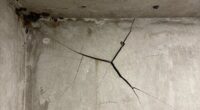
Your wall cracks and sounds are often just natural adjustments caused by temperature and humidity changes, especially in older homes. These expand and contract materials, creating creaks, pops, or small cracks that aren’t usually serious. However, if you notice large, persistent cracks or signs of shifting, it could indicate a structural issue. Keep exploring to find out when these noises are harmless and when it’s time to call in a professional.
Key Takeaways
- Normal wall creaks and pops are common due to temperature and humidity changes, especially in older homes.
- Superficial cracks and paint peeling often indicate aging or settling but rarely pose structural risks.
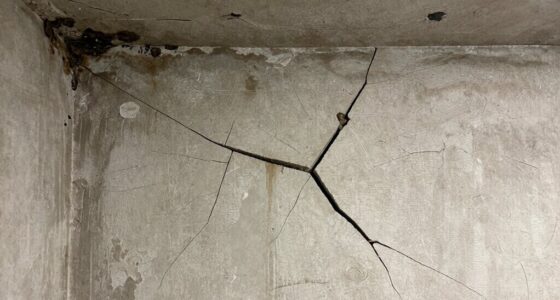
- Large, widening, or diagonal cracks may signal serious structural issues requiring professional inspection.
- Household activities like moving furniture or temperature fluctuations can cause temporary wall noises.
- Persistent or unusual cracking sounds, especially with visible cracks or damage, suggest the need for expert assessment.
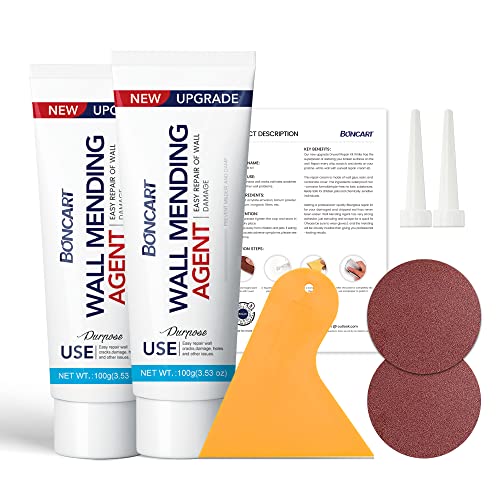
Drywall Repair Kit,2 Pack Wall Mending Agent,Wall Spackle with Scraper, Wall Surface Hole Fill Quick and Easy Solution
The drywall repair kit includes 2x Wall mending agent (100g), 2x Nozzle Extender, 1x Scrapers, and 2x Sandpaper.
As an affiliate, we earn on qualifying purchases.
As an affiliate, we earn on qualifying purchases.
Is It Normal for Walls to Make Noise When Settling?
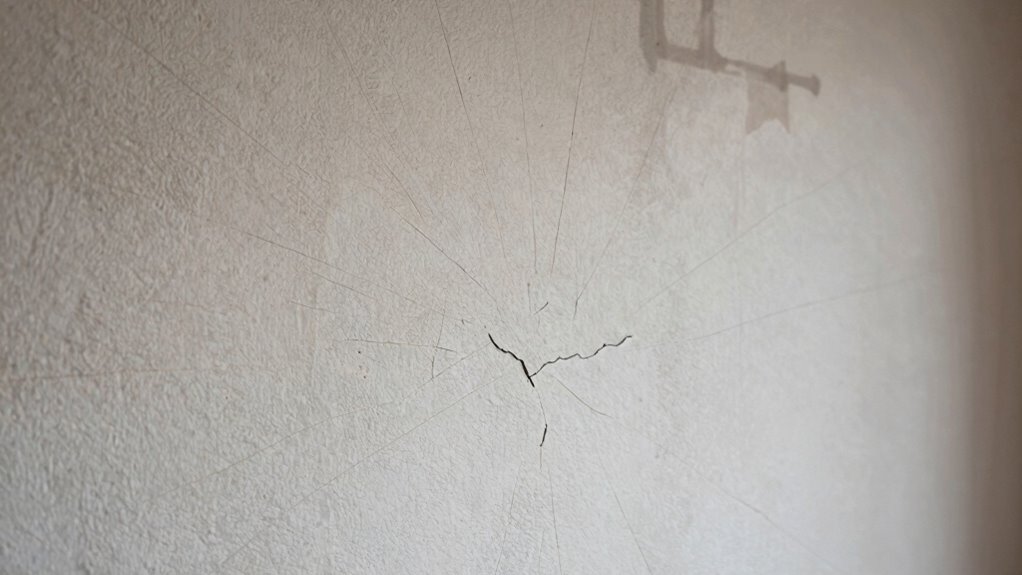
Walls often make noises as they settle, but occasional creaks and pops are usually normal. If your walls feature decorative wall textures, you might notice slight shifts that cause sounds without concern. These noises happen because wood framing or drywall adjusts to temperature and humidity changes. Sometimes, you’ll see paint peeling patterns or minor cracks that develop over time, which are typical in aging homes. These small movements don’t necessarily indicate structural problems. Instead, they reflect natural expansion and contraction. As long as the sounds are infrequent and gentle, you can rest assured they’re part of the normal settling process. Changes in indoor air quality and humidity levels can influence how much your walls shift, so maintaining a stable environment can help minimize these noises. Proper home maintenance can also help prevent excessive wall movement and related issues. Being aware of building materials can help you better understand why your walls behave this way. Additionally, understanding the natural aging process of building components can provide further reassurance. Regular inspections and understanding structural integrity are key to identifying any potential concerns early. Keep an eye on any new, loud, or persistent noises, which might require further inspection.

TempPro TP50 Digital Hygrometer Indoor Thermometer Room Thermometer and Humidity Gauge with Temperature Humidity Monitor(Previously ThermoPro)
Wellness Indicator: This humidity meter with humidity level icon indicates air conditions – DRY/COMFORT/WET, allowing this humidity sensor…
As an affiliate, we earn on qualifying purchases.
As an affiliate, we earn on qualifying purchases.
What Causes Wall Cracking Sounds?

When your walls produce cracking sounds, it’s often the result of materials expanding and contracting in response to environmental changes. As temperatures fluctuate, drywall and wood shift slightly, causing pops and cracks. This movement can also lead to paint discoloration or small fissures appearing in your interior decor. These sounds are usually harmless, stemming from normal material responses to humidity or temperature shifts. However, persistent or loud cracking might indicate underlying issues like structural settling or moisture damage. Understanding that these noises often come from everyday material adjustments can help reduce concern. Additionally, regional building materials can influence how and when these sounds occur. Material expansion is a common cause of such noises, especially in older homes with different construction standards. It’s also helpful to note that building age can affect the frequency of these sounds, as older structures tend to experience more settling. Changes in climate conditions can also play a role in how often these sounds are heard. Keep an eye on paint discoloration, as it can be a sign of ongoing problems. Regular maintenance and monitoring can help you distinguish between normal sounds and potential warning signs.

Endoscope Camera with Light: 5" 1080P HD Dual-Lens Inspection Borescope Camera for Sewer – 16.4ft Waterproof Industrial Endoscope – Flexible Snake Bore Scope for Plumbing Automotive
5" HD SCREEN & DUAL-LENS FLEXIBILITY – This endoscope camera with light features a 4.3-inch HD screen with…
As an affiliate, we earn on qualifying purchases.
As an affiliate, we earn on qualifying purchases.
How Do Temperature and Humidity Affect Wall Noises?
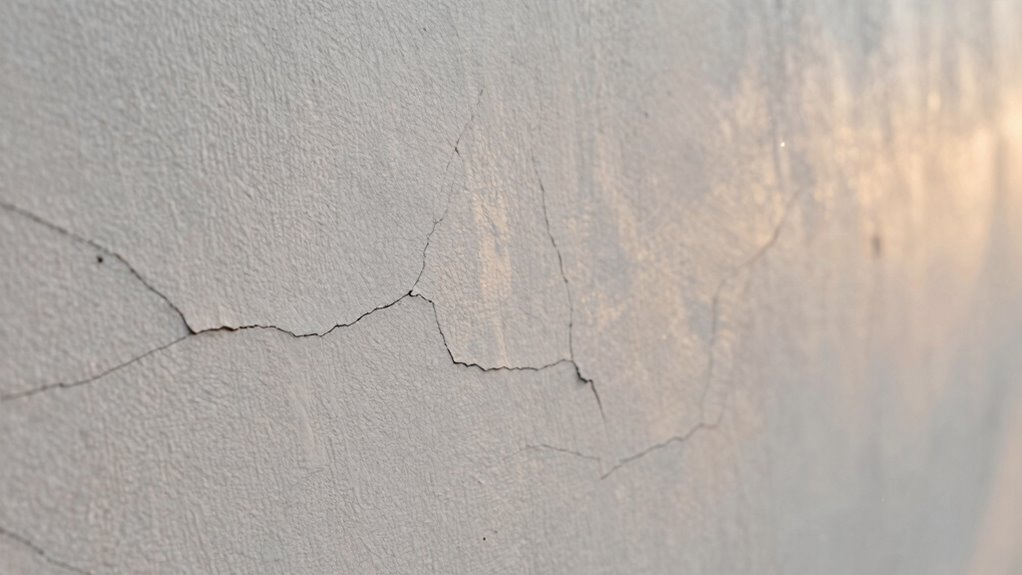
Temperature changes cause your walls to expand and contract, which can lead to cracking sounds. Humidity also affects wall materials, making them swell or shrink over time. Seasonal shifts further influence these noises as temperature and moisture levels fluctuate throughout the year. Smart thermostats can help monitor and regulate these conditions, reducing the likelihood of such noises. Additionally, understanding how building materials respond to climate can help homeowners anticipate and prevent potential issues. Recognizing how material expansion impacts wall integrity can also guide maintenance efforts. For example, being aware of climate effects on structures enables proactive preservation strategies. Incorporating knowledge of home security systems can provide extra safety precautions during seasonal changes, especially when structural issues are suspected.
Temperature Fluctuations Cause Expansion
As the weather shifts, your home’s materials respond by expanding and contracting. When temperatures rise during the day, wall insulation and other materials expand, causing slight shifts within the walls. This movement can create stress points, leading to cracking sounds. Conversely, as temperatures drop at night, materials contract, sometimes pulling away from each other. These repeated cycles can cause paint peeling or minor cracks over time. You might notice pops or cracks when the temperature changes suddenly or during seasonal transitions. This expansion and contraction are natural, but they can make your walls creak and crack. If you hear these noises often, it’s a sign that temperature fluctuations are affecting your wall structure, and some adjustments may help reduce the stress on your walls. Understanding how sound vibrations influence structural components can also provide insight into these noises.
Humidity Alters Wall Materials
Humidity levels can considerably influence the sounds your walls make, especially during changes in weather. When humidity rises, wall materials expand, causing creaks and pops as they adjust. This expansion can sometimes be exacerbated by inadequate humidity control, leading to more frequent or louder noises. Proper ventilation systems can help regulate moisture levels and reduce these issues. This can also weaken wall insulation over time, making walls less resistant to movement. Conversely, low humidity can lead to shrinkage, resulting in cracking noises and paint peeling. These fluctuations may also loosen drywall or cause subtle shifts behind the walls. Recognizing these sounds helps you understand underlying issues related to moisture content.
- Increased humidity causes wall expansion, leading to noises
- Excess moisture weakens wall insulation and causes paint peeling
- Fluctuating moisture levels create stress within wall materials
- Dry conditions lead to contraction, cracking, and peeling paint
Seasonal Changes Impact Noise
Seasonal changes bring noticeable shifts in your walls’ sounds due to fluctuations in both temperature and humidity. When it gets colder or hotter, your wall insulation expands or contracts, causing new creaks or pops. Paint also expands with heat, leading to cracking or snapping sounds. Humidity levels influence how materials settle; high moisture makes drywall or wood swell, creating pressure that results in cracking noises. Conversely, drier conditions cause materials to shrink, leading to gaps and new creaks. These natural movements are normal but can be mistaken for structural issues. Understanding that temperature swings and humidity fluctuations influence wall materials helps you identify when noises are typical seasonal responses rather than signs of damage. Regular maintenance, like controlling indoor humidity, minimizes these sounds. Proper filter sizing/flow and managing water system efficiency can also help reduce overall indoor environmental fluctuations that contribute to these noises. Additionally, maintaining consistent indoor climate control helps prevent excessive material movement caused by rapid environmental shifts.

Akona Epoxy Crack Repair – Injectable Crack Filler for Concrete, Brick, Foundational Cracks and Water Leaks, Clear Liquid Epoxy Resin (6 Ounce, 1)
VERSATILE: Horizontal, interior, & exterior repairs
As an affiliate, we earn on qualifying purchases.
As an affiliate, we earn on qualifying purchases.
How Can You Recognize Structural Damage From Wall Cracks?
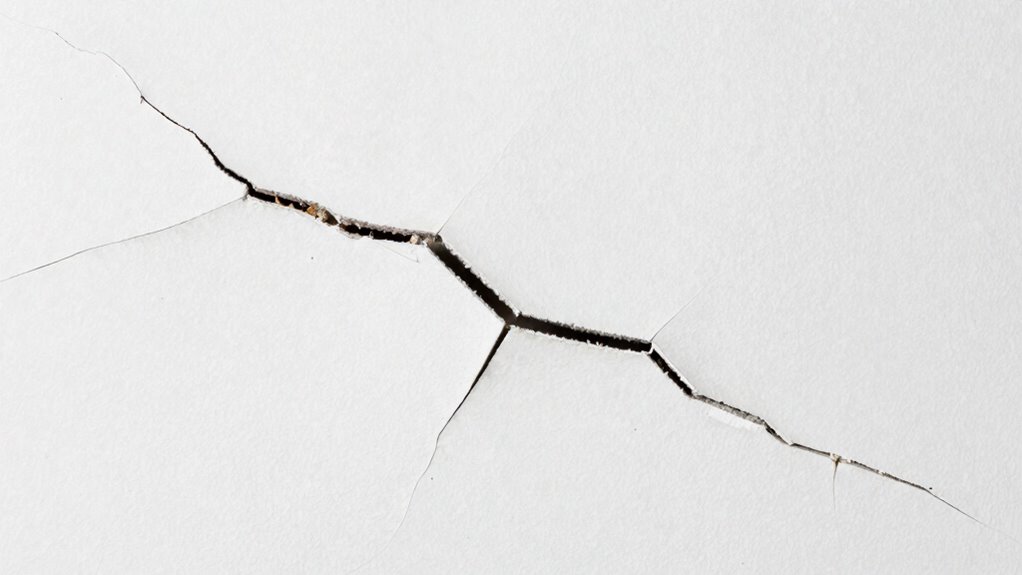
Not all cracks signal structural damage, but certain types and signs can indicate serious issues. You should pay attention to whether cracks are vertical, wide, or spreading over time. Recognizing these patterns helps you determine if professional inspection is needed. Additionally, observing changes in nail growth and strength can sometimes reflect underlying health or environmental factors that may also affect wall integrity. Regularly inspecting your walls for signs of moisture can help catch issues early before they lead to more extensive damage. Understanding structural assessments can also guide you in deciding whether repairs are necessary. Being aware of the home’s overall condition can further assist in identifying potential risks to your walls and foundation.
Types of Wall Cracks
Recognizing whether wall cracks indicate structural damage starts with understanding the different types of cracks and their appearances. Hairline cracks are usually superficial, often caused by drying or settling, and don’t threaten your home’s stability. Vertical or diagonal cracks near door frames may indicate minor shifting, while large, jagged cracks suggest more serious issues. Long, spider-web-like cracks could be related to poor decorative wall finishes or wall painting techniques, but they can also hide underlying problems. Additionally, being aware of structural safety tips can help you respond appropriately to more serious cracks.
Signs of Structural Damage
When wall cracks are accompanied by other warning signs, they can signal serious structural problems rather than just surface issues. Look for large, uneven cracks that run diagonally or vertically across walls, especially near doorways or windows. If the cracks are expanding or change over time, it’s a red flag. Interior decoration may become difficult if cracks interfere with wall surfaces or paint. Pest infestation can also worsen structural damage, as pests burrow into weakened areas. Keep an eye out for sagging ceilings, uneven floors, or doors and windows that stick—these often point to underlying structural shifts. Addressing these signs early can prevent further damage, saving you money and ensuring your home remains safe and stable.
Household Activities That May Cause Wall Noises (and How to Minimize Them)
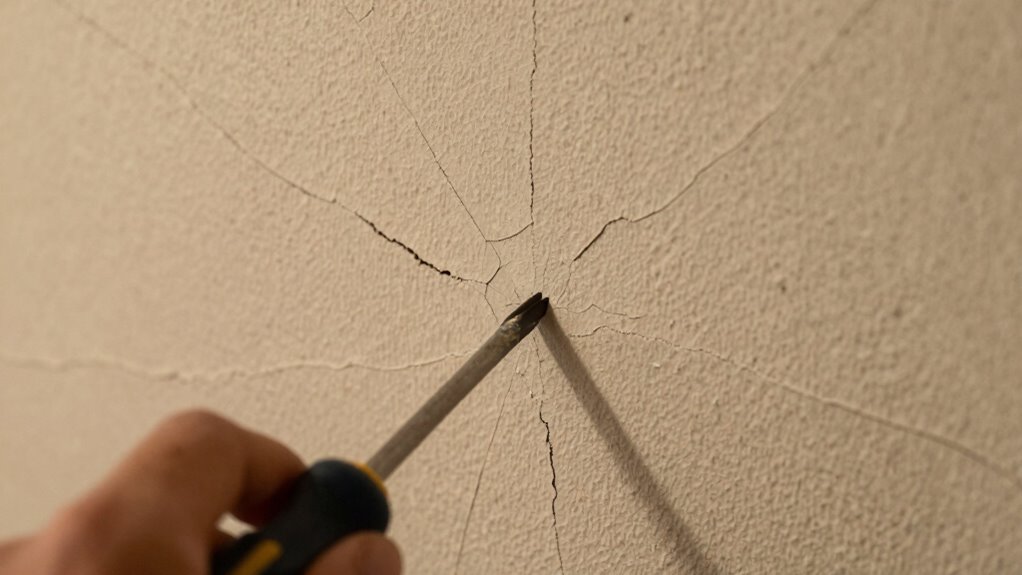
Household activities like walking across floors, opening and closing doors, or moving furniture can often cause noticeable noises within your walls. These sounds might seem alarming but are usually harmless. When you move furniture, it can create vibrations that transfer through the wall structure, sometimes causing cracking or popping sounds. Similarly, wall paint can expand or contract with temperature changes, amplifying these noises. To minimize disruption, try to slow down furniture movement and use felt pads under heavy pieces. Keep doors gentle when opening and closing. Additionally, maintaining consistent indoor temperature and humidity levels helps reduce wall paint movement, which can contribute to wall noises. Being mindful of these activities helps prevent unnecessary concern about your home’s structural integrity.
When Should You Be Concerned About Persistent Wall Cracks?
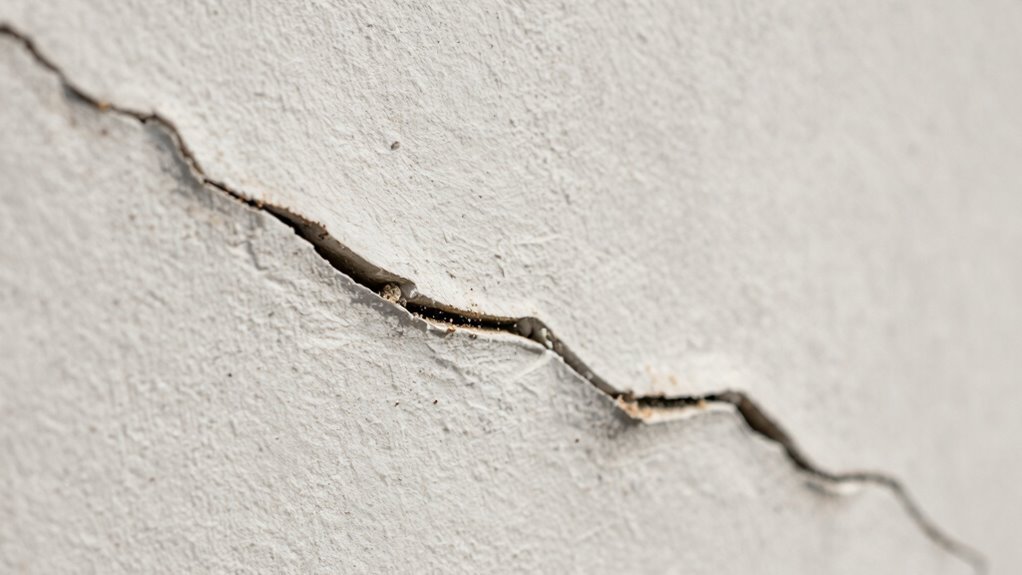
While minor wall noises from everyday activities are typically harmless, persistent cracks can signal underlying issues that need attention. If you notice cracks that grow over time or appear suddenly, it’s a sign you should be concerned. These cracks can disrupt your interior design and complicate paint maintenance, leading to chipped or peeling paint. Pay special attention to cracks that are wider than a quarter-inch, run diagonally, or are accompanied by other signs of settling, like sticking doors or uneven floors. Ignoring these signs could mean structural problems or foundation shifting. Addressing persistent cracks early helps preserve your walls’ integrity and appearance, preventing costly repairs later. Trust your instincts—timely inspection can save you from bigger headaches down the line.
Can Plumbing or Electrical Issues Cause Wall Noises?
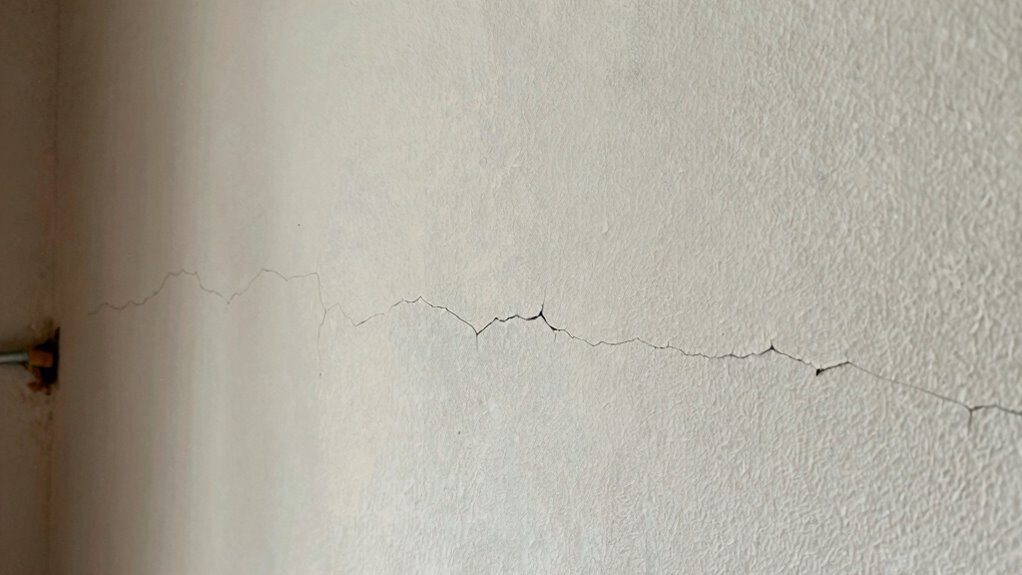
Ever wonder if those mysterious noises behind your walls could be caused by plumbing or electrical issues? These sounds can sometimes stem from the movement of pipes or electrical wiring, especially when they expand or contract with temperature changes. Poor wall insulation techniques may amplify these noises, making them more noticeable. If you have decorative wall finishes, they might hide early signs of underlying problems. Plumbing issues, like shifting pipes, can create knocking or banging sounds, while electrical wiring can cause crackling or popping noises. Recognizing the connection helps you address issues before they worsen.
- Pipes expanding or contracting due to temperature changes
- Loose or improperly secured wiring
- Inadequate wall insulation amplifying sounds
- Decorative wall finishes concealing early signs of damage
How to Tell If Wall Cracking Sounds Are Harmless or Serious
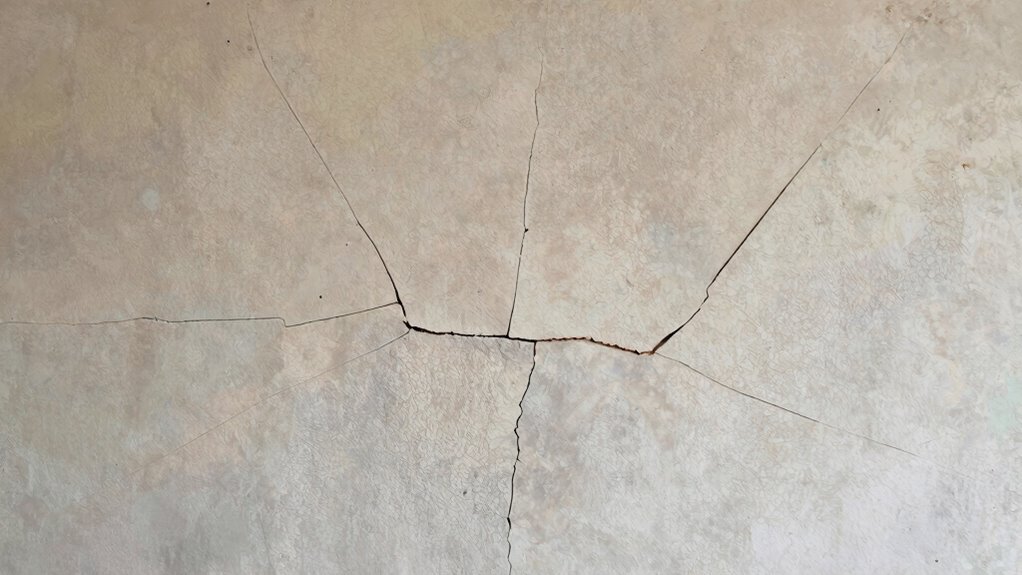
Not all wall cracks are a cause for alarm, but it’s important to recognize the difference between harmless and serious issues. Look for signs like uneven cracks or shifting walls that could indicate structural problems, and consider common causes such as settling or temperature changes. When in doubt, it’s best to consult a professional to confirm your home’s safety and integrity.
Common Causes of Cracks
Cracks in your walls can stem from a variety of causes, and understanding their origin helps determine whether they’re harmless or signals a serious issue. Common causes include natural settling, which causes minor shifts over time, and temperature fluctuations that lead to expansion and contraction. Modern insulation can sometimes cause stress on walls, creating small cracks. Additionally, paint cracking often results from aging or improper application, sometimes coinciding with other wall cracks. Structural issues are less common but more serious, so knowing the cause is key.
- Natural settling and shifting
- Temperature-related expansion and contraction
- Paint aging and application problems
- Stress from modern insulation
Signs of Structural Issues
While small, isolated cracks are often harmless, certain signs can indicate serious structural issues behind your walls. Look for paint peeling or bubbling, which suggests moisture intrusion that could weaken the structure. Mold growth around cracks or on walls is another red flag, often stemming from ongoing leaks or excessive humidity that compromise wall integrity. Large, widening cracks or those that run diagonally across walls are signs of foundation movement or settling, not just cosmetic damage. Additionally, if you notice cracks accompanied by sagging or bowing walls, it’s a clear warning of deeper structural problems. These signs shouldn’t be ignored, as they point to potential risks that could compromise your home’s safety and stability.
When to Seek Professional Help
Recognizing when wall sounds indicate a serious problem can save you from costly repairs and potential safety hazards. If cracking sounds are frequent, loud, or accompanied by visible damage, it’s time to call a professional. DIY repairs or paint touch-ups won’t fix underlying issues like foundation shifts or structural weaknesses. Seek help if you notice:
- Cracks that expand or change over time
- Walls that bow or lean
- Cracks appearing after weather events
- Unusual sounds combined with drywall separation
Trust experts to evaluate the cause, especially if cracks are new or worsening. While small cosmetic issues may be manageable with DIY repairs, serious problems require a professional assessment to prevent future damage or risk.
How to Reduce Wall Cracking Noises
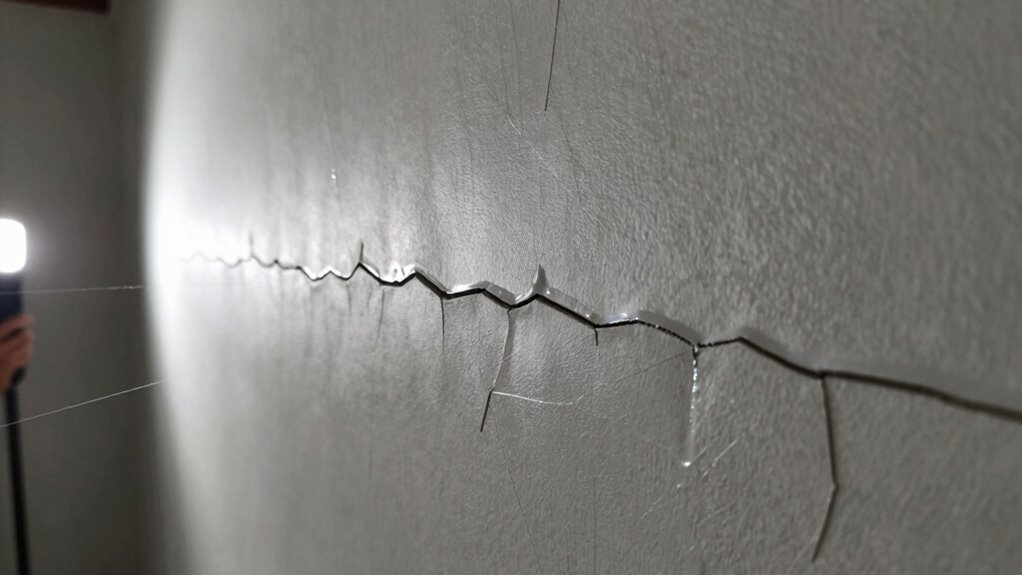
If wall cracking noises are bothering you, there are several practical steps you can take to minimize them. First, check your wall insulation; poor insulation can cause temperature shifts leading to cracking sounds. Additionally, inspect the paint for deterioration, as peeling or cracking paint can amplify noise. To reduce these issues, consider sealing gaps, replacing damaged paint, and adding or improving insulation.
| Action | Purpose | Result |
|---|---|---|
| Seal gaps and cracks | Reduce air movement and sound | Quieter walls |
| Repaint with flexible paint | Minimize paint deterioration | Less cracking and noise |
| Improve wall insulation | Stabilize temperature changes | Less expansion/contraction noise |
When to Call a Professional for Wall Noise Problems
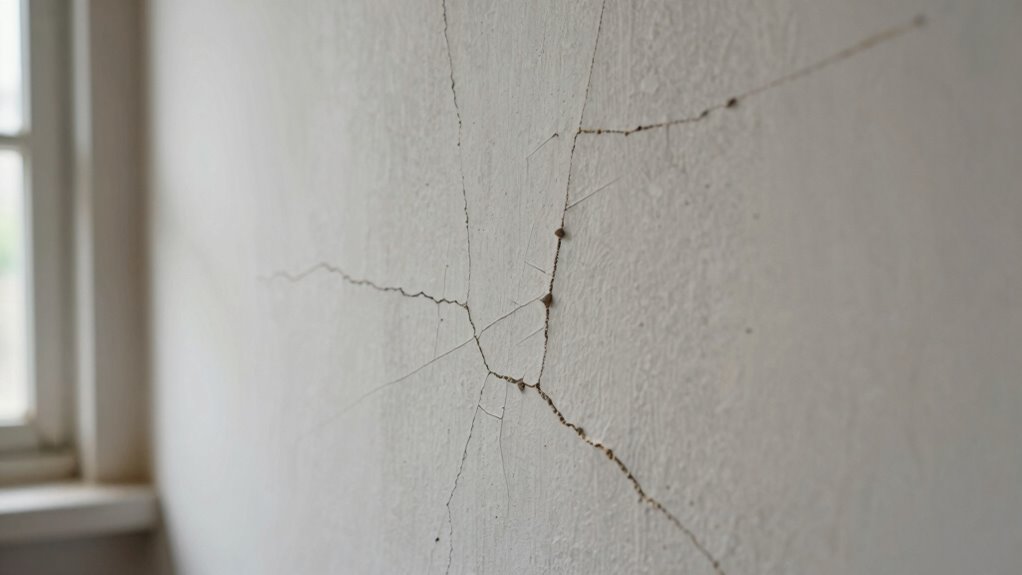
Sometimes, wall noises indicate underlying issues that require professional attention. If you notice persistent cracking sounds, creaks, or unexplained rattles, it’s time to contemplate expert help. Problems with wall sound insulation or inadequate acoustic paneling can lead to ongoing noise issues that worsen over time. Calling a professional is essential if you observe:
Persistent wall noises may signal underlying issues needing professional assessment and improved soundproofing.
- Significant cracks or shifts in wall structure
- Noises that occur randomly or during specific activities
- Signs of moisture or mold near the walls
- Loose or damaged drywall affecting soundproofing
A professional can assess whether your walls need better acoustic paneling or improved wall sound insulation. Addressing these issues promptly prevents further damage and enhances comfort in your space.
Frequently Asked Questions
Can Pests Cause Cracking Sounds in Walls?
Yes, pests can cause cracking sounds in your walls. A pest infestation, such as termites or rodents, can lead to structural damage over time, causing walls to crack or shift. As they gnaw or burrow, they weaken the wall’s integrity, producing those unsettling noises. If you hear cracking sounds, it’s wise to inspect for pests, as ignoring the signs could lead to costly repairs and further structural damage.
Are Wall Noises Louder at Certain Times of Day?
Wall noises can be louder at certain times of day, especially when soundproofing concerns are involved. During quiet hours, like nighttime or early mornings, your walls transmit less ambient noise, making cracks or creaks more noticeable. Differences in wall material also play a role; softer materials may absorb sounds during the day but amplify them when quiet. You might notice increased noise levels at night due to these factors.
Do New Walls Settle More Than Older Ones?
New walls tend to settle more than older ones because of ongoing structural shifts and material expansion. When fresh, the materials are still adjusting to temperature and humidity changes, causing more cracking and creaking sounds. Over time, the settling stabilizes as the structure adjusts to its environment. So, if your new walls crack or settle more, it’s a normal part of the drying and settling process, not necessarily a sign of a problem.
Can Insulation Issues Contribute to Wall Cracking Sounds?
Did you know that 60% of homeowners report noise issues linked to insulation problems? Insulation deterioration can definitely contribute to wall cracking sounds, especially if it causes soundproofing challenges. When insulation wears down or shifts, it creates gaps that amplify creaks and cracks. You might notice these sounds during temperature changes or settling, signaling that your insulation needs inspecting. Addressing this can help reduce noise and prevent further structural issues.
How Long Do Typical Wall Settling Noises Last?
Typically, wall settling noises last from a few seconds to several minutes, depending on structural shifts and material expansion. When your house experiences shifts, the sounds are often brief, caused by materials adjusting to temperature or humidity changes. If the noises persist longer, it may indicate ongoing structural movement. You should monitor the sounds, especially if they worsen, as prolonged noises could signal more significant issues needing professional inspection.
Conclusion
So, while those mysterious cracking sounds might just be your home settling into its new rhythm, it’s wise to stay attentive. Sometimes, a gentle whisper from your walls hints at deeper stories waiting to be uncovered. Trust your instincts and don’t hesitate to seek a professional’s insight if something feels off. After all, understanding these subtle signals helps keep your home’s story a comfortable, harmonious one.