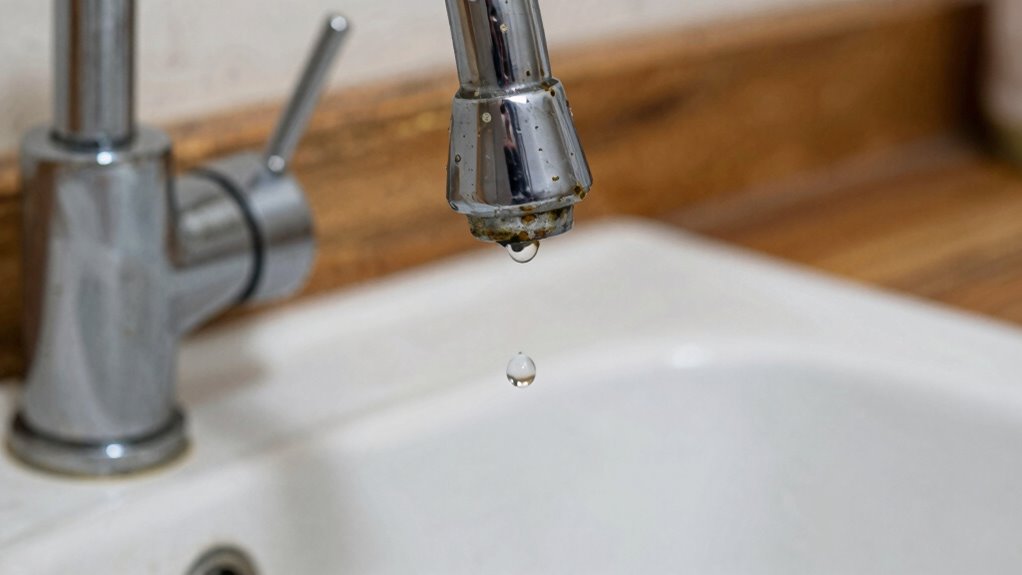

If your faucet keeps dripping, it’s usually caused by worn-out washers, damaged seals, or mineral buildup that prevents the valve from shutting off properly. You can fix it safely by turning off the water, inspecting the parts, and replacing any worn components. Using the right tools and proper techniques helps prevent further damage. Keep in mind, understanding the causes and steps can save you time and money, so explore more tips and advice ahead.
Key Takeaways
- Worn-out washers or seals are common causes of persistent faucet drips, requiring replacement to stop leaks.
- High water pressure can stress internal parts, leading to leaks; adjusting pressure helps prevent dripping.
- Corrosion or mineral buildup damages internal components, necessitating repair or part replacement for a proper fix.
- Regular inspection and maintenance, including tightening fittings and replacing worn parts, can prevent ongoing leaks.
- When leaks persist despite basic repairs, it’s safest to consult a professional plumber to avoid further damage.

48 PCS Faucet Washer Assortment Kit Outdoor Faucet Repair Kit with Brass Screws Flat and Beveled Washers for Use with Assorted Quick-Opening Style Faucets Stem Worn Out Washer Replacements (48 PCS)
Quality Materials : The outdoor faucet repair kit are made of high-quality rubber material, which is durable enough…
As an affiliate, we earn on qualifying purchases.
As an affiliate, we earn on qualifying purchases.
What Causes a Faucet to Leak? Common Problems Explained
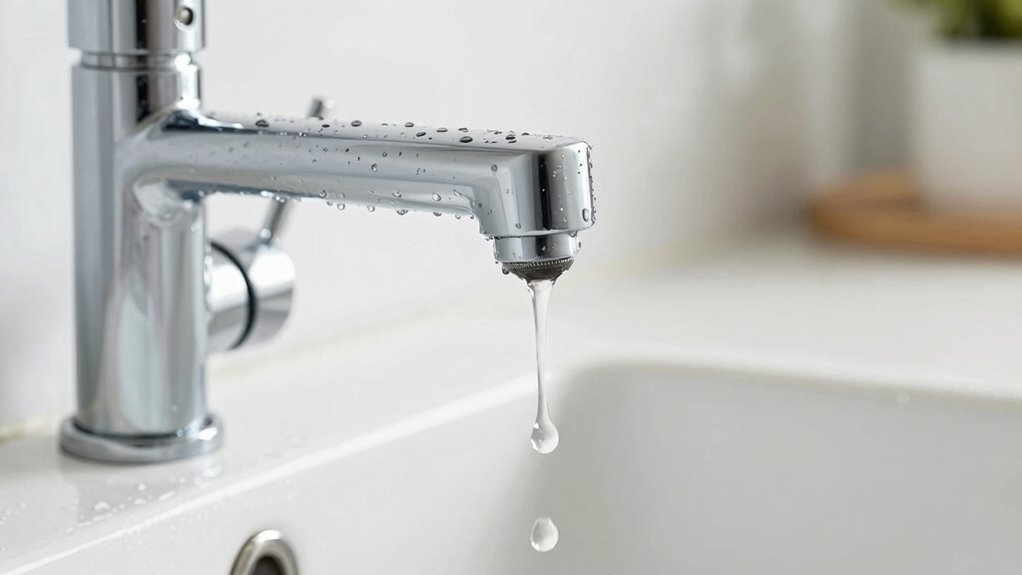
A common reason your faucet keeps dripping is a worn-out or damaged washer. Over time, the washer can become brittle or cracked, causing leaks. The faucet material also plays a role; metal fixtures might wear differently than plastic ones, impacting how quickly they degrade. Water pressure is another factor—high pressure can accelerate wear and cause seals to fail sooner. If water pressure fluctuates or is too high, it puts extra stress on the internal components, leading to leaks. Regular use, mineral buildup, and corrosion can also damage internal parts, making the faucet less effective at sealing. Understanding these causes helps you identify why your faucet leaks and underscores the importance of inspecting both the material and water pressure to prevent ongoing drips. Additionally, addressing wear and tear factors promptly can extend the lifespan of your faucet and prevent costly repairs.

TIANMENSHAN 8 in 1 Faucet Wrench Tool, Water Pipe Wrench with Comfortable Grip, Tap Spanner for Tight Space, Multi-Functional Tap Spanner Set for Sink, Bathroom and Kitchen Plumbing Repair
【Durable Material】Made of durable ABS engineering plastic, ensuring sturdiness and durability for long-term use
As an affiliate, we earn on qualifying purchases.
As an affiliate, we earn on qualifying purchases.
How to Tell If Your Faucet Needs Repair or Replacement
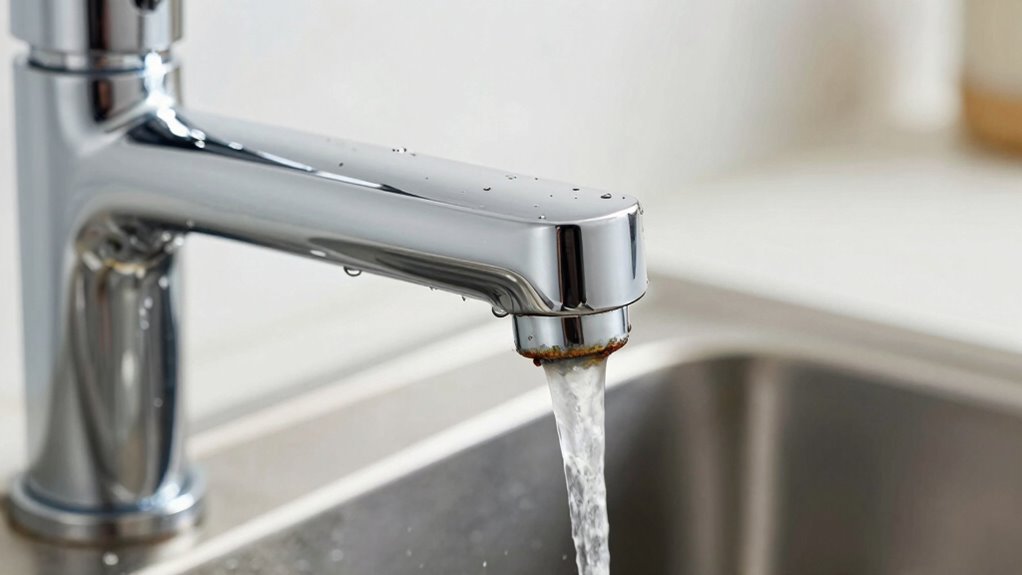
Knowing whether your faucet needs repair or replacement depends on evaluating the severity of the problem. First, check the faucet’s aesthetics—if corrosion or damage affects its appearance, replacement might be best. Second, test the water pressure; if it’s consistently low despite cleaning or adjusting, parts may be worn out, signaling a need for repair or replacement. Third, consider functionality: if your faucet drips constantly or can’t be turned off properly, repairs may suffice if minor. However, if multiple issues persist or the faucet’s design is outdated, replacing it could save time and prevent future leaks. Additionally, understanding the variety of faucet types can help you choose the best solution for your needs. Proper maintenance practices can also extend the lifespan of your faucet and prevent unnecessary repairs. Regular inspections and addressing issues early can help prevent water damage and ensure safety. Being aware of common faucet problems and their solutions can make repairs more straightforward. Ultimately, balance the faucet’s looks, water pressure, and functionality to decide whether a repair or a full replacement makes the most sense. Household safety tips can also help prevent water damage and accidents associated with faulty fixtures.

Camco Brass Marine/RV Water Pressure Regulator – Protects RV Kitchen Small Appliances, Plumbing & Hoses – Reduces RV Water Pressure to Safe & Consistent 40-50 PSI – Drinking Water Safe (40055)
Protects RV/Marine Plumbing: Keep your RV/marine plumbing safe with this brass Camco water pressure regulator. Safeguard against high-pressure…
As an affiliate, we earn on qualifying purchases.
As an affiliate, we earn on qualifying purchases.
What Tools Do You Need to Fix a Leaky Faucet? Safety Tips First
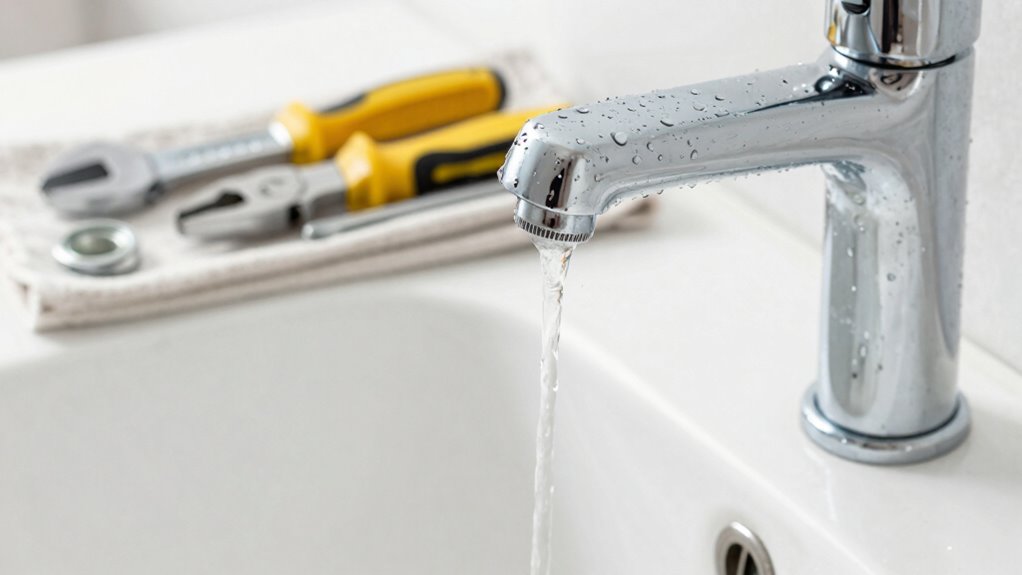
Before you start fixing a leaky faucet, it’s vital to gather the right tools to guarantee the job goes smoothly and safely. You’ll need basic tools like an adjustable wrench, a screwdriver, and pliers. Additionally, having a flashlight can help you see clearly in tight spaces. Tool safety is essential, so handle tools with care and keep them in good condition. Always wear protective gear such as gloves and safety goggles to prevent injuries from sharp edges or unexpected water spray. Keep your workspace clean and organized to avoid accidents. Using the right tools and protective gear ensures you work efficiently and minimize risks. Being aware of essential safety precautions related to plumbing repairs can further prevent accidents. Remember, safety first—taking these precautions helps you fix your faucet confidently and securely. Proper knowledge of Gold IRA Rollovers and other investment strategies can also help you make informed decisions if you’re planning your financial future. Additionally, consulting professional plumbers for complex issues can provide extra guidance and ensure your repairs are done correctly. Recognizing the importance of tool maintenance can extend the lifespan of your equipment and ensure safety during repairs. Furthermore, understanding proper faucet parts and their functions can help you identify issues more accurately and avoid unnecessary replacements.

360 Pcs O Ring Assortment Kit,Rubber Washer Orings, Black 24 Sizes Pressure Washer O Ring Kit for Faucet, Hose, Automotive, Air Gas Plumbing Sealing Repair O Rings
Premium Material: These assorted o rings are made of outstanding rubber material with good air tightness and high…
As an affiliate, we earn on qualifying purchases.
As an affiliate, we earn on qualifying purchases.
Step-by-Step: How to Fix a Dripping Faucet Safely
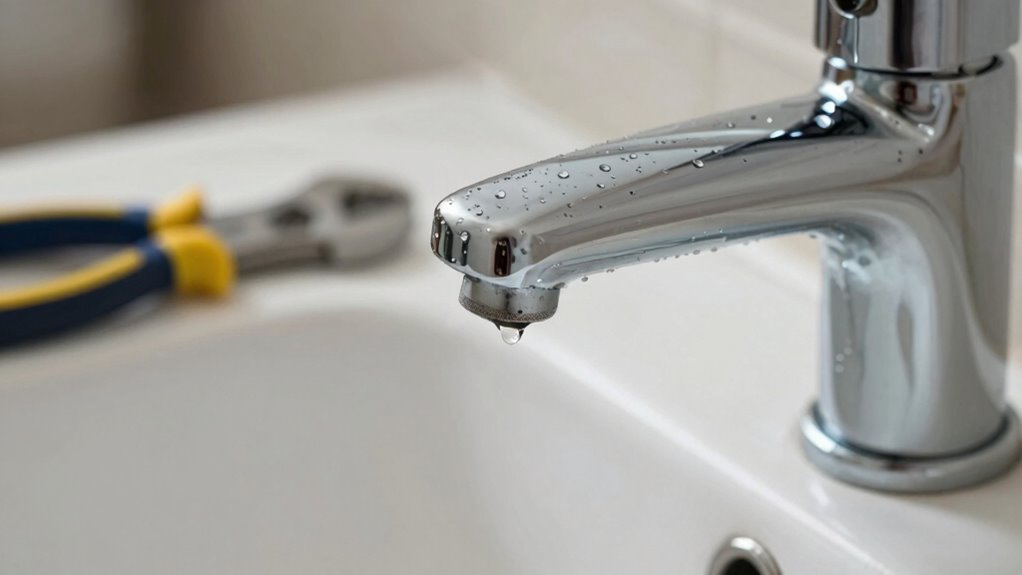
Once you’ve gathered your tools and taken safety precautions, you can begin fixing your dripping faucet step by step. Understanding your faucet design helps you identify the right approach. First, turn off the water supply and open the faucet to release any remaining pressure. Next, remove the handle and inspect the valve or cartridge for damage. Adjust or replace worn parts, paying attention to water pressure, which can cause leaks if too high or low. Proper pressure washer techniques can also help in cleaning and maintaining faucet components. Finally, reassemble the faucet carefully, ensuring all components are snug but not over-tightened. Remember, different faucet designs may require specific tools or techniques. Taking your time and working methodically will help you fix your leak safely and effectively, saving water and preventing further damage.
When Should You Call a Plumber for Faucet Leaks? Signs to Know
While a minor drip might seem harmless, certain signs indicate it’s time to call a plumber rather than attempt another fix yourself. If your faucet’s aesthetics are compromised—such as visible corrosion or persistent leaks that worsen over time—professional help is needed. Pay attention to water pressure; if it suddenly drops or fluctuates despite no obvious reason, a hidden issue might be affecting your plumbing. Additionally, if the leak persists after trying simple repairs, or if the faucet continues to drip despite tightening or replacing parts, it’s a sign to seek expert assistance. Ignoring these signs can lead to more extensive damage, so don’t hesitate to call a plumber when you notice these problems. Understanding plumbing systems can help you recognize when issues go beyond simple fixes. Moreover, issues like water pressure fluctuations can sometimes indicate underlying problems with your home’s plumbing that require professional diagnosis.
Tips to Prevent Future Faucet Leaks and Save Water
Taking proactive steps can considerably reduce the chances of future faucet leaks and help you conserve water. To protect your bathroom decor and promote water conservation, consider these tips:
Proactive maintenance prevents leaks, preserves decor, and encourages water-saving habits.
- Regularly inspect and tighten fittings to prevent wear and leaks.
- Replace old washers and cartridges before they cause drips, keeping your fixtures in top shape.
- Install water-efficient fixtures, like low-flow aerators, to minimize water use without sacrificing performance.
Keeping your faucet well-maintained not only prevents leaks but also supports eco-friendly habits. By staying on top of small repairs and upgrades, you reduce water wastage and protect your bathroom decor from water damage. These simple actions save water and money, making your home more sustainable.
Avoid These Common Mistakes When Fixing a Leaky Faucet
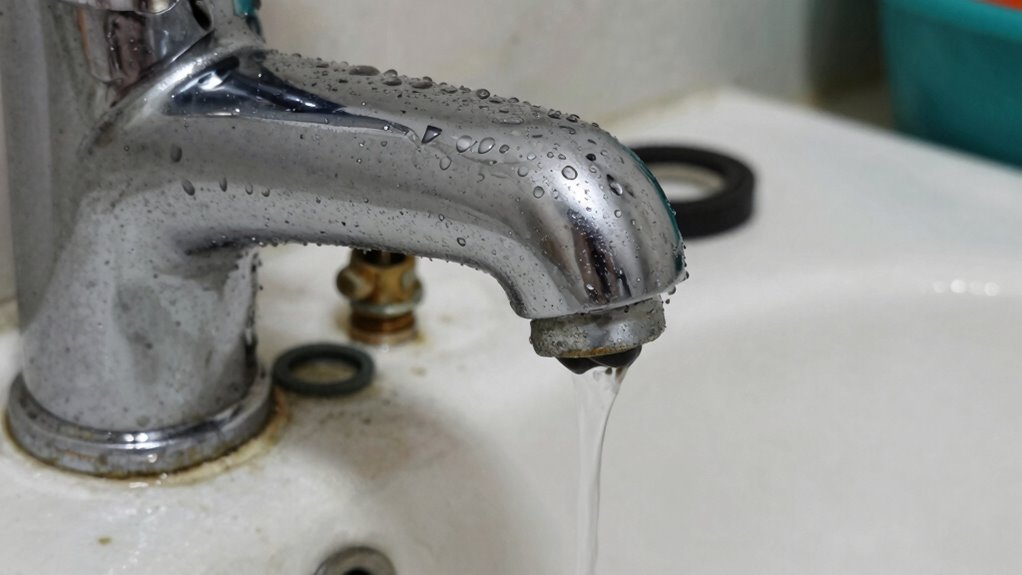
Fixing a leaky faucet might seem straightforward, but many homeowners make common mistakes that can worsen the problem or cause new issues. One mistake is rushing into repairs without understanding the root cause. Avoid believing plumbing myths that suggest you need special tools or chemicals—these don’t always fix leaks and can damage fixtures. Also, neglecting pest control is essential; leaks can attract pests seeking water. Always turn off the water supply before starting. Incorporating proper backyard transformation essentials can also help prevent future plumbing issues related to landscaping or outdoor features. Recognizing the spiritual significance behind recurring leaks can provide additional insight into underlying issues and help guide more mindful repairs. Additionally, understanding the importance of proper tool use can prevent unnecessary damage to your fixtures. Being aware of common plumbing mistakes can further help you avoid costly repairs and ensure your faucet stays in good working order. Proper maintenance and awareness of underlying factors like biohacking for enhanced performance can lead to more sustainable and effective repair strategies.
How to Choose the Right Replacement Parts for Your Faucet
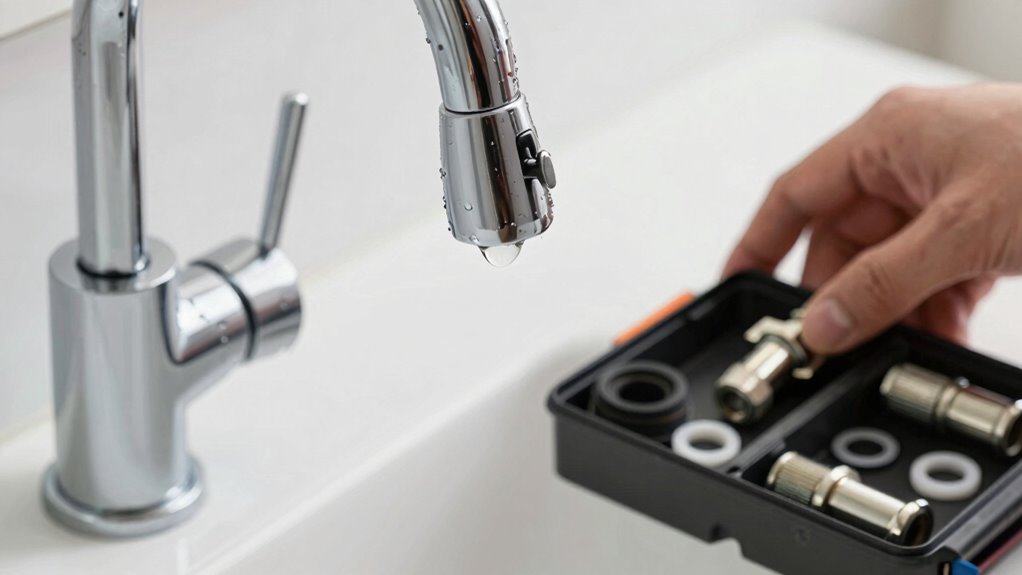
Choosing the right replacement parts for your faucet is essential to guarantee a proper fix and prevent future leaks. You want parts that match your faucet’s faucet aesthetics and assure smooth water flow. To do this, consider these key factors:
- Compatibility: Match the brand and model of your faucet to ensure the replacement parts fit perfectly.
- Material quality: Opt for durable materials like brass or ceramic to maintain water pressure and resist corrosion.
- Functionality: Check if the part restores your faucet’s original water pressure and style, avoiding parts that could compromise aesthetics or performance.
What to Do If Your Faucet Still Drips After Repair

If your faucet continues to drip despite your efforts to repair it, don’t immediately assume the problem is solved. Sometimes, persistent leaks mean you need to revisit your faucet maintenance or try new leak detection techniques. First, double-check that all parts are correctly installed and tightened. Use leak detection techniques like turning off all appliances and watching for slow drips or moisture buildup. If the leak persists, consider replacing worn-out washers or cartridges again, as sometimes the repair may not have fully addressed the root cause. Also, inspect the valve seat and O-rings for damage. If you’re unsure, consulting a professional plumber can help identify hidden issues and guarantee your faucet stops dripping for good. Additionally, understanding how to diagnose leaks can help you pinpoint the exact source of the problem more effectively. Developing a basic knowledge of leak detection techniques can save you time and prevent unnecessary repairs. Regularly checking for hidden leaks in less obvious areas can also prevent ongoing water wastage. Knowing the common signs of wear and tear can help you address issues before they become more serious.
Frequently Asked Questions
How Long Does It Typically Take to Fix a Leaking Faucet?
Fixing a leaking faucet usually takes about 30 minutes to an hour, depending on the cause. You’ll want to identify common causes like worn washers or loose parts first. Cost estimates vary, but DIY repairs are affordable, often under $20, while hiring a professional might cost more. With basic tools and patience, you can usually complete the fix quickly and save money on plumbing bills.
Can I Fix a Faucet Leak Without Turning off the Water Supply?
It’s unlikely you can fix a faucet leak without turning off the water supply, which is a smart move for DIY safety and water conservation. Coincidentally, many leaks occur right beneath the handle, making it tempting to work without shutting off water. However, you risk water spray or damage. Always turn off the water first to guarantee safety and prevent waste, making your repair more effective and eco-friendly.
Are There Eco-Friendly Ways to Stop Faucet Leaks?
Yes, eco-friendly plumbing offers sustainable repairs for faucet leaks. You can use environmentally safe sealants or repair kits made from non-toxic, biodegradable materials to fix leaks without harming the environment. Consider installing water-efficient aerators or low-flow fixtures to reduce water waste long-term. These eco-friendly solutions help conserve resources, lower your utility bills, and promote sustainable living while effectively stopping your faucet from dripping.
What Are the Best Brands for Faucet Repair Parts?
You might think any brand works, but for faucet repair parts, sticking to top brands like Moen, Kohler, or Delta is your best bet. Ironically, choosing unknown brands might seem cheaper, but they often lack brand compatibility and part durability, leading to more leaks and repairs. Trust reputable brands to guarantee your parts fit perfectly and last longer, saving you time and money in the long run.
How Often Should I Inspect My Faucets for Leaks?
You should inspect your faucets for leaks at least once a month as part of your regular maintenance schedule. Look for leak indicators like water spots, corrosion, or constant dripping sounds. Early detection prevents water waste and costly repairs. Regular inspections guarantee you catch issues before they worsen, keeping your plumbing in good shape. Staying proactive helps avoid bigger problems and keeps your home running smoothly.
Conclusion
A dripping faucet isn’t just annoying—it wastes about 3,000 gallons of water annually. By understanding common causes and following safety tips, you can fix minor leaks yourself, saving money and water. If your repair doesn’t stop the drip, don’t hesitate to call a plumber. Staying proactive helps prevent bigger issues later. Remember, a simple fix today can save you from costly repairs tomorrow—so take action and keep your faucet leak-free!