
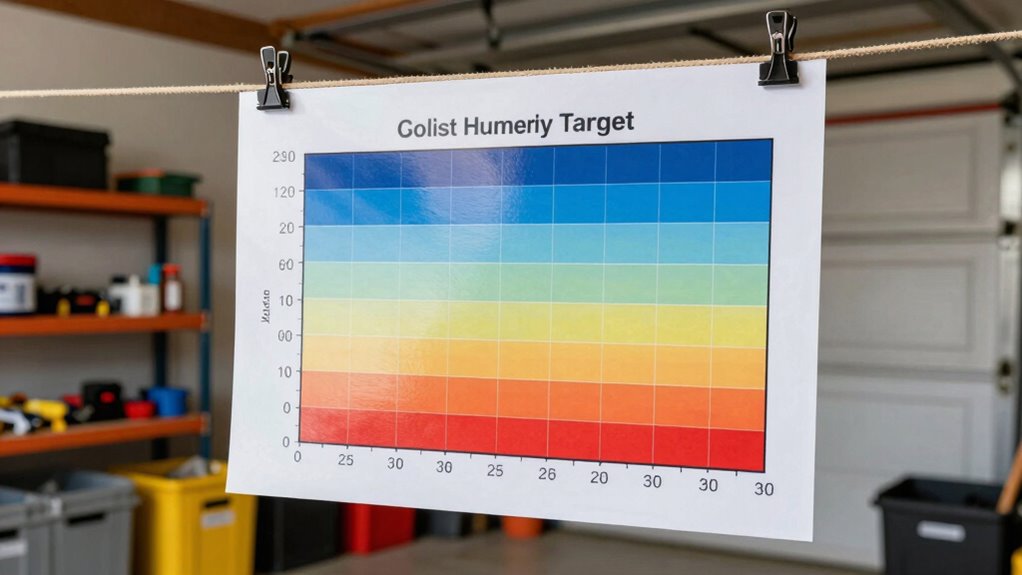
A printable humidity target chart for garages helps you keep moisture levels between 30% and 50%, which protects your belongings, vehicles, and structural elements. By monitoring humidity regularly and using the chart as a guide, you can easily adjust dehumidifiers, ventilation, or humidifiers to prevent issues like mold, rust, or cracking. Proper setup and consistent tracking are key—if you want to learn simple tips to maintain ideal humidity for your garage, keep exploring further.

Get home appliances delivered free with Prime
- Fast, free delivery on millions of items
- Prime Video, Amazon Music and more included
- Member-only deals all year
Key Takeaways
- A printable humidity target chart should display ideal range: 30%-50%, with specific actions for different humidity levels.
- Include visual indicators or color coding to quickly identify optimal, caution, and danger zones.
- The chart should suggest recommended devices and strategies for maintaining target humidity.
- Ensure the chart is clear, easy to read, and suitable for frequent reference during garage maintenance.
- Incorporate space for recording daily humidity readings and notes to track environmental changes over time.
As an affiliate, we earn on qualifying purchases.
Why Proper Garage Humidity Matters for Your Items
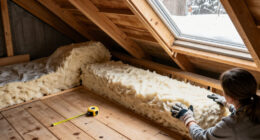
Have you ever wondered why maintaining the right humidity in your garage is so important? Proper garage humidity protects your belongings from damage caused by excess moisture or dryness. Good garage insulation helps regulate temperature and humidity, preventing mold and wood warping. Air filtration systems are essential because they remove dust and airborne pollutants, reducing potential damage to sensitive items. When humidity levels are off, metal tools can rust, and fabrics can become moldy or fragile. Maintaining ideal humidity supports the longevity of your stored items and keeps your garage environment stable. Proper ventilation also plays a crucial role in humidity control, helping to maintain consistent moisture levels and prevent issues caused by fluctuating moisture levels. By focusing on garage insulation and air filtration, you create a balanced atmosphere that preserves your belongings and prevents issues caused by fluctuating moisture levels. Additionally, monitoring humidity levels regularly can help you make necessary adjustments to keep your garage environment optimal. Ensuring proper air circulation can further enhance the stability of humidity, reducing the risk of mold growth and material deterioration. Incorporating sound science principles in ventilation design can further optimize your garage environment for better moisture regulation. Regularly reviewing climate control strategies can ensure your system adapts effectively to seasonal changes.
As an affiliate, we earn on qualifying purchases.
What Are the Ideal Garage Humidity Levels?
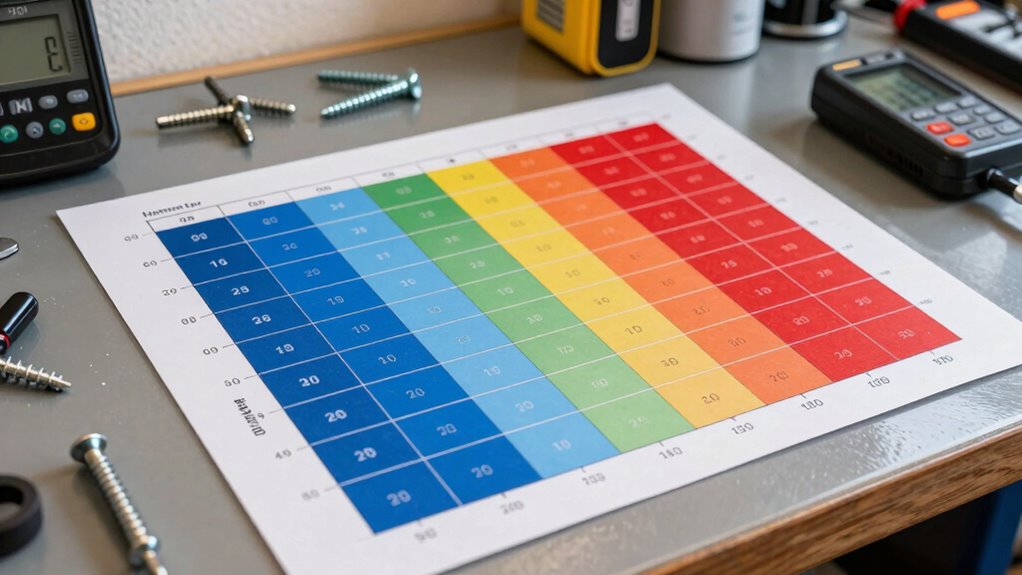
You should aim to keep your garage humidity between 30% and 50% for ideal conditions. Too much moisture can cause mold, rust, and damage to your stored items, while too little can lead to dryness and cracking. Maintaining this range helps protect your belongings and prevents costly problems. Using portable oil radiators safely can also help control humidity levels during colder months. Regularly monitoring your garage’s humidity levels with a reliable hygrometer ensures you stay within the optimal range and avoid potential damage. Being aware of indoor air quality fundamentals can further support maintaining a healthy environment inside your garage. Additionally, understanding the ideal humidity range can help you better manage your space and prevent issues related to excess moisture or dryness.
Recommended Humidity Range
Determining the ideal humidity levels for your garage is essential to protect stored items and maintain a healthy environment. The recommended range is typically between 30% and 50%. Some humidity myths suggest higher levels prevent dryness, but excessive moisture can cause damage. Proper ventilation techniques help maintain these levels and prevent mold or corrosion. Additionally, using humidity control methods can further assist in keeping the environment within the optimal range. Regularly monitoring humidity levels with sensor technology ensures more accurate adjustments and protection. Here’s a quick reference:
| Humidity Level | Description |
|---|---|
| 30-40% | Optimal for most garages |
| 40-50% | Slightly higher, still safe |
| Above 50% | Risk of mold and damage |
| Below 30% | Can cause wood cracking |
| 20-30% | Too dry, avoid |
Maintaining proper humidity levels is crucial for AI-powered monitoring systems that can help you keep track automatically. For optimal results, understanding how whole-home water systems influence indoor environments can also be beneficial. Being aware of environmental factors such as humidity fluctuations helps in making timely adjustments to maintain ideal conditions. Stay within this range to protect your belongings and ensure a healthy garage environment.
Effects of Excess Moisture
Excess moisture in your garage can quickly lead to serious problems, such as mold growth, rust, and structural damage. When humidity levels are too high, your garage insulation becomes less effective, risking mold development on walls and stored items. Poor ventilation optimization traps moisture, worsening conditions and accelerating decay. To prevent these issues, keep humidity within the ideal range. Consider these steps:
- Improve ventilation to reduce stagnant air.
- Use dehumidifiers to control excess moisture.
- Enhance garage insulation to minimize condensation.
- Regularly monitor humidity levels with a hygrometer.
- Address moisture control strategies to maintain a balanced environment. Additionally, understanding the benefits of curiosity can motivate proactive measures to safeguard your space. Maintaining proper humidity not only protects your belongings but also extends the lifespan of your garage structure and ensures a healthy environment. A good understanding of home technology can also help you implement more effective humidity management solutions. Staying informed about humidity levels and their impact on building materials can help you make better decisions for long-term preservation.
As an affiliate, we earn on qualifying purchases.
How Excess Moisture Can Harm Your Garage Items and Car

Excess moisture can cause your car and garage items to rust and corrode quickly. It also promotes mold and mildew growth, which can damage surfaces and create health hazards. Keeping humidity in check helps protect your belongings and maintain a safe environment. Additionally, controlling humidity levels can prevent the development of water stains and damage, ensuring the longevity of your garage surfaces. Proper humidity management can also extend the lifespan of garage storage solutions and other household items.
Rust and Corrosion Risk
Ever wondered how high humidity levels can silently damage your garage items and vehicle? Excess moisture accelerates rust and corrosion, threatening your investments. Maintaining proper humidity levels helps prevent this damage. Here’s what high humidity can do:
- Accelerate rust formation on your car’s metal parts.
- Damage garage insulation, reducing its effectiveness.
- Cause metal tools and equipment to corrode faster.
- Lower ventilation efficiency, trapping moisture and worsening rust risks. Proper air purifier maintenance and ensuring appropriate humidity levels can significantly reduce these risks.
- Using Accessibility features like Guided Access can help children stay safe and focused while in the garage or workshop area. Proper humidity control is essential to prevent these issues and protect your belongings. Regularly monitoring humidity levels can also help you make timely adjustments to avoid long-term damage.
To protect your belongings, guarantee your garage has good ventilation and proper insulation. These measures help regulate humidity, preventing moisture buildup. Keeping humidity within recommended levels minimizes the risk of rust and corrosion, preserving both your car and tools. Regularly check humidity levels to maintain a safe environment and extend the lifespan of your garage items.
Mold and Mildew Growth
Have you noticed a musty smell or fuzzy patches on your garage walls? That’s a sign mold and mildew are taking hold, often caused by excess moisture. When humidity levels rise, your garage insulation can trap dampness, creating a perfect environment for mold spores to grow. Poor ventilation systems exacerbate the problem by preventing moisture from escaping. To prevent this, keep humidity levels within the recommended range, and guarantee your ventilation is working efficiently. Improving airflow helps dry out excess moisture, reducing the risk of mold and mildew. Regularly inspecting your garage insulation and maintaining proper ventilation will protect your belongings and your car from moisture damage, keeping your garage cleaner, healthier, and more odor-free.
portable oil radiator for garage
As an affiliate, we earn on qualifying purchases.
As an affiliate, we earn on qualifying purchases.
What Are the Risks of Garage Air Being Too Dry?

When garage air becomes too dry, it can lead to a range of problems that might affect both your belongings and your health. Dry air can cause wood and garage insulation to crack or warp, reducing their effectiveness. It also increases static electricity, which can damage electronics or cause minor shocks. Poor ventilation systems may struggle to maintain proper humidity levels, making the environment uncomfortable. Additionally, very dry air can dry out your skin and respiratory passages, leading to irritation.
- Cracked or warped garage insulation and wood
- Increased static electricity damages electronics
- Discomfort and respiratory irritation
- Reduced efficiency of ventilation systems in controlling humidity
How to Measure Garage Humidity Effectively
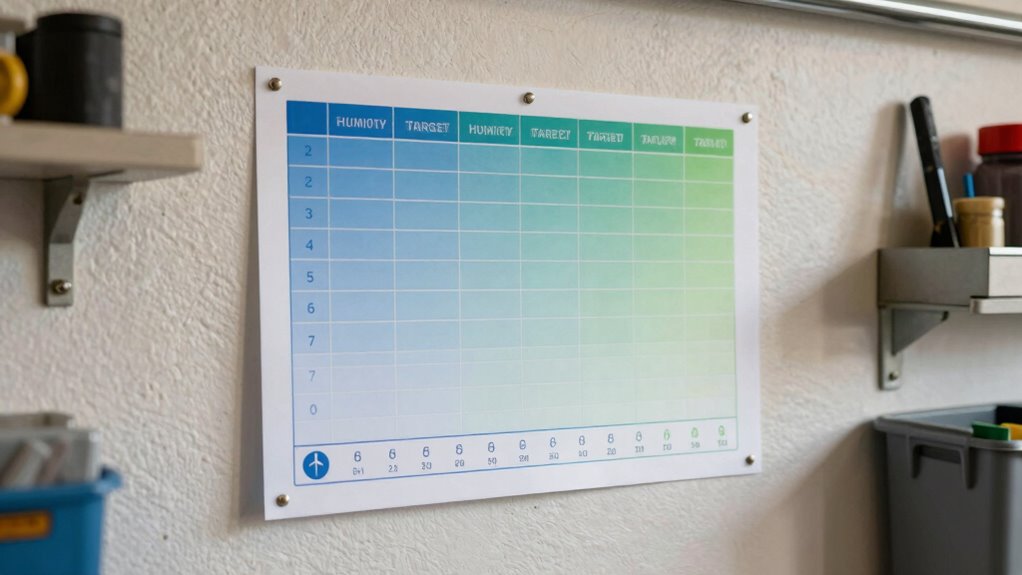
To guarantee your garage maintains proper humidity levels, you need to measure it accurately. Start by choosing a reliable hygrometer, preferably digital, for precise readings. Ascertain your garage has good air circulation, which helps prevent moisture buildup or drying out. Proper garage insulation also plays a role, as it can influence humidity levels by reducing drafts that skew measurements. Place the hygrometer in a central location away from direct sunlight, vents, or windows to get an accurate reading. Check the humidity regularly, especially during seasonal changes, to monitor fluctuations. By combining effective air circulation, well-insulated walls, and consistent measurements, you can maintain ideal humidity levels and protect your belongings.
How to Use a Printable Garage Humidity Target Chart
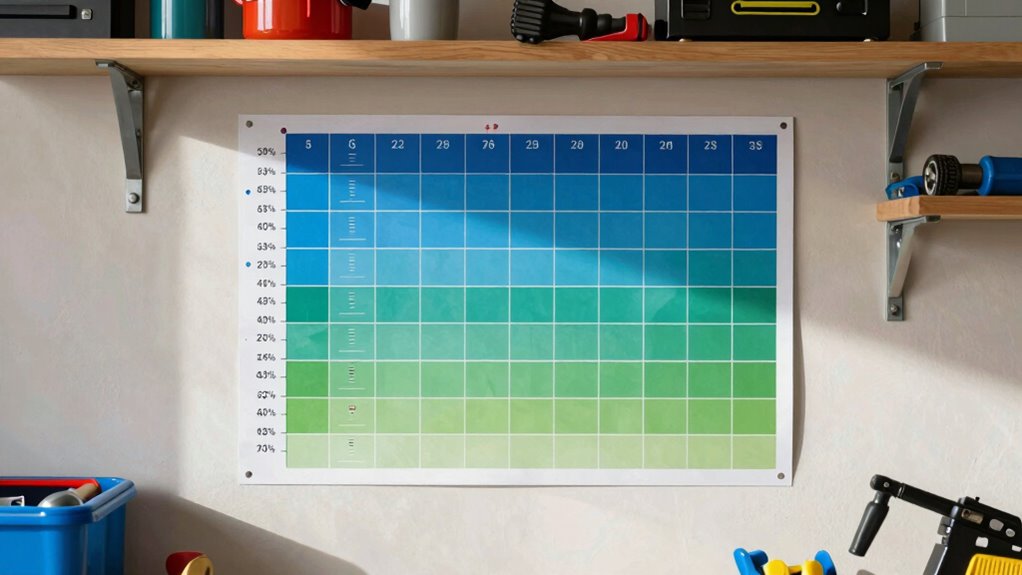
To use a printable garage humidity target chart effectively, you need to understand the recommended humidity levels for your space. Match the chart to your garage’s conditions and note the suggested targets. Then, adjust your humidifier or dehumidifier settings accordingly to maintain ideal humidity.
Understand Recommended Humidity Levels
Using a printable garage humidity target chart helps you quickly identify the ideal moisture levels for your space. Understanding recommended humidity levels assures effective humidity control and proper moisture management. Typically, maintaining 30-50% humidity prevents mold, rust, and wood warping.
To use the chart effectively:
- Check the current humidity level with a hygrometer.
- Compare it to the target range on the chart.
- Adjust your dehumidifier or humidifier accordingly.
- Monitor regularly to stay within the recommended range.
Keeping humidity within these levels helps protect your belongings and maintain a comfortable environment. By following these guidelines, you optimize moisture management, reducing damage and improving overall garage conditions.
Match Chart to Garage Conditions
Matching your garage’s specific conditions to the humidity target chart guarantees you set realistic and effective moisture levels. Start by examining your garage’s insulation, as well-insulated spaces tend to maintain stable humidity better. If your garage has minimal insulation, you might need to aim for slightly higher humidity levels to prevent dryness. Next, evaluate your ventilation systems; proper ventilation helps control excess moisture and prevents mold. If your garage has advanced ventilation, you can rely on more precise humidity targets. Adjust the chart accordingly, considering these factors to ensure your garage environment stays balanced. Matching these conditions ensures your humidity levels are neither too high nor too low, protecting your belongings and maintaining a healthy space.
Adjust Settings Accordingly
Once you’ve assessed your garage’s insulation and ventilation, it’s time to put that information into action with your printable humidity target chart. To adjust settings effectively, remember that humidity myths can lead you astray—trust the chart over misconceptions. Focus on your garage ventilation, ensuring it’s adequate for your climate and setup.
Here are key steps:
- Set your dehumidifier or humidifier according to the recommended range on the chart.
- Monitor your garage’s humidity regularly with a hygrometer.
- Adjust ventilation to improve airflow if humidity remains high or low.
- Reassess and fine-tune your settings as seasons change or conditions shift.
This approach helps maintain ideal humidity levels, preventing issues caused by improper garage ventilation.
Key Factors to Consider When Managing Garage Humidity
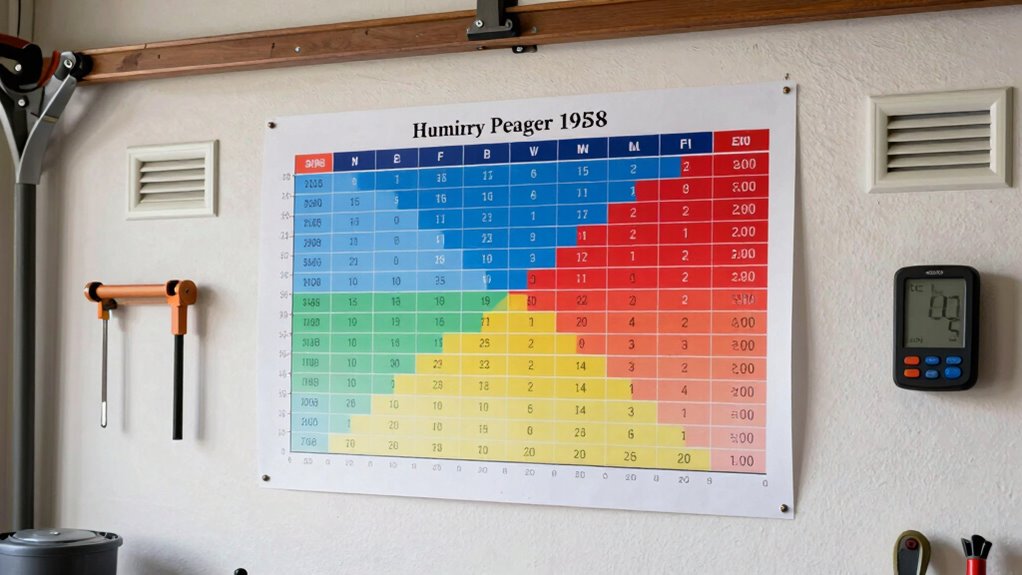
Managing garage humidity effectively requires understanding several key factors that influence moisture levels. First, garage ventilation plays a vital role—you need proper airflow to prevent excess humidity buildup. Ensuring your garage has adequate vents or exhaust fans helps remove moist air and introduce drier air from outside. Second, insulation techniques matter; well-insulated walls and ceilings reduce temperature fluctuations that can lead to condensation. Proper insulation also minimizes moisture intrusion from outside, keeping humidity more stable. Additionally, sealing gaps and cracks prevents outdoor moisture from entering. By focusing on effective garage ventilation and insulation, you control moisture sources and maintain a balanced humidity level. These factors work together to protect your garage from mold, rust, and other humidity-related issues.
Step-by-Step: Setting Up Your Garage Humidity Monitoring System
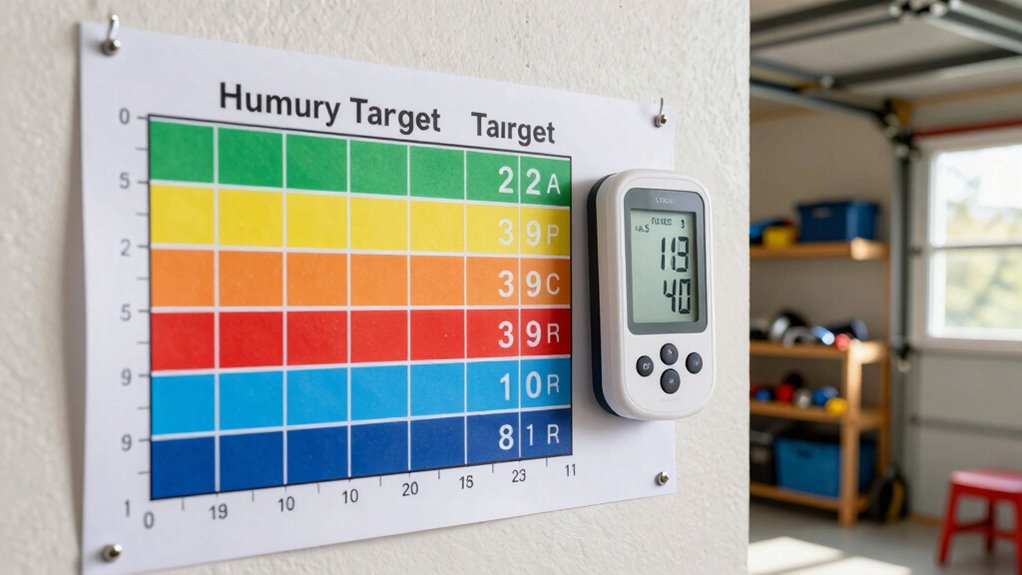
Setting up a garage humidity monitoring system is a practical step toward maintaining ideal moisture levels. To do this effectively, follow these steps:
Setting up a humidity monitor helps keep your garage’s moisture levels balanced and under control.
- Choose reliable humidity sensors that provide accurate readings and can connect to your smartphone or display panel.
- Install the sensors in key areas, avoiding direct sunlight or near vents, to get representative moisture readings.
- Connect your sensors to your ventilation system, ensuring it activates automatically when humidity exceeds your target range.
- Regularly calibrate your humidity sensors and check ventilation system operation to keep readings accurate and moisture levels consistent.
Tips for Maintaining Consistent Humidity Levels Using a Chart
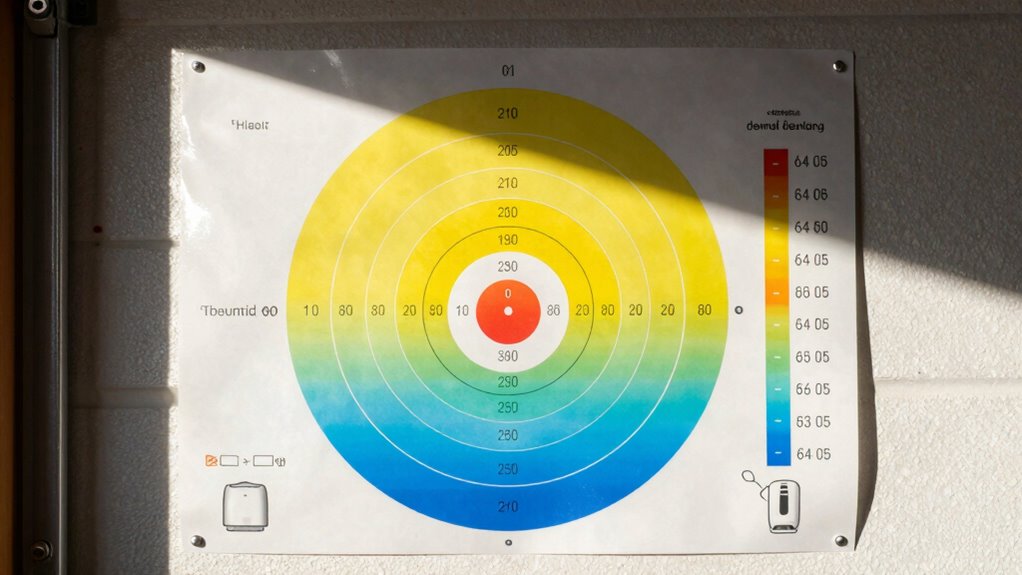
Using a humidity target chart effectively can help you maintain consistent moisture levels in your garage. Regularly check your humidity sensors to guarantee accurate readings. When readings drift outside your target range, adjust your dehumidifier placement for ideal performance. Place sensors at chest height away from windows or vents to avoid false readings. Keep your dehumidifier centrally located, so it evenly influences the space. Use the chart to track fluctuations and identify patterns. For example:
| Humidity Level | Action | Notes |
|---|---|---|
| 30-40% | Maintain | Check sensors weekly |
| 40-50% | Reduce dehumidifier use | Adjust placement if needed |
| 50-60% | Increase ventilation | Ensure no obstructions |
| 60-70% | Dehumidifier on high | Reassess sensor accuracy |
| 70%+ | Emergency action | Evacuate moisture sources |
This process keeps moisture levels stable and prevents issues.
Troubleshooting Common Garage Humidity Issues
Humidity issues in your garage can be frustrating, especially when moisture levels fluctuate unexpectedly or remain stubbornly high or low. To troubleshoot, start by checking your garage ventilation; poor airflow can trap humidity. Next, verify your humidity sensors are accurate and placed properly—incorrect readings lead to improper adjustments. If humidity stays high, consider adding or upgrading vents or exhaust fans. For low humidity, use a humidifier and confirm that vents aren’t overly open, causing excessive drying. Also, inspect for leaks or moisture sources like water intrusion or condensation. Finally, regularly calibrate your humidity sensors to maintain reliable readings. By addressing ventilation and sensor accuracy, you’ll better control moisture levels and keep your garage comfortable and protected.
Frequently Asked Questions
Can Seasonal Changes Affect Optimal Garage Humidity Levels?
Yes, seasonal fluctuations can affect your garage’s ideal humidity levels. During colder months, humidity tends to drop, so you might need to increase indoor ventilation or add a humidifier to maintain balance. In warmer, more humid seasons, reducing ventilation or using a dehumidifier helps control excess moisture. Adjusting these strategies seasonally ensures your garage stays at the right humidity, preventing mold or damage to stored items.
What Are the Best Tools to Calibrate Humidity Meters?
To calibrate your humidity meters accurately, you should use calibration techniques like the salt test, where you place the sensor in a sealed container with a salt solution to check readings. Use calibration kits designed for your humidity sensor types, such as digital or analog sensors. These tools help guarantee your meter provides precise measurements, so you can maintain ideal humidity levels in your garage year-round.
How Often Should I Update My Printable Humidity Chart?
You should update your printable humidity chart every six months to guarantee accurate readings, especially if your garage has new insulation or ventilation system changes. Regular updates help you maintain ideal humidity levels, protecting stored items. Keep an eye on garage insulation and ventilation systems, as they influence humidity. Reassessing your chart periodically ensures your garage environment stays suitable for your needs, preventing moisture issues or mold growth.
Are There Specific Products to Help Control Garage Humidity?
Yes, there are specific products to help control garage humidity. Dehumidifier options like portable units or those with built-in humidistats effectively reduce moisture. You can also use moisture absorbers such as silica gel or moisture-absorbing packs. Incorporating mold prevention strategies, like proper ventilation and sealing leaks, complements these products. Regularly maintaining your dehumidifier ensures peak performance, keeping your garage dry and mold-free.
How Do Outdoor Weather Conditions Influence Garage Humidity Management?
Outdoor weather conditions heavily influence your garage humidity management, affecting indoor ventilation and mold prevention efforts. When it’s humid outside, you’ll need to increase ventilation to reduce moisture buildup; when it’s dry, you can maintain lower humidity levels more easily. Temperature swings can also cause condensation, so monitoring weather patterns helps you adjust dehumidifiers and ventilation systems effectively. Stay aware of outdoor conditions to keep your garage dry, mold-free, and well-ventilated.
Conclusion
Think of your garage as a delicate dance floor, where humidity is the rhythm. When you keep it in harmony, your belongings and car glide gracefully through time, untouched by the chaos of excess or dryness. By monitoring and maintaining the right levels, you’re conducting a symphony of protection and preservation. Let your vigilance be the conductor’s baton, guiding your space to stay resilient, balanced, and beautifully in tune with nature’s subtle cadences.
Cold & flu season Picks
humidifiers
As an affiliate, we earn on qualifying purchases.