
Workbench height is vital for comfort, safety, and efficiency while working. The right height helps you maintain proper posture, reducing strain on your back, neck, and shoulders. It should be set based on your height and the type of tasks you perform, with adjustable options offering added flexibility. Avoid common mistakes like choosing a height based only on comfort or neglecting tool accessibility. To find the perfect fit and learn how to optimize it over time, keep exploring these tips.
Key Takeaways
- Proper workbench height promotes ergonomic posture, reducing strain on back, neck, and shoulders during work.
- Ideal height varies based on user height, task type, and workspace setup for optimal comfort and efficiency.
- Measuring elbow height and adjusting the workbench accordingly ensures a comfortable working position.
- Common mistakes include setting the height too high or low, which can cause discomfort and reduce productivity.
- Adjustable workbenches offer flexibility to accommodate different tasks and user preferences.

OLBRUS 48 "Adjustable Workbench with Power Outlet, Heavy Duty 2000 LBS Load Capacity Hardwood Workbench Suitable for Workshop, Office, Garage, Home
Adjustable Non-slip Foot Pad: Each leg of the work bench is equipped with an adjustable rubber non-slip foot…
As an affiliate, we earn on qualifying purchases.
As an affiliate, we earn on qualifying purchases.
Why Workbench Height Matters for Comfort and Safety
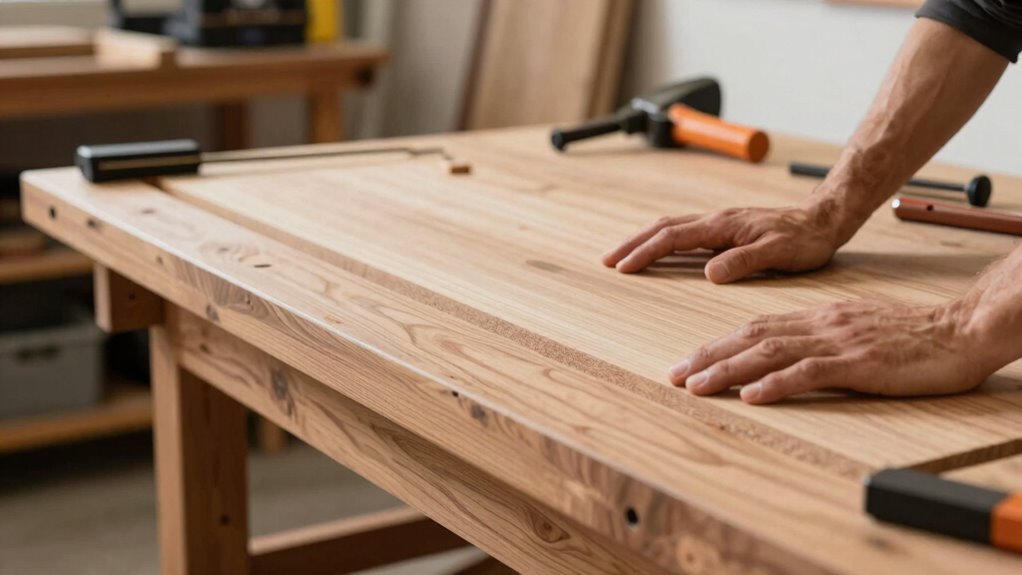
The height of your workbench directly impacts your comfort and safety while working. When set at the right level, it promotes proper posture correction, reducing strain on your back, neck, and shoulders. This consideration aligns with the importance of ergonomic setup for optimal comfort and efficiency. Proper workbench height also improves tool accessibility, allowing you to reach tools easily without awkward movements or overextending. When your work surface is too high or too low, you risk poor posture that can lead to injuries over time. Ensuring the correct height keeps your body in a natural position, minimizing stress and maximizing efficiency. Additionally, understanding proper measurements can help you determine the ideal height for your specific needs. Being aware of ergonomic principles can further enhance your workspace setup. For example, choosing the right workbench height can prevent repetitive strain injuries and improve overall productivity. Ultimately, a well-adjusted workbench creates a safer workspace and helps you maintain good ergonomics throughout your projects.

FLEXISPOT Electric Adjustable Workbench, 55×28 Inches Ergonomic Worktable with Drawer for Garage, Workshop, Office and Home, Spacious Desktop for Woodworking Sewing and Crafts, White, 3 Packages
SMOOTH ELECTRIC HEIGHT ADJUSTMENT: Ultra-smooth adjustment from 28.1" to 45.7" allows you to easily find the perfect height…
As an affiliate, we earn on qualifying purchases.
As an affiliate, we earn on qualifying purchases.
What Factors Affect the Ideal Workbench Height

Several factors influence the ideal height for your workbench, ensuring it fits your specific needs and working style. Material durability plays a key role; a sturdy, long-lasting surface supports your tasks and maintains stability over time. The type of projects you undertake also matters—heavy-duty materials may require a higher or more reinforced workbench. Workspace organization impacts height choices as well; a well-arranged setup allows you to work comfortably without straining. Your height and preferred working position are vital, too, since a workbench should accommodate your natural posture. Incorporating ergonomic principles can further optimize your workbench height for comfort and productivity. Additionally, incorporating spy tech advancements into your workspace can enhance security and monitoring during your projects. Understanding material properties helps in selecting the right surface for durability and safety, ultimately making your workspace more functional and enjoyable. Considering adjustable workbenches can also provide flexibility to adapt to various tasks and users.

Tetuga Height Measurement Medical Portable Stadiometer Height Rod 8-82 inch/20-210 cm/Unit with cm & inch, Accurate Scale Height Measuring Tool for Office Home Wall Adults Kids
Accurate Height Measurements – Tetuga height rods display measurements in inches and cm on both sides for precise…
As an affiliate, we earn on qualifying purchases.
As an affiliate, we earn on qualifying purchases.
How to Measure and Set Your Workbench for Ergonomics
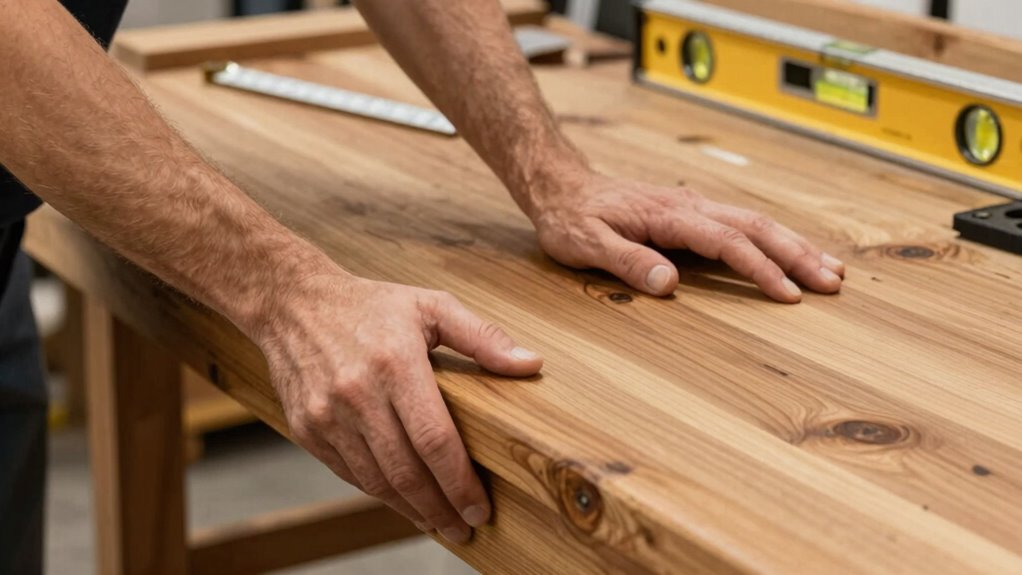
To guarantee your workbench is comfortable and efficient, you need to measure it correctly. Use proper techniques to determine the right height based on your body, especially your elbows and wrists. Setting your workbench to the ideal height helps prevent fatigue and improves your overall work quality. Remember, a well-designed workspace considers ergonomics principles to support your posture and reduce strain during long work sessions. Incorporating elements like outdoor transformation essentials can also inspire ergonomic setups in versatile environments. Understanding the design principles behind a good workspace can further enhance your comfort and productivity, especially as you adapt your environment to include smart technology for better functionality. Additionally, considering home appliance compatibility can help optimize your workspace for efficiency and convenience.
Proper Measurement Techniques
Wondering how to guarantee your workbench is set at the right height? Start with proper measurement techniques. First, consider material selection—choose a sturdy surface that withstands your tools and work style. Next, confirm tool compatibility by selecting a height that comfortably accommodates your most-used tools. Then, measure your elbow height when standing straight, adding a few inches for comfort. Finally, double-check your measurements by testing the setup with your typical tasks, making adjustments as needed. Keep in mind, precise measurements prevent fatigue and improve efficiency. Accurate measurements also ensure your workbench supports your tools and materials correctly, reducing strain and increasing safety. By following these steps, you set a foundation for ergonomic, productive work sessions.
Ideal Workbench Height
Achieving the ideal workbench height starts with understanding your ergonomic needs and taking precise measurements. To guarantee comfort and efficiency, set your workbench so that your elbows are roughly at a 90-degree angle when standing comfortably. This minimizes strain on your back and shoulders. Consider your workbench aesthetics, choosing a height that complements your workspace’s style and functionality. Historically, designs varied, but modern ergonomic standards favor a height between waist and chest level for most users. Measure yourself accurately, factoring in your clothing and footwear. Adjust your workbench accordingly, using shims or adjustable legs if needed. Remember, a well-measured, properly set workbench not only enhances your productivity but also preserves your health over time. Understanding ergonomic principles helps create a workspace that supports your long-term comfort and efficiency.
OLBRUS 48 "Adjustable Workbench with Power Outlet, Heavy Duty 2000 LBS Load Capacity Hardwood Workbench Suitable for Workshop, Office, Garage, Home
Adjustable Non-slip Foot Pad: Each leg of the work bench is equipped with an adjustable rubber non-slip foot…
As an affiliate, we earn on qualifying purchases.
As an affiliate, we earn on qualifying purchases.
Common Mistakes When Setting Your Workbench Height
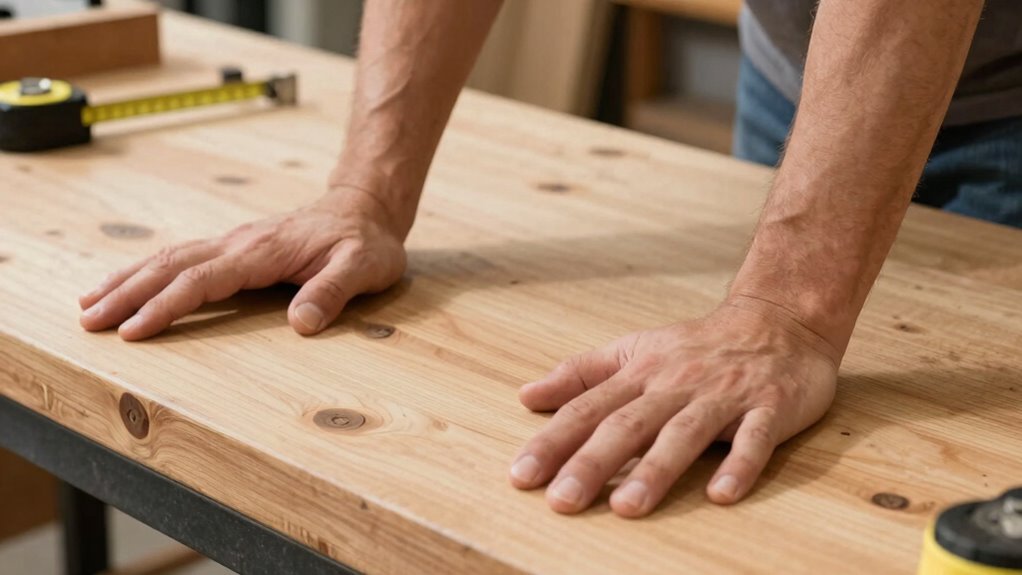
One of the most common mistakes people make when setting their workbench height is choosing a position based solely on comfort rather than functionality. An incorrect height can lead to fatigue, strain, and difficulty accessing tools. Be cautious of these pitfalls:
Choosing workbench height based only on comfort can cause fatigue, strain, and hinder tool access. Balance functionality and ergonomics.
- Setting it too high, which forces you to hunch over, causing back pain.
- Choosing too low, resulting in uncomfortable bending and wrist strain.
- Ignoring proper tool accessibility, making your workspace inefficient.
- Focusing only on comfort, neglecting ergonomic posture and task requirements.
- Overlooking ergonomic principles, which can influence your posture and movement during tasks. Properly considering workplace ergonomics can help you set a workbench height that reduces strain and enhances productivity. Additionally, understanding proper workstation setup is crucial for creating a safe and efficient workspace. When you optimize your setup with these considerations, you can prevent musculoskeletal issues and improve overall comfort. These errors compromise your workflow and safety. An incorrect height can make projects harder and more tiring. Always consider both your comfort and the practicality of tool access when adjusting your workbench for optimal efficiency.
Best Workbench Heights for Different Projects and Users
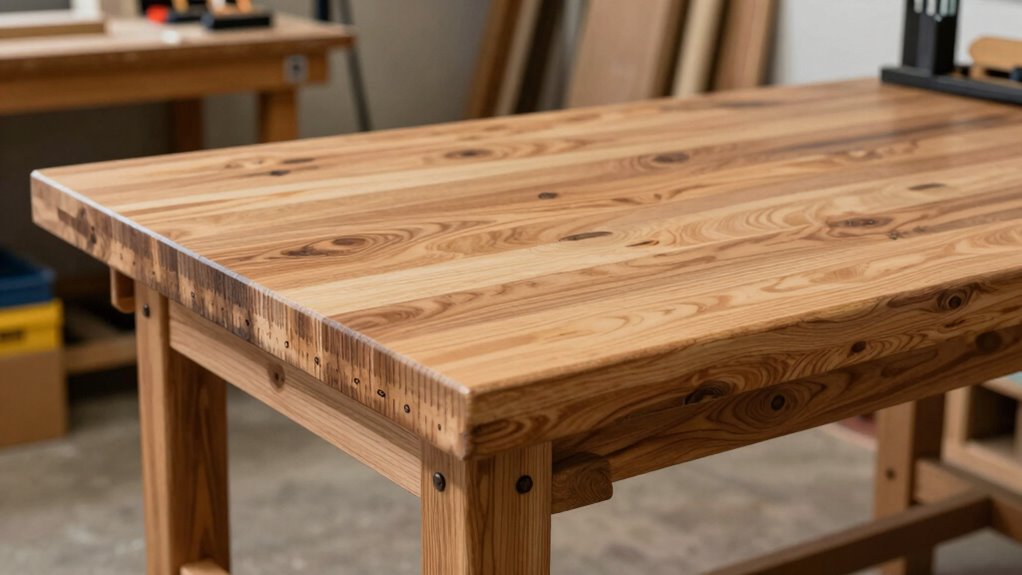
Choosing the right workbench height depends on the type of project you’re working on and your individual needs. For detailed, delicate tasks, a lower height—around waist level—offers better control and comfort. For heavy-duty projects like woodworking or assembly, a higher workbench—closer to your chest—provides leverage and stability. Consider workbench materials; sturdy wood or metal can influence ideal height due to weight and durability. If you have limited space, adjustable workbenches allow flexibility for different tasks and users. Storage solutions are also essential; incorporating shelves or drawers at appropriate heights enhances efficiency without compromising comfort. Additionally, ergonomic principles and human-centered design can help determine the most suitable height to reduce strain and improve productivity. Proper workspace ergonomics can significantly impact your comfort during prolonged work sessions, minimizing fatigue and injury risks. Ensuring the workbench height aligns with individual user needs can further optimize your workflow and reduce discomfort. When selecting a workbench, considering work surface height in relation to your stature can lead to better overall comfort and efficiency. Paying attention to indoor air quality and humidity levels in your workspace can also improve your comfort and focus, especially during long projects. Ultimately, selecting the best workbench height ensures you work comfortably, reduces fatigue, and improves precision for your specific projects.
Tips to Fine-Tune Your Workbench Over Time
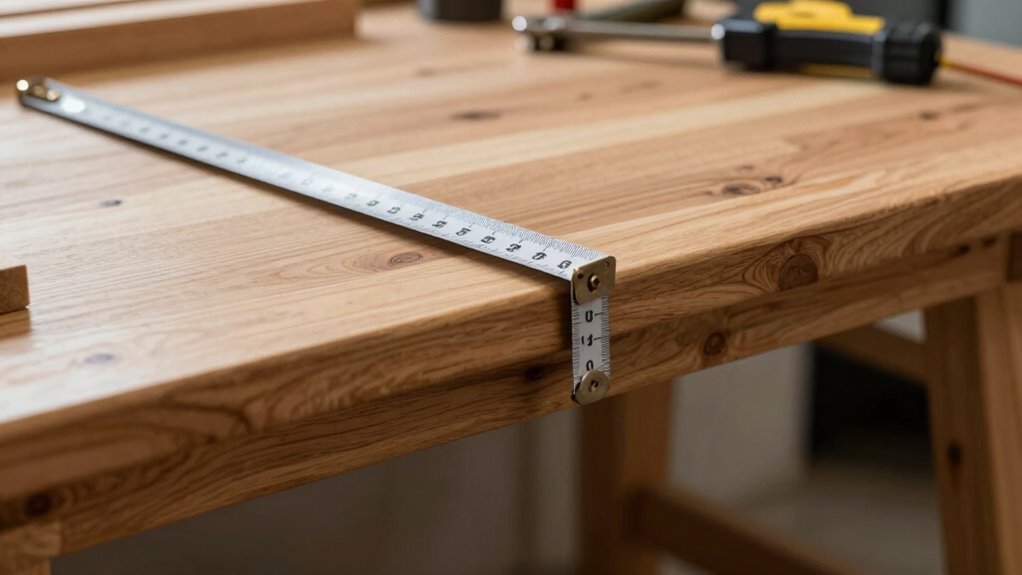
As you work, regularly adjust your workbench height to stay comfortable and efficient. Keep ergonomic considerations in mind to prevent strain and fatigue. By monitoring your work comfort, you can make small tweaks that improve your overall productivity over time. Incorporating ergonomic principles into your setup can further enhance your comfort and prevent long-term issues.
Regular Height Adjustments
Regularly adjusting your workbench height guarantees it remains comfortable and efficient for your projects. Frequent tweaks help maintain ideal workspace organization and ensure tools stay accessible. To fine-tune effectively, consider these steps:
- Assess your comfort—if you feel strain, it’s time to adjust.
- Test different heights—find the spot where your arms relax and movements are natural.
- Re-evaluate workspace layout—ensure your tools are within easy reach at each height.
- Make incremental changes—small adjustments prevent sudden discomfort and improve long-term ergonomics.
Ergonomic Considerations
Fine-tuning your workbench over time involves paying close attention to ergonomic details that can prevent fatigue and strain. Material selection plays a key role—choose sturdy, smooth surfaces that reduce pressure points and minimize discomfort during extended use. Consider the aesthetic design as well; a visually pleasing workbench can boost your motivation and focus, making it easier to maintain proper posture. Over time, you might notice areas where the surface feels harsh or awkward, so adjust or add padding accordingly. Regularly evaluating how your workbench supports your body guarantees you stay comfortable and productive. Small tweaks, like changing the surface finish or refining the layout, can make a significant difference in your overall ergonomic experience.
Monitoring Work Comfort
How do you know if your workbench continues to support your comfort effectively? Pay attention to your body and workspace. If you notice discomfort or fatigue, it’s time to reevaluate. Here are four signs to watch for:
- Your workspace lighting feels dim or causes eye strain.
- Tools are hard to reach, forcing awkward positions.
- You experience persistent aches after working.
- You find yourself adjusting your posture constantly.
Regularly check your workspace lighting to prevent eye fatigue. Make sure your tools are easily accessible to avoid unnecessary strain. Adjust your workbench height if you notice discomfort in your back, shoulders, or wrists. Fine-tuning these elements keeps your work environment supportive and safe over time.
Frequently Asked Questions
Can Adjustable Workbenches Save Time When Changing Tasks?
Yes, adjustable workbenches can save you time when changing tasks. By quickly adjusting the height, you can maintain an ergonomic posture, reducing fatigue and discomfort. This allows you to switch between tasks efficiently without stopping to find a new workspace or tools. The flexibility of an adjustable workbench enhances your task efficiency, making your workflow smoother and helping you complete projects faster and more comfortably.
How Does Workbench Height Affect Long-Term Back Health?
If your workbench height isn’t right, you risk turning your back into a twisted, aching mess for years to come. When you set it at an ergonomic posture, you reduce strain and boost comfort, helping prevent injuries. Long-term back health depends on this simple adjustment. By choosing the correct height, you safeguard yourself from chronic pain and guarantee your back stays healthy, no matter how long you work.
Are There Industry Standards for Workbench Height?
Yes, industry standards for workbench height exist to promote ergonomic posture and safety considerations. Typically, workbenches are set between 34 to 36 inches high, aligning with the user’s elbow height when standing. For tasks requiring precision or seated work, heights may vary. Adhering to these standards helps prevent strain, injuries, and fatigue, ensuring you maintain comfort and safety during prolonged work sessions.
What Materials Influence the Optimal Workbench Height?
The materials you choose greatly influence the ideal workbench height. Material ergonomics, like softer wood or cushioned surfaces, can reduce fatigue, while durable materials such as steel or concrete support heavy loads without deformation. Consider your tasks; if you need precision, a surface with high durability and ergonomic comfort helps. Balancing these factors ensures your workbench remains comfortable and functional, preventing strain and enhancing productivity.
How Often Should You Reassess Your Workbench Height?
You should reassess your workbench height whenever you notice discomfort or ergonomic posture issues, such as back pain or arm strain. Regularly checking guarantees your workspace remains optimized for user comfort, especially if you change tasks or equipment. Ideally, do this every few months or after any significant change in your work routine. Staying attentive helps prevent strain and keeps your workspace ergonomic, supporting long-term comfort and productivity.
Conclusion
Getting your workbench height right isn’t just about comfort—it’s about safety and efficiency too. By understanding what influences the ideal height and how to adjust it, you set yourself up for success on every project. Remember, your needs may change over time, so don’t be afraid to fine-tune your setup. After all, isn’t the goal to work smarter, not harder? Properly set, your workbench becomes your best tool—so make it count.