
To find the right workbench height, measure your elbow height with your arms at a 90-degree angle while standing. Adjust the surface to match this measurement for ideal comfort and safety, reducing strain on your back, shoulders, and arms. Make small changes and test with typical tasks until you find the perfect fit. Keep in mind that proper setup can prevent fatigue and injuries—stay with us to discover more tips for an ergonomic workspace.
Key Takeaways
- Measure your standing elbow height with arms at a 90-degree angle for an accurate workbench height.
- Adjust the workbench so the surface aligns with your elbow to promote ergonomic comfort.
- Ensure the work surface is level and stable to prevent awkward postures and reduce strain.
- Incorporate ergonomic accessories like cushions and supports to enhance comfort during extended tasks.
- Regularly reassess and fine-tune the height for different tasks to maintain optimal back and joint health.

19.6-Inch Depth Workbench Frame, Height Adjustable 28.5" to 33.8",Set of 4 Metal Wheels with Brakes, Heavy Duty Industrial DIY Furniture Legs for Study(Power Outlets/Wheel)
HEIGHT ADJUSTABLE:This work table leg has a height adjustable design the height range can be from 28.5" to…
As an affiliate, we earn on qualifying purchases.
As an affiliate, we earn on qualifying purchases.
Why Your Workbench Height Matters for Comfort and Safety
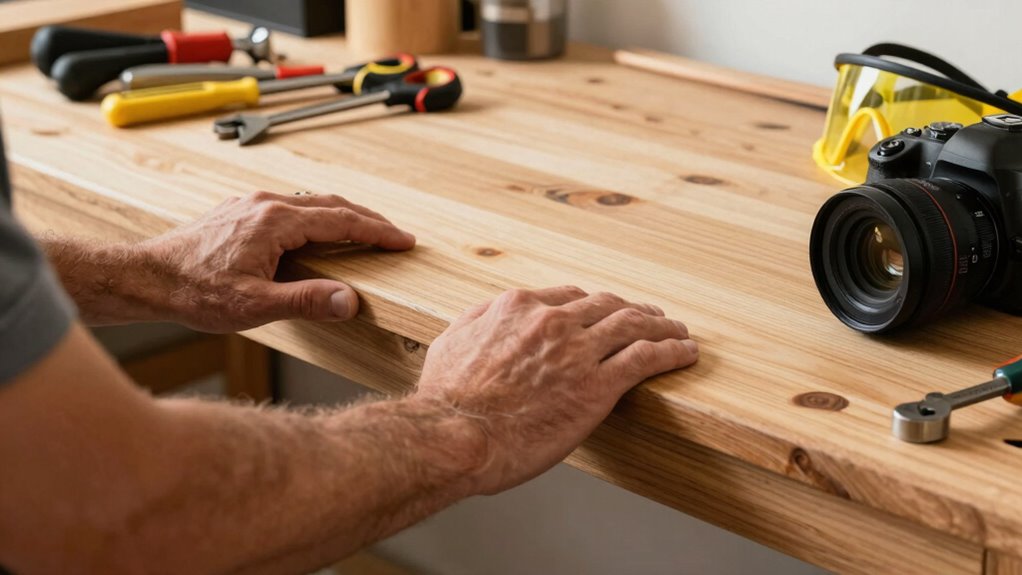
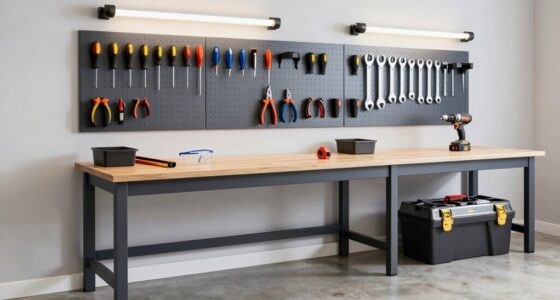
Your workbench height plays a crucial role in guaranteeing both comfort and safety while you work. When your work surface is at the right height, you reduce strain on your back, shoulders, and arms, promoting better work comfort over long periods. It also helps prevent fatigue and repetitive strain injuries, making your tasks more efficient and less tiring. Safety considerations are equally important; a proper height minimizes the risk of accidents caused by awkward postures or unstable workpieces. If your bench is too high or too low, you might lose control or compromise your stability, increasing the chance of slips or drops. Prioritizing the correct workbench height ensures you work comfortably and safely, helping you avoid discomfort and injury during your projects. Paying attention to ergonomics fundamentals can further enhance your workspace setup for long-term health, especially when considering workplace safety. Additionally, understanding how to properly measure your workbench height can significantly improve your work experience and reduce physical strain. Ensuring your workspace promotes optimal posture can also contribute to a healthier and more comfortable working environment.

Ergonomic Seat Cushion, Office Chair Seat Cushions with L-Shaped Design, Memory Foam Orthopedic Cushion with Coccyx Hollow, Lumbar Support & Tailbone Pain Relief for Car, Truck, Gaming Chair (Black)
【Integrated Ergonomic Seat Cushion】: Ergonomic seat cushion with integrated lumbar support conforms to the curves of the buttocks,…
As an affiliate, we earn on qualifying purchases.
As an affiliate, we earn on qualifying purchases.
How to Measure and Set Your Ideal Workbench Height

To guarantee your workbench is set at the perfect height, start by measuring your standing elbow height. This measurement guides workbench customization, ensuring comfort and suitable height for your tasks. For precise height optimization, stand naturally with your arms at a 90-degree angle and measure from the floor to your elbow. Use this number as a baseline to adjust your workbench height. Here’s a quick reference:
| Your Elbow Height | Ideal Workbench Height |
|---|---|
| 40 inches | 39-41 inches |
| 42 inches | 41-43 inches |
| 44 inches | 43-45 inches |
Adjust your workbench accordingly for better posture, reducing fatigue and preventing injury. Proper measurement is key to effective workbench customization. Considering ergonomic principles, maintaining proper posture during work can further prevent strain and enhance productivity. Additionally, selecting safety glasses that fit well can help protect your eyes during various tasks. Incorporating ergonomic principles into your workspace setup can promote long-term comfort and health. Paying attention to work environment setup can also prevent workplace injuries.

Egoldto Height Measurement for Wall, Children Adult Height Measure Rod, 3D Removable Growth Chart Stick, Wall Mounted Splicing Ruler for Kids Baby Nursery 79 inch (Blue)
Very accurate -There are inches and centimetres measurement. It's very precise. The scale is very clear to read.
As an affiliate, we earn on qualifying purchases.
As an affiliate, we earn on qualifying purchases.
Essential Tools and Tips for Accurate Measurement
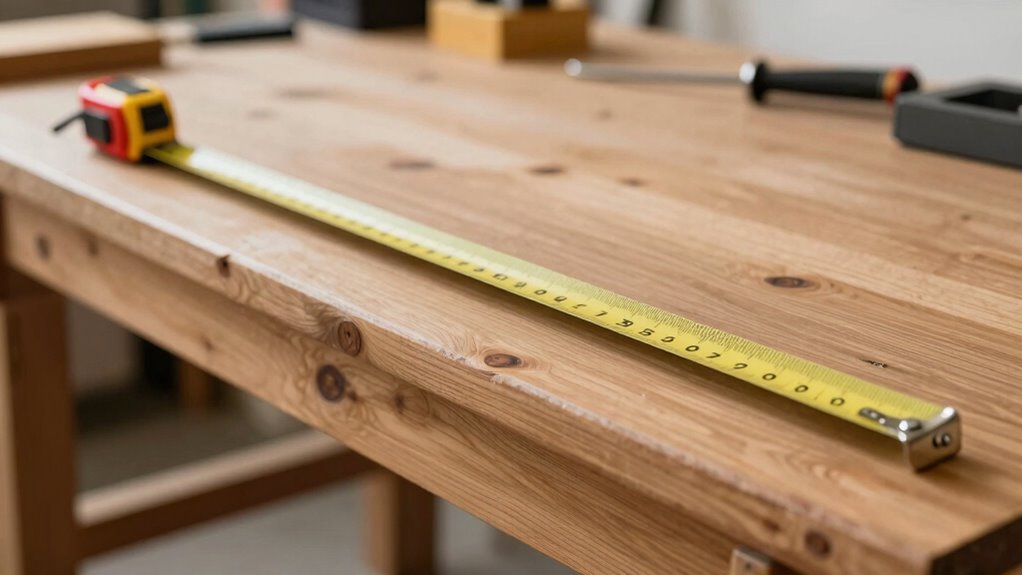
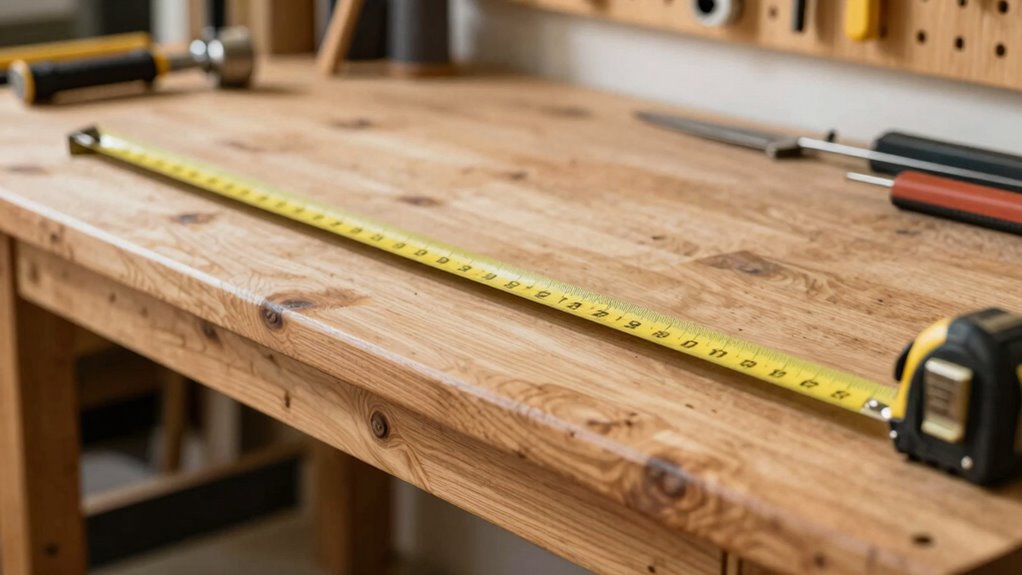
Accurate measurement relies heavily on the right tools and proper techniques. Start with a good measuring tape, making sure it’s flexible and easy to read. When measuring height, double-check your tape for any damage or wear that could cause inaccuracies. A level tool is essential to keep measurements straight and verify your workbench surface is even. Before measuring, clear the area of any debris or obstructions. Hold the measuring tape firmly, keeping it taut for precise readings. Nail styles can influence ergonomic considerations, so accurate measurements help ensure a comfortable setup. Use the level tool to verify that your markings or measurements are perfectly horizontal or vertical, depending on your needs. Consistently checking your tools for accuracy prevents errors. Additionally, understanding measurement standards can help ensure your measurements are universally reliable. Being aware of projector technology factors, such as contrast ratio and color accuracy, can also influence your setup precision. Incorporating proper calibration techniques further enhances measurement accuracy, ensuring your workbench setup is both precise and ergonomic. With these tools and tips, you’ll get reliable measurements that create a comfortable, ergonomic workbench setup.
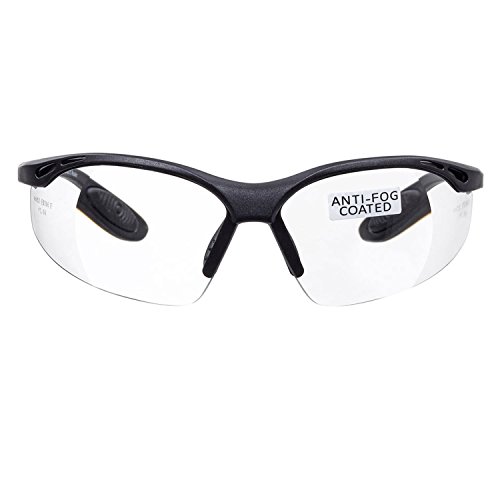
voltX 'Constructor' SAFETY READERS (CLEAR +2.0 Dioptre) Full Lens Reading Safety Glasses ANSI Z87.1+ & CE EN166F, Wraparound Style – Includes Safety Cord with headstop – UV400 anti fog coated lens
Wraparound style full height lens reading safety glasses (not bifocals).
As an affiliate, we earn on qualifying purchases.
As an affiliate, we earn on qualifying purchases.
Common Workbench Setup Mistakes and How to Avoid Them
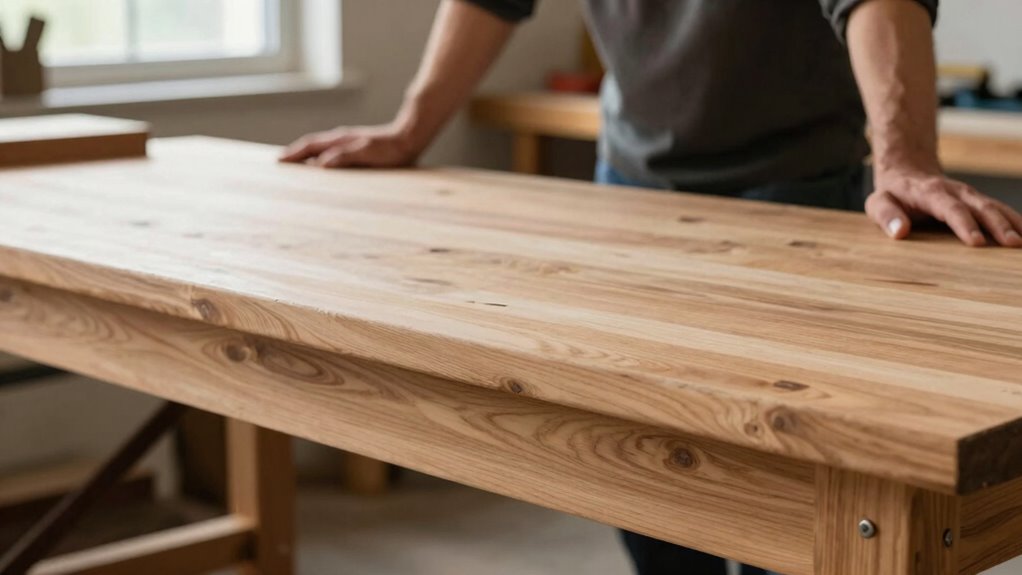
Many people make mistakes like setting the workbench at the wrong height, which can cause strain or reduce precision. Poor ergonomic positioning can lead to discomfort and fatigue, while ignoring the work surface depth may limit your workspace efficiency. Being aware of these common pitfalls helps you create a safer, more comfortable setup. Additionally, understanding the importance of DIY tools and setup can help you make informed choices for a more effective workspace. Properly adjusting your workbench height based on your body posture can significantly improve comfort and productivity during long projects. Recognizing the role of inclusive design principles in workspace setup can also enhance accessibility for diverse users. Considering trusted local services can further ensure you have access to professional advice or modifications tailored to your needs. Incorporating ergonomic principles into your workspace can help prevent strain and promote better health during extended work sessions.
Incorrect Height Alignment
One of the most common mistakes when setting up a workbench is choosing the wrong height, which can lead to discomfort and decreased productivity. Incorrect height and improper alignment cause strain on your back, shoulders, and arms. To avoid this, focus on these key points:
- Measure your elbow height when standing comfortably; your work surface should be close to this level.
- Guarantee the workbench is level and aligned with your body’s natural posture, preventing awkward positions.
- Regularly check the height, especially if you switch tasks or work with different tools, to maintain proper alignment.
- Consider ergonomic principles to optimize your workspace setup for comfort and safety.
Proper workstation setup is essential to prevent musculoskeletal issues and improve overall efficiency.
Neglecting these steps results in an awkward setup that increases fatigue and risk of injury. Correct height alignment ensures comfort, efficiency, and reduces long-term health issues.
Poor Ergonomic Positioning
Poor ergonomic positioning often occurs when your workbench setup doesn’t match your body’s natural movements, leading to discomfort and fatigue. If your work surface is too high or low, it forces you into awkward postures that strain your neck, shoulders, and back. To prevent this, use ergonomic cushions to support proper seating and reduce pressure points. Incorporate posture correction techniques, such as adjusting your chair and work surface height, to maintain a neutral spine position. Avoid leaning forward or hunching over your work, as these habits increase strain. Regularly check your alignment and make small adjustments to stay comfortable during long sessions. Correct ergonomic positioning not only alleviates pain but also boosts productivity by keeping you focused and energized. Paying attention to workbench height is a simple yet effective way to improve your ergonomic setup and protect your back. Additionally, understanding body mechanics can further help you maintain proper posture and prevent injuries during extended work periods. Being aware of ergonomic principles can help you identify and correct potential issues before they cause discomfort.
Ignoring Work Surface Depth
Have you considered how the depth of your work surface impacts your comfort and efficiency? Ignoring work surface depth can lead to awkward postures and decreased productivity. When setting up your workspace, keep these ergonomic considerations in mind:
- Proper Depth: Make sure your work surface isn’t too deep or shallow to prevent excessive reaching or leaning.
- Reach Zone: Keep tools and materials within a comfortable arm’s reach to minimize strain.
- Viewing Distance: Position your work surface so you can see your project clearly without hunching or stretching.
Adjusting Your Workbench for Different Tasks and Users
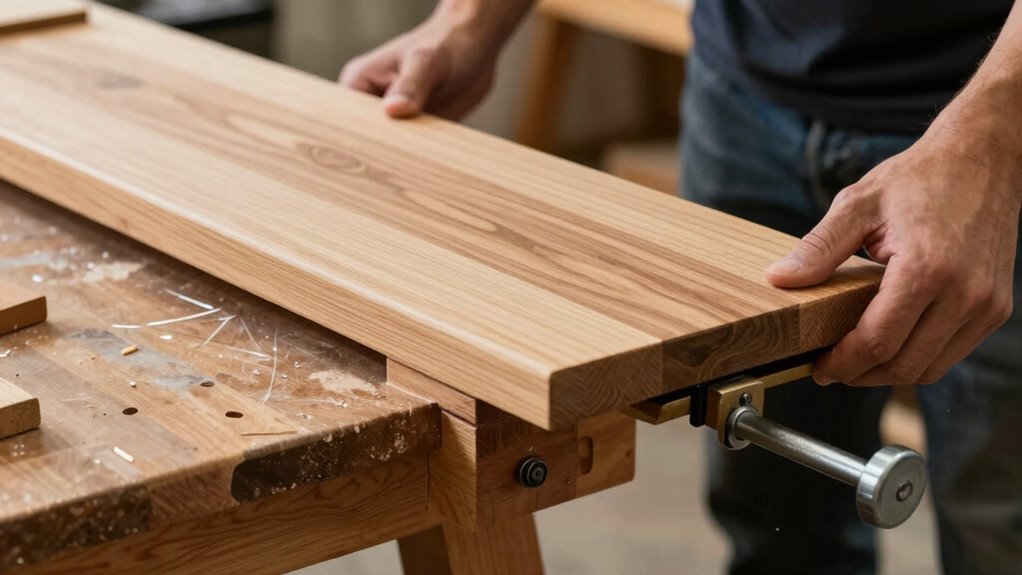
Adjusting your workbench to suit different tasks and users is essential for maintaining comfort and efficiency. Custom height solutions allow you to tailor your workspace, reducing strain and improving precision. For tasks requiring detailed work, a slightly lower height can give better control, while larger projects might call for a higher setting to avoid hunching. If multiple users share the workspace, consider adjustable legs or modular platforms to accommodate their individual needs. Creating an ergonomic workspace guarantees each person can work comfortably without risking injury. Take the time to evaluate your tasks and user preferences, then modify your workbench accordingly. This flexibility not only enhances productivity but also helps prevent back pain and fatigue over the long run. Incorporating ergonomic accessories like anti-fatigue mats and standing desk gear can further improve comfort during long work sessions. Additionally, understanding your workbench height is a simple but crucial measurement that can significantly impact your comfort and efficiency.
Quick Tips for Maintaining Ergonomic Workbench Setup
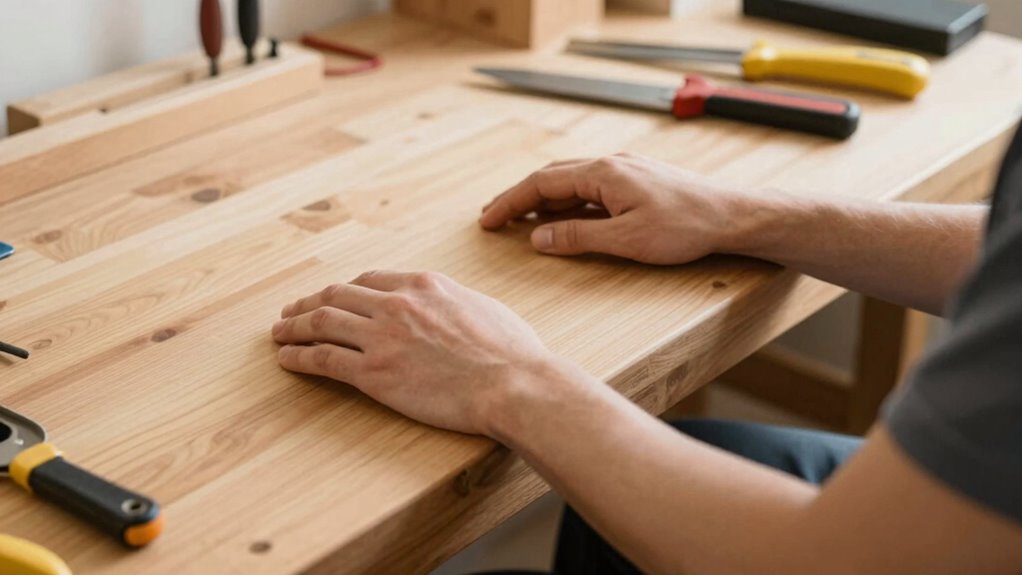
To keep your workbench ergonomic, make sure you adjust its height correctly for your tasks. Maintain a neutral posture by standing or sitting with relaxed shoulders and a straight back. Consider using supportive accessories like anti-fatigue mats or wrist rests to reduce strain during prolonged work.
Adjust Workbench Height Properly
Wondering how to set your workbench height for maximum comfort? First, measure your elbow height when standing naturally, then adjust the surface so it’s level with or slightly below that point. To *guarantee* it suits your workspace, consider these tips:
- Keep the workbench height consistent with the overall work area for better Workbench aesthetics and color coordination.
- Test different heights by doing a few sample tasks—your shoulders should stay relaxed, and your wrists neutral.
- Adjust in small increments, ensuring stability and comfort without compromising the visual harmony of your workspace.
Proper height is key to ergonomic efficiency and visual appeal. Fine-tuning your setup helps prevent fatigue and keeps your workspace visually cohesive.
Maintain Neutral Posture
How can you make sure your posture remains neutral during work at your bench? Focus on posture correction by keeping your back straight, shoulders relaxed, and elbows close to your sides. To support this, use ergonomic accessories like adjustable stools or footrests that help maintain proper alignment. Take frequent breaks to stretch and reset your posture, preventing strain from prolonged static positions. Confirm your work surface is at the right height so you don’t have to hunch or overstretch. Keep your wrists straight when working to avoid unnecessary tension. Consistently practicing posture correction and leveraging ergonomic accessories will help you stay comfortable and reduce the risk of back and neck pain over long work sessions.
Use Supportive Accessories
Using supportive accessories can make a significant difference in maintaining an ergonomic workbench setup. They help reduce strain and improve comfort throughout your workday. Consider these options:
- Ergonomic cushions: Place these on your seat or standing surface to support proper posture and decrease pressure on your lower back.
- Anti-fatigue mats: Use these when standing for long periods to reduce fatigue and joint stress.
- Adjustable armrests or forearm supports: These help keep your arms at a comfortable height, preventing shoulder and neck tension.
Frequently Asked Questions
What Is the Optimal Workbench Height for Standing Versus Sitting Tasks?
For standing tasks, set your workbench height so your elbows are at a 90-degree angle, promoting ergonomic posture. When sitting, adjust the height so your feet rest flat on the floor and your thighs are parallel, ensuring comfort. Remember, height customization is key; a properly adjusted workbench reduces strain and prevents back pain. Always tailor the height to your body to maintain good ergonomics during different tasks.
How Often Should I Recheck My Workbench Height?
You should recheck your workbench height whenever your tasks or posture change, which might be weekly or monthly. This guarantees your ergonomic posture stays ideal and safety considerations are met. Regularly reassessing helps prevent strain and discomfort, especially if you notice fatigue or pain. Keep in mind, a slight adjustment can make a big difference in maintaining comfort and reducing injury risk, so stay attentive and adapt as needed.
Can Adjustable Workbenches Improve Long-Term Comfort?
Yes, adjustable workbenches can considerably improve your long-term comfort. By customizing the height, you can maintain an ergonomic posture, reducing strain on your back, shoulders, and neck. This flexibility helps prevent injuries caused by poor ergonomics during prolonged work. Regularly adjusting your workbench to suit different tasks ensures you stay comfortable and safe over time, supporting better posture and minimizing long-term health risks.
Does Workbench Height Affect Tool Accessibility and Workflow?
Yes, workbench height markedly affects tool accessibility and workflow. When your workbench is at an ergonomic posture, you can reach tools easily without unnecessary bending or stretching, which boosts efficiency and reduces fatigue. Proper tool placement, combined with the right height, keeps your workflow smooth and minimizes strain. Adjusting your workbench to match your height ensures you work comfortably, enhancing productivity and preventing long-term discomfort.
Are There Industry Standards for Workbench Height in Different Trades?
Yes, industry standards for workbench height vary by trade and focus on maintaining ergonomic posture and safety. For example, carpenters typically work at 36 inches, while metalworkers prefer around 40 inches. These standards help prevent strain and injury, ensuring you work comfortably and efficiently. Always consider your specific tasks and safety considerations when choosing a workbench height, and adjust if needed for ideal ergonomic support.
Conclusion
Getting your workbench height just right isn’t just about comfort — it’s about safety too. Think of it like adjusting a bike seat: when set correctly, you can work efficiently without strain or injury. Take the time to measure and fine-tune your setup, and you’ll notice less fatigue and better results. Remember, a well-adjusted workbench supports your projects and your well-being, making every task safer and more enjoyable.