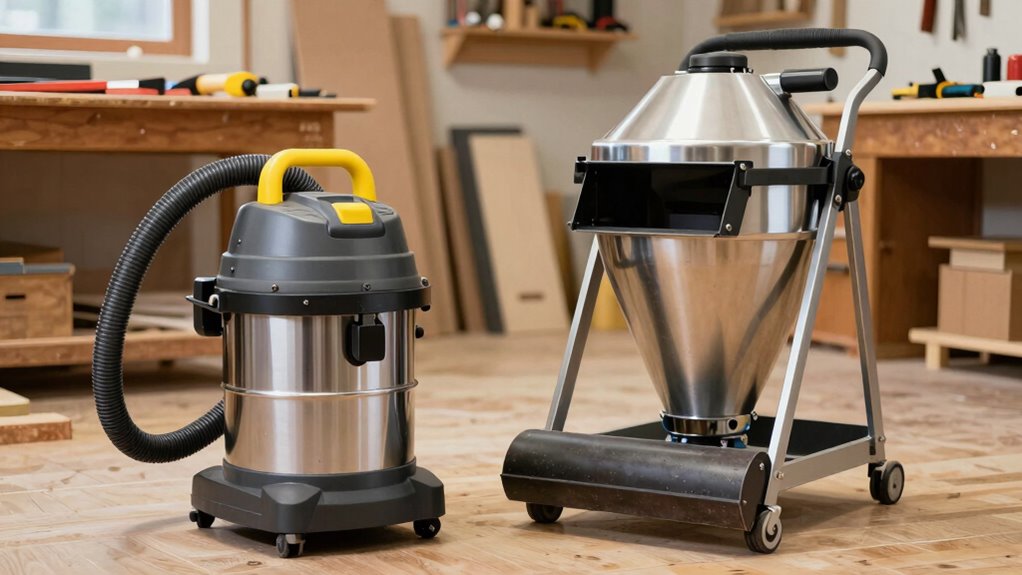

If you’re tackling small debris, spills, or quick cleanups, a shop vacuum is your best choice due to its portability and versatility. For large projects that produce fine dust, especially in a workshop or for thorough air quality control, a dust collector is more effective thanks to its higher capacity and better filtration. Consider your project size, dust type, and indoor environment needs — keep exploring for detailed tips to pick the right tool for your workspace.
Key Takeaways
- Choose a shop vacuum for quick cleanup of spills, debris, and small dust tasks in tight or portable work areas.
- Opt for a dust collector if you need continuous, high-capacity dust extraction for large woodworking or sanding projects.
- Consider noise levels, with shop vacuums being louder and dust collectors operating more quietly for prolonged use.
- Prioritize dust collectors for better air filtration, especially in environments where indoor air quality and health safety are concerns.
- Match equipment to your workspace size and task scale; small projects may only need a shop vacuum, while large setups benefit from a dust collector.
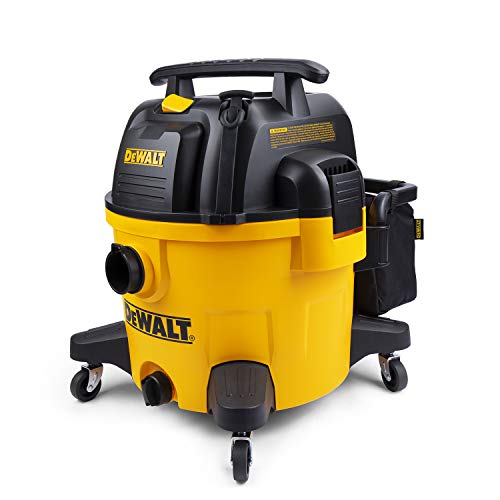
DEWALT 9 Gallon Wet/Dry VAC, Heavy-Duty Shop Vacuum with Attachments, 5 Peak HP, with Blower Function, DXV09PA
The 9 Gallon shop vacuum is ideal for both wet and dry pickups. Powerful 5 HP heavy-duty motor…
As an affiliate, we earn on qualifying purchases.
As an affiliate, we earn on qualifying purchases.
What Are Shop Vacuums and Dust Collectors?
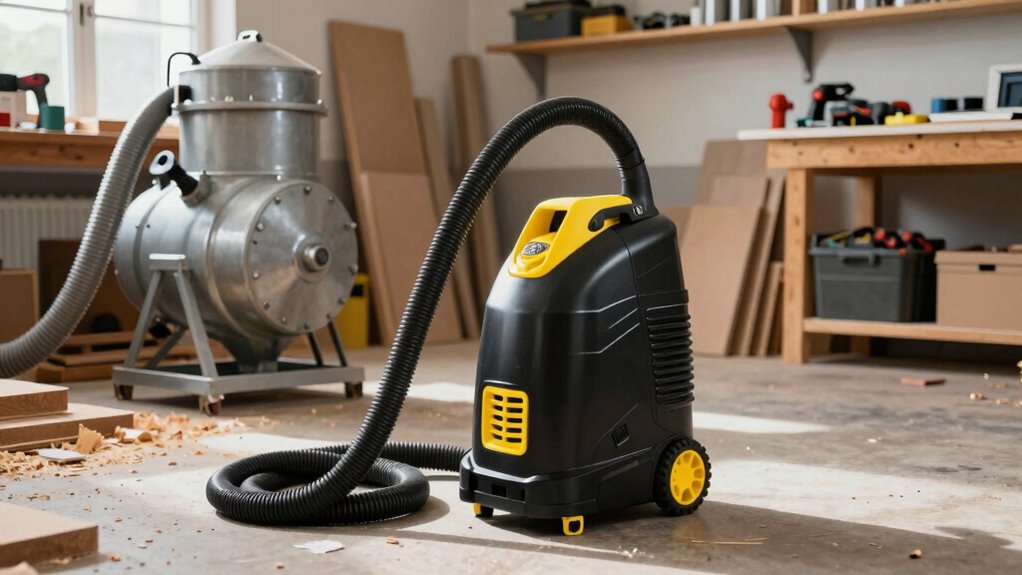
Shop vacuums and dust collectors are both tools designed to keep your workspace clean, but they serve different purposes. Shop vacuums are portable and versatile, ideal for quick cleanup tasks and small debris. They typically have powerful suction, which helps improve air quality by removing dust and dirt. Dust collectors, on the other hand, are larger, stationary units meant for continuous use in workshops. They excel at capturing fine dust particles at the source, maintaining better air quality over time. Additionally, proper humidity management can help prevent dust buildup on surfaces and improve overall rug and workspace maintenance. Noise levels vary between the two: shop vacuums can be loud but manageable, while dust collectors often operate more quietly due to their design. Understanding these differences helps you choose the right tool to keep your workspace clean and safe, especially considering the importance of dust control in maintaining a healthy environment. Regular maintenance and awareness of air quality considerations are also essential factors when choosing between a shop vacuum and a dust collector. Knowing the specific filtering capabilities of each option can further improve your decision-making process. Furthermore, understanding how each device handles dust extraction efficiency can lead to better long-term results in your workspace.

ROCKLER 9 Gal HEPA Dust Collector – Power Tool Activated Shop Dust Collection System for Dislodging Debris – Heavy Duty, Washable, & Portable Shop Vaccum to Capture Debris from Different Tools
HEPA Filtration: Our shop vac dust collector auto-starts with your power tool via a 110V socket; its washable…
As an affiliate, we earn on qualifying purchases.
As an affiliate, we earn on qualifying purchases.
Shop Vacuum vs. Dust Collector: What’s the Difference?
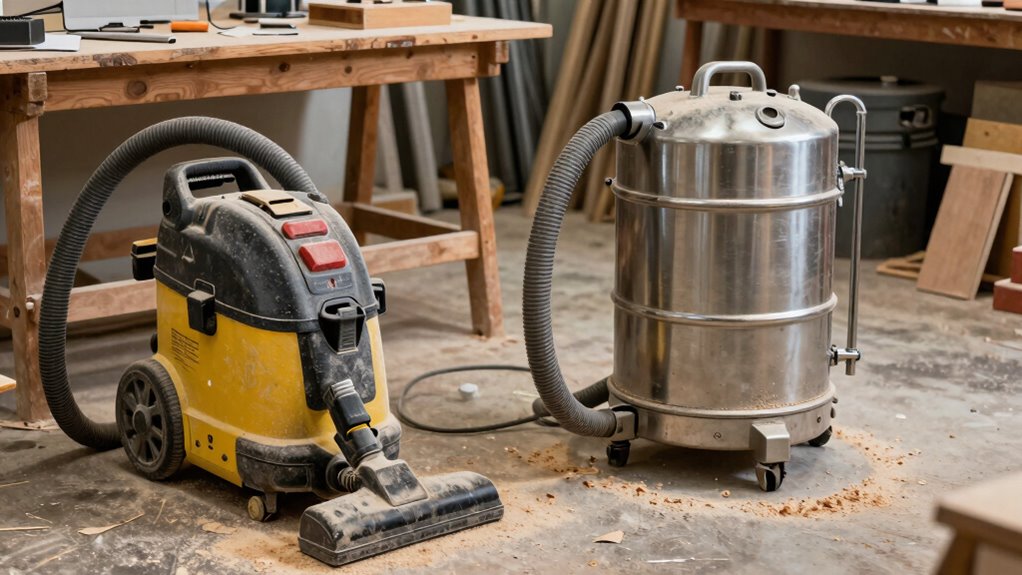
Shop Vacuum vs. Dust Collector: What’s the Difference?
While both shop vacuums and dust collectors help keep your workspace tidy, they’re designed for different tasks. Shop vacuums are versatile, handling debris, spills, and small dust particles. Dust collectors, on the other hand, are built for continuous, high-volume dust extraction from power tools. Regarding air filtration, dust collectors usually provide better filtration for fine dust, which helps keep the air cleaner and reduces health risks. Additionally, many dust collectors incorporate HEPA filters that are specifically designed to trap very fine particles, further enhancing air quality. It’s important to consider filter efficiency when selecting equipment to ensure the best possible air quality in your workspace. Proper maintenance of both systems also plays a crucial role in their effectiveness and longevity. Noise levels also differ: shop vacuums can be quite loud during operation, while dust collectors tend to produce steady, lower noise levels over extended periods. Understanding these differences helps you choose the right equipment for your needs, whether you prioritize air quality, noise, or specific cleanup tasks.

CRAFTSMAN CMXEVBE17250 2.5 Gallon 2.5 Peak HP Wet Dry Vac, Portable Shop Vacuum Wet and Dry with Filter Bag, Hose and Attachments for Cleaning in the Home
PORTABLE: Lightweight, 2.5-gallon wet dry shop vac offers unparalleled mobility
As an affiliate, we earn on qualifying purchases.
As an affiliate, we earn on qualifying purchases.
Best Uses for Shop Vacuums in Your Workshop
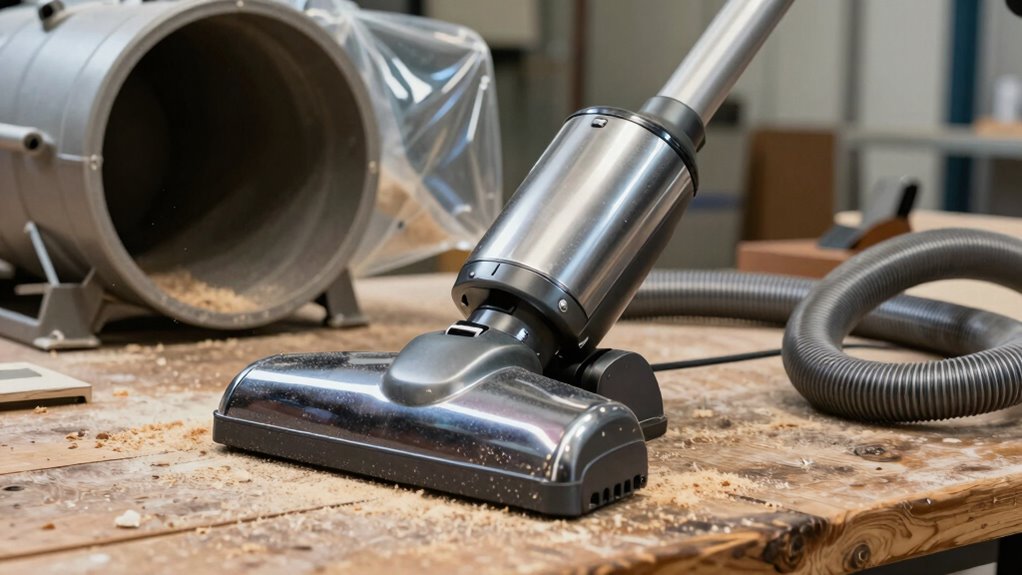
Shop vacuums are incredibly versatile tools in any workshop, making them ideal for a wide range of cleanup tasks. They excel at removing debris from floors, benches, and machinery, helping maintain good air quality by capturing dust and small particles. Plus, their portability makes it easy to reach tight spots and handle quick cleanups. To maximize efficiency, consider effective storage solutions for accessories and hoses, keeping your workspace organized. Here’s a quick comparison:
| Use Case | Benefits |
|---|---|
| Picking up sawdust and debris | Improves air quality and reduces hazards |
| Cleaning workshop floors | Keeps your workspace safe and tidy |
| Clearing work surfaces | Fast cleanup to maintain workflow |
| Removing spills | Prevents accidents and messes |
| Vacuuming small tools | Preserves equipment and cleanliness |
Additionally, understanding dust collection principles can help you choose the right tool for larger debris and more efficient dust management. Proper filter sizing/flow also plays a crucial role in maintaining optimal suction and efficiency for both shop vacuums and dust collectors. Considering air filtration options can further improve indoor air quality during heavy cleanup tasks. Incorporating the right vacuum attachments can also enhance your cleaning effectiveness in different workshop scenarios. Employing proper maintenance practices ensures your equipment performs at its best over time.

YOWMOFT CVL30-RC, 8 Gallon Dust Extractor with Remote Control, 5.5 Peak HP Shop Vacuum with HEPA Filter, Dust Bag, Dusting Brush, Hose, Dust Extractor for Woodworking, Garage, and Home Cleaning
Remote Control Function: This dust extractor is equipped with a remote control, making it convenient for you to…
As an affiliate, we earn on qualifying purchases.
As an affiliate, we earn on qualifying purchases.
When Should You Use a Dust Collector?

A shop vacuum works well for quick cleanup tasks and small debris, but when your workshop generates a lot of dust or fine particles, a dust collector becomes a smarter choice. Use a dust collector when maintaining better indoor air quality is a priority, especially for prolonged woodworking sessions. It’s ideal if you want to reduce noise levels associated with dust cleanup, making your workspace more comfortable. Consider using a dust collector when:
- You’re working on large, dust-producing projects like sanding or planing.
- Fine particles threaten indoor air quality or cause health concerns.
- You need continuous, efficient dust removal without constant manual emptying.
- Additionally, a dust collector is designed to handle air quality management more effectively, ensuring your workshop remains safer and more comfortable. Proper use of a dust collector can also help reduce long-term health risks associated with dust inhalation. Using a dust collector can also minimize the emotional needs of workers by creating a cleaner, less stressful environment. Incorporating a dust collector into your workspace can further improve worker productivity by reducing cleanup time and maintaining a cleaner environment. Selecting the right dust collection system can also contribute to compliance with safety standards, helping you meet workplace regulations.
Factors to Consider When Choosing Between Them
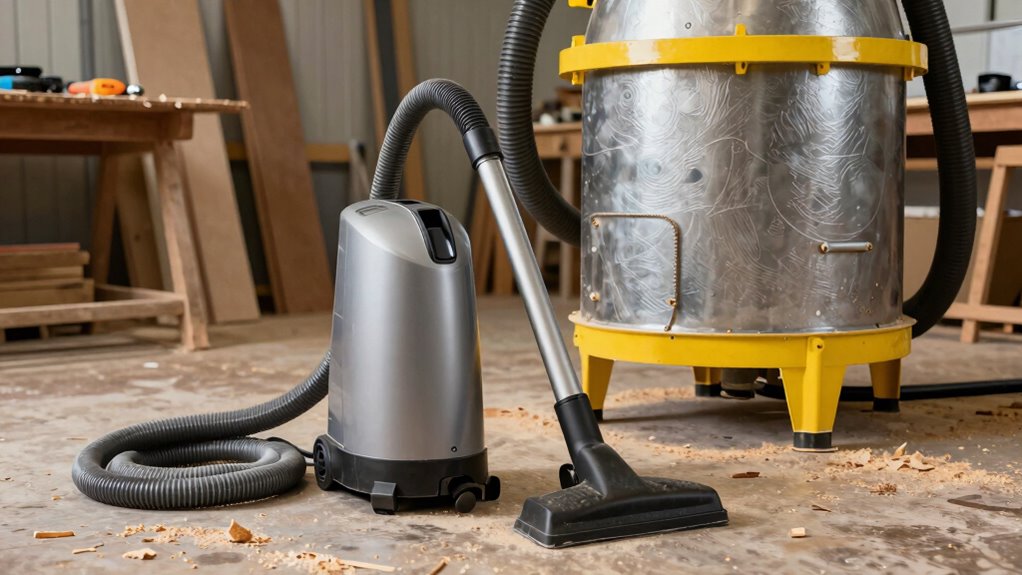
When choosing between a shop vacuum and a dust collector, you need to take into account several key factors to make the right decision for your workspace. Air filtration is essential; dust collectors generally offer better filtration, capturing smaller particles and improving air quality. Noise levels also matter—dust collectors tend to be louder, which could be disruptive in a shared or quiet environment. Consider your workspace size and how much dust you generate daily. If you need portability for quick cleanup, a shop vacuum might be more suitable. However, for larger projects with extensive dust, a dust collector’s higher capacity and better filtration make it a smarter choice. Weigh these factors carefully to guarantee your setup is efficient, safe, and comfortable. Additionally, understanding dust collector safety can help you operate equipment more effectively and prevent potential hazards. Being aware of Air filtration capabilities can also influence your decision, especially if indoor air quality is a priority. Incorporating knowledge about filtering efficiency can help you select equipment that meets your specific dust management needs. Furthermore, choosing the right system involves understanding dust management techniques to ensure a healthier workspace. A comprehensive understanding of air quality improvement can also guide you toward more effective dust control solutions and healthier indoor environments.
Cost, Maintenance, and Durability
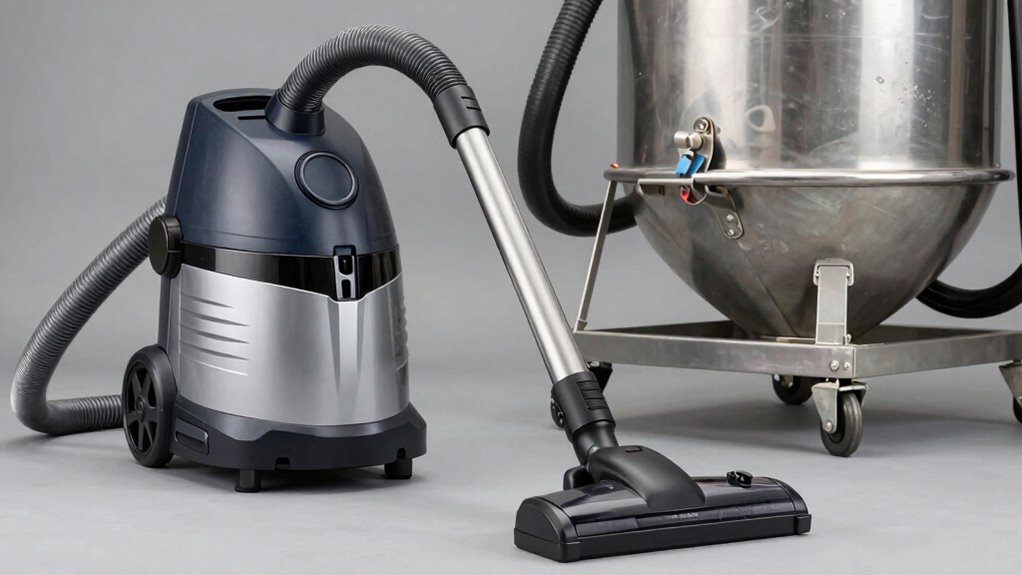
- Long-term expenses based on durability factors
- Frequency of maintenance required
- Initial investment versus longevity of the system
- Proper cleaning and hygiene extend the lifespan of your equipment and reduce replacement costs.
How to Pick the Right Equipment for Your Needs
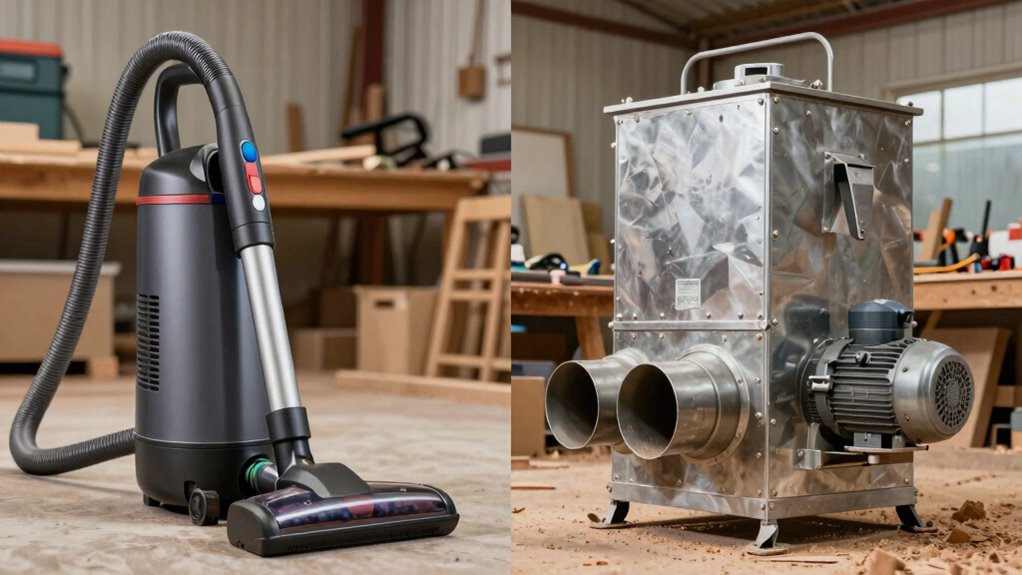
To choose the right equipment, start by evaluating your cleaning tasks—consider how often and how much you need to clean. Then, match the features of shop vacuums or dust collectors to those tasks, focusing on capacity, power, and portability. Making these connections guarantees you pick gear that fits your needs efficiently.
Assessing Your Cleaning Tasks
Choosing the right cleaning equipment starts with understanding the specific tasks you need to accomplish. Consider what types of debris you’ll be handling and the environment you’ll be working in. For example, if air quality is a concern, look for equipment with good filtration to trap dust and allergens. Noise levels matter too—if you’ll be working in a noise-sensitive area, opt for quieter models. Think about:
- The volume and type of debris you need to vacuum or collect
- The importance of air filtration and dust containment
- Whether noise restrictions are in place
Matching Equipment Features
Selecting the right vacuum or dust collection system depends on matching its features to your specific needs. First, consider accessory compatibility—make certain the system can connect with the tools and attachments you use regularly. This prevents frustration and ensures efficient cleanup. Next, think about portability considerations; if you need to move frequently between job sites or around your workspace, a lightweight, easy-to-maneuver unit is essential. For stationary setups, robustness and higher capacity might take priority. Evaluate the power and filtration features as well, matching them to the dust types and volume you’ll handle. By aligning these features with your tasks, you’ll choose a system that offers maximum efficiency, ease of use, and long-term value.
Making the Right Choice: Shop Vacuum or Dust Collector?
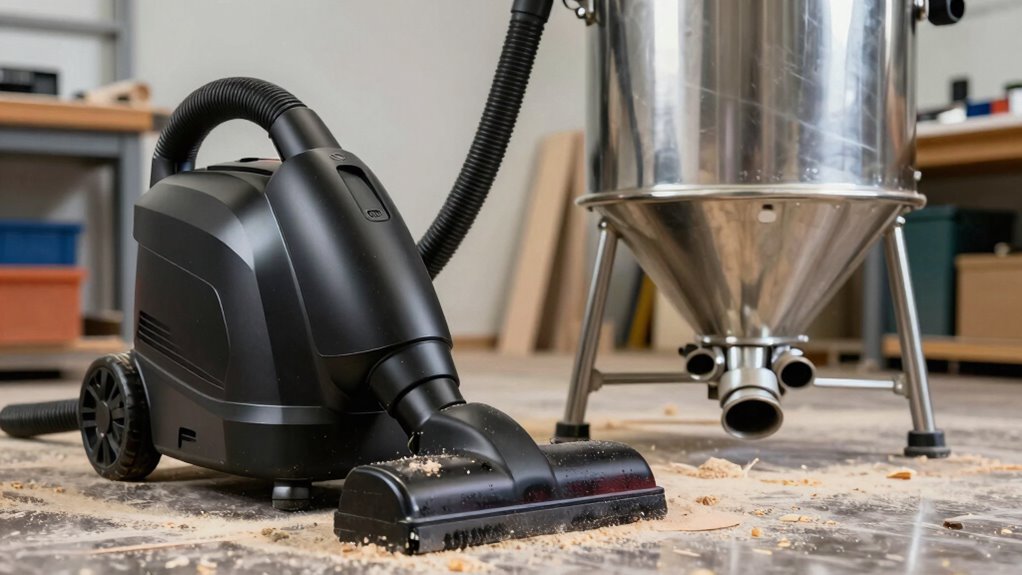
Are you struggling to decide between a shop vacuum and a dust collector for your workspace? To make the right choice, consider your specific needs and safety precautions. A dust collector is ideal for large-scale woodworking and offers better airflow, reducing airborne dust and improving safety. On the other hand, a shop vacuum is more versatile, perfect for cleaning up spills or small debris. Key factors to weigh include:
Choose a dust collector for large woodworking; opt for a shop vacuum for versatile, small cleanup tasks.
- Environmental impact: Dust collectors produce less dust dispersion, minimizing environmental harm.
- Safety precautions: Proper filtration and maintenance protect your health and equipment.
- Workspace size: Larger workshops benefit from dust collectors, while smaller spaces may only require a shop vacuum.
Choosing wisely guarantees safety, efficiency, and environmental responsibility in your workspace.
Frequently Asked Questions
Can Both Devices Be Used Simultaneously in a Workshop?
Yes, you can use both devices simultaneously in your workshop, but you should consider ventilation requirements and noise levels. Running both at once improves dust collection, but it might increase noise, so hearing protection could be necessary. Make sure your workspace has proper ventilation to prevent dust buildup and maintain air quality. Using both devices together boosts safety and efficiency, but balance their operation with your workspace’s ventilation and noise considerations.
Which Is Safer for Indoor Air Quality?
A dust collector is safer for indoor air quality because it effectively removes airborne particles through better air filtration. Unlike a shop vacuum, which can stir up dust and reduce air quality, a dust collector captures most particles at the source, preventing them from circulating in the air. This reduces health risks and keeps your workshop cleaner, making it the better choice for maintaining safe indoor air quality.
Are There Any Size or Space Restrictions?
Yes, size and space restrictions can impact your choice. Shop vacuums are compact, fitting easily into smaller storage areas, while dust collectors are larger and need more space. Consider storage limitations and power requirements; dust collectors often need dedicated outlets and more room, whereas shop vacuums are more portable. Evaluate your workspace to make certain your selected equipment fits comfortably without compromising safety or functionality.
How Long Do Shop Vacuums and Dust Collectors Typically Last?
Shop vacuums usually last around 3-5 years with regular maintenance, while dust collectors can last 10-15 years or more if you keep up maintenance frequency. Power efficiency impacts their lifespan; a more efficient model tends to wear less over time. To extend your equipment’s life, clean filters regularly, check for wear, and follow manufacturer recommendations. Proper upkeep ensures you get the most out of your investment.
Can These Devices Handle Wet Debris or Only Dry?
You might think shop vacuums and dust collectors only handle dry debris, but many are designed for wet debris too. Shop vacuums are versatile and can usually handle both wet and dry debris effectively. Dust collectors, however, typically focus on dry debris in woodworking or dust-heavy environments. Always check your device’s specifications, because some models are built for wet debris, while others aren’t, ensuring you choose the right tool for your needs.
Conclusion
Ultimately, choosing between a shop vacuum and a dust collector depends on your workshop’s needs—and that choice could change everything. Will you prioritize versatility or efficiency? Will budget constraints sway your decision? The right tool might be closer than you think, waiting to transform your space. So, are you ready to make the leap and upgrade your workshop? The answer could be more exciting than you ever imagined.