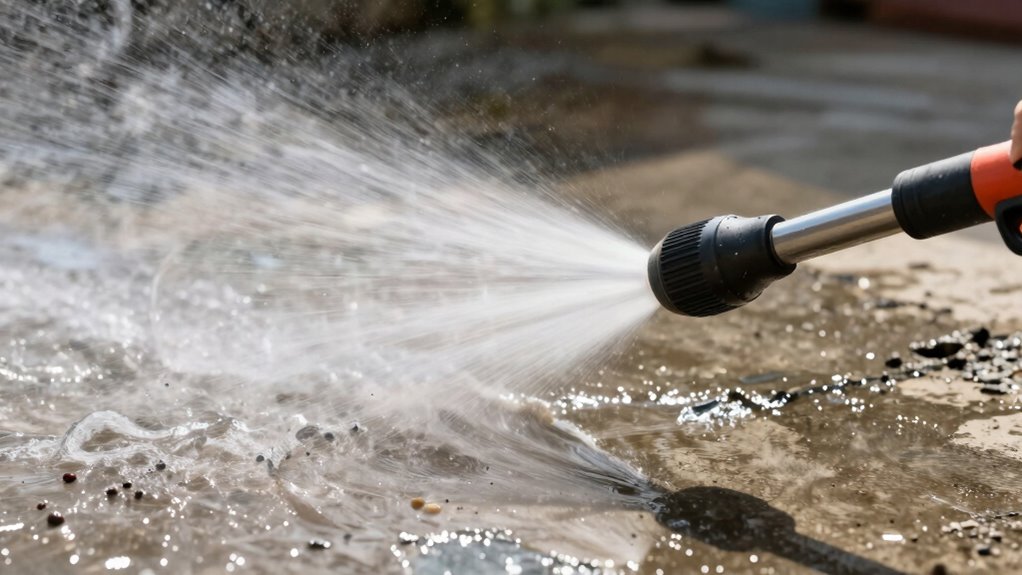

To clean faster with a pressure washer, focus on balancing PSI and GPM. PSI provides strength to remove tough grime, while GPM controls how much water flows, speeding up coverage. Higher GPM often helps you clean large areas faster, especially if combined with adequate PSI. But, the best results come from adjusting both to suit your surface and dirt level. Want to see how to master this balance? Keep exploring to find out more.
Key Takeaways
- Higher GPM increases water volume, covering surfaces faster and improving cleaning speed.
- Higher PSI provides more force, helping remove stubborn dirt more efficiently.
- Optimal cleaning combines balanced PSI and GPM for maximum speed and effectiveness.
- GPM has a greater impact on overall cleaning speed than PSI alone.
- Excessively high PSI without adequate GPM can slow down cleaning due to inefficiency.

Yeryork 5000 Max Adjustable PSI Pressure Washer,2.5 Max GPM Power Washer with 33 FT Retractable Hose Reel, Stainless Steel Lance, 500ml Foam Cannon, 4-Nozzle Set, Washer for Cars, Fences, Patios
[Powerful & Adjustable PSI Cleaning Performance] Driven by a 1900W motor, it delivers up to MAX PSI at…
As an affiliate, we earn on qualifying purchases.
As an affiliate, we earn on qualifying purchases.
What Do PSI and GPM Mean for Pressure Washer Performance?
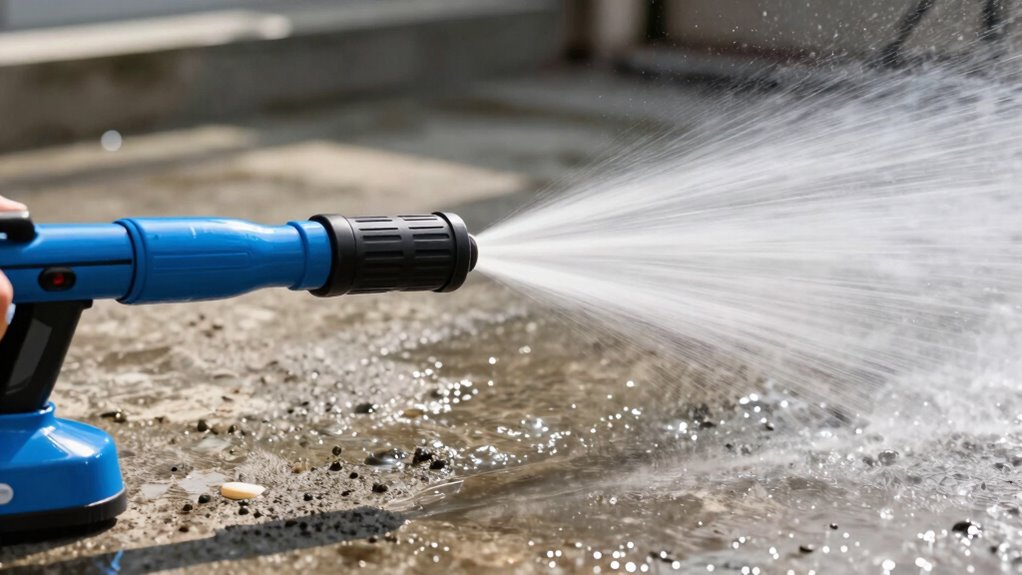
Understanding what PSI and GPM mean for pressure washer performance is essential when choosing the right unit for your cleaning tasks. PSI, or pounds per square inch, measures the pressure of the water stream, influencing how effectively dirt and grime are removed. GPM, or gallons per minute, indicates how much water flows through the washer, affecting cleaning speed and efficiency. Higher GPM means faster cleaning, especially for large surfaces. Chemical application also depends on these factors; a higher GPM allows more soap or cleaning solutions to be applied evenly. Keep in mind, noise levels can vary with different models, with more powerful units often generating more noise. Selecting the right balance of PSI and GPM ensures you get effective cleaning without excessive noise or waste. Additionally, understanding how pressure and flow rates impact overall cleaning efficiency can help you choose the most suitable pressure washer for your needs. Properly matching these specifications to your cleaning tasks can also help prevent equipment damage, and considering maintenance requirements can extend the lifespan of your pressure washer. Recognizing the relationship between pressure and flow can further optimize your cleaning results and ensure durability. To maximize performance, it’s also important to understand how pressure regulation can help maintain consistent cleaning power.

2026NEW Pressure Power Washer 4500PSI with 4 Quick Connect Nozzles, Inlet Hose & Filter, Foam Cannon for Cars/Fences/Driveways/Patios/Home Cleaning, Green
Powerful & Efficient Cleaning: Achieve 4500PSI/3.2 GPM for deep cleaning cars, driveways, decks, siding, and outdoor equipment while…
As an affiliate, we earn on qualifying purchases.
As an affiliate, we earn on qualifying purchases.
How Does PSI Impact Cleaning Power?
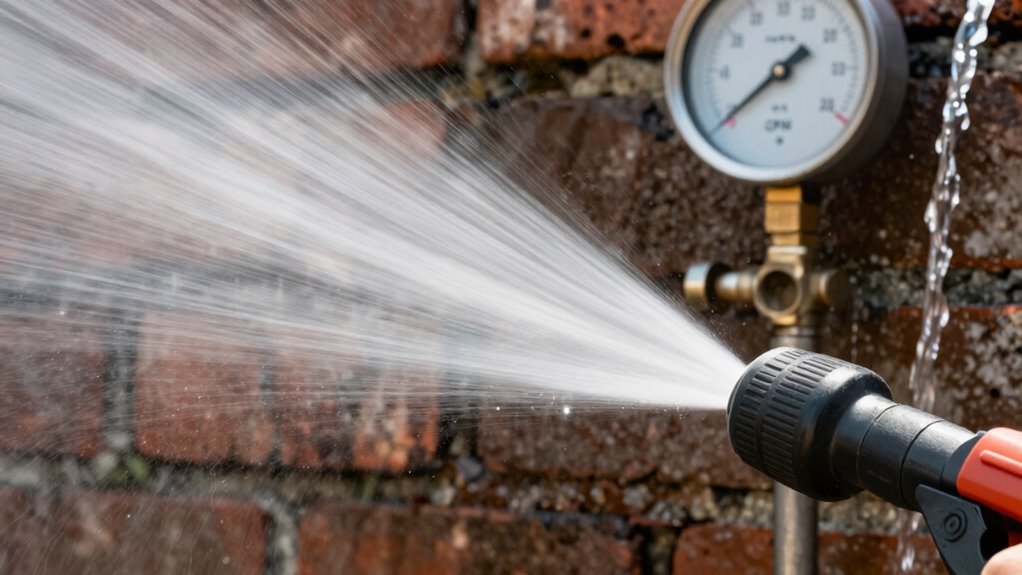
Higher PSI directly boosts a pressure washer’s cleaning power by increasing the force behind the water stream. This stronger pressure helps remove stubborn dirt, grime, and even paint, making cleaning more efficient. However, higher PSI can also increase the risk of surface damage if you’re cleaning delicate materials. When using high PSI, be cautious with chemical cleaning, as intense pressure can cause chemicals to splatter or damage surfaces if not properly controlled. Always adjust PSI based on the surface you’re cleaning—lower for softer materials, higher for tough stains. Too much PSI may lead to surface damage, so understanding the balance between pressure and surface safety is essential for effective, safe cleaning. Proper pressure control is crucial to avoid damaging surfaces while maintaining cleaning efficiency, especially since surface sensitivity varies depending on the material. Additionally, understanding the Yarn for Scarves can be useful when considering cleaning delicate fabrics or textiles that require gentle handling. Being aware of pressure regulation techniques can help you optimize cleaning while protecting vulnerable surfaces, and choosing the right nozzle type can further enhance safe and efficient cleaning.

Westinghouse ePX3500 Electric Pressure Washer, 2500 Max PSI 1.76 Max GPM with Anti-Tipping Technology, Onboard Soap Tank, Pro-Style Steel Wand, 5-Nozzle Set, for Cars/Fences/Driveways/Home/Patios
Delivers 2500 max PSI and 1.76 max GPM (at lowest pressure), and 2000 rated PSI and 1.2 rated…
As an affiliate, we earn on qualifying purchases.
As an affiliate, we earn on qualifying purchases.
Why Is GPM Important for Faster Cleaning?
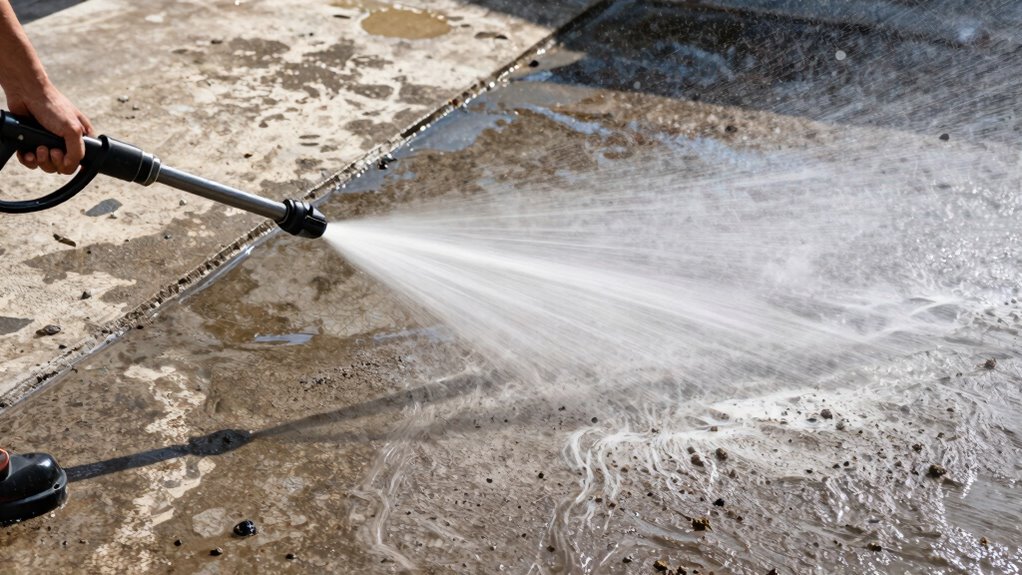
GPM, or gallons per minute, directly affects how much water flows through your pressure washer, impacting cleaning speed. Higher GPM means you cover more surface area quickly, making your cleaning more efficient. By understanding GPM, you can choose a machine that helps you get the job done faster without sacrificing effectiveness. Additionally, selecting fireproof storage that showcase craftsmanship can add a cultural touch to your workspace or storage area, emphasizing the importance of quality in equipment and decor. Recognizing the spiritual significance of abundance and success can also inspire confidence in your ability to achieve cleaning goals more effectively.
Water Flow Rate
Water flow rate, measured in gallons per minute (GPM), plays an essential role in how quickly and effectively you can clean surfaces with a pressure washer. Higher GPM means more water is delivered, allowing you to cover larger areas faster. This increased efficiency can reduce cleaning time and effort. Additionally, understanding GPM helps you balance cleaning power with water conservation, minimizing environmental impact. Using a pressure washer with the right GPM ensures you don’t waste water while still achieving thorough cleaning. It’s important to take into account both GPM and environmental concerns, especially if you’re working on large projects or in areas with water restrictions. A proper flow rate enables effective cleaning without unnecessary water use, promoting eco-friendly practices. Recognizing the importance of appropriate pressure levels can help prevent surface damage and improve cleaning efficiency. A balanced approach to water flow and pressure can maximize cleaning effectiveness while protecting the environment. Being aware of water chemistry involved can also help optimize cleaning results and prevent damage to surfaces. Understanding how water conservation strategies can be integrated into your cleaning routine further supports sustainable practices.
Cleaning Speed Efficiency
When you want to clean large surfaces quickly, understanding how GPM impacts cleaning speed is essential. Higher GPM means more water flows through the washer, allowing you to cover surfaces faster and reduce cleaning time. This increased flow also helps loosen dirt more effectively, especially on stubborn grime. Additionally, a higher GPM can improve water conservation by completing tasks more efficiently, reducing the overall water used. Noise levels are another consideration; machines with higher GPM might be louder, but they often work faster, compensating for the increased noise. Ultimately, choosing a pressure washer with the right GPM balances cleaning speed with water efficiency and acceptable noise levels, making your cleaning process quicker and more effective.
Surface Coverage Capacity
A higher GPM allows your pressure washer to cover larger surfaces more quickly, making it vital for efficient cleaning. This increased surface coverage capacity means you spend less time on tasks like decks, driveways, or siding. However, consider surface durability and material sensitivity. In such cases, balancing GPM with appropriate PSI is essential to prevent stripping paint or eroding materials. For sturdy surfaces like concrete or brick, higher GPM improves cleaning speed without concern. Understanding the surface’s material sensitivity helps you choose the right GPM, ensuring faster cleaning while avoiding unnecessary damage. Additionally, pressure washer specifications guide you in selecting the right combination of GPM and PSI for optimal results. Knowing how GPM impacts surface coverage can help you make more informed decisions when choosing equipment, especially when considering cleaning efficiency and safety. Recognizing the importance of GPM and PSI balance ensures you achieve maximum cleaning performance without compromising surface integrity.

Westinghouse PWSC12 12" Pressure Washer Surface Cleaner Attachment – 2500 Max PSI, 1/4” Connector
Achieve professional-level cleaning results with this 12” surface cleaner, with up to 2500 PSI of pressure for easy…
As an affiliate, we earn on qualifying purchases.
As an affiliate, we earn on qualifying purchases.
How to Balance PSI and GPM for Different Cleaning Jobs

Balancing PSI and GPM is essential for achieving ideal cleaning results across various jobs. To do this effectively, consider the specific task at hand. Adjust water temperature and choose the right nozzle types to optimize performance. For delicate surfaces, lower PSI with wider spray nozzles works best, while tougher jobs need higher PSI and narrower nozzles. Keep in mind that increasing GPM can speed up cleaning but may require a lower PSI to avoid damage.
Balancing PSI and GPM ensures effective cleaning without damage—adjust nozzle types, water temperature, and pressure for each task.
- Match nozzle types to surface sensitivity and dirt level
- Use appropriate water temperature for stubborn grime or delicate materials
- Balance PSI and GPM based on the size and nature of the job for efficiency
Which Matters More: PSI or GPM?
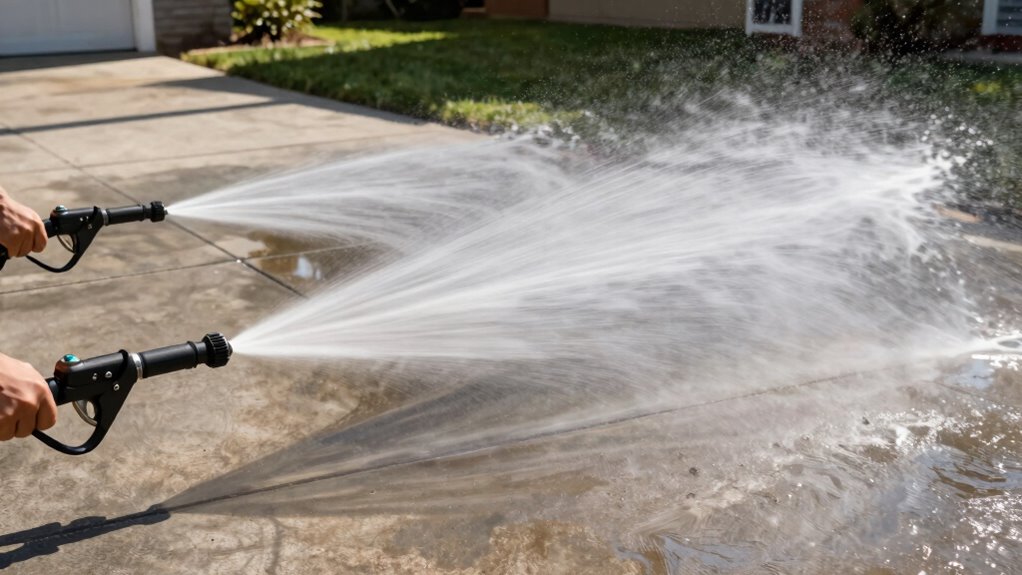
Deciding whether PSI or GPM matters more depends on the specific cleaning task, as each plays a crucial role in the effectiveness of your pressure washer. For tasks like chemical cleaning or eco-friendly methods, GPM often takes precedence because a higher flow rate delivers cleaning solutions more efficiently and covers surfaces faster. GPM helps dilute cleaning agents evenly and reduces the need for harsh chemicals, making it ideal for eco-conscious cleaning. On the other hand, PSI provides the force needed to remove stubborn dirt and grime. If you’re tackling tough stains or heavily soiled surfaces, higher PSI delivers the necessary power. Ultimately, understanding your cleaning needs determines whether PSI or GPM will be more important in achieving faster, safer, and more effective results. Additionally, considering the performance features of your pressure washer can help optimize cleaning efficiency.
How to Choose the Right Pressure Washer for Your Needs
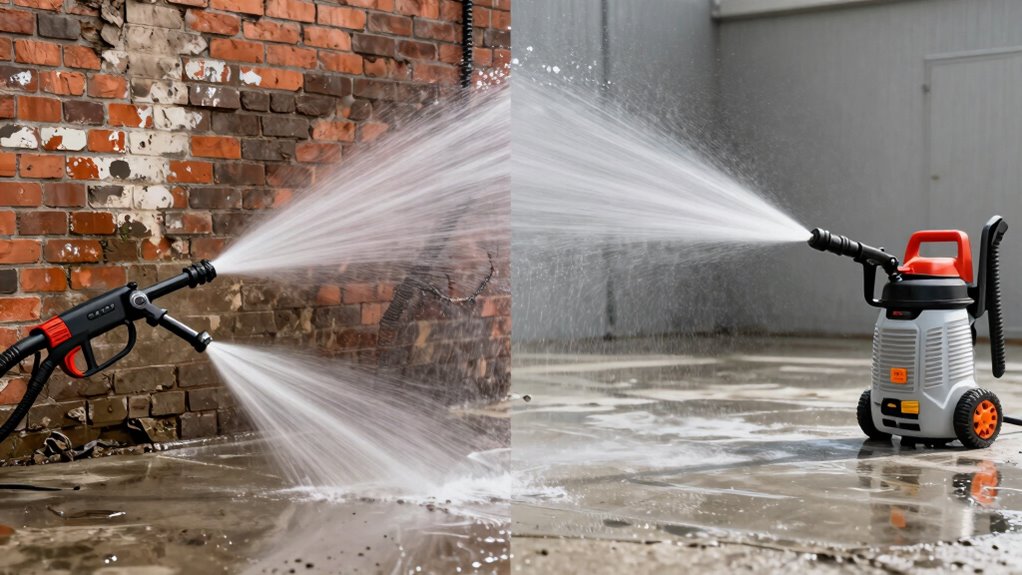
To pick the right pressure washer, start by considering the cleaning tasks you’ll be tackling. Match the machine’s power and flow rate to those tasks, and think about how portable you need it to be. This approach helps you find a model that fits your needs without overpaying or sacrificing performance.
Consider Cleaning Tasks
When choosing a pressure washer, understanding the specific cleaning tasks you’ll tackle is essential. Different tasks require different power levels and flow rates. For example, cleaning a driveway or patio may need higher PSI and GPM, while washing cars or delicate surfaces needs lower pressure. Consider the types of cleaning solutions you’ll use, as some surfaces respond better to specific detergents. Also, think about equipment maintenance; selecting a model with accessible parts can make upkeep easier.
- Heavy-duty tasks like concrete cleaning demand high PSI and GPM for efficiency
- Light-duty jobs, such as washing windows, require gentle pressure and compatible cleaning solutions
- Regular maintenance and troubleshooting are crucial for consistent performance
Match Power and Flow
Choosing the right pressure washer involves matching its power settings—PSI and GPM—to the specific cleaning tasks you plan to tackle. If you’re cleaning delicate surfaces, opt for a lower PSI to prevent damage, and consider chemical compatibility if you need cleaning agents. For tougher jobs like concrete or heavy grime, higher PSI and GPM will speed up the process. Keep noise levels in mind; some models operate more quietly, which is beneficial for residential areas. Also, consider how different cleaning tasks may require specific chemical solutions, so verify your pressure washer’s compatibility. Balancing these factors ensures you get efficient cleaning without unnecessary wear or disturbance, making your choice both effective and suitable for your needs.
Evaluate Portability Needs
Evaluating your portability needs is essential for selecting a pressure washer that fits your lifestyle and work environment. Portability considerations involve balancing weight versus power, especially if you’ll move the unit frequently or work in tight spaces. Heavier models tend to be more powerful but can be tiring to carry, while lighter units offer easier handling but might compromise on power. Think about how often you’ll need to transport the washer and the distances involved. If you’re cleaning large areas or working on different sites, portability becomes even more critical.
- Consider the weight of the unit and whether you need wheels or a backpack design
- Think about the space available for storage
- Assess how often you’ll need to move the washer during tasks
Common Myths About PSI and GPM Debunked
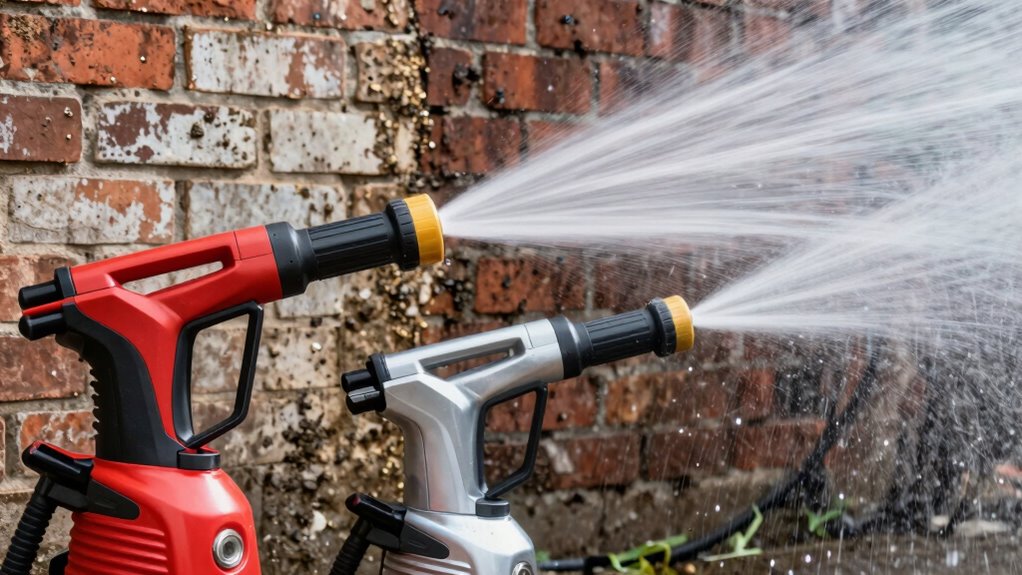
Many people believe that higher PSI always means better cleaning power, but this isn’t true. A common myth is that a powerful pressure gauge guarantees faster cleaning, but PSI alone doesn’t tell the whole story. Flow rate, measured in gallons per minute (GPM), plays a vital role in cleaning speed. A higher PSI with a low flow rate can still take longer to clean than a lower PSI with a higher flow rate. Focus on the balance between pressure and flow rate to get ideal results. Don’t assume that a pressure washer with the highest PSI is always the best choice. Instead, consider how the pressure and flow rate work together to remove dirt efficiently, making your cleaning faster and more effective.
Tips to Maximize Cleaning Speed With Your Pressure Washer
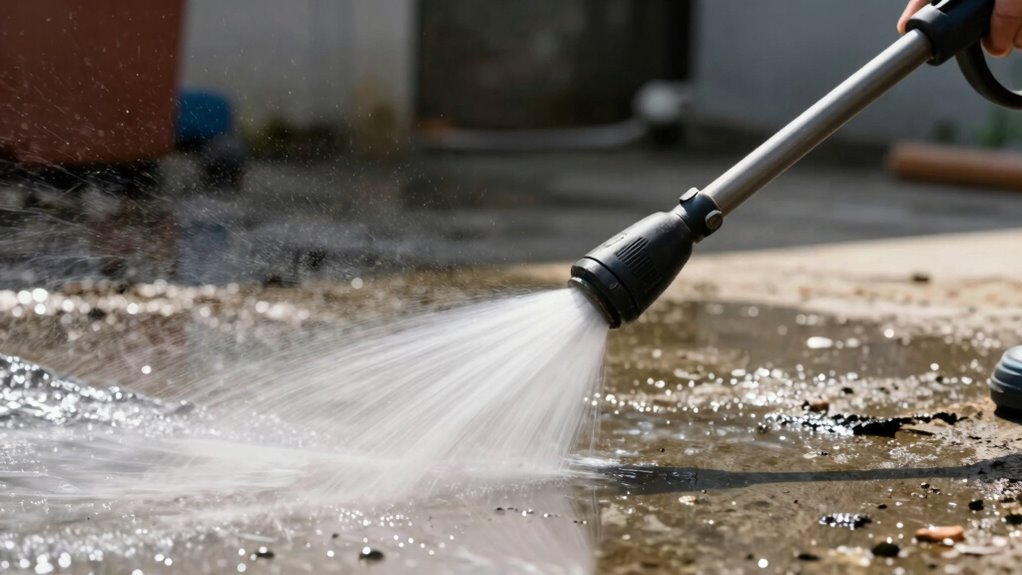
To maximize your cleaning speed, focus on enhancing both your pressure washer’s pressure (PSI) and flow rate (GPM). Proper technique adjustment and using the right cleaning accessories are essential. Start by adjusting your spray angle; wider angles cover more surface area, speeding up the process. Use suitable cleaning accessories like turbo nozzles or surface cleaners for tougher jobs. Maintain consistent, overlapping passes to avoid missed spots. Keep the nozzle at an ideal distance from the surface to prevent time-consuming rework. Regularly check and clean your nozzle to guarantee consistent spray. These steps help you work efficiently, reducing cleaning time while achieving better results. Remember, combining technique adjustment with the right accessories makes a significant difference in cleaning speed.
When Should You Prioritize GPM Over PSI (and Vice Versa)?
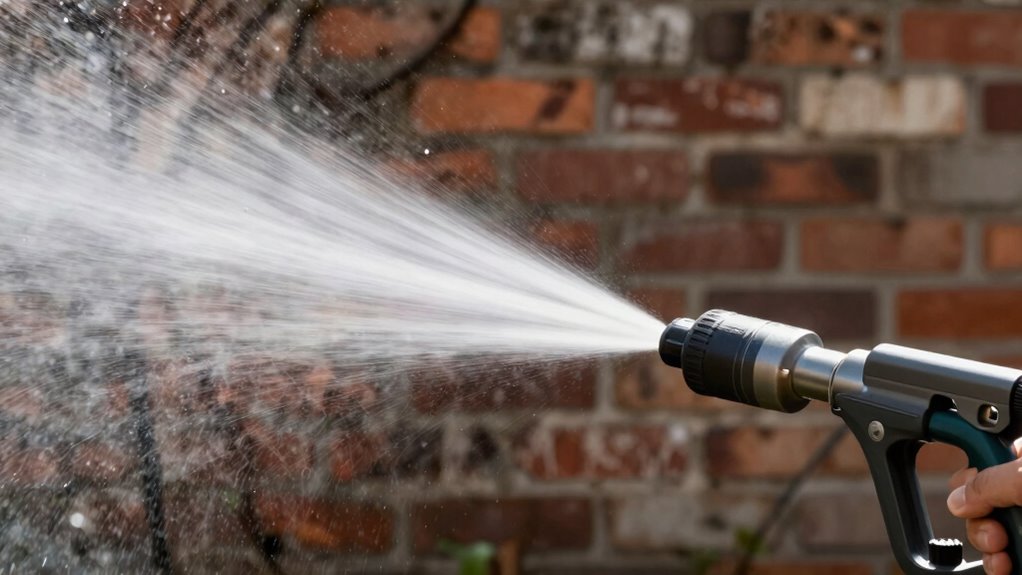
Understanding when to prioritize GPM over PSI, or vice versa, depends on the cleaning task. If you’re tackling large, flat surfaces like decks or driveways, focus on GPM because a higher flow rate helps cover more area faster. This means your pressure hose can deliver a larger volume of water, making cleaning quicker. Conversely, for detailed or stubborn stains, prioritize PSI, which provides the force needed to break down dirt. The right nozzle type is also key: a wider spray nozzle increases GPM, while a narrow, high-pressure nozzle boosts PSI. Adjusting nozzle types allows you to control pressure and flow, ensuring you target the right balance for your specific task without damaging surfaces.
Real-World Pressure Washer Tips for Different Cleaning Tasks
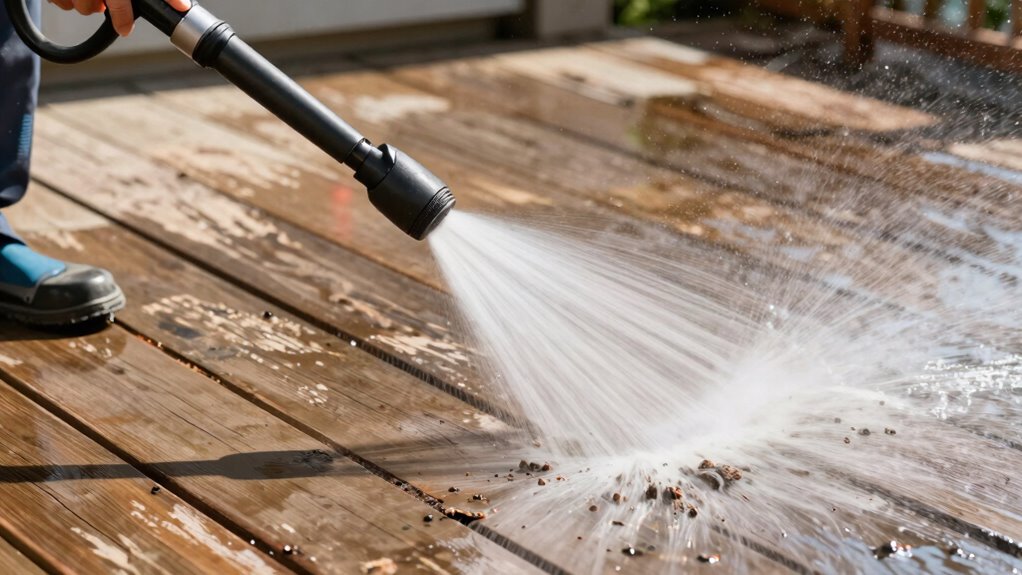
Choosing the right pressure washer tips can make a significant difference in cleaning efficiency and surface safety. For different tasks, selecting appropriate pressure washer accessories guarantees the best results. For example, use a wide-angle nozzle for delicate surfaces like wood decks to prevent damage. For stubborn grime on concrete, a turbo or rotating nozzle provides more power. Always follow maintenance tips, like cleaning spray guns and replacing worn tips, to keep your equipment performing well.
- Use a soap nozzle for cleaning vehicles or siding with soap and detergents.
- Switch to a low-pressure tip for sensitive surfaces to avoid etching.
- Regularly inspect and replace damaged tips to maintain consistent spray patterns.
These tips help you work efficiently and extend your pressure washer’s lifespan.
Frequently Asked Questions
Can a High PSI Compensate for Low GPM in Cleaning Tasks?
A high PSI can’t fully compensate for low GPM in cleaning tasks because GPM determines how much water flows to rinse away dirt and chemicals effectively. While high PSI helps with chemical cleaning and tackling stubborn grime, without sufficient GPM, your cleaning is slower and less thorough. Consider surface compatibility too; some surfaces need gentle pressure, so balancing PSI and GPM ensures efficient cleaning without damage.
How Does Nozzle Size Affect PSI and GPM Performance?
Nozzle size directly impacts your pressure washer’s PSI and GPM performance because it determines nozzle compatibility and spray pattern. A smaller nozzle increases pressure but reduces flow rate, while a larger one decreases pressure but boosts flow. Choosing the right nozzle size guarantees a suitable spray pattern and maximum cleaning power. Always match your nozzle to your pressure washer’s specifications for effective cleaning without damaging surfaces.
Are There Specific Tasks Better Suited for High PSI or High GPM?
For surface preparation, high PSI is your superhero, blasting away stubborn dirt and paint with unstoppable force. When it comes to chemical application, high GPM is your best friend, delivering a gentle, steady flow that evenly coats surfaces without damage. If you’re cleaning concrete or stripping paint, go for high PSI. For delicate surfaces or applying cleaning solutions, choose high GPM. Matching your washer’s power to the task makes your work faster and more effective.
Does Water Temperature Influence Pressure Washer Effectiveness?
Water temperature definitely influences your pressure washer’s cleaning efficiency. Hot water can cut through grease, oil, and grime more effectively than cold water, making cleaning faster and easier. If you’re tackling stubborn stains or greasy surfaces, using a hot water pressure washer will give you better results. However, for light cleaning tasks, cold water is usually sufficient. So, choose the right water temperature based on the mess you’re tackling.
How Does Pressure Washer Maintenance Impact PSI and GPM Output?
You impact your pressure washer’s PSI and GPM output through proper maintenance. Regularly check for chemical compatibility to prevent damage, and guarantee all parts are clean and functioning correctly. Storage considerations are vital—store in a dry, protected area to avoid corrosion and degradation. When maintained well, your pressure washer performs efficiently, delivering peak cleaning power and consistent PSI and GPM, making your tasks faster and more effective.
Conclusion
Think of your pressure washer as a paintbrush—both PSI and GPM are your colors. To clean faster and more effectively, you need the right balance, like mixing the perfect hues. When you understand how each factor works together, you’ll wield your tool like an artist, transforming stubborn dirt into a clean canvas. Remember, mastering this balance turns a simple chore into a swift, satisfying masterpiece.