Many homeowners overlook hazards like clutter blocking exits, improperly stored flammable liquids, and overloaded electrical circuits, all of which can cause fires. Hot tools left unattended and poor ventilation allow fumes and heat to build up, increasing risks. DIY repairs or damaged cords add to the danger, especially without proper storage or inspections. Staying alert to these hidden dangers helps protect your home. If you want to discover more safety tips, keep exploring to keep your garage safe.
Key Takeaways
- Many homeowners overlook blocked emergency exits caused by clutter, delaying evacuation during a fire.
- Improper storage of flammable liquids in unapproved containers increases fire risk unnoticed.
- Overloading electrical circuits with multiple devices often goes unchecked, raising overheating and fire hazards.
- Poor garage ventilation traps vapors and heat, significantly elevating fire danger.
- DIY repairs without proper safety measures or equipment maintenance can unknowingly ignite fires.
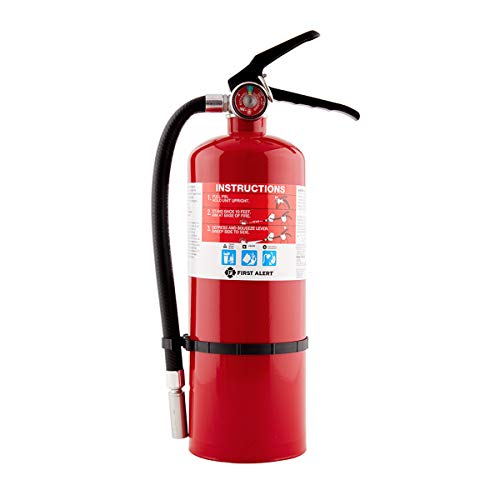
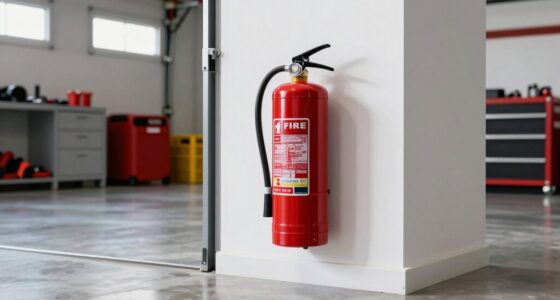
First Alert Fire Extinguisher for Home & Commercial Use, Heavy Duty Rechargeable Compliance Unit, UL RATED 2-A:10-B:C, HOME2PRO, Red, 1-Pack
The First Alert HOME2PRO Fire Extinguisher is UL rated 2-A: 10-B:C and meets minimum 2-A: 10-B:C code requirements;…
As an affiliate, we earn on qualifying purchases.
As an affiliate, we earn on qualifying purchases.
What Are the Most Common Garage Fire Hazards Homeowners Overlook?
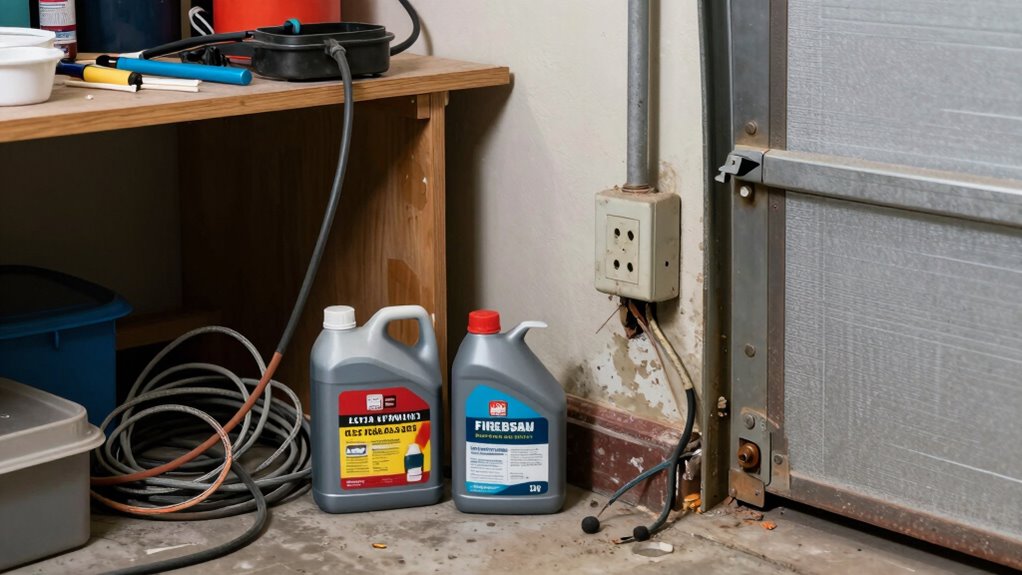
Many homeowners overlook the potential fire risks lurking in their garages, even though it’s one of the most common sources of household fires. One major hazard is the garage door, which can malfunction or become worn, creating sparks or electrical issues that ignite a fire. You might also store your vehicle in the garage without realizing that it adds to fire risk, especially if there are faulty wiring or leaks. Vehicles contain flammable fluids, and if there’s a spark or heat source nearby, fire can quickly spread. Additionally, clutter around the garage door or in vehicle storage areas can block exits or trap heat. Regularly inspecting your garage door and keeping your vehicle storage organized can greatly reduce these overlooked fire hazards. Proper garage safety standards and maintaining a clean, organized space can further help prevent fires, especially when considering the importance of fire-resistant materials in garage construction. Being aware of potential ignition sources can help homeowners identify and mitigate hidden dangers before they lead to disaster. Incorporating fire prevention measures such as smoke detectors and fire extinguishers can also significantly enhance safety.

The Storage of Flammable Liquids in Containers (Guidance Booklet)
As an affiliate, we earn on qualifying purchases.
As an affiliate, we earn on qualifying purchases.
How Flammable Liquids Like Gasoline and Paint Increase Fire Risks
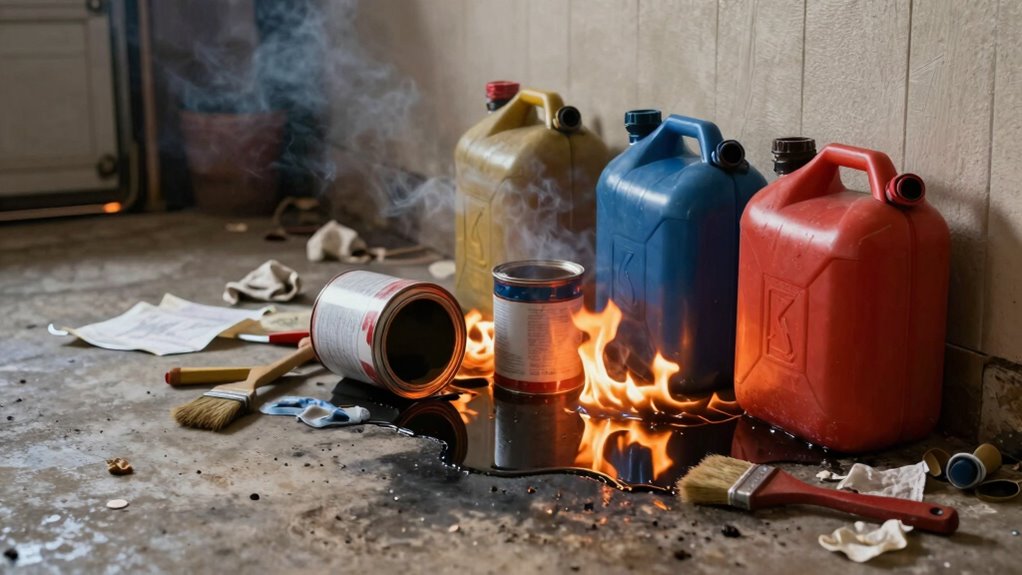
Storing flammable liquids like gasoline and paint improperly can greatly increase your fire risk. Make certain you follow proper storage practices, such as keeping these liquids in approved containers and away from heat sources. Always read and heed the flammable liquid labels to prevent accidents and guarantee safety. Properly ventilating areas where these liquids are stored can also help reduce the buildup of dangerous fumes. Additionally, understanding the importance of fire safety awareness can help you recognize potential risks before they lead to emergencies. Regularly inspecting storage areas for leaks or spills is crucial to minimize fire hazards and maintain a safe environment. Being aware of projector technology can also be beneficial in ensuring safe setup and operation of equipment in your home or garage. Recognizing the horsepower of electric dirt bikes can help in understanding the risks associated with high-performance equipment in recreational areas, ensuring safety measures are in place.
Proper Storage Practices
Proper storage of flammable liquids is essential to prevent garage fires, as improper handling can turn a small spill into a major hazard. Keep these liquids in approved, tightly sealed containers and store them away from heat sources or direct sunlight. Good garage organization helps guarantee flammable materials are clearly separated from other items, reducing the risk of accidental ignition. Use fire safety signage to remind everyone of proper storage rules and hazards. Place flammable liquids on lower shelves, away from sparks or open flames, and never store them in living areas. Regularly inspect containers for leaks or damage. Clear labeling and organized storage prevent mishandling and make it easier to quickly identify hazardous materials in an emergency. Additionally, understanding regional flavor differences can help homeowners identify specific risks associated with certain products or storage methods used in different areas. Being aware of flammable liquid regulations in your region can further improve safety practices and ensure compliance with local laws.
Flammable Liquid Labels
Have you ever considered how easily flammable liquids like gasoline and paint can escalate a fire if mishandled? Properly labeled containers are essential for safety. Flammable liquid labels clearly warn you about the fire risk, helping prevent accidents. Always check that your storage containers have visible, accurate fire safety signage. These labels provide critical information about the contents’ flammability, guiding you to handle them with care. Ignoring proper labeling increases the chance of spills, leaks, or improper use, all of which can trigger a fire. Keep labels intact and up to date, and never store flammable liquids near heat sources. Recognizing and respecting flammable liquid labels is a simple but crucial step to reduce fire hazards in your garage. Additionally, understanding how fire hazards impact backyard transformation can help you create a safer outdoor space.

First Alert Smoke Alarm, Battery-Operated Detector with Test & Silence Button, SMI100, 1-Pack
First Alert's Precision Detection advanced sensing technology complies with new industry standards to reduce cooking nuisance alarms and…
As an affiliate, we earn on qualifying purchases.
As an affiliate, we earn on qualifying purchases.
Electrical Overloads: How Overloaded Circuits Could Spark a Fire
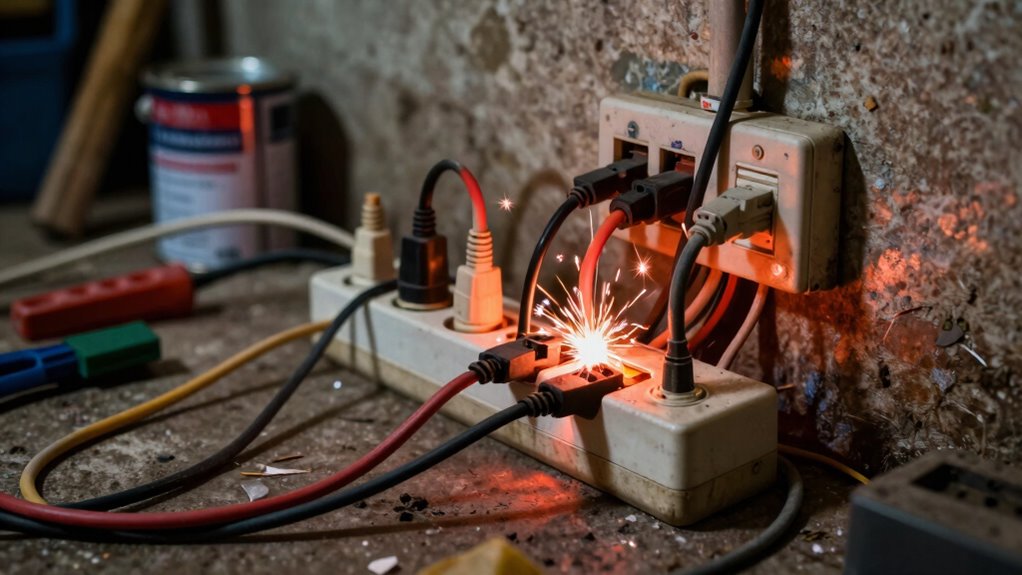
Electrical overloads happen when you plug in too many devices or use high-powered equipment on a single circuit, causing it to draw more current than it’s designed to handle. This can lead to overheating wires and, ultimately, a fire. To prevent this, practicing proper electrical safety is essential. Regular circuit inspection helps identify overloaded circuits before they become a hazard. Avoid daisy-chaining multiple power strips or extension cords, as these can increase the risk of overload. If your garage has older wiring or if circuits frequently trip, consider having a professional evaluate your electrical system. Staying vigilant about circuit capacity and ensuring safe usage reduces fire risks and keeps your garage safe. Proper electrical safety and routine inspections are key to preventing electrical overload fires. Using DIY tools safely and correctly can also minimize the risk of accidents related to electrical issues. Additionally, understanding the electrical system in your garage can help you make informed decisions about upgrades and safety measures.

IRIS USA 54 Qt Stackable Plastic Storage Bins with Lids, 6 Pack – BPA-Free, Made in USA – See-Through Organizing Solution, Latches, Durable Nestable Containers, Secure Pull Handle – Clear
DIMENSIONS: 22" L x 16.5" W x 13" H. Spacious home organizer ideal for storing clothing, board games,…
As an affiliate, we earn on qualifying purchases.
As an affiliate, we earn on qualifying purchases.
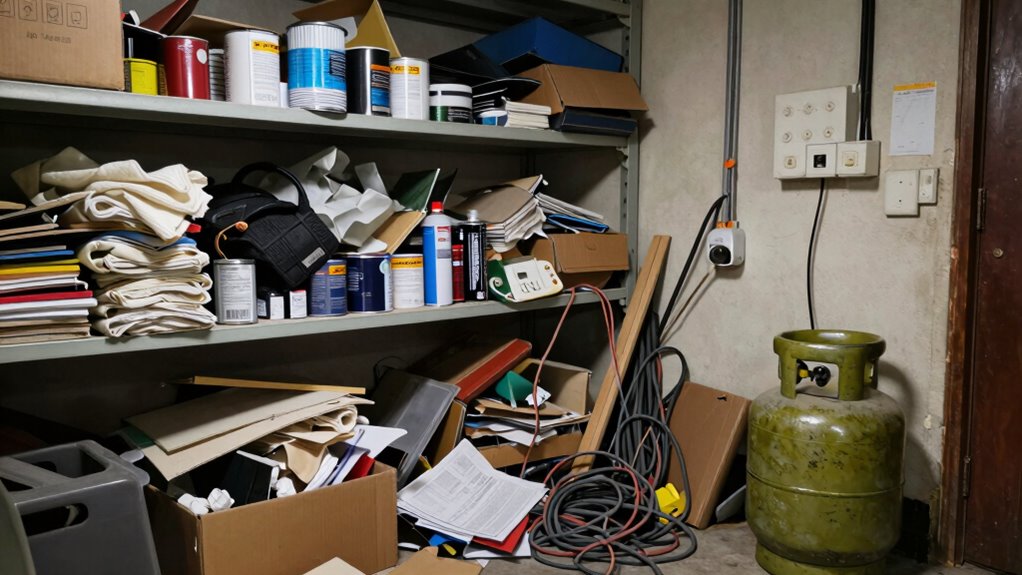
A cluttered garage with flammable items piled high can turn into a fire hazard quickly. Blocked fire exits make it harder to escape if a fire breaks out. Keeping your garage organized reduces these hidden dangers and keeps you safer. Incorporating proper fire safety measures can further minimize risks and protect your home. Additionally, storing fire-resistant materials appropriately can help prevent the spread of flames in case of an incident. Regularly inspecting your garage for potential hazards can also help identify and address risks before they lead to a fire. Understanding home safety protocols can provide additional guidance in creating a safer environment. Incorporating clutter management strategies can significantly reduce the likelihood of a fire starting or spreading.
Flammable Items Piled High
When flammable items are piled high and stored haphazardly, they create a serious fire hazard that often goes unnoticed. Piles of paper, paint, or gasoline containers can ignite easily if a spark or heat source, like a malfunctioning garage door opener or exposed wiring, comes into contact. Poorly stored items can also block access to essential safety features such as garage insulation, which helps prevent heat transfer, and security cameras that could alert you to a fire early. Cluttered spaces make it difficult to spot hazards or quickly exit during an emergency. Regularly organizing your garage reduces fire risks and guarantees that your safety systems, like security cameras, can function effectively in case of an incident.
Blocked Fire Exits
Blocked Fire Exits (Cluttered Garages and Poor Organization: Hidden Fire Dangers)
Cluttered garages can hide fire exits behind piles of boxes, tools, or other stored items, making quick escape difficult during an emergency. When emergency exits are blocked, your ability to evacuate swiftly is compromised, increasing the risk of injury or worse. It’s crucial to keep pathways clear and guarantee that fire escape routes are accessible at all times. Regularly organize your garage, removing unnecessary clutter and relocating stored items that obstruct exits. Mark emergency exits visibly so everyone in your household knows their location. A clear, unobstructed fire escape can be the difference between safety and disaster in a fire. Proper cabling solutions and organized storage help prevent hazards and ensure quick access to exits. Don’t underestimate the importance of organized storage—maintaining clear emergency exits is a simple yet essential step to protect your family.
Hot Tools and Appliances: Are They Putting Your Garage at Risk?
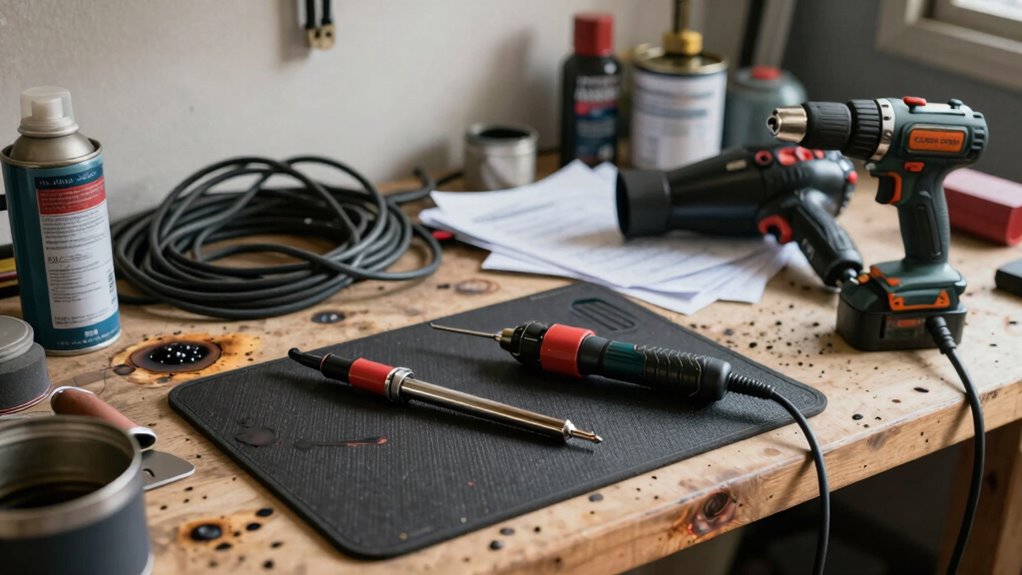
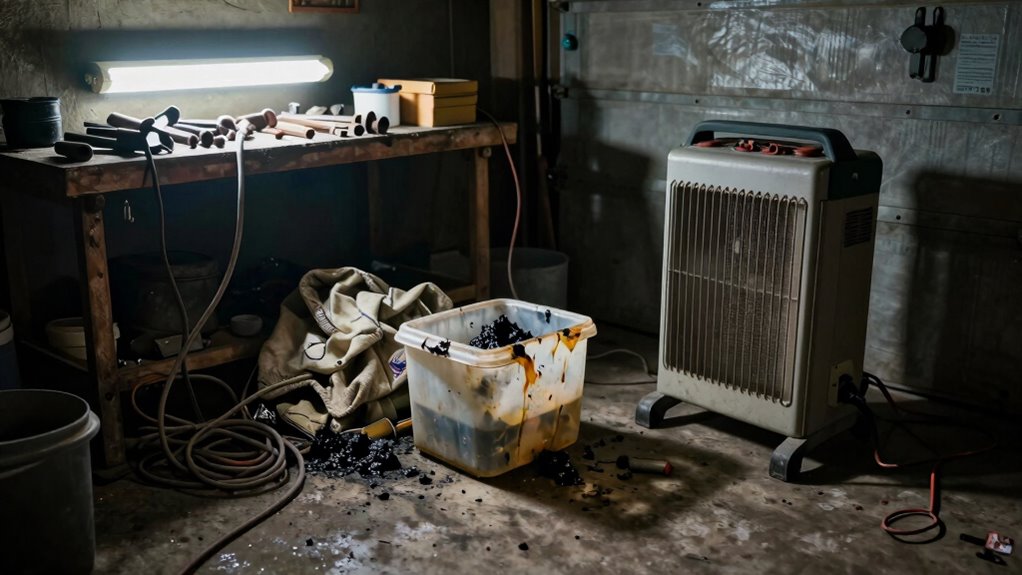
Hot tools and appliances, like power drills, space heaters, and electric saws, are common in garages but can pose serious fire risks if not used or stored properly. Leaving these devices plugged in or running unattended can lead to overheating or electrical fires. Poor garage insulation can cause temperature fluctuations that damage cords and appliances over time. Additionally, clutter from tools and equipment creates fire hazards and hampers safe evacuation. Pest control products stored near electrical devices can ignite if exposed to sparks or heat. Always unplug tools when not in use, keep cords in good condition, and store appliances away from combustible materials. Proper organization and maintenance reduce the risk of accidental fires, making your garage a safer space. Incorporating AI-powered safety systems can help monitor electrical devices and alert homeowners to potential hazards before they become emergencies. Regularly inspecting electrical cords and appliances for signs of wear is essential, especially in environments prone to temperature fluctuations, which can accelerate deterioration and increase fire risk. Being aware of the fire safety standards for electrical devices can further help in preventing accidents. Understanding the comogenic ratings of products stored in your garage can also help you avoid using items that may contribute to skin or health issues.
How Inadequate Ventilation Can Make Fire Hazards Worse
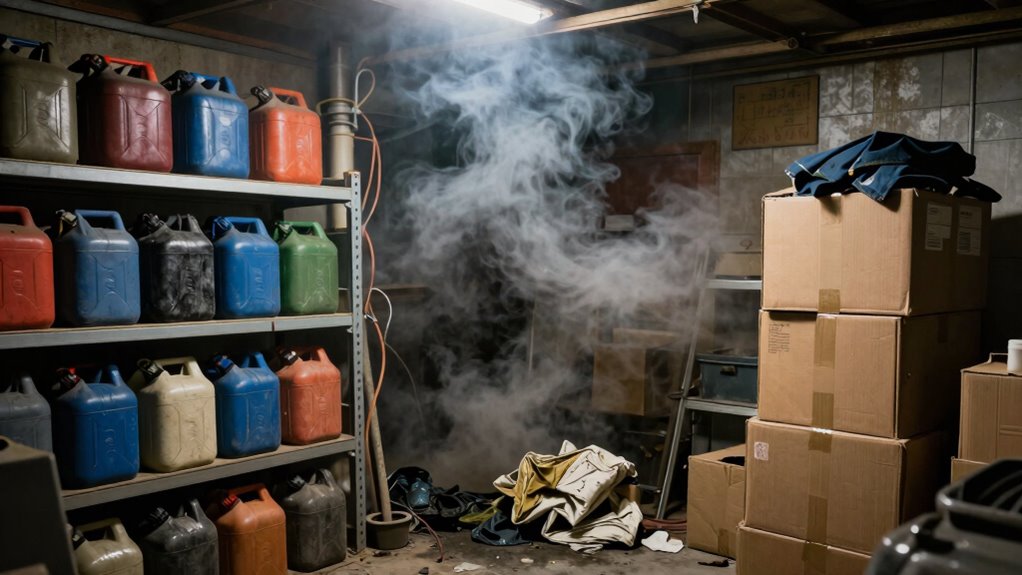
Even with proper use and storage of tools and appliances, poor ventilation can greatly increase fire risks in your garage. Inadequate ventilation systems hinder airflow, trapping flammable vapors and heat that can ignite unexpectedly. Without proper airflow optimization, fumes from gasoline, paints, or chemicals linger, creating an explosive environment.
To improve safety, consider these points:
- Ensure vents and exhaust fans are functioning correctly
- Install additional airflow systems if needed
- Regularly clear blockages in vents
- Use fans to enhance air circulation
- Keep the garage well-ventilated during and after work
Optimizing ventilation reduces the buildup of combustible vapors and heat, considerably lowering fire hazards lurking unnoticed in your garage. Proper airflow management is key to safer storage and use.
Why Regular Garage Maintenance and Inspections Save Lives
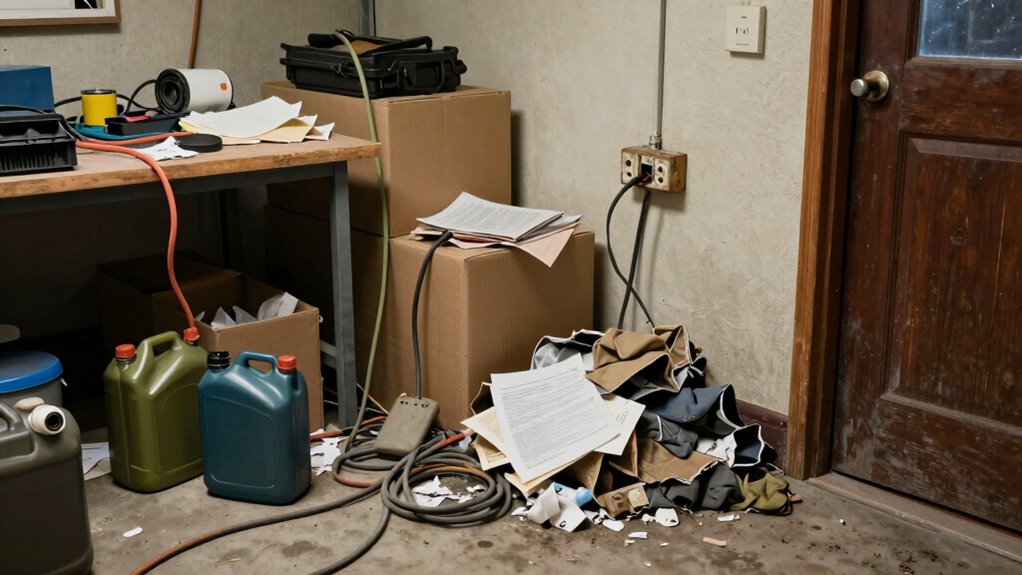
Regular garage maintenance and inspections are crucial because they help identify potential fire hazards before they cause harm. By routinely checking your garage door, you guarantee it operates smoothly and doesn’t get stuck or accidentally close, which could cause damage or sparks. Proper garage door maintenance also prevents electrical faults that might ignite a fire. Additionally, inspecting your vehicles for fluid leaks and ensuring they are stored safely reduces the risk of fires igniting from fuel or oil spills. Keeping your garage tidy and free of clutter minimizes combustible materials near heat sources. Regular inspections help catch issues early, saving lives by preventing fires before they start. Staying proactive with garage safety measures is essential for protecting your home and loved ones.
DIY Repairs and Improper Use of Garage Equipment: What to Watch Out For
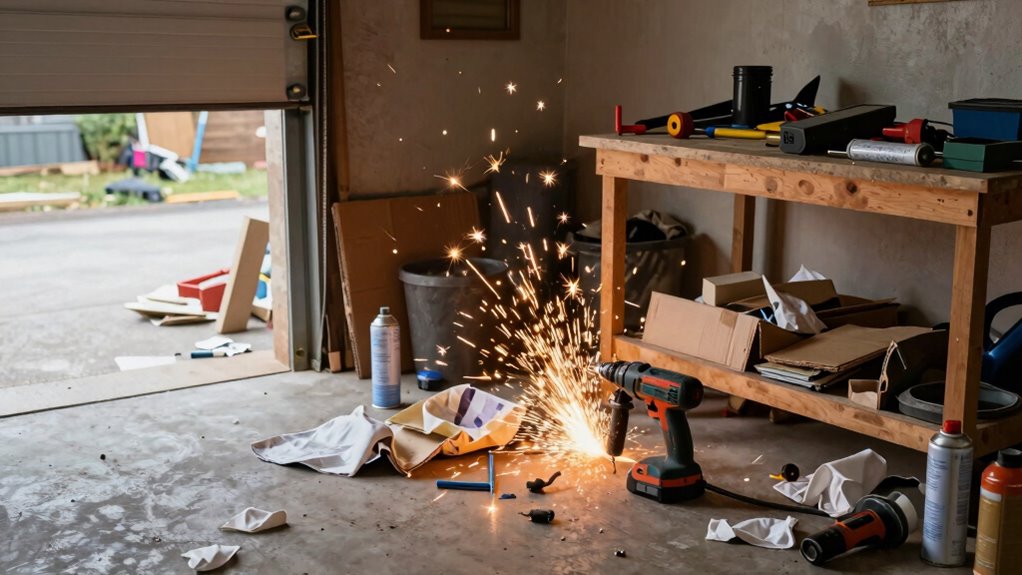
Many injuries and fire hazards in the garage happen because people attempt DIY repairs or misuse equipment without proper knowledge. Improper handling of garage tools, such as power drills or saws, can lead to sparks or electrical fires. Overlooking safety measures during repairs on garage insulation can expose wiring or create fire risks. Using incorrect chemicals for pest control may ignite if not stored properly.
Be cautious of these common mistakes:
- Ignoring safety instructions on power tools
- Using damaged or frayed extension cords
- Failing to properly store flammable substances
- Improperly installing or maintaining garage insulation
- Misusing chemicals for pest control or cleaning
Always follow manufacturer guidelines, keep fire extinguishers nearby, and avoid shortcuts to prevent garage fires.
Simple Steps to Identify and Reduce Hidden Garage Fire Risks
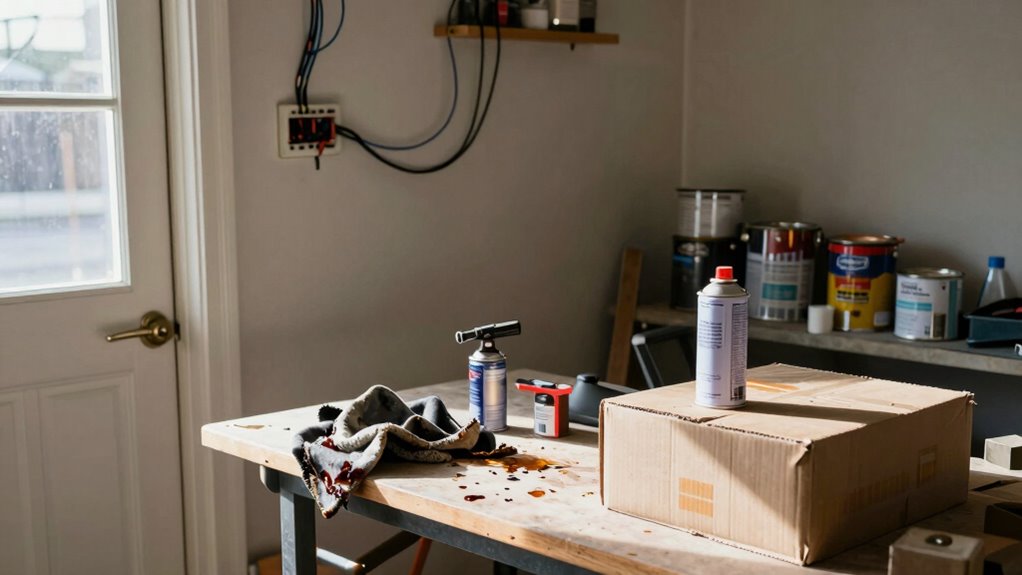
To effectively reduce hidden fire risks in your garage, start by performing a thorough inspection of the space. Check your garage insulation for any signs of damage or deterioration, as exposed insulation can become a fire hazard. Guarantee that electrical wiring is properly installed and free from wear or fraying. Look for clutter or combustible materials stored near heat sources. Practice pest control to prevent rodents from chewing through wiring or insulation, which can spark a fire. Keep flammable liquids in proper containers away from heat or sparks. Regularly clean and organize your garage to minimize fire risks. By staying vigilant, maintaining insulation, and controlling pests, you considerably lower your chances of a hidden fire outbreak.
Frequently Asked Questions
Can Pests or Rodents Cause Garage Fire Hazards?
Yes, pests and rodents can cause garage fire hazards. Pest infestation and rodent damage often involve chewed wires, exposed electrical components, or nesting in combustible materials, increasing fire risk. Rodents, in particular, may chew through electrical wiring, causing shorts or sparks that can ignite fires. Regular inspections and pest control are essential to prevent these hidden dangers, ensuring your garage stays safe from potential fire hazards caused by pests and rodents.
Are Garage Door Openers a Fire Risk?
Garage door openers can pose a fire risk if you overlook fire risk factors. Faulty wiring or worn-out components might spark a blaze, turning your garage into a fiery furnace. Regularly inspect and maintain your garage door opener to prevent problems. Keep an eye out for overheating motors or frayed cords, and make sure safety features are working properly. Stay vigilant, and you’ll keep your garage and home safe from potential fire threats.
How Do Heating Tools Increase Fire Danger?
Heating tools increase fire danger because they generate high heat, which can ignite nearby combustible materials if not used carefully. You risk electrical safety issues if cords are damaged or if you leave heating tools unattended. Always keep flammable items away, inspect cords for damage, and follow manufacturer instructions. Properly managing these fire hazards helps prevent accidental fires in your garage or workshop.
Can Outdoor Chemicals Affect Garage Fire Safety?
Outdoor chemicals can substantially impact garage fire safety if not stored properly. Poor chemical storage increases the risk of fire ignition, especially if chemicals come into contact with heat sources or sparks. Always keep chemicals in well-ventilated, fire-resistant containers, and away from ignition points. Proper storage reduces the chance of accidental fires, protecting both your garage and home from potentially devastating damage caused by uncontrolled flames.
What Safety Measures Prevent Garage Fires From Electrical Faults?
To prevent garage fires caused by electrical faults, you should regularly inspect electrical wiring for damage or wear. Avoid circuit overloads by not plugging too many high-power devices into a single outlet. Install a circuit breaker with surge protection, and consider upgrading old wiring. Keep electrical panels accessible and clear of clutter. These safety measures help minimize the risk of electrical faults that could spark a fire in your garage.
Conclusion
By paying close attention to common fire hazards in your garage—like flammable liquids, electrical overloads, and clutter—you might just prevent a disaster. Sometimes, the tiniest oversight, like leaving a hot tool unattended or neglecting regular inspections, can have serious consequences. It’s funny how a simple habit, like organizing your space or checking your circuits, can make all the difference. Stay vigilant, and you’ll keep your garage—and your home—safe from unexpected fires.