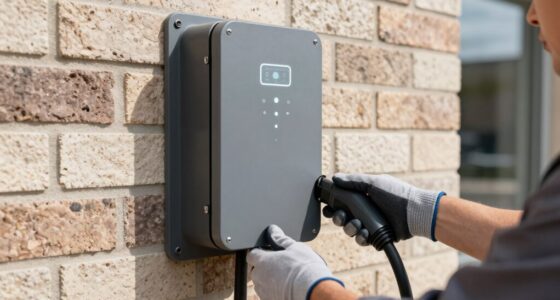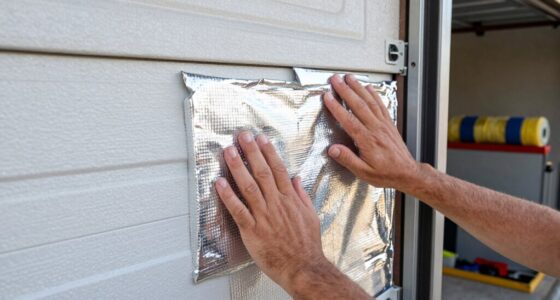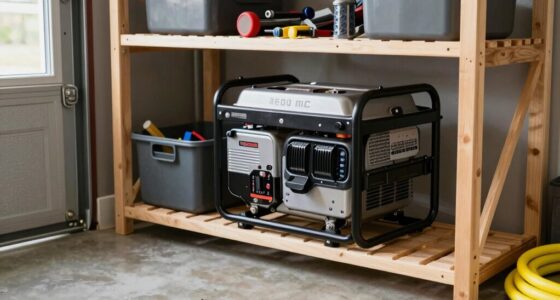
Garage heaters come in three main types: electric, gas, and infrared. Electric heaters are easy to install and energy-efficient upfront but can have higher operating costs. Gas heaters, fueled by natural gas or propane, provide quick, consistent warmth but need proper ventilation and safety precautions. Infrared heaters heat objects directly for fast, even heat, ideal for enclosed spaces. To find out which option fits your garage best, keep exploring for more details.
Key Takeaways
- Garage heaters include electric, gas (natural or propane), and infrared types, each with unique heating methods and advantages.
- Electric heaters are energy-efficient and easy to install but may have higher operating costs.
- Gas heaters offer quick, consistent warmth and lower running costs, requiring proper venting and safety measures.
- Infrared heaters heat objects directly, providing fast, efficient warmth with minimal ventilation needs.
- Choosing the right heater depends on garage size, insulation, safety considerations, and budget.

Comfort Zone 7500W Hard-Wired Garage Heater – Industrial & Commercial Ceiling Mount, 240V Fan-Forced with Remote, Digital Thermostat, Timer, 2 Heat Settings, Overheat Protection, Grey
Crafted with a heavy gauge steel body to protect the heater in harsh environments
As an affiliate, we earn on qualifying purchases.
As an affiliate, we earn on qualifying purchases.
What Are Garage Heaters and How Do They Work?
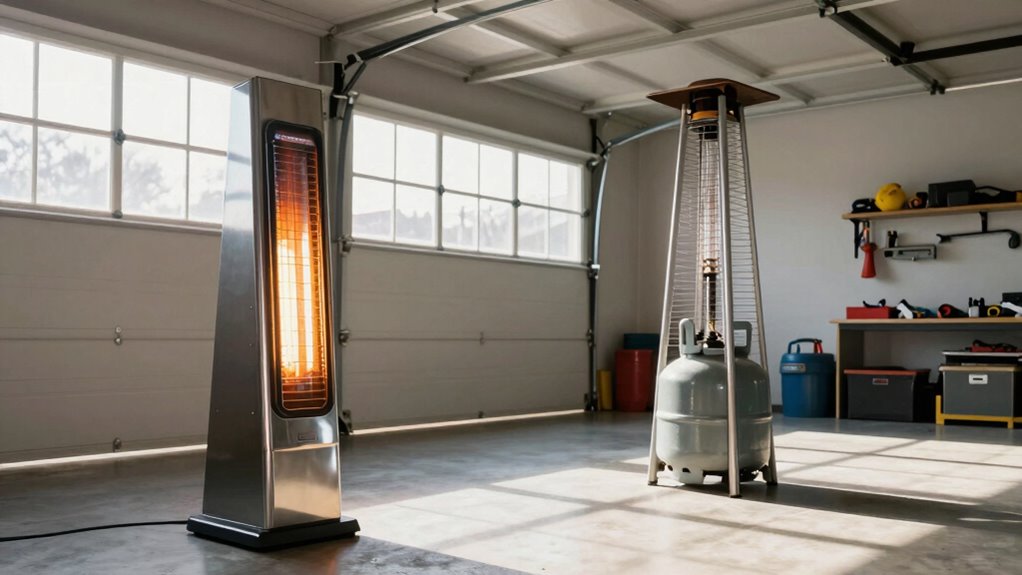
Garage heaters are devices designed to warm your garage space efficiently, making it more comfortable and usable year-round. They work by generating heat through various methods, such as electric resistance, gas combustion, or infrared radiation. To optimize their effectiveness, proper garage insulation is essential, as it helps retain heat and reduce energy consumption. A well-insulated garage not only improves energy efficiency but also minimizes heat loss, ensuring your garage stays warmer for longer periods and reducing the workload on your heater. By improving insulation, you can maintain a consistent temperature, making the heater’s job easier and more efficient. Additionally, understanding the impact of indoor air quality on overall comfort can help you create a healthier environment in your garage. Proper ventilation can also play a role in maintaining good air quality, especially when using fuel-based heaters that produce emissions. Choosing the right type of garage heater for your specific needs can further enhance energy efficiency and safety. Garage heaters also assist with temperature control, allowing you to set and maintain a comfortable environment regardless of outdoor weather conditions. Whether you’re working on projects or parking your car, these heaters ensure your garage stays warm and functional, especially during cold months. Properly installed and maintained, they become a reliable solution for year-round comfort.

Mr. Heater F260550 Big Maxx MHU50NG Natural Gas Unit Heater,Black
Ceiling-mounted forced air unit heater turns garages, barns, and workshops into heated workspaces
As an affiliate, we earn on qualifying purchases.
As an affiliate, we earn on qualifying purchases.
Comparing Garage Heater Types: Electric, Gas, and Infrared
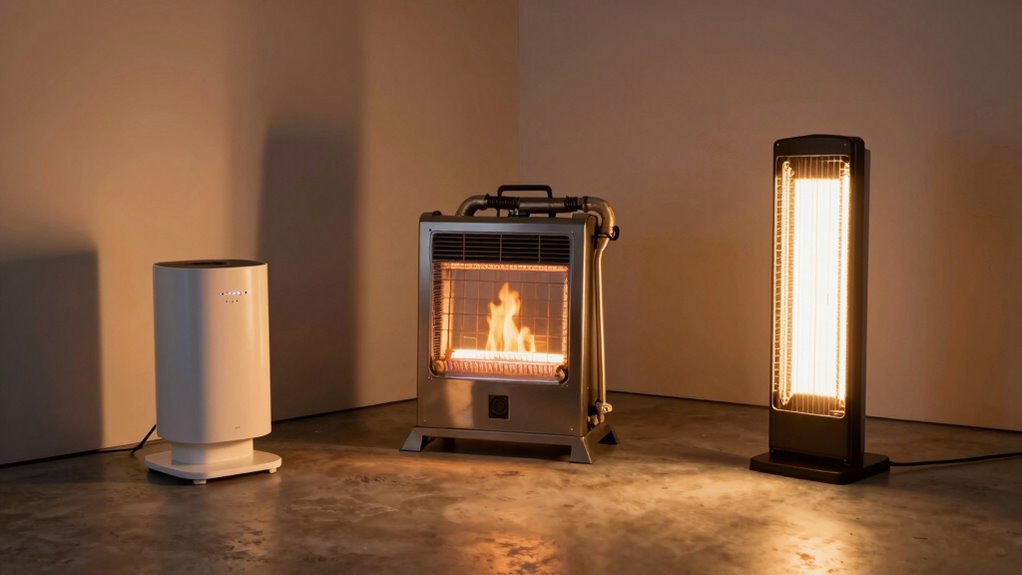
When choosing between electric, gas, and infrared garage heaters, you’ll want to take into account efficiency and cost to find the best fit for your budget. Safety and installation requirements also play a big role in your decision, ensuring your space remains secure and easy to set up. A thorough understanding of the types of garage heaters available can help you make a more informed choice. Knowing the best options for different needs can guide you towards a suitable heater that matches your specific requirements. Additionally, considering the performance features of each heater can ensure you select one that provides reliable warmth for your garage. Being aware of trusted resources for finding reputable installers and suppliers can further streamline your selection process. Exploring startup ideas related to home heating solutions can also open up new opportunities for innovation and business growth.
Efficiency and Cost
Ever wonder which garage heater offers the best balance of efficiency and cost? Your choice depends on your garage’s insulation and local heating regulations. Electric heaters are typically the most energy-efficient upfront, with lower installation costs, but can be expensive to operate over time. Gas heaters tend to have lower running costs, especially if your garage is well-insulated, but they require proper ventilation and adherence to heating regulations. Infrared heaters heat objects directly, making them highly efficient in warming small or poorly insulated garages, though they may have higher initial costs. Overall, your garage’s insulation level impacts efficiency, and understanding local regulations helps you choose a cost-effective, compliant heating solution. Proper ventilation and indoor air quality management can be important considerations in managing indoor air quality and safety when installing certain heating systems. Additionally, selecting the right type of heater involves understanding the contrast ratio and other technical specifications that influence performance and safety. Being aware of whole-home water systems can also inform your overall approach to efficiency and environmental impact in your home.
Safety and Installation
Choosing the right garage heater involves considering safety and installation requirements carefully. Electric, gas, and infrared heaters each have unique ventilation concerns and climate control needs. Electric heaters are safe and easy to install, with minimal ventilation needed. Gas heaters require proper venting to avoid carbon monoxide buildup and pose higher safety risks if not installed correctly. Infrared heaters focus on direct heat, reducing ventilation issues but still need secure mounting. A thorough understanding of garage transformation essentials can help in selecting the most suitable heating option for your space. Proper installation safety measures are crucial to ensure secure and efficient operation. Additionally, understanding heater efficiency can aid in making an informed decision that balances safety, cost, and performance. Recognizing the regional climate influences can also help determine which heater type best suits your environment. Here’s a quick comparison:
| Heater Type | Safety & Installation Highlights |
|---|---|
| Electric | Safe, simple, minimal ventilation, easy climate control |
| Gas | Ventilation essential, higher safety considerations |
| Infrared | Safe, direct heating, less ventilation concerns |
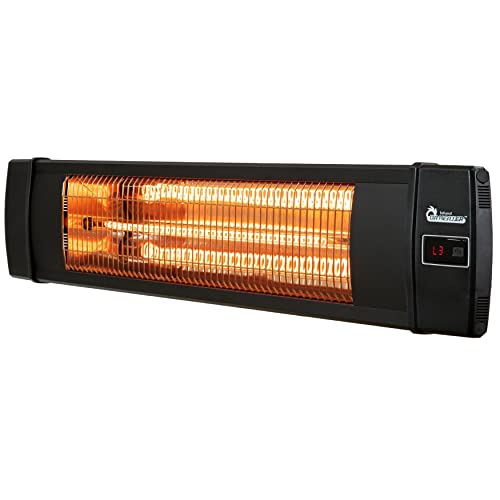
DR. INFRARED HEATER Portable Infrared Indoor and Outdoor Space Heater for Patio, Garage, Commercial & Residential With Remote Control, Without Thermostat, Black
INDOOR and OUTDOOR HEATER – Heater is IP55 approved for both indoor and outdoor use – perfect for…
As an affiliate, we earn on qualifying purchases.
As an affiliate, we earn on qualifying purchases.
Are Electric Garage Heaters Right for Your Space?
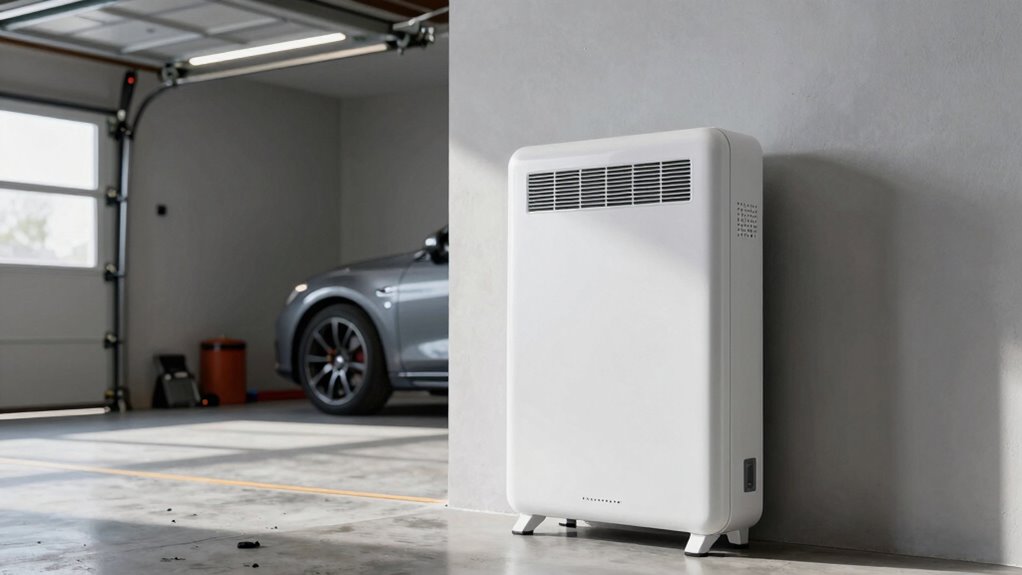
Electric garage heaters can be a convenient and energy-efficient option, but you’ll want to take into account their power usage and operating costs for your space. Safety and proper installation are vital to guarantee reliable performance and peace of mind. By evaluating these factors, you can determine if an electric heater fits your needs and budget. Implementing enterprise governance measures can help ensure secure deployment and ongoing safety. Additionally, understanding cost efficiency can assist in making an informed decision about the long-term benefits of electric heating. Considering local regulations and safety standards, such as those related to public events, is also essential to ensure compliance and safety in your installation. Proper scent balance techniques can further enhance your environment and optimize the heater’s effectiveness in maintaining comfort. Being aware of safety standards can help prevent hazards and ensure your setup adheres to all necessary guidelines.
Energy Efficiency Considerations
Are electric garage heaters a smart choice when considering energy efficiency? They can be, especially if paired with smart thermostats and insulation improvements. These upgrades help regulate temperature better, reducing energy waste. To visualize the impact, consider this table:
| Feature | Benefit | Impact on Efficiency |
|---|---|---|
| Smart thermostats | Precise temperature control | Saves energy by avoiding overheating |
| Insulation improvements | Keeps heat in, cold out | Reduces heater workload |
| Heater placement | Proper positioning for even heat | Minimizes energy use |
Implementing proper heater placement also plays a crucial role in optimizing energy usage and ensuring consistent comfort. Additionally, understanding efficient heating methods can further enhance your energy savings.
Safety and Installation Tips
Before installing a garage heater, evaluating whether your space meets safety requirements and is suitable for electrical modifications is essential. Make certain your garage has proper wiring and enough space to prevent fire hazards. Follow manufacturer instructions carefully during installation, and consider professional help for electrical work. Regular maintenance routines, such as checking for loose connections and cleaning vents, keep the heater operating safely and efficiently. To maximize safety and efficiency, incorporate energy-saving tips like using thermostats or timers to control heating periods. Keep combustible materials away from the heater and verify proper ventilation to prevent overheating. By prioritizing safety and adhering to recommended maintenance routines, you can create a safe environment and extend your heater’s lifespan.
Cost and Power Usage
When considering whether an electric garage heater is suitable for your space, understanding its cost and power consumption is essential. Electric heaters generally have a higher cost comparison upfront, but they tend to be cheaper to operate compared to gas models. Power consumption varies depending on the heater’s size and wattage; larger units use more electricity, increasing your energy bills. However, electric heaters are efficient, converting nearly all energy into heat with minimal waste. Keep in mind that running costs can add up if you use the heater extensively. To determine if an electric garage heater is right for you, evaluate your heating needs against your budget, considering both initial installation costs and ongoing power consumption.

CTSC 8500W Garage Heater Electric, 240v Hardwired Fan-Forced Electric Garage Heater with Digital Thermostat, Remote Control and Timer, ECO Function, Ideal for Workshop, ETL Listed Garage Heater
Quick Troubleshooting: Through a lot of market research, we found that the most frequent failure of this kind…
As an affiliate, we earn on qualifying purchases.
As an affiliate, we earn on qualifying purchases.
Gas Garage Heaters: Types, Benefits, and Safety Tips
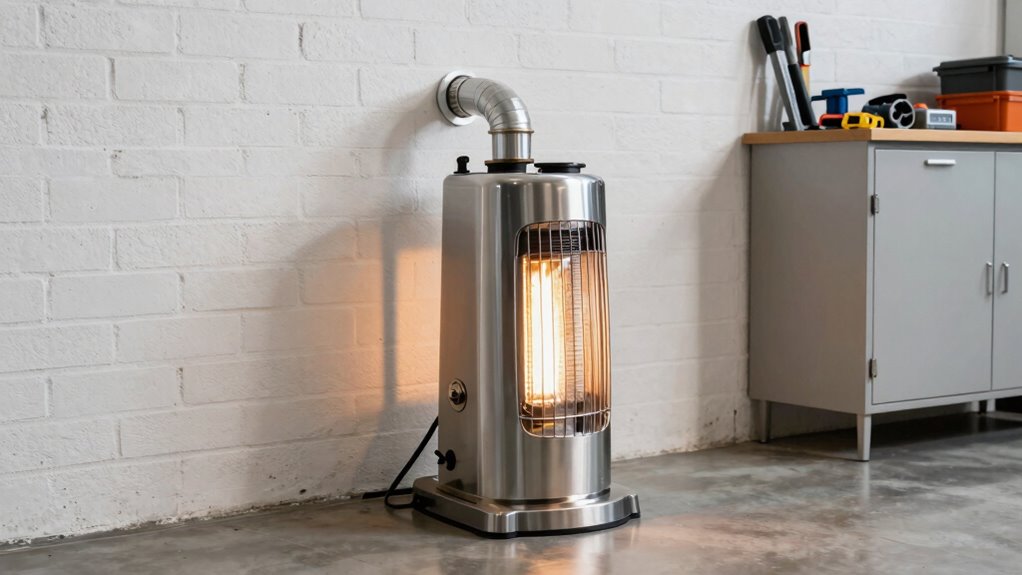
Gas garage heaters are a popular choice for efficiently warming your space, thanks to their powerful and reliable performance. They come in various types, including natural gas and propane models, offering flexible options for different setups. When considering garage heater installation, guarantee proper venting and safety measures to prevent carbon monoxide buildup. Gas heaters provide quick, consistent heat, making them ideal for large or poorly insulated garages. Regular garage heater maintenance is essential for safe operation and efficiency; this includes checking for gas leaks, cleaning vents, and inspecting connections. Safety tips also involve installing carbon monoxide detectors and ensuring proper ventilation. By choosing the right type and maintaining your heater properly, you’ll enjoy a warm, safe, and energy-efficient garage environment.
Why Infrared Garage Heaters Might Be Your Best Bet

Infrared garage heaters are gaining popularity as an efficient and effective way to keep your space warm. They heat objects and surfaces directly, so you feel warmth faster and more evenly. This reduces energy consumption and makes heater maintenance simpler, since fewer parts need regular care. Unlike other heaters, infrared models have minimal ventilation requirements, making them safer and easier to install in enclosed spaces. Here’s a quick comparison:
| Feature | Infrared Garage Heaters |
|---|---|
| Heater Maintenance | Low; no moving parts, easy to clean |
| Ventilation Requirements | Minimal; no combustion gases involved |
| Heating Efficiency | Fast, direct warmth |
| Safety Considerations | Safe for enclosed garages |
This makes infrared heaters a practical, low-hassle choice for your garage heating needs.
Propane vs. Natural Gas Garage Heaters: Which Is Better?
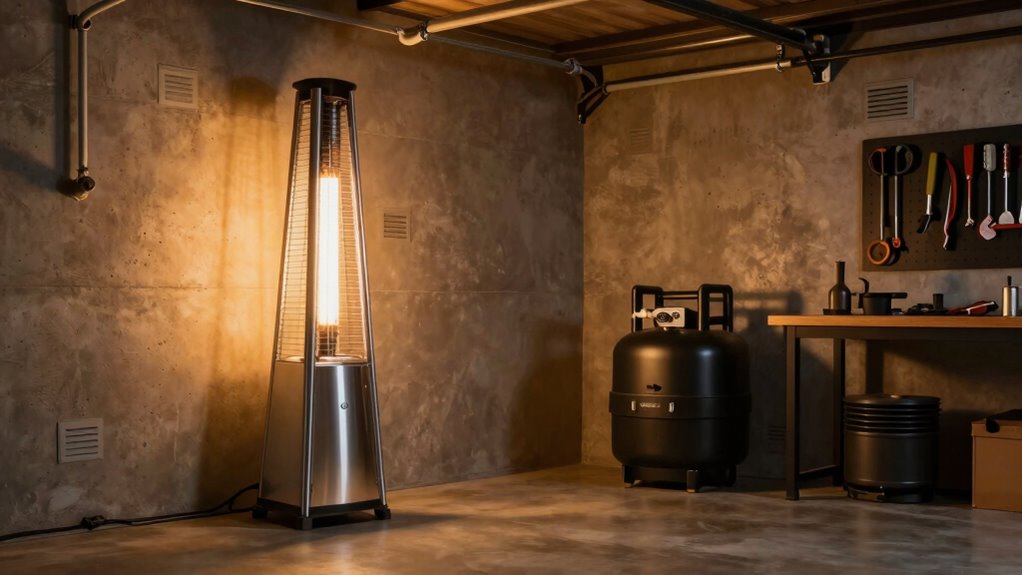
Choosing between propane and natural gas garage heaters depends on several factors, including availability, cost, and installation preferences. Propane heaters are portable and can be used even if natural gas isn’t nearby, but they often require a storage tank, which can affect garage heater aesthetics and add maintenance. Natural gas heaters connect directly to your home’s gas line, offering a cleaner look and potentially lower operational costs. When considering garage heater maintenance, natural gas units tend to be easier to service since they have fewer parts and less fuel handling. However, the choice ultimately hinges on your garage’s infrastructure and your priorities—whether you prefer the convenience and aesthetics of natural gas or the flexibility of propane.
How to Pick the Best Garage Heater for Your Space and Budget
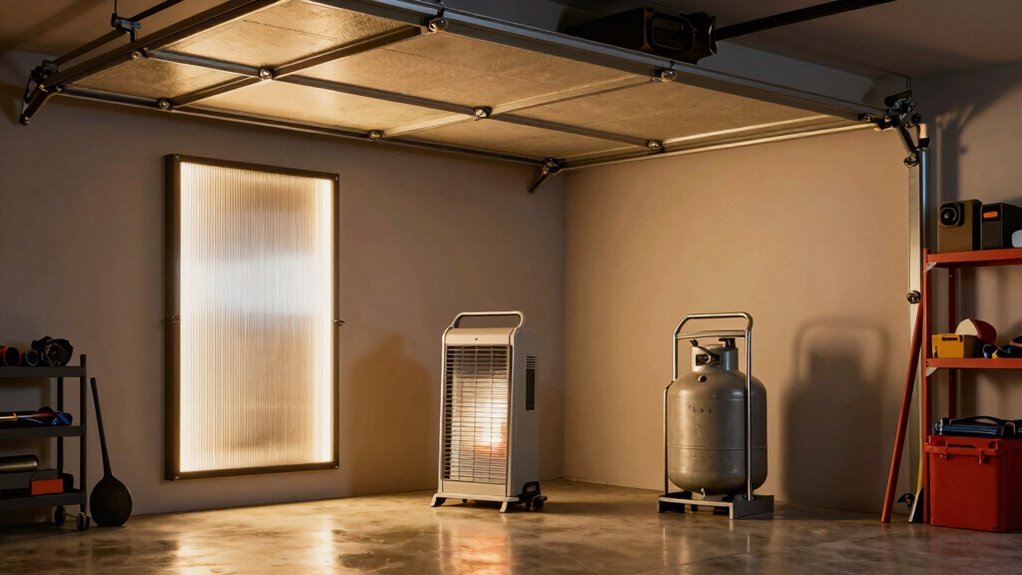
Selecting the right garage heater involves balancing your space’s heating needs with your budget. First, assess your garage’s insulation; well-insulated spaces require less heating power, saving you money. Consider the size of your garage to determine the heater’s capacity. Keep in mind that regular heating maintenance keeps your unit efficient and prolongs its lifespan. To help you decide, here’s a quick comparison:
| Heater Type | Cost | Efficiency | Ideal For |
|---|---|---|---|
| Electric | Low | High | Small or well-insulated garages |
| Gas (Propane/Natural) | Moderate to high | Moderate to high | Larger, less insulated spaces |
| Infrared | Moderate | High | Quick, targeted heating |
Choose based on insulation, space size, and budget for the best results.
Installing Your Garage Heater Safely: Tips and Precautions

Installing your garage heater safely is crucial to prevent accidents and guarantee peak performance. Start by making sure your garage has proper garage insulation, which helps maintain consistent heat and reduces strain on your heater. Before installation, check your ventilation systems; proper ventilation prevents dangerous buildup of fumes or carbon monoxide. Keep the heater away from combustible materials and ensure there’s enough clearance around it, following the manufacturer’s guidelines. Secure the heater firmly to avoid accidental tipping or movement. Regularly inspect your garage’s ventilation and insulation to keep the system functioning efficiently. Remember, a well-ventilated space with proper insulation not only enhances safety but also improves heating effectiveness, making your garage warmer and safer in the long run.
Which Garage Heaters Offer the Best Value for Your Money?
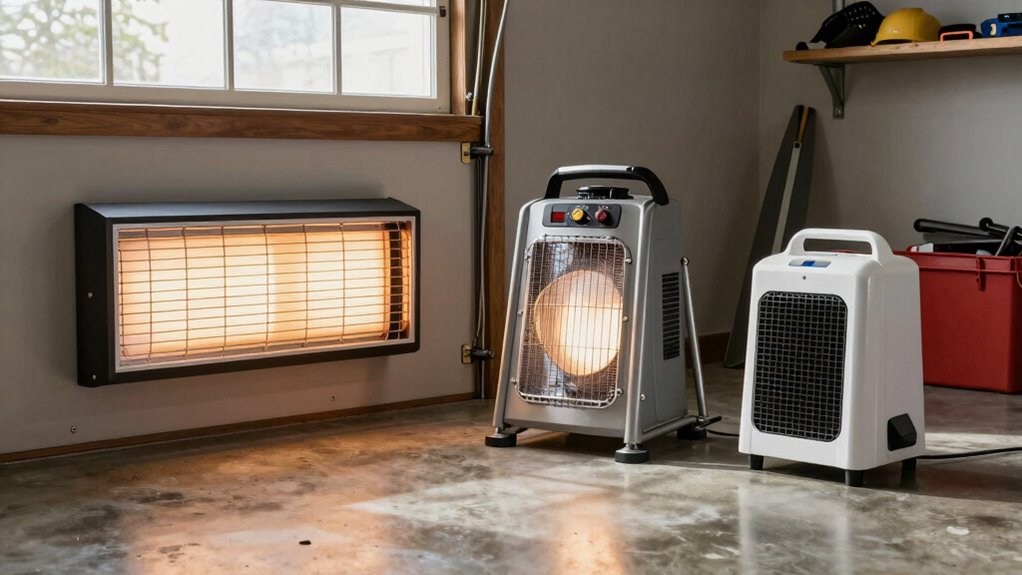
When you’re looking for the best value in a garage heater, it’s essential to take into account both upfront costs and ongoing expenses. To maximize value, consider these factors:
- Energy efficiency – Heaters with high efficiency save you money over time.
- Installation costs – Choose models that are simple to install, reducing your initial investment.
- Compatibility with garage insulation – Well-insulated garages retain heat better, so you need less power.
- Ventilation systems – Proper ventilation improves safety and efficiency, preventing heat loss and moisture buildup.
Opting for a heater that complements your garage’s insulation and ventilation systems guarantees you get the best bang for your buck, reducing ongoing costs while maintaining a warm, comfortable space.
Frequently Asked Questions
How Energy-Efficient Are Different Garage Heater Types?
Different garage heater types vary in energy efficiency; infrared models are often the most efficient, heating objects directly without wasting energy. Electric heaters are also quite efficient but might cost more to run long-term. To maximize efficiency, guarantee proper insulation, which reduces heat loss. Always consider safety, such as avoiding combustible materials near heaters, and follow safety considerations to prevent accidents. This way, you get warmth without wasting energy or risking safety.
What Maintenance Do Garage Heaters Typically Require?
Think of your garage heater as a well-tuned orchestra needing regular tuning. You should check the heater filter regularly to keep dust and debris at bay, guaranteeing efficient operation. Additionally, ventilation cleaning is crucial to prevent buildup and maintain airflow. By performing these simple tasks, you keep your heater running smoothly, extend its lifespan, and ensure a cozy, safe environment in your garage.
Can Garage Heaters Be Used in Uninsulated Spaces?
Yes, you can use garage heaters in uninsulated spaces, but insulation requirements affect their efficiency. Without proper insulation, heat escapes quickly, making it harder to maintain consistent temperature regulation. You might need a more powerful heater or multiple units to keep the space warm effectively. Keep in mind, uninsulated garages may increase energy costs and reduce overall comfort, so consider insulation improvements alongside heater use for better results.
Are There Eco-Friendly Garage Heating Options Available?
Imagine your garage as a garden needing gentle, eco-friendly warmth. You can choose solar heating, harnessing the sun’s energy to reduce your carbon footprint, or explore geothermal options that tap into Earth’s natural heat. These eco-friendly garage heating options work quietly and sustainably, offering you comfort without harming the environment. By opting for these green solutions, you’re nurturing a cleaner planet, all while keeping your garage cozy.
How Long Do Garage Heaters Usually Last?
Garage heaters typically last around 10 to 20 years, depending on usage and maintenance. You should consider proper heater placement to guarantee even heat distribution and avoid safety hazards. Regularly inspecting and cleaning your heater helps extend its lifespan. Always keep safety considerations in mind, like avoiding flammable materials near the unit, and follow the manufacturer’s guidelines for safety and maintenance to maximize your heater’s durability.
Conclusion
Now that you’re armed with all the heater types, imagine turning your garage into a tropical paradise — minus the coconuts and palm trees, of course. Whether you choose electric, gas, or infrared, pick one that keeps your space cozy without turning it into a sauna disaster. With the right heater, you’ll be warm enough to forget about the snow outside, and maybe even find your long-lost tools buried under a mountain of winter chaos.