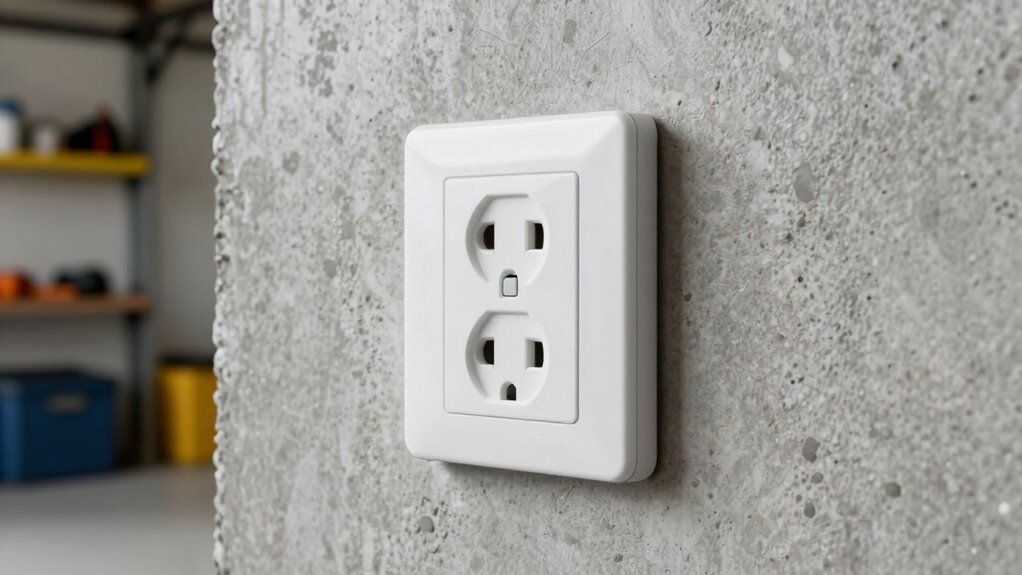

GFCI outlets are safety devices that cut off power quickly if they detect a ground fault, which helps prevent electrical shocks—especially in damp or water-prone areas like garages. They work better than regular outlets by monitoring the electrical flow and tripping instantly if something’s off. Many codes require GFCIs in garages to keep you safe. If you want to understand when and how to install or test them properly, there’s more you should know.
Key Takeaways
- GFCI outlets detect small electrical imbalances and trip instantly to prevent shocks, especially in moisture-prone garage areas.
- They are required by safety codes for garage outlets to protect people from electrical hazards.
- Installing GFCIs involves proper wiring and may need professional help to ensure safety and compliance.
- Regular testing of GFCIs is essential to confirm they work correctly and keep the garage safe.
- Upgrading to GFCIs enhances safety and makes your garage meet electrical safety standards.
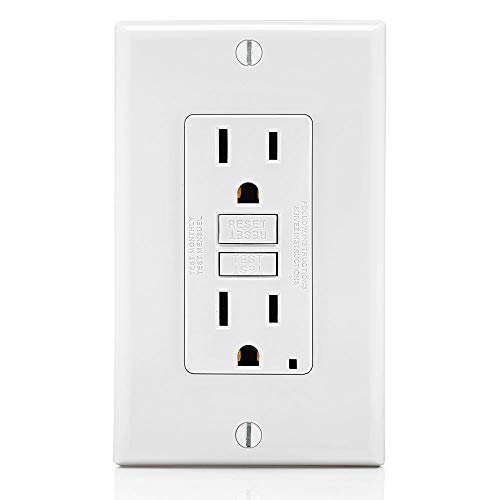
Leviton GFCI Outlet, 15 Amp, Self Test, Non Tamper-Resistant with LED Indicator Light, Protection from Electric Shock and Electrocution, GFNT1-W, White
Designed to improve immunity for reduced High Frequency (HF) nuisance tripping. providing increased compatibility with appliances and other…
As an affiliate, we earn on qualifying purchases.
As an affiliate, we earn on qualifying purchases.
Do You Need GFCI Outlets in Your Garage?
Are GFCI outlets required in your garage? If you’re setting up garage lighting or organizing your storage, it’s a smart move to think about GFCI outlets. These outlets help prevent electrical shocks, especially in areas prone to moisture or accidental spills. Many building codes now mandate GFCI protection in garages to keep you safe while working or using power tools. If you’re adding new outlets for lighting or to power storage solutions, installing GFCIs is a wise choice. They provide an extra layer of safety, reducing the risk of electrical hazards. Whether you’re upgrading your garage or just improving its functionality, GFCI outlets are a vital safety feature that should not be overlooked. Additionally, considering water-related safety measures in your garage can further protect against unexpected moisture issues. Understanding electrical safety guidelines can help you make informed decisions when installing these outlets. Regularly inspecting and maintaining your outlets can also prevent potential hazards and ensure ongoing safety compliance. Proper wiring techniques and adherence to electrical codes can further enhance the durability and safety of your electrical setup.

Klein Tools RT250 GFCI Outlet Tester with LCD Display, Electric Voltage Tester for Standard 3-Wire 120V Electrical Receptacles
CLEAR LCD READOUT: GFCI Receptacle Tester features a large backlit LCD readout for easy voltage reading and clear…
As an affiliate, we earn on qualifying purchases.
As an affiliate, we earn on qualifying purchases.
What Are GFCI Outlets and Why Are They Important?
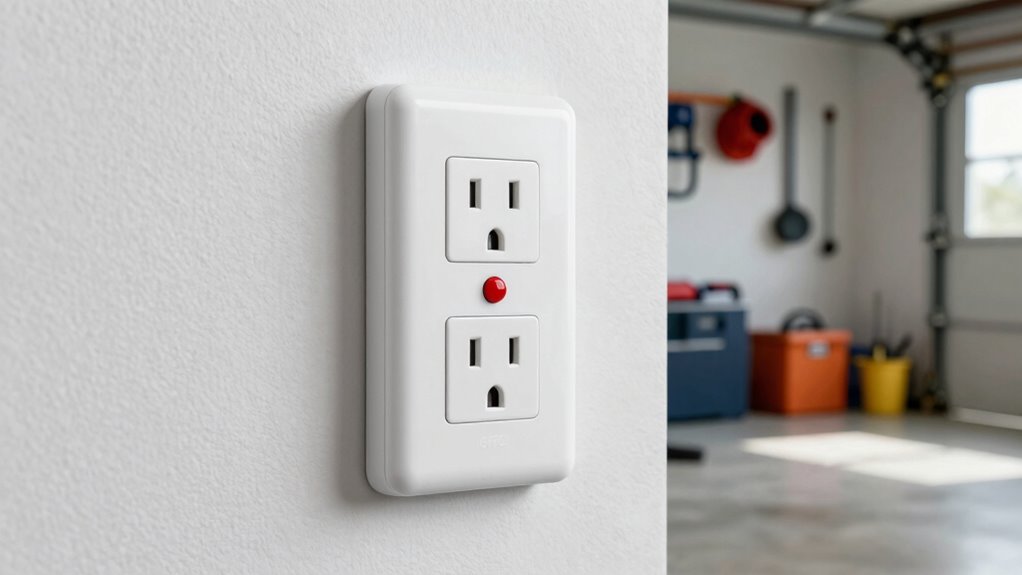
Ever wonder what makes GFCI outlets so vital in your garage? These outlets detect tiny electrical imbalances, quickly shutting off power to prevent shocks. They’re essential for safety, especially around water or damp areas. Beyond safety, GFCIs also promote energy efficiency by reducing electrical waste caused by faults or leaks. Their design ensures electrical compatibility with modern systems, making installation smooth and reliable. Using GFCI outlets helps protect your devices and extends their lifespan by preventing power surges and faults. Additionally, electrical safety standards ensure these outlets meet rigorous requirements for protecting homeowners. Proper wiring techniques are crucial, as installation practices directly influence the GFCI’s ability to function correctly and provide maximum safety. Interestingly, the incorporation of GFCI outlets is often influenced by cultural beliefs about safety and confidence in electrical systems. In short, they’re a smart investment for safety, energy conservation, and compatibility with current electrical standards, giving you peace of mind while working or relaxing in your garage. Moreover, understanding circuit protection mechanisms can help homeowners appreciate how GFCIs enhance overall electrical safety.

Outlet Box Kit, 2×4'' Utility Electrical Box, Duplex Receptacle 2×4'' Cover, Tamper Resistant 20 Amp Duplex Receptacle Outlet, Green Pigtail Grounding Wire and Screw, Ten 1/2'' Knockouts
COMBINATION PACK: This listing includes a 4×2'' utility size electrical junction box, a utility size duplex receptacle cover,…
As an affiliate, we earn on qualifying purchases.
As an affiliate, we earn on qualifying purchases.
How GFCI Outlets Protect You From Electric Shocks?
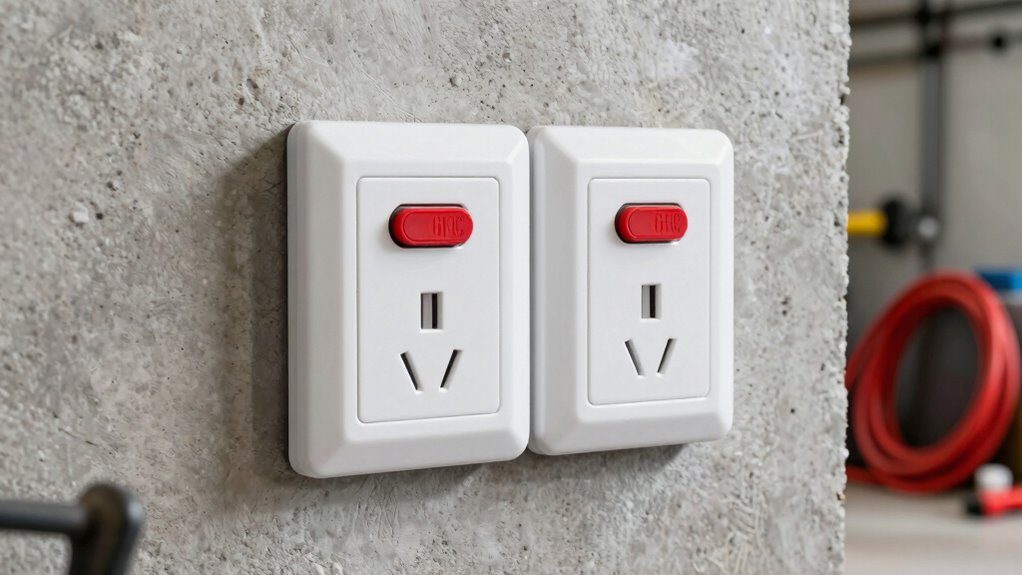
GFCI outlets protect you from electric shocks by monitoring the flow of electricity in a circuit and quickly shutting off power if they detect any imbalance. This rapid response prevents harmful shocks if the current leaks to the ground, especially in damp environments like garages. GFCI durability ensures they perform reliably over time, even with frequent use and exposure to moisture. They are designed to trip within milliseconds, providing essential safety. While GFCI outlets prioritize safety, outlet aesthetics matter too; modern designs offer sleek, unobtrusive options that blend seamlessly into your garage. This combination of resilience and attractive appearance ensures you get reliable protection without sacrificing the look of your space. Ultimately, GFCIs are crucial for safe, long-lasting electrical safety in your garage. Additionally, understanding the role of circuit protection helps you appreciate how these outlets contribute to overall electrical safety. Proper installation and regular testing of GFCI outlets further enhance their effectiveness and reliability, ensuring continuous protection. Regular testing is especially important to maintain their performance in damp conditions, which is vital in moisture-prone environments like garages.
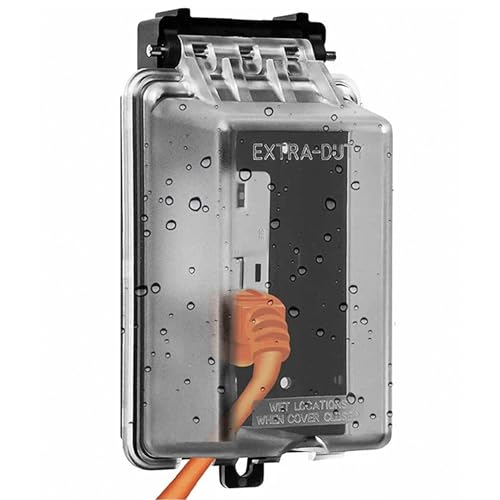
ENERLITES Outdoor Outlet Cover Extra-Duty in-Use Weatherproof Outdoor Decorator/GFCI Receptacle Outlets, Weatherproof Enclosure, 1-Gang 6.25” H x 3.5” W x 3.25” D, Clear Cover, IUC1V-D
Extra-Duty for use in wet locations. Polycarbonate thermoplastic construction provides maximum durability from severe weather conditions. FOR DECORATOR/GFCI…
As an affiliate, we earn on qualifying purchases.
As an affiliate, we earn on qualifying purchases.
GFCI vs. Standard Outlets: What’s the Difference?
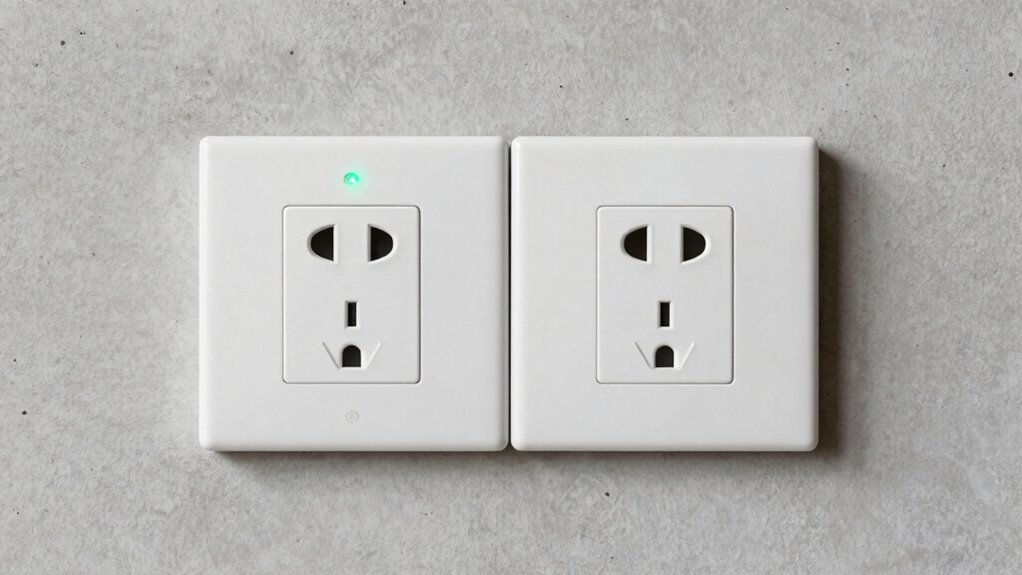
Understanding the differences between GFCI and standard outlets is key to ensuring safety and proper function in your garage. GFCIs offer enhanced safety features, but they can cost more and be slightly more complex to install. Knowing where and how to use each type helps you choose the right outlet for your specific needs. For example, in areas prone to moisture, such as garages, GFCI outlets are recommended to prevent electrical shock hazards. Additionally, electric dirt bikes and other high-powered devices should be connected to the appropriate outlets to ensure safety and optimal performance. Proper installation also involves understanding electrical codes and regulations, which can help prevent hazards and ensure compliance. Being aware of traditional Indonesian home decor principles can also inspire a more harmonious and culturally rich environment around your electrical setups, blending safety with aesthetic appeal. Proper grounding and circuit protection further enhance safety measures in such environments, especially when considering grounding techniques.
Safety Features Comparison
While standard outlets are common in many homes, GFCI outlets offer a crucial safety feature that can prevent electrical shocks and fires. Unlike standard outlets, GFCIs constantly monitor electrical wiring for imbalance. If they detect a ground fault—such as a current leaking to a person—they trip instantly, cutting power. This is especially important in garages, where outlet placement in damp or conductive environments increases risk. Here’s a quick comparison:
| Feature | Standard Outlets | GFCI Outlets |
|---|---|---|
| Safety Mechanism | No specific safety feature | Detects ground faults, trips |
| Response Time | N/A | Less than 1/40 of a second |
| Use Case | General wiring | Wet or damp locations |
| Importance of Outlet Placement | Less critical | Critical in garages, bathrooms |
GFCIs safeguard you by shutting off power quickly, preventing shocks, especially in environments prone to electrical hazards. They are an essential component of electrical safety, as they are designed to respond rapidly to ground faults, which are more likely to occur in areas exposed to moisture or water.
Cost and Installation Differences
Installing GFCI outlets instead of standard ones typically involves higher upfront costs and slightly more complex procedures, but the added safety benefits often justify the expense. The cost comparison shows GFCI outlets are more expensive, usually $15 to $50 each, compared to standard outlets at around $3 to $10. The installation process also requires some electrical knowledge, as GFCIs need to be wired correctly to ensure proper functioning. You might need to replace existing outlets and add breaker protection, which can add to the overall cost and complexity. While the initial investment is higher, the enhanced safety, especially in garage environments prone to moisture, makes GFCIs a worthwhile upgrade. Overall, expect a slightly longer installation time and increased material costs.
Usage and Application Variances
GFCI outlets are designed specifically to protect people from electrical shocks in areas where moisture or water exposure is common, making them essential in garages. Their usage varies based on outlet placement and wiring configurations. GFCIs are required for outlets near sinks, basins, or any damp areas, whereas standard outlets may suffice elsewhere. Wiring configurations for GFCIs often involve a single outlet protecting multiple downstream outlets, simplifying installation and ensuring safety across a circuit. Unlike standard outlets, GFCIs constantly monitor electrical current and trip instantly if imbalance occurs, preventing shocks. Proper installation procedures are crucial to ensure the GFCI functions correctly and provides reliable protection. Understanding where to place GFCIs and how to wire them correctly guarantees proper protection. Correct wiring ensures the GFCI performs as intended and enhances overall safety. This variance in application helps tailor safety measures to different parts of your garage, optimizing both safety and convenience.
When Should You Install GFCI Outlets in Your Garage?
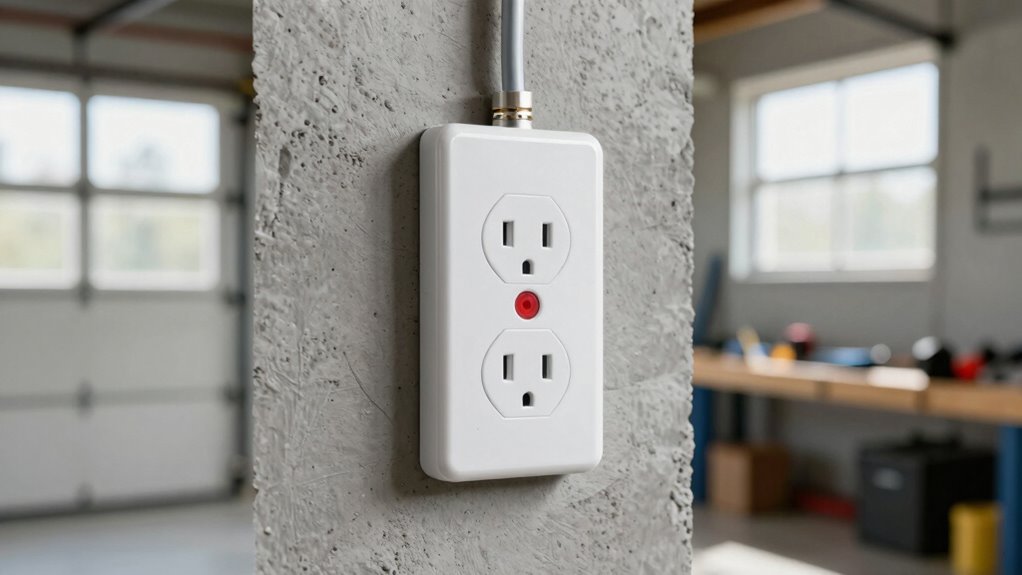
You should consider installing GFCI outlets in your garage whenever you’re adding new circuits or updating existing wiring. This is especially important if you’re installing new garage lighting or improving storage organization. GFCIs protect against electrical shocks in areas prone to moisture and accidental contact, making them essential in garages. If you’re running power to workbenches, tool stations, or storage shelves, installing GFCIs can prevent dangerous shocks. Even if your current outlets aren’t near water, upgrading to GFCIs adds a layer of safety for anyone using the space. Think about replacing outdated outlets in areas where water or humidity are common, like near the garage door or laundry area. Installing GFCIs during these updates guarantees safety and compliance with electrical codes. Additionally, understanding cabling solutions can help ensure proper installation and reliable operation of your outlets, especially when considering outdoor or damp environments in your garage or surrounding areas.
How to Install GFCI Outlets Yourself or When to Hire a Pro

While installing GFCI outlets can be a straightforward project for those with some electrical experience, it’s essential to know when to proceed on your own and when to hire a professional. If you’re comfortable working with wiring, installing GFCIs can improve garage lighting and enhance storage organization by making outlets safer. Make certain you turn off power at the breaker, follow local electrical codes, and use the correct tools. If your garage wiring involves complex circuits or outdated systems, it’s best to call a licensed electrician. A pro can ensure proper grounding and code compliance, reducing safety risks. Remember, working safely and correctly is key to enjoying a safer, more functional garage space.
Why Test Your GFCI Outlets Regularly: and How to Do It
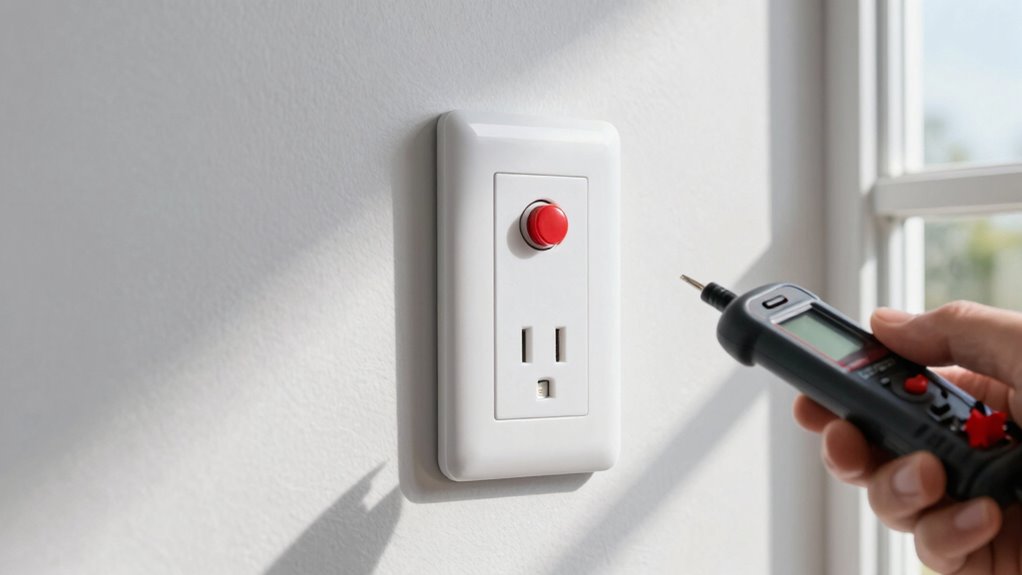
Testing your GFCI outlets regularly guarantees they work properly and can protect you from electrical shocks. It’s a simple process you can do yourself in just a few seconds. Knowing how and why to test them helps keep your garage safe.
Importance of Regular Testing
Have you ever wondered why regularly testing your GFCI outlets is so important? It’s because electrical hazards can happen unexpectedly, and a GFCI’s primary job is to protect you from shock. Over time, outlets may wear out or become less responsive, reducing their durability and effectiveness. Regular testing guarantees that your GFCI is functioning properly and can shut off power during a ground fault. If you neglect this, you risk facing dangerous electrical hazards or a failed outlet that might not trip when needed. Consistent testing helps catch issues early, maintaining the outlet’s reliability and keeping your garage safe. Making testing a routine keeps your GFCI working as it should, providing peace of mind and protecting everyone in your home.
Simple Testing Steps
Regularly testing your GFCI outlets is a simple but essential step to guarantee they work properly when you need them most. This practice enhances electrical safety and ensures your outlet maintenance is up to date. To test, press the “Test” button on the GFCI; the outlet should immediately cut power. Then, press the “Reset” button to restore power. If the outlet doesn’t trip or reset correctly, it may need replacement or repair. Always perform these tests monthly, especially in areas like garages where moisture and electrical devices are common. Regular testing helps catch faults early, preventing potential electrical shocks or fires. It’s a quick, straightforward way to keep your home safe and your GFCI functioning properly.
Common GFCI Installation Mistakes to Avoid
Installing GFCI outlets in your garage might seem straightforward, but overlooking common mistakes can lead to safety hazards or future electrical issues. To avoid problems, keep these tips in mind:
- Incorrect wiring: Make certain the line and load terminals are properly connected. Miswiring can prevent GFCI protection or cause nuisance trips.
- Skipping GFCI maintenance: Regularly test your outlets and replace faulty ones promptly. Neglecting maintenance can compromise safety.
- Improper outlet replacement: When replacing a GFCI, turn off power completely and follow manufacturer instructions. Using the wrong type or installing it incorrectly can create hazards.
Are GFCI Outlets Required by Code in Garages?

You need to know that code requirements generally mandate GFCI outlets in garages to protect against electrical shock. Meeting safety regulations is essential to guarantee your home complies with local building codes. Always check your area’s specific codes, as they can vary depending on your location.
Code Requirements Overview
Are GFCI outlets mandated by code in garages? Yes, the electrical wiring codes require GFCIs in garage outlets for safety. The code emphasizes specific outlet placement to protect users from electrical shock hazards. Here’s what you need to know:
- GFCIs must be installed on all outlets serving garage areas, especially near sinks or water sources.
- Outlets should be positioned at accessible heights, typically 4 feet above the floor, following electrical code standards.
- Proper outlet placement helps prevent accidental contact with wiring or appliances, reducing risk during regular use or repairs.
Following these code requirements ensures your wiring complies and your garage remains safe. Always check local codes, as they might have additional or slightly different regulations.
Safety Regulations Compliance
Building on the importance of proper outlet placement, compliance with safety regulations guarantees your garage stays protected from electrical hazards. GFCI outlets are typically required by code in garages to prevent shocks and fires. These regulations ensure that electrical wiring is installed correctly and outlets are positioned in areas prone to moisture or damage. If you’re wiring your garage, you must follow these rules to meet safety standards. GFCI outlets should be installed on all circuits supplying outlets within the garage, especially where power tools or appliances are used. Not adhering to these regulations can lead to unsafe conditions and possible code violations. Staying compliant safeguards you and your property from potential electrical accidents, ensuring a safe and efficient garage environment.
Local Building Codes
Wondering whether GFCI outlets are mandated by local building codes in your area? Many codes require GFCIs for safety, especially in garages. To guarantee compliance, consider these points:
- Check your local building codes—they often specify GFCI requirements for garage outlets to prevent electrical shocks.
- Your electrical panel usually contains circuit breakers that control garage circuits, which must be GFCI-protected if required by code.
- If your garage has outdated outlets, replacing them with GFCI outlets might be necessary to meet code and enhance safety.
Always consult local codes or a licensed electrician to verify specific requirements. Meeting these standards ensures your garage’s electrical system is safe, compliant, and protected against faults.
Troubleshooting GFCI Outlets That Keep Tripping
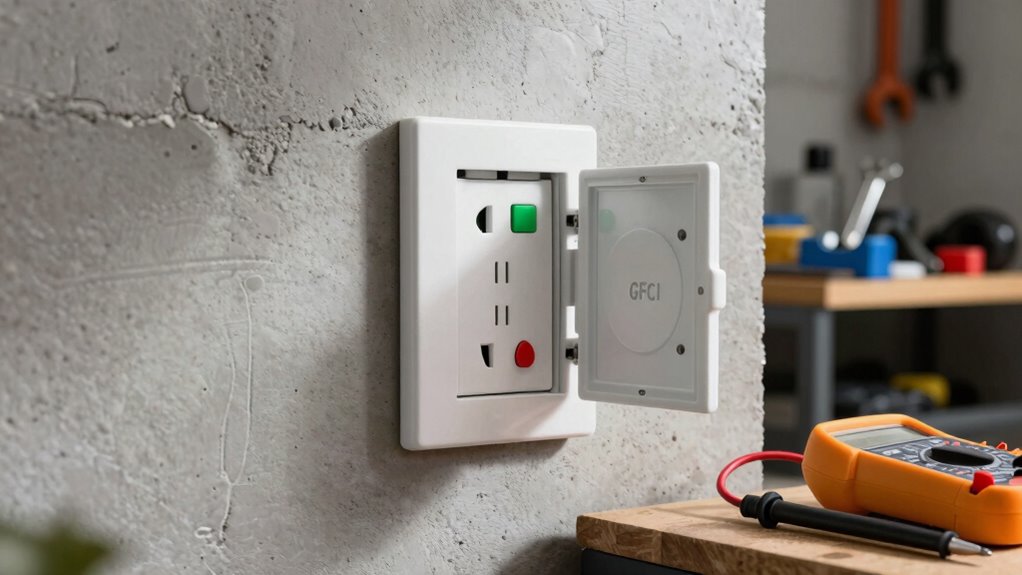
When your GFCI outlet keeps tripping, it can be frustrating and disruptive. Start troubleshooting by checking for issues with electrical wiring and outlet placement. Look for loose connections or damaged wiring behind the outlet, which can cause false trips. Also, consider whether the outlet is overloaded or if nearby appliances are causing interference.
| Issue | Solution |
|---|---|
| Loose wiring | Turn off power and secure all connections. |
| Overloaded circuit | Reduce the number of devices plugged in at once. |
| Faulty appliances | Unplug devices to see if trips stop. |
| Improper outlet placement | Ensure outlets are installed correctly in suitable locations. |
| Moisture or water exposure | Keep outlets dry and check for leaks. |
Frequently Asked Questions
Can GFCI Outlets Be Installed Outdoors or in Damp Areas?
Yes, GFCI outlets can be installed outdoors or in damp areas. You need to guarantee a weatherproof installation to protect the outlet from moisture, which is essential for safety. These outlets provide power surge protection, reducing the risk of electrical damage. Use outdoor-rated GFCI outlets, and make certain they’re properly sealed and installed in weatherproof boxes to keep everything safe and functional in wet environments.
How Often Should GFCI Outlets Be Replaced?
Think of GFCI outlets like a safety net—they’re built to last, but you should replace them every 10 to 15 years, or sooner if they show signs of wear. Regular outlet testing guarantees they’re providing proper circuit protection. If you notice frequent tripping or damage, it’s time to replace the GFCI to keep your home safe. Staying proactive helps maintain reliable protection and prevents electrical hazards.
Are GFCI Outlets Compatible With Smart Home Systems?
Yes, GFCI outlets can be compatible with smart home systems, especially if they support smart features like remote control or automation. When choosing GFCI outlets with smart home integration, guarantee they include GFCI safety features for protection against electrical faults. These smart GFCIs let you monitor and control power remotely, enhancing safety and convenience. Just check that your smart home system supports the specific GFCI model you’re considering.
Do GFCI Outlets Require Special Wiring or Wiring Upgrades?
GFCI outlets generally don’t require special wiring, but proper wiring requirements must be followed to guarantee safety and code compliance. If your existing wiring lacks ground fault protection, you might need an upgrade procedure to replace or rewire the circuit. Consult a licensed electrician to evaluate your wiring and perform any necessary upgrades, making sure that GFCI outlets function correctly and safely in your garage.
What Is the Lifespan of a Typical GFCI Outlet?
A GFCI outlet typically lasts about 10 to 15 years, much like a reliable friend who’s there for years. Regular GFCI testing is essential to guarantee safety and catch any potential issues early. When it shows signs of wear or fails testing, you should consider outlet replacement. Keep an eye on its performance, and don’t hesitate to update it to maintain safe, up-to-date protection in your garage.
Conclusion
Understanding GFCI outlets is like having a safety net beneath a tightrope—they catch you before a dangerous shock can happen. By knowing when and why to install them, testing regularly, and avoiding common mistakes, you’re building a fortress of safety in your garage. Think of GFCIs as your electrical guardian angels, quietly watching over you and your tools, ensuring your workspace stays shock-free and secure. Stay vigilant, and your garage will be a safe haven.