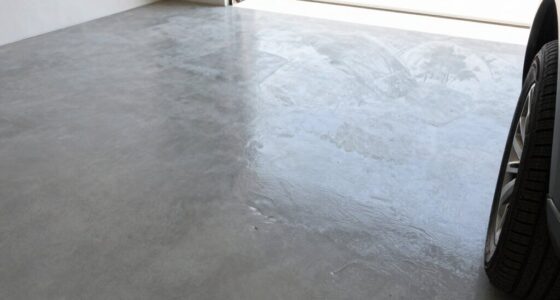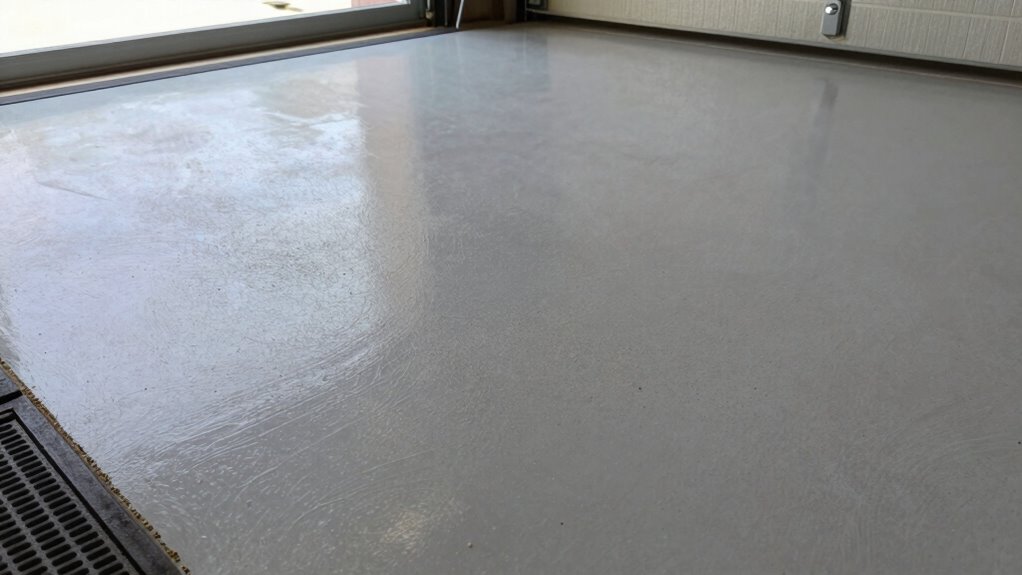
Your garage floor gets dusty mainly because unsealed or porous concrete surfaces trap dirt, pollen, and outdoor debris that settle over time. Wind, outdoor traffic, and mechanical activities stir up dust, which then accumulates if your ventilation is poor. Cluttered storage and infrequent cleaning also add to the problem. Simple steps like sealing floors, improving airflow, and cleaning regularly can make a big difference. Keep exploring to discover more tips for a cleaner garage.
Key Takeaways
- Unsealed, porous concrete floors easily trap and accumulate dust from indoor and outdoor sources.
- Poor ventilation and air filtration allow outdoor dirt, pollen, and debris to settle on the floor.
- Cluttered storage areas trap dust and hinder effective cleaning efforts.
- Mechanical activities like sanding or grinding release fine dust that settles quickly on surfaces.
- Lack of proper sealing and floor coatings makes dust adherence and buildup more likely over time.

Polar Dust Proof Concrete Sealer Clear – 1.32 Gallon – Satin Finish – Concrete Sealer Outdoor & Indoor – Ideal Waterproofing for Stone & Concrete Garages, Kitchens, Factory & Warehouse Floors & Walls
Dust-Proof Concrete & Stone Sealer: Polar Concrete Sealer outdoor is easy and safe to apply. It effectively creates…
As an affiliate, we earn on qualifying purchases.
As an affiliate, we earn on qualifying purchases.
What Makes Your Garage Floor Dusty?
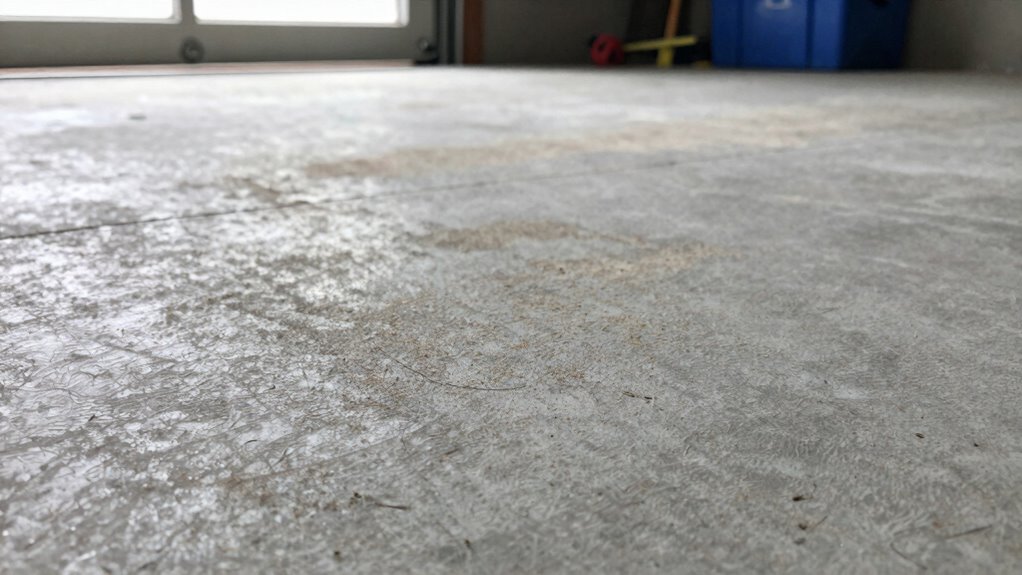
Your garage floor can become dusty for several reasons, especially if it’s not regularly cleaned or maintained. One key factor is the lack of garage floor sealing, which leaves concrete porous and vulnerable to dust particles. Without sealing, dust easily settles and becomes airborne when you walk or work in the space. Implementing dust suppression techniques, like sweeping frequently and applying sealants, helps minimize dust buildup. Sealing your garage floor creates a barrier that prevents dust from originating within the concrete itself, reducing overall dust levels. Additionally, neglecting proper ventilation or allowing debris to accumulate accelerates dust formation. Proper garage maintenance and regular cleaning are crucial in controlling dust levels. Using vetted vacuum cleaners with strong suction and effective filtration can further help capture airborne particles and prevent dust from settling. Proper sealing and dust suppression techniques not only reduce dust but also help prevent microplastics in dust, which can be a concern in indoor environments. Maintaining good indoor air quality practices can further mitigate airborne particles and improve overall cleanliness.

iLIVING 12" Wall Mounted Shutter Exhaust Fan, Automatic Shutter, with Thermostat and Variable Speed controller, 0.6A, 960 CFM, 1400 SQF Coverage Area Silver (ILG8SF12V-ST)
POWERFUL AIR VENTILATOR – 960 CFM, 115V, 0.6A, 1/20 Horse Power, 1650 RPM, Coverage up to 1400 square…
As an affiliate, we earn on qualifying purchases.
As an affiliate, we earn on qualifying purchases.
How External Environment Affects Garage Floor Dust
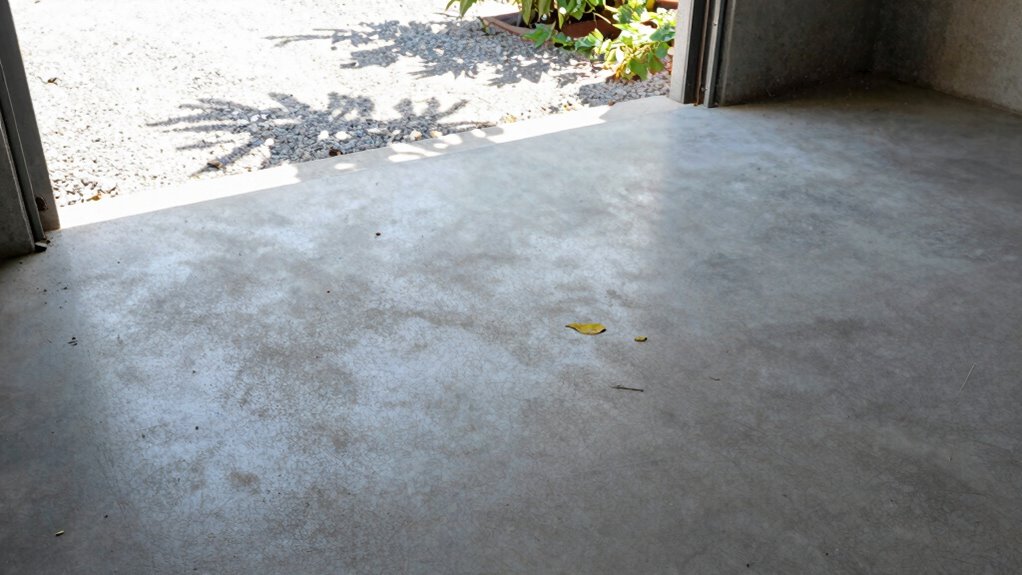
External environmental factors play a significant role in how much dust accumulates in your garage. Wind can carry dirt, pollen, and debris inside, making dust levels worse. Poor air filtration systems can’t effectively trap these particles, allowing dust to settle on your floor more quickly. Additionally, moisture control is essential; high humidity encourages dust and dirt to stick to surfaces, creating a dusty buildup. If your garage isn’t sealed properly against the outside elements, more dust and outdoor particles will enter. Regularly improving air filtration and managing moisture levels can help reduce the amount of dust that settles on your garage floor. Incorporating proper ventilation technology can further improve air quality by reducing airborne dust particles. Understanding external environmental influences can help you better control dust entry and accumulation. Considering industry standards and best practices can also aid in maintaining a cleaner garage environment. By controlling these external factors, you’ll keep your garage cleaner and minimize dust accumulation over time. Implementing effective sealing methods can prevent outdoor dust from infiltrating your space more effectively.

Stanley – SL18116P Wet/Dry Vacuum, 6 Gallon, 4 Horsepower Black
❤【LARGER CAPACITY】Stanley SL18116P Wet / Dry Vacuum has a larger capacity over 22 L, makes small clean-up jobs…
As an affiliate, we earn on qualifying purchases.
As an affiliate, we earn on qualifying purchases.
How Garage Ventilation Impacts Dust Buildup
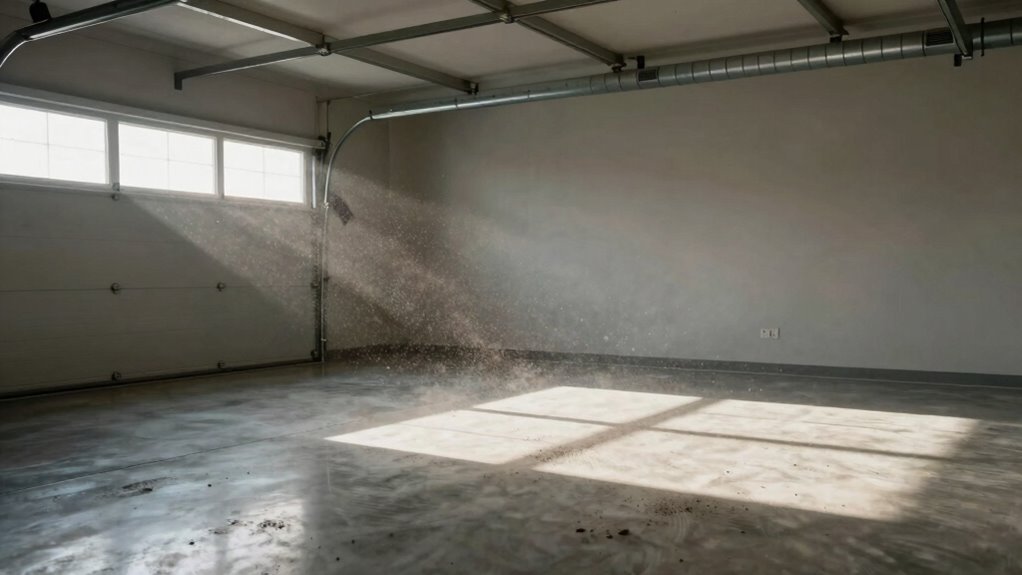
Proper garage ventilation plays an essential role in controlling dust buildup. When airflow efficiency is high, dust particles are less likely to settle and accumulate. Good ventilation reduces humidity, preventing dust from sticking to surfaces. If your garage has outdated or ineffective ventilation, consider ventilation upgrades to improve airflow. A well-ventilated space also helps in reducing indoor pollutants, which can contribute to cleaner air quality. Implementing innovative composting toilets can also contribute to better overall air quality by reducing indoor pollutants. Additionally, enhancing your garage’s ventilation system can prevent the buildup of dust particles, making cleaning easier and more effective. Optimizing ventilation makes your garage less dusty and easier to maintain, keeping dust at bay and protecting your stored items. Proper air circulation is key to maintaining a dust-free environment in your garage.
Rust-Oleum 293513 RockSolid Polycuramine Garage Floor Coating, 2.5 Car Kit, High Gloss Gray, 1 Count (Pack of 1)
Durable, polycuramine concrete coating works on interior concrete surfaces including garage floors, workshops, basements, family rooms and more.Self-leveling…
As an affiliate, we earn on qualifying purchases.
As an affiliate, we earn on qualifying purchases.
Activities That Increase Dust on Your Garage Floor
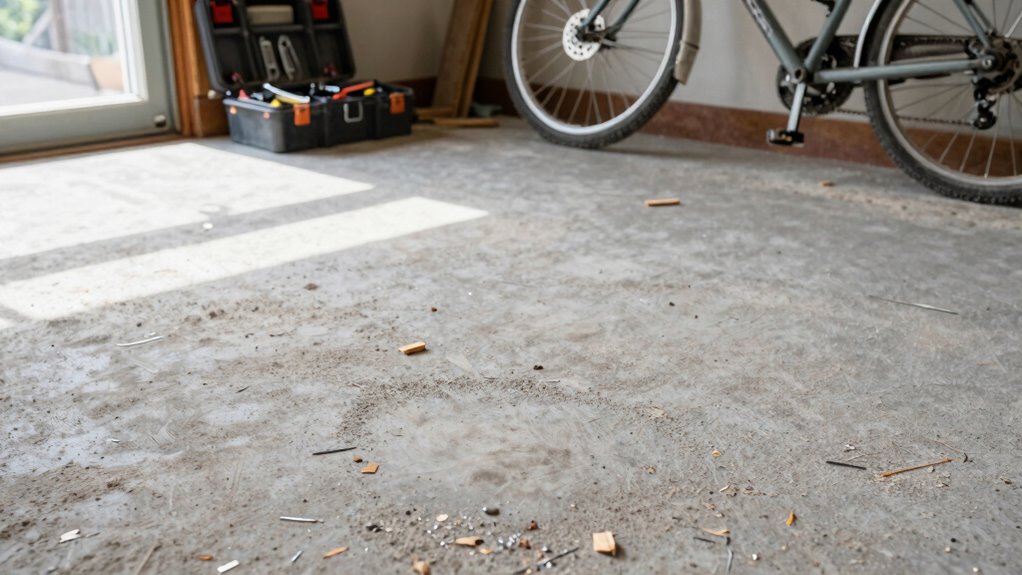
Everyday activities in your garage can kick up dust and make it settle on the floor. When you track in dirt and debris from outside, or perform mechanical work, dust levels tend to rise. Clutter and storage habits also contribute by trapping dust that later gets disturbed. Additionally, the presence of cookies and tracking technologies can influence how dust particles settle by affecting your browsing preferences and interactions with the site. Proper organization and regular cleaning can help reduce dust accumulation, especially when using storage solutions designed to minimize dust traps. Understanding how air circulation impacts dust dispersion can also help you implement better ventilation practices to keep your garage cleaner. Being mindful of dust sources and controlling airflow can significantly improve your garage’s cleanliness. Regular maintenance of ventilation systems can further improve dust management by preventing dust buildup in hard-to-reach areas.
Tracking Outdoor Traffic
When you bring in outdoor traffic, such as vehicles, bikes, or even foot traffic from your yard, you’re inevitably tracking dirt and dust onto your garage floor. This ongoing transfer makes garage floor maintenance more challenging, as dirt settles and creates a dusty surface. This not only affects the appearance but can also contribute to indoor air quality issues. Dust stirred up from tracked-in debris can circulate in the air, especially if your garage lacks proper ventilation. Regular cleaning and sealing your garage floor can help reduce dust buildup and improve indoor air quality. Incorporating sealing solutions and regular maintenance can also extend the lifespan of your garage floor. Proper investment in high-quality materials can further enhance durability and reduce dust accumulation. Additionally, choosing appropriate sealing techniques can significantly improve dust resistance and ease of cleaning. Limiting unnecessary outdoor traffic and installing mats at entry points can also minimize the amount of dirt brought inside, making maintenance easier and your garage healthier. Incorporating luxury lifestyle products like high-end mats or advanced sealing solutions can further enhance the cleanliness and appearance of your garage floor.
Performing Mechanical Work
Performing mechanical work in your garage often kicks up a significant amount of dust, especially when you’re sanding, grinding, or using power tools. These activities loosen debris that settles on your garage floor, making dust more likely to accumulate over time. If your garage has existing garage floor coatings, this dust can cling to the textured surfaces, making cleaning more difficult. Additionally, mechanical work increases the risk of chemical spills, which can create sticky residues that trap dust particles, further dirtying your floor. Power tools and grinding generate fine particles that settle quickly, contributing to ongoing dust buildup. To minimize this, consider using protective covers or improving ventilation during mechanical tasks, which helps reduce dust dispersion and keeps your garage floor cleaner longer. Implementing dust control methods can also help manage dust buildup more effectively.
Storage and Clutter
Clutter and disorganized storage areas can considerably contribute to dust accumulation on your garage floor. When items are piled haphazardly, dust and debris settle more easily, making cleanup harder. Poor garage organization means dust can hide in corners and under clutter, spreading throughout the space. Using effective storage solutions helps contain dust and keeps surfaces clear, reducing airborne particles that settle on the floor. Shelving units, labeled bins, and wall-mounted racks create designated spots for tools and supplies, preventing clutter from spreading. This organized setup not only keeps your garage tidy but also minimizes dust buildup. Regularly decluttering and investing in proper garage organization makes it easier to maintain a clean, dust-free floor. Proper storage solutions are key to reducing dust and improving overall garage cleanliness.
Common Mistakes That Cause Dust to Accumulate
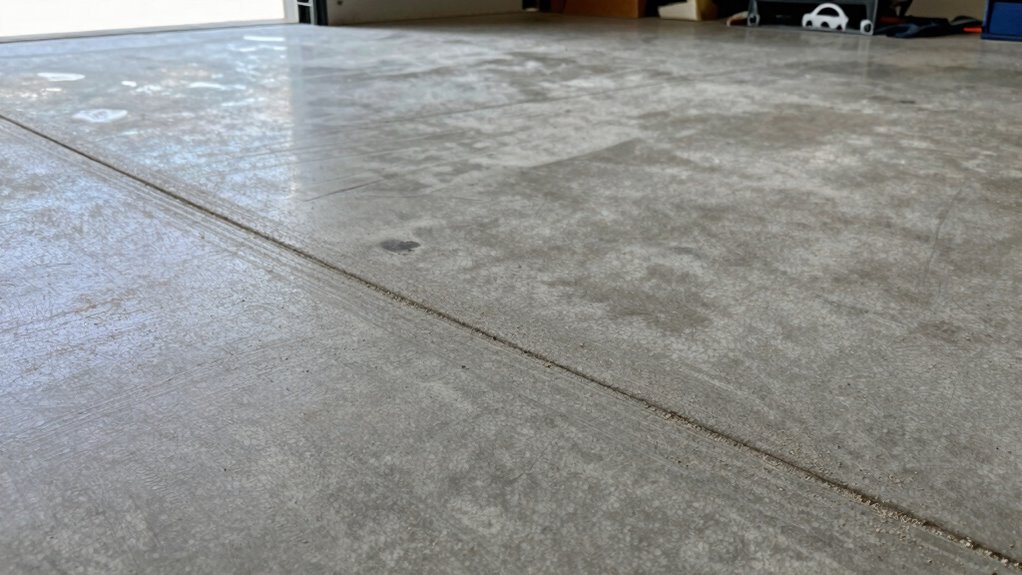
One of the most common mistakes that lead to dust buildup in your garage is neglecting proper cleaning habits. Poor maintenance allows dust to settle on garage flooring and become a persistent problem. To improve dust prevention, avoid these mistakes:
- Skipping regular sweeping or vacuuming, which lets dust accumulate on surfaces.
- Using harsh or ineffective cleaning products that don’t remove dust thoroughly.
- Ignoring spills or dirt that, when left uncleaned, contribute to dust settling on the floor.
Tips to Reduce Dust and Keep Your Garage Floor Clean
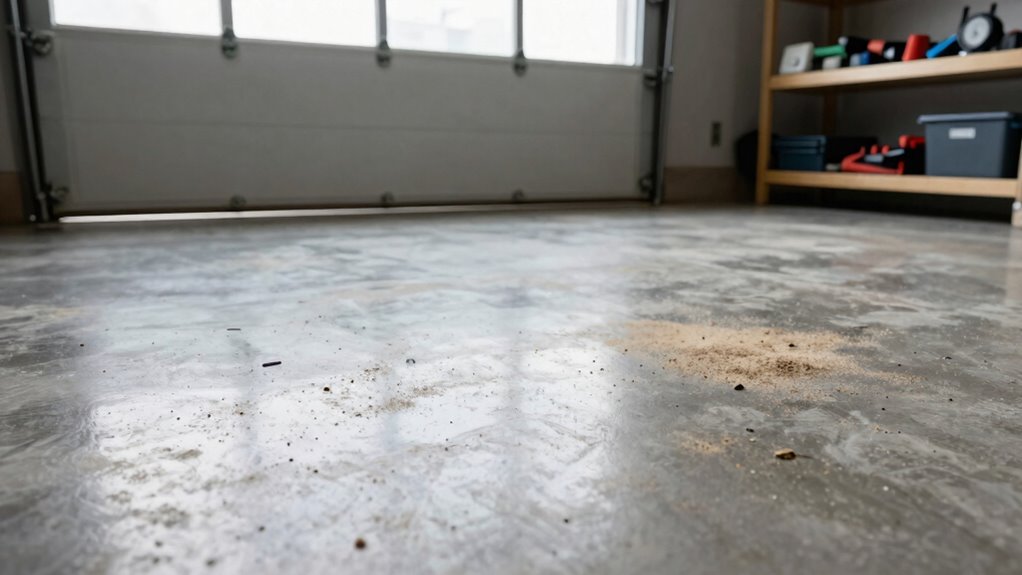
To keep your garage floor clean and dust-free, establishing a regular cleaning routine is essential. Start by sweeping or vacuuming to remove loose dust and debris. Applying garage paint or floor coatings creates a smooth, sealed surface that resists dust accumulation and makes cleaning easier. Consider using a damp mop with a mild detergent to wipe down the floor periodically, preventing dust from settling into tiny cracks. Avoid harsh chemicals that can damage your floor coatings or paint, and always follow manufacturer instructions. Sealing your garage floor with quality coatings not only improves appearance but also reduces dust buildup over time. Consistency is key—regular maintenance keeps dust at bay and preserves the longevity of your garage’s surfaces.
Preventing Dust: Simple Steps for a Cleaner Garage Floor
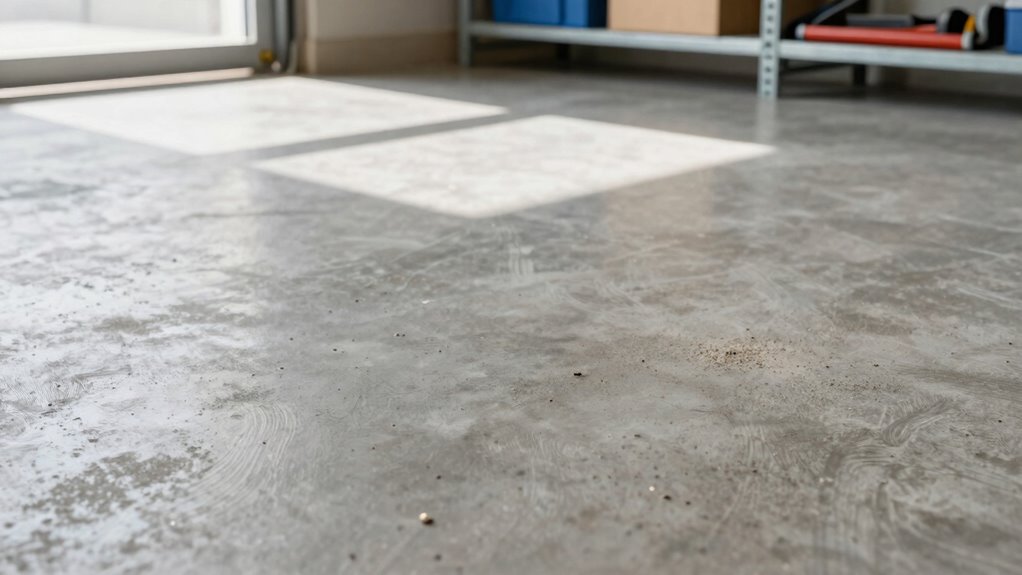
Keeping dust at bay starts with simple, proactive steps you can take every day. First, choose the right garage flooring options, like sealed concrete or epoxy coatings, to reduce dust particles. Second, implement dust prevention techniques such as sweeping regularly and using a damp mop to trap dust instead of stirring it up. Third, consider installing mats or rugs at entry points to catch dirt before it spreads. These steps help minimize airborne dust and keep your garage cleaner longer. Consistent maintenance, combined with the right flooring choices, makes a big difference. By staying on top of these small tasks, you’ll create a cleaner environment and reduce the dust that settles on your garage floor.
Frequently Asked Questions
Can Specific Flooring Materials Influence Dust Accumulation in Garages?
Yes, your choice of flooring types can markedly influence dust retention in your garage. Some materials, like concrete, tend to trap more dust due to their porous surface, while epoxy coatings resist dust accumulation better. Rubber mats and sealed tiles also minimize dust buildup. By selecting flooring with smooth, non-porous surfaces, you reduce dust retention, making your garage cleaner and maintenance easier over time.
How Do Garage Door Seals Affect Dust Entry?
Imagine you’re a knight guarding a castle—your garage door seals are your armor. Well-maintained seals prevent dust from sneaking in through gaps, much like sealing garage gaps. Proper garage door insulation also plays a role by reducing temperature fluctuations that can cause dust to settle. If your garage door seals are worn or damaged, dust, dirt, and debris will find their way inside more easily, making your garage dustier than it should be.
Do Humidity Levels Impact Dust Buildup on Garage Floors?
Yes, humidity levels impact dust buildup on garage floors. When moisture control isn’t maintained, high humidity encourages dust particles to settle and cling to surfaces. Poor air circulation can worsen this, trapping moisture and dust inside. Keeping humidity low helps reduce dust accumulation, making your garage cleaner. Regularly ventilate the space and use dehumidifiers if needed to maintain ideal moisture levels and improve air circulation.
Can Using Certain Cleaning Products Reduce Dust More Effectively?
Using the right cleaning products can definitely reduce dust more effectively. For example, a homeowner who adopted a regular cleaning schedule with a damp mop and dust barriers found their garage dust decreased markedly. Choose products that trap dust rather than just move it around. Regularly cleaning with these products keeps dust from settling, and maintaining a consistent schedule prevents buildup, making your garage cleaner and dust-free longer.
What Role Do Garage Storage Solutions Play in Dust Prevention?
Garage storage solutions play a essential role in dust prevention by promoting better organization and storage optimization. When you keep tools, equipment, and supplies properly stored, you reduce clutter and minimize dust accumulation on surfaces. Using shelves, cabinets, and bins helps contain dust and prevents it from spreading. This organized approach makes cleaning easier, keeps dust from settling on items, and ultimately keeps your garage cleaner and less dusty over time.
Conclusion
Keeping your garage floor dust-free is like tending a garden—you need consistent effort and the right tools. By understanding what causes dust, managing external factors, and avoiding common mistakes, you can maintain a cleaner space effortlessly. Regular cleaning, proper ventilation, and mindful activities make a big difference. Think of your garage as a sanctuary—if you nurture it, it will stay neat and inviting, just like a well-kept garden blooms beautifully with care.