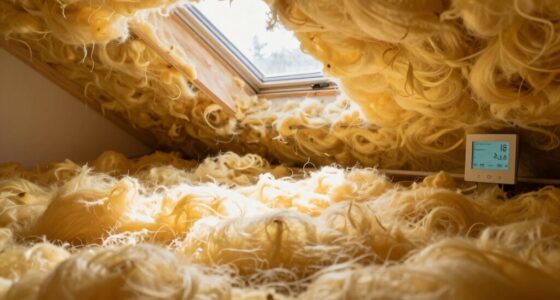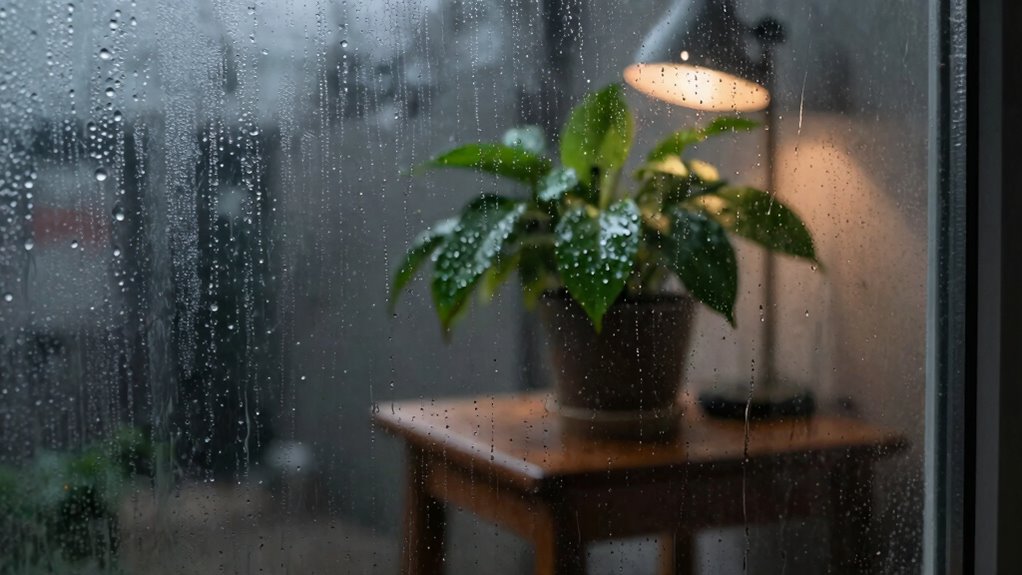

Your home feels too humid because activities like cooking, showering, and overwatering plants release moisture into the air, while poor ventilation traps that humidity inside. Leaks and ground seepage can also add to dampness, encouraging mold growth. To fix this, use exhaust fans, open windows, and consider a dehumidifier. Keeping humidity levels balanced improves comfort and air quality—discover how to manage indoor moisture effectively as you continue exploring.
Key Takeaways
- Excess moisture from daily activities like cooking, showering, and overwatering indoor plants increases indoor humidity.
- Poor ventilation traps moist air indoors, preventing moisture from escaping and causing dampness and mold growth.
- Visible signs like condensation, mold, and musty smells indicate high indoor humidity levels.
- Using dehumidifiers, improving airflow, and covering pots during cooking help reduce moisture buildup.
- Persistent humidity issues may require professional assessment to identify hidden leaks or ventilation problems.

Dehumidifier, 95OZ Dehumidifier for Home 1000 Sq.Ft – Quiet with Auto Shut Off & Relaxing 7 Color Ambient Light,Ideal for Livingroom, Bedroom, Basement(Black)
Semiconductor dehumidifiers use thermoelectric cooling to remove moisture from the air. They create a drier, more comfortable environment…
As an affiliate, we earn on qualifying purchases.
As an affiliate, we earn on qualifying purchases.
What Causes Your Home to Feel Humid?

Many factors can cause your home to feel humid, and understanding these is the first step toward relief. Poor air quality often results from excess moisture, which makes your space feel damp and uncomfortable. Activities like cooking, showering, and drying clothes indoors release moisture into the air, raising humidity levels. Inadequate ventilation traps this moisture inside, worsening the problem. High humidity not only affects comfort but also impacts air quality, creating a perfect environment for mold prevention issues. When moisture lingers, mold spores can thrive, risking health problems and property damage. To combat this, it’s essential to control moisture sources, improve ventilation, and maintain proper indoor air quality. Using air purifiers and dehumidifiers can help effectively reduce moisture and improve overall air quality, supporting a healthier, mold-free home environment. Ensuring proper air purifier maintenance and regular filter replacements can maximize their effectiveness in controlling humidity-related issues. Additionally, choosing the right home theatre projector with features like good contrast ratio and accurate color reproduction can improve your viewing experience without adding to indoor moisture levels. Incorporating ventilation systems like exhaust fans or air exchangers can further help remove excess humidity and maintain a comfortable indoor climate. Being aware of the air quality in your home and taking steps to monitor it can also prevent long-term humidity problems.

HG Power 8 Inch Kitchen Exhaust Fan, 576CFM Metal Attic Exhaust Fan, Wall Mounted Garage Ventilation Fan, Basement Extractor Fans with Backdraft Damper for Home Office Commercial Use, Silver
Powerful Ventilation Capacity: Equipped with a potent motor and large 8-inch blades, this fan effectively eliminates smoke, humidity,…
As an affiliate, we earn on qualifying purchases.
As an affiliate, we earn on qualifying purchases.
Signs That Your Indoor Humidity Is Too High
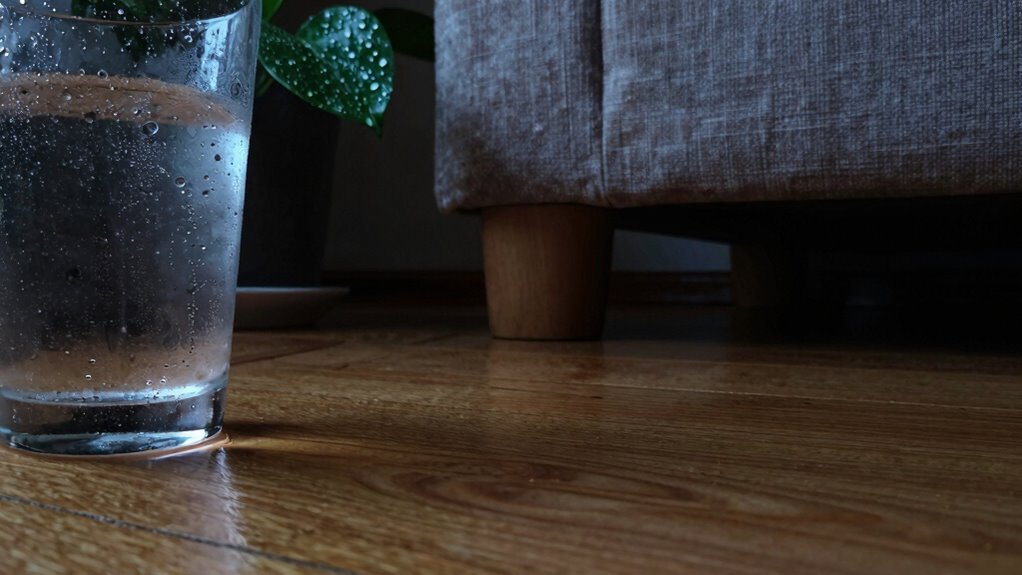
When indoor humidity rises too high, it often shows up through noticeable signs that something’s off with your home’s air quality. You might notice a damp, musty smell that lingers, indicating excess moisture. Condensation on windows and walls is another clear sign, as moisture settles where it shouldn’t. You may see visible mold spots, especially in corners or hidden areas, which threaten mold prevention efforts. Persistent condensation and increased humidity can also cause paint to peel or warp furniture. Poor air quality due to high humidity can trigger allergy symptoms or respiratory issues. Recognizing these signs early helps you take steps to improve ventilation and control moisture, keeping your indoor environment healthier and reducing the risk of mold growth. Being aware of factors like microplastics in dust can also help you better understand indoor pollutants that may affect air quality. Additionally, monitoring indoor humidity levels with a hygrometer can provide a clearer picture of your home’s moisture situation, and understanding home ventilation can further assist in maintaining optimal indoor air conditions. Furthermore, using dehumidifiers can effectively lower indoor humidity and improve overall air quality. Incorporating herbal infusion machines and tools in your home environment can also contribute to better air quality and overall wellness, especially when used to create natural remedies or infused products.

Clorox HEPA Air Purifiers for Home, True HEPA Filter, Medium Rooms Up to 1,000 Sq Ft, Removes 99.9% of Mold, Viruses, Wildfire Smoke, Allergens, Pet Allergies, Dust, AUTO Mode, Whisper Quiet
CAPTURES 99.97% OF ALLERGENS AND PARTICULATES* AND 99.9% OF VIRUSES AND BACTERIA.** With the Clorox Air Purifier, you…
As an affiliate, we earn on qualifying purchases.
As an affiliate, we earn on qualifying purchases.
How Poor Ventilation Increases Indoor Moisture
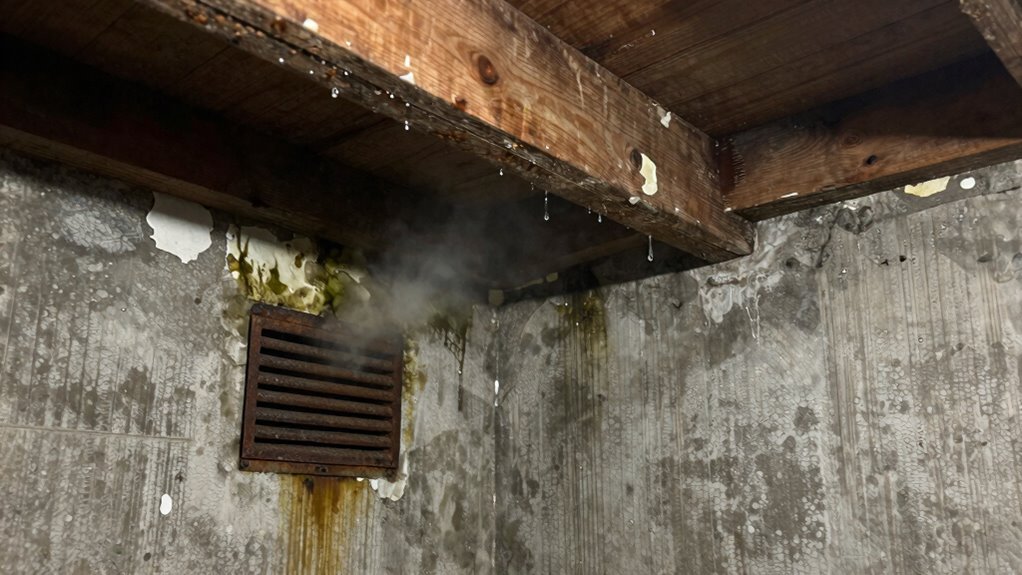
Poor ventilation allows moist air to linger inside your home, preventing it from escaping and increasing overall humidity levels. When airflow is restricted, indoor moisture from cooking, bathing, or even breathing gets trapped, raising humidity. To combat this, ventilation improvement is essential—install exhaust fans or open windows regularly. Additionally, moisture barriers like vapor barriers can help prevent ground moisture from seeping inside, reducing overall humidity. Proper ventilation helps exchange stale, humid air for fresh, dry air, preventing dampness and mold growth. Without it, moisture accumulates, making your home feel stuffy and damp. Recognizing the importance of indoor air quality can motivate you to take steps toward better ventilation. Implementing proper ventilation techniques can significantly improve air quality and reduce indoor moisture. Addressing poor ventilation is a simple yet effective way to lower indoor moisture levels and create a healthier living environment. Ensuring adequate airflow is crucial, as it helps prevent the buildup of excess humidity and enhances overall comfort. Additionally, understanding the Gold IRA markets can help you diversify your financial portfolio to protect against economic fluctuations.

Managing Indoor Air Quality, Fifth Edition
As an affiliate, we earn on qualifying purchases.
As an affiliate, we earn on qualifying purchases.
Activities That Make Your Home Humid
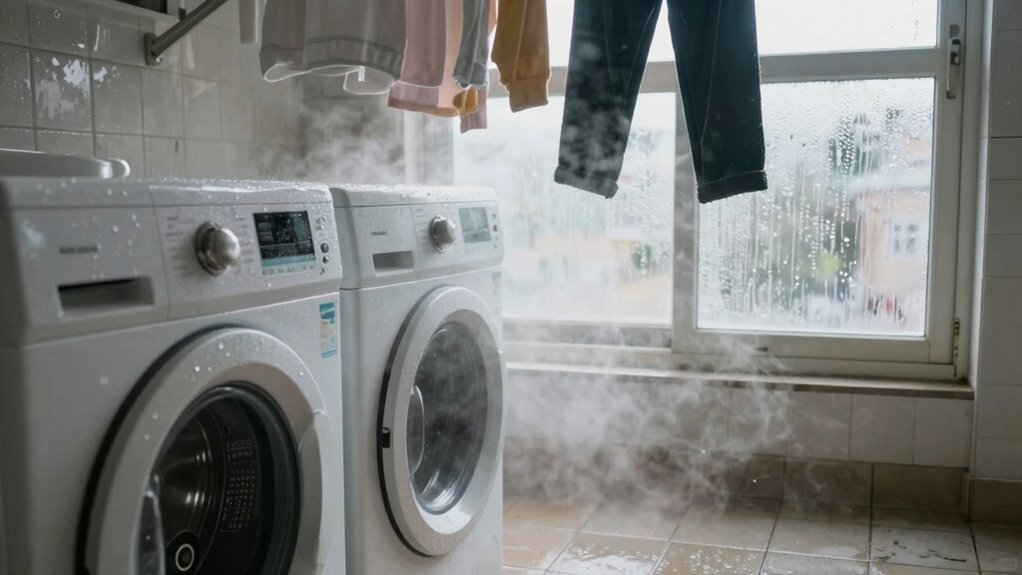
Cooking and meal prep release moisture into the air, increasing humidity levels in your home. Indoor plants also contribute to this, especially when you water them frequently. Being mindful of these activities can help you control indoor moisture and keep your home comfortable. Additionally, ventilation practices such as opening windows or using exhaust fans can significantly reduce indoor humidity levels. Ensuring proper air circulation can further help manage excess moisture and improve overall indoor air quality. Proper humidity levels are essential for maintaining a healthy and comfortable living environment, especially in climates prone to high humidity.
Cooking and Meal Prep
Preparing meals often involves boiling, steaming, or frying, which releases a significant amount of moisture into the air. This excess humidity can make your home feel damp and uncomfortable. To combat this, make certain your kitchen has proper ventilation, such as an exhaust fan or range hood, to vent steam and moisture outside. Cooking odors also contribute to humidity and lingering smells, so running the fan during and after cooking helps reduce both. Cover pots and pans to contain steam, and consider opening windows or doors to improve airflow. Keeping your kitchen well-ventilated minimizes moisture buildup, prevents mold growth, and helps keep your home feeling fresh and dry after meal prep. Additionally, understanding home safety measures can help prevent issues related to excess humidity and improve overall comfort. Proper ventilation techniques are essential in maintaining a healthy indoor environment and reducing the risk of mold or mildew development. Ensuring good indoor air circulation can further help in dispersing excess moisture and keeping your home comfortable. Incorporating dehumidifiers can also be an effective way to control humidity levels during and after cooking activities.
Indoor Plant Care
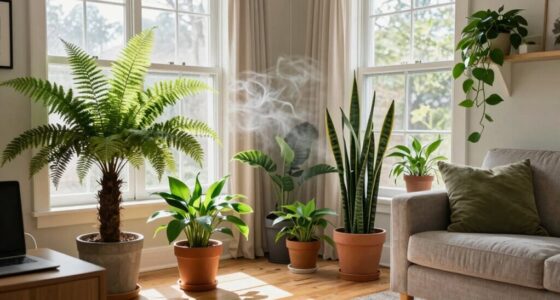
Indoor plants can add beauty and freshness to your home, but they also release moisture into the air through a process called transpiration. This is common in indoor gardening, especially if you keep many plants or water them frequently. Overwatering your plants increases moisture levels, contributing to higher humidity. To manage this, make sure you’re not watering more than necessary—allow the topsoil to dry out between waterings. Use well-draining pots to prevent excess moisture from lingering. Regularly check your plants for signs of overwatering or mold. Proper plant watering and careful indoor gardening help keep humidity levels balanced. Additionally, understanding transpiration rates can help you better control indoor humidity levels. Keeping an eye on your indoor plants allows you to enjoy their benefits without making your home uncomfortably humid. Being aware of how plant moisture release impacts indoor environments can also guide your watering schedule and plant choices. Monitoring humidity levels with a hygrometer can provide valuable insights into your indoor climate and help you adjust your care routine accordingly. Recognizing the signs of overwatering can prevent excess moisture buildup in your home.
Simple Ways to Reduce Indoor Humidity
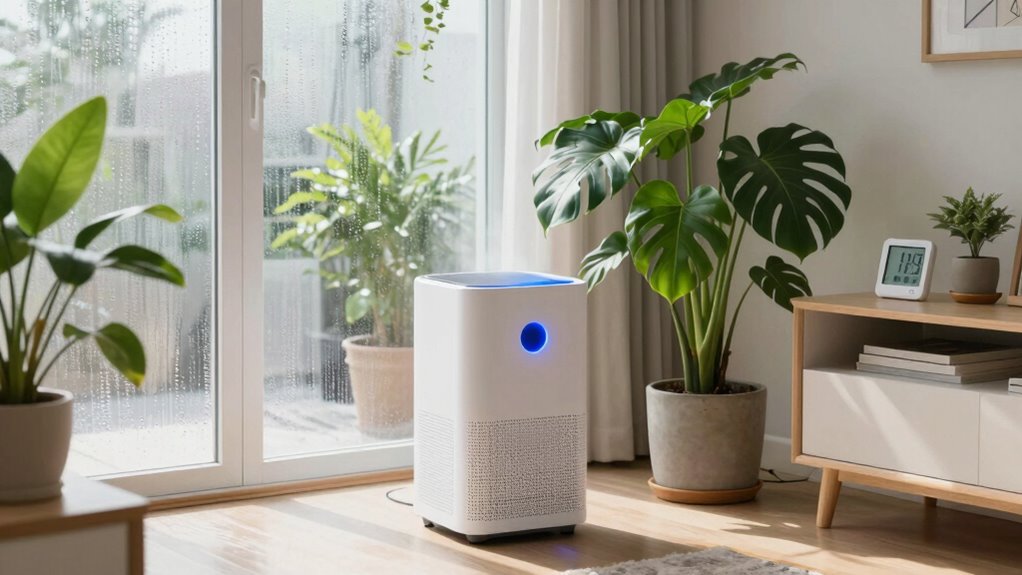
Reducing indoor humidity doesn’t have to be complicated. Simple steps can make a big difference in maintaining humidity control and improving air circulation. Start by opening windows daily to let fresh air in and stale air out. Use fans to boost air circulation, especially in bathrooms and kitchens where moisture accumulates fastest. Additionally, consider using exhaust fans during and after activities like showering or cooking to remove excess moisture. These small adjustments help prevent humidity buildup and keep your home comfortable. Regularly check for leaks or damp spots that can increase moisture levels. By focusing on air circulation and humidity control, you’ll create a healthier, less humid environment in your home.
Choosing the Best Dehumidifier for Your Home
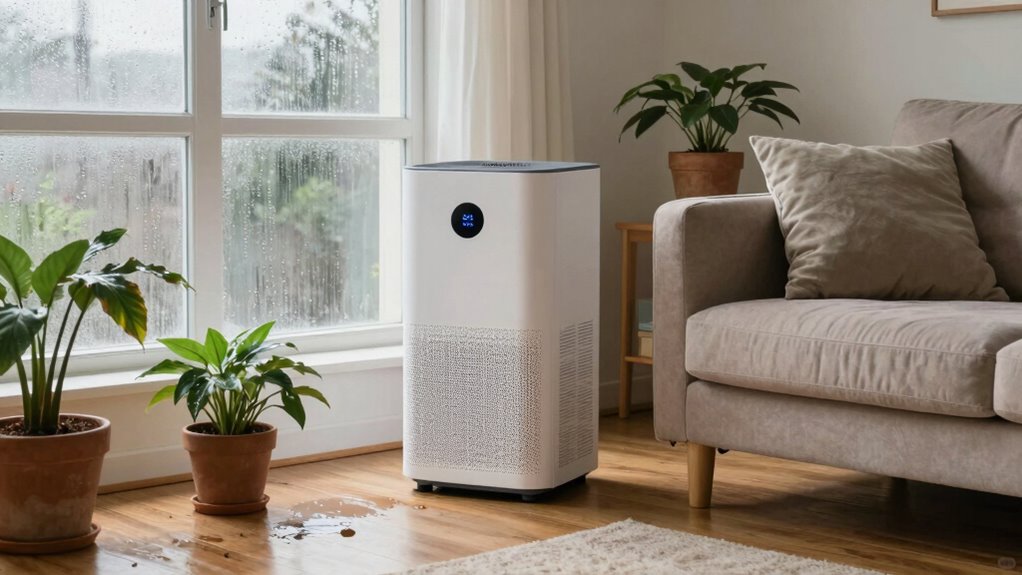
When selecting a dehumidifier, you need to take into account the different types available and which suits your space best. Look for key features like adjustable humidity settings, energy efficiency, and size to ensure it fits your needs. Making the right choice will help you effectively reduce indoor moisture and improve your home’s comfort.
Suitable Dehumidifier Types
Choosing the right dehumidifier depends on your home’s specific needs and the size of the space you’re trying to dry. If you need a portable option, look for models that are lightweight and easy to move from room to room. These are ideal for targeted areas like bedrooms or basements. For larger spaces or whole-house humidity control, consider whole home systems that integrate with your HVAC. They run silently in the background, maintaining consistent humidity levels throughout your home.
- Portable dehumidifiers for small or specific areas
- Whole home systems for thorough coverage
- Compact units that fit tight spaces
Selecting the right type guarantees you effectively reduce humidity without overspending or sacrificing convenience.
Key Features to Consider
Selecting the right dehumidifier requires paying attention to several key features that guarantee it meets your needs effectively. First, look for models with accurate humidity sensors, which assure precise moisture control. This helps prevent over-drying or under-humidifying your space. Also, consider units with moisture barriers or drainage options, making maintenance easier and more efficient.
| Feature | Benefit |
|---|---|
| Humidity sensors | Precise control of moisture levels |
| Moisture barriers | Easier drainage and reduced maintenance |
| Adjustable settings | Customizable humidity levels for comfort and safety |
How to Use Dehumidifiers Effectively
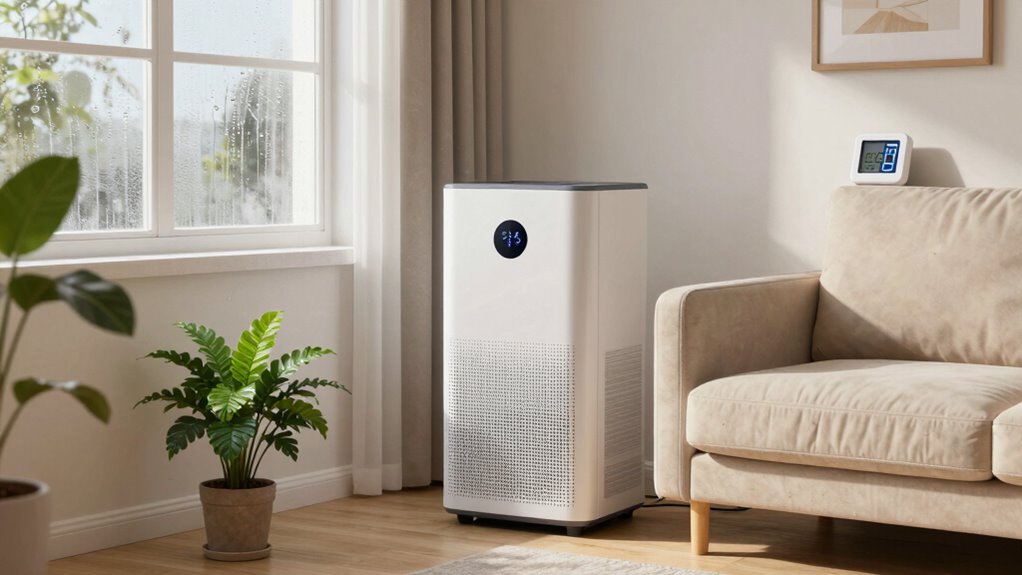
To get the most out of your dehumidifier, you need to set it up and operate it correctly. Proper dehumidifier placement is key—position it in the center of the room, away from walls or furniture, to guarantee good airflow. Regular air filter maintenance is essential; clean or replace filters every few months to keep the unit running efficiently and prevent dust buildup. Adjust the humidity settings to around 50% for comfort and mold prevention, and keep the doors and windows closed while it runs. Also, make sure the dehumidifier’s water bucket or drainage system is empty or functioning properly. These simple steps optimize performance, reduce excess moisture, and help your home stay comfortable.
When to Call a Professional for Humidity Problems
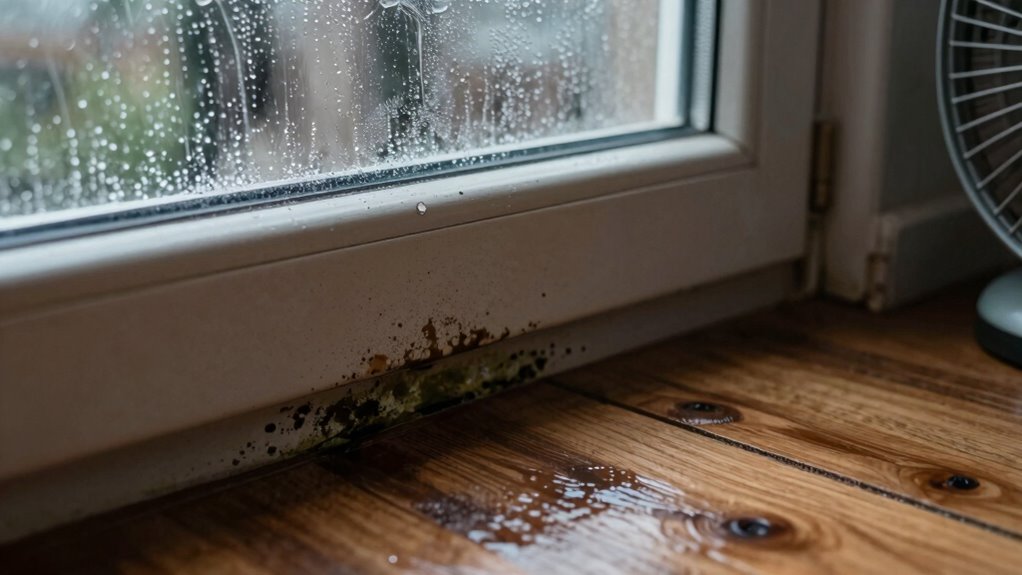
Have you noticed persistent humidity issues despite using a dehumidifier properly? If your humidity measurement remains high or mold prevention seems impossible, it’s time to call a professional. Persistent humidity problems could indicate hidden leaks, inadequate ventilation, or faulty HVAC systems. A specialist can accurately diagnose the root cause, using advanced tools to assess moisture levels and identify underlying issues. Ignoring ongoing humidity issues risks mold growth, which can damage your home and harm your health. If over-the-counter solutions aren’t making a difference, don’t hesitate to seek expert help. Professionals can recommend targeted repairs or improvements that effectively control indoor moisture, ensuring your home stays comfortable and mold-free.
Frequently Asked Questions
Can High Humidity Cause Health Issues in My Home?
Yes, high humidity can cause health issues in your home. It encourages airborne allergens like dust mites and mold growth, which can trigger allergies or asthma. You might notice increased respiratory problems, nasal congestion, or skin irritation. To protect yourself, control humidity levels with dehumidifiers and guarantee proper ventilation. Keeping humidity in check reduces airborne allergens and mold, creating a healthier, more comfortable living environment.
How Does Indoor Humidity Affect My Home’s Structure?
When humidity levels are high, your home’s structure takes a hit, as moisture seeps into building materials like wood and drywall, causing them to swell or warp. This can lead to cracks and deterioration over time. You can prevent this by improving your ventilation methods—using exhaust fans or dehumidifiers—so moisture escapes and your home stays dry. Think of it as giving your home a gust of fresh air.
Are Certain Seasons More Prone to Humidity Problems?
Certain seasons are more prone to humidity problems due to seasonal variations and humidity fluctuations. You’ll often notice higher humidity levels in summer when warm air holds more moisture, especially in humid climates. Conversely, winter tends to have lower humidity, but indoor heating can cause dryness or condensation issues. Being aware of these fluctuations helps you adjust your ventilation and dehumidification strategies accordingly, keeping your home comfortable year-round.
Can Plants Increase Indoor Humidity Levels?
Ever wondered if your plants could be adding to indoor humidity? Yes, plant types like ferns or pothos release moisture into the air, increasing humidity levels. While plants can boost humidity, they can also aid in humidity control when balanced properly. To prevent your home from feeling too damp, monitor plant watering and choose species that help manage moisture, keeping your indoor environment comfortable.
What Are Natural Ways to Lower Indoor Humidity Without Equipment?
You can lower indoor humidity naturally by using dehumidifier alternatives like open windows and doors to promote airflow. Place natural moisture absorbers such as charcoal briquettes, rock salt, or baking soda around your home to absorb excess moisture. Houseplants that thrive in dry environments can also help, but avoid overwatering them. These methods work without equipment and help maintain a comfortable humidity level naturally.
Conclusion
If you notice persistent dampness or mold, it’s time to take action. For example, after installing a dehumidifier in her basement, Sarah saw her family’s allergy symptoms improve and mold disappear within weeks. By understanding what causes high humidity and using the right tools, you can create a healthier, more comfortable home. Don’t ignore the signs—address humidity issues promptly, and enjoy a fresher, drier space for years to come.