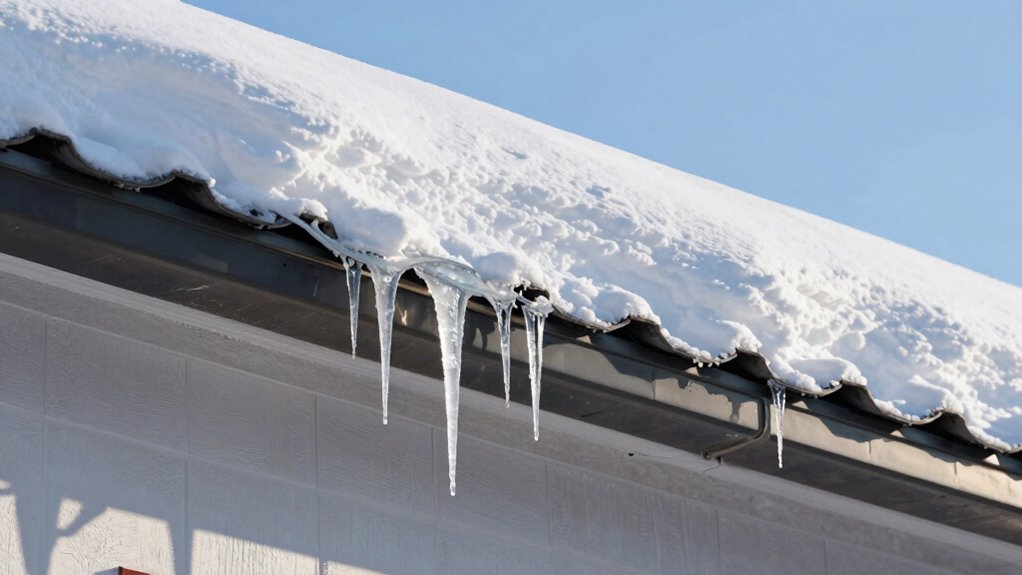

To prevent ice dams this winter, guarantee your attic is properly insulated and air-sealed to keep heat from escaping. Improve ventilation with proper vents to maintain a cold roof surface. Keep gutters clean to prevent ice buildup and consider installing heating cables carefully if necessary. Regularly inspect your roof for damage or leaks and consider long-term upgrades like better insulation or roof color choices. For more tips, you’ll discover how to effectively keep your home safe and damage-free.
Key Takeaways
- Improve attic insulation and air sealing to reduce heat escape and prevent snow from melting and refreezing at roof edges.
- Ensure proper attic ventilation with soffit and ridge vents to keep roof surfaces cold and minimize ice dam formation.
- Regularly remove snow from the roof and clear gutters to facilitate water drainage and prevent ice buildup.
- Use heat cables properly and safely to melt ice dams, following manufacturer instructions and inspecting for damage.
- Schedule professional roof inspections and maintenance to identify and address potential issues early.
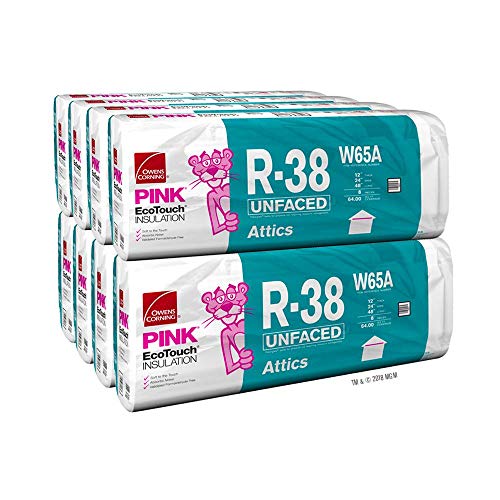
Owens Corning 512 SQFT 8 Bags of R-38 Unfaced 24 by 48 Fiberglass Batt Fits 2X12 attic
Attic This product is recommended for an attic application. Place this in between your trusses. For unfaced insulation…
As an affiliate, we earn on qualifying purchases.
As an affiliate, we earn on qualifying purchases.
Understanding How Ice Dams Form on Your Roof
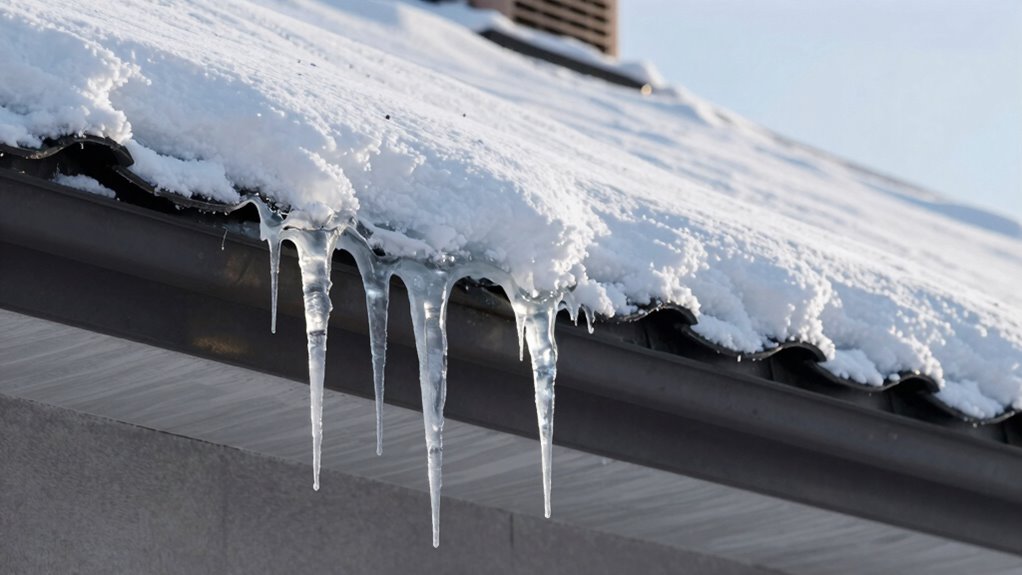
Ice dams form when heat escaping from your attic melts snow on your roof, causing water to flow downward. When snow accumulates on your roof, it creates a layer that’s vulnerable to melting. If your roof has a gentle slope, water doesn’t drain quickly, increasing the risk of ice dam formation. As the snow melts, the water runs down the roof’s surface, but the colder edges cause it to refreeze, building up a dam. This process traps subsequent melting snow, leading to water backing up under shingles and potentially causing leaks. The combination of significant snow accumulation and a roof slope that doesn’t facilitate quick runoff makes your roof more prone to ice dams. Recognizing these factors helps you understand how ice dams develop and how to prevent them effectively. Additionally, understanding insulation and ventilation can help control attic heat loss, reducing the likelihood of snow melting unevenly and forming ice dams. Proper attic insulation can also minimize heat transfer, further preventing uneven melting and dam formation. Being aware of thermal bridging can help you identify areas where heat transfer is concentrated and address them to improve overall roof insulation. Moreover, ensuring proper roof ventilation can help maintain consistent roof temperatures, reducing the chances of ice dam formation. Incorporating protective roof coatings can also add an extra layer of defense against ice buildup by improving surface runoff.
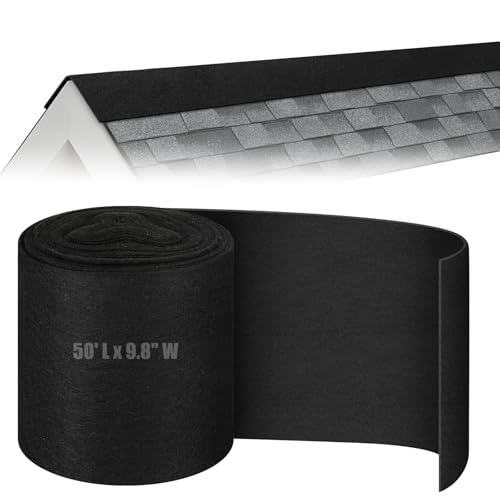
Pangda 49.2 FT Roof Ridge Vent Mesh Filter Roll 9.8" W Activated Carbon Roof Vent Filter for Attic Ventilation Black Metal Backed Ridge Guard
Long Mesh Roll: at approx. 49.2' L x 9.8” W, this vent filter easily covers most ridge vents;…
As an affiliate, we earn on qualifying purchases.
As an affiliate, we earn on qualifying purchases.
Why Preventing Ice Dams Saves You Money and Avoids Damage
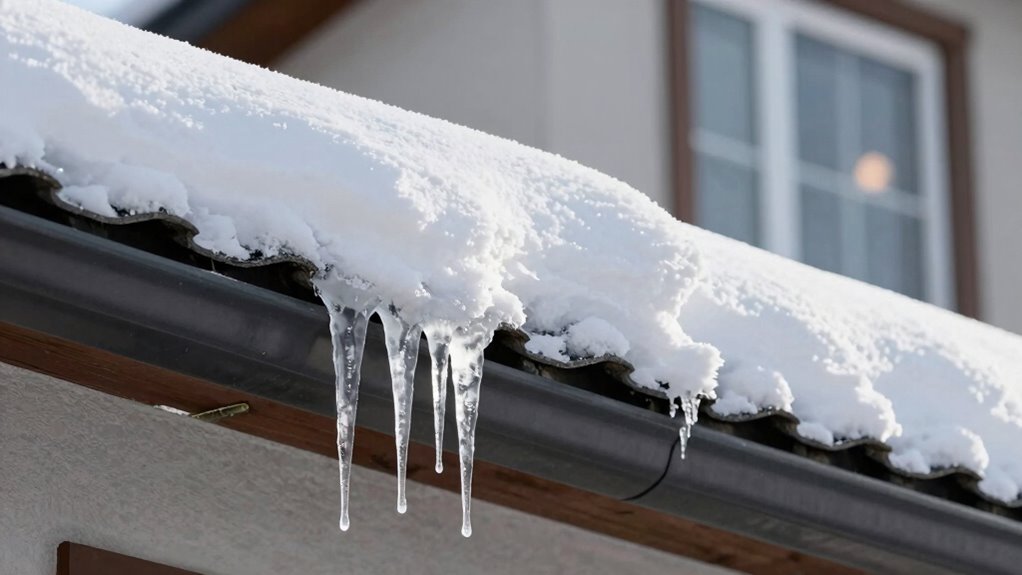
Preventing ice dams can save you a significant amount of money by avoiding costly repairs and water damage. When ice dams form, melting snow leaks into your home, causing damage to ceilings, walls,, and insulation. These repairs can quickly add up, making prevention a smart investment. By stopping ice dams early, you reduce the risk of structural damage and mold growth, which can be expensive to remediate. The cost savings from proactive measures outweigh the expenses of fixing water damage later. Damage prevention keeps your home safe and preserves its value. Taking steps to prevent ice dams now means less time and money spent on repairs down the line, ensuring your winter season remains worry-free and financially manageable. Using water-cooled mattress pads or dehumidifiers can also help maintain proper indoor humidity levels, reducing the risk of condensation that contributes to ice dam formation. Additionally, understanding the comogenic ratings of skincare products can help prevent skin issues caused by irritation or breakouts during the winter months. Proper contingency plans for emergencies can further reduce potential damages if ice dams do occur. Implementing preventative maintenance strategies can also identify vulnerabilities in your roof and insulation before winter sets in. Being aware of potential water intrusion points on your roof can help you address issues before they escalate into serious damage.

Frost King RC 120V x 800W x 160Ft Electric Roof Cable Kits, Black
120V x 800W x 160Ft
As an affiliate, we earn on qualifying purchases.
As an affiliate, we earn on qualifying purchases.
Boost Attic Insulation to Prevent Ice Dams

Boosting your attic insulation helps keep heat from escaping and melting snow on your roof. Choosing the right material and ensuring proper installation are key to maximizing its benefits. Also, good attic ventilation prevents moisture buildup, making your insulation more effective. Incorporating proper insulation techniques ensures long-term protection against ice dams. Additionally, selecting trusted providers in the gold IRA market can offer insights into quality materials and services that support your insulation needs. Ensuring proper installation methods is essential for optimal performance and durability. To further enhance your efforts, understanding building envelope principles can help in creating a more effective barrier against winter weather.
Insulation Material Benefits
Adding high-quality insulation material to your attic is one of the most effective ways to prevent ice dams. Choosing eco-friendly materials not only benefits the environment but also improves your home’s energy efficiency. These sustainable options, like cellulose or recycled fiberglass, provide excellent thermal resistance and help keep your attic evenly heated. Acoustic insulation is another benefit, reducing noise from outside and within your home, creating a more comfortable living environment. Proper insulation prevents heat from escaping through the roof, minimizing snow melt and refreezing at the eaves. Incorporating natural insulation options can also promote biodiversity and support sustainable backyard practices. Using eco-friendly insulation materials with high R-values can further boost your home’s energy performance. Selecting insulation with high thermal resistance is crucial for maintaining consistent attic temperatures. By investing in the right insulation materials, you guarantee your attic remains well-insulated, reducing the risk of ice dams and protecting your roof during harsh winter conditions. Additionally, selecting insulation materials with high R-values enhances the overall effectiveness of your insulation system. Considering sustainable building practices when choosing insulation can also contribute to long-term environmental benefits.
Proper Attic Ventilation
Proper attic ventilation plays an essential role in preventing ice dams by helping to regulate temperature and moisture levels in your attic space. Good roof venting allows hot air to escape, reducing the risk of snow melting unevenly on your roof. When attic insulation is adequate, it works with proper ventilation to keep the roof’s surface cold, preventing ice buildup. Ensuring your attic has enough vents—like soffit and ridge vents—helps maintain consistent airflow. This airflow keeps warm, moist air from accumulating and causing ice dams. Incorporating airflow management techniques can further improve the effectiveness of your ventilation system. Proper insulation and ventilation work together to create a balanced environment that minimizes heat transfer and moisture buildup. Regularly inspecting and maintaining your attic vents will help you stay ahead of ice dam formation during winter. Understanding how AI and society can influence home efficiency solutions can also help in adopting innovative approaches to winter protection.
Effective Insulation Installation
Effective attic insulation is crucial because it helps prevent heat from escaping into your roof, which can cause snow to melt unevenly and lead to ice dams. To do this, guarantee your insulation is properly installed without gaps, reducing thermal bridging that allows heat to escape through studs or joists. Proper installation also enhances moisture control, preventing moisture buildup that can cause wood rot or mold. Use the right R-value for your climate and consider adding a layer of blown-in or spray foam insulation to fill hard-to-reach areas. Sealing air leaks around vents, pipes, and chimneys complements insulation efforts and maintains a consistent attic temperature. Additionally, choosing the right kitchen ventilation can improve indoor air quality and help regulate temperature, indirectly supporting your insulation efforts. Proper insulation installation helps ensure your attic remains cold enough to prevent snow melt, reducing the risk of ice dams forming on your roof. Ensuring your attic has adequate air sealing is also essential for maintaining a consistent temperature and preventing heat loss. Together, these steps help keep your roof cold, minimizing snow melt and the formation of ice dams.

Gutter Scoop Cleaning Tools – Easy Removal of Leaves and Dirt – Deep Curved Gutter Scooper Shovel for Leaves & Debris, High-Impact Polypropylene, Ergonomic Handle, Fits Most Rain Gutters
CLOGGED GUTTERS → FAST FIX Deep, curved scoop pulls out wet leaves, pine needles, and compacted debris in…
As an affiliate, we earn on qualifying purchases.
As an affiliate, we earn on qualifying purchases.
Roof Ventilation Tips to Stop Ice Buildup
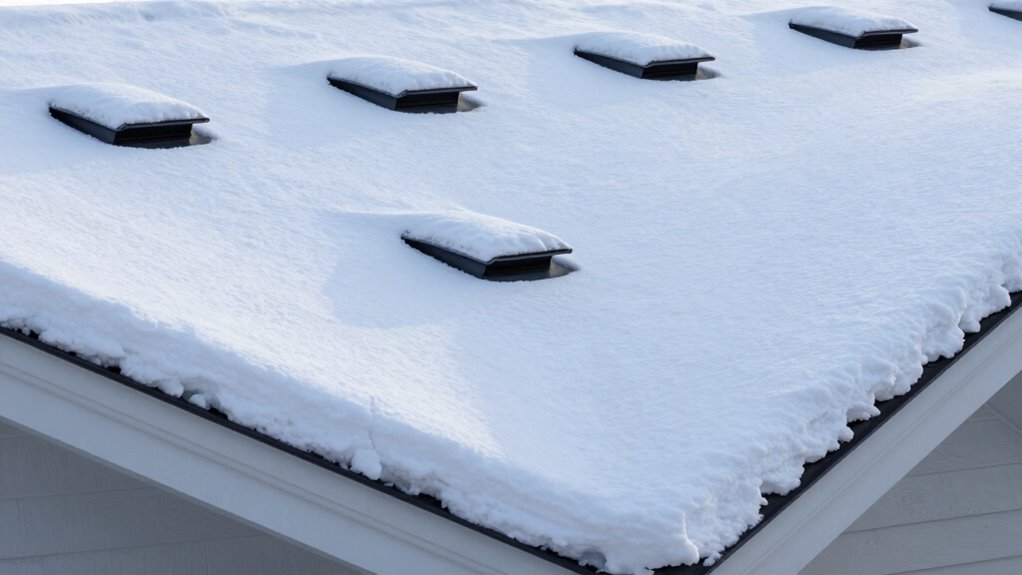
Ensuring your roof is properly ventilated is essential for preventing ice dams, especially during harsh winter months. Proper ventilation helps regulate attic temperatures, preventing snow from melting unevenly and refreezing at the eaves. If you have solar panels, make sure they’re installed with adequate space to allow airflow underneath, promoting better ventilation. Additionally, your roof color can influence heat absorption—darker roofs trap more heat, increasing the risk of melting and refreezing issues, so consider this when planning ventilation. Install vents at the soffits and ridge to create a continuous airflow path. Properly ventilated roofs reduce ice buildup by keeping the attic cool and dry, which helps prevent the formation of ice dams and protects your home’s structure.
Using Heating Cables Safely to Melt Ice Dams
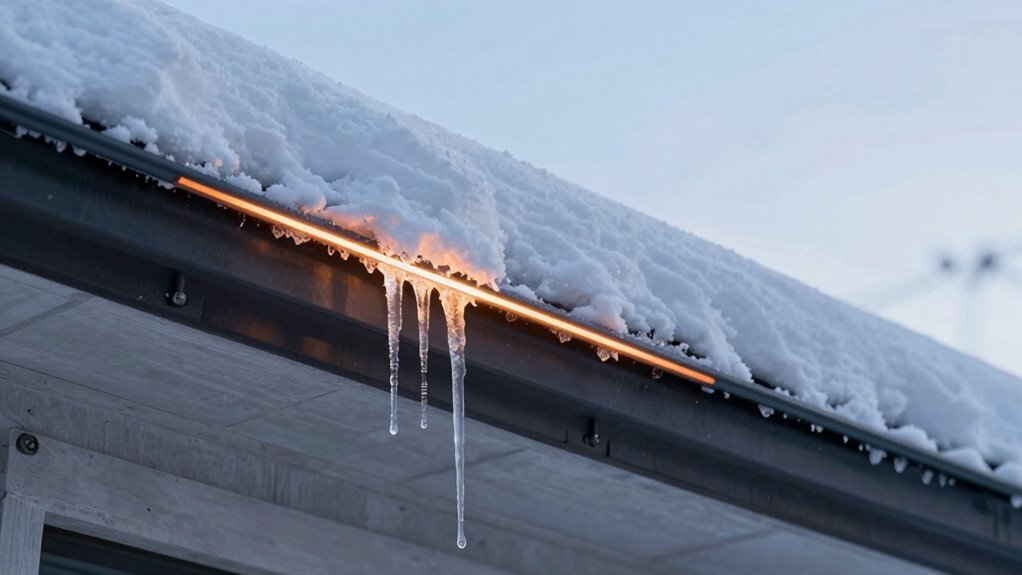
Heating cables can be a practical solution for melting ice dams once they form, but using them safely is key to avoiding damage to your roof and home. Before installation, review safety considerations and make certain your electrical system can handle the load. Always choose UL-listed heating cables designed for roof use, and follow the manufacturer’s instructions carefully. Be mindful of electrical hazards—avoid overloading outlets or extension cords, and keep cables away from standing water. Regularly inspect cords for damage or wear, and never use damaged cables. Keep all connections dry and away from snow or ice. If you’re unsure about installation or safety, consult a professional. Properly used, heating cables can effectively melt ice dams without risking electrical hazards or roof damage.
How Regular Roof Maintenance Helps Prevent Ice Dams
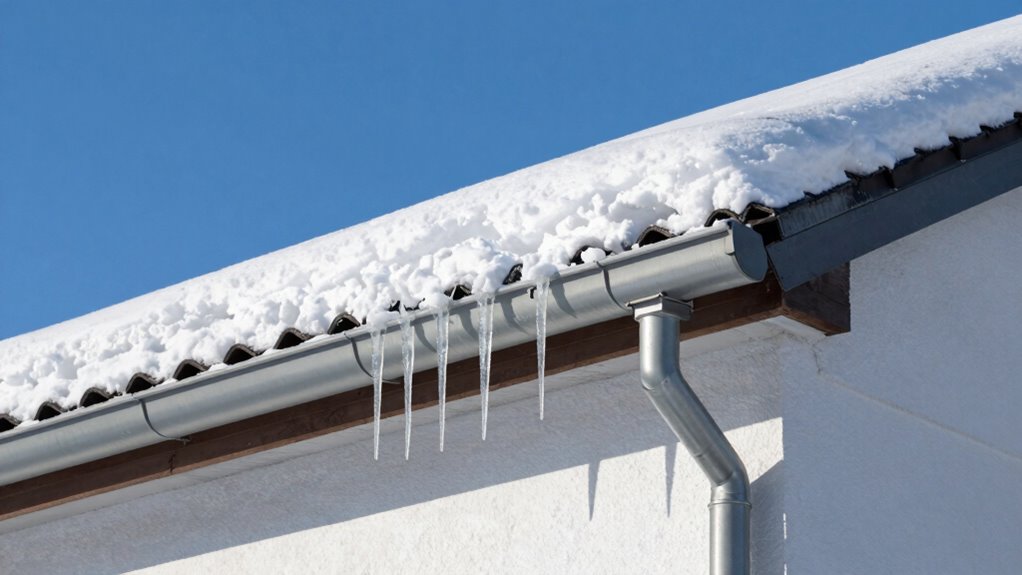
Regular roof maintenance is essential for preventing ice dams before they form. Start with a thorough roof inspection to identify and repair damaged shingles, leaks, or weak spots that can cause heat loss. Properly sealed and insulated roofs help reduce the warmth that melts snow unevenly, which leads to ice dam formation. Gutter cleaning is equally important; clogged gutters trap water, creating ice build-up and preventing proper drainage. Regularly clearing debris ensures water flows freely away from your roof and foundation. By staying proactive with inspections and gutter upkeep, you minimize the risk of ice dams. Consistent maintenance not only protects your roof but also extends its lifespan and reduces costly repairs caused by winter ice damage.
Gutter Management Strategies to Avoid Ice Formation
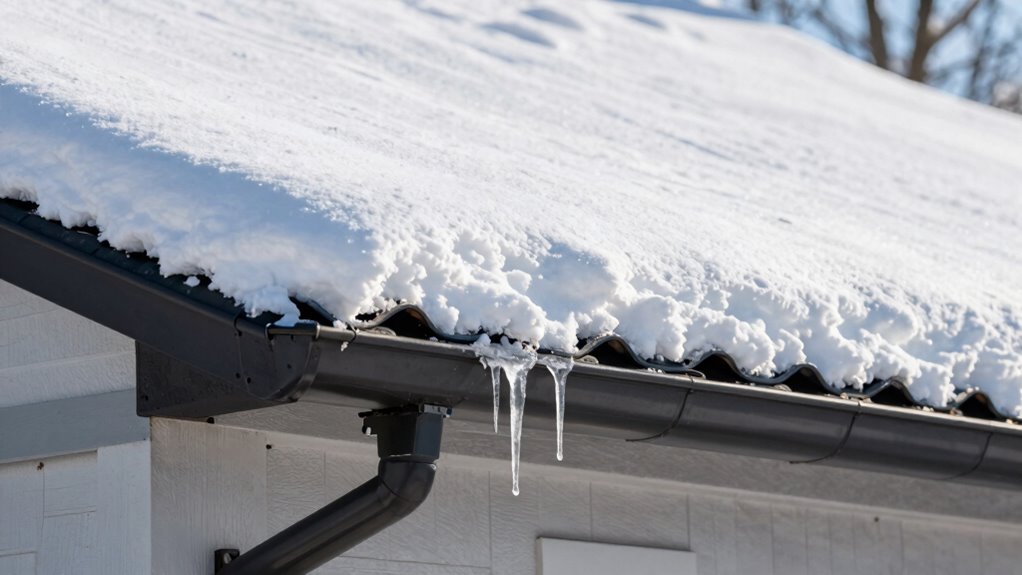
Proper gutter management is essential in preventing ice formation on your roof during winter. Regular gutter cleaning removes leaves, debris, and clogs that can trap water, reducing the risk of ice buildup. Guarantee your gutters are free-flowing so melting snow can drain effectively. Installing downspout expansion helps manage water flow during heavy rains and snowmelt, preventing overflow that can lead to ice dams. Check that your gutters are securely attached and pitched correctly to direct water away from your roof edges. Consider adding gutter guards to minimize debris accumulation. Proper maintenance keeps water moving smoothly, reducing ice dam formation and protecting your roof and home during harsh winter conditions.
When to Call Professionals for Ice Dam Removal
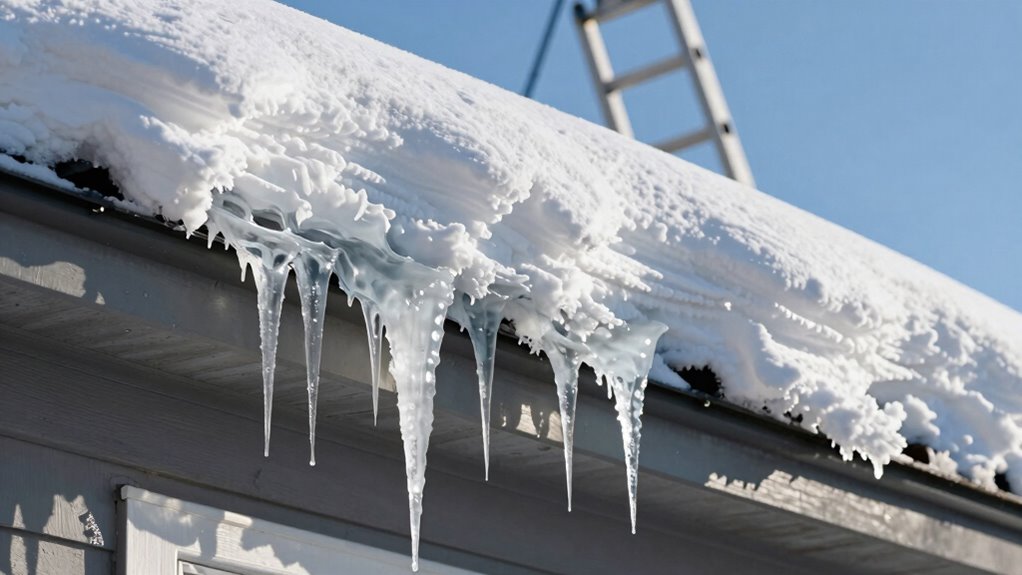
While small ice dams might seem manageable, you should call professionals when they become large, stubborn, or pose a significant risk to your roof and home. If you notice ice dams that won’t melt or keep growing despite efforts, it’s time to seek expert help. Don’t attempt dangerous removal techniques yourself, especially if the ice dam is extensive or causing leaks. Emergency procedures should be in place if water starts leaking into your home, to prevent damage and ensure safety. Additionally, contact your insurance provider early to understand coverage options for ice dam-related damages. Professionals have the right tools and experience to remove ice dams reliably, reducing risks to your roof’s integrity and avoiding costly repairs down the line.
Long-Term Home Improvements to Reduce Ice Dam Risks
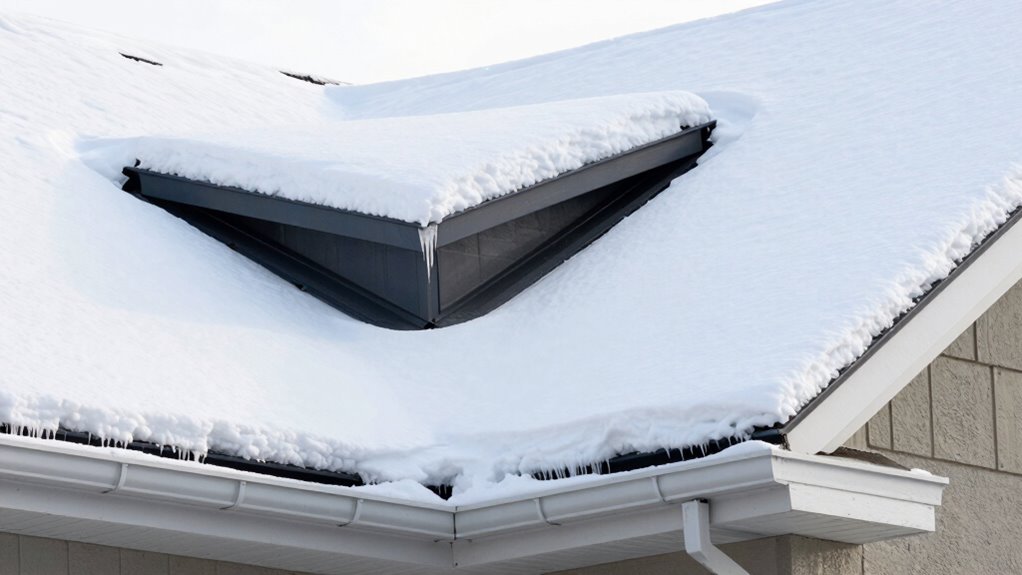
Addressing ice dams promptly can prevent serious damage, but implementing long-term home improvements offers a more sustainable solution. To reduce ice dam risks, consider the roof color; lighter shades reflect sunlight, helping keep the roof cooler and minimizing snow melting and refreezing. Additionally, regular snow removal from your roof can prevent excessive snow buildup that contributes to ice dam formation. Installing properly insulated and ventilated attic spaces ensures heat doesn’t escape and melt snow unevenly, which causes ice dams. Sealing air leaks around vents, pipes, and chimneys also maintains consistent roof temperatures. These improvements work together to keep your roof temperature balanced, reducing the chances of ice dams forming and protecting your home from water damage during winter months.
Frequently Asked Questions
Can Ice Dams Cause Roof Structural Damage Over Time?
Yes, ice dams can cause roof structural damage over time. When heat escapes your home, it melts snow on the roof, and the water refreezes at the edges, forming dams. Poor roof insulation and inadequate ventilation systems worsen this issue, leading to prolonged water exposure and potential damage to shingles and the roof deck. Proper insulation and ventilation help maintain consistent roof temperatures, reducing ice dam formation and protecting your roof’s integrity.
What Are the Signs of Developing Ice Dams Before They Form?
Imagine your roof as a sleeping giant, quietly whispering trouble signs. You might notice water spots or icicles forming along eaves, signaling developing ice dams. Insulation issues can trap heat, causing snow to melt unevenly, while poor ventilation allows warm air to build up. Keep an eye out for these signs—like a watchful guardian—and improve ventilation to let your roof breathe, preventing ice dams from taking hold.
Are There Specific Roof Types More Prone to Ice Dams?
Certain roof types, like those with poor insulation or limited ventilation, are more prone to ice dams. Flat roofs and low-sloped roofs tend to collect more snow, increasing risk. You should guarantee proper roof insulation and use effective ventilation techniques to keep the underside of your roof cold enough for snow to melt evenly. Proper attic insulation and venting help prevent warm air from escaping, reducing the chances of ice dam formation.
How Do Climate Changes Influence Ice Dam Formation?
Climate changes alter temperature and humidity patterns, making ice dam formation more unpredictable. Warmer winters can lead to inconsistent freeze-thaw cycles, causing snow to melt and refreeze, which encourages ice dam buildup. Changes in snowfall dynamics, such as heavier or more frequent snowfalls, increase the risk because more snow provides extra insulation and water, which can freeze at the roof edge. Staying aware of these shifts helps you better prepare and prevent ice dams.
Can Landscaping Around My Home Reduce Ice Dam Risks?
Yes, landscaping can help reduce ice dam risks. You can create a clever, consistent landscape by improving landscape drainage, which directs melting water away from your roof. Plant insulation, like evergreen bushes, shields your home from cold, preventing ice from forming. These thoughtful tactics work together to mitigate ice dam formation, making your home safer and more secure during winter’s worst weather.
Conclusion
Taking these steps can help you prevent ice dams before they cause costly damage. By understanding how they form and implementing practical solutions like better insulation, ventilation, and gutter management, you’re protecting your home. Regular maintenance and professional help when needed guarantee your roof stays ice-dam free. Isn’t it worth the effort to keep your home safe and warm all winter long? Start now and enjoy a worry-free, cozy season!