To improve indoor air quality naturally, start by increasing ventilation by opening windows and using exhaust fans during activities like cooking and cleaning. Incorporate air-purifying plants such as snake plants and peace lilies to absorb toxins. Reduce indoor pollutants by choosing natural cleaning products and dusting regularly with damp cloths. Maintain humidity levels between 40-60% and avoid indoor smoking or scented products. Want to discover more simple, effective ways to keep your air fresh? Keep going for helpful tips.
Key Takeaways
- Incorporate air-purifying plants like snake plants and peace lilies to absorb indoor toxins naturally.
- Increase ventilation by opening windows regularly and using exhaust fans during cooking and cleaning.
- Use natural cleaning products or DIY solutions with vinegar, baking soda, and essential oils to reduce chemical pollutants.
- Maintain humidity levels between 40-60% to prevent mold growth and dust mites.
- Regularly dust, vacuum with HEPA filters, and keep surfaces clean to minimize dust and allergens.
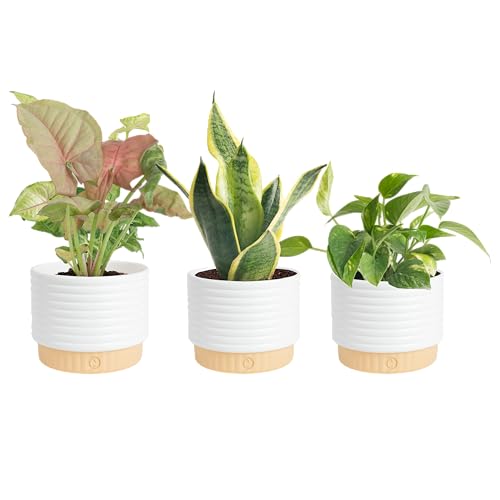
Costa Farms Live Indoor Plants in Decorative Pots, Easy to Maintain, Air Purifying Houseplants, Assorted Varieties, Room or Home Decor, House Warming Gift, 8-12 Inches Tall, Pack of 3
BEAUTIFUL HOME DÉCOR BUNDLE: This 3-pack offers incredible value to instantly decorate multiple spaces with live houseplant room…
As an affiliate, we earn on qualifying purchases.
As an affiliate, we earn on qualifying purchases.
How Indoor Air Quality Affects Your Health

Have you ever wondered how the air inside your home impacts your health? Indoor air quality directly influences your well-being, affecting everything from your energy levels to your immune system. When indoor air is clean, you experience clear breathing, fewer allergies, and reduced respiratory issues. Good indoor air quality also promotes better sleep and mental clarity, giving you more energy throughout the day. Conversely, poor air quality can lead to headaches, fatigue, and even long-term health problems. Improving indoor air quality isn’t just about comfort; it’s about safeguarding your health benefits. By ensuring your indoor air stays fresh and free of pollutants, you support your body’s natural defenses and improve your overall quality of life. Maintaining air quality standards is essential for a healthy living environment. Additionally, understanding the sources of indoor pollutants, such as volatile organic compounds and other irritants, can help you take targeted steps to improve air quality. Recognizing indoor pollutant sources is crucial for creating a healthier indoor environment. Your health starts with the air you breathe inside your home. Addressing issues like microplastics in dust and using tools like a dehumidifier can significantly reduce indoor pollutants and improve air quality. Incorporating air purification technologies can further enhance the removal of harmful particles and improve overall air quality.

LEVOIT Air Purifier for Home Allergens Pet Hair in Bedroom, Covers Up to 1073 ft² by 56W High Torque Motor, AHAM VERIFIDE, 3-in-1 Filter with HEPA Sleep Mode, Remove Dust Smoke Odor, Core300-P, White
WHY CHOOSE AHAM VERIFIDE AIR PURIFIERS: AHAM (Association of Home Appliance Manufacturers) is an ANSI-accredited organization that sets…
As an affiliate, we earn on qualifying purchases.
As an affiliate, we earn on qualifying purchases.
What Are Common Indoor Pollutants and Triggers?

Understanding what pollutants and triggers are common indoors helps you take control of your environment. Indoor pollutants include dust, pet dander, mold spores, and volatile organic compounds (VOCs) from cleaning products, paints, and furniture. These triggers can cause allergies, asthma, or respiratory irritation, especially if you’re sensitive. Smoke from cigarettes or fireplaces also contributes to poor air quality. Additionally, household chemicals and perfumes release airborne toxins that can affect your health. Recognizing these common indoor pollutants and triggers awareness is essential for improving your air quality. By identifying what’s present in your space, you can implement targeted strategies to reduce exposure and create a healthier indoor environment. Staying informed empowers you to make better choices for cleaner, fresher air at home. Indoor pollutants can vary greatly depending on your lifestyle and environment, making it important to regularly assess and improve your indoor air quality. Regular ventilation and the use of air purifiers can significantly help in reducing these pollutants and enhancing overall air quality inside your home. Incorporating natural ventilation techniques can further improve air circulation and reduce pollutant buildup. Proper air filtration methods are also crucial in capturing airborne particles and improving air cleanliness. Regular cleaning and reducing sources of indoor chemical emissions also play a crucial role in maintaining healthier air.
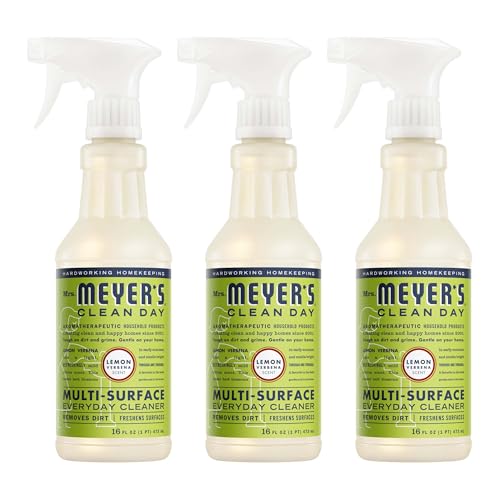
MRS. MEYER'S CLEAN DAY All-Purpose Cleaner Spray, Cruelty Free Formula, Lemon Verbena, 16 fl. oz – Pack of 3
REMOVES DIRT, FRESHENS SURFACES: A Multi-Surface Spray that cleans nonporous surfaces quickly, and leaves a fresh garden-inspired scent…
As an affiliate, we earn on qualifying purchases.
As an affiliate, we earn on qualifying purchases.
How to Use Plants to Naturally Filter Your Indoor Air
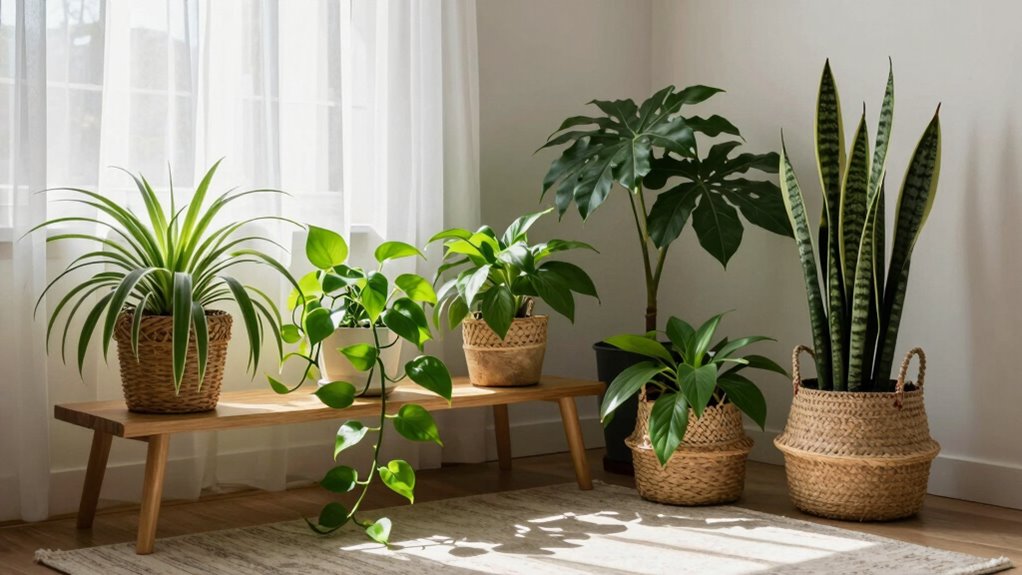
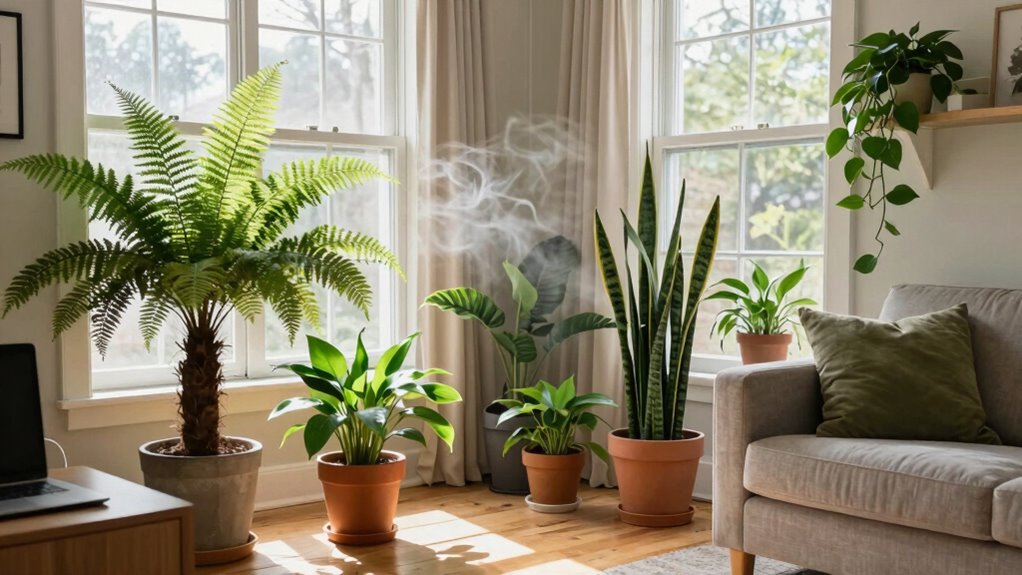
Using plants to filter your indoor air offers a natural and effective way to improve your environment without relying on chemical-based air purifiers. Indoor greenery enhances air purification by absorbing toxins like formaldehyde, benzene, and trichloroethylene through their leaves and roots. To maximize benefits, choose plants known for their air-cleaning properties, such as spider plants, snake plants, or peace lilies. Place them in key areas like living rooms, bedrooms, or near sources of pollution. Regular watering and dusting keep your plants healthy, ensuring they continue filtering effectively. Additionally, understanding the large numbers involved in measuring pollution levels can help you better assess air quality improvements. Being aware of air quality measurements helps you track the effectiveness of your natural filtration efforts. Incorporating air pollution data can further guide you in selecting the most effective plants based on your specific indoor environment. Recognizing the importance of indoor air quality factors allows you to optimize your plant choices and placement for maximum benefit. Not only do these plants improve air quality, but they also add a calming, aesthetic touch to your space. Incorporating indoor greenery is a simple, natural step toward healthier, cleaner air indoors.

Dreo Humidifiers for Bedroom, 4L Top Fill for Large Room, 36H Runtime, 28 dB Quiet Supersized Cool Mist Air Humidifier for Baby Nursery, Plants, Indoor, Night Light, Easy to Clean & Fill, White
𝟰𝗟 𝗟𝗮𝗿𝗴𝗲 𝗧𝗮𝗻𝗸 𝗳𝗼𝗿 𝗖𝗼𝗻𝘁𝗶𝗻𝘂𝗼𝘂𝘀 𝗖𝗼𝗺𝗳𝗼𝗿𝘁: Enjoy quiet sleep without congestion, coughing, or dry mouth, DREO baby humidifier's…
As an affiliate, we earn on qualifying purchases.
As an affiliate, we earn on qualifying purchases.
Simple Ways to Improve Indoor Ventilation and Circulation
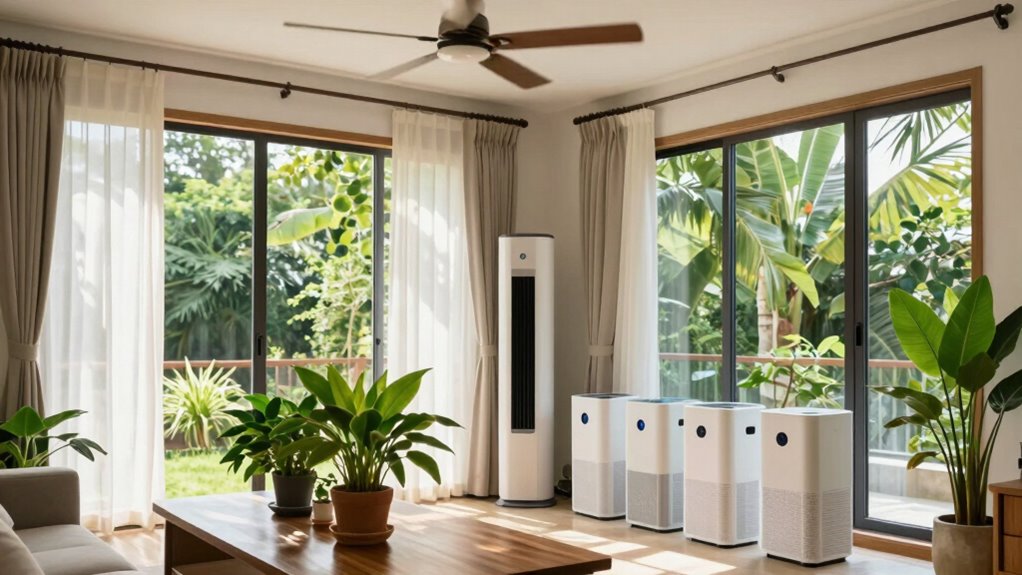
Improving indoor ventilation is straightforward when you open windows regularly to let fresh air in. Using exhaust fans in kitchens and bathrooms helps remove moisture and pollutants, while arranging furniture to avoid blocking air flow keeps circulation smooth. These simple steps can make a noticeable difference in your indoor air quality. Additionally, incorporating advanced neural interface technology can optimize air quality monitoring and control systems for smarter ventilation management. Properly maintaining and utilizing water-cooled mattress pads can also reduce humidity levels, further enhancing air quality. Regularly inspecting and upgrading your ventilation system ensures optimal airflow and pollutant removal, and paying attention to indoor air pollutants can help identify sources of poor air quality that need addressing. Monitoring air exchange rates can also provide insights into how well your home is ventilated and guide improvements.
Open Windows Regularly
Opening your windows regularly is one of the simplest and most effective ways to boost indoor air quality. By doing so, you enhance airflow patterns that help remove indoor pollutants and bring in fresh air. Proper window placement is key—position windows across from each other to create a natural cross-breeze, maximizing ventilation. To optimize this, consider:
- Opening windows during different times to vary airflow.
- Creating a cross-ventilation path by opening windows on opposite sides.
- Adjusting window openings based on prevailing wind directions.
- Ensuring window screens are in place to keep out debris and insects.
- Utilizing knowledge about indoor air quality to better understand how airflow impacts health. Additionally, understanding the types of windows and their designs can further improve ventilation efficiency and indoor air circulation. Being aware of window placement strategies can also significantly influence how effectively fresh air circulates within your space.
Consistently opening windows encourages circulation, dispersing indoor pollutants and improving overall air quality naturally.
Use Exhaust Fans
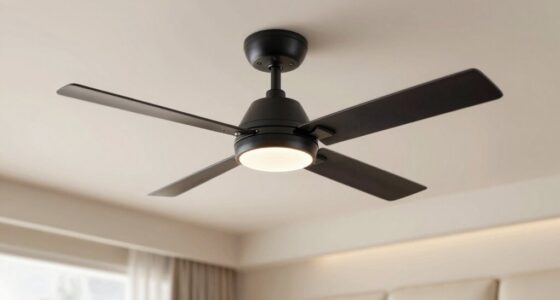
Exhaust fans are an effective tool for enhancing indoor air circulation by actively removing stale air, moisture, and airborne pollutants from your space. Kitchen exhausts, such as range hoods, help eliminate cooking fumes, odors, and grease particles, preventing buildup that can affect air quality. Bathroom fans are essential for reducing humidity caused by showers and baths, which can lead to mold growth and musty smells if left unchecked. Turn on these fans during and after use to guarantee proper ventilation. Regularly cleaning exhaust fans keeps them functioning efficiently. By using these fans consistently, you reduce indoor pollutants and moisture, creating a healthier environment. Proper ventilation with kitchen exhausts and bathroom fans is a simple yet effective way to improve air quality naturally. Incorporating exhaust fans with antimicrobial properties can further enhance the reduction of airborne pathogens and improve overall air hygiene. Additionally, choosing ventilation systems that promote air exchange can help maintain a fresh indoor atmosphere and prevent the buildup of indoor pollutants. Using properly maintained exhaust fans ensures optimal performance and longevity of your ventilation system.
Arrange Furniture Strategically
Arranging your furniture thoughtfully can considerably boost indoor airflow and keep fresh air moving throughout your space. Proper furniture placement and room organization create pathways that facilitate ventilation and prevent air stagnation. To optimize airflow, consider these strategies:
- Keep large furniture away from vents and windows to avoid blocking airflow.
- Position seating and tables to allow free movement of air between rooms.
- Use open shelving instead of bulky cabinets to promote air circulation.
- Arrange furniture in a way that encourages cross-ventilation, such as aligning openings opposite each other.
Choosing Natural Cleaning Products to Reduce Chemicals
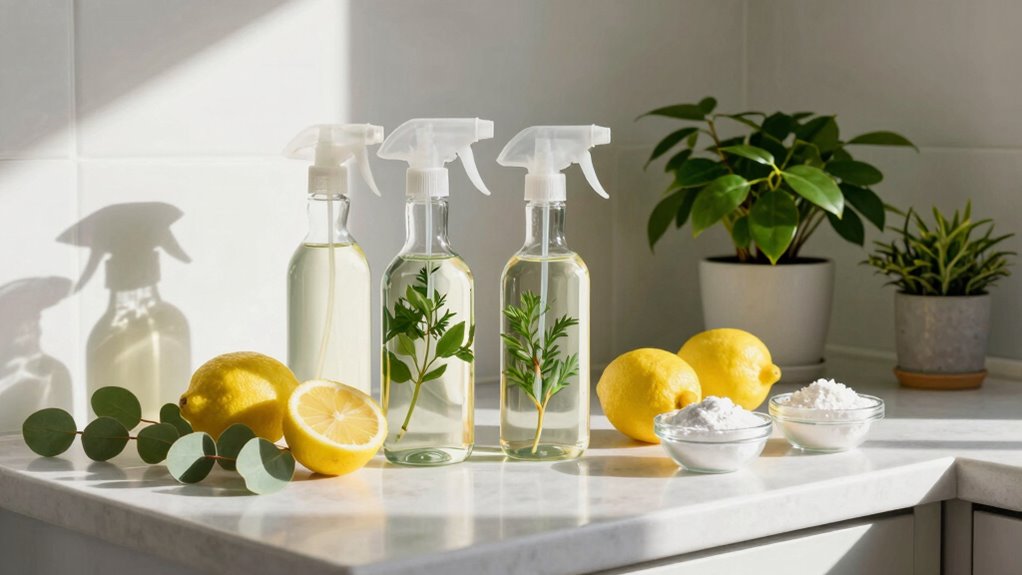
When choosing cleaning products, you should read labels carefully to identify harmful chemicals. Opt for certified natural products whenever possible, and consider making your own cleaners at home. These steps help reduce chemical exposure and improve your indoor air quality.
Read Labels Carefully
How can you guarantee you’re choosing truly natural cleaning products? The key is to read labels carefully. Focus on label accuracy and ingredient transparency to avoid hidden chemicals. Here are four tips:
- Check for clear, simple ingredient lists—avoid vague terms like “fragrance” or “cleaning agents.”
- Look for labels that specify natural or plant-based ingredients.
- Verify certifications or seals from reputable organizations, but don’t rely solely on them.
- Be wary of products with long ingredient lists filled with unfamiliar chemicals; these often indicate less transparency.
Opt for Certified Products
Choosing products that carry trusted certifications can markedly reduce your exposure to harmful chemicals. Certified certifications guarantee the product meets safety standards for indoor air quality, making it easier to identify safer options. When shopping, focus on product labels that highlight eco-friendly or natural claims, but verify these claims against official certifications. Certified products often have undergone rigorous testing, providing peace of mind that they’re free from toxic ingredients. By selecting cleaning supplies with recognized certifications, you limit your family’s contact with volatile organic compounds (VOCs) and other harmful chemicals. Always read labels carefully to confirm the product’s certification status. This simple step helps you make smarter, healthier choices and creates a safer indoor environment for everyone.
Make DIY Cleaners
Creating your own cleaning products allows you to control what chemicals go into your home, reducing exposure to potentially harmful substances found in many commercial cleaners. By making homemade disinfectants, you guarantee they’re free from harsh chemicals. Using natural air fresheners can also improve indoor air quality without toxic fragrances. To get started, consider these options:
- Mix white vinegar and water for a versatile, natural cleaner.
- Use lemon juice and baking soda for stubborn stains and odors.
- Prepare a spray with essential oils like tea tree or eucalyptus for homemade disinfectants.
- Fill a diffuser with natural air fresheners such as lavender or citrus oils to freshen your space naturally.
These choices help create a healthier indoor environment while reducing chemical exposure.
Tips for Keeping Your Indoor Spaces Dust-Free and Clean
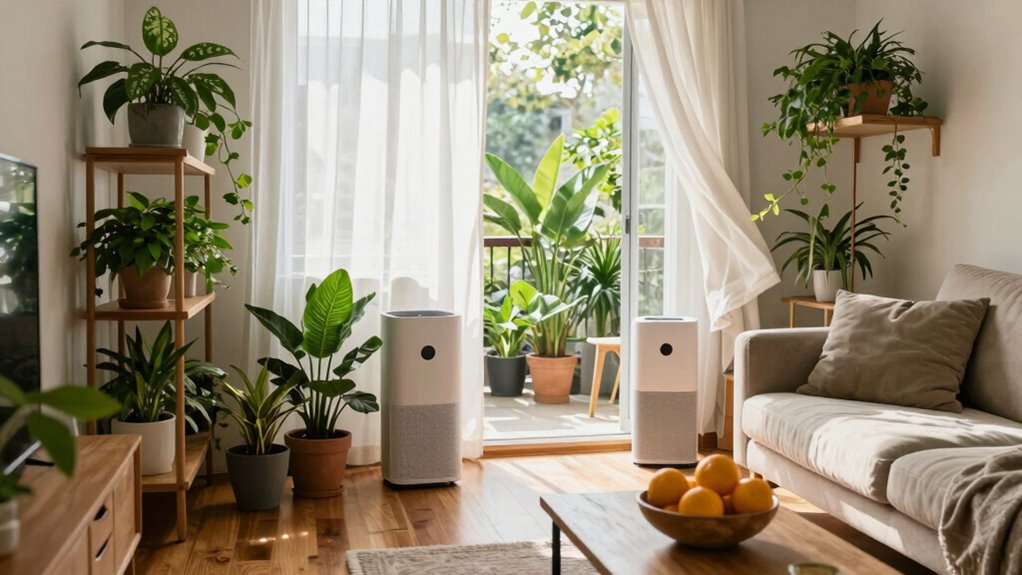
Ever wonder why your indoor spaces seem to accumulate dust so quickly? The secret lies in your cleaning routines and the way dust settles. To keep dust at bay, dust surfaces regularly with a damp cloth, which traps particles better than dry dusting. Use a vacuum with a HEPA filter to reduce dust accumulation in carpets and upholstery. Maintain good airflow by opening windows or running exhaust fans.
| Action | Frequency | Tips |
|---|---|---|
| Dusting | Weekly | Use microfiber cloths, dampen slightly |
| Vacuuming | Twice a week | Focus on carpets, curtains, upholstery |
| Air Circulation | Daily | Open windows, use fans |
| Deep Cleaning | Once a month | Wash curtains, clean vents |
Easy Lifestyle Habits to Keep Indoor Air Fresh
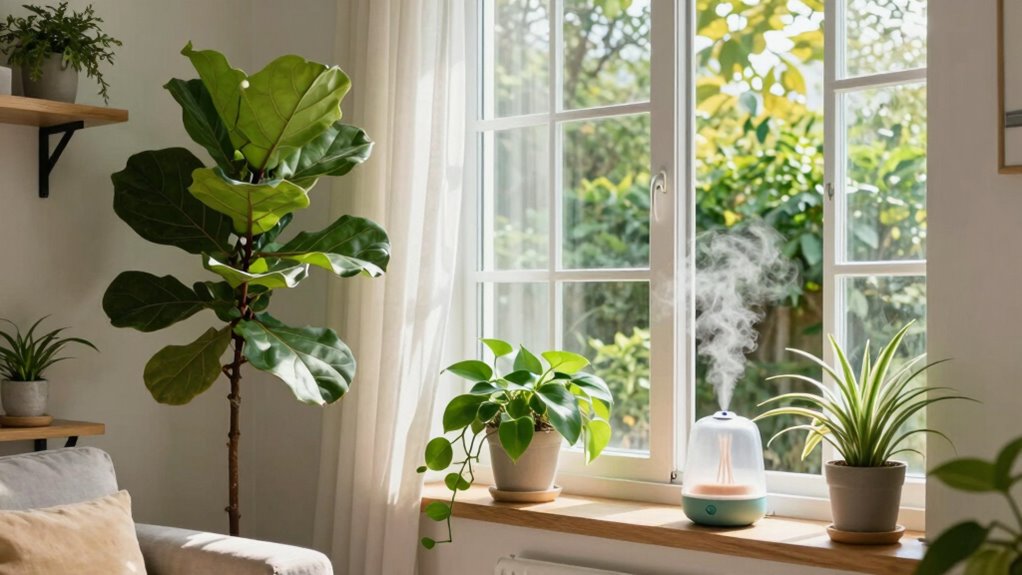
Maintaining fresh indoor air doesn’t require complicated routines; simple lifestyle habits can make a noticeable difference. First, use an air purifier regularly to filter out pollutants and allergens. Second, follow humidifier tips—keep humidity levels between 40-60% to prevent mold and dust mites. Third, ventilate rooms daily by opening windows, especially when cooking or cleaning, to let in fresh air. Fourth, avoid smoking indoors and limit the use of heavily scented products that can release airborne chemicals. These small habits improve air quality naturally and consistently. Incorporating these practices empowers you to create a healthier indoor environment with minimal effort, ensuring cleaner, fresher air every day.
Frequently Asked Questions
How Often Should I Test Indoor Air Quality?
You should test your indoor air quality at least every three to six months. Regular air quality monitoring helps you identify indoor pollutant sources and track improvements. If you notice unusual odors, allergies, or respiratory issues, test more frequently. Keeping an eye on indoor pollutants guarantees your environment stays healthy. Use reliable testing kits or professional services to get accurate results and make informed decisions about improving your home’s air quality.
Can Pets Affect Indoor Air Pollution Levels?
Yes, pets can affect indoor air pollution levels. Pet dander is a common allergen that can linger in your home, leading to allergen buildup and worsening air quality. When pets shed, they release dander into the air, which can trigger allergies or asthma. Regular cleaning, grooming, and ventilation help reduce pet dander and allergen buildup, improving your indoor air quality and creating a healthier environment for you and your family.
Are Air Purifiers Essential for Natural Air Quality Improvement?
You don’t need an air purifier to achieve natural purification; many believe they’re essential, but that’s an air purifier myth. While they can help, relying solely on them oversimplifies air quality. Instead, focus on natural methods like ventilation, houseplants, and avoiding pollutants. Air purifiers aren’t a magic fix—they’re just one part of a broader, more effective approach to truly improving your indoor air naturally.
What’s the Best Way to Reduce Humidity Indoors?
To reduce indoor humidity effectively, you should focus on proper ventilation techniques like using exhaust fans in bathrooms and kitchens, and opening windows when weather permits. Additionally, employ dehumidification methods such as using a dehumidifier or moisture absorbers like silica gel or charcoal. These strategies help control moisture levels, preventing mold growth and improving air quality, making your indoor environment more comfortable and healthier.
How Do Indoor Air Quality Levels Vary Seasonally?
Indoor air quality levels fluctuate seasonally due to factors like seasonal allergens and changing ventilation needs. During spring and fall, airborne pollen can increase indoor allergens, while winter often reduces ventilation as windows stay closed, trapping pollutants. To maintain healthy air year-round, you should implement effective ventilation strategies, such as using air purifiers and regularly ventilating your home when weather permits, to reduce allergens and improve airflow regardless of the season.
Conclusion
Remember, a revitalizing change starts at home. By choosing natural solutions like plants, proper ventilation, and chemical-free cleaners, you can greatly improve your indoor air quality. Staying proactive and maintaining clean, well-ventilated spaces helps keep pollutants at bay. As the saying goes, “A healthy environment is the foundation of good health.” Take small steps today, and enjoy the benefits of fresher, cleaner air every day.