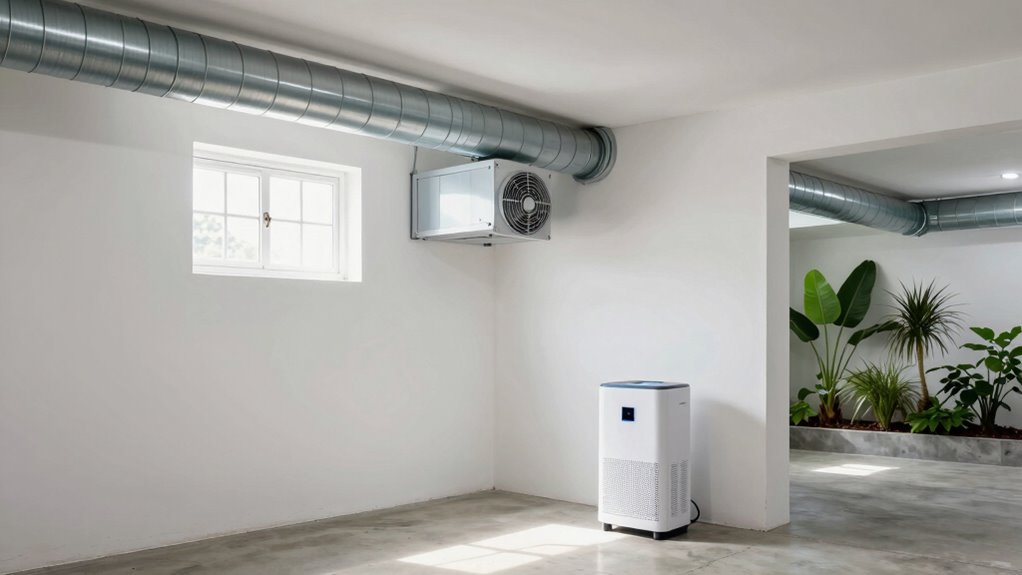

To improve your basement ventilation, start by addressing common problems like moisture buildup, poor airflow, and blocked vents or windows. Choose a suitable system, such as exhaust, supply, or balanced ventilation, and guarantee it’s properly installed with correct ducting and positioning. Regular maintenance, like cleaning vents and filters, helps keep air fresh. You can also enhance airflow naturally by opening windows or using fans. Continue exploring these strategies to create a healthier, drier basement environment.
Key Takeaways
- Install appropriately sized exhaust, supply, or balanced ventilation systems to ensure proper airflow and remove excess moisture.
- Use energy-efficient fans and smart controls to optimize ventilation based on humidity and air quality levels.
- Regularly inspect and clean vents, filters, and ducts to prevent obstructions and maintain airflow efficiency.
- Promote natural ventilation by opening windows and installing window fans for cross-ventilation.
- Incorporate moisture control measures like dehumidifiers and water damage prevention techniques alongside ventilation upgrades.
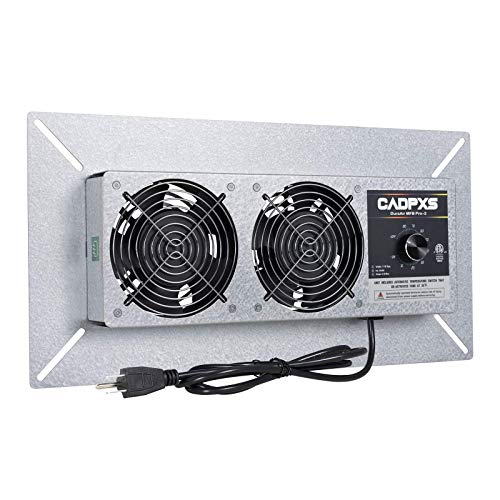
CADPXS Crawlspace Ventilation Fan, Crawlspace Fan Vent with Humidistat, Dehumidistat & Freeze Protection Thermostat, for Crawl Spaces/Basement/Garage/Attic/Hydroponics Grow Tents (220 CFM Air Out)
Crawlspace Vent Fan: Air Out. Airflow: 220 CFM. 18" x9" x2”. Dual fans with 6.56 foot grounded power…
As an affiliate, we earn on qualifying purchases.
As an affiliate, we earn on qualifying purchases.
What Are the Common Basement Ventilation Problems?
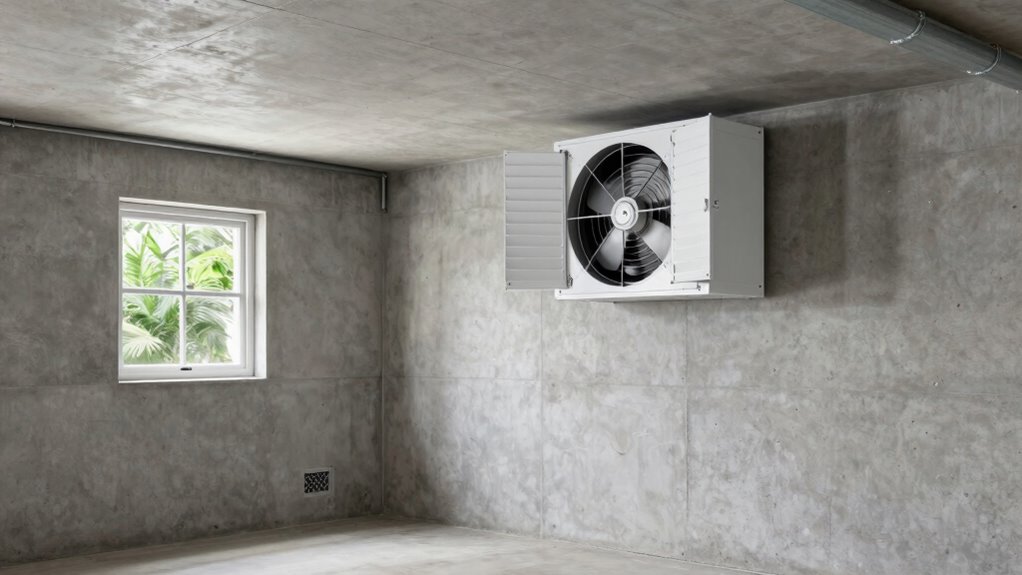
Basements often face ventilation problems because they tend to be enclosed spaces with limited airflow. This can lead to moisture buildup, which creates a perfect environment for mold growth. Poor ventilation prevents humid air from escaping, causing dampness to linger. You might notice a musty smell or visible mold on walls and ceilings. Additionally, inadequate airflow can result in stagnant air, making it harder to control humidity levels. Over time, these issues weaken building materials and pose health risks. Often, basement windows stay shut, or vents get blocked, trapping moisture inside. To address these problems, you need to identify areas with poor airflow and improve ventilation, reducing moisture buildup and preventing mold growth. Recognizing these common issues is the first step toward a healthier, drier basement. Incorporating natural ventilation methods can also help maintain a balanced airflow and improve overall air quality, especially when combined with proper ventilation systems to ensure continuous airflow. Proper air circulation is crucial for preventing moisture accumulation and maintaining a safe environment, as understanding ventilation technology can lead to more effective solutions. Additionally, understanding the causes of poor airflow can help in designing targeted improvements to your basement’s ventilation.

12-Inch High-Velocity Portable Utility Blower Fan, Energy-Efficient Axial Fan Continuous-Rated Industrial Exhaust Fan, Confined Space Blower 3150 RPM Fume Extractor Ventilator for Basements Warehouses
380W High-Performance AC Motor: Equipped with a powerful AC motor delivering a speed of 3150 RPM and a…
As an affiliate, we earn on qualifying purchases.
As an affiliate, we earn on qualifying purchases.
How Does Poor Ventilation Affect Indoor Air Quality?
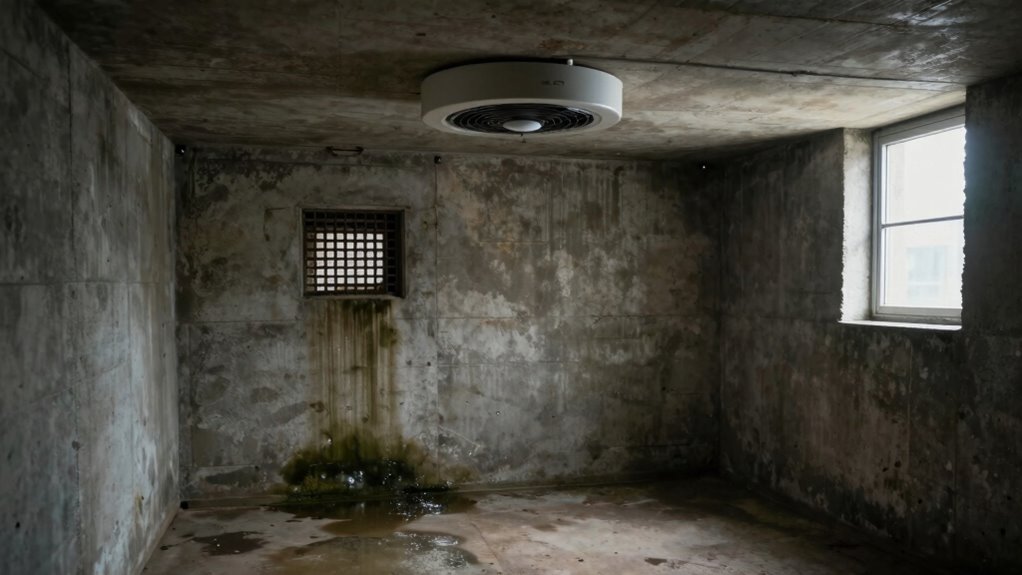
Have you ever noticed a lingering musty smell or experienced allergy symptoms after spending time in your basement? Poor ventilation allows airborne contaminants to accumulate, reducing indoor air quality. Stale air traps mold spores, dust, and other irritants that can trigger allergies or respiratory issues. Without proper airflow, odors become harder to control, making your basement less comfortable and more unpleasant. This buildup not only affects your health but also worsens the overall air quality in your home. Proper ventilation helps remove these airborne contaminants, improving odor control and ensuring fresher, cleaner air. Additionally, microplastics in dust can accumulate in poorly ventilated spaces, further compromising indoor air quality. If you neglect ventilation, you risk creating an environment where harmful particles linger, impacting your health and well-being every time you spend time in your basement. Ensuring adequate air exchange can significantly improve the overall air quality and comfort of your space, especially when you consider how air filtration systems can enhance ventilation effectiveness. Installing humidity control devices can also prevent excess moisture, which is essential in maintaining healthy indoor air quality. Properly maintaining these systems and understanding the importance of ventilation strategies can make a significant difference in your basement environment.

PSOS Dehumidifier, Dehumidifiers for Home, 98 OZ Water Tank, (1000 sq.ft) Quiet Dehumidifier for Basement Bedroom Bathroom with Humidity Display, Auto Shut Off, Relaxing 7 Color Ambient Light(Gray)
【Upgrade High Efficient Home Dehumidifier】PSOS dehumidifier utilize dual semiconductor condensation technology, ensuring quiet operation while effectively extracting moisture…
As an affiliate, we earn on qualifying purchases.
As an affiliate, we earn on qualifying purchases.
Choosing the Right Basement Ventilation System

When selecting a basement ventilation system, you need to take into account the different types available and which best fit your space. It’s important to match the system’s size and capacity to your basement’s needs to ensure effective airflow. Also, look for energy-efficient options to keep running costs low while maintaining proper ventilation. Incorporating proper water damage prevention techniques can further protect your space from moisture issues that ventilation alone may not resolve. Additionally, understanding smart thermostat setup can help optimize overall home comfort and energy savings. Implementing smart automation features can enhance your system’s efficiency and allow for remote monitoring and control. Being aware of privacy and security practices related to smart home systems ensures your ventilation controls remain protected from potential cyber threats. To maximize efficiency, consider integrating filter sizing/flow principles to ensure your ventilation system operates optimally without unnecessary energy use.
Types of Ventilation Systems
Are you unsure which ventilation system best suits your basement? To achieve ideal airflow and leverage the latest ventilation technology, consider these options:
- Exhaust Ventilation – pulls stale air out, encouraging fresh air to enter.
- Supply Ventilation – introduces fresh air, replacing indoor pollutants.
- Balanced Ventilation – combines exhaust and supply, maintaining consistent airflow.
- Energy Recovery Ventilators (ERVs) – maximize airflow efficiency while conserving energy. Additionally, selecting a system that enhances indoor air quality can significantly improve your basement environment.
Implementing a holistic approach to SEO ensures your efforts improve both content relevance and technical performance, leading to better visibility. Each type focuses on airflow optimization tailored to your needs. Exhaust and supply systems are simpler but less energy-efficient, while balanced and ERV systems offer more control and better indoor air quality. Choosing the right system depends on your basement’s specific conditions and your ventilation goals.
Size and Capacity Needs
Choosing the right ventilation system for your basement depends on accurately evaluating its size and airflow needs. To do this, consider the ventilation capacity required to effectively exchange stale air with fresh air. Proper duct sizing is essential; undersized ducts can restrict airflow, while oversized ducts may be inefficient and costly. Measure the square footage of your basement and determine the necessary airflow rate, usually expressed in CFM (cubic feet per minute). This assessment can be influenced by tax planning strategies, which emphasize the importance of precise calculations and tailored solutions. Additionally, understanding the water-related aspects of your basement, such as humidity levels and potential moisture buildup, is crucial for selecting an appropriate ventilation system. Properly managing air exchange rates ensures that your basement remains dry and healthy. Installing a ventilation system that matches your basement’s specific size and capacity needs will help you select a system with the appropriate ventilation capacity. Considering proper airflow distribution is also vital to ensure all areas of the basement receive adequate ventilation. Keep in mind that larger basements need higher airflow and larger ducts to guarantee proper ventilation. By matching your system’s capacity to your basement’s size, you’ll improve air quality and prevent moisture buildup effectively.
Energy Efficiency Options
To maximize energy savings while maintaining effective ventilation, selecting an energy-efficient system is essential. An ideal system balances energy conservation with proper airflow. Consider these options:
- Energy-efficient fans with variable speed controls to reduce power consumption during low ventilation needs.
- Heat recovery ventilators (HRVs) that recycle indoor heat, lowering heating costs.
- Smart controls to automate ventilation based on humidity and CO₂ levels, avoiding unnecessary operation.
- Enhanced insulation strategies around vents and ducts to minimize heat loss and improve overall energy performance.
- Incorporating astrological compatibility insights can even influence the design choices for creating a more harmonious and comfortable basement environment.
Choosing systems that prioritize energy efficiency helps you save on utility bills while keeping your basement well-ventilated. Proper insulation also reduces the workload on ventilation devices, creating a sustainable, cost-effective solution.

Bionaire Window Fan with Reversible Airflow Blades – 3-Speed Settings, Programmable Thermostat, LED Display, Remote Control, Fits 24–36" Windows, No Assembly Required
VERSATILE REVERSIBLE AIRFLOW – Multi-functional electronic blades can be set to draw in outdoor fresh air, exhaust out…
As an affiliate, we earn on qualifying purchases.
As an affiliate, we earn on qualifying purchases.
Installing Your Basement Ventilation Correctly
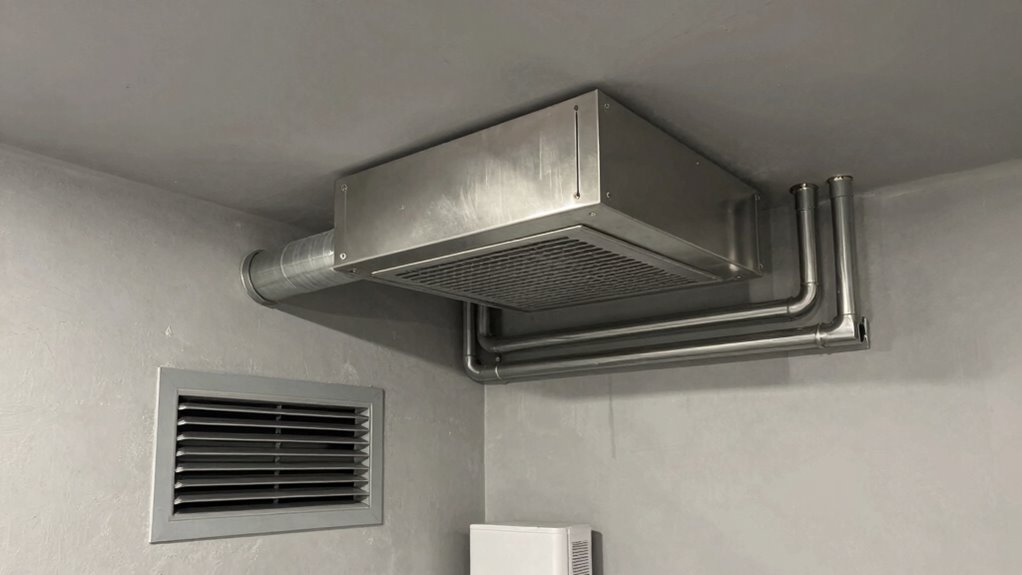
Properly installing your basement ventilation is essential to guarantee effective airflow and prevent moisture buildup. Focus on airflow optimization by positioning vents and fans where they can maximize circulation. Ventilation placement is key; install intake vents low on walls to draw in cooler, moist air and exhaust vents higher up to release warm, humid air. Make certain there are no obstructions blocking airflow paths, and use ducting carefully to direct air efficiently. Secure all connections tightly to prevent leaks and drafts. Avoid placing vents near sources of pollution or dirt, which could compromise air quality. Testing the system after installation helps confirm proper airflow and prevents issues down the line. Correct installation ensures your basement stays dry, fresh, and well-ventilated. Additionally, considering airflow efficiency can help you choose the best setup for your space.
Tips for Maintaining Your Basement Ventilation System
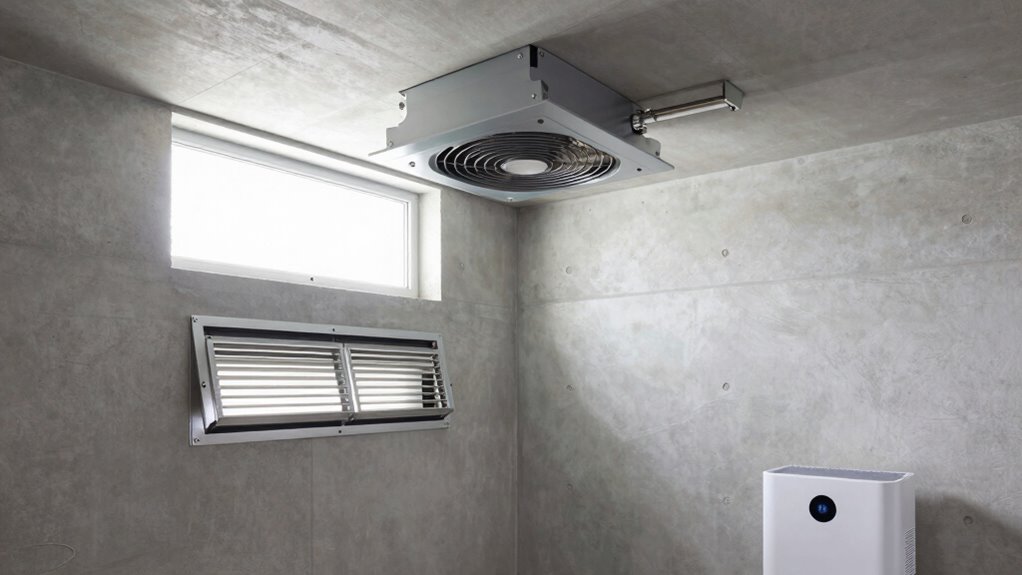
Regular inspections help catch issues before they worsen, keeping your system running smoothly. Make certain vents are clear of debris or obstructions so air can flow freely. Staying on top of these simple tasks ensures your basement stays well-ventilated and healthy.
Regular System Inspections
Inspecting your basement ventilation system regularly guarantees it functions effectively and prevents potential issues. Consistent inspections help confirm airflow optimization and proper ventilation scheduling. To get the most out of your system, check these key areas:
- Filters – Clean or replace filters to maintain airflow and indoor air quality.
- Vents and Ducts – Look for blockages, leaks, or damage that could hinder airflow.
- Fans and Blowers – Ensure they operate quietly and efficiently without signs of wear.
- Control Settings – Confirm ventilation schedules are correctly set for different seasons and occupancy levels.
Regular inspections help you catch problems early, extend system lifespan, and keep your basement well-ventilated and healthy.
Keep Vents Clear
To keep your basement ventilation system working effectively, it’s essential to guarantee the vents stay unobstructed. Regular vent cover maintenance is vital, as dust and debris can block airflow over time. Check and clean your vent covers regularly to prevent buildup that can restrict ventilation. Also, pay attention to vent placement; make sure vents aren’t blocked by furniture, storage, or other objects. Proper placement promotes ideal airflow and helps prevent moisture buildup. If vents are located near windows or doors, verify they aren’t covered or blocked when open or closed. Keeping vents clear and well-maintained ensures fresh air circulates efficiently, reducing humidity and mold risk in your basement. Prioritize these simple steps to maintain a healthy, well-ventilated space.
Using Natural Ventilation to Improve Airflow

Natural ventilation can be a highly effective way to improve airflow in your basement, especially when outdoor conditions are favorable. By harnessing natural airflow, you can promote passive cooling and reduce humidity without relying on mechanical systems. To maximize this method:
- Open windows on opposite sides of the basement to create cross-ventilation.
- Use vents or grilles to facilitate airflow even when windows are closed.
- Install window fans that work with prevailing breezes to enhance movement.
- Keep outdoor pathways clear to allow fresh air to flow freely inside.
These steps encourage passive cooling, helping to reduce moisture buildup and improve overall air quality through natural ventilation. Properly leveraging airflow makes your basement healthier and more comfortable.
Monitoring Humidity and Air Quality After Ventilation Improvements
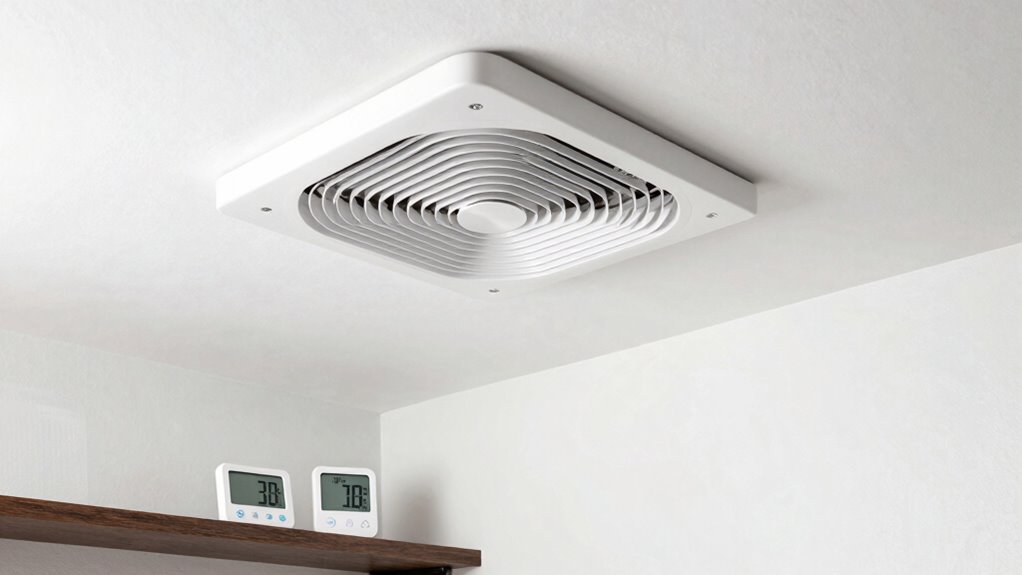
After making ventilation improvements, regularly monitoring your basement’s humidity and air quality is essential to guarantee the changes are effective. Use air quality sensors and humidity monitors to track levels consistently. These devices help you identify issues early, ensuring a healthier environment. Visualize your monitoring setup with this table:
| Humidity Level | Air Quality Index | Action Needed |
|---|---|---|
| 30-50% | Good | Maintain ventilation |
| Above 60% | Poor | Increase airflow |
| Below 30% | Dry | Add moisture if needed |
Troubleshooting Persistent Basement Ventilation Issues

Persistent basement ventilation problems can be frustrating, especially when improvements don’t seem to work as expected. To troubleshoot effectively, focus on these key areas:
Persistent basement ventilation issues require checking for blockages, moisture control, mold, and ensuring vents and windows are clear.
- Check for hidden blockages in vents or exhaust fans that hinder airflow.
- Confirm humidity control devices, like dehumidifiers, are functioning properly to prevent excess moisture.
- Inspect for mold or mildew buildup, which can indicate inadequate ventilation or persistent humidity issues.
- Verify that windows and vents are open and unobstructed to promote fresh air exchange.
Frequently Asked Questions
How Often Should I Service My Basement Ventilation System?
You should service your basement ventilation system at least once a year to guarantee peak performance. Regular ventilation maintenance helps prevent mold, odors, and humidity issues. During service, check for blockages, clean filters, and test system functionality. If you notice reduced airflow or strange noises, troubleshoot the system immediately to identify problems early. Routine system troubleshooting keeps your ventilation running smoothly and prolongs its lifespan, maintaining a healthier basement environment.
Can Basement Ventilation Reduce Mold Growth Effectively?
Yes, basement ventilation can effectively reduce mold growth by improving moisture control and air quality. When you guarantee proper airflow, you lower humidity levels that mold thrives on. Regularly ventilating your basement helps remove excess moisture, preventing mold spores from settling and growing. By maintaining good air quality and controlling moisture, you create an environment less conducive to mold, protecting your space and promoting a healthier home.
What Are the Signs of Inadequate Basement Ventilation?
You notice signs of inadequate basement ventilation when you see moisture buildup on walls or floors, which indicates poor air circulation. Musty odors persist even after cleaning, suggesting stagnant air and excess humidity. You might also observe peeling paint or mold spots. These signs show your basement isn’t ventilating properly, trapping moisture and odors. Improving airflow helps eliminate these issues, making your basement healthier and more comfortable.
Are There Energy-Efficient Options for Basement Ventilation?
Yes, there are energy-efficient options for basement ventilation. You can opt for exhaust fans with energy-saving features or install an energy recovery ventilator (ERV), which improves air quality while minimizing energy use. Ventilation types like passive vents or ductless systems also help maintain fresh air without high energy costs. These choices guarantee your basement stays well-ventilated, preventing moisture buildup and improving air quality efficiently.
How Does Basement Ventilation Impact Overall Home Energy Costs?
Basement ventilation is like a invigorating gust for your home, directly impacting your energy costs. When you improve air quality and moisture control, your heating and cooling systems don’t have to work as hard, reducing overall energy expenses. Proper ventilation prevents mold and dampness, which can lead to costly repairs. In short, good basement airflow helps maintain a balanced, energy-efficient home environment, saving you money in the long run.
Conclusion
By understanding these ventilation strategies, you’re well on your way to transforming your basement’s air quality. But beware—hidden issues could still be lurking beneath the surface, waiting to undermine your efforts. Will your new system stand the test of time? As you implement these tips, stay vigilant and monitor your basement’s environment closely. The key to a healthier, more comfortable space might be closer than you think—if you’re willing to uncover what’s really behind the walls.