
Even with your windows closed, tiny gaps around frames, doors, and electrical outlets can let in air, making your home feel drafty. Insulation helps keep the temperature steady, but if it’s missing or poorly installed, you’ll still feel cold spots. Proper sealing with weatherstripping or caulk can cut down drafts. Ventilation systems also impact airflow and comfort. Keep exploring to discover simple tips that can make your home warmer and more comfortable.
Key Takeaways
- Small gaps around windows and doors can allow air infiltration even when they appear closed.
- Condensation on windows may indicate high indoor humidity and potential leaks.
- Worn or damaged seals and weatherstripping can cause drafts despite the windows being shut.
- Improperly installed or missing insulation around windows can lead to heat transfer and drafts.
- Ventilation systems or exhaust fans may create airflow that makes the home feel drafty.

Ninsula 33Ft Door Weather Stripping, (1/2in x 1/4in), Strong Adhesive, Sound Proof, Door Insulation, Weatherproof Foam Tape for Doors, Weatherstripping for Doors Frames, Windows
Extra Long Size: You'll get a 33FT door weather stripping (1/2in x 1/4in). Easy to install, no tools…
As an affiliate, we earn on qualifying purchases.
As an affiliate, we earn on qualifying purchases.
Why Does My Home Feel Drafty Even With Windows Closed?
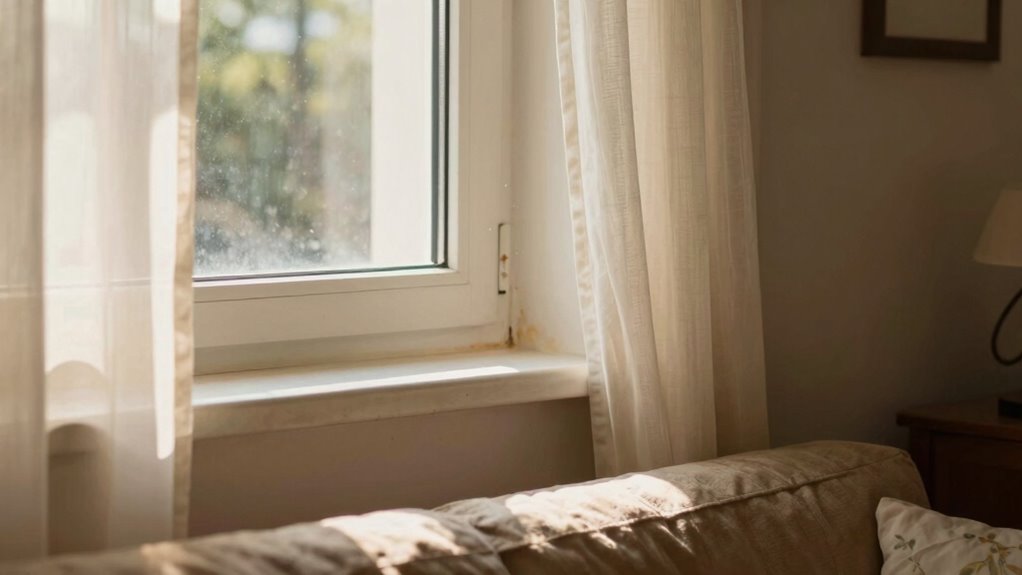
Even when your windows are firmly closed, your home can still feel drafty due to hidden gaps and leaks. These small openings allow air to escape or enter, making your home feel colder than it should. You might notice window condensation, which indicates excess indoor humidity. High humidity levels can make the air feel damp and uncomfortable, contributing to that drafty sensation. Condensation usually occurs when warm, moist air hits cooler window surfaces, revealing hidden leaks or inadequate sealing. This moisture can seep through tiny gaps around window frames, further reducing energy efficiency. Additionally, some haunted folklore narratives suggest that paranormal activities might be associated with cold drafts or unexplained breezes, adding a layer of mystery to the phenomenon. Addressing these leaks and controlling indoor humidity helps maintain a consistent temperature, reducing drafts and making your home more comfortable even with the windows shut tight. Regularly inspecting and sealing window gaps is essential for preventing unwanted drafts and improving overall energy efficiency. Ensuring proper insulation around windows can also help prevent heat loss and maintain a more stable indoor environment. Proper sealing techniques can significantly improve your home’s energy efficiency and comfort by preventing air leaks.

ECOHomes Window Weather Sealing Tape | Winter Weather Stripping Tape to Block Cold Drafts Through Window Gaps and AC Units, Insulation Seal and Draft Blocker for Home (2 Inch by 90 FT, Clear)
WINDOW AND AIR CONDITIONER SEALING TAPE: Stop drafts and energy loss instantly with a tape designed to seal…
As an affiliate, we earn on qualifying purchases.
As an affiliate, we earn on qualifying purchases.
How Insulation Keeps Your Home Warm and Draft-Free
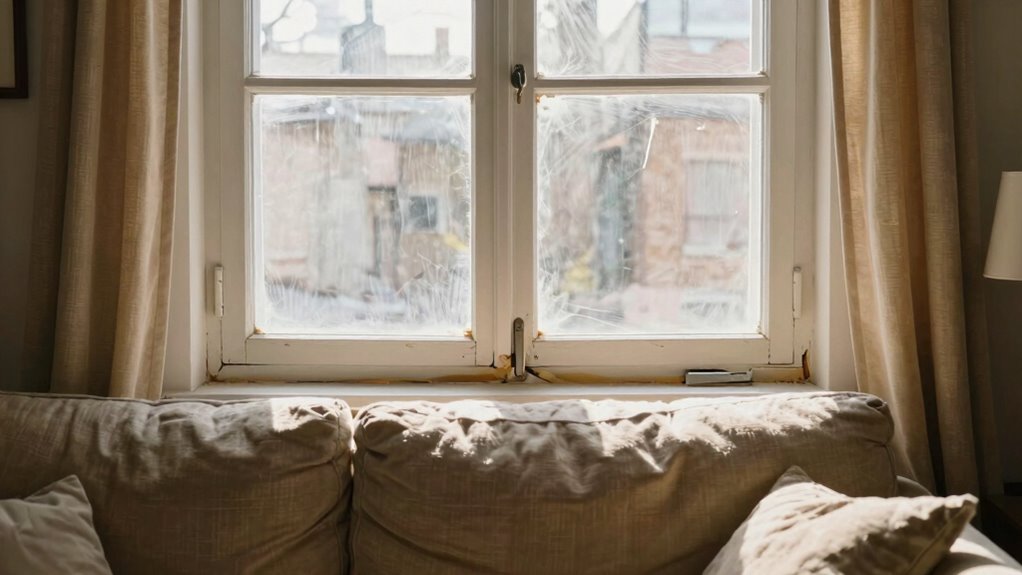
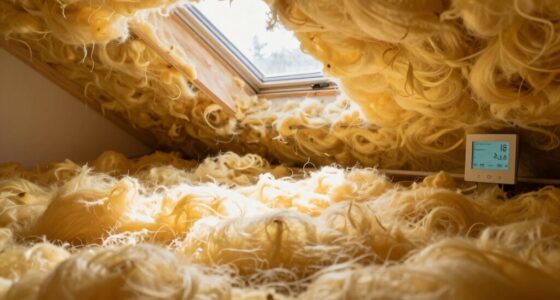
Proper insulation acts as a barrier between the inside of your home and the outside air, helping to maintain a steady temperature. It reduces heat transfer by creating effective thermal barriers, which keep warm air inside during winter and outside during summer. The key is choosing the right insulation materials, such as fiberglass, foam, or mineral wool, that suit your home’s needs. These materials work together to prevent drafts and temperature fluctuations. Good insulation also minimizes heat loss through walls, ceilings, and floors. To maximize efficiency, guarantee your insulation is installed correctly and covers all areas of your home. Additionally, understanding brewing science can help you better grasp how insulation impacts overall comfort and energy efficiency. Proper insulation not only keeps your home warm but also reduces energy bills and increases overall comfort. Using the right insulation materials can also enhance your home’s resilience against drafts, ensuring a more consistent indoor temperature. Proper installation techniques are crucial to ensuring the insulation performs as intended and provides optimal thermal performance. Additionally, selecting insulation with environmentally friendly properties can contribute to a more sustainable home. Incorporating energy-efficient solutions can further improve your home’s thermal regulation and reduce environmental impact.

Loctite Tite Foam Big Gaps Spray Foam Sealant, 12 fl oz Can, 1 Pack – Polyurethane Expanding Insulation
Expands To Fill: Loctite Tite Foam Big Gaps fills, seals, and insulates effectively around gaps and cracks up…
As an affiliate, we earn on qualifying purchases.
As an affiliate, we earn on qualifying purchases.
Are Gaps and Seals in Doors and Windows Leaking Air?
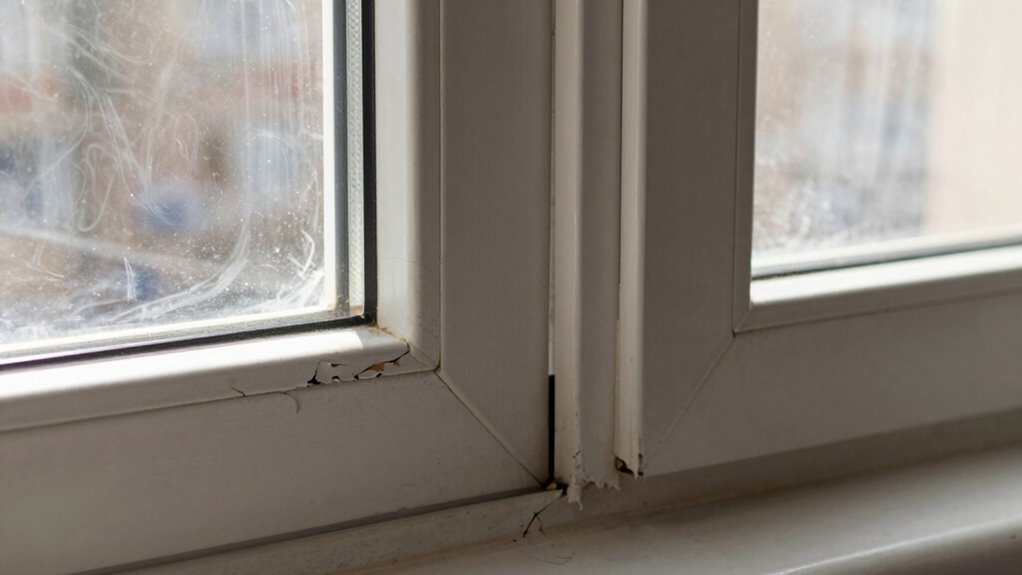
Gaps and seals around your doors and windows are common culprits behind drafts and unexplained cold spots in your home. Over time, the window frame can develop cracks, and door sweeps may loosen or become damaged, allowing air to escape. These small gaps can considerably impact your home’s insulation and comfort. To identify leaks, check for drafts near the edges of windows and doors. Sealing these gaps with weatherstripping or caulk can improve energy efficiency. Consider replacing worn door sweeps to block drafts effectively. Here’s a quick visual:
| Area | Common Issue | Solution |
|---|---|---|
| Window frame | Cracks, gaps | Seal with weatherstripping |
| Door | Improper sealing | Install or replace door sweeps |
| Both | Unsealed edges | Apply caulk or weatherstripping |
Addressing these issues keeps the warm air in and cold air out. Properly maintaining home insulation can greatly enhance overall comfort and energy savings. Additionally, inspecting for air leaks around the entire home can help identify hidden areas where drafts may be entering. Regular maintenance on these areas can help prevent the development of larger issues over time, similar to how electric dirt bikes maintain high performance with proper care. Paying attention to seal integrity is essential for ensuring your home stays energy-efficient and cozy.

VIVOSUN M4 4-Inch Inline Duct Fan, 195 CFM Ventilation Fan with EC Motor, Adjustable Speed, Energy-efficient Vent Blower for HVAC, Grow Tent, Hydroponics
Efficient and Quiet Ventilation: The PWM-controlled EC motor and mixed-flow design deliver powerful, quiet, and energy-efficient performance; Operating…
As an affiliate, we earn on qualifying purchases.
As an affiliate, we earn on qualifying purchases.
How Ventilation Systems Affect Indoor Airflow
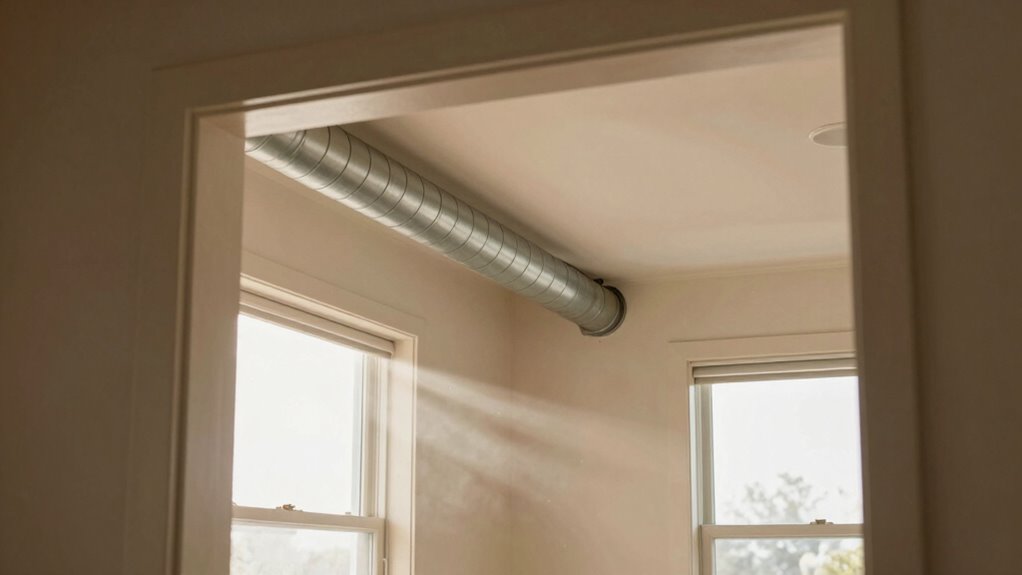
Ventilation systems play a crucial role in determining how air moves through your home, directly impacting indoor comfort and energy efficiency. Proper systems facilitate air exchange, removing stale air and bringing in fresh air. Exhaust fans are key components, helping to vent moisture, odors, and pollutants outside. When these systems aren’t balanced, you might feel drafts or stuffiness despite closed windows.
Consider these factors:
- The placement and operation of exhaust fans influence airflow patterns.
- Mechanical ventilation ensures consistent air exchange.
- Inadequate ventilation can cause uneven airflow, making rooms feel drafty.
- Properly functioning systems prevent pressure imbalances.
- Regular maintenance keeps airflow smooth and predictable.
- Understanding home ventilation helps you optimize indoor airflow and reduce the feeling of drafts, especially since ventilation systems are designed to promote balanced airflow and prevent pressure issues. Additionally, airflow patterns can be affected by external factors like wind, which may contribute to feeling drafts even when windows are closed. Properly managing air exchange rates can help minimize these external influences and improve overall comfort inside your home.
Easy Ways to Find and Seal Drafts in Your Home
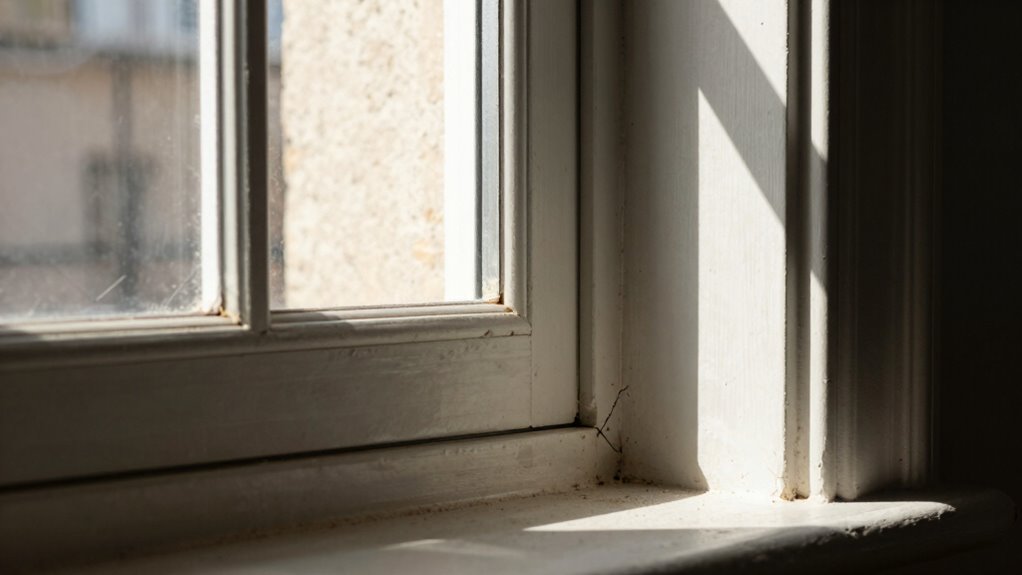
Even with well-designed ventilation systems, drafts can still sneak into your home through unnoticed openings. To find draft sources, start by inspecting common problem areas like windows, doors, and electrical outlets. Use your hand to feel for airflow or hold a lit candle near suspect spots; if the flame flickers, you’ve found a draft. Pay attention to airflow patterns—sometimes drafts come from unexpected places, like gaps around piping or behind baseboards. Once identified, sealing these gaps is straightforward. Apply weatherstripping around windows and doors, or use caulk to seal small cracks. For larger openings, consider installing draft stoppers or foam insulation. These simple steps help improve your home’s energy efficiency and make it more comfortable. Additionally, understanding airflow patterns can help you pinpoint hidden leaks more effectively, which is essential for managing air leakage and maintaining a cozy indoor environment. Recognizing how water infiltration can contribute to drafts is also important, especially in areas prone to moisture issues.
Frequently Asked Questions
Can Outdoor Weather Conditions Influence Indoor Draftiness?
Yes, outdoor weather conditions can influence indoor draftiness. Outdoor airflow and weather fluctuations cause pressure changes that push air through small gaps and cracks in your home’s structure. When wind speeds pick up or temperatures shift, you might notice more drafts, even with windows closed. These external factors weaken your home’s insulation, making it feel cooler or more breezy inside despite your efforts to seal it up.
Do Certain Building Materials Contribute to Drafts Despite Closed Windows?
Building material properties can turn your home into a leaky boat, allowing drafts even when windows are closed. Some materials, like poorly insulated walls or gaps in siding, reduce insulation effectiveness, letting cold air seep in. You might think your home is sealed tight, but these materials can create tiny pathways for drafts. Upgrading insulation or sealing gaps with weatherstripping helps block these sneaky entry points, making your home cozy again.
How Does Indoor Humidity Affect Perceived Drafts?
Indoor humidity directly impacts how drafty your home feels. When indoor moisture levels are high, it can make the air feel cooler and more uncomfortable, amplifying the sensation of drafts. Proper humidity control helps maintain a balanced environment, reducing the perception of drafts even if your windows are closed. By managing indoor moisture effectively, you can create a cozy, draft-free space and improve overall comfort.
Are Electrical Outlets and Light Switches Common Sources of Drafts?
Electrical outlets and light switches can be common sources of drafts due to gaps in insulation around electrical wiring. When these gaps aren’t sealed properly, cold air can seep in, making your home feel drafty. You can fix this by installing foam gaskets behind outlets and switches, which block drafts. Ensuring proper insulation around wiring helps keep warm air in and reduces those unwanted chilly breezes.
Can Furniture Placement Impact Airflow and Draftiness Inside My Home?
Yes, furniture placement can impact indoor airflow and make your home feel drafty. When you position large pieces like sofas or cabinets near vents, windows, or doorways, they can block airflow and disrupt the natural circulation. To improve comfort, arrange furniture to allow unobstructed pathways for air to circulate freely. Proper furniture arrangement helps balance indoor airflow, reducing drafts and creating a more consistent, cozy temperature throughout your home.
Conclusion
Even when your windows are closed, drafts can sneak in like uninvited guests, making your home feel colder and less cozy. By checking for gaps, improving insulation, and sealing leaks, you can turn your house into a warm embrace rather than a chilly wind tunnel. Think of your home as a fortress, where every crack and crevice is a tiny breach. Seal those leaks, and let warmth be your home’s loyal guard against the drafty blues.