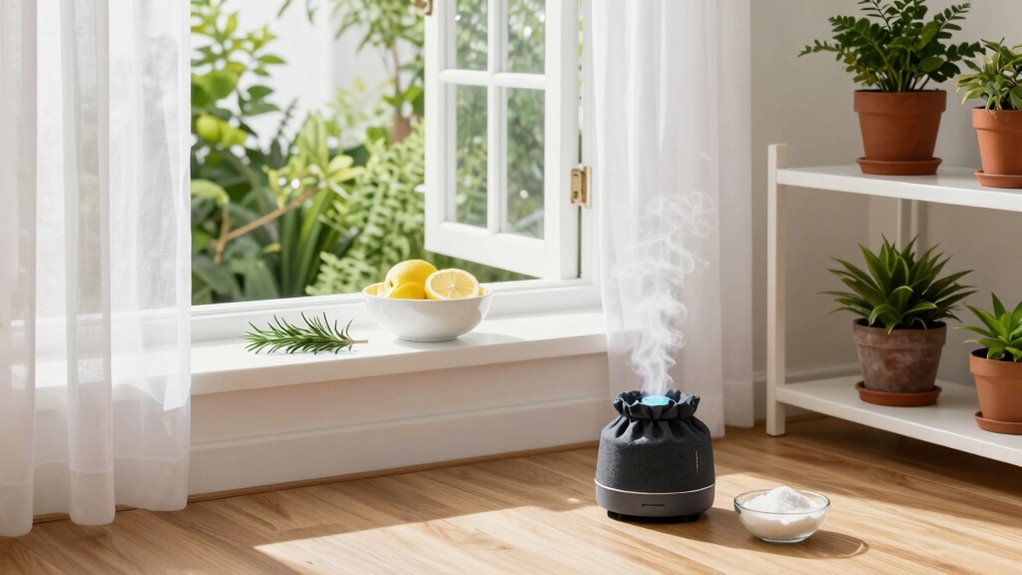

To eliminate musty smells, start by identifying and controlling moisture sources like leaks or high humidity, and improve ventilation with fans or open windows. Clean affected areas thoroughly with mold-killing solutions, and use natural deodorizers such as baking soda, vinegar, or essential oils. Incorporate dehumidifiers and air purifiers to keep air dry and fresh. Regular maintenance and natural remedies can make a big difference—continue below to discover more effective strategies.
Key Takeaways
- Identify and fix sources of excess moisture and leaks to prevent mold growth and damp odors.
- Improve ventilation by opening windows, using fans, and installing air purifiers to circulate fresh air.
- Clean affected surfaces thoroughly with mold-killing solutions like bleach or specialized cleaners.
- Absorb odors naturally using baking soda, white vinegar, or activated charcoal placed around the room.
- Maintain low humidity levels (below 60%) with dehumidifiers to inhibit mold and musty smell development.

ZSZMFH 6 Pack Moisture Absorber & Max Odor Eliminator Hanging Bag, Charcoal Smell Remove Damp Musty Smell,Hanging Closet Dehumidifier Bags with 25g of Activated Charcoal (220g/pack)…
🌱Absorb Excess Moisture(Calcium chloride):Our hanging moisture absorber packets are made using an advanced formula.Spherical calcium chloride enlarges the…
As an affiliate, we earn on qualifying purchases.
As an affiliate, we earn on qualifying purchases.
What Causes Musty Smells in Different Rooms?
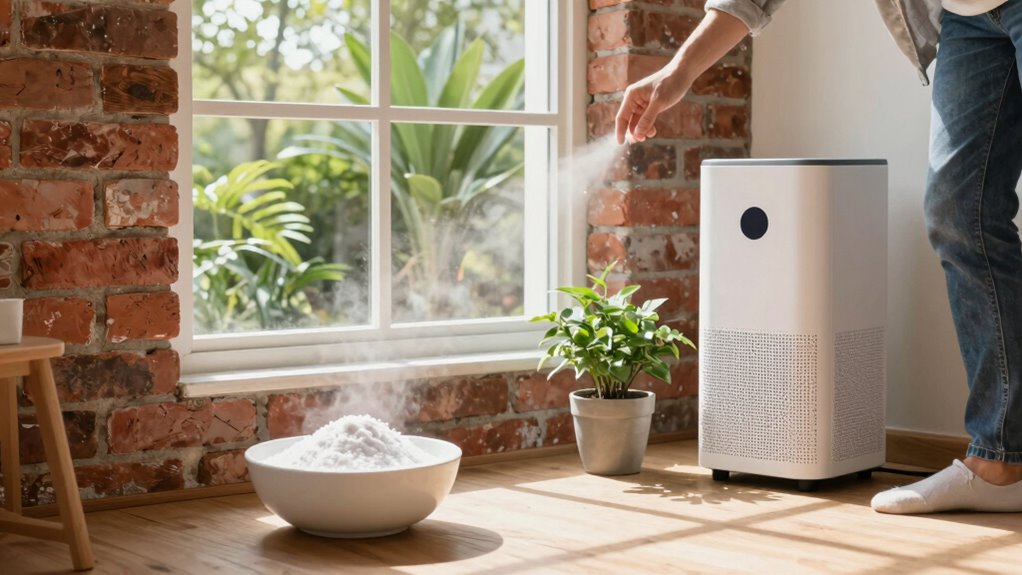
Have you ever wondered why some rooms develop that persistent musty smell? It often boils down to humidity buildup, which creates the perfect environment for organic decay. When moisture lingers in the air, it promotes the growth of mold and mildew, both of which produce that damp odor. Organic decay occurs when materials like wood, paper, and fabric break down over time, especially in humid conditions. This breakdown releases compounds that contribute to the musty smell you notice. Poor ventilation and high moisture levels allow these processes to accelerate, making the scent linger long after the initial cause. Recognizing humidity buildup and organic decay as key factors helps you identify the root cause and take steps to prevent musty odors from forming. Additionally, understanding how indoor air quality impacts odor development can guide effective strategies for maintaining a fresher environment. Improving air circulation can significantly reduce moisture accumulation and inhibit mold growth, further aiding in odor control. Proper ventilation systems can also help to extract excess humidity and improve overall air quality.

Clorox HEPA Air Purifiers for Home, True HEPA Filter, Medium Rooms Up to 1,000 Sq Ft, Removes 99.9% of Mold, Viruses, Wildfire Smoke, Allergens, Pet Allergies, Dust, AUTO Mode, Whisper Quiet
CAPTURES 99.97% OF ALLERGENS AND PARTICULATES* AND 99.9% OF VIRUSES AND BACTERIA.** With the Clorox Air Purifier, you…
As an affiliate, we earn on qualifying purchases.
As an affiliate, we earn on qualifying purchases.
How to Clean and Remove Mold-Related Odors Effectively
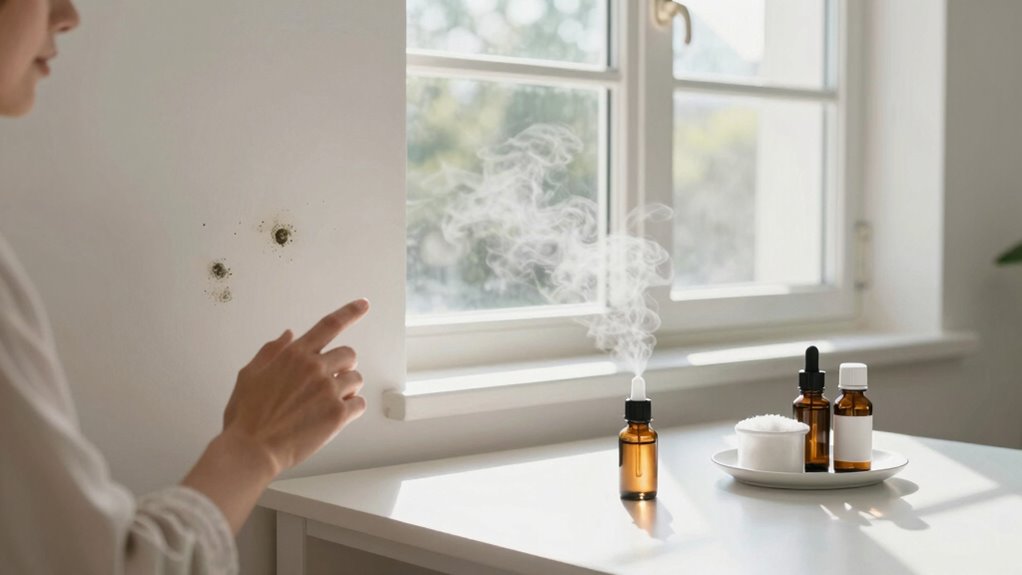
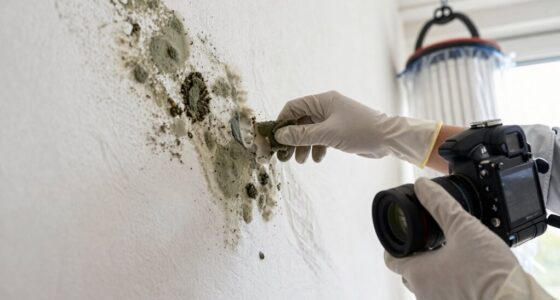
To tackle mold-related odors, you need to identify where the mold is coming from and remove it at the source. Use strong cleaning agents like bleach or specialized mold cleaners to kill spores effectively. Make sure your room is well-ventilated to prevent mold from returning and to help freshen the air. Incorporating proper ventilation strategies can significantly reduce humidity levels, which is crucial for preventing mold growth. Additionally, using air purifiers designed to filter out mold spores can further improve indoor air quality. Understanding the history of airless paint sprayers and how different environments can influence indoor air quality can also provide insights into preventing mold issues. Proper airflow management is essential for maintaining a mold-free environment and ensuring long-term freshness.
Identify Mold Sources
Wondering how to effectively eliminate mold-related odors? The first step is to identify the mold sources. Look for hidden spots like behind drywall, under carpets, or around windows where moisture accumulates. Mold prevention starts with detecting these areas early. Check for water leaks, condensation, or standing water that promote mold growth. Mold growth can also be minimized by understanding moisture control strategies. Pay attention to musty smells, which often indicate mold presence, even if you don’t see visible growth. Controlling humidity is key—aim to keep indoor humidity below 60%. Use a hygrometer to monitor moisture levels regularly. Proper water damage mitigation can prevent mold from developing in the first place. Additionally, employing ventilation techniques helps improve air circulation and reduce indoor moisture levels. By pinpointing mold sources and maintaining proper humidity control, you can stop mold from spreading and prevent odors from returning. This proactive approach is essential for a mold-free, fresh-smelling environment.
Use Effective Cleaning Agents
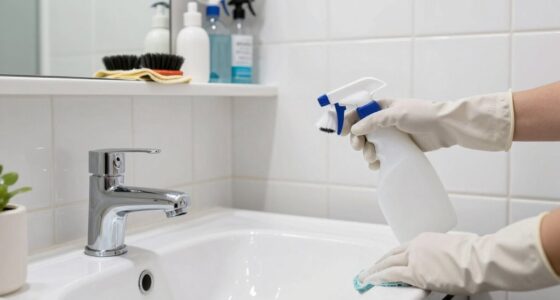
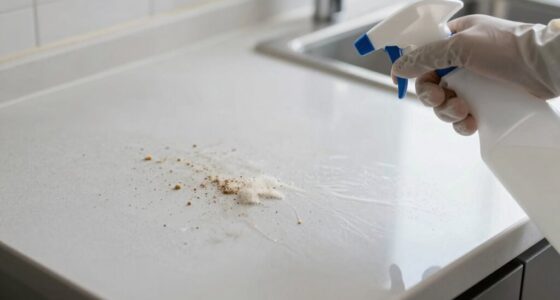
Using the right cleaning agents is vital for effectively removing mold and the odors it causes. Choose cleaning agents specifically designed to combat mold, such as solutions with bleach, white vinegar, or commercial mold removers. These agents break down mold spores and eliminate the source of the smell. For stubborn odors, consider using odor absorbers like activated charcoal, baking soda, or commercial odor neutralizers. Apply cleaning agents directly to affected surfaces, scrubbing thoroughly to guarantee all mold residues are removed. After cleaning, allow surfaces to dry completely. Using effective cleaning agents not only removes visible mold but also helps eradicate lingering musty smells, leaving your room fresh and odor-free. Proper cleaning is a vital step in restoring a healthy, pleasant environment. Cleaning techniques can also be adapted for maintaining small wood stoves to prevent musty odors caused by moisture buildup.
Ensure Proper Ventilation
Proper ventilation is essential for effectively removing mold-related odors and preventing their return. By increasing air circulation and opening windows, you allow fresh air to replace stale, musty air. This process helps dry out damp areas, discouraging mold growth and odor buildup. Regularly opening windows can transform your space from stuffy and stagnant to crisp and invigorating. Additionally, using portable oil radiators safely can help dry moisture-prone areas more efficiently, reducing the risk of mold development. Ensuring adequate airflow is crucial for maintaining a fresh environment and preventing the recurrence of musty smells. Incorporating ventilation fans into your space can further improve air exchange and enhance odor removal. To further enhance airflow, consider installing air quality monitoring devices that can detect moisture levels and mold spores, helping you maintain optimal conditions.
| Breathe Easy | Fresh Air Flow |
|---|---|
| Say goodbye to stale odors | Welcome natural cleaning |
| Create a healthier space | Feel the difference |
Ensuring proper ventilation might seem simple, but it makes a huge difference in eliminating musty smells and keeping your room fresh long-term. Keep air moving, and you’ll notice a significant improvement in your environment.

Clorox Plus Tilex Mold and Mildew Remover with Bleach, Spray Bottle, 32 Fluid Ounces, Unscented, Pack of 3
MOLD REMOVER: One 32 fl. oz. spray bottle of Clorox Plus Tilex Mold and Mildew Remover that harnesses…
As an affiliate, we earn on qualifying purchases.
As an affiliate, we earn on qualifying purchases.
Natural Ways to Freshen Up a Musty Room
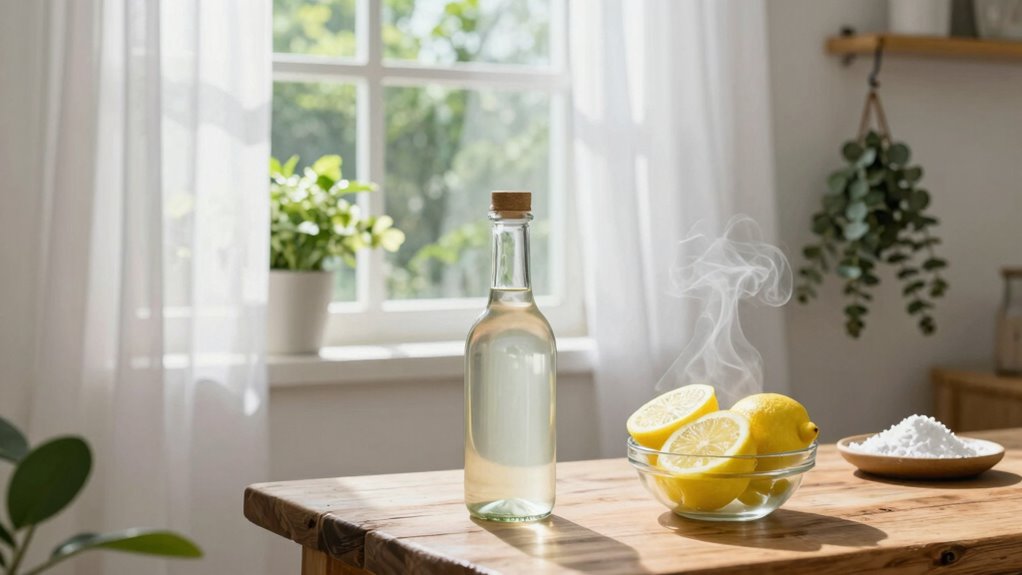
When dealing with a musty smell, natural remedies can be surprisingly effective at freshening up the room without harsh chemicals. You can use simple, natural methods to neutralize odors and refresh the space. Consider these options:
- Diffuse essential oils like tea tree, eucalyptus, or lavender to eliminate mold spores and add a pleasant scent.
- Place bowls of white vinegar or baking soda around the room to absorb odors.
- Light scented candles with natural fragrances, such as citrus or vanilla, to mask lingering odors.
- Use houseplants like ferns or peace lilies, which naturally purify the air and reduce mustiness.
- Explore communication styles that can help improve how you address and resolve issues related to indoor air quality, ensuring a healthier environment for everyone.
- Incorporate natural air purifiers like activated charcoal or specific plants to enhance air quality and combat mustiness naturally. Additionally, choosing air quality improvements that are supported by research can lead to more effective odor control and healthier indoor environments.
These natural solutions work together to create a fresher, cleaner environment without relying on artificial air fresheners.

Fresh Wave Odor Removing Gel, 7 oz., Pack of 3 – Odor Absorbers for Home, Safer Odor Relief, Natural Plant-Based Odor Eliminator, Every 7 oz. lasts 15-30 Days, For Cooking, Trash & Pets
Clear the air and absorb ongoing odors with Fresh Wave Gel. The Gel evaporates as it erases odors…
As an affiliate, we earn on qualifying purchases.
As an affiliate, we earn on qualifying purchases.
How Dehumidifiers and Air Purifiers Prevent Musty Smells
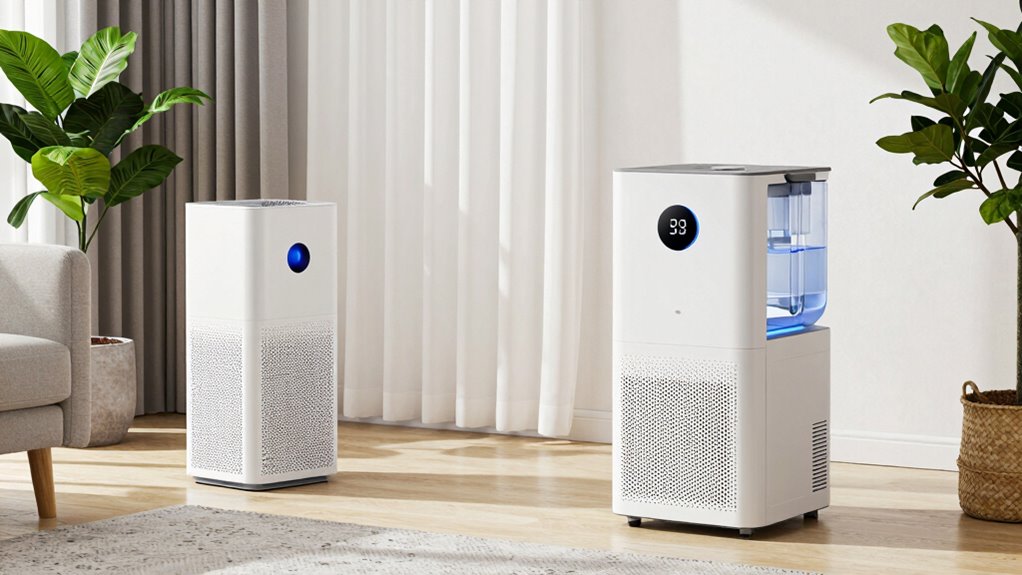
Dehumidifiers and air purifiers help prevent musty smells by removing excess moisture from the air, which reduces mold and mildew growth. They also improve air quality, making your space fresher and healthier. Using these devices regularly keeps musty odors at bay and maintains a cleaner environment. Incorporating air fryer accessories that promote proper ventilation can also aid in controlling humidity levels indoors. Additionally, ensuring proper air purifier maintenance, such as regular filter checks and replacements, enhances their effectiveness in odor elimination.
Removing Excess Moisture
Excess moisture in a room creates the perfect environment for musty odors to develop and linger. To combat this, focus on humidity control and moisture barriers. Proper humidity levels prevent mold growth and reduce musty smells. Consider these strategies:
- Use dehumidifiers to actively remove moisture from the air.
- Seal leaks and cracks with moisture barriers to prevent water intrusion.
- Guarantee proper ventilation, especially in high-humidity areas like bathrooms and basements.
- Regularly check and maintain gutters and drainage systems to avoid excess water buildup.
- Incorporate household guides to better understand and implement effective moisture management techniques.
Improving Air Quality
Improving air quality is essential for preventing musty smells from taking hold in any room. Dehumidifiers and air purifiers work together to reduce moisture and improve air filtration, key to odor control. Air filtration captures airborne particles that cause odors, while dehumidifiers lower humidity levels, preventing mold growth. Air purifiers with activated carbon filters absorb odors directly, stopping musty smells before they spread. Use this table to see their roles:
| Device | Function |
|---|---|
| Dehumidifier | Reduces moisture, prevents mold |
| Air purifier | Removes airborne odor particles |
| Activated carbon | Absorbs persistent odors |
| HEPA filter | Traps dust, allergens |
| Regular maintenance | Keeps devices effective |
Together, they create fresher, cleaner air, stopping musty smells at their source.
Quick Tips to Refresh a Musty Space
Sometimes, a quick refresh is all you need to banish musty odors and make a room feel fresh again. Start by adjusting furniture placement to improve airflow, preventing damp spots and stale air buildup. Next, refresh your space with light, neutral color schemes that brighten the room and reduce the perception of lingering odors. Here are some quick tips:
- Rearrange furniture to maximize ventilation and prevent mold-prone areas.
- Use light-colored, breathable fabrics for curtains and upholstery.
- Open windows and doors to increase fresh air circulation.
- Add a bowl of white vinegar or baking soda to absorb odors naturally.
These simple steps can make a noticeable difference in how your space smells and feels, giving it an instant lift.
Long-Term Strategies to Keep Your Home Odor-Free
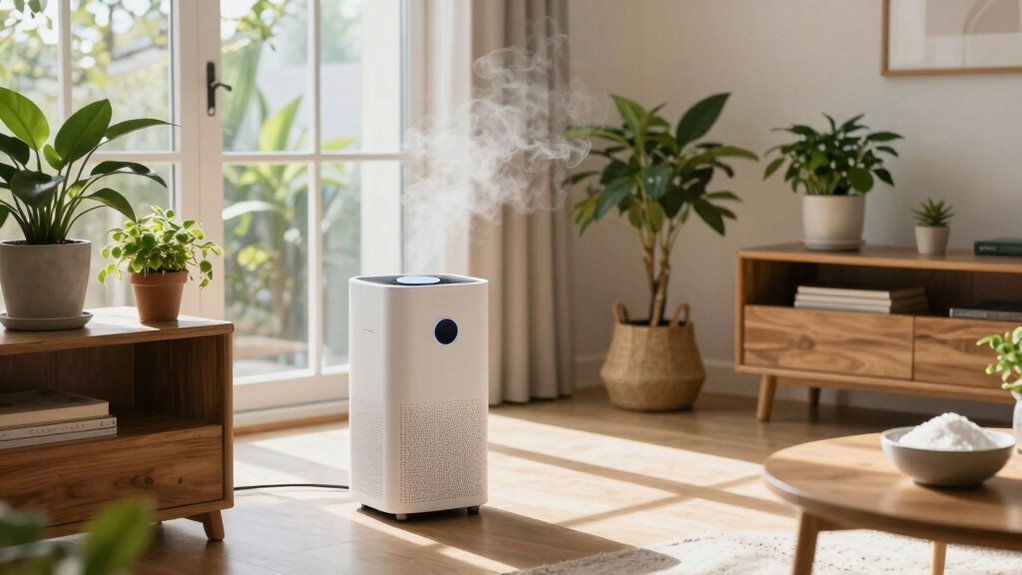
Maintaining a fresh-smelling home requires consistent effort and proactive habits. Regular furniture maintenance, like wiping down surfaces and vacuuming upholstery, helps prevent dust and mold buildup that cause odors. Schedule periodic carpet cleaning to remove deep-seated dirt and moisture that contribute to mustiness. Use natural deodorizers like baking soda on carpets and furniture between cleanings. Improve ventilation by opening windows daily or installing exhaust fans, reducing indoor humidity. Keep humidity levels in check with a dehumidifier, especially in damp areas. Avoid clutter that traps dust and moisture, which can foster mold growth. By staying vigilant with routine cleaning and airflow, you create an environment less conducive to musty smells, ensuring your home stays fresh and inviting long-term.
Frequently Asked Questions
Can Indoor Plants Help Eliminate Musty Odors?
Yes, indoor plants can help eliminate musty odors by improving indoor air quality. They absorb pollutants and increase ventilation, which reduces the dampness that causes musty smells. Plant benefits include natural air purification and humidity regulation, making your space fresher. Keep plants like peace lilies or Boston ferns, known for their air-cleaning properties, around to help combat odors and create a healthier, more inviting environment.
Do Certain Cleaning Products Worsen Musty Smells?
Certain cleaning products, especially some cleaning agents, can make musty odors worse instead of better. Harsh chemicals or strong fragrances might clash with or intensify the smell, turning your space into a scent battleground. Instead, opt for odor neutralizers designed to combat mustiness gently. You need products that eliminate odors at the source rather than mask them, so choose wisely to prevent your room from becoming a scent catastrophe.
How Often Should I Ventilate a Musty Room?
You should ventilate a musty room at least once or twice daily to keep fresh air circulating. Regular ventilation helps prevent mold by reducing humidity and moisture buildup, which are prime causes of musty odors. In high-humidity areas, increase ventilation frequency, especially after activities like showering or cleaning. Consistent airflow plays an essential role in mold prevention, keeping your space dry and smelling fresher longer.
Are Air Fresheners Effective Against Persistent Musty Odors?
Think of air fresheners as band-aids, offering quick relief but not tackling the root cause. They can mask musty odors temporarily, but for persistent smells, an air purifier or odor absorber works better. An air purifier traps mold spores and damp particles, while odor absorbers chemically neutralize the smell. So, if you want lasting freshness, rely on these effective tools instead of just air fresheners.
What DIY Solutions Are Safest for Removing Mold Smells?
You can safely remove mold smells with DIY solutions like baking soda deodorization and mold-resistant paints. Sprinkle baking soda on carpets, furniture, and drapes, then let it sit overnight before vacuuming. Using mold-resistant paints on walls and ceilings helps prevent future odors. These options are non-toxic, affordable, and effective, making them ideal for tackling mold smells without risking your health. Regular cleaning and ventilation also support odor prevention.
Conclusion
Don’t let musty smells take over your home; instead, embrace fresh, clean air. While quick fixes like sprays mask odors temporarily, long-term solutions like dehumidifiers and proper cleaning eliminate the root cause. Think of it as choosing between a fleeting illusion and lasting freshness. By understanding the source and taking proactive steps, you’ll create a space that’s not just odor-free but also healthier and more inviting. Your home deserves nothing less.