
BTUs measure the energy needed to heat or cool a space, helping you choose the right size system. A higher BTU isn’t always better; it depends on your room size, insulation, and usage. An oversized unit can waste energy, while an undersized one won’t keep you comfortable. Getting the right match improves efficiency and comfort. If you want a clear, simple explanation of how to choose the perfect BTU, keep exploring how it all works.
Key Takeaways
- BTU measures energy needed to raise 1 pound of water by 1°F, indicating heating or cooling capacity.
- Higher BTU doesn’t always mean better performance; proper sizing ensures efficiency and comfort.
- Match BTU ratings to room size and insulation for optimal heating and cooling.
- Oversized units cycle too often, wasting energy and causing uneven temperatures; undersized units struggle to work effectively.
- Correct BTU sizing improves energy savings, reduces noise, and maintains consistent indoor comfort.

BESTWYA Basic Calculators for Students, Basic Calculator with Dual Power 8 Digit Small Pocket Size Handheld for Classroom Desktop Home (Black,Set of 5)
Calculators for Classroom – The pocket size calculators are great for back to school.Our calculator has an ergonomic…
As an affiliate, we earn on qualifying purchases.
As an affiliate, we earn on qualifying purchases.
What Is a BTU and Why Is It Important?
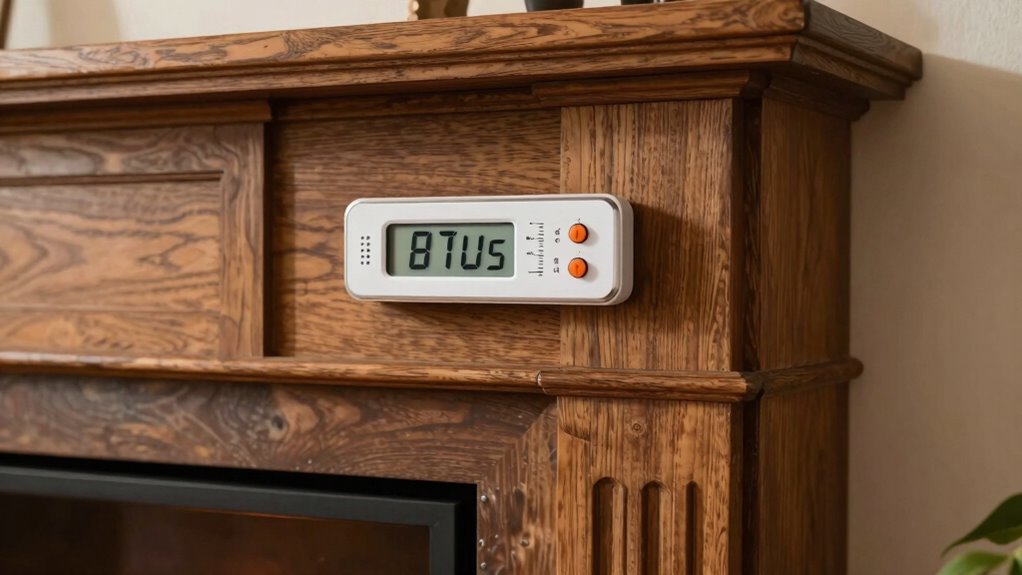
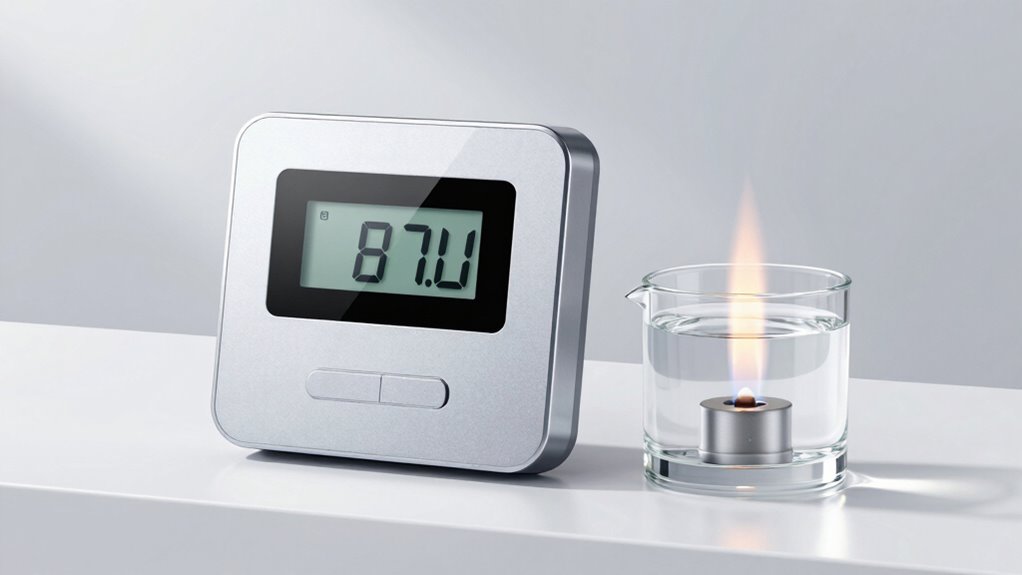
Have you ever wondered what a BTU actually measures? It’s a unit of energy that originated from historical origins in the British system, where it was first used to compare the heat content of fuels. A BTU, or British Thermal Unit, measures the amount of heat needed to raise one pound of water by one degree Fahrenheit. Understanding this measurement unit is essential because it helps you determine how much heating or cooling power you need for a space. Knowing the importance of BTUs guarantees you select appliances or systems that are properly sized, preventing inefficiency or discomfort. In short, BTUs are critical for understanding heat transfer and maintaining comfortable indoor environments. Additionally, accurate sizing of heating and cooling systems is vital to avoid unnecessary energy consumption and costs, which can be influenced by factors like climate conditions and the specific characteristics of your space. Recognizing the role of energy units like BTUs can help you make better decisions about your indoor climate control needs. Understanding thermal efficiency can further enhance your ability to choose effective heating and cooling solutions.

DREO Space Heater, Portable Electric Heaters for Indoor Use with Thermostat and Remote, 2024 Upgraded, Digital Display, 12H Timer, 5 Mode, 1500W PTC Ceramic Fast Safety Heat for Office Bedroom Home
Powerful heat that fits everywhere: DREO space heaters for indoor combines Hyperamics 1500W advanced PTC system with a…
As an affiliate, we earn on qualifying purchases.
As an affiliate, we earn on qualifying purchases.
How to Determine the Right BTU for Your Room
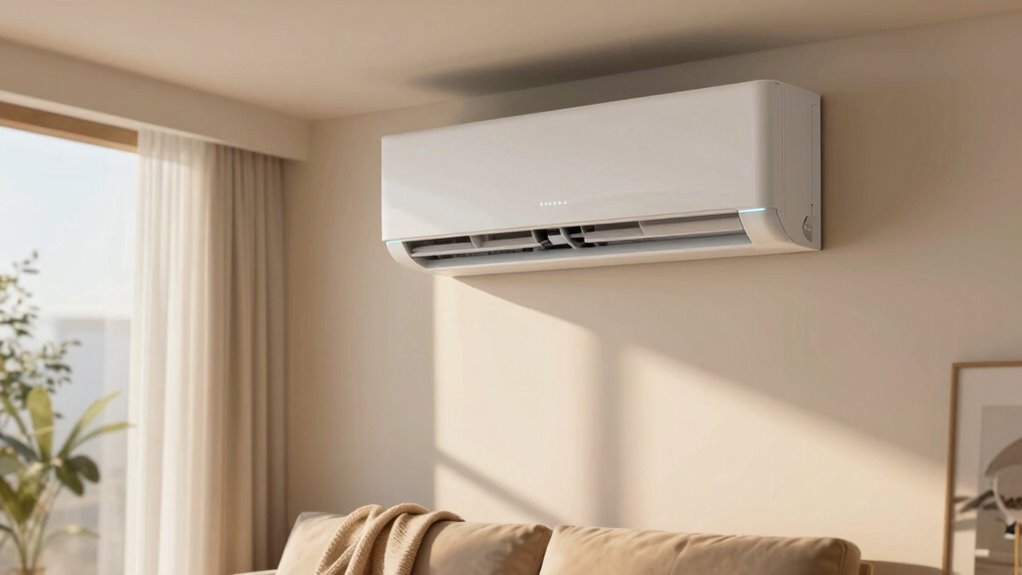
Determining the right BTU for your room involves considering several key factors, including the room’s size, insulation, and purpose. Larger rooms require higher BTUs to cool or heat effectively, while well-insulated spaces need fewer. Think about how you use the room—if it’s a bedroom, you might prefer a quieter, energy-efficient option, possibly with eco-friendly options that reduce environmental impact. For example, understanding consumer ethics can guide you in choosing energy-efficient appliances that align with your values. Additionally, researching energy efficiency ratings can help you compare appliances and make informed decisions that support sustainability. The importance of proper sizing ensures your system provides optimal comfort without wasting energy. Incorporating indoor air quality considerations, like minimizing dust and pollutants, can further enhance your living environment. For living areas, higher BTUs ensure comfort during peak temperatures. Using smart home technology can help you optimize energy use by controlling your system remotely or setting schedules, saving power and money. Always select a unit with the appropriate BTU rating to avoid inefficiency or inadequate temperature control. By evaluating these factors, you can choose a system that’s both effective and aligned with your eco-conscious goals.

Feelfunn 8000 BTU Portable Air Conditioner, 3-in-1 Cools 350 Sq.Ft, Quiet AC with Fan & Dehumidifier, LED Display, Remote, 24H Timer, Window Kit, for Bedroom/Office/Dorms
【8000 BTU Fast Cooling】Powerful 8000 BTU ASHRAE (5000 BTU SACC) portable air conditioner cools bedrooms, living rooms, offices,…
As an affiliate, we earn on qualifying purchases.
As an affiliate, we earn on qualifying purchases.
How to Read and Compare BTU Ratings on ACs and Heaters
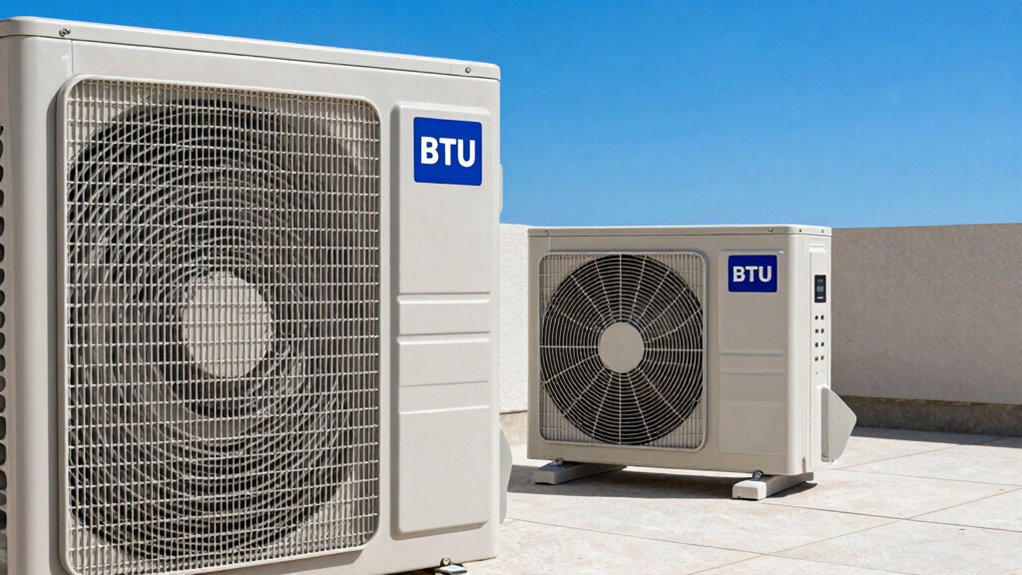
Understanding BTU measurements helps you compare how powerful different ACs and heaters are. When reading ratings, look for clear numbers that reflect the unit’s capacity for cooling or heating. Support networks for new fathers can also provide valuable advice on managing stress and responsibilities during seasonal changes. By comparing these ratings, you can choose the right appliance to efficiently heat or cool your space, especially when considering home design and architecture details like door swings and stair proportions to optimize energy use.
Understanding BTU Measurements
BTU, or British Thermal Unit, is a standard measurement used to gauge the heating or cooling capacity of appliances like air conditioners and heaters. When reading BTU ratings, consider your indoor humidity and seasonal temperature changes. Understanding power requirements can help ensure your appliances operate safely and efficiently. A higher BTU doesn’t always mean better; it depends on your space’s size and conditions. For example, in humid climates, you might need a unit with a higher BTU to effectively remove moisture and maintain comfort. During colder seasons, a heater with the right BTU ensures your space warms efficiently without wasting energy. Comparing BTU ratings helps you choose appliances suited to your environment, guaranteeing ideal comfort. Remember, understanding these measurements allows you to match your needs with the right capacity, making your heating or cooling more effective and efficient. Additionally, just as airless paint sprayers offer benefits like efficient application and smooth finishes, selecting the right BTU rating ensures optimal performance of your heating or cooling appliances. Being aware of affiliate marketing practices can also guide you in making unbiased and informed purchasing decisions.
Comparing AC and Heater Ratings
When comparing the BTU ratings on air conditioners and heaters, it’s important to look beyond just the numbers. A higher BTU doesn’t always mean better performance; it’s about matching the rating to your space. For air filtration, consider units with filters suited to your needs, as this impacts efficiency and air quality. When choosing between models, check the manufacturer’s guidelines on room size to guarantee proper heating or cooling power. Maintenance tips are vital: regularly clean filters and vents to keep the system running smoothly, preserving its BTU effectiveness. Also, note that a system with the right BTU rating will operate more efficiently, saving energy and prolonging its lifespan. Proper comparison helps you select the best option for comfort, air quality, and ongoing upkeep.

Amazon Smart Thermostat – Save money and energy – Works with Alexa and Ring – C-wire required
Smart upgrade – Amazon Smart Thermostat is an easy way to switch from a traditional thermostat and help…
As an affiliate, we earn on qualifying purchases.
As an affiliate, we earn on qualifying purchases.
Common Myths About BTUs Debunked
Many people believe that a higher BTU rating always means better heating or cooling, but this isn’t true. Overestimating BTU needs can lead to poor HVAC efficiency, causing your system to work harder than necessary. Overly large units may quickly reach the desired temperature but struggle with temperature stabilization, resulting in uneven comfort and increased energy bills. Conversely, a unit with too low a BTU rating won’t adequately heat or cool your space, leaving you uncomfortable. The key is understanding your room size, insulation, and airflow, rather than just chasing higher numbers. Properly matched BTUs ensure effective HVAC efficiency and consistent temperature control, debunking the myth that bigger is always better. Proper equipment matching is essential for achieving optimal performance and energy savings. Additionally, considering HVAC system efficiency can further optimize your home’s climate control and energy consumption. Properly assessing your space’s load requirements can help prevent overspending on unnecessary capacity.
Tips for Choosing an Energy-Efficient BTU Size
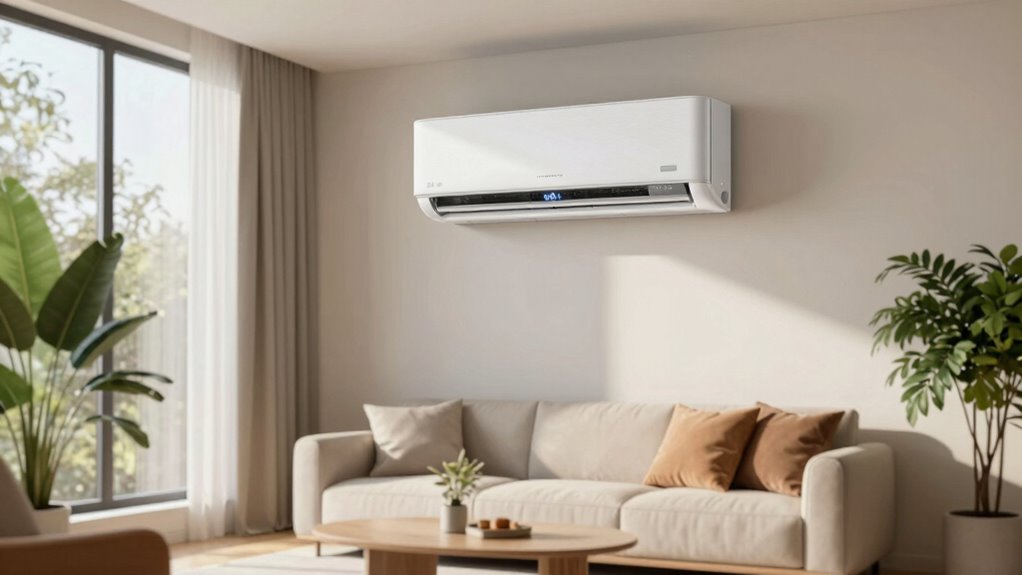
Choosing the right BTU size depends on your room’s size, so make sure it matches to maximize efficiency. Smaller units save energy but may struggle in larger spaces, while bigger ones can waste power and create noise. Keep these factors in mind to find a balance between comfort, energy savings, and quiet operation. Additionally, considering water efficiency can help prevent unnecessary energy consumption and reduce your overall utility costs. Properly matching your unit’s capacity to your space ensures optimal performance and prevents unnecessary strain on your system, which is closely related to energy consumption and overall efficiency. Being aware of air flow also plays a crucial role in maintaining an effective and energy-efficient cooling system. Understanding how rhythm failure impacts system performance can help in diagnosing and preventing efficiency issues. When selecting a unit, don’t overlook the importance of system maintenance to keep it running smoothly and efficiently over time.
Room Size Compatibility
Matching your air conditioner’s BTU size to your room’s size is essential for energy efficiency and ideal cooling. If the BTU is too high, your unit will cool quickly but cycle on and off frequently, wasting energy. Too low, and it won’t cool effectively, making your space uncomfortable. Consider room size, insulation, and interior design to find the right fit. Properly sized units promote better airflow and aesthetic appeal by avoiding bulky, underperforming units. Additionally, understanding hormesis can help you appreciate how small, controlled stressors like temperature variations can promote overall wellness. Here’s a quick guide:
| Room Size | Recommended BTU Range |
|---|---|
| 100-300 sq ft | 5,000-8,000 BTU |
| 300-500 sq ft | 8,000-12,000 BTU |
| 500-700 sq ft | 12,000-18,000 BTU |
| 700+ sq ft | 18,000+ BTU |
Choosing the right size guarantees comfort and enhances your interior design.
Energy Savings Benefits
Are you aware that selecting the right BTU size can considerably reduce your energy bills? Properly sizing your unit not only improves comfort but also saves energy. Understanding Btu history helps you appreciate how these measurements evolved to meet growing global energy demands efficiently. An appropriately sized unit consumes less power, reducing your carbon footprint and lowering utility costs. Oversized units cycle on and off frequently, wasting energy, while undersized units struggle to heat or cool effectively, leading to higher energy use. By choosing a BTU size tailored to your space, you optimize energy efficiency and contribute to global energy conservation efforts. This mindful approach guarantees you get the best performance while minimizing unnecessary energy consumption and expenses.
Noise Level Considerations
Have you considered how noise levels impact your comfort and energy efficiency when selecting a BTU size? Choosing the right unit involves more than just cooling capacity; sound insulation plays a key role in noise reduction. An oversized AC can cycle on and off frequently, causing disruptive noise, while a properly sized unit minimizes unnecessary noise. Look for models with sound insulation features, like insulated cabinets or quieter compressors, to enhance noise reduction. Consider your space’s layout and whether you need a quieter environment, especially if you sleep or work at home. A quieter unit not only improves comfort but also reduces overall noise pollution. Prioritizing noise level considerations guarantees your AC provides comfort without disturbing your peace or increasing energy costs.
How BTU Size Affects Your Comfort and Energy Use
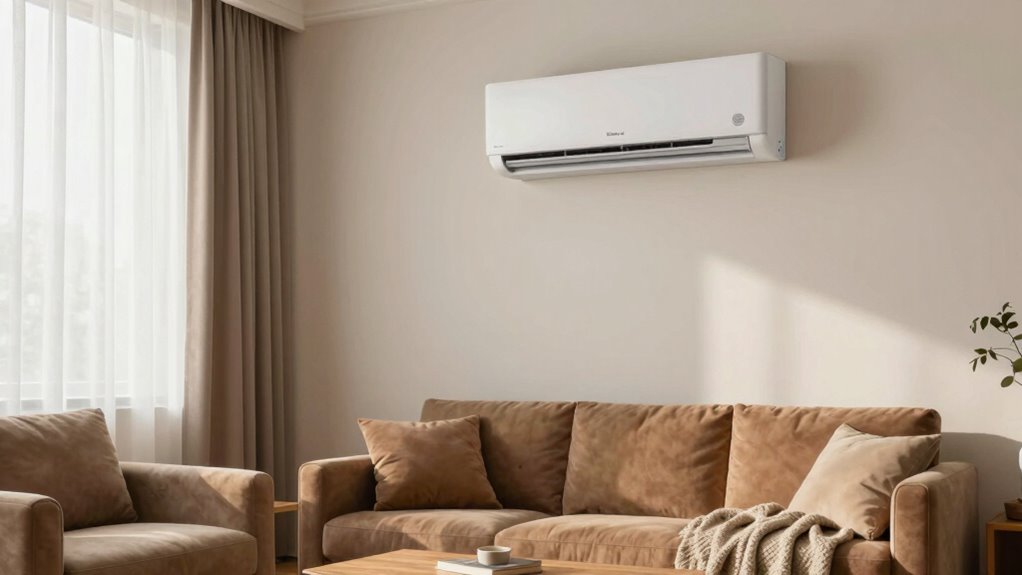
Choosing the right BTU size for your space directly impacts both your comfort and energy efficiency. A properly sized unit guarantees your room heats or cools efficiently, preventing energy waste. If the BTU is too high, it can cause short cycling, leading to fluctuating indoor air quality and uneven temperatures. Conversely, a unit with too low a BTU won’t effectively regulate temperature, making you work harder and increasing energy bills. Proper sizing also preserves your aesthetic design by avoiding bulky or underperforming units. Additionally, ideal BTU sizing maintains good indoor air quality by reducing excess moisture and pollutants. When you select the right size, you enjoy consistent comfort, lower energy costs, and an overall pleasing environment that complements your home’s design.
Frequently Asked Questions
Can BTU Ratings Change Over Time With Device Wear?
BTU ratings can change over time due to efficiency degradation and calibration accuracy issues. As devices age, they often become less efficient, which may lead to slightly lower BTU outputs. Additionally, calibration drift can cause inaccurate readings, making the device seem less or more powerful than it truly is. Regular maintenance and recalibration help guarantee your device maintains its original BTU rating for peak performance.
Are Higher BTU Ratings Always Better for Every Space?
Think of choosing a BTU rating like picking a pair of shoes; bigger isn’t always better. Higher BTU ratings heat a space faster but can waste energy if the room is small. It may also lead to higher noise levels and reduced energy efficiency. So, for every space, select a unit that matches its size and insulation. Otherwise, you risk discomfort, noise, and higher energy bills.
How Does Insulation Affect BTU Requirements?
Insulation considerably impacts BTU requirements by reducing heat transfer, which improves energy efficiency. When your space is well-insulated, it needs less heating or cooling power because insulation traps heat during winter and blocks it during summer. This means you can use a lower BTU unit, saving energy and money. Proper insulation minimizes energy loss, making your heating and cooling systems more effective and efficient, regardless of the BTU rating.
Do Different Brands Rate BTUS Differently?
Yes, different brands can rate BTUs differently, influencing your decision. Some brands prioritize energy efficiency, ensuring you get more cooling or heating per BTU, while others might focus on lower noise levels, affecting comfort. These variations mean that two units with the same BTU rating might perform differently in your space. Always check the specifications and reviews to find a brand that balances efficiency and quiet operation, matching your needs perfectly.
Is There a Universal BTU Standard Across Appliances?
There isn’t a universal BTU standard across appliances, as different brands may rate their units differently, especially regarding energy efficiency and cooling capacity. When comparing BTUs, you should focus on the appliance’s efficiency and how well it meets your needs rather than just the number. Always check the manufacturer’s specifications and energy ratings to verify you’re choosing an appliance with the right cooling capacity and energy efficiency for your space.
Conclusion
Understanding BTUs might seem like a puzzle, but now you hold the key to accessing it. By choosing the right BTU, you’re not just optimizing comfort—you’re also saving energy and money. Think of BTUs as the heartbeat of your heating and cooling needs; when they beat in sync with your space, everything feels just right. So, embrace the knowledge, and let your home be a sanctuary of perfect temperature—where comfort isn’t just a dream, but a reality.