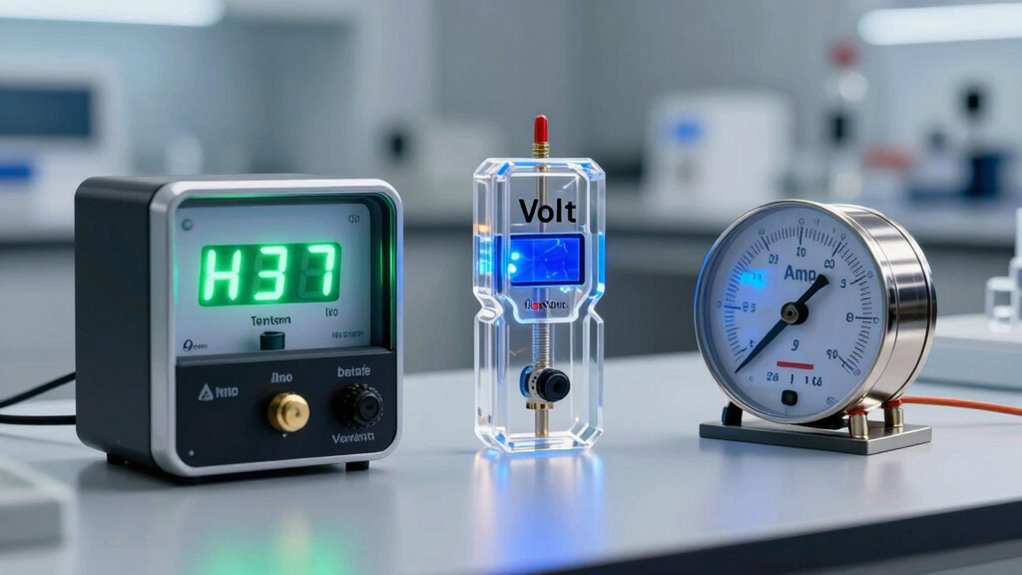

Watt, volt, and amp are basic units that describe how electricity works in your devices. Volts measure the electrical pressure pushing current through a circuit. Amps show how much current flows at a given pressure. Watts tell you how much work, or power, the device consumes by combining volts and amps. Understanding these helps you pick safe, efficient devices and manage your electricity properly. If you want to learn how they connect and impact your home, keep exploring.
Key Takeaways
- Watts measure power, volts measure electrical pressure, and amps measure current flow in a circuit.
- The formula Watts = Volts × Amps shows how they relate mathematically.
- Higher voltage pushes more current, affecting power consumption and device performance.
- Proper device selection relies on understanding these units to prevent overloads and ensure safety.
- These measurements help manage energy use, improve efficiency, and maintain electrical safety.

Klein Tools MM325 Multimeter, Digital Manual-Ranging 600V AC/DC Voltage Tester, Tests Batteries, Current, Resistance, Diodes, and Continuity
VERSATILE FUNCTIONALITY: Measures AC/DC voltage up to 600V, 10A DC current, 2MΩ resistance; additional features include continuity, diode…
As an affiliate, we earn on qualifying purchases.
As an affiliate, we earn on qualifying purchases.
What Are Watts, Volts, and Amps? A Simple Explanation
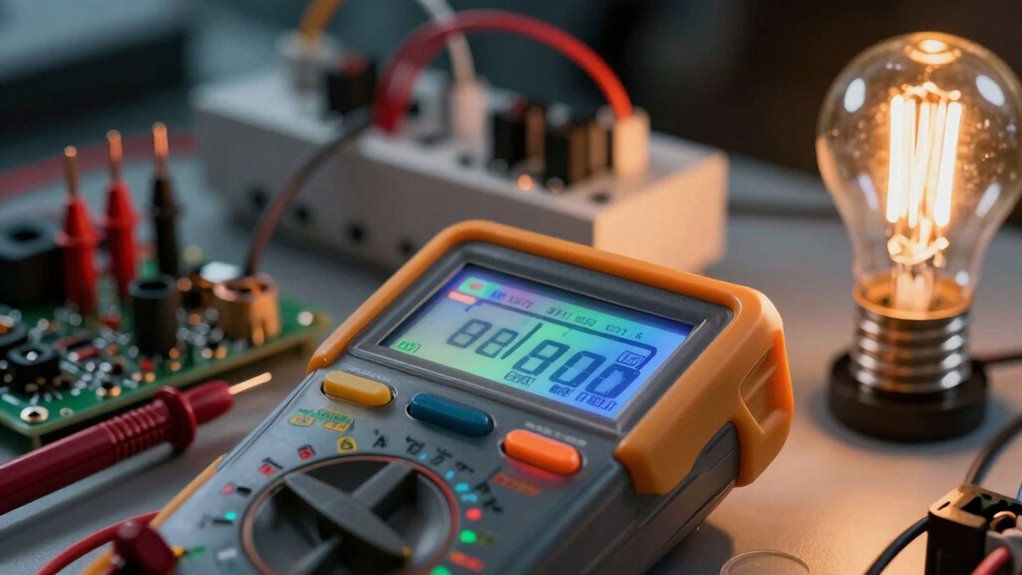
Ever wondered what watts, volts, and amps really mean? In electrical theory, these are crucial for understanding how electricity works. Watts measure power, which tells you how much work electricity can do over time. Volts indicate voltage, or the electrical pressure that pushes current through a circuit. Amps, or amperes, measure current, showing how many electrons flow past a point each second. Together, these units are essential for power calculations, helping you determine the energy consumption of devices. For example, knowing the wattage helps you estimate how much electricity a device uses, while voltage and current reveal how it functions within a circuit. Grasping these basics gives you a clearer picture of electrical systems and how they operate in everyday appliances.
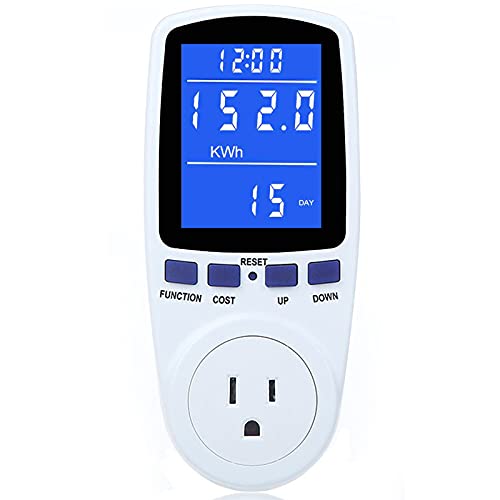
Upgraded Watt Power Meter Plug Home Electrical Usage Monitor Consumption, Energy Voltage Amps Kill Tester with Backlight, Overload Protection, 7 Modes Display
Various Monitoring Parameters: The power meter plug can monitor the power (W), energy (kWh), volts, amps, hertz, power…
As an affiliate, we earn on qualifying purchases.
As an affiliate, we earn on qualifying purchases.
How Watts, Volts, and Amps Are Connected in Household Electricity
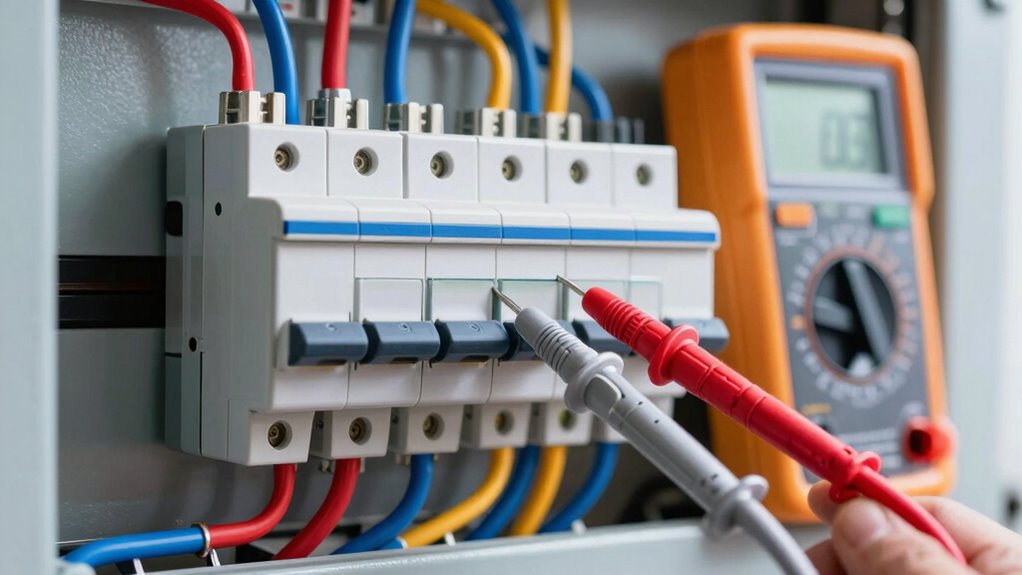
In household electricity, watts, volts, and amps are interconnected to determine how appliances operate and how much energy they consume. When you turn on an appliance, electrical resistance within its components affects how much current flows at a given voltage. Higher resistance means less current, while lower resistance allows more current. Watts represent the power your appliance uses, calculated by multiplying volts and amps. Power conversion occurs as electrical energy is transformed into useful work or heat. If resistance increases, it can limit current flow, affecting wattage and overall efficiency. Understanding these connections helps you see how voltage pushes current through resistance, resulting in watts. This relationship explains why appliances need specific voltages and why their energy consumption depends on both voltage and current. Additionally, high-tech vaping innovations demonstrate how modern devices utilize these electrical principles to enhance performance and safety. Recognizing electrical resistance in household systems is crucial for optimizing energy use and ensuring safety.

Klein Tools NCVT1P Voltage Tester, Non-Contact Low Voltage Tester Pen, 50V to 1000V AC, Audible and Flashing LED Alarms, Pocket Clip
NON-CONTACT DETECTION of AC voltage in cables, cords, circuit breakers, lighting fixtures, switches, non-tamper-resistant outlets, and wires
As an affiliate, we earn on qualifying purchases.
As an affiliate, we earn on qualifying purchases.
Real-Life Examples of Watts, Volts, and Amps in Action
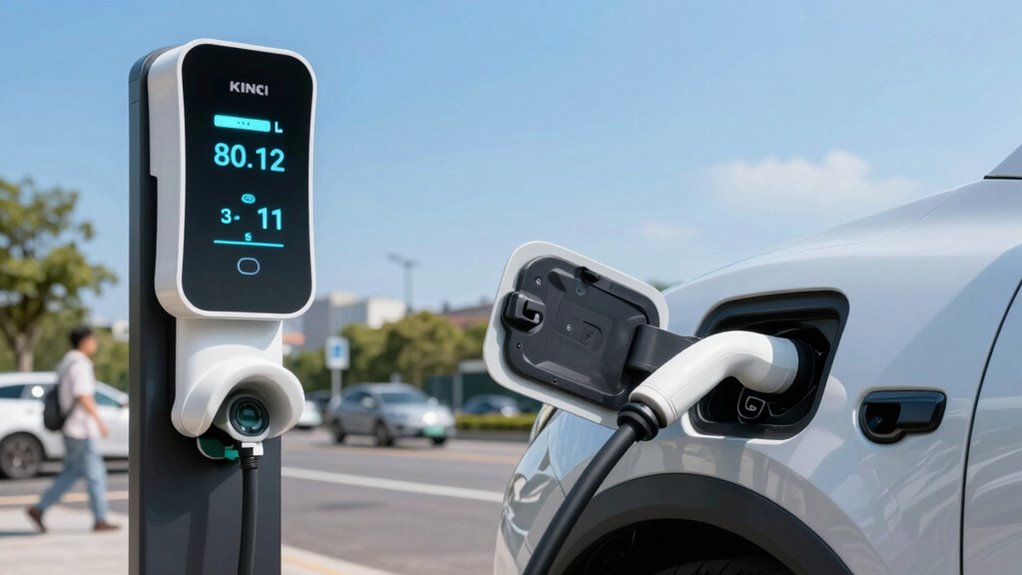
You see watts, volts, and amps working together whenever you turn on household appliances or start your vehicle. For example, a microwave might use 1000 watts, operate at 120 volts, and draw about 8.3 amps. These numbers show how electrical concepts play out in everyday devices and vehicle systems. Understanding electrical measurements can help you better grasp how your appliances function and ensure safe usage. Additionally, knowing the power consumption of devices can assist in managing energy efficiency and preventing overloads. Recognizing how these measurements relate to each other can also help you make informed decisions about energy management, especially considering regional differences in voltage standards across different states. Being aware of regional voltage differences can prevent equipment damage and optimize your energy use.
Household Appliance Power Use
Understanding how Watts, Volts, and Amps work together can help you better grasp your household appliances’ power consumption. For example, a refrigerator might use 150 Watts, operating on 120 Volts with about 1.25 Amps. Energy efficiency plays a key role here, as newer models consume less power for the same performance. If you’re interested in renewable sources, solar-powered appliances often have lower power requirements, reducing overall energy use. When you choose energy-efficient appliances, you’re not only saving money but also decreasing your environmental impact. Recognizing how these electrical measurements relate helps you select devices suited to your home’s power capacity. Electrical measurements are fundamental to understanding appliance performance and energy use. By understanding your appliances’ power needs, you can better manage your energy consumption and support sustainable, renewable energy solutions. Additionally, understanding power ratings can help you compare different appliances and ensure your home’s electrical system can handle the load.
Vehicle Electrical Systems
Vehicle electrical systems rely on the precise interplay of watts, volts, and amps to power everything from headlights to onboard computers. When you plug in an electric vehicle for charging, the system manages watts, volts, and amps to guarantee safe and efficient charging. Higher voltage chargers deliver more power faster, but amps determine the current flow. Proper battery management depends on this balance to prevent overcharging or damage. For example, during electric vehicle charging, the system monitors amperage to control the charge rate, optimizing battery health. This regulation ensures your car’s electrical system functions smoothly, safely, and efficiently. Understanding these concepts helps you appreciate how vehicle electrical systems operate seamlessly, whether powering accessories or managing high-voltage batteries during charging, especially when considering synthetic lubricants to improve component longevity and performance.
Upgraded Watt Power Meter Plug Home Electrical Usage Monitor Consumption, Energy Voltage Amps Kill Tester with Backlight, Overload Protection, 7 Modes Display
Various Monitoring Parameters: The power meter plug can monitor the power (W), energy (kWh), volts, amps, hertz, power…
As an affiliate, we earn on qualifying purchases.
As an affiliate, we earn on qualifying purchases.
Why Understanding These Electrical Terms Matters for Safety
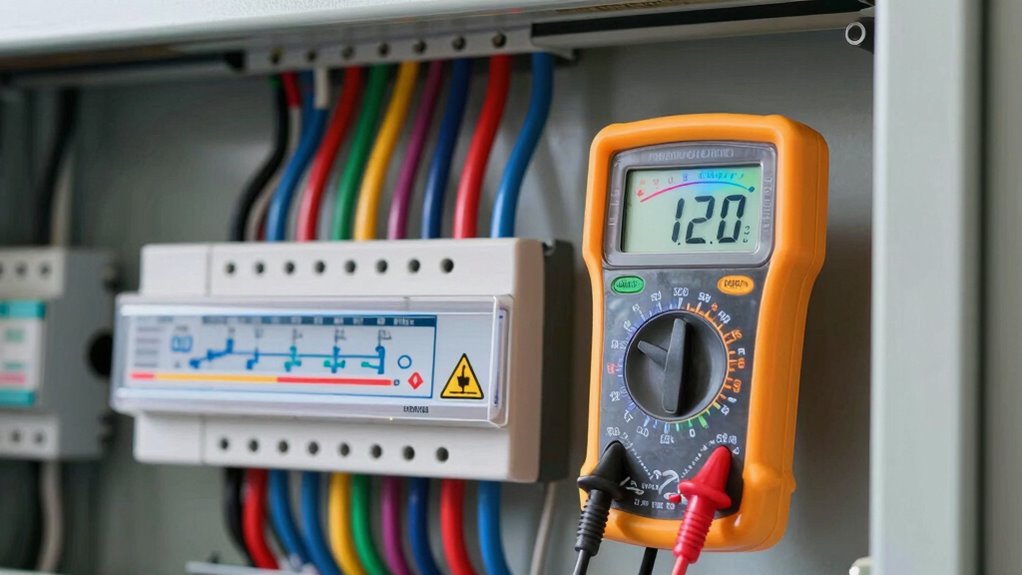
Grasping the differences between watts, volts, and amps is essential because these terms directly relate to electrical safety. Understanding them helps you prevent accidents, such as electrical shocks or fires. For example, knowing your circuit breaker ratings ensures you don’t overload your system, reducing the risk of tripping or damaging wiring. Proper electrical insulation also plays a critical role in safety, preventing accidental contact with live wires. When you understand the flow of current (amps), the voltage involved, and the power (watts), you’re better equipped to handle electrical systems safely. Misjudging these can lead to dangerous situations, like overheating or short circuits. Additionally, being aware of how electricity flows through dust and debris can help prevent hazards caused by dust buildup or microplastics. Understanding electrical terminology allows you to better interpret and respond to potential hazards in your environment. Recognizing the impact of unexpected weather changes on electrical systems can help you take precautions against outages or damage. By learning these terms, you empower yourself to maintain a safe environment and avoid costly hazards. Being mindful of energetic alignment and how it influences your connection with electrical systems can also enhance your awareness of safety. Knowing how microplastics can affect electrical insulation adds another layer of understanding for safe operation.
How to Choose Devices Based on Watts, Volts, and Amps
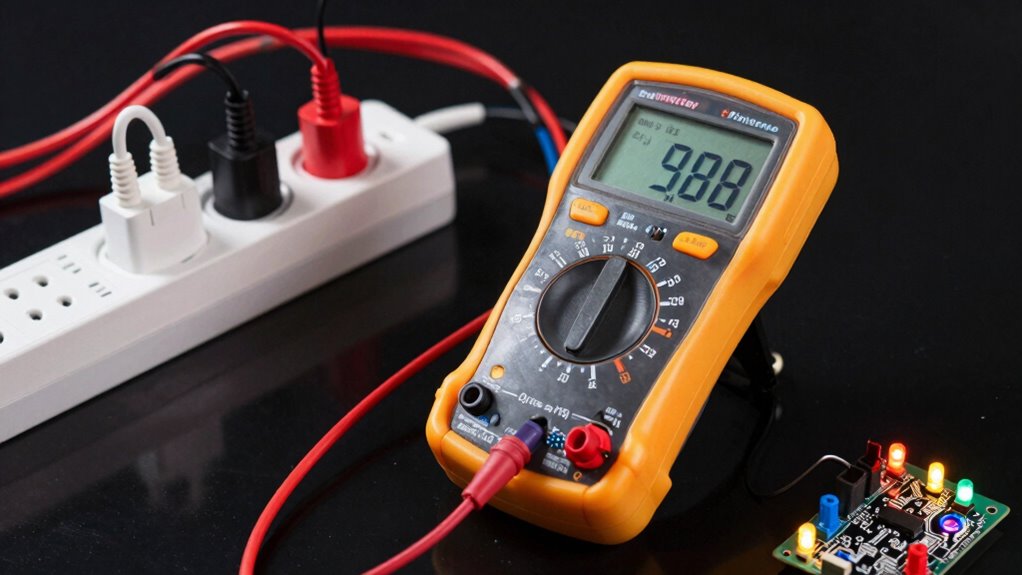
When selecting electrical devices, it’s essential to match their power requirements with the capacity of your circuit. Check the device’s wattage to guarantee it doesn’t overload your system, promoting energy efficiency and preventing damage. Consider the voltage rating to confirm electrical compatibility with your outlets and wiring. Amperage is also important, as it tells you how much current the device draws; choosing a device with the right amps avoids tripping circuit breakers. Always select devices that match or are below your circuit’s limits to maintain safety and performance. By understanding how watts, volts, and amps relate, you make smarter choices that optimize energy use and assure your electrical system works smoothly without unnecessary strain or risk. Recognizing the relationship between these measurements can help you better understand and manage your electrical system’s capacity.
Tips for Safely Managing Electricity at Home
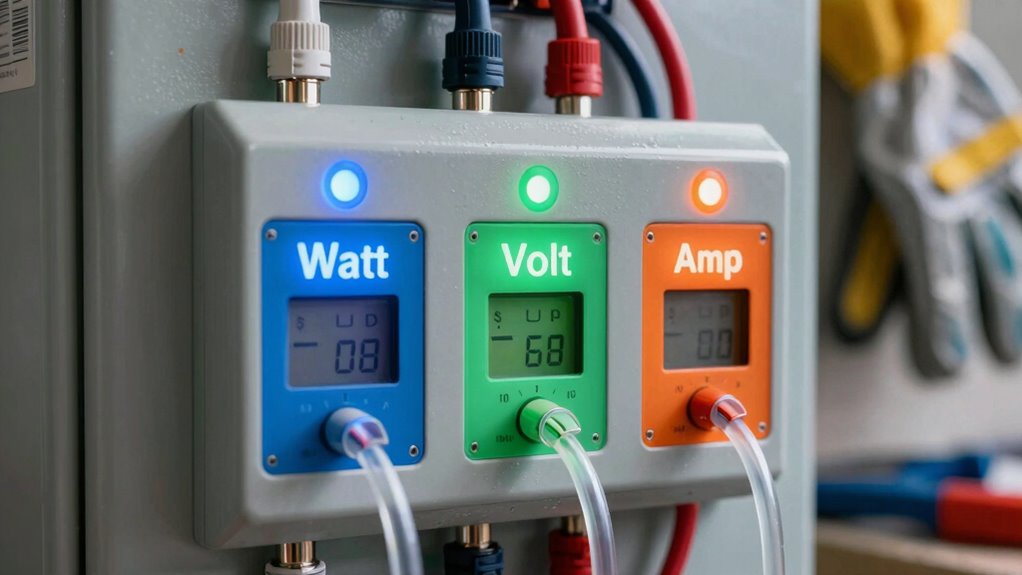
To keep your home safe, you should manage circuit loads carefully to prevent overloads. Always use the right equipment for the job and guarantee it’s in good condition before plugging in. Regular electrical inspections help catch issues early and keep your system running safely. Additionally, understanding the performance of electrical components can help you make better choices when upgrading or maintaining your electrical system. Being aware of electrical safety tips can further reduce the risk of accidents or damage. Incorporating energy-efficient practices from concepts like natural pools and solar-powered outdoor features can also contribute to a safer and more sustainable electrical setup. Properly managing your electrical devices and understanding their energy consumption can lead to significant safety and cost benefits. Monitoring your circuit loads regularly is essential for avoiding overloads and ensuring continued safety.
Proper Circuit Load Management
Managing your home’s electrical load is essential for safety and efficiency, especially as you add more devices. To prevent overloads, distribute appliances across different circuits and avoid plugging too many high-wattage items into one outlet. This helps prevent electrical overloads and potential hazards. This not only protects your wiring but also enhances energy efficiency by reducing unnecessary waste. Consider integrating renewable sources like solar panels to supplement your power needs, which can lighten the load on your main circuit. Regularly check your circuit breakers to confirm they trip when needed, signaling overloads before damage occurs. Keep an eye on the total current flow, and avoid exceeding the rated capacity of your wiring. Proper load management helps you save energy, reduces fire risks, and extends the lifespan of your electrical system. Being aware of proper circuit load management can help you create safer, more efficient electrical setups at home. Additionally, understanding electrical capacity can assist in better planning your home’s power distribution. Staying informed about emerging AI cybersecurity jobs can help you adapt to evolving safety challenges in your electrical systems.
Use Correct Equipment Safely
Using the correct electrical equipment is essential for safety at home. Always choose devices that are compatible with your electrical system and match the voltage and wattage ratings. Using equipment not designed for your outlet or circuit can cause overheating, sparks, or fires. Check labels and specifications before plugging in appliances or tools. Avoid overloading outlets and extension cords, which can compromise electrical safety. Confirm cords are undamaged and rated for your needs. When in doubt, consult an electrician to verify equipment compatibility. Properly rated and compatible devices reduce the risk of electrical hazards and ensure safe operation. By selecting the right equipment and understanding electrical safety practices, you protect yourself and your home from preventable accidents.
Regular Electrical Inspections
Regular electrical inspections are a crucial step in keeping your home safe from electrical hazards. They guarantee electrical code compliance, helping prevent fires and shocks caused by outdated or faulty wiring. During inspections, a professional checks for signs of wear, overheating, or damage that could compromise safety. These visits also promote energy efficiency strategies by identifying appliances or wiring issues that waste power, saving you money. Regular inspections give you peace of mind, knowing your system operates safely and efficiently. Plus, they help catch potential problems early, avoiding costly repairs later. Staying proactive with these checkups not only protects your loved ones but also ensures your home remains compliant with local electrical standards. Schedule inspections regularly to maintain a safe, efficient electrical system.
Frequently Asked Questions
How Do Watts, Volts, and Amps Affect Energy Efficiency?
Watts, volts, and amps directly influence your device’s power consumption and energy efficiency. Higher wattage means more energy use, but understanding volts and amps helps you optimize performance. By choosing appliances with lower wattage or managing voltage and current flow, you can reduce power consumption and boost energy savings. This understanding helps you make smarter choices, ultimately lowering your electricity bills and reducing environmental impact.
Can You Convert Watts to Amps Directly?
Like deciphering a secret code, converting watts to amps isn’t direct. You need to perform power conversion using the formula: amps = watts divided by volts. To do this accurately, you must know the voltage of your device for precise voltage calculation. Without voltage, you can’t convert watts to amps directly, as both are linked through the power equation, emphasizing that understanding the context is key to effective power conversion.
Why Do Some Appliances Have Different Voltage Requirements?
You see different voltage requirements in appliances because of their design and intended use, impacting appliance compatibility. Voltage regulation guarantees appliances operate safely and efficiently across various power systems. Some devices need higher voltage to function correctly, while others are designed for lower voltage. Always check the appliance’s voltage specifications to match your supply, preventing damage or safety hazards. Proper voltage matching helps your appliances work smoothly and last longer.
How Does Wiring Size Impact Electrical Safety?
Wiring size directly impacts your electrical safety by ensuring the wire gauge matches the circuit’s current demand. If the wire is too thin, it can overheat, increasing the risk of fires or damage. Choosing the correct gauge provides proper circuit protection, preventing overloads. Proper wiring minimizes hazards, keeps your system functioning efficiently, and safeguards your home. Always follow electrical codes and consult a professional when upgrading or installing wiring.
What Are Common Mistakes When Calculating Electrical Load?
You might think you’d accurately calculate electrical load, but common mistakes like ignoring the power factor can lead to underestimating the true demand. Failing to account for it causes overloads, risking circuit breaker trips or fires. Always verify your calculations include the power factor, and double-check your circuit breaker ratings. Properly sizing your wires and breakers prevents safety hazards and ensures your system handles the load safely and efficiently.
Conclusion
By understanding watts, volts, and amps, you gain a clearer picture of how electricity powers your home—and your life. It’s almost poetic how these terms intertwine, revealing the subtle dance of energy that keeps everything running smoothly. When you grasp their relationship, safety becomes second nature, and choosing the right devices feels effortless. In this quiet coincidence, knowledge becomes your best safeguard, turning everyday electricity into an accessible, manageable force.