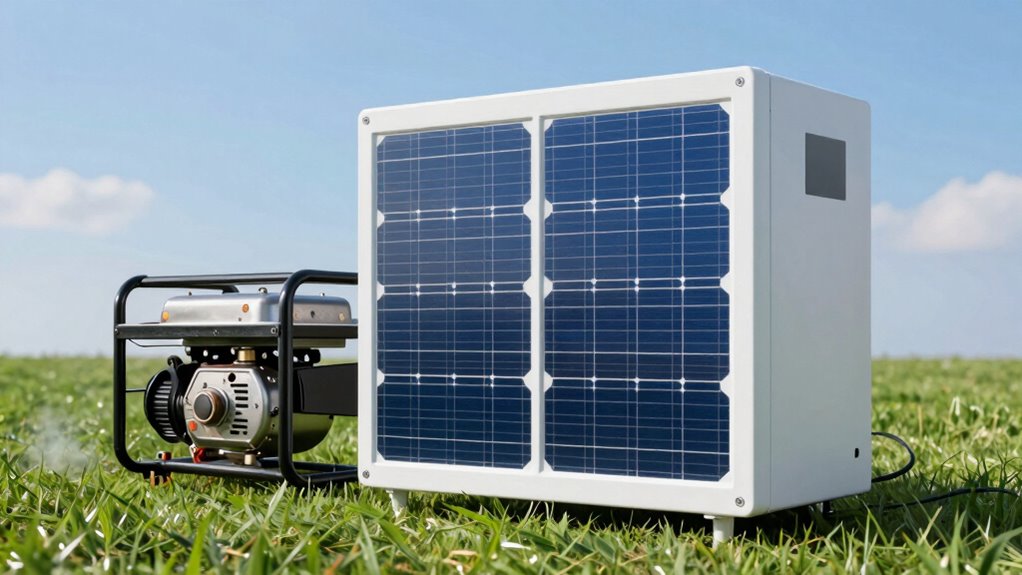

If you’re choosing between a solar and gas generator, consider your power needs, environment, and budget. Solar generators are quiet, eco-friendly, and cost less over time, but they depend on sunlight and have lower power output. Gas generators deliver reliable, high power quickly but are noisier and produce emissions. To decide what’s best for you, understanding their performance, safety, and long-term costs can help—keep exploring for more detailed insights.
Key Takeaways
- Solar generators rely on sunlight, offering silent, eco-friendly power ideal for low to moderate needs; gas generators provide reliable, high-capacity power suitable for emergencies.
- Solar units have higher upfront costs but lower ongoing expenses, while gas generators are cheaper initially but require fuel and maintenance over time.
- Solar generators produce minimal environmental impact with no emissions, whereas gas generators emit greenhouse gases and require ventilation.
- Gas generators deliver consistent power unaffected by weather but are noisier and need regular maintenance; solar output varies with sunlight conditions.
- Solar systems are best for sustainable, quiet use, while gas units excel in high-demand, emergency, or continuous power scenarios.

Portable Solar Generator, 300W Portable Power Station with Foldable 60W Solar Panel,110V Pure Sine Wave 280Wh Battery Power Pack with USB DC AC Outlet for Camping Smart Devices RV Van Outdoor-Orange
Portable Generator with 60W Solar Panel Included: with a big battery pack, ZeroKor 300W power stations Generator are…
As an affiliate, we earn on qualifying purchases.
As an affiliate, we earn on qualifying purchases.
How Do Solar and Gas Generators Work?
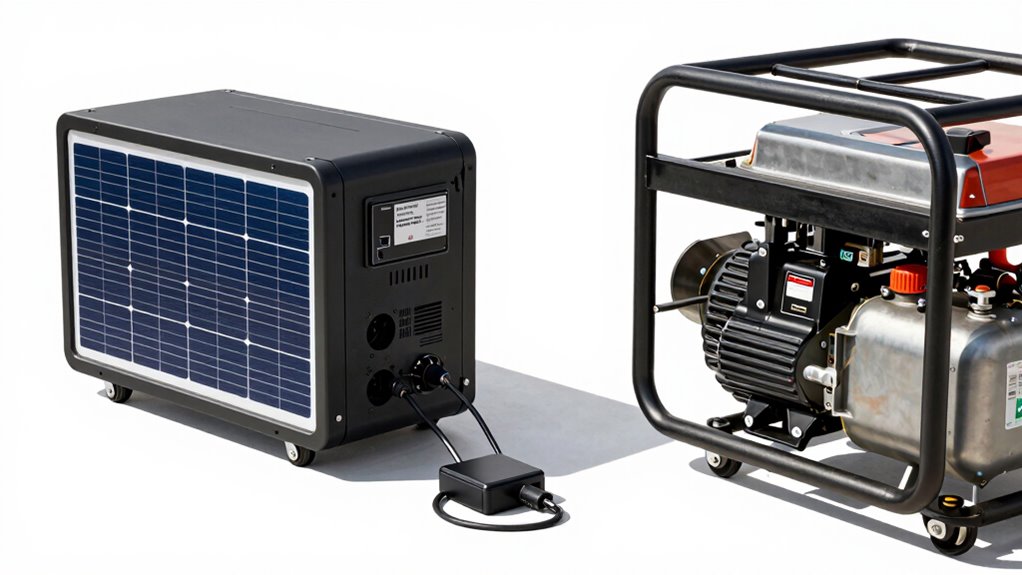
Solar and gas generators produce electricity in different ways, but both serve the same purpose of providing power when needed. A solar generator uses photovoltaic panels to capture sunlight and convert it into electricity, which is stored in batteries for later use. This setup makes it eco-friendly and quiet. Gas generators, on the other hand, burn fuel to generate power through an engine, making fuel efficiency a key factor in their operation. They typically have a fuel tank that provides continuous power as long as fuel lasts. Battery storage is essential for solar generators, allowing you to use power even when the sun isn’t shining. High efficiency in gas generators means more output for less fuel consumption, making them more suitable for immediate, high-demand power needs. Additionally, understanding the fuel types used by gas generators can help optimize their performance and maintenance. To maximize their lifespan, it’s also important to consider regulatory standards and safety precautions related to their operation. Incorporating advanced technology can further improve the performance and safety of both types of generators. For instance, ongoing innovations in energy storage are enhancing the effectiveness of solar systems and their ability to supply reliable power.
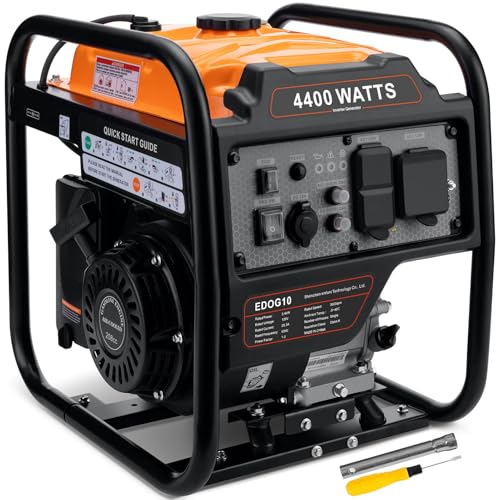
Oxseryn 4400-Watts Inverter Generator, Open Frame Generator Gas Powered, Emergency Home Backup, RV Ready 30A Outlet, EPA Compliment
Powerful Output: 4400 peak watts and 3400 running watts, 2*120V AC ports, 1* 30A RV port, 1*12V DC…
As an affiliate, we earn on qualifying purchases.
As an affiliate, we earn on qualifying purchases.
Which Generator Is Best for Your Power Needs?
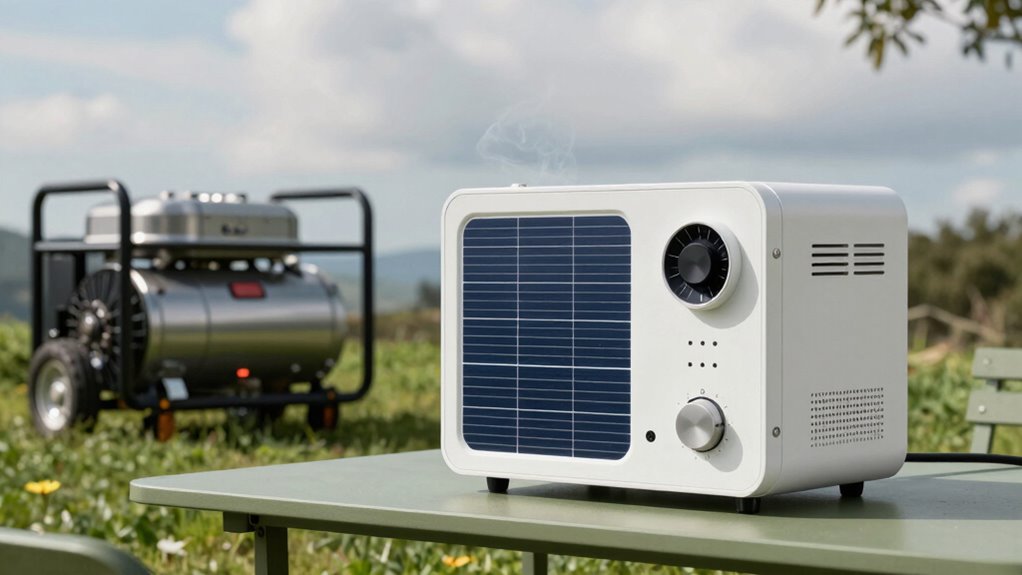
Choosing the right generator depends on your specific power needs and usage scenarios. If you prioritize fuel efficiency, solar generators are excellent because they rely on sunlight, reducing ongoing fuel costs. They’re also silent, making them ideal for quiet environments like camping or residential areas. Gas generators, on the other hand, typically provide higher power output and quick startup times, which can be essential for larger power demands or emergencies. However, they tend to have higher noise levels and consume fuel more rapidly, increasing operating costs. Consider where you’ll use the generator most often—if you need a quiet, cost-effective solution for light or intermittent use, a solar generator might be best. For heavy-duty or emergency power, a gas generator could better meet your needs. Additionally, understanding smart home privacy and security practices can help protect your energy systems from potential threats. It’s also important to evaluate the environmental impact of your choice to align with sustainable living goals. Being aware of energy efficiency can further assist in making a more informed decision. Moreover, considering maintenance requirements can help determine the long-term convenience and costs associated with each type.

ECO-WORTHY (Cubix 100) 48V 600Ah Server Rack Battery LiFePO4 w/Bluetooth | 6 Pack 30.72kWh Solar Battery Kit for Home Backup | UL1973 & UL9540A & CEC Listed (Get Free 6-Layer Rack with 600A Busbar)
Upgraded to Cubix 100 (Feb 5, 2026) – The ECO-WORTHY 48V 100Ah Server Rack LiFePO₄ Battery V3 is…
As an affiliate, we earn on qualifying purchases.
As an affiliate, we earn on qualifying purchases.
How Do They Compare in Performance and Reliability?

When comparing solar and gas generators, you’ll notice differences in power output consistency, with gas units often providing steady power regardless of weather. Durability and maintenance also vary; gas generators tend to be more rugged but require regular upkeep, while solar systems have fewer moving parts and lower maintenance needs. Understanding these factors helps you choose the most reliable option for your specific needs. Additionally, power quality and the ability to monitor system performance are crucial for ensuring a dependable energy supply in off-grid situations. Proper system monitoring can help optimize performance and extend the lifespan of your generator. Moreover, considering off-grid energy solutions and their impact on your overall work-life harmony in energy solutions ensures you can maintain a seamless balance between productivity and leisure, especially when relying on off-grid power sources. Recognizing the importance of security and reliability in energy systems can further influence your choice between solar and gas options.
Power Output Consistency
How reliably do solar generators maintain consistent power output compared to gas generators? Solar generators generally provide steady power when sunlight is abundant, but their output can fluctuate due to weather or time of day. They lack fuel efficiency in low-light conditions, which affects reliability. Gas generators, on the other hand, deliver more consistent performance regardless of weather, since they rely on fuel rather than sunlight. They can run continuously for longer periods, ensuring stable power supply. Noise levels also differ: solar generators operate silently, maintaining consistency without disruption, while gas generators tend to be noisier, which can be a concern in quiet environments. Overall, gas generators offer more dependable power output consistency, especially in unpredictable conditions, but solar generators excel in silent, eco-friendly operation. Additionally, power output reliability is a critical factor to consider when choosing between these options for long-term use. In terms of overall performance and reliability, gas generators generally provide a more stable and dependable energy source, particularly during extended outages or adverse weather conditions. Furthermore, weather dependency significantly impacts solar generator performance, making reliability more variable in unpredictable climates. As technology improves, solar generators are becoming more weather-resistant, but they still depend heavily on environmental conditions. Advances in solar panel efficiency are also helping to improve their performance in less-than-ideal weather.
Durability and Maintenance
Solar generators tend to require less maintenance overall because they have fewer moving parts and rely on simple, durable components like solar panels and batteries. They’re built for longevity, with minimal wear and tear, leading to higher reliability over time. Gas generators, however, depend on fuel efficiency and have more components that can break down, increasing maintenance needs. They also tend to be noisier, which can affect performance and convenience.
| Aspect | Solar Generator | Gas Generator |
|---|---|---|
| Durability | High, fewer moving parts | Moderate, more mechanical components |
| Maintenance | Low, mainly cleaning and inspections | Regular fuel and part checks |
| Fuel Efficiency | Not applicable, solar-powered | Good, but depends on fuel quality |
| Noise Levels | Very quiet | Noisy |
| Performance Reliability | Consistent with proper care | Varies with fuel and wear |
Oxseryn 4400-Watts Inverter Generator, Open Frame Generator Gas Powered, Emergency Home Backup, RV Ready 30A Outlet, EPA Compliment
Powerful Output: 4400 peak watts and 3400 running watts, 2*120V AC ports, 1* 30A RV port, 1*12V DC…
As an affiliate, we earn on qualifying purchases.
As an affiliate, we earn on qualifying purchases.
What Are the Environmental Impacts of Solar vs. Gas Generators?
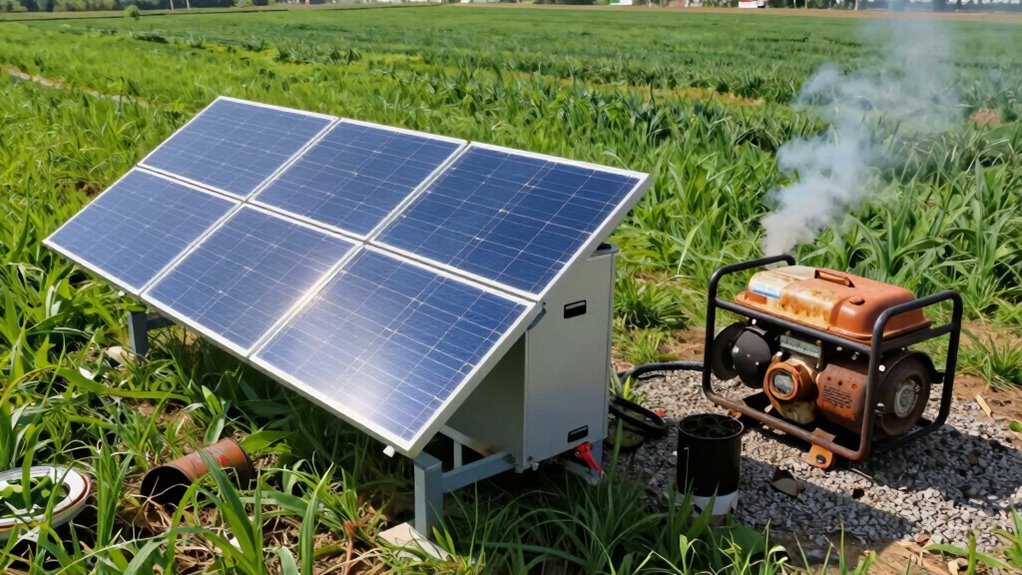
Have you ever wondered which type of generator leaves a smaller environmental footprint? Solar generators typically have a lower carbon footprint because they produce energy from sunlight, a renewable resource. In contrast, gas generators release greenhouse gases and contribute to air pollution, increasing your environmental impact.
Solar generators have a lower environmental footprint by harnessing renewable sunlight instead of emitting pollutants from fossil fuels.
- Solar panels require resource depletion during manufacturing but generate clean energy once in use.
- Gas generators rely on fossil fuels, which deplete finite resources and emit pollutants.
- Solar power produces no emissions during operation, reducing overall environmental harm, whereas gas generators emit carbon dioxide and other pollutants.
- Additionally, manufacturing processes for solar panels can have environmental impacts, but their long-term benefits outweigh these initial effects.
- The lifecycle assessment of solar technology shows that, despite initial resource use, their environmental advantages are significant over time.
- Furthermore, advancements in solar panel recycling help mitigate some environmental concerns associated with their disposal.
- Ongoing technological improvements continue to enhance the efficiency and reduce the environmental impact of solar energy systems.
- As research progresses, the development of more sustainable materials for solar components further lessens their environmental footprint.
While solar panels involve some resource depletion upfront, their long-term benefits include minimal environmental impact. Gas generators, however, continually deplete resources and worsen air quality.
How Safe Are Solar and Gas Generators for Your Home?
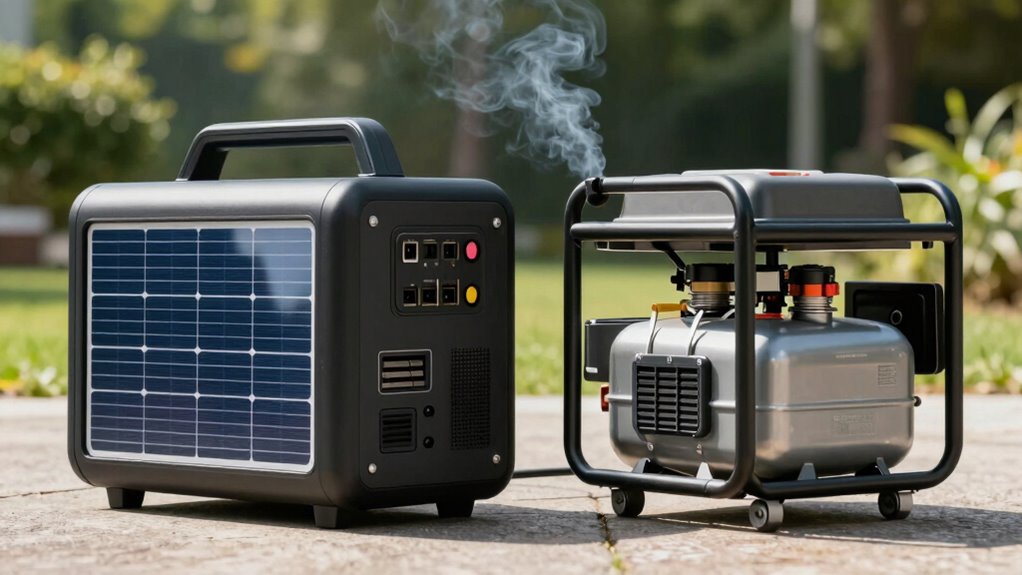
Are you concerned about the safety of the generators you use at home? Both solar and gas generators have safety considerations. Solar generators are generally safer since they produce no fumes or risk of carbon monoxide poisoning, making them ideal for indoor use or close to kitchen appliances during emergencies. Gas generators, however, involve fuel combustion, which releases fumes and requires proper ventilation to avoid health hazards. During emergency preparedness, safety becomes even more critical—it’s vital to guarantee proper setup and ventilation. Gas generators also pose fire risks if not handled carefully. Solar generators, with fewer moving parts and no fuel, are typically safer for everyday use around your home and kitchen appliances. Always follow manufacturer instructions to guarantee safe operation of either generator. Additionally, understanding cryptid mysteries and paranormal phenomena can remind us of the importance of safety and skepticism when encountering unfamiliar or potentially hazardous situations.
What Are the Cost Differences Over Time?
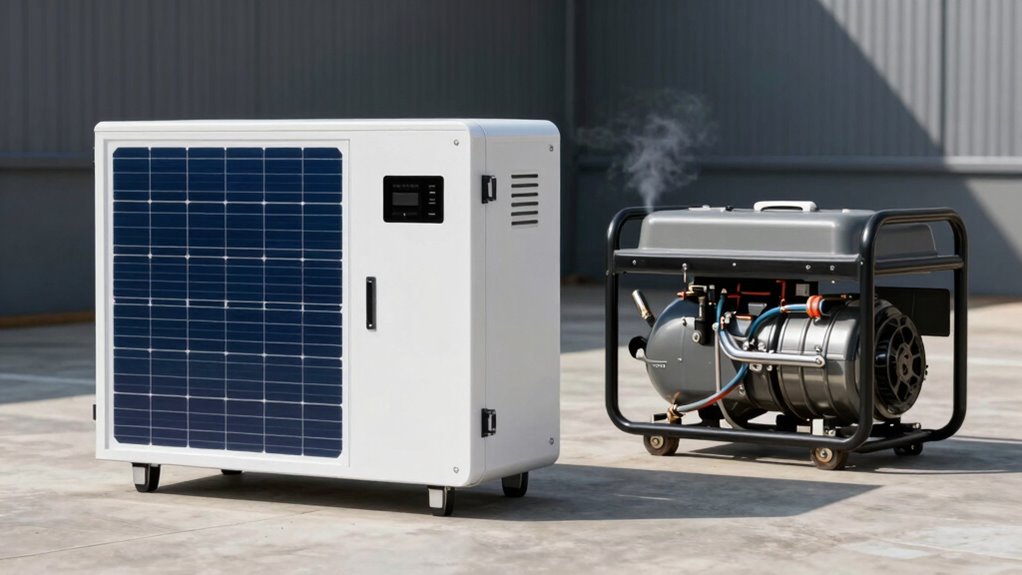
When comparing solar and gas generators, you’ll notice significant differences in initial costs and ongoing expenses. Solar generators often require a higher upfront investment but have lower maintenance costs over time, while gas generators are cheaper initially but can rack up higher upkeep fees. Understanding these cost patterns helps you choose the most economical option for your long-term needs.
Initial Purchase Expenses
Initial purchase expenses for solar generators tend to be higher upfront compared to gas generators, primarily because the technology and components involved—like solar panels and batteries—cost more initially. However, this initial investment can pay off over time. Solar units often have better fuel efficiency since they rely on sunlight, saving you money on fuel costs. They also operate quietly, reducing noise levels compared to gas-powered options. Gas generators typically have lower upfront costs but may require additional expenses for fuel and maintenance. Consider these factors:
- Higher initial cost for solar panels and batteries
- Lower ongoing fuel expenses with solar power
- Quieter operation, especially in noise-sensitive environments
Understanding these differences helps you weigh initial expenses against long-term savings and comfort.
Long-Term Maintenance Costs
While solar generators require a higher upfront investment, their long-term maintenance costs are generally lower than gas generators. Solar units have no fuel costs, making them highly fuel-efficient over time. You won’t need to buy gasoline or worry about fuel storage, which reduces ongoing expenses. Additionally, solar generators operate with minimal moving parts, leading to lower repair and maintenance needs. Gas generators, on the other hand, often require regular servicing, oil changes, and fuel replacements, adding to ongoing costs. Noise levels are another factor—solar generators run silently, avoiding the maintenance costs associated with muffler repairs or replacements often needed in gas models. Over time, solar generators save you money through lower fuel and maintenance expenses, making them more economical in the long run.
Which Generator Should You Choose? Key Takeaways
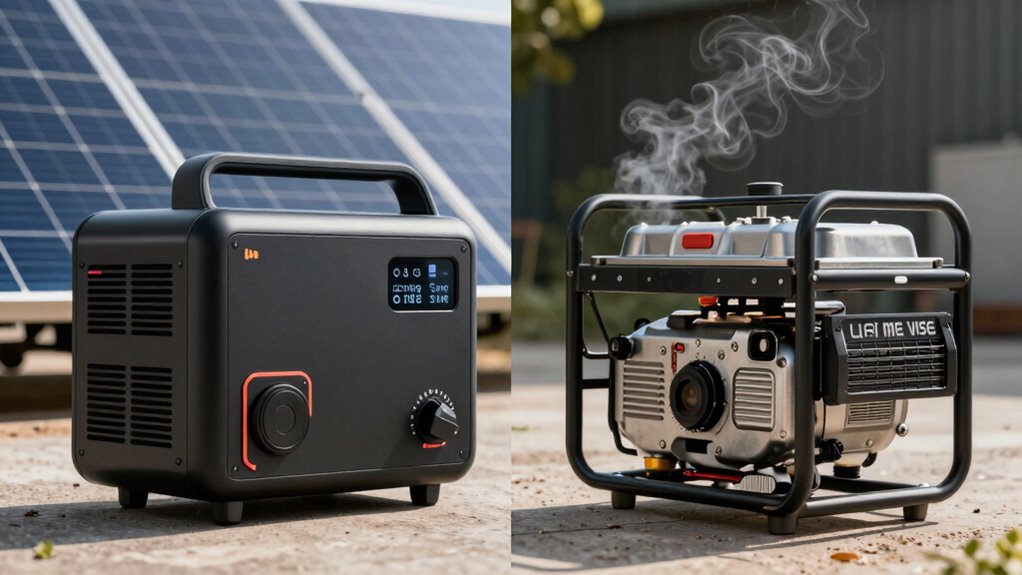
Choosing between a solar generator and a gas generator depends on your specific needs, budget, and priorities. Solar generators are ideal if you prioritize clean, alternative energy and lower noise levels, making them suitable for outdoor activities or quiet environments. Gas generators, however, provide more power and quick refueling, which is useful during emergencies or for high-energy demands. Consider the following:
- Solar generators produce minimal noise, ideal for sensitive environments.
- Gas generators offer higher power output for larger appliances.
- Your budget may influence your choice, as solar units tend to have higher upfront costs but lower ongoing expenses.
Ultimately, if sustainability and quiet operation matter most, go solar. If you need reliable, high power quickly, a gas generator might be better suited.
Frequently Asked Questions
Are Solar Generators Effective During Cloudy or Rainy Days?
Solar generators are less effective during cloudy or rainy days because cloud coverage reduces their power output. When the sky is overcast, they generate less electricity, which may not meet your energy needs. Rain and thick clouds limit sunlight, decreasing efficiency. However, some models have batteries to store excess power on sunny days, helping you stay powered temporarily during poor weather. Keep this in mind when relying on solar generators in adverse weather conditions.
How Long Do Gas Generators Typically Last Before Needing Replacement?
Gas generators typically last between 1,000 and 3,000 hours of operation, which translates to about 3 to 5 years with regular use. While they’re fuel-efficient and provide reliable power, they generate higher carbon emissions compared to solar options. Unlike solar generators, gas models need replacement or major repairs after several years, making them less eco-friendly and more costly long-term. You’ll want to weigh durability against environmental impact for your needs.
What Maintenance Is Required for Each Type of Generator?
You need to regularly check your solar generator’s battery lifespan and keep the panels clean to guarantee maximum performance. For gas generators, change the oil, inspect the spark plug, and monitor fuel efficiency. Both require periodic maintenance, but solar units generally need less upkeep. Keep an eye on battery health for solar options, and verify fuel systems are clean for gas generators to prevent breakdowns and extend their longevity.
Can Solar Generators Power Large Appliances Simultaneously?
Imagine a busy kitchen with multiple appliances running — can a solar generator handle that? Typically, solar generators can power large appliances simultaneously, but it depends on their total wattage and energy efficiency. You need a high-capacity solar power system designed for heavy loads. While they’re environmentally friendly, your setup must be optimized for energy efficiency to guarantee all your appliances run smoothly without draining the battery quickly.
Are There Any Noise Restrictions for Gas Generators in Residential Areas?
Yes, there are noise restrictions for gas generators in residential areas. Local noise regulations and residential restrictions often limit the decibel levels for outdoor equipment to prevent disturbances. You should check your city or neighborhood’s specific rules, as some areas require generators to operate within certain hours or be equipped with mufflers to reduce noise. Ignoring these restrictions can lead to fines or complaints from neighbors.
Conclusion
Ultimately, your choice hinges on what’s most important to you—whether it’s the eco-friendly promise of solar or the dependable power of gas. But remember, each option has its nuances, and the decision isn’t as straightforward as it seems. Could the next breakthrough tip the scales? Stay tuned, because your ideal generator might be closer than you think—and the right choice could change your energy future forever. Are you ready to make the leap?