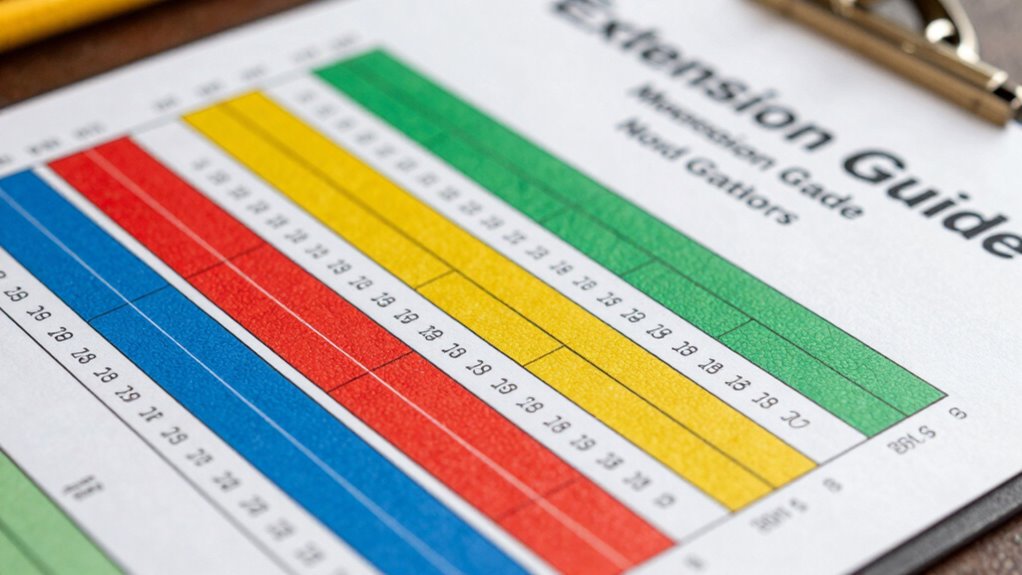

Choosing the right extension cord gauge for your generator is essential for safety and performance. Thicker cords with lower AWG numbers handle higher loads, reducing the risk of overheating or voltage drops. Make sure to match the cord’s gauge to your power needs and environment, especially if you’ll use it outdoors. Proper selection prevents damage and keeps everything running smoothly. Keep going to discover more tips for safe, reliable generator cord use.
Key Takeaways
- Thicker cords with lower AWG numbers (e.g., 10 or 12 AWG) are suitable for high-power generator applications.
- Calculate total wattage, convert to amperage, and select a cord gauge that matches the required current capacity.
- Use outdoor-rated, weather-resistant cords for outdoor generator use to ensure safety and durability.
- Fully uncoil cords during use to prevent heat buildup and avoid overloading or connecting multiple cords together.
- Regularly inspect cords for damage, replace if frayed or worn, and store properly to prolong safety and performance.

POWGRN 50 ft 12/3 Outdoor Extension Cord Waterproof Heavy Duty with Lighted Indicator End 12 Gauge 3 Prong, Flexible Cold-Resistant Long Power Cord Outside, 15Amp 1875W SJTW Yellow ETL Listed
Up to 1875W Applications: Outdoor extension cord waterproof 12 gauge, 15 amp, 125 volts, 1875 watts, NEMA 5-15P…
As an affiliate, we earn on qualifying purchases.
As an affiliate, we earn on qualifying purchases.
What Is Extension Cord Gauge and Why It Matters for Generators
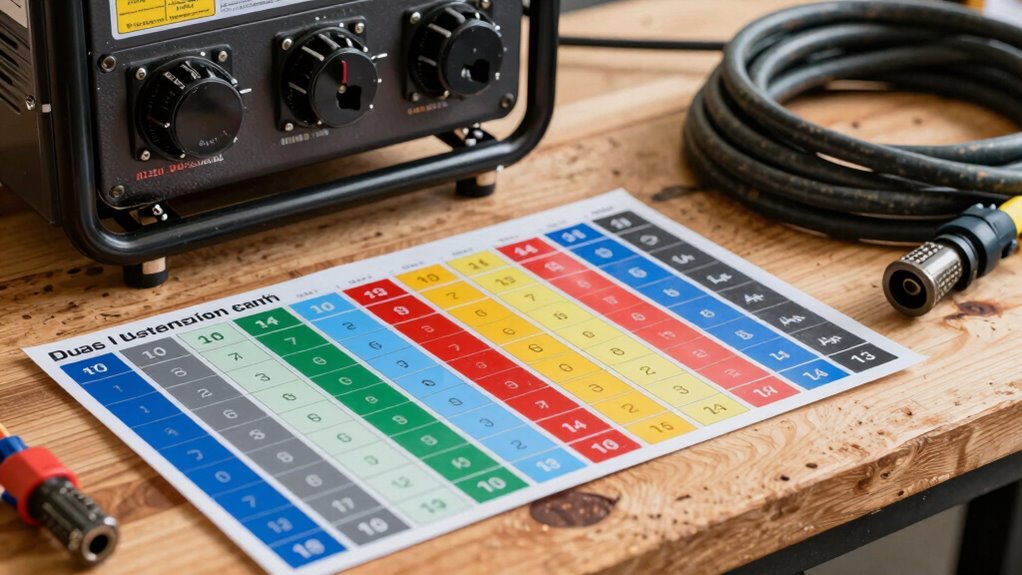
An extension cord gauge refers to the thickness or diameter of the wire inside the cord, which directly affects how much electricity it can reliably carry. The cord material, such as copper or aluminum, influences its conductivity and durability. Copper wires are more efficient and safer for higher loads, making them ideal for generator use. Color coding helps you quickly identify the cord’s gauge and capacity; for example, black or red often indicates heavier gauges, while lighter colors like yellow or green may signify lighter-duty cords. Choosing the right gauge ensures your generator can power devices safely without overheating or causing electrical hazards. Understanding the cord material and color coding helps you select the proper extension cord for your specific needs. Additionally, selecting a high-quality wiring with appropriate insulation can further enhance safety and performance when using your generator, especially when dealing with specialized electrical equipment. Being aware of ampacity ratings and adhering to manufacturer guidelines can prevent potential overloads and ensure optimal operation. Moreover, considering the spiritual significance of certain numbers, such as 1011 or 444, can provide additional insight and reassurance when making safety and capacity decisions.
POWGRN 50 ft 12/3 Outdoor Extension Cord Waterproof Heavy Duty with Lighted Indicator End 12 Gauge 3 Prong, Flexible Cold-Resistant Long Power Cord Outside, 15Amp 1875W SJTW Yellow ETL Listed
Up to 1875W Applications: Outdoor extension cord waterproof 12 gauge, 15 amp, 125 volts, 1875 watts, NEMA 5-15P…
As an affiliate, we earn on qualifying purchases.
As an affiliate, we earn on qualifying purchases.
How to Read and Understand Extension Cord Sizes
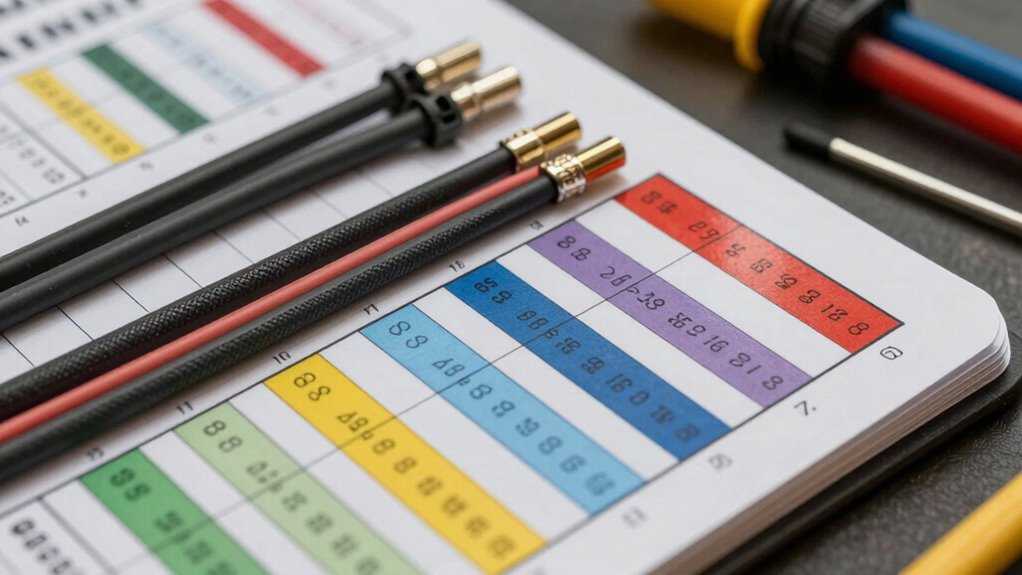
Understanding how to read extension cord sizes is key to assuring safe and efficient power delivery from your generator. First, check the gauge number, which indicates the wire thickness; lower numbers mean thicker wires capable of handling more current. Look at the cable insulation type, as it determines how well the cord resists heat, moisture, and wear—important for outdoor or heavy-duty use. Additionally, consider the cord length, because longer cords can cause voltage drops, reducing performance and safety. Always match the gauge and insulation type to your power needs and environment. Proper reading ensures your generator runs smoothly and safely. Understanding extension cord gauges is essential for choosing the right cord for your specific setup. Knowing how wire gauge relates to current capacity can prevent overheating and electrical hazards, ensuring safer operation. It is also beneficial to consider product safety features, such as grounding and weather-resistant coatings, to further protect your setup. Furthermore, selecting the appropriate gauge size helps balance safety and efficiency for your power needs. Paying attention to these details can help you avoid electrical hazards, which are a common risk with improper cord use.
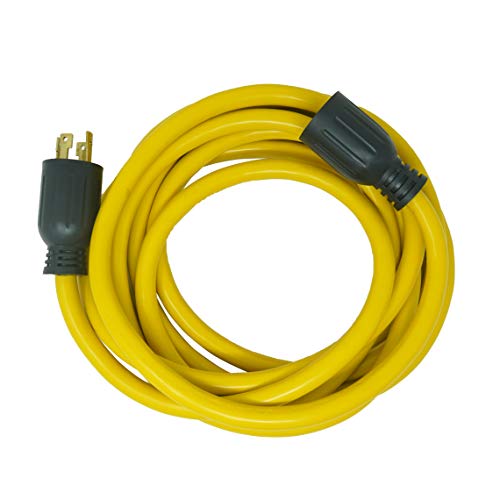
Southwire Generator Cord – 10-Gauge Heavy Duty Electrical Power Cable with L14-30 Locking Plug & Receptacle – Dual Voltage 125V/250V – Molded Connectors – Weather Resistant – Yellow & Black – 20 Feet
Secure Power for Outdoor Generators: The Southwire Generator Cord delivers 20 feet of rugged 10-gauge reach with twist…
As an affiliate, we earn on qualifying purchases.
As an affiliate, we earn on qualifying purchases.
Choosing the Right Extension Cord Gauge for Your Generator Power
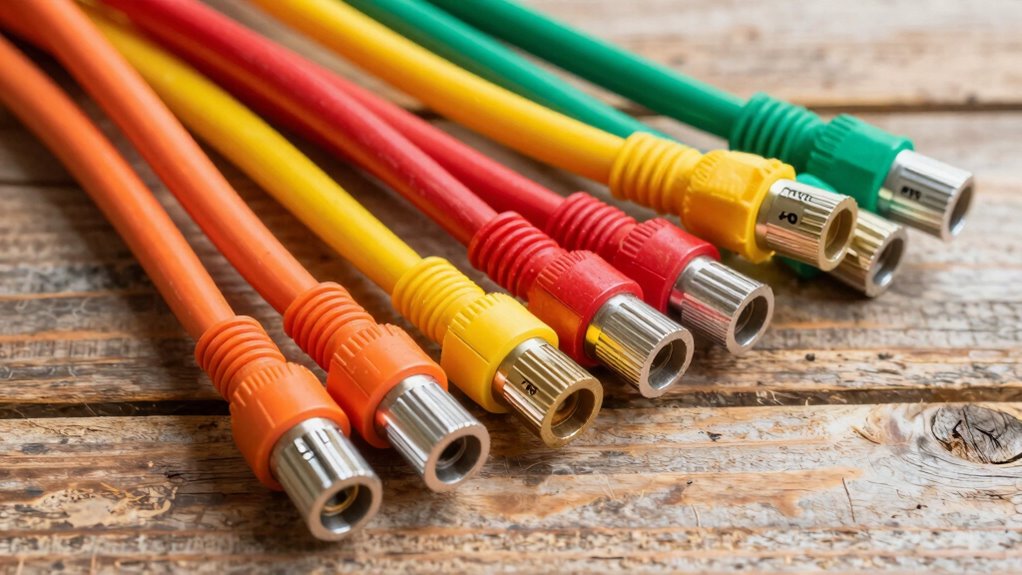
Choosing the right extension cord gauge depends on your generator’s power needs, so you don’t overload the cord. You need to take into account how much wattage your appliances require and match that with an appropriate gauge. By understanding your power requirements, you can select a cord that guarantees safe and efficient operation. Additionally, selecting a suitable gauge can help prevent burnout and damage to both your generator and connected devices. Being aware of watt-hours and capacity can assist you in making an informed choice to ensure electric bike performance and optimal performance. Incorporating AI-powered tools can further assist in calculating your specific power needs more accurately, ensuring you choose the best extension cord gauge for your setup. Understanding regional differences in electrical standards can also help you make safer and more compliant choices when selecting cords.
Proper Gauge Selection
Selecting the correct extension cord gauge is essential for safely powering your generator. It ensures optimal performance and prevents overheating or voltage drops. When choosing, consider wire insulation quality and proper cord storage to maintain safety and durability. Thicker gauges (lower AWG numbers) handle more power, making them ideal for heavy loads, while thinner gauges suit lighter tasks. Use the table below as a quick reference:
| Load Size | Recommended AWG | Ideal Usage |
|---|---|---|
| Light | 14-16 AWG | Small appliances, tools |
| Medium | 12 AWG | Power tools, outdoor lighting |
| Heavy | 10 AWG | Large generators, appliances |
Always check wire insulation specs to prevent damage, and store cords properly to extend lifespan and ensure safety. Additionally, understanding the gauge system helps in selecting the most appropriate cord for your needs, especially considering how sound vibrations can influence the durability of electrical components over time. Recognizing the importance of battery maintenance can also help prevent electrical issues that might affect generator performance over time.
Power Requirements Consideration
To guarantee your extension cord handles the power demands of your generator safely, you need to match the cord’s gauge to your specific load requirements. Understanding your power needs helps prevent overheating and potential fire hazards. Historically, the development of gauge standards has evolved to improve safety and efficiency, influenced by environmental impact concerns and technological advances. Thicker gauges reduce voltage drop and support higher loads, making them suitable for larger generators. Considering environmental impact, using the right gauge minimizes energy waste and reduces carbon footprint. Assessing the gauge standards and how they have adapted over time can guide you in choosing the most appropriate cord. Properly matching these factors ensures safe operation, reduces environmental harm, and aligns with the evolution of safer electrical practices. Additionally, adhering to safety standards helps ensure your setup remains compliant and reduces risk during operation. Staying informed about wire insulation materials can also enhance safety, especially in high-temperature environments or during long-term use. Advances in insulation technology continue to improve durability and safety features, further supporting reliable generator operation.

pizety 10 Gauge 50 FT Extension Cord 10/3 Contractor SJTW – Heavy Duty Outdoor Extension Cable, Waterproof & Flexible with Lighted Ends, 10 awg Copper Wire 3-Prong Plug 125V 15A 1875W ETL Listed green
10 Gauge SJTW 3 Conductor 50 Foot Extension Cord With Lighted Ends – green-extension wire outdoor extension wire…
As an affiliate, we earn on qualifying purchases.
As an affiliate, we earn on qualifying purchases.
Safety Tips for Using Extension Cords With Generators
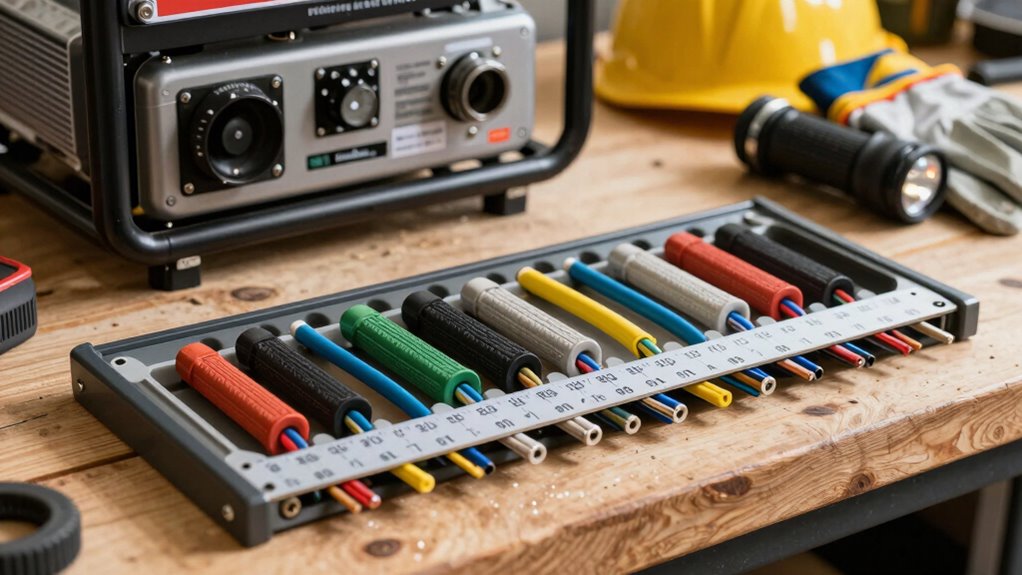
When using extension cords with your generator, choosing the right cord and following safe practices are vital to prevent hazards. You need to select cords that match the power requirements and avoid overloading them. Always follow proper usage guidelines to guarantee safety and reliable operation. Additionally, ensure the cords are rated for indoor use if operating in an enclosed space to prevent overheating and moisture damage, which are common concerns in indoor plant care and hanging baskets. Incorporating lifestyle habits for longevity such as proper hydration and stress management can also contribute to overall safety and well-being during power outages or emergency situations.
Proper Cord Selection
Choosing the right extension cord for your generator is crucial to guarantee safety and peak performance. You should select a cord with appropriate gauge and length, ensuring it can handle the power load. For indoor wiring, use cords with durable cord insulation that resists wear and tear, especially if the cord will be used outdoors temporarily. Check that the insulation is rated for outdoor use if needed, as indoor wiring insulation might not withstand weather exposure. Avoid using damaged or frayed cords, which can cause shorts or electrical fires. Always match the cord’s amperage rating to your generator’s output to prevent overloads. Proper cord selection helps maintain safety, prevents power loss, and guarantees your generator operates efficiently.
Safe Usage Practices
Using extension cords safely with your generator is essential to prevent accidents and guarantee reliable power. Always store extension cords properly to avoid damage; consider using dedicated extension cord storage to keep cords organized and protected from moisture or abrasion. When selecting cords, differentiate between indoor vs outdoor cords, as outdoor cords are designed to withstand weather conditions and are safer for generator use outside. Never overload cords or connect multiple extension cords together, which can cause overheating. Make sure cords are fully uncoiled to prevent heat buildup. Keep cords away from water, sharp objects, and high-traffic areas to reduce tripping hazards. Regularly inspect cords for damage before use, and replace any frayed or worn cords immediately. Following these safety tips helps *guarantee* safe, effective use of extension cords with your generator.
Common Mistakes When Selecting Generator Extension Cords

One common mistake people make is selecting extension cords that aren’t rated to handle the power demands of their generator. Using a cord with inadequate cable insulation can lead to overheating or electrical hazards, especially if the insulation isn’t rated for outdoor or heavy-duty use. Additionally, choosing the wrong cord length can cause voltage drops, reducing the efficiency of your generator and risking damage to connected devices. Longer cords aren’t always better; they may require a thicker gauge to carry the same load safely. Always check the cord’s insulation quality and verify it’s rated for your environment. Avoid using excessively long cords without proper gauge considerations, as this can compromise safety and performance. Properly rated cords help ensure safe, reliable operation of your generator.
Calculating the Correct Extension Cord Gauge for Your Load
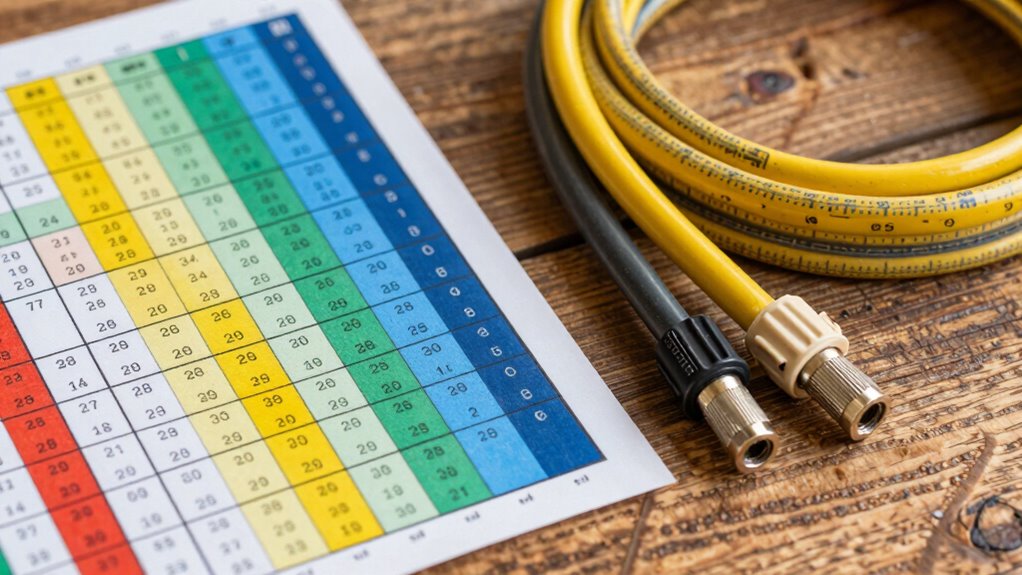
To guarantee your extension cord can safely handle the power load, you need to calculate the total wattage or amperage your generator will supply to connected devices. Start by adding up the wattage of all appliances. Then, divide that total by your voltage (usually 120V) to find the required amperage. Using the correct gauge ensures extension safety and cord durability. Here’s a quick reference:
| Load (Amps) | Recommended Gauge |
|---|---|
| 0-10A | 16-gauge or heavier |
| 11-15A | 14-gauge or heavier |
| 16-20A | 12-gauge |
| 21-30A | 10-gauge |
| Over 30A | 8-gauge or heavier |
Choosing the right gauge minimizes risks and ensures your setup stays safe and reliable.
Features to Look for in Heavy-Duty Extension Cords for Generators
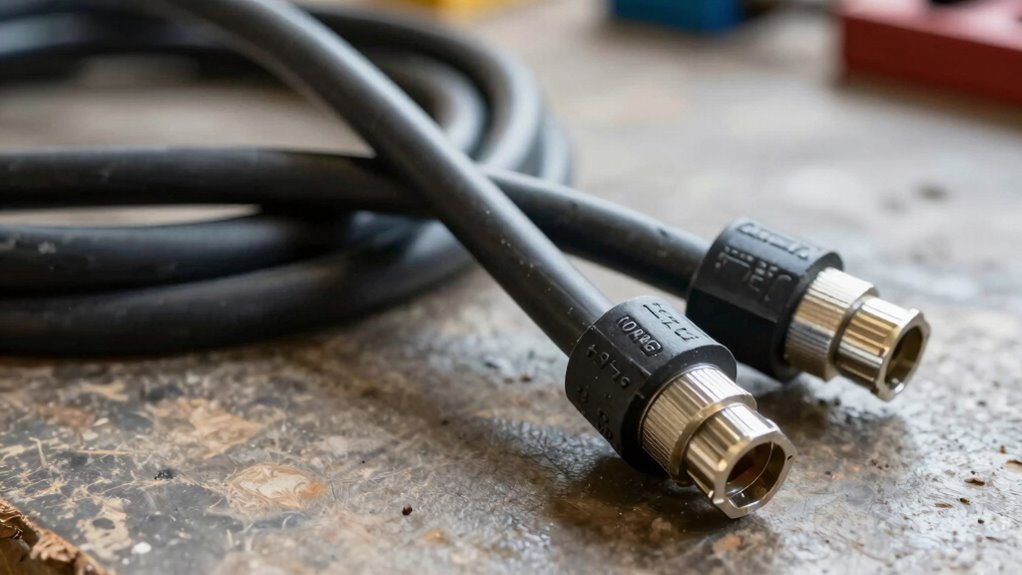
When selecting heavy-duty extension cords for your generator, paying attention to key features can make a significant difference in safety and performance. First, check the cord insulation; it should be durable, weather-resistant, and rated for outdoor use to handle exposure and prevent electrical hazards. Proper insulation also minimizes the risk of short circuits. Next, ensure plug compatibility. The plugs must match your generator’s outlets and the devices you plan to power, providing a secure connection. Look for heavy-duty, grounded plugs that are rated for high amperage loads. Additionally, consider the cord’s overall construction—thick, flexible, and capable of handling the power demands without overheating. These features help keep your setup safe, reliable, and efficient during power needs.
When to Upgrade Your Extension Cord Gauge for Better Performance
As your power needs increase or your setup grows more demanding, upgrading your extension cord gauge becomes essential for maintaining safety and performance. If you notice your cords heating up or experiencing voltage drops, it’s time to consider a thicker gauge. Proper cord storage helps prevent damage that can compromise performance, so keep cords neatly wound and protected. Additionally, using cord color coding simplifies identifying the right gauge for specific tasks, ensuring you don’t accidentally use a thinner cord that could overload. Upgrading to a heavier gauge ensures efficient power delivery, reduces the risk of overheating, and prolongs your cords’ lifespan. When you recognize these signs, don’t delay—upgrading makes your generator setup safer and more reliable.
Frequently Asked Questions
Can I Use a Lower Gauge Extension Cord for My Generator?
You shouldn’t use a lower gauge extension cord for your generator because it compromises cord safety and can’t handle the power capacity needed. Lower gauge cords have thinner wires, which increase the risk of overheating and potential fire hazards. To guarantee safe operation and reliable power delivery, always choose a cord with the correct, higher gauge rating specified for your generator’s power output. Your safety and equipment’s longevity depend on it.
How Does Cord Length Affect Gauge Requirements for Generators?
As the cord length increases, you’ll need a lower gauge (thicker cord) to prevent power loss and guarantee safety. Longer cords cause voltage drops, reducing efficiency and possibly damaging your generator or appliances. Always choose a gauge that matches the length of your extension cord, considering safety considerations. Using the right gauge prevents power loss, maintains safe operation, and keeps your generator functioning properly during extended use.
Are There Specific Brands Recommended for Generator Extension Cords?
You should consider brands like Iron Forge Cable, Southwire, and UL Listed cords for generator extension cords. These brands are known for their reliability and durable construction, ensuring safety and long-lasting performance. When choosing, look for cords with high-quality insulation and sturdy connectors. Investing in trusted brands guarantees your cord withstands heavy use, minimizes safety risks, and maintains consistent power delivery, making them ideal for generator setups.
What Are the Signs of an Overloaded Extension Cord?
When your extension cord is overloaded, you’ll notice safety hazards like overheating, melting wire insulation, or sparks. The cord may become hot to the touch, and you might see frayed or damaged insulation, which increases risks of electrical shocks or fires. To stay safe, always match the cord’s gauge to your power needs, avoid daisy-chaining multiple cords, and replace any damaged cords immediately to prevent accidents.
How Often Should I Replace My Generator Extension Cord?
Think of your generator extension cord like a trusty old friend—eventually, even the best need replacing. You should replace it when you notice fraying, cracking, or exposed wires, as these signs hurt cord durability and compromise safety precautions. Typically, replace it every 3-5 years or sooner if it shows signs of wear. Regular inspection keeps you safe and guarantees your power supply stays reliable when you need it most.
Conclusion
So, next time you’re tempted to grab that thin extension cord, remember—you might just be playing generator roulette. It’s funny how something as simple as gauge choice can turn your power backup into a spark show. Save yourself the shock and upgrade to the right cord; after all, it’s a small investment that keeps your lights on and your nerves intact. Because nothing beats a well-powered generator—except maybe a really good extension cord.