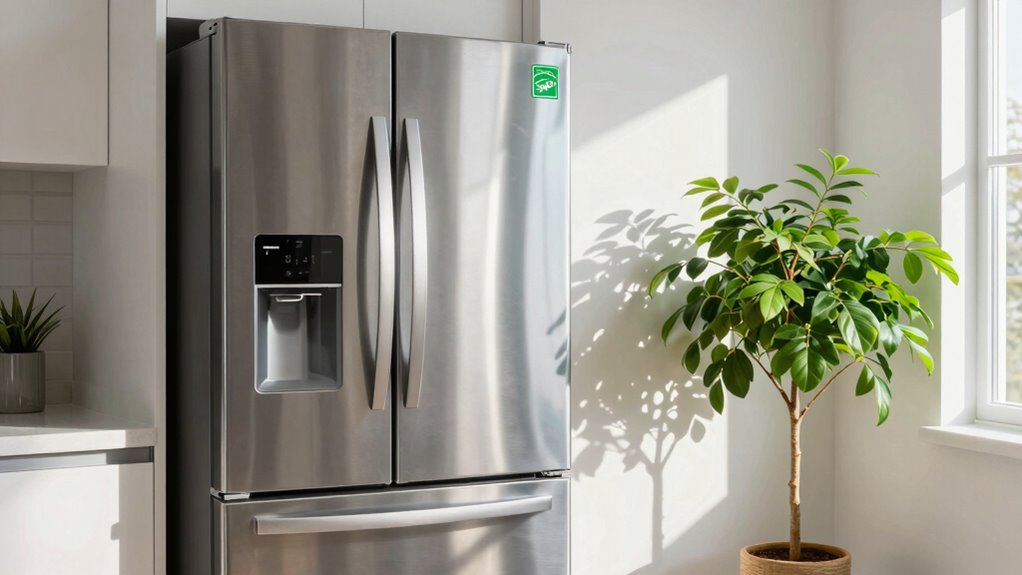

Energy Star is a certification that shows products and buildings meet strict energy efficiency standards set by the EPA, helping you save money and reduce environmental impact. When a product is Energy Star certified, it has undergone rigorous testing for performance and efficiency. While it doesn’t guarantee the highest quality or durability, it’s a reliable way to choose energy-saving options. Keep exploring to discover how this certification can help you make smarter, more sustainable choices.
Key Takeaways
- Energy Star certifies products and buildings that meet strict energy efficiency standards set by the EPA.
- Certification involves rigorous testing to ensure performance and real-world energy savings.
- Meeting standards indicates efficiency but does not guarantee product quality or durability.
- Verified labels help consumers identify genuinely energy-efficient products and avoid misleading claims.
- Energy Star promotes reduced energy use, cost savings, and environmental benefits through sustainable choices.

Kenmore 30" Top Mount Refrigerator with Freezer – Adjustable Shelving, Humidity-Controlled Crispers, LED Lighting, ENERGY STAR Certified, Garage Ready, 18.1 cu. ft. Capacity – White
Spacious Yet Compact: This 30-inch, white refrigerator offers 18.1 cu. ft. of standard-depth storage space, giving you plenty…
As an affiliate, we earn on qualifying purchases.
As an affiliate, we earn on qualifying purchases.
What Is the Energy Star Program and How Did It Start?
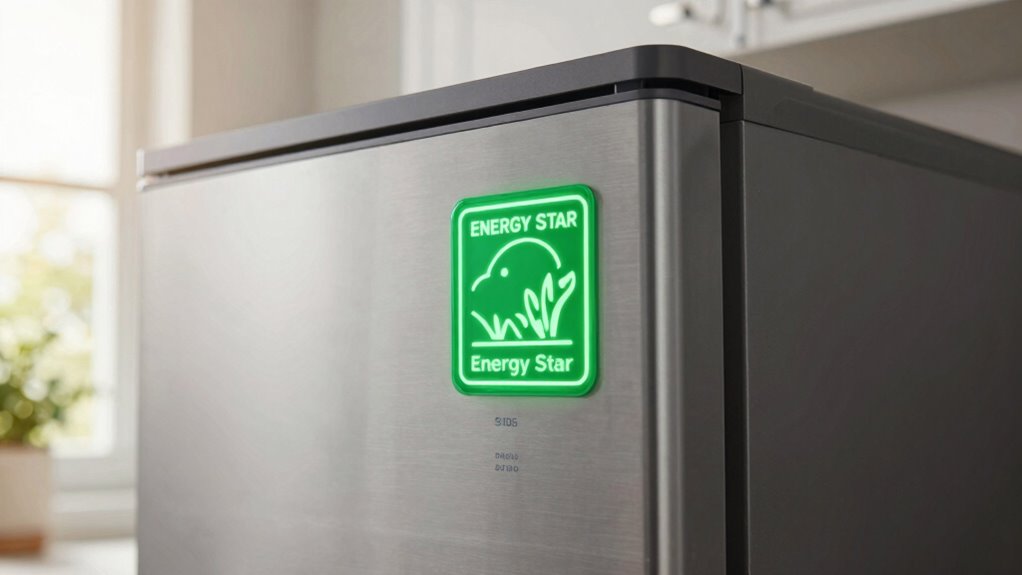
Have you ever wondered how certain appliances and products earn the Energy Star label? The Energy Star program was launched in 1992 to promote energy efficiency and help consumers save on energy costs. It was created by the U.S. Environmental Protection Agency (EPA) to identify products that meet strict standards for energy savings without sacrificing performance. The certification process involves rigorous testing and evaluation to guarantee products meet specific efficiency criteria. Once a product passes, it can earn the Energy Star label, signaling to consumers that it’s environmentally friendly and cost-effective. Over time, the program expanded to include appliances, electronics, and buildings, encouraging manufacturers to develop energy-efficient options. It’s a trusted symbol of quality that helps you make smarter, greener choices. Energy efficiency standards are a key part of how the program ensures products meet high performance and environmental goals, emphasizing the importance of energy-saving technologies in today’s market. Additionally, the program’s standards are regularly updated to reflect advancements in technological innovations, ensuring continued progress in energy conservation.
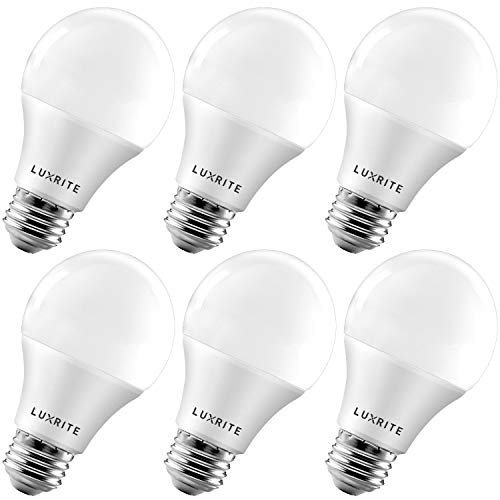
LUXRITE A19 LED Bulb 60W Equivalent, 2700K Warm White, 800 Lumens, Dimmable Standard LED Light Bulbs 9W, Enclosed Fixture Rated, Energy Star, E26 Medium Base – Indoor and Outdoor (6 Pack)
BRIGHTEST – Giving you 800 lumens of crisp, quality lighting that is perfect for any atmosphere and brighter…
As an affiliate, we earn on qualifying purchases.
As an affiliate, we earn on qualifying purchases.
How Do Appliances and Buildings Earn the Energy Star Label?
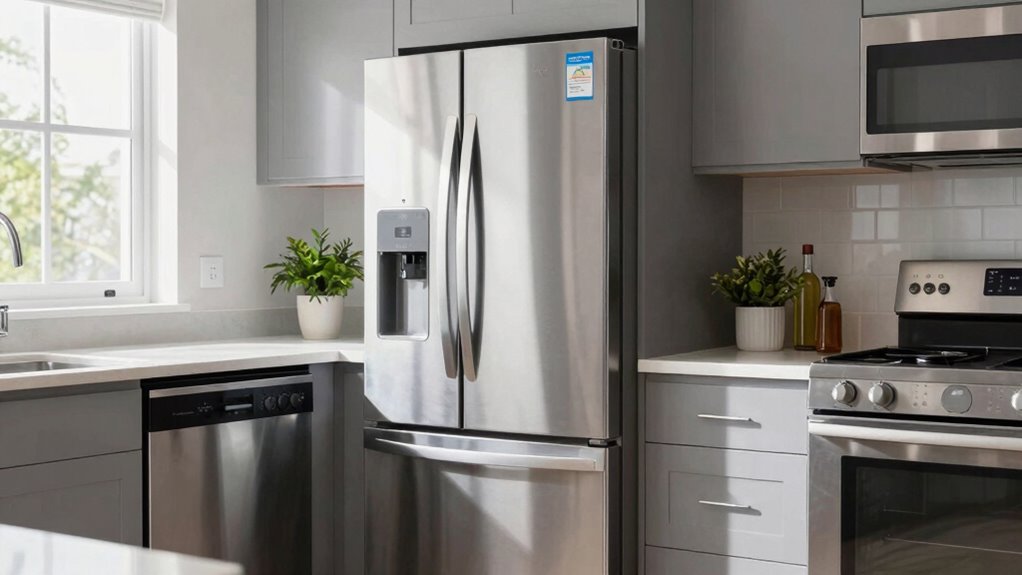
Curious about how appliances and buildings earn the Energy Star label? It’s based on rigorous testing and performance standards. For appliances, durability and energy efficiency are key; they must perform reliably while consuming less power. Building design also matters, focusing on energy-efficient features that reduce overall consumption. To qualify, products and buildings undergo assessments measuring energy savings, environmental impact, and long-term performance. Incorporating natural filtration systems and sustainable landscaping can further enhance a building’s eligibility for the Energy Star label. Additionally, understanding the importance of performance testing ensures that only truly efficient models receive certification. Moreover, a comprehensive evaluation of energy consumption patterns helps verify sustained efficiency over time. Recognizing the role of energy management systems can also optimize overall building performance and maintain certification standards. Implementing energy-efficient technologies can further improve a building’s chances of earning and maintaining the label.

Kenmore 4.5 cu. ft. Front Load Washer with Stain Removing Steam Treatment – Reduce Laundry Time with Accela Wash – LED – ENERGY STAR Certified – Metallic Silver
More Laundry, Less Time: Our high-efficiency front load washer features Express Wash to clean small loads in just…
As an affiliate, we earn on qualifying purchases.
As an affiliate, we earn on qualifying purchases.
What Standards and Criteria Are Used for Energy Star Certification?
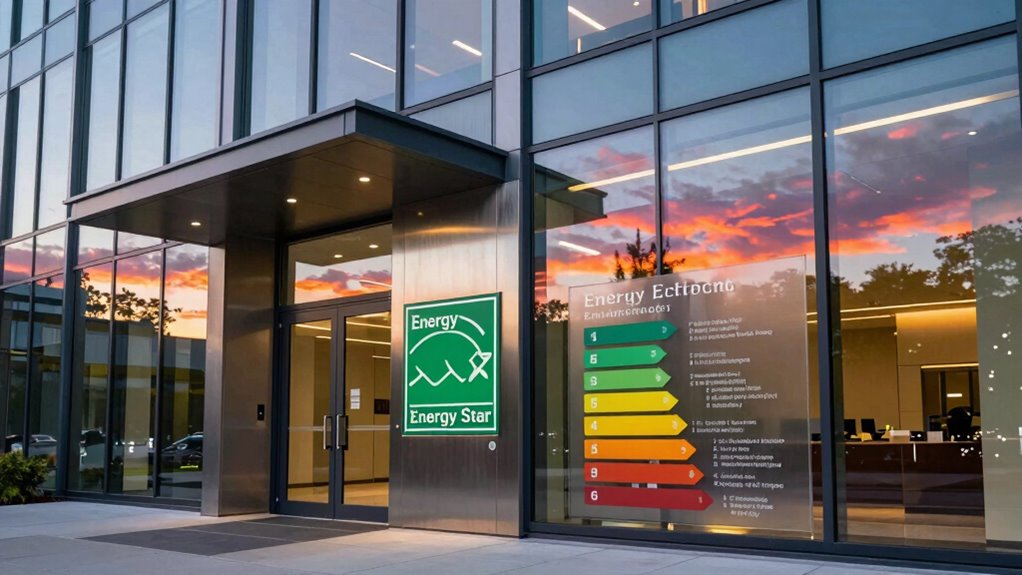
To earn the Energy Star label, products and buildings must meet strict standards that guarantee they deliver real energy savings and environmental benefits. These standards are based on specific energy standards and performance benchmarks set by the EPA. Certification criteria include rigorous testing and verified performance data to ensure efficiency claims are accurate. For appliances, this involves meeting minimum efficiency levels compared to conventional models. Buildings must demonstrate energy performance that exceeds standard codes, often through energy modeling and on-site measurements. The criteria are regularly updated to reflect technological advancements and market conditions. Additionally, testing accuracy plays a crucial role in certifying that performance data truly reflects real-world energy use. For example, the increasing popularity of energy-efficient appliances and electric bikes highlights the importance of accurate performance assessment. By fulfilling these standards, you can trust that Energy Star-certified products and buildings genuinely reduce energy use while helping you save money and protect the environment. Transparency in performance data ensures consumers can make informed choices about their energy efficiency investments. Furthermore, ongoing monitoring and verification processes are essential to maintaining the integrity of the certification over time.

An Introduction to Energy Efficient HVAC Controls
As an affiliate, we earn on qualifying purchases.
As an affiliate, we earn on qualifying purchases.
How Can You Verify If a Product Is Truly Energy Star?
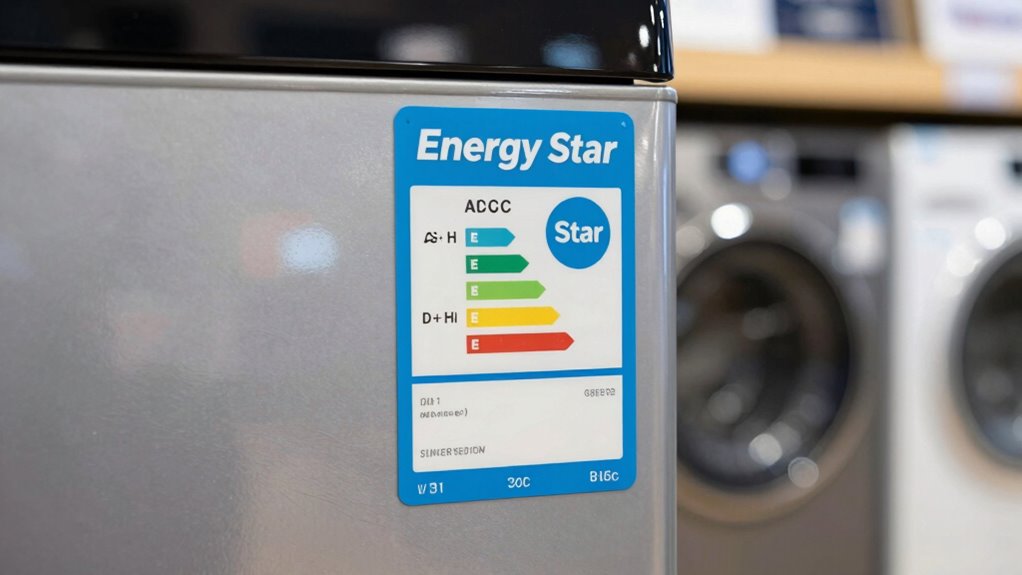
To verify if a product is genuinely Energy Star certified, start by checking the certification label on the product or packaging. You should also confirm the product specifications match Energy Star standards, which are often listed in the product details. Doing these simple checks helps guarantee you’re getting an authentic, energy-efficient product. Additionally, reviewing the ethics in consumer choices can help you make more informed and responsible purchasing decisions. For example, understanding proper air purifier maintenance dos and don’ts can ensure the product continues to operate efficiently over time. Being aware of cabling solutions and ensuring proper installation can also contribute to maintaining energy efficiency and overall system performance. Recognizing the importance of product certification labels can further assist in distinguishing genuine Energy Star products from imitations. Incorporating awareness of regulatory standards can also help verify the authenticity of Energy Star claims and ensure compliance.
Check Certification Labels
Checking the certification labels on a product is the quickest way to verify if it’s genuinely Energy Star certified. Look for the official Energy Star logo, which indicates the product has completed the certification process and meets strict efficiency standards. Be cautious of labels that appear questionable or are poorly printed, as they may lack label accuracy. To confirm authenticity, visit the official Energy Star website and compare the product details with their database. Certified products should also include a model number and certification date on the label. Remember, a legitimate Energy Star label isn’t just about appearance; it’s backed by a rigorous certification process designed to guarantee your product truly meets energy efficiency criteria. Understanding affiliate disclosure can help you make more informed decisions about energy-efficient products. Additionally, inspecting cookie categories information can ensure your browsing experience remains secure and private while researching certified products online.
Confirm Product Specifications
Wondering if a product truly meets Energy Star standards? To confirm its product specifications, you need to focus on product accuracy and specification verification. Start by checking the manufacturer’s documentation and compare it with official Energy Star details. Look for detailed product specs on the company’s website or in the user manual. Cross-reference these with the Energy Star certification database to verify they match. Be cautious of vague or inconsistent information, as some products may claim energy efficiency without meeting the criteria. Authentic certifications include a clear label and a model number you can verify online. Accurate product specifications are essential for making sure the product genuinely qualifies for Energy Star, so don’t skip this verification step before your purchase. Additionally, understanding the energy efficiency standards can help you better interpret product claims and certifications. Familiarizing yourself with bank SWIFT/BIC codes can also be useful if you need to make international transactions related to your purchases. Checking the product’s technical details thoroughly ensures you’re making an informed decision based on verified information. Verifying the official certification helps confirm that the product has undergone proper testing and certification processes.
Do Energy Star Products Save You Money?

Energy Star products can help lower your energy bills by using less power. Over time, these savings add up, giving you long-term financial benefits. Plus, their efficient performance guarantees you get reliable results without wasting resources.
Lower Energy Bills
Many energy-efficient products labeled with Energy Star can help you save money on your monthly utility bills. By choosing these products, you reduce energy consumption, which lowers your costs and supports energy conservation. Plus, some Energy Star appliances work synergistically with renewable energy systems, maximizing savings. Here are four ways they help you save:
- Lower energy use means smaller bills each month.
- Reduced demand on your energy system can lead to fewer peak-time charges.
- Energy-efficient appliances last longer, cutting replacement costs.
- Better performance encourages sustainable habits, further decreasing your overall energy footprint.
Together, these benefits show how Energy Star products make it easier to cut costs while supporting a greener lifestyle.
Long-Term Savings Benefits
Investing in Energy Star products can lead to significant long-term savings, even if they sometimes cost more upfront. Their superior energy efficiency reduces your monthly utility bills, saving you money over time. Plus, many regions offer renewable incentives that further lower the initial purchase price. These incentives, combined with energy-efficient designs, help maximize your savings.
| Benefit | Explanation | Impact |
|---|---|---|
| Lower Energy Bills | Reduced energy consumption means less expense | Ongoing savings |
| Renewable Incentives | Tax credits or rebates for eco-friendly products | Lower upfront costs |
| Long-Term Savings | Energy efficiency pays off over years | Increased financial benefit |
Choosing Energy Star products guarantees you save money now and in the future.
Efficient Product Performance
While some may question whether Energy Star products truly save money, the evidence shows they do by delivering efficient performance. These products are designed to minimize energy waste, leading to lower utility bills. Their efficient operation supports renewable integration, making it easier to incorporate solar and wind energy into your home. Additionally, their performance contributes to grid modernization, helping utilities manage energy more effectively. To better understand their benefits, consider:
- Lower energy bills over time
- Reduced environmental impact
- Support for renewable energy sources
- Contribution to a smarter, more resilient grid
How Does Choosing Energy Star Help the Environment?
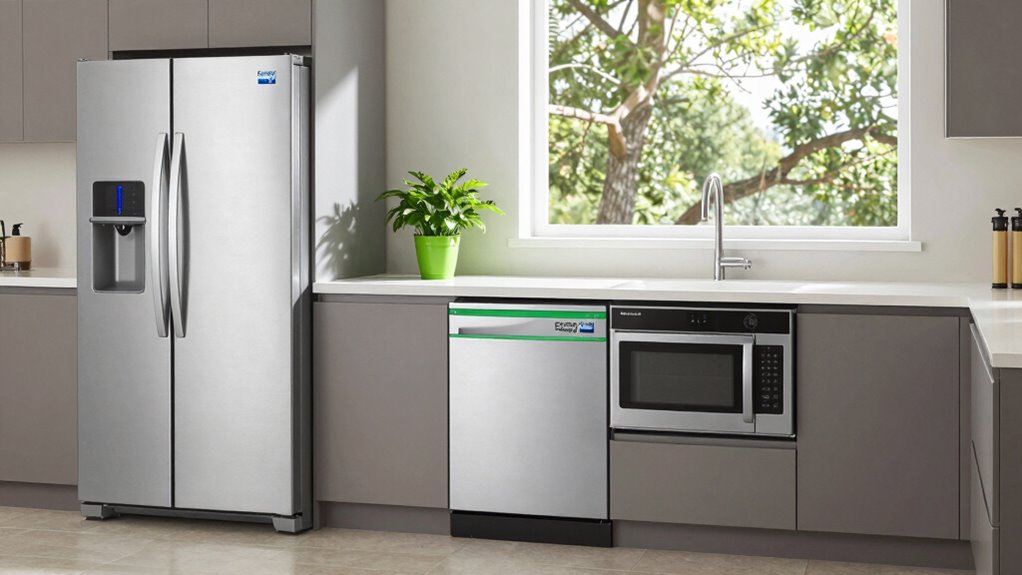
Have you ever wondered how choosing Energy Star-certified products benefits the environment? When you opt for these products, you help reduce your carbon footprint by using energy more efficiently. This decrease in energy consumption means less reliance on fossil fuels, which are a major source of greenhouse gases. As a result, fewer emissions are released into the atmosphere, helping combat climate change. Additionally, Energy Star products often support the use of renewable energy sources by optimizing energy use and reducing waste. Your choices encourage manufacturers to develop greener technologies and promote sustainability. Overall, by selecting Energy Star, you play a direct role in protecting the environment, conserving resources, and promoting cleaner, more sustainable energy practices.
What Are the Benefits of Using Energy Star Certified Appliances and Buildings?
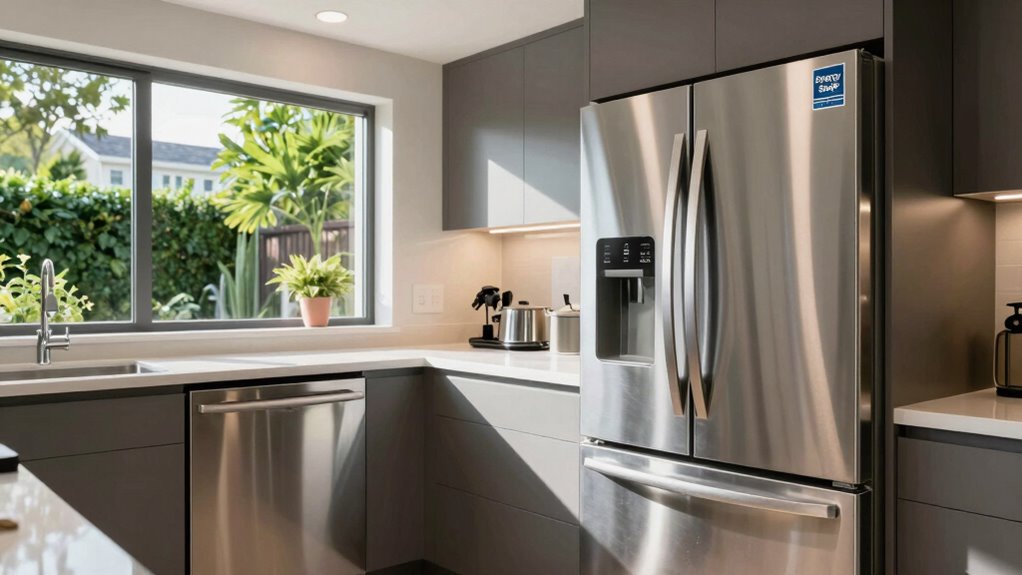
Using Energy Star certified appliances and buildings offers numerous benefits that can save you money and improve your daily life. First, they reduce energy bills by consuming less power, making your home more cost-efficient. Second, these products support renewable integration, helping you lower your carbon footprint. Third, Energy Star certifications promote compatibility with the smart grid, enabling better energy management and demand response. Fourth, choosing certified options often means increased durability and performance, saving you maintenance costs. Additionally, using energy-efficient systems helps balance energy load, contributing to a more reliable power supply. Overall, Energy Star appliances and buildings enhance sustainability, reduce environmental impact, and provide you with a more efficient and comfortable living environment.
Are Energy Star Products Worth Their Cost?
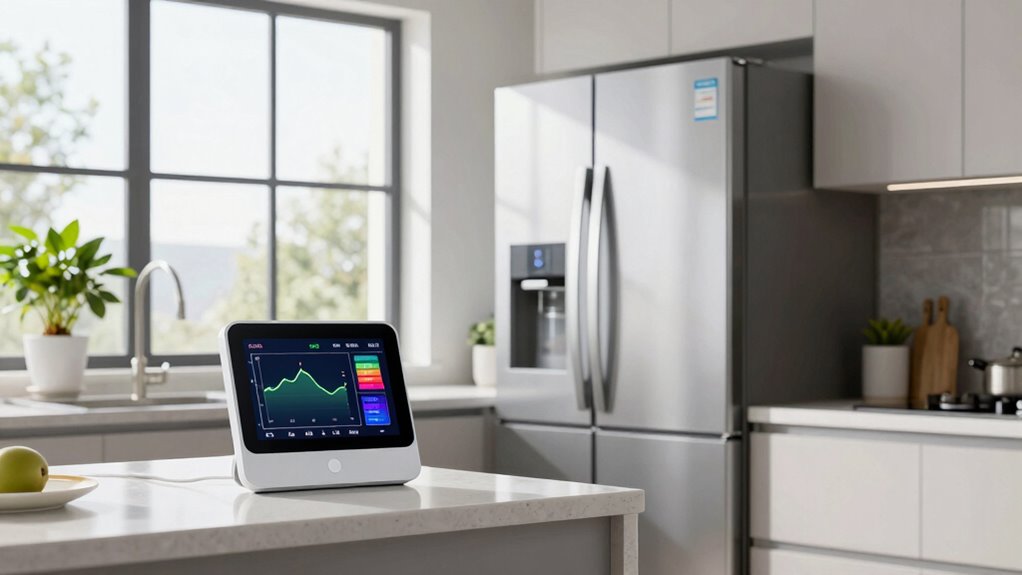
You might wonder if Energy Star products justify their higher initial price. While they cost more upfront, they often save you money through lower energy bills over time. Considering the long-term savings potential can help you decide if the efficiency boost is worth the investment.
Long-Term Savings Potential
While Energy Star products often come with a higher upfront cost, their true value lies in the savings they generate over time. By improving energy conservation, you cut down on utility bills and extend your investment’s benefits. Plus, many Energy Star items support renewable integration, making your home more eco-friendly. Over the long term, you can expect:
- Reduced energy expenses due to efficient operation
- Faster return on investment through lower monthly bills
- Increased property value with eco-friendly upgrades
- Contribution to a sustainable environment by lowering carbon footprint
These benefits highlight that, despite initial costs, Energy Star products pay off by delivering significant savings and supporting energy conservation efforts for years to come.
Price Versus Efficiency
Although Energy Star products often cost more upfront, their efficiency can make them a worthwhile investment. You might face budget trade-offs, but prioritizing efficiency can lead to long-term savings. Think about whether the initial price difference outweighs future energy bills. To help decide, consider this comparison:
| Cost & Savings | Efficiency Priority |
|---|---|
| Higher upfront cost | Reduced energy use |
| Lower operating costs | Environmental benefits |
| Faster return on investment | Long-term savings |
| Budget constraints | Sustainable choice |
If your goal is to cut energy costs and reduce environmental impact, paying more initially for Energy Star products is often justified. Balancing your budget trade-offs with your efficiency priorities is key to making the right choice.
What Are Common Misconceptions About Energy Star Certifications?

Have you ever wondered if all products with the Energy Star label truly perform as efficiently as they claim? Many believe in energy myths that can lead to misconceptions about certification. Here are some common ones:
Not all Energy Star products are equally efficient; myths can lead to misconceptions.
- All Energy Star products are the most energy-efficient – not necessarily; they meet minimum standards, but better options may exist.
- Energy Star guarantees long-term savings – savings depend on usage and other factors, not just certification.
- Certified products are always higher quality – certification focuses on efficiency, not necessarily durability or performance.
- Energy Star certification applies to all models – some models may meet standards temporarily or vary by region.
Understanding these certification myths helps you make smarter, more informed choices.
How Can You Make Smarter, Sustainable Choices With Energy Star?
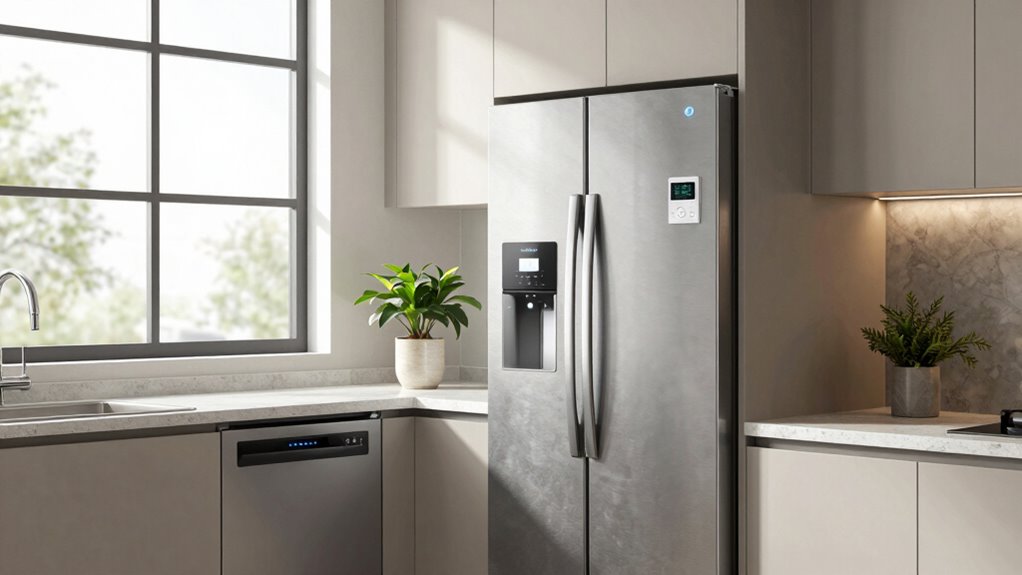
Understanding what Energy Star certification truly signifies can help you make smarter, more sustainable choices. By choosing Energy Star-rated appliances and products, you reduce energy consumption, lowering your carbon footprint. Consider integrating renewable energy sources like solar panels into your home to further enhance sustainability. A smart home system can optimize energy use, ensuring appliances operate only when needed and adjusting settings for maximum efficiency. These technologies work together to save you money and lessen environmental impact. Look for Energy Star labels when purchasing electronics, HVAC systems, and lighting. Making these informed choices not only supports a healthier planet but also promotes long-term savings. Embracing renewable energy and smart home solutions empowers you to live more sustainably and make a positive difference.
Frequently Asked Questions
How Often Are Energy Star Standards Updated?
Energy Star standards are updated annually to keep up with technological advances and renewable energy standards. As a consumer, you should know that this frequent updating guarantees products meet the latest energy efficiency requirements, helping you save money and reduce environmental impact. Staying informed about these updates helps you choose Energy Star-certified appliances, which are recognized for their commitment to sustainability and energy conservation, aligning with current renewable energy standards.
Are All Energy Star Products Equally Energy-Efficient?
Not all Energy Star products are created equal; think of them as stars in a constellation, shining with varying brightness. You’ll find differences in energy efficiency based on the appliance’s design and performance. During the certification process, products are rigorously tested to guarantee they meet strict standards, which can influence their lifespan and efficiency. So, always check the label and specifications to choose the most energy-efficient option for your needs.
Can Older Appliances Ever Qualify for Energy Star Certification?
Older appliances can qualify for Energy Star certification if they meet current energy efficiency standards, but it’s unlikely due to their shorter appliance lifespan and outdated technology. The certification process evaluates an appliance’s energy use against strict criteria, which newer models typically meet more easily. If your older appliance is still functional, consider upgrading for better efficiency and a chance to earn the certification, but don’t expect older units to qualify easily.
How Does Energy Star Certification Impact Property Value?
Energy Star certification can positively impact your property value by enhancing buyer perception of its efficiency and eco-friendliness. While the cost impact of certification may be upfront, it often leads to higher resale value and quicker sales. Buyers see Energy Star labels as a sign of lower energy bills and sustainable living, making your property more attractive. Overall, having this certification can give your property a competitive edge in the market.
Are There Regional Differences in Energy Star Criteria?
Regional standards and geographic variations influence Energy Star criteria, meaning they can differ depending on where you are. These variations account for climate, energy use, and local regulations, ensuring the certification remains relevant and accurate for your area. So, if you’re looking at Energy Star-rated products or buildings, check whether the standards apply specifically to your region to understand their true efficiency and benefits in your location.
Conclusion
By choosing Energy Star-certified products, you’re planting seeds for a greener future. Imagine your home glowing with efficiency, each appliance humming softly, conserving energy like a gentle breeze through trees. Every mindful choice you make helps reduce pollution and saves you money, creating a ripple effect of sustainability. Embrace these standards—your small steps today can blossom into a healthier, brighter planet tomorrow, where your home becomes a sanctuary of smart, eco-friendly living.