
Choosing between a 24-inch and 30-inch workbench depends on your workspace size, project needs, and personal preferences. A 24-inch offers a compact, space-saving option ideal for smaller tasks and limited areas, while a 30-inch provides more stability and surface area for larger projects and heavier workloads. Consider how much room you have and what tasks you’ll do most often. Keep exploring to find out which option suits your workshop best.
Key Takeaways
- 30-inch workbenches offer more workspace for larger projects and heavier tools, enhancing stability and durability.
- 24-inch benches save space, are easier to move, and suit smaller workshops or detailed, precision tasks.
- Larger depth improves ergonomics and workflow efficiency for handling big materials, while shallower benches promote better reach in tight spaces.
- Consider project size, workspace layout, and storage needs when choosing between 24-inch and 30-inch depths.
- Accurate measurements and workspace planning ensure optimal comfort, safety, and functionality with either bench depth.
As an affiliate, we earn on qualifying purchases.
Deciding Between 24-Inch and 30-Inch Workbenches: A Quick Guide
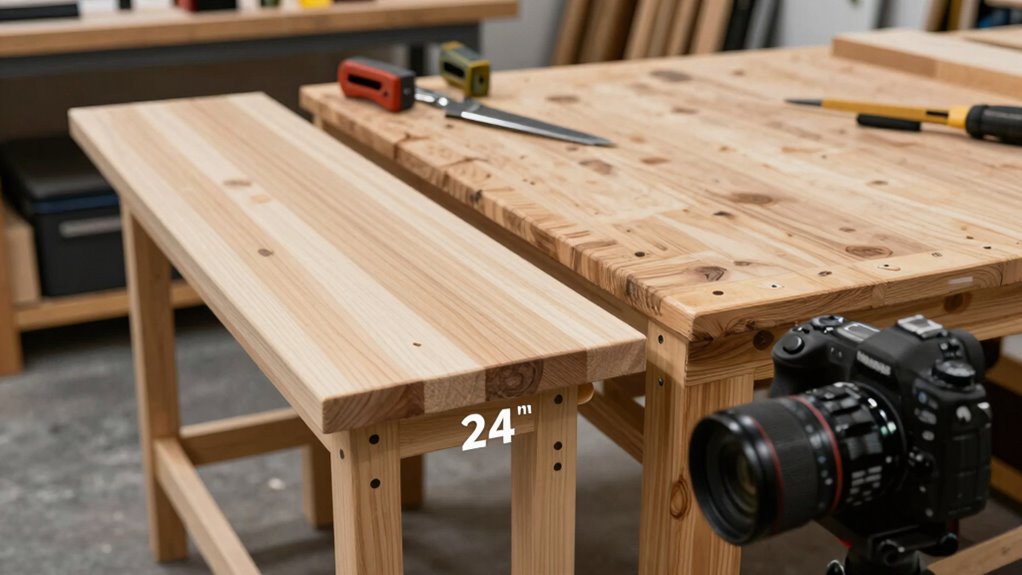
Deciding between a 24-inch and a 30-inch workbench depends on your workspace, projects, and personal preferences. If you prioritize material durability, a 30-inch workbench often offers more stability and strength, making it better for heavy-duty tasks. It also provides a broader surface, which can improve your workflow. Conversely, a 24-inch bench takes up less space, ideal for smaller workshops or tighter areas, but may sacrifice some durability and workspace. Aesthetic appeal also matters—you might prefer the sleeker look of a narrower bench or the more robust appearance of a wider one. Consider how much surface area you need and how the bench’s look fits into your workspace environment. Your choice should balance functionality, durability, and visual harmony. Additionally, selecting the right workbench size can influence the overall ergonomics and safety of your workspace, ensuring better comfort during use. Being aware of material quality and construction can further help you make a long-lasting choice.
As an affiliate, we earn on qualifying purchases.
Key Factors to Consider When Choosing Your Workbench Depth
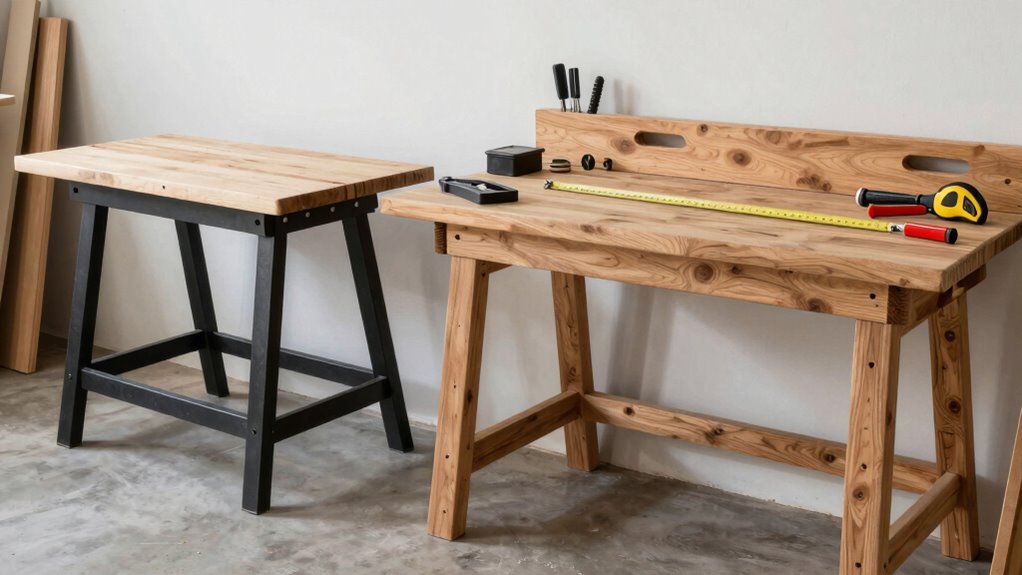
When selecting the ideal workbench depth, you need to assess how the size impacts your workflow and overall workspace. Material durability is vital—choose sturdy materials like hardwood or steel to guarantee longevity and withstand heavy use. The depth also affects aesthetic appeal; a deeper bench can create a professional look, but it might overwhelm smaller spaces. Consider how accessible tools and materials will be at different depths, as well as your comfort during prolonged work sessions. If your projects require extensive space for large components, a 30-inch depth might be better. Conversely, a 24-inch workbench offers a sleek, space-saving option without sacrificing functionality for smaller tasks. Balancing material durability and aesthetic appeal helps you select a workbench that’s both practical and visually appealing. Additionally, understanding projector technology can help you create an optimal workspace environment, especially if visual displays are part of your workflow.
As an affiliate, we earn on qualifying purchases.
Surface Area and Project Compatibility: 24-Inch vs. 30-Inch
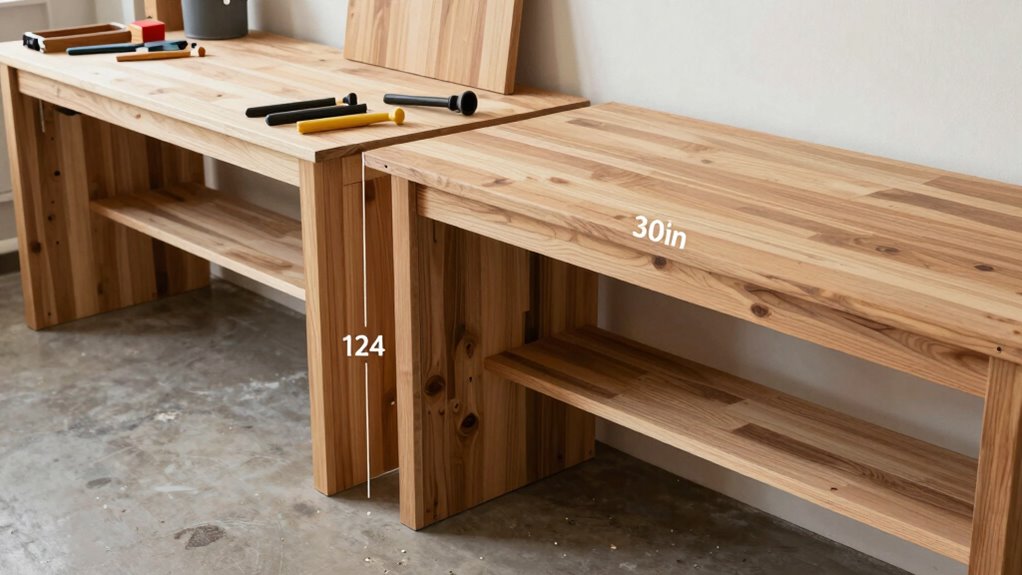
When choosing between a 24-inch and a 30-inch workbench, consider how much surface area you’ll need for your projects. The larger size offers more space for big projects, tools, and storage, making it more versatile. Think about your typical workspace capacity and whether a bigger surface will improve your efficiency or feel overwhelming. Incorporating interactive murals or digital frames into your workspace can enhance your creativity and organization. Additionally, understanding the importance of cookies on websites and how they impact your online experience can help you better manage your digital workspace. Recognizing the benefits of aromatherapy in traditional care can also contribute to a more relaxing and productive environment. Exploring diverse herbal traditions can provide valuable insights into holistic approaches that promote well-being, which can be integrated into a calming workspace environment. Being aware of cultural differences in drink rituals can further enrich your hosting experience, especially when entertaining guests from diverse backgrounds.
Workspace Capacity Differences
The surface area of a workbench directly impacts how much space you have for projects and tools. With a 24-inch depth, you get a more compact workspace, ideal for smaller tasks, but it limits your capacity for larger projects. A 30-inch workbench offers more surface area, increasing your workspace capacity and allowing for bigger or multiple projects simultaneously. Material durability and aesthetic appeal also vary, with thicker, high-quality materials enhancing longevity and visual appeal regardless of depth. Consider this table to compare capacity differences:
| Feature | 24-Inch Depth | 30-Inch Depth |
|---|---|---|
| Surface area | Smaller, limited workspace | Larger, more versatile space |
| Project compatibility | Suitable for small projects | Handles larger projects easily |
| Material durability | Varies with material choice | More stable with thicker materials |
Suitability for Large Projects
A workbench’s surface area plays a significant role in determining its suitability for large projects, especially when considering the depth options. A 30-inch deep workbench provides more space, making it easier to handle sizable materials and complex tasks without feeling cramped. It offers better material durability, supporting heavier workloads and reducing the risk of warping or damage over time. Conversely, a 24-inch workbench might limit large project work but can still be suitable if your projects are smaller or more detailed. The aesthetic appeal of a larger surface can enhance your workspace’s look and feel, creating an inviting environment for big projects. Ultimately, choosing between 24 and 30 inches depends on your project size and how much surface area you need to work efficiently. Additionally, considering workbench design can help optimize functionality for different project scales.
Storage and Tool Placement
Larger workbenches naturally offer more surface area, which can considerably impact your storage options and tool placement. With a 30-inch depth, you’ll find it easier to organize larger tools and materials, reducing clutter and improving efficiency. A wider surface also allows for better material compatibility, accommodating bigger projects comfortably. Additionally, a deeper workbench can improve power quality by providing more space for integrated lighting and electrical outlets, enhancing overall workspace functionality. A deeper workbench can also support workspace organization by allowing for more flexible tool storage solutions and easy access. This increased depth may also influence the overall workspace ergonomics, making your projects more comfortable and reducing strain during use. Furthermore, the additional space can facilitate the integration of smart furniture elements, such as ladder racks or smart beds, to optimize your workspace. Aesthetically, a deeper workbench can create a more balanced workspace, especially if you prefer a spacious look. Incorporating a deeper workbench can also be advantageous for testing accuracy, as it provides more room for precise measurement tools and testing stations. Here’s a quick comparison:
| Aspect | 24-Inch Depth | 30-Inch Depth | Benefits |
|---|---|---|---|
| Surface Area | Limited | Expanded | More space for tools and materials |
| Material Compatibility | Smaller projects only | Handles larger materials | Greater versatility |
| Aesthetic Considerations | Compact, less commanding | More substantial, balanced | Enhanced workspace appearance |
| Tool Placement | Tighter, less flexible | More flexible | Better organization |
| Storage Options | Reduced | Increased | Better storage solutions |
As an affiliate, we earn on qualifying purchases.
How Workbench Depth Affects Comfort, Ergonomics, and Workflow
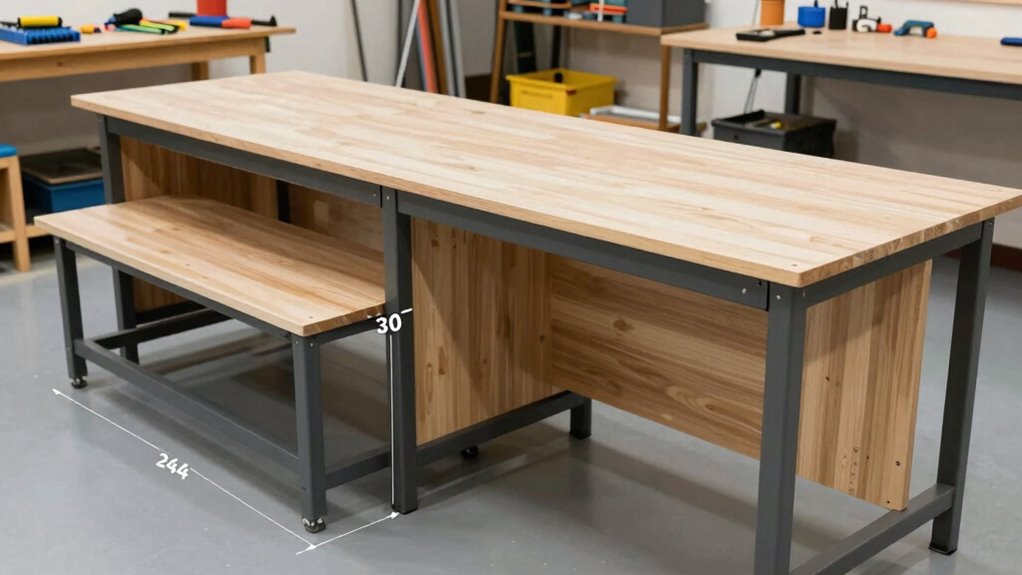
The depth of your workbench directly impacts your comfort and efficiency during tasks. A properly sized depth helps you maintain better ergonomics, reducing fatigue and strain. When the workbench fits your workflow, you’ll complete projects more smoothly and with less interruption. Ensuring your workbench is appropriately sized can also prevent unnecessary reaching and twisting, which can contribute to discomfort over time. Additionally, choosing the right depth can enhance your safety by providing a stable and accessible workspace, especially when handling tools like nail guns or performing precise cuts.
Ergonomic Efficiency
Choosing the right workbench depth directly impacts your comfort and efficiency during projects. A deeper workbench, like 30 inches, offers more surface area, reducing strain as you work, but it can also cause you to lean forward more, affecting your posture. Conversely, a 24-inch depth might be more comfortable for shorter tasks and easier to reach across, promoting better ergonomics. Material durability is essential—sturdy materials ensure stability and support, preventing fatigue. Additionally, the aesthetic appeal influences your workspace’s ambiance, motivating you to work more comfortably. An ergonomically efficient bench minimizes unnecessary movements, reduces fatigue, and helps maintain proper posture, all of which boost your productivity. Understanding workshop fundamentals helps you create a workspace tailored to your needs. Considering ergonomic principles can further optimize your setup for long-term comfort and efficiency. Ultimately, selecting the right depth enhances your comfort, making your projects more enjoyable and less taxing.
Workflow Optimization
Since your workbench’s depth directly influences how comfortably and efficiently you can perform tasks, it plays a crucial role in your workflow. A deeper workbench, like 30 inches, offers more space for handling larger projects and supports better material durability, reducing the risk of warping or damage during use. This stability enhances workflow by minimizing interruptions and ensuring consistent quality. Conversely, a 24-inch depth may promote a more open workspace, making tasks feel less cramped and improving aesthetic appeal, especially in smaller shops. The choice also impacts ergonomics: a deeper surface can reduce strain during prolonged work, but may require adjustments to your stance. Ultimately, selecting the right depth balances comfort, material durability, and visual appeal to optimize your workflow.
Pros and Cons of a 24-Inch Workbench
A 24-inch workbench offers a compact and versatile option for many DIYers and professionals alike. Its narrower depth means it fits easily into smaller workshops or tight spaces. When considering material durability, a 24-inch workbench can be made from sturdy materials like hardwood or metal, ensuring it withstands heavy use. Its aesthetic appeal often depends on the finish and design, which can complement various workshop styles. The smaller size makes it easier to move and reposition, but it also limits workspace and storage options. You’ll find it ideal for light projects, detailed work, or when space is a priority. However, if you require extensive working surface or large materials, this depth might feel restrictive. Overall, it’s a practical choice for those valuing flexibility and efficient use of space. Additionally, the workbench depth can influence the overall stability and ergonomic comfort during prolonged tasks.
Pros and Cons of a 30-Inch Workbench
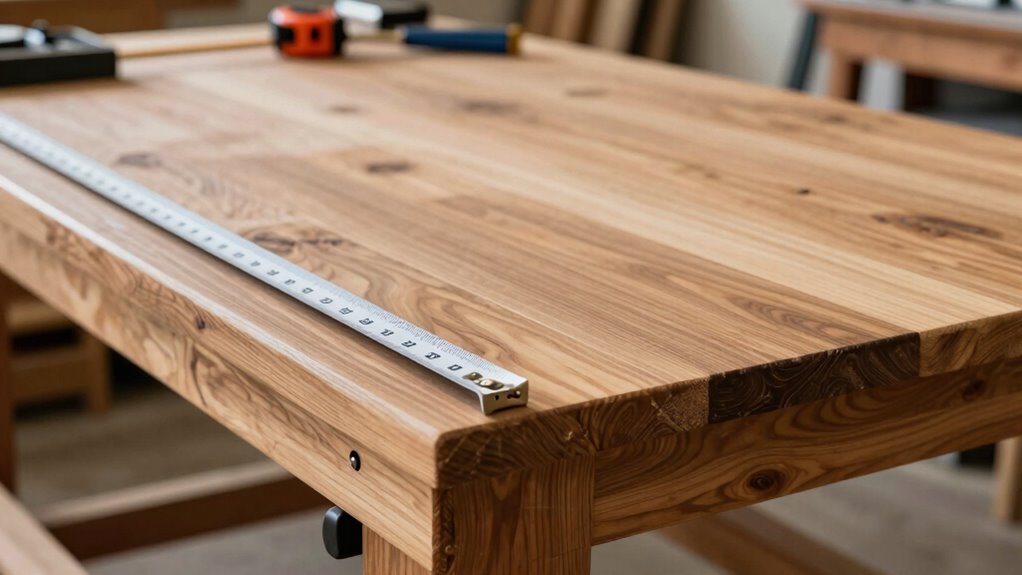
A 30-inch workbench provides a larger, more spacious surface that enhances your ability to handle bigger projects and wider materials. Its increased depth offers better support for heavy-duty tasks, making material durability a key advantage. You won’t have to worry about materials slipping or bending under pressure, as the sturdy surface can withstand demanding use. Additionally, a 30-inch workbench often boasts a more impressive aesthetic appeal, giving your workspace a professional, robust look. Proper gear care can help maintain its appearance and longevity over time. However, the extra depth can also be a drawback, as it may take up more space and become less maneuverable in smaller workshops. Overall, if you prioritize durability and a polished appearance, a 30-inch workbench can be a valuable investment, provided your workspace accommodates its size.
Measuring Your Space and Picking the Right Workbench Size
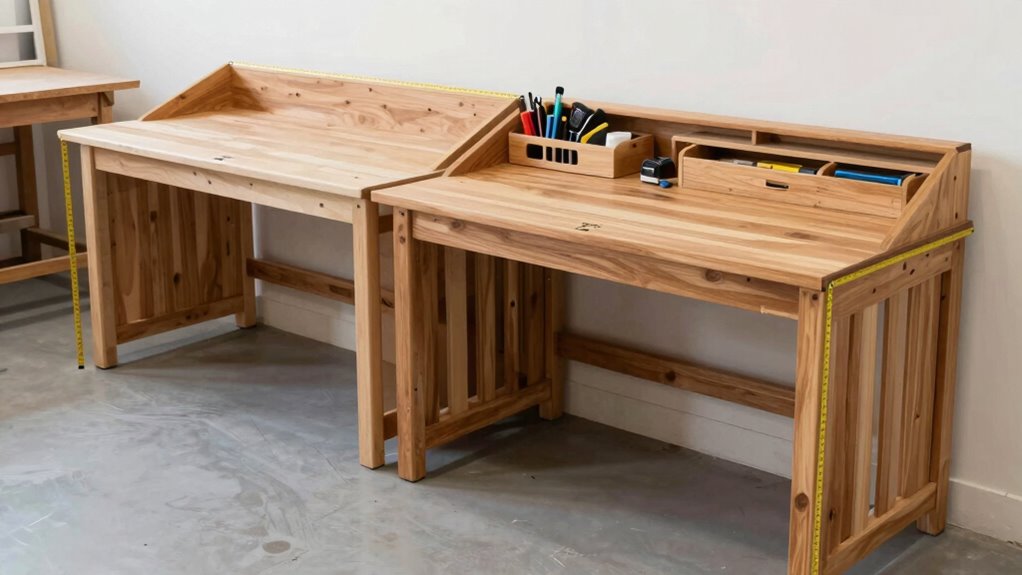
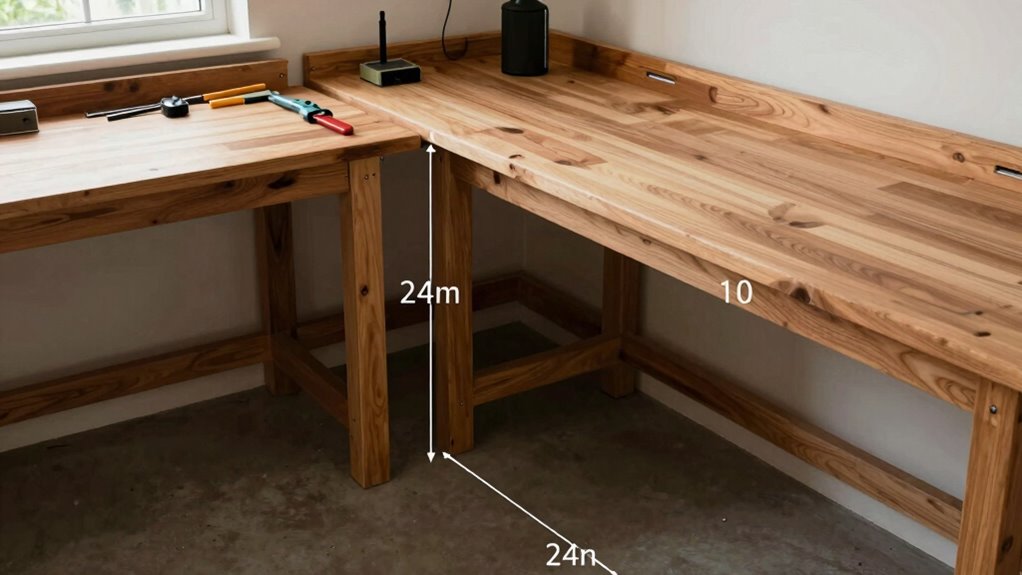
Measuring your space accurately is essential to choosing the right workbench size. Start by evaluating the available room, considering both width and depth. Think about material choices—some materials, like thick hardwood, may require more space for stability and support. Also, consider lighting considerations; a well-lit area can influence your workbench placement and size, ensuring you avoid shadows during detailed tasks. If your workspace is tight, a narrower or more compact bench might be best, especially if you plan to use it for lighter projects. For larger projects or more storage, a deeper, 30-inch workbench could be more suitable. Always leave enough clearance around your workbench for comfortable movement and access to tools, maximizing your workspace efficiency. Incorporating dust removal techniques can help maintain a cleaner environment, especially when working with materials that generate dust. Additionally, understanding workbench dimensions helps ensure your workspace remains functional and comfortable for your projects. Considering ergonomic design can also improve comfort and reduce fatigue during extended work sessions.
Frequently Asked Questions
How Does Workbench Depth Influence Storage Options?
A deeper workbench, like 30 inches, offers more storage options because it allows you to add larger drawers and shelves underneath, optimizing space. Material considerations come into play since sturdier materials support heavier storage. Additionally, a deeper design can enhance aesthetic appeal by creating a more substantial, balanced look. You’ll find that a 30-inch depth provides better organization and functionality, especially if you need ample space for tools and materials.
Can a Deeper Workbench Improve Safety During Projects?
A deeper workbench can improve safety during projects by providing ergonomic benefits, allowing you to work at a comfortable height and reducing strain. It also offers more surface space, helping you keep tools organized and within reach, minimizing accidents. Additionally, the increased depth enhances aesthetic appeal, making your workspace look more professional and inviting. Overall, a deeper workbench promotes safer, more efficient work habits while boosting your workspace’s visual appeal.
Which Workbench Depth Is Better for Precision Work?
For precision work, a 24-inch workbench is better because it offers enhanced ergonomic comfort and better workspace accessibility. You can work more comfortably without straining, and it’s easier to reach tools and materials quickly. A deeper, 30-inch bench might feel more spacious, but it can hinder your precision due to less control and increased fatigue. Choose the 24-inch option to improve your accuracy and maintain comfort during detailed tasks.
How Does Workbench Depth Impact Mobility and Transport?
While a deeper workbench may seem to command your space, it can also subtly restrict your mobility and transport options. A 24-inch depth offers enhanced ergonomic comfort, allowing easier access and maneuverability, which boosts workspace flexibility. Conversely, a 30-inch workbench might require more effort to move and transport, potentially limiting your ability to reconfigure your workspace swiftly. Balancing depth with mobility guarantees your workspace remains both efficient and adaptable.
Are There Industry Standards for Workbench Depths?
Yes, industry standards for workbench depths typically range from 24 to 30 inches, balancing ergonomic considerations and material durability. You should choose a depth that matches your workspace needs, ensuring comfort and efficiency while supporting heavy tools or materials. Standard depths help optimize safety and functionality, but personal or industry-specific requirements might lead you to customize. Always consider how depth affects mobility, storage, and ergonomic posture for best results.
Conclusion
Choosing between a 24-inch and 30-inch workbench is like picking the right pair of shoes—you want comfort, support, and the perfect fit for your needs. Consider your workspace, project type, and ergonomic preferences to make the best decision. Whether you go for the more nimble 24-inch or the spacious 30-inch, aligning your choice with your workflow will make your workspace feel like a well-tailored suit—comfortable and just right.