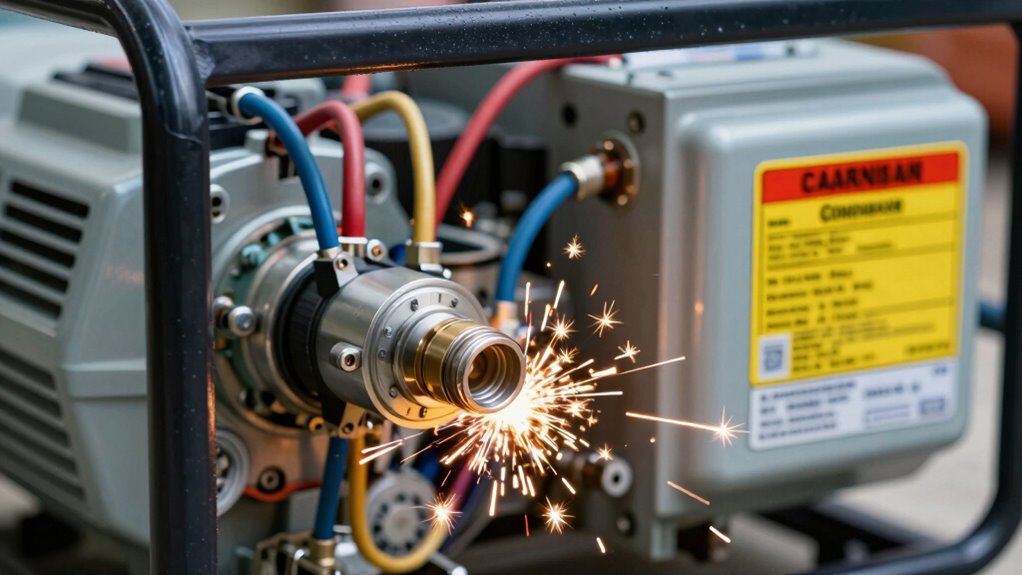

Generator backfeed is when your generator sends electricity back into the main power lines, which can be very dangerous. It can cause shocks, fires, or damage your electrical system, and it puts utility workers at risk. Common causes include improper wiring or faulty transfer switches. To stay safe, always follow proper installation, use safety devices, and monitor your generator carefully. If you’d like to understand how to prevent backfeed and keep your home safe, keep exploring these important safety tips.
Key Takeaways
- Backfeed occurs when a generator sends electricity into the main power lines, posing shock and fire hazards.
- Improper wiring or transfer switch mistakes are common causes of dangerous backfeed situations.
- Signs include unexpected power, unusual noises, smells, or shocks when the main breaker is off.
- Using proper transfer switches, regular maintenance, and following safety standards prevent backfeed risks.
- Immediate professional help is essential if you notice persistent backfeed signs or electrical odors.
As an affiliate, we earn on qualifying purchases.
What Is Generator Backfeed and Why Does It Matter?
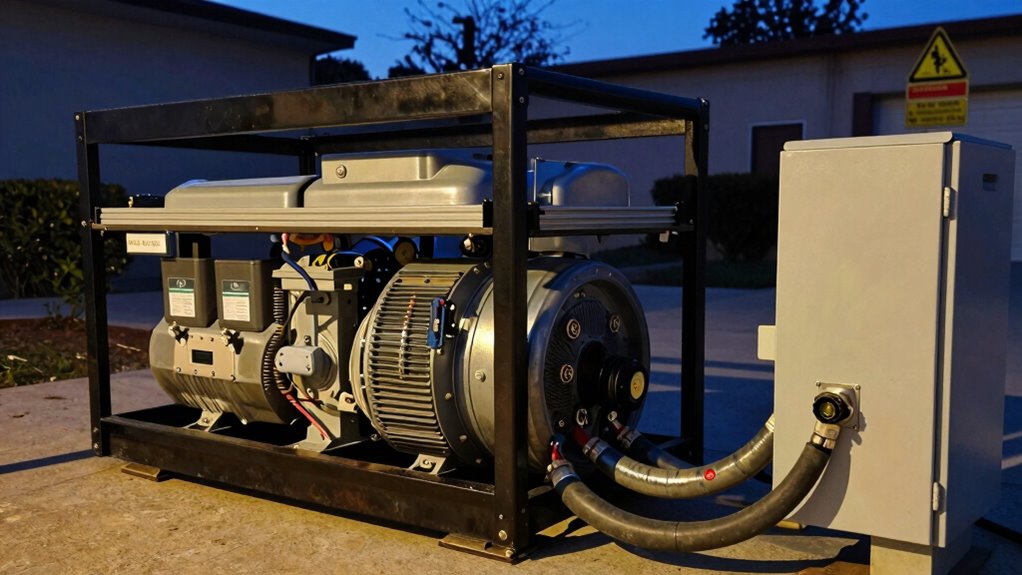
Have you ever wondered what happens when your generator feeds electricity back into the main power lines? This is called generator backfeed, and it can be dangerous. When your generator isn’t properly maintained, it may unintentionally send electricity into the grid, risking shock or damage. Backfeed occurs when the power source isn’t isolated correctly, creating a hazardous situation for utility workers and your home. Regular generator maintenance helps prevent backfeed by ensuring all safety mechanisms are in place. It’s essential to understand that your generator is designed to supply power during outages, not to feed excess energy back into the grid. Proper power quality management and adherence to safety standards are crucial to prevent backfeed issues. Recognizing the importance of proper operation and maintenance keeps everyone safe and protects your equipment from potential backfeed issues. Ensuring system compatibility between your generator and the utility grid is also vital to avoid dangerous backfeed scenarios.
generator backfeed prevention device
As an affiliate, we earn on qualifying purchases.
As an affiliate, we earn on qualifying purchases.
Common Causes of Generator Backfeed Problems
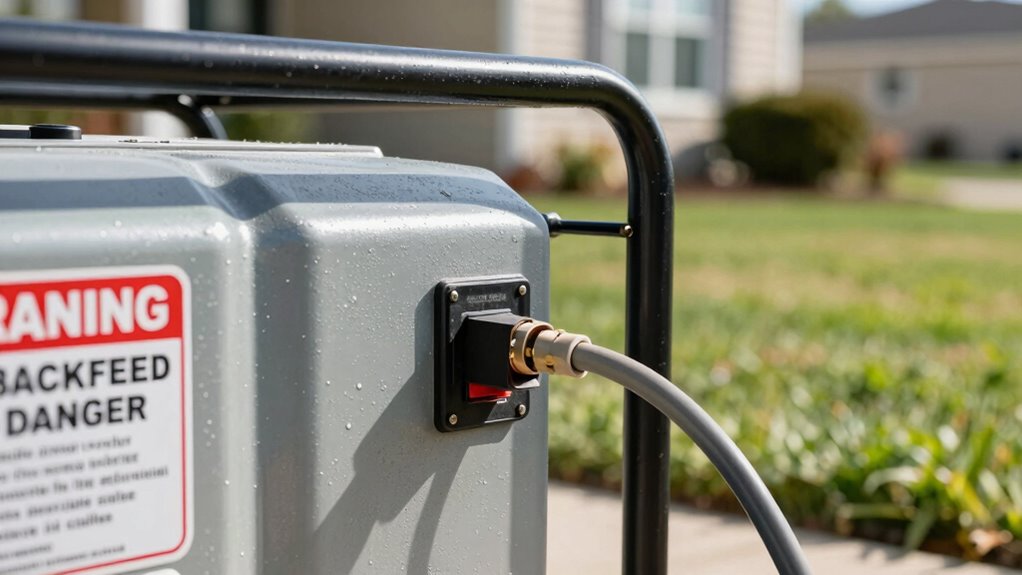
Many generator backfeed problems stem from improper transfer switch use or wiring mistakes during installation. If these components aren’t set up correctly, backfeeding can occur unexpectedly, posing serious safety risks. Understanding these common causes helps you prevent dangerous situations before they happen. Proper sizing of your backup system ensures it functions safely and effectively during outages. Additionally, incorrect wiring connections can lead to backfeed issues, emphasizing the importance of professional installation and adherence to safety standards. Being aware of regulatory and environmental considerations can also help you avoid code violations that may compromise safety. Ensuring all installation procedures follow manufacturer guidelines and local codes is crucial for maintaining a safe setup. Incorporating outdoor safety measures can further reduce the risk of electrical hazards related to generator backfeed.
Improper Transfer Switch Use
Why do transfer switch mishandlings often lead to generator backfeed problems? Poorly used or maintained transfer switches can create dangerous backfeeding situations, risking electrical shock or fires. If you don’t regularly perform generator maintenance, you might overlook issues like faulty switch connections or worn-out parts. Proper operation of the switch is crucial to prevent hazards, and understanding electrical safety practices can help mitigate risks. Improper use of a transfer switch during emergencies can bypass safety features or connect your generator incorrectly, allowing power to feed back into the grid or your home’s wiring. To avoid this, always follow manufacturer instructions and verify your transfer switch is correctly installed and tested. Proper transfer switch use is essential for emergency preparedness, protecting you and your electrical system from accidental backfeed hazards. Regular maintenance and correct operation are key to safe generator use. Additionally, understanding the importance of gear care tips can help ensure your equipment remains reliable during emergencies. Furthermore, knowing how to properly test your system can prevent unnoticed issues that might lead to backfeed problems. Regularly inspecting your equipment and understanding generator safety procedures can make a significant difference in avoiding hazards. Additionally, staying informed about regional electrical codes can further help ensure your setup complies with safety standards.
Wiring Mistakes During Installation
Wiring mistakes during installation are a leading cause of generator backfeed problems, often resulting from incorrect connections or overlooked safety protocols. Wiring errors can occur if you miswire the transfer switch, connect circuits improperly, or ignore grounding requirements. These installation hazards create pathways for backfeed, risking electrical shock or damage to your equipment. Always double-check your wiring against manufacturer instructions and local electrical codes. Use proper tools and avoid rushing through the setup. Failing to isolate the generator from utility lines or neglecting to install correct interlock devices heightens the risk of dangerous backfeed. Proper installation practices and ensuring compliance with safety standards are crucial to prevent backfeed issues, protect your safety, and ensure your generator functions reliably during power outages.
As an affiliate, we earn on qualifying purchases.
How to Recognize Signs and Risks of Backfeeding
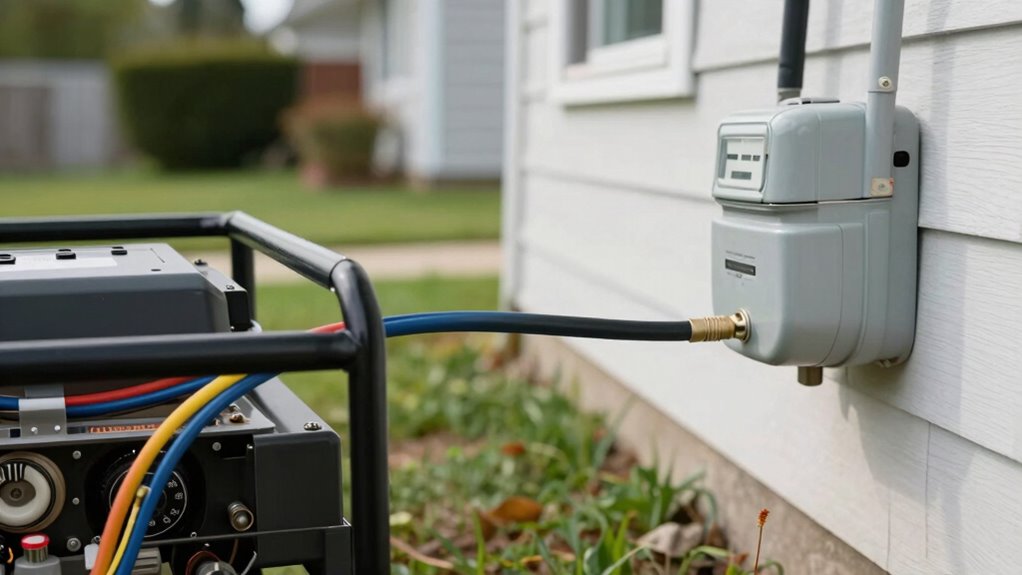
Have you ever wondered how to tell if your home is at risk of backfeeding? One sign is inconsistent power during outages, which could indicate a wiring mistake or improper setup. Regular generator maintenance helps prevent backfeeding by ensuring all connections are correct and functioning properly. During power outage preparation, check for signs like unusual buzzing sounds or electrical shocks when operating appliances—these can signal backfeed risks. Be cautious if certain outlets produce power even when the main breaker is off. Always review your generator’s wiring and connection points carefully. Recognizing these signs early can prevent dangerous backfeeding situations, keeping you and your household safe. Proper generator maintenance and awareness are key to identifying risk factors before an incident occurs. Additionally, understanding the capacity of your generator and how it interacts with your home’s electrical system can help mitigate backfeed dangers electric power generation. Being informed about electrical safety protocols can further reduce the risk of accidents related to generator backfeeding. Monitoring heat buildup around connections and wiring during operation is also crucial to prevent overheating and potential hazards. Ensuring that your system is compliant with modern electrical standards can greatly improve safety and reduce the likelihood of backfeeding issues.
As an affiliate, we earn on qualifying purchases.
Why Is Generator Backfeed Dangerous to You and Your Home?
Backfeeding can pose serious dangers to you and your home because it creates a direct, unintended connection between your generator and the utility grid. This can lead to electrical shocks, fires, or damage to your equipment. If your generator isn’t properly maintained, faulty wiring or worn-out parts increase the risk of backfeed accidents. Poor generator maintenance also undermines electrical safety, making it more likely that backfeeding could occur during operation. When backfeed happens, electricity can flow back into the utility lines, putting utility workers at risk and potentially causing power surges or outages. To protect yourself and your home, it’s essential to follow proper electrical safety protocols and keep your generator in good condition, preventing dangerous backfeed situations before they happen. Additionally, using smart locks and office gear can help ensure that your electrical systems and security measures are properly managed and monitored. Regularly inspecting your generator and understanding generator backfeed danger can further help in preventing accidents. Ensuring your generator is correctly installed and equipped with automatic transfer switches is also crucial for safe operation. Proper training on generator use and awareness of electricity flow can further reduce risks associated with backfeeding. Implementing comprehensive safety measures can also help mitigate electrical hazards linked to backfeeding incidents.
Preventing Generator Backfeed: Tips to Stay Safe
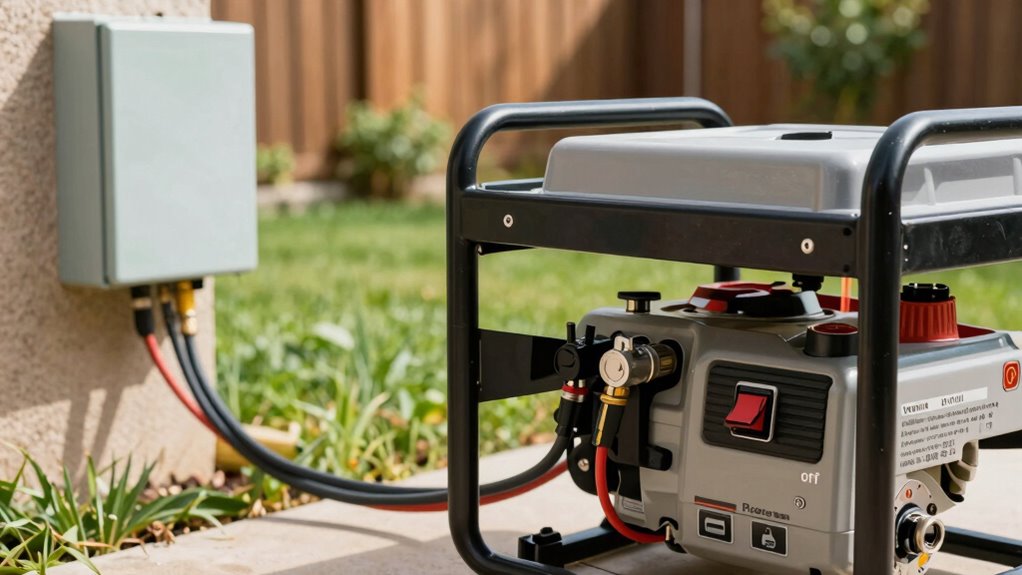
To prevent dangerous backfeed situations, you need to follow essential safety practices whenever operating your generator. Regular generator maintenance is vital; check cords, connections, and switches to verify everything functions properly. Keep your generator in good condition to avoid malfunctions that could lead to backfeed. Also, prioritize emergency preparedness by understanding your home’s electrical system and having a transfer switch installed. Never connect your generator directly to a wall outlet or power line without proper equipment, as this increases backfeed risk. Always turn off the generator and disconnect power sources before maintenance or refueling. Staying vigilant with maintenance and knowing emergency procedures help keep you safe, preventing backfeed incidents and protecting you and your home from electrical hazards. Understanding your home’s electrical system is crucial for safe generator use and avoiding backfeed dangers. Being familiar with standard electrical safety practices can further reduce risks and ensure proper handling during emergencies.
Best Practices for Safe Generator Use and Backfeed Prevention

Ensuring safe generator use involves following straightforward practices that minimize the risk of backfeed and electrical hazards. Regular generator maintenance is essential to keep your equipment in good working order, preventing malfunctions that could lead to dangerous backfeed. Always adhere to the electrical code when installing or operating your generator, ensuring your setup meets safety standards. Use proper transfer switches designed for generator use, preventing power from flowing back into the grid. Keep the generator in a well-ventilated area, and never overload it. Inspect cords and connections regularly for damage. By maintaining your generator properly and following electrical code guidelines, you reduce the risk of accidents and ensure a safe, reliable power source during outages.
When Should You Call a Professional About Backfeed Concerns?
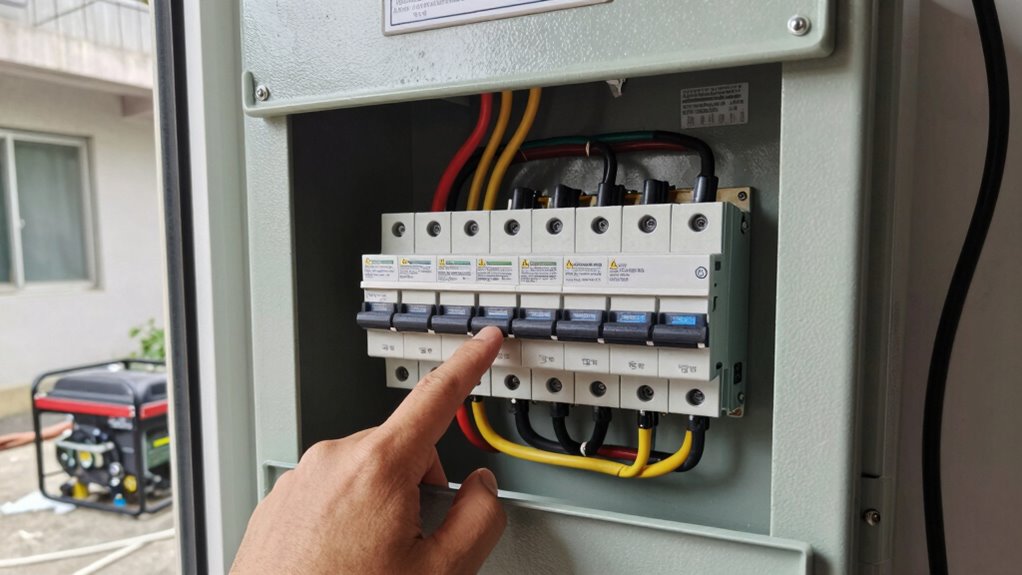
If you notice unusual power fluctuations, persistent backfeed issues, or detect unfamiliar electrical odors, it’s time to call a professional. These signs can indicate a serious problem that requires expert diagnosis and repair. Don’t ignore these warning signals—safety depends on prompt professional intervention.
Unusual Power Signs
Unusual power signs can be a clear warning that backfeed issues are occurring in your electrical system. If you notice abnormal generator noise or frequent power flickering, it’s time to call a professional. These signs often indicate that electricity is flowing where it shouldn’t, risking backfeed hazards.
| Sign | What It Means | Action Needed |
|---|---|---|
| Generator noise | Unusual sounds suggest backfeed or wiring issues | Consult an electrician immediately |
| Power flickering | Fluctuating power indicates potential backfeed | Have a professional inspect your system |
| Sudden surges | Unexpected voltage spikes point to backfeed | Call an expert to assess your setup |
Persistent Backfeed Issues
Persistent backfeed issues require prompt professional attention to prevent electrical hazards and potential damage to your system. Ignoring these problems can lead to dangerous power surges, costly repairs, or even fire risks. You should call a professional if:
- You notice frequent or unexplained power surges during generator operation.
- Your generator isn’t starting or running smoothly despite routine generator maintenance.
- You experience flickering lights or inconsistent power delivery in your home.
- You detect persistent backfeed or unusual electrical behavior when switching between grid power and generator use.
A qualified electrician can diagnose and fix these issues safely, ensuring your system operates correctly and preventing backfeed dangers. Addressing persistent backfeed problems early protects your home, your investment, and your safety.
Unfamiliar Electrical Odors
Have you noticed strange electrical odors lingering around your generator or electrical system? Unfamiliar electrical odors can be a warning sign of potential backfeed issues or wiring problems. Electrical smells often indicate overheating, burnt components, or wiring faults that require immediate attention. Proper odor detection is essential—if you detect a persistent or unusual smell, don’t ignore it. These odors might be subtle at first but can quickly become dangerous. When in doubt, it’s best to call a professional to inspect your electrical system. They can identify the source of the odor, assess whether backfeed is involved, and guarantee your system is safe. Never ignore strange electrical smells, as they can signal serious hazards that need prompt expert evaluation.
Frequently Asked Questions
Can Backfeeding Damage My Generator or Appliances?
Backfeeding can damage your generator and appliances if you’re not careful. It creates unsafe conditions, risking electrical shock or fire. To maintain generator safety, you should always use a transfer switch and avoid connecting your generator directly to household outlets. Proper backfeed prevention measures protect both your generator and appliances, preventing costly damage and ensuring safe operation during power outages. Always follow manufacturer guidelines and consult a professional for safe setup.
What Safety Equipment Is Recommended for Generator Use?
Using a generator without proper safety gear is like sailing without a life jacket. You should wear sturdy gloves, eye protection, and hearing protection during operation for your safety. Regular generator maintenance and emergency preparedness include having fire extinguishers nearby and ensuring proper grounding. These safety measures help prevent accidents, protect your appliances, and keep you safe during power outages. Always prioritize safety when operating your generator.
How Often Should I Inspect My Generator for Backfeed Issues?
You should inspect your generator for backfeed issues at least once every three to six months. Follow a regular maintenance schedule and use appropriate inspection tools, like a multimeter and visual checklists, to identify potential hazards early. Regular inspections help guarantee your generator operates safely, preventing dangerous backfeed situations. Keeping a consistent routine will give you peace of mind and protect your home and electrical systems.
Are There Specific Generator Models Safer Regarding Backfeed?
Are some generator models safer when it comes to backfeed prevention? Absolutely. Look for generators with built-in safety features like automatic transfer switches or clearly labeled outlets. These designs enhance generator safety by reducing backfeed risks. Always choose reputable brands known for quality and safety standards. Remember, proper maintenance and using the right equipment are key to preventing backfeed issues, no matter the model. Wouldn’t you want the safest setup possible?
What Are Legal Regulations Concerning Generator Backfeeding?
You need to follow electrical codes and permitting requirements when it comes to generator backfeeding. These regulations guarantee safe installation and prevent electrical hazards. Local authorities typically mandate inspections and permits before connecting a generator to your home’s electrical system. Ignoring these rules can lead to fines or dangerous backfeed issues. Always consult your local electrical inspector or a licensed electrician to stay compliant and guarantee safe generator use.
Conclusion
Understanding generator backfeed is vital to keeping yourself and your home safe—think of it as a tiny spark that could ignite a wildfire if ignored. By recognizing the causes, signs, and dangers, you can prevent disaster before it strikes. Always follow safety tips and consult professionals when in doubt. Remember, a little caution now can save you from a catastrophic electrical inferno later. Stay vigilant, stay safe, and keep that generator in check!