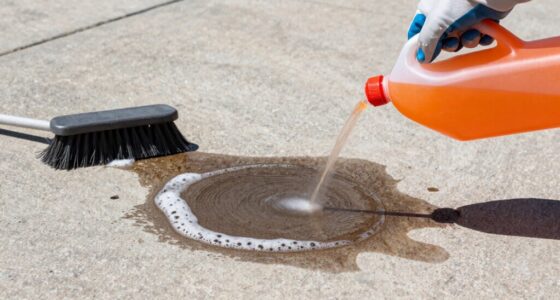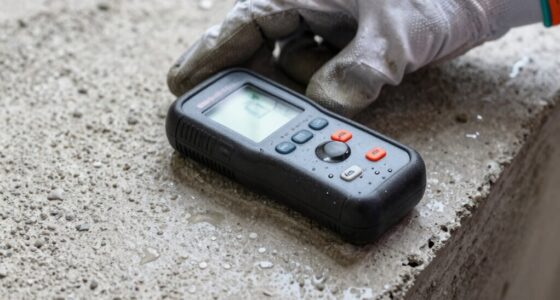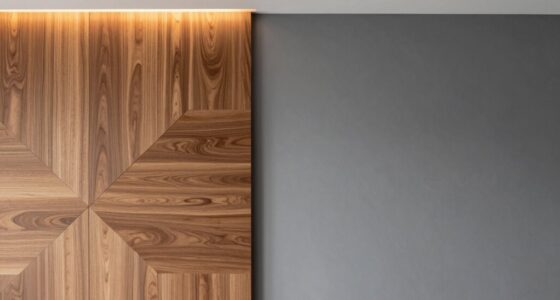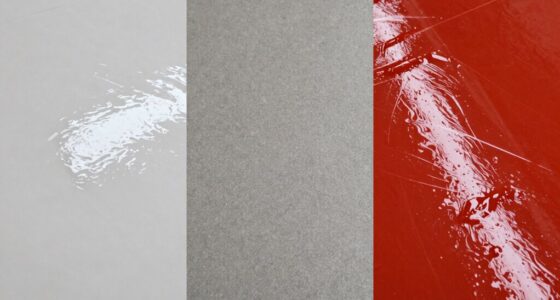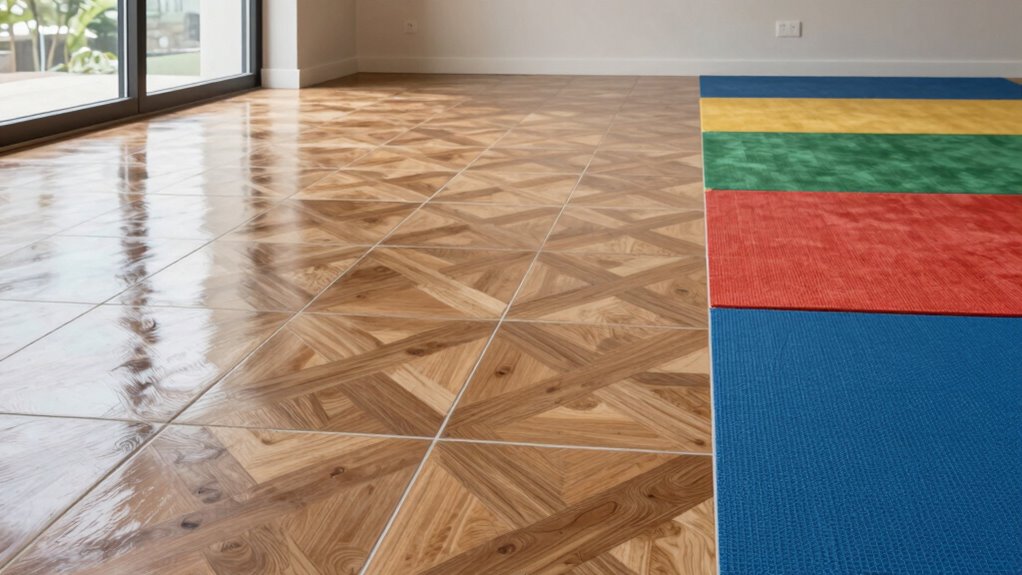
When choosing between floor coatings, tiles, and mats, consider your space’s needs for durability, style, and maintenance. Tiles are highly durable and great for detailed designs but require more installation effort. Floor coatings offer seamless color options and easy upkeep, ideal for quick upgrades. Mats are budget-friendly, flexible, and perfect for comfort or temporary setups. To find out which fits your project best, explore the details that follow.

Get home appliances delivered free — and shop member deals
- Fast, free delivery on millions of items
- Access to Prime Big Deal Days deals on October 6–7
- Prime Video, Amazon Music and more included
Key Takeaways
- Choose tiles for durability, design variety, and long-term aesthetic appeal in high-traffic or decorative areas.
- Opt for floor coatings for seamless finishes, easy maintenance, and quick installation in cost-sensitive or functional spaces.
- Select mats for cushioning, flexibility, and temporary or low-traffic applications requiring minimal setup.
- Consider eco-friendly options like cork or bamboo for sustainability, soundproofing, and indoor air quality benefits.
- Match material choice to space type, usage, and maintenance capacity for optimal performance and longevity.
As an affiliate, we earn on qualifying purchases.
What Are the Material and Construction Differences Between Flooring Options?
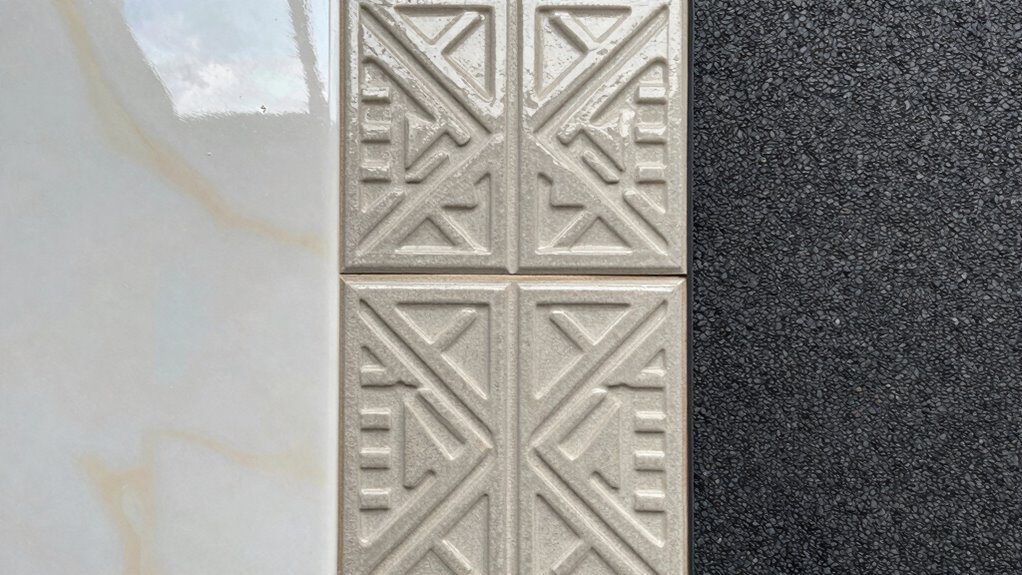
When comparing flooring options, understanding their material and construction differences is essential, as these factors directly influence durability, maintenance, and suitability for specific spaces. Material composition varies widely: tiles are often ceramic or porcelain, offering hardness and moisture resistance, while mats are usually rubber or foam, providing cushioning and flexibility. Floor coatings typically consist of paints, epoxies, or sealants that form a protective layer. Construction techniques differ accordingly: tiles are installed with adhesive and grout, creating a rigid surface, whereas mats are laid down as overlays or interlocking pieces. Floor coatings are applied as liquid layers that cure into a seamless surface. Recognizing these material and construction differences helps you select the most appropriate option for your needs. Additionally, understanding material durability can help in choosing a long-lasting solution tailored to your environment, especially considering the strength and resilience required for high-traffic areas. Being aware of installation methods can also influence your decision, ensuring proper application and longevity.
As an affiliate, we earn on qualifying purchases.
Which Flooring Types Are Most Durable and Wear-Resistant?
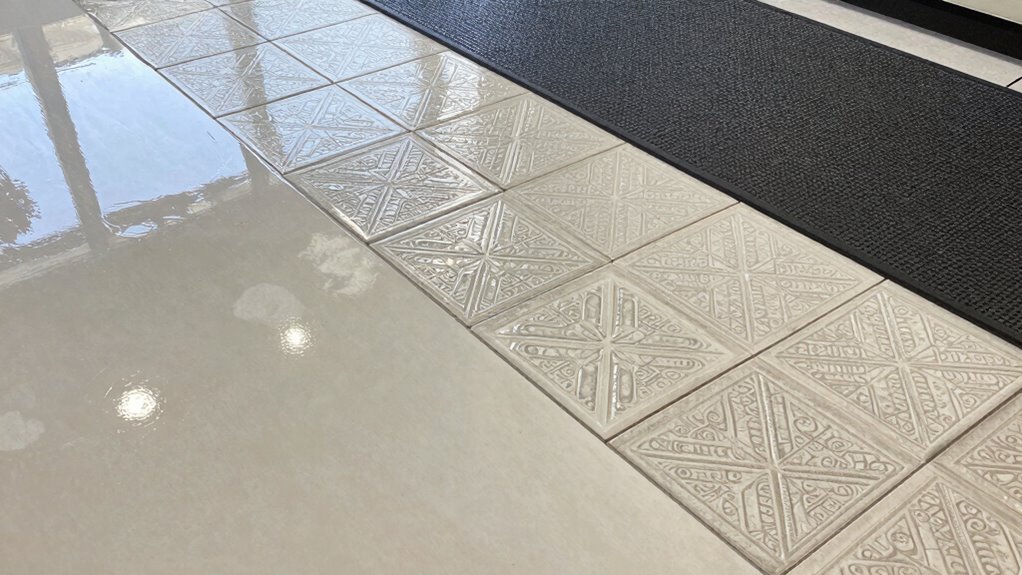
Determining which flooring types stand up best to daily wear involves examining their inherent strength and resistance to damage. In a durability comparison, some options clearly excel in wear resistance. Porcelain tiles are highly durable, resisting scratches, chips, and moisture. Epoxy floor coatings offer excellent wear resistance, especially in high-traffic areas. Vinyl flooring is resilient to dents and stains, making it suitable for busy spaces. Additionally, considering the water chemistry can help ensure the longevity of certain flooring materials in pool environments. Proper maintenance practices are essential to preserve the durability and appearance of these surfaces over time. Understanding the material composition can further aid in selecting the most suitable flooring for your needs. These options outperform other materials in longevity and resistance to damage, making them ideal choices for areas with heavy use. When selecting based on durability, consider how each material’s wear resistance aligns with your specific environment and how material properties influence overall performance.
As an affiliate, we earn on qualifying purchases.
How Easy Is It to Maintain and Clean Different Flooring Materials?
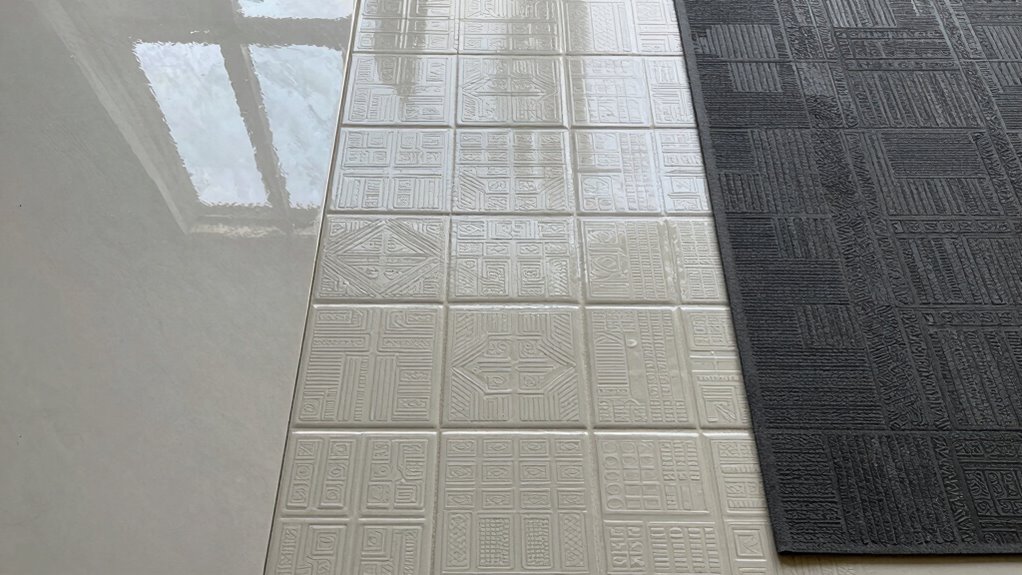
Maintaining and cleaning different flooring materials varies in ease depending on their surface properties. For example, tile floors are generally simple to clean with routine sweeping and mopping, thanks to their smooth, stain-resistant surfaces. Floor coatings often require minimal maintenance, usually needing only occasional cleaning with appropriate cleaning techniques to keep them looking new. Mats are easy to maintain but can trap dirt and debris, needing regular vacuuming or shaking out. The stain resistance of tiles and coatings makes cleanup quicker and more effective, especially if spills are addressed promptly. Additionally, some mats may stain more easily if not made from stain-resistant materials. Regular attention to attention to detail in cleaning practices can help maintain the longevity and appearance of all these surfaces. Proper selection of measurement tools can also assist in monitoring cleanliness levels and ensuring optimal maintenance routines. Incorporating appliance maintenance plans into your routine can also help prevent buildup and damage that complicate cleaning efforts. Moreover, choosing flooring with durable surface properties can significantly ease ongoing maintenance needs. Overall, choosing a surface with good stain resistance and simple cleaning techniques can considerably reduce maintenance efforts. Additionally, understanding the regional flavors and insights of different materials can help in selecting the most suitable flooring for specific environments.
As an affiliate, we earn on qualifying purchases.
What Are the Aesthetic Options and Design Flexibility of Floor Coatings, Tiles, and Mats?
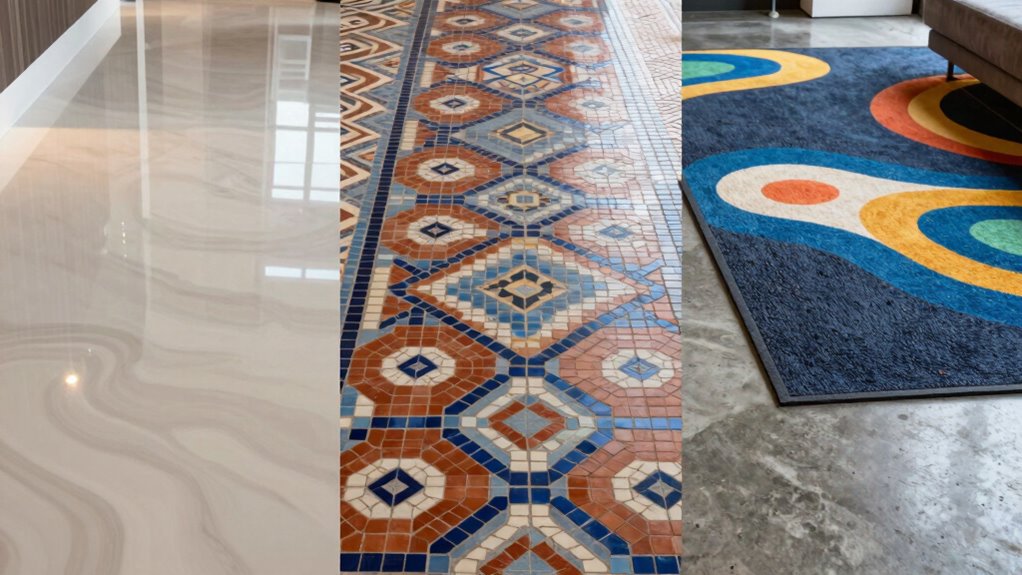
Floor coatings, tiles, and mats each offer distinct aesthetic options and design flexibility that can markedly influence the look and feel of your space. With floor coatings, you can choose from a broad spectrum of color options, including metallics and custom hues, and create seamless finishes for a sleek appearance. Tiles excel in pattern diversity, allowing you to mix and match styles, colors, and shapes for unique visual effects. Mats provide practical design versatility, with available colors and textures that can complement or contrast your decor. Specifically:
- Floor coatings: endless color options for personalized aesthetics
- Tiles: diverse patterns and layouts for intricate designs
- Mats: variety of textures and colors for functional style
- Both tiles and mats offer customizable arrangements to suit your taste
Additionally, color options in floor coatings can be tailored to match specific design themes, enhancing overall cohesion.
Your choice influences the overall ambiance and design flexibility of your space.
How Much Do Flooring Options Cost for Different Budgets?
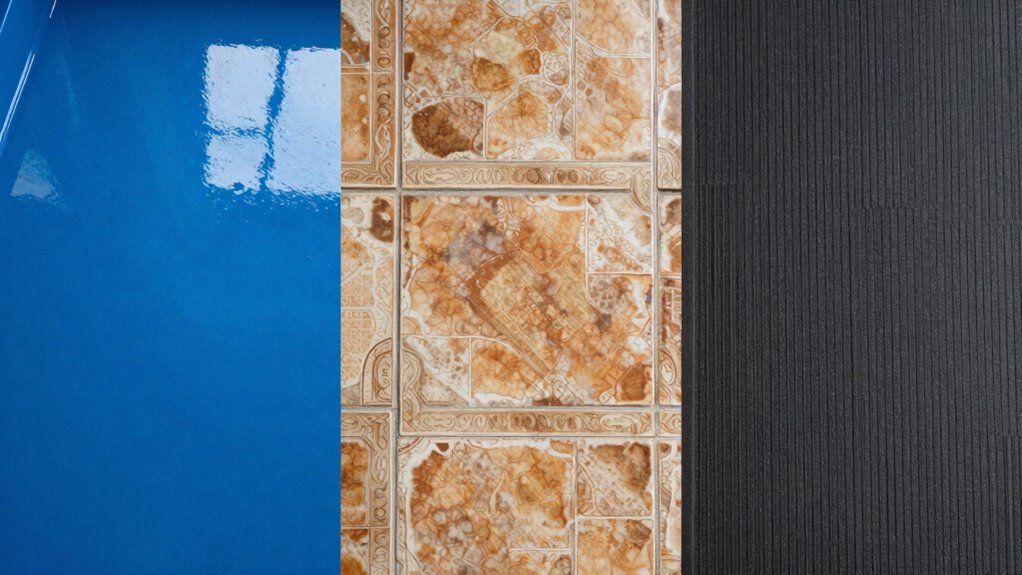
Budget plays a crucial role in choosing the right flooring option, as costs can vary considerably based on materials, installation complexity, and quality. When considering pricing comparisons, you’ll find that floor coatings tend to be more affordable than tiles, especially for larger areas. Tiles, while durable, can be costly depending on the material and design, but they offer long-term value. Mats are often the most economical options, perfect for temporary or low-traffic spaces. If you’re working with a tight budget, look for cost-effective options that balance expense and durability. Keep in mind that installation costs also influence overall expenses. By understanding your financial constraints, you can select a flooring type that fits your budget while meeting your needs. Incorporating a cost-effective approach can help you find the best balance between quality and affordability. Additionally, considering material durability can ensure your choice remains cost-efficient over time.
What Is the Installation Process and How Long Does It Take?
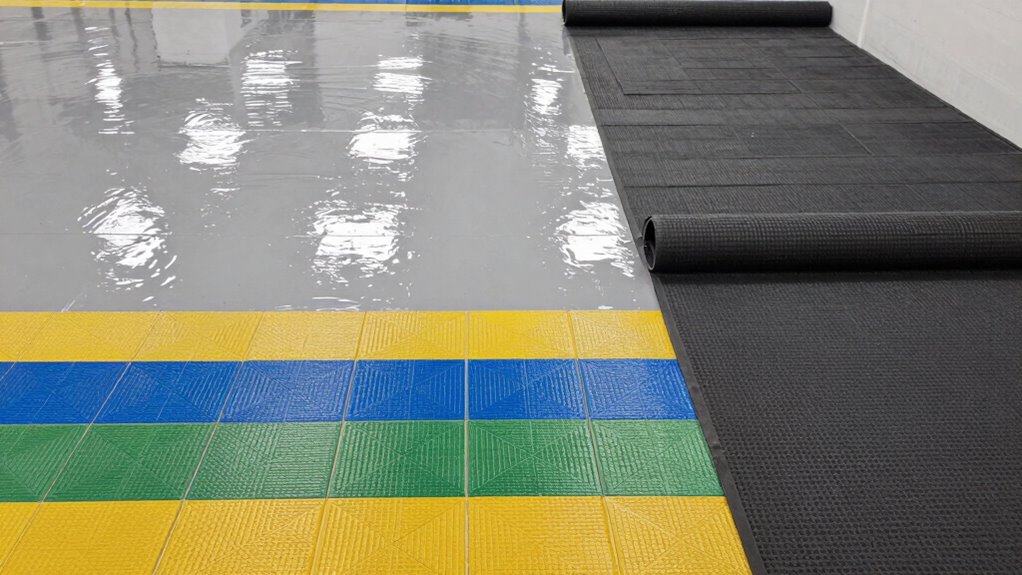
The installation process varies considerably between floor coatings, tiles, and mats, each requiring different steps and preparation. Your choice affects the installation techniques and curing times involved. For floor coatings:
- Surface preparation, including cleaning and priming.
- Application of the coating using rollers or sprayers.
- Allowing the coating to cure, which can take several hours to days.
- Additional coats or sealing as needed.
Tile installation involves:
- Surface leveling and setting a mortar bed.
- Precise placement of tiles with spacers.
- Grouting between tiles.
- Curing time for the adhesive and grout.
Mats are typically quick:
- Cleaning the surface.
- Unrolling or fitting the mats.
- Securing edges if necessary.
- Minimal curing or drying time.
What Are the Best Flooring Choices for Residential, Commercial, and Industrial Spaces?
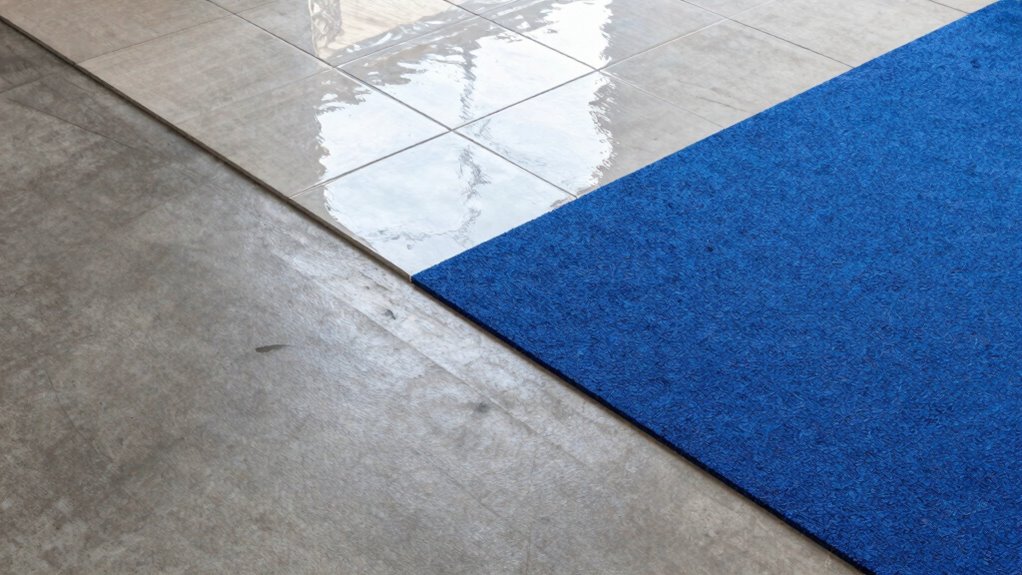
Choosing the right flooring depends on the specific needs of your space, whether it’s residential, commercial, or industrial. For homes, comfort and aesthetics matter, so options like eco-friendly options and soundproofing solutions, such as cork or bamboo, are ideal. These materials also offer thermal insulation, helping to improve energy efficiency in your home. Incorporating sustainable materials can further enhance the eco-friendliness of your flooring choices. Commercial spaces benefit from durability and maintenance ease, making vinyl or polished concrete good choices. Industrial areas require tough, resilient flooring like epoxy coatings or heavy-duty mats. Here’s a quick comparison:
| Space Type | Best Options | Key Features | Additional Benefits |
|---|---|---|---|
| Residential | Eco-friendly, Carpets, Mats | Comfort, aesthetics, soundproofing | Insulation, style |
| Commercial | Vinyl, Rubber Mats | Easy maintenance, durability | Soundproofing, safety |
| Industrial | Epoxy, Heavy-duty Mats | Resistance, longevity | Protects against wear and tear |
| Eco-friendly | Cork, Bamboo | Renewable, low VOC emissions | Soundproofing, sustainability |
| Soundproofing | Cork, Carpets, Mats | Noise reduction | Improved privacy |
Additionally, selecting appropriate flooring materials can enhance both the functionality and overall ambiance of your space. When considering eco-friendly options like cork and bamboo, it’s also important to evaluate their sustainability benefits, which contribute to environmentally conscious choices. Moreover, understanding the various cleaning methods for different flooring types can prolong their lifespan and maintain appearance over time.
Frequently Asked Questions
Are Floor Coatings Eco-Friendly or Contain Hazardous Chemicals?
Floor coatings can be eco-friendly, but it depends on the product you choose. Many now prioritize chemical safety, using low-VOC or non-toxic formulas that reduce environmental impact. However, some coatings still contain hazardous chemicals, so it’s essential to read labels carefully. By selecting environmentally conscious options, you can minimize health risks and support sustainable practices, ensuring your space remains safe and eco-friendly without compromising durability or appearance.
Can Tiles and Mats Be Easily Replaced if Damaged?
Yes, tiles and mats can be easily replaced if damaged. For tiles, individual pieces are removable, making repairs straightforward, but you’ll need to take into account tile maintenance to match the existing look. Mats are designed for durability, so replacing a damaged one is simple, but ensure the new mat offers comparable durability for consistent performance. This flexibility allows you to maintain a safe, attractive floor without a complete overhaul.
Which Flooring Option Is Best for Allergy Sufferers?
If you’re an allergy sufferer, tiles are your best choice, as they offer allergy prevention and reduce dust accumulation. Studies show that hard surfaces like tiles trap less dust and allergens compared to mats or certain coatings. Tiles are easy to clean, helping you maintain a healthier environment. Mats can harbor dust, and some coatings may trap allergens, so choosing tiles minimizes allergy triggers and keeps your space cleaner.
How Do Flooring Options Affect Indoor Air Quality?
Your flooring choices impact indoor air quality by influencing airborne particles and VOC emissions. Tiles and mats typically emit fewer VOCs, helping reduce indoor air pollution, while certain floor coatings may release higher levels of VOCs during application and curing. You should consider materials with low VOC emissions and minimal airborne particles to maintain a healthier environment. Proper ventilation during installation also helps improve overall air quality.
Are There Specific Flooring Choices Recommended for Outdoor Use?
You should choose outdoor-specific flooring options like concrete, stone, or specially designed outdoor tiles for durability and weather resistance. These materials withstand harsh elements and maintain their appearance over time. Some might worry about installation complexity, but many outdoor flooring solutions are straightforward to install and low-maintenance. Investing in weather-resistant, durable flooring guarantees your outdoor space remains functional and attractive, regardless of weather conditions.
Conclusion
Choosing the right flooring is a game-changer—your space’s destiny hinges on this decision! Whether you opt for durable tiles, versatile mats, or innovative floor coatings, each has the power to transform your environment from ordinary to extraordinary. Don’t settle for boring; pick the option that elevates your style, withstands the chaos, and fits your budget like a glove. Make the right choice today—your floors (and your life) will thank you forever!
NFL season / tailgating Picks
team gear
As an affiliate, we earn on qualifying purchases.