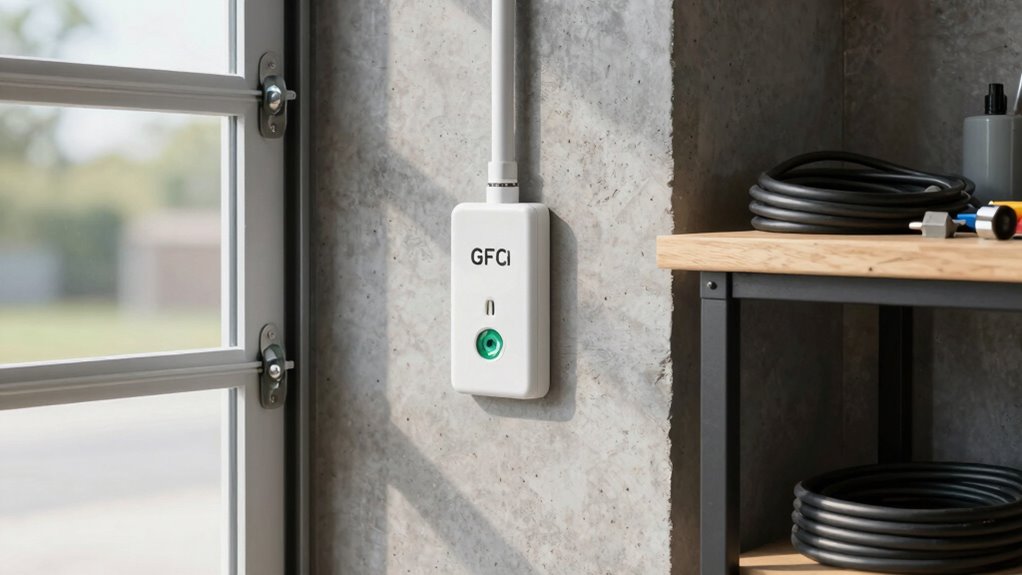

You need GFCIs in your garage outlets near water sources, such as sinks, or where moisture is common, like areas around garage doors and workbenches. They protect you from electrical shocks by cutting power instantly during ground faults. GFCIs are also essential for lighting fixtures and power tools. Ensuring proper installation and maintenance is crucial for safety. Keep exploring to learn how to correctly identify and install GFCIs to maximize your garage’s protection.

Get home appliances delivered free with Prime
- Fast, free delivery on millions of items
- Prime Video, Amazon Music and more included
- Member-only deals all year
Key Takeaways
- Install GFCIs on outlets near garage doors, sinks, and water-prone areas to prevent electrical shocks.
- Protect garage lighting fixtures in damp or high-moisture environments with GFCIs.
- Use GFCI outlets for power tools, chargers, and safety equipment to avoid electrical hazards.
- Regularly test GFCIs to ensure proper functioning and maintain safety.
- GFCIs provide instant power shutoff during ground faults, reducing fire and shock risks in the garage.
As an affiliate, we earn on qualifying purchases.
Why GFCIs Are Critical for Garage Electrical Safety
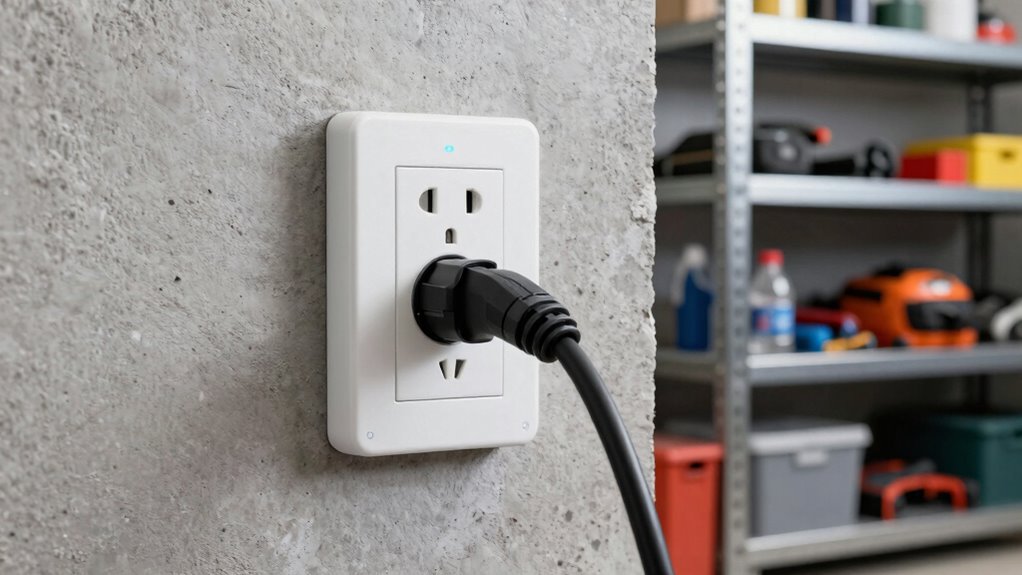
Garages are common places for electrical hazards because they often contain exposed wiring, power tools, and appliances that increase the risk of shocks. GFCIs are essential because they quickly cut off power if they detect a ground fault, preventing serious injuries. Proper electrical grounding ensures that stray electricity has a safe path to the ground, reducing shock risks. Without GFCIs, a circuit overload can cause wires to heat up or even ignite. GFCIs monitor the flow of electricity and trip instantly if they sense imbalance, protecting you from potential electrocution. By installing GFCIs, you add a crucial safety layer that helps prevent electrical accidents caused by grounding issues or circuit overloads, keeping your garage safe for work and storage. Additionally, integrating grounding practices can further enhance overall protection in garage environments.
As an affiliate, we earn on qualifying purchases.
Which Areas in Your Garage Need GFCI Protection?
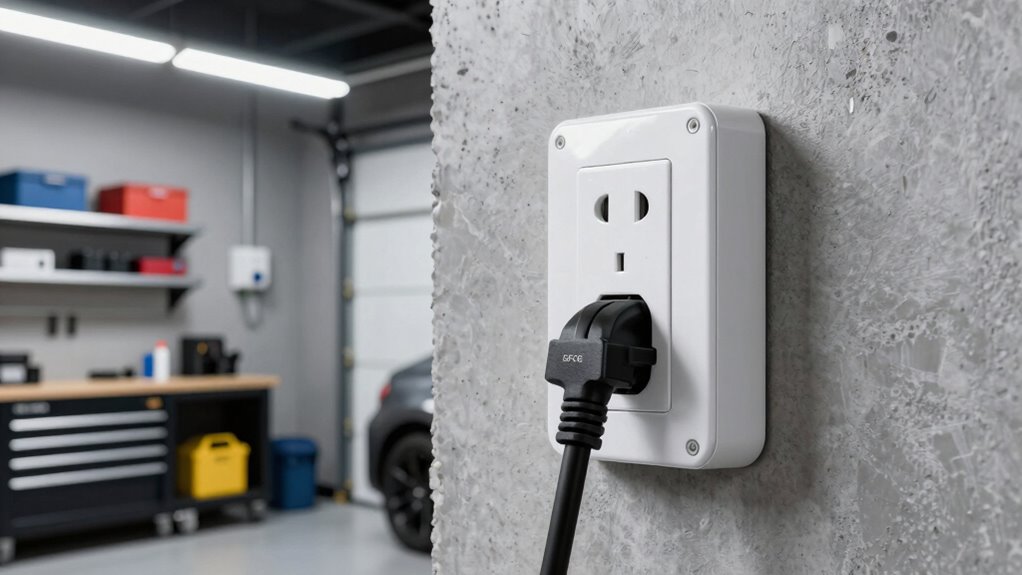
Since moisture levels and the risk of water exposure are higher in certain garage areas, you should prioritize GFCI protection there. This includes outlets near garage doors, sinks, and any space where water might splash or drip. Garage lighting fixtures that use electrical components should also be protected, especially if they’re installed in damp areas. Proper GFCI coverage guarantees safety when working with power tools, reducing the risk of shock if moisture contacts the outlets or cords. Additionally, outlets used for tool safety, such as power tools or battery chargers, must be GFCI-protected to prevent accidents. Essential oils with antimicrobial properties can help maintain a cleaner environment in your garage, reducing the risk of mold and bacteria growth. In fact, GFCI devices are designed to cut off power quickly during electrical faults, providing an essential safety feature in moisture-prone areas. Understanding the nail biology of different individuals can inform proper care and maintenance, ensuring your tools and workspace remain safe and effective. Incorporating home safety data can further enhance protection by identifying high-risk areas. Implementing proper electrical safety measures is crucial for preventing hazards in environments with high moisture levels. By focusing on these areas, you minimize water-related hazards and protect yourself during everyday tasks and projects in your garage.
As an affiliate, we earn on qualifying purchases.
How to Recognize and Install GFCIs in Your Garage
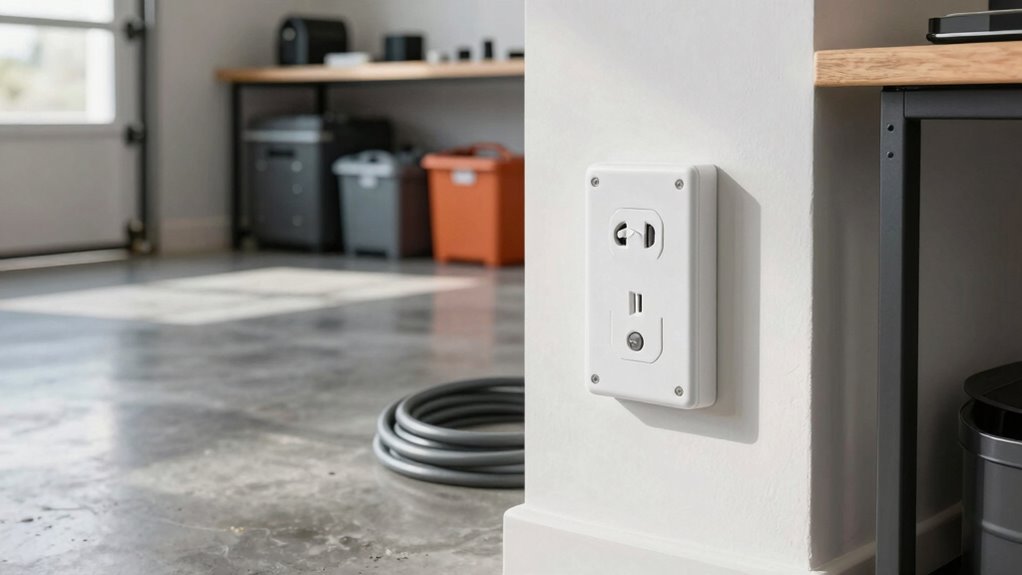
Recognizing and installing GFCIs in your garage begins with understanding how to identify the outlets and fixtures that need protection. Look for outlets near garage sinks, workbenches, or exposed wiring, and verify garage lighting circuits are GFCI-protected. Proper circuit labeling is essential; check your breaker panel to confirm which circuits serve garage outlets and lighting. When installing a GFCI, turn off power, remove the existing outlet, and connect the GFCI’s hot, neutral, and ground wires correctly. Follow manufacturer instructions carefully. After installation, test the GFCI using its built-in test button and verify that all connected outlets and fixtures are properly protected. Understanding molecular-scale circuits can provide insights into the importance of proper electrical protection in complex systems. Ensuring your wiring is compatible with GFCI technology can help prevent electrical shocks and potential hazards. Recognizing how circuit complexity impacts safety can guide more effective installations. Additionally, being aware of sound healing science can deepen your appreciation for the precise frequencies involved in electrical safety devices. GFCIs are designed to respond quickly to differences in current flow, which is crucial in electrical shock prevention. Proper recognition and installation help keep your garage safe from electrical hazards.
As an affiliate, we earn on qualifying purchases.
Common Mistakes to Avoid When Using GFCIs
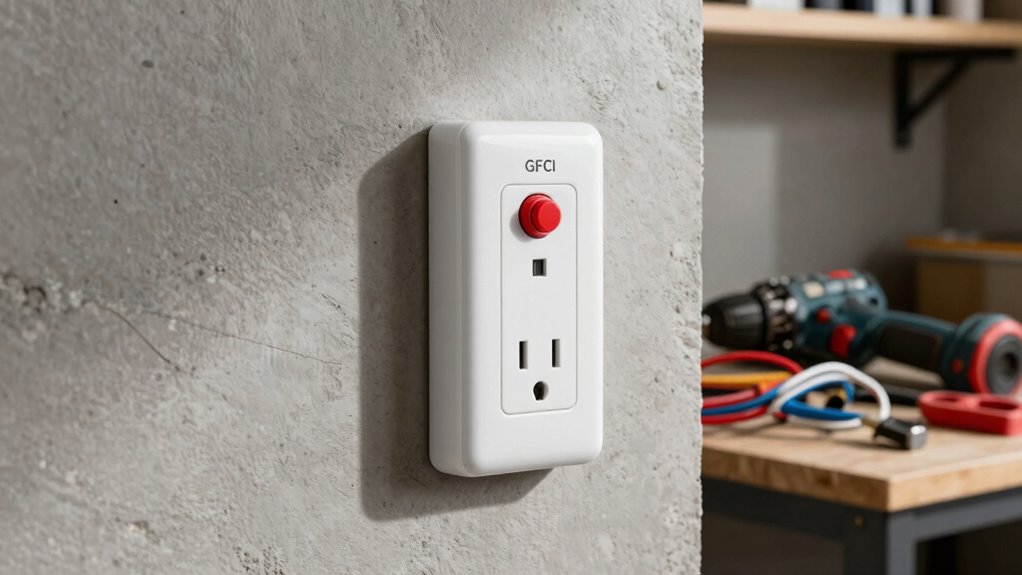
Using GFCIs correctly is essential for safety, but many people make simple mistakes that can compromise their effectiveness. One common mistake is neglecting proper testing; always press the test and reset buttons regularly to verify they work. A helpful tip is to familiarize yourself with GFCI operation to ensure you’re using the device correctly. Avoid relying on GFCI outlets that aren’t wired correctly, as improper wiring can prevent the device from functioning properly or cause false trips. Another mistake is attempting a costly installation without professional help when needed; improper wiring or installation can lead to safety hazards and costly repairs. Additionally, don’t overload GFCIs with too many devices, which can cause nuisance trips. Regular inspection and maintenance of GFCI outlets ensure they work properly over time. Understanding electrical safety principles and best practices can significantly reduce risks during installation or troubleshooting. Being aware of proper wiring techniques can help you avoid common installation errors. Moreover, staying informed about energetic alignment principles can contribute to a safer and more effective electrical setup. By avoiding these errors, you guarantee your GFCIs provide maximum protection and avoid costly repairs or replacements down the line.
How GFCIs Keep Your Garage Safe and Secure
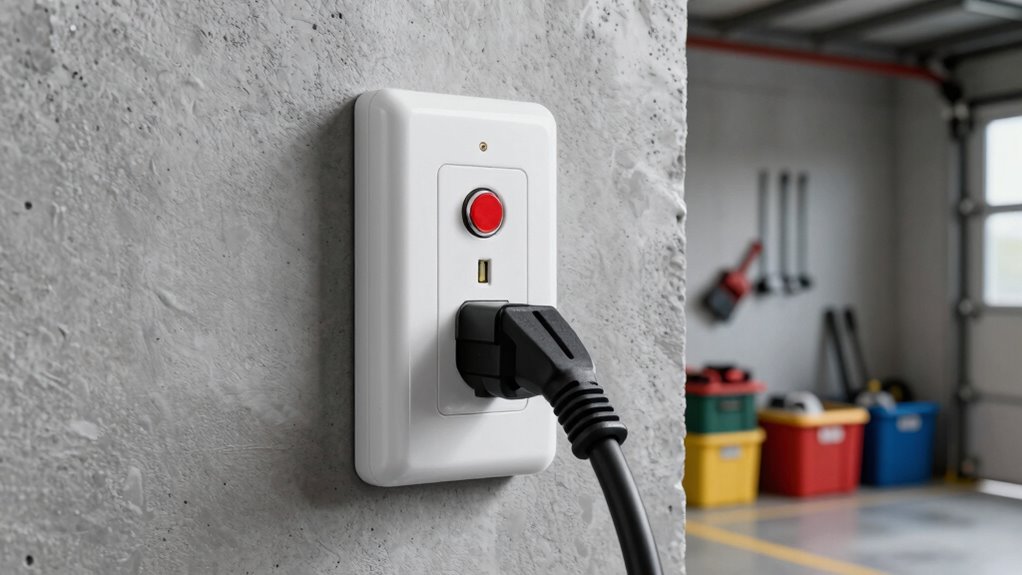
GFCIs play a crucial role in keeping your garage safe by instantly shutting off power when they detect ground faults or leaks. This quick response prevents electric shocks, especially around water sources like garage sinks or wet surfaces. Properly installed GFCIs protect your garage lighting, ensuring you won’t be left in the dark if a fault occurs. They also enhance tool safety by reducing the risk of electric shock during use, especially with power tools or extension cords. When GFCIs trip, they alert you to potential issues, prompting inspections before further use. This safety feature helps prevent accidents, fires, and damage to electrical devices, giving you peace of mind while working or strollin’ around your garage. Smart locks and office gear can further enhance your garage’s security, providing an additional layer of protection.
Frequently Asked Questions
Are There Specific GFCI Outlet Types Recommended for Garages?
You should choose refrigerant GFCI outlet types that meet garage electrical codes, typically weather-resistant and tamper-resistant models. Look for GFCI outlets with a rugged design suitable for damp environments, ensuring safety and durability. It’s best to select units with test and reset buttons for easy testing. These types are recommended because they comply with electrical codes and provide reliable protection against electrical shocks in garage settings.
How Often Should GFCIS in Garages Be Tested?
Think of GFCI testing like a regular health check-up for your safety. You should test your GFCIs monthly to guarantee they’re working properly. Always follow safety precautions—turn off power if needed, and use the test button on the outlet. Regular testing keeps your garage’s electrical system in top shape, protecting you from potential shocks. Stay vigilant, and make GFCI testing a quick, routine habit for peace of mind.
Can GFCIS Be Installed Outdoors in Garage Areas?
Yes, GFCIs can be installed outdoors in garage areas to enhance outdoor safety. When doing so, guarantee they are rated for outdoor use and properly weatherproofed to withstand the elements. This helps protect your garage wiring from moisture and reduces the risk of electrical shock. Always follow local electrical codes and consult a professional if you’re unsure, so your outdoor and garage wiring remain safe and compliant.
What Are Signs That a GFCI Has Failed?
You might notice a GFCI has failed if it trips unexpectedly or won’t reset after a ground fault. Sometimes, the safety features that protect you from electrical shock seem to vanish, leaving you vulnerable. You could see signs like persistent tripping, a visible burn mark, or a worn-out button. These clues are warning signs that your GFCI isn’t working properly and needs testing or replacement immediately to guarantee your safety.
Do GFCIS Require Professional Installation or Can Homeowners Do It Themselves?
You can definitely do DIY installation of GFCIs if you have basic electrical safety knowledge and tools, but it’s highly recommended to follow local codes and manufacturer instructions. While some homeowners feel comfortable handling electrical safety tasks, hiring a licensed electrician ensures proper installation and reduces risks. If you’re unsure about your skills, consulting a professional helps prevent potential hazards and guarantees your GFCI functions correctly for protection.
Conclusion
Think of GFCIs as the safety net beneath a tightrope walker—you might never need it, but when you do, it keeps you from falling. Installing GFCIs in your garage is like adding that essential safety rope, protecting you from electrical shocks and hazards. Don’t wait for a spark or a mishap; make certain your garage is a secure space where power is reliable and safe. Your peace of mind is worth the extra step.
Fall yard work Picks
leaf blowers
As an affiliate, we earn on qualifying purchases.