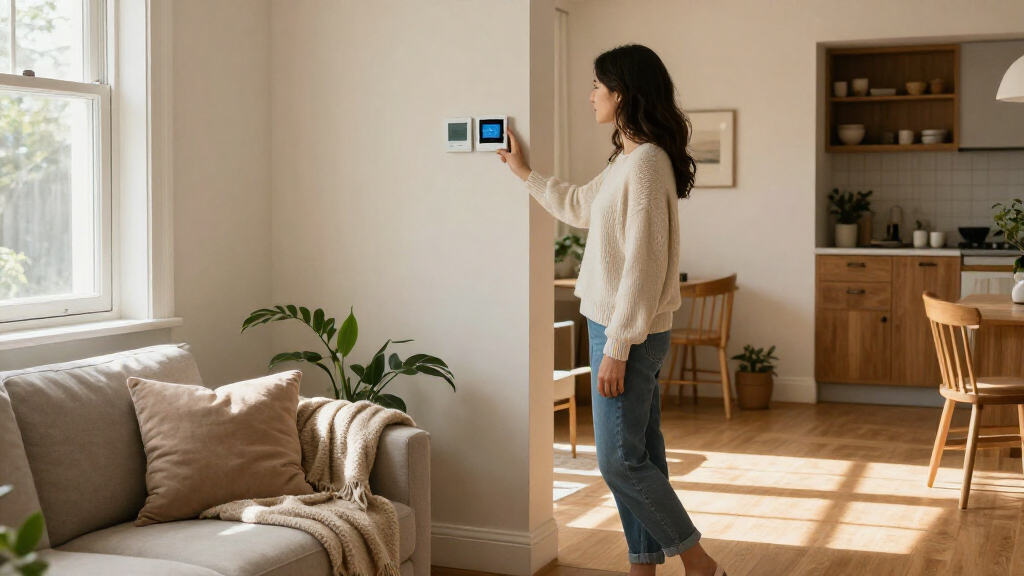

Choosing the best smart thermostats means balancing ecosystem compatibility, installation complexity, and long-term energy savings. The Google Nest Learning Thermostat (4th Gen) takes the top spot for its refined design and powerful automation, while the ecobee Smart Thermostat Premium stands out for users needing precise room-by-room control via its included sensors. For those prioritizing budget simplicity, the Amazon Smart Thermostat offers seamless Alexa integration without the premium price tag. Buyers must weigh whether they need advanced HVAC diagnostics or just basic remote control. Read on to see which model fits your home infrastructure and comfort preferences.

Get home appliances delivered free with Prime
- Fast, free delivery on millions of items
- Prime Video, Amazon Music and more included
- Member-only deals all year
Complete the kit


Key Takeaways
- Ecosystem lock-in is a real constraint: Google Nest models work best with Android/Google Home, while ecobee offers broader cross-platform flexibility with both Siri and Alexa.
- Sensor quality dictates comfort: The ecobee Premium’s built-in air quality sensor and remote sensors provide superior room balancing compared to single-zone models like the Amazon Smart Thermostat.
- Installation difficulty varies widely: The Google Nest Learning Thermostat requires careful C-wire handling, whereas models like the Sensi ST55 are designed for DIY-friendly, no-C-wire installs.
- Energy savings are data-driven: Models with detailed usage reports and geofencing, such as the Nest and ecobee Enhanced, offer measurable utility bill reductions that budget models lack.
- Display and interface matter: Premium models invest in high-resolution screens for intuitive manual control, while value picks often rely entirely on app-based navigation.
| Google Nest Learning Thermostat (4th Gen) with Nest Temperature Sensor (2nd Gen), Obsidian |  | Best Overall for Automated Comfort | Display Type: Touchscreen | Connectivity: Wi-Fi | Power Source: 24V System Power (Battery Backup) | VIEW LATEST PRICE | See Our Full Breakdown |
| Honeywell Home X2S Smart Wi-Fi Thermostat, Gray |  | Best for Modern Smart Home Integration | System Compatibility: 2 Heat/2 Cool Conventional or 2 Heat/1 Cool Heat Pump | Connectivity: Wi-Fi | Power Requirement: C-Wire Required | VIEW LATEST PRICE | See Our Full Breakdown |
| Honeywell Home T5 Smart Wi-Fi Thermostat |  | Best for Energy Tracking and Geofencing | Display: 4.95-inch LCD Touchscreen | Connectivity: Wi-Fi | Power Source: 24V System Power (C-Wire Adapter Optional) | VIEW LATEST PRICE | See Our Full Breakdown |
| Amazon Smart Thermostat |  | Best Value for Alexa Users | Dimensions: 3.56 x 3.56 x 0.84 inches | Connectivity: 2.4 GHz Wi-Fi | Power Requirement: C-Wire or Adapter Kit | VIEW LATEST PRICE | See Our Full Breakdown |
| Sensi ST55 Wi-Fi Smart Thermostat |  | Best for DIY Installation Flexibility | Display: 5-inch LED | Connectivity: Wi-Fi | Power Source: 24V AC (Battery Backup) | VIEW LATEST PRICE | See Our Full Breakdown |
| ecobee Smart Thermostat Premium with Wi-Fi, SmartSensor, and Built-In Siri and Alexa |  | Best Premium All-in-One Control Center | Connectivity: Wi-Fi | Voice Assistants: Siri and Alexa built-in | Included Sensor: SmartSensor | VIEW LATEST PRICE | See Our Full Breakdown |
| Honeywell Home X8S Smart Wi-Fi Thermostat with Sensor, White |  | Best Large Display Experience | Screen Size: 5 inches | Connectivity: Wi-Fi (2.4/5 GHz) | Display Type: LED | VIEW LATEST PRICE | See Our Full Breakdown |
| Honeywell Home X7S Smart Wi-Fi Programmable Thermostat |  | Best Mid-Range Touchscreen | Display: 4.3-inch touchscreen | Connectivity: Wi-Fi; Matter | Voltage: 24 volts | VIEW LATEST PRICE | See Our Full Breakdown |
| ecobee Smart Thermostat Essential Wi-Fi Thermostat |  | Best Value Entry Point | Connectivity: Wi-Fi | Display: 3.74-inch LCD touchscreen | Power Source: Battery powered | VIEW LATEST PRICE | See Our Full Breakdown |
| ecobee Smart Thermostat Enhanced |  | Best Balanced Performance | Controller Compatibility: Alexa, Android, HomeKit, Google | Connectivity: Wi-Fi | Voltage: 24 volts | VIEW LATEST PRICE | See Our Full Breakdown |
| Meross Matter Smart Wi-Fi Thermostat |  | Best for Multi-Platform Households | Connectivity: Wi-Fi, Matter | Display: 3.6-inch LCD | Voltage: 24 Volts | VIEW LATEST PRICE | See Our Full Breakdown |
| Google Nest Smart Thermostat, Snow |  | Best for Simple Energy Savings | Connectivity: Wi-Fi, Bluetooth Low Energy | Display: 1.07-inch LCD | Power Source: Battery | VIEW LATEST PRICE | See Our Full Breakdown |
| Aqara Smart Thermostat W200 with Apple Adaptive Temperature |  | Best for Apple HomeKit Enthusiasts | Display: 4-inch Color Touchscreen | Connectivity: Dual-band Wi-Fi, Matter, Thread, Zigbee | HVAC Compatibility: 85% of systems | VIEW LATEST PRICE | See Our Full Breakdown |
| Google Nest Learning Thermostat E (3rd Generation) |  | Best for Automated Learning | Learning Capability: Automatic Schedule Building | Display: LCD/LED with Frosted Finish | Compatibility: 95% of HVAC systems | VIEW LATEST PRICE | See Our Full Breakdown |
| Honeywell Home RTH9585WF1004 Wi-Fi Smart Color Thermostat |  | Best for Customizable Displays | Display: LED Color Touchscreen | Power Requirement: C-Wire Required | Certification: ENERGY STAR | VIEW LATEST PRICE | See Our Full Breakdown |
| smart thermostat | Connectivity | Display |
|---|---|---|
| Google Nest Learning Thermosta | Wi-Fi | — |
| Honeywell Home X2S Smart Wi-Fi | Wi-Fi | — |
| Honeywell Home T5 Smart Wi-Fi | Wi-Fi | 4.95-inch LCD Touchscreen |
| Amazon Smart Thermostat | 2.4 GHz Wi-Fi | — |
| Sensi ST55 Wi-Fi Smart Thermos | Wi-Fi | 5-inch LED |
| ecobee Smart Thermostat Premiu | Wi-Fi | — |
| Honeywell Home X8S Smart Wi-Fi | Wi-Fi (2.4/5 GHz) | — |
| Honeywell Home X7S Smart Wi-Fi | Wi-Fi; Matter | 4.3-inch touchscreen |
| ecobee Smart Thermostat Essent | Wi-Fi | 3.74-inch LCD touchscreen |
| ecobee Smart Thermostat Enhanc | Wi-Fi | 4-inch LCD |
| Meross Matter Smart Wi-Fi Ther | Wi-Fi, Matter | 3.6-inch LCD |
| Google Nest Smart Thermostat | Wi-Fi, Bluetooth Low Energy | 1.07-inch LCD |
| Aqara Smart Thermostat W200 wi | Dual-band Wi-Fi, Matter, Thread, Zigbee | 4-inch Color Touchscreen |
| Google Nest Learning Thermosta | Wi-Fi | LCD/LED with Frosted Finish |
| Honeywell Home RTH9585WF1004 W | Wi-Fi | LED Color Touchscreen |
More Details on Our Top Picks
Google Nest Learning Thermostat (4th Gen) with Nest Temperature Sensor (2nd Gen), Obsidian
This model stands out for its advanced learning algorithm, which builds a schedule based on your habits rather than requiring manual programming. Unlike the Amazon Smart Thermostat, which relies on basic app controls, the Nest actively suggests adjustments you can approve with a single tap. The inclusion of the Nest Temperature Sensor is a significant advantage for multi-story homes, allowing you to prioritize comfort in specific rooms instead of just the thermostat’s location. However, the premium build quality comes with a higher entry point, and while it claims no C-wire is needed, some complex HVAC setups may still require professional wiring adjustments. It is ideal for those who want a set-and-forget system that integrates deeply with the Google ecosystem.Pros:- Learns routines and suggests schedules automatically
- Includes a room sensor for balanced heating/cooling
- Premium aluminum design with a large, clear display
- Extensive compatibility with 24V systems
Cons:- Higher cost compared to basic smart models
- Learning feature requires several weeks of data to be accurate
- Some installations may still require a C-wire for optimal performance
Best for: Homeowners with multi-room temperature inconsistencies who want an automated, high-design thermostat that learns over time.
Not ideal for: Renters or DIY beginners who want a simple, low-cost setup without learning curves or premium hardware costs.
- Display Type:Touchscreen
- Connectivity:Wi-Fi
- Power Source:24V System Power (Battery Backup)
- Material:Aluminum
- Included Sensor:Nest Temperature Sensor (2nd Gen)
- Smart Home Support:Alexa, Google Assistant, HomeKit
- Control Method:Touch, App, Voice
Our verdict“Choose this if you value automated comfort management and have a complex home layout requiring room-specific temperature control.”
Honeywell Home X2S Smart Wi-Fi Thermostat, Gray
The X2S is designed for users who prioritize Matter compatibility, ensuring it works seamlessly across Apple, Android, and Amazon ecosystems without platform lock-in. Compared to the Honeywell Home T5, this newer model offers a cleaner aesthetic with interchangeable accent pieces and a larger LCD screen. It supports flexible scheduling modes, including 5-1-1 and 7-day options, making it adaptable to varied weekly routines. A key tradeoff is the mandatory C-wire requirement; unlike some competitors, it does not offer a battery-only fallback, which complicates installation in older homes lacking a common wire. It is a solid choice for tech-forward homeowners building a unified smart home network.Pros:- Matter certified for broad smart home compatibility
- Interchangeable accent plates for aesthetic customization
- Displays indoor humidity and filter reminders
- Supports complex scheduling configurations
Cons:- Strictly requires a C-wire or adapter
- Limited system compatibility for high-voltage setups
- Plastic construction feels less premium than metal alternatives
Best for: Users invested in a Matter-based smart home ecosystem who have existing C-wire infrastructure.
Not ideal for: Those with older heating systems lacking a C-wire or users who prefer battery-operated simplicity.
- System Compatibility:2 Heat/2 Cool Conventional or 2 Heat/1 Cool Heat Pump
- Connectivity:Wi-Fi
- Power Requirement:C-Wire Required
- Display Size:6.57-inch LCD
- Smart Home Platform:Matter, Alexa, Google, HomeKit
- Certification:ENERGY STAR
- Warranty:2 Years
Our verdict“This is the right pick if you want future-proof Matter support and don’t mind ensuring your wiring is up to standard.”
Honeywell Home T5 Smart Wi-Fi Thermostat
This thermostat earns its place by focusing on energy efficiency metrics, providing monthly reports and personalized tips that help users understand consumption patterns. While the Amazon Smart Thermostat offers basic remote control, the T5 adds robust geofencing capabilities that automatically adjust temperatures based on your phone’s location. It supports a wide range of smart assistants and features a clear touchscreen interface. However, the potential need for a C-wire adapter can be a hurdle for DIY installers with older systems. It is best suited for homeowners who want actionable data on their heating and cooling habits rather than just automated comfort.Pros:- Detailed monthly energy reports and tips
- Geofencing for automatic home/away adjustment
- 7-day flexible scheduling
- Works with Alexa, Google, and HomeKit
Cons:- May require a C-wire power adapter
- No support for heating-only oil furnaces without specific wiring
- Interface is less intuitive than learning thermostats
Best for: Energy-conscious homeowners who want detailed usage reports and location-based automation.
Not ideal for: Users who want a completely wire-free installation or those who don’t care about energy analytics.
- Display:4.95-inch LCD Touchscreen
- Connectivity:Wi-Fi
- Power Source:24V System Power (C-Wire Adapter Optional)
- Features:Geofencing, Auto-Away, Vacation Mode
- Certification:ENERGY STAR
- Control:Touchpad, App, Voice
- Battery Backup:1 AAA Battery
Our verdict“Select this model if you want to actively monitor and reduce energy consumption through data-driven insights.”
Amazon Smart Thermostat
This option is the most accessible entry point into smart heating for those already in the Amazon Echo ecosystem. It simplifies installation with guided setup via the Alexa app, reducing the anxiety often associated with thermostat wiring. Unlike the Google Nest Learning Thermostat, it does not learn your schedule, relying instead on manual programming and Alexa routines. The lack of a built-in microphone is a notable drawback, requiring you to use a separate Echo device for voice commands. However, for budget-conscious buyers who want reliable remote control and basic scheduling without paying for premium automation features, it delivers solid performance.Pros:- Affordable entry price for smart features
- Guided installation via Alexa app
- Compatible with most 24V HVAC systems
- Includes humidity sensing and vacation mode
Cons:- Requires a C-wire or separate power adapter
- No built-in microphone for direct voice commands
- Limited to 2.4 GHz Wi-Fi networks
Best for: Alexa-heavy households looking for a straightforward, low-cost smart thermostat upgrade.
Not ideal for: Users who want voice control directly from the thermostat or need advanced learning capabilities.
- Dimensions:3.56 x 3.56 x 0.84 inches
- Connectivity:2.4 GHz Wi-Fi
- Power Requirement:C-Wire or Adapter Kit
- Control:Touch Buttons, Alexa App, Voice
- Features:Schedules, Emergency Heat, Vacation Mode
- Certifications:ENERGY STAR, ECOLOGO Gold
- Weight:3.86 oz
Our verdict“Buy this if you want a no-frills smart thermostat that integrates perfectly with Alexa without a high price tag.”
Sensi ST55 Wi-Fi Smart Thermostat
The Sensi ST55 distinguishes itself with a built-in level and straightforward app instructions, making it one of the easiest models to install correctly. While it lacks the sophisticated learning algorithms of the Google Nest Learning Thermostat, it offers broad smart home compatibility, including SmartThings and Vera, which are often overlooked by major brands. The use of button controls and a smaller LED display may feel dated compared to modern touchscreens, but it ensures reliable input without smudges. It is a practical choice for DIYers who want Wi-Fi control and basic scheduling without the complexity of advanced automation or strict wiring requirements in many homes.Pros:- Built-in level for accurate wall mounting
- Works with a wide range of platforms including SmartThings
- No C-wire required in most standard installations
- Includes equipment alerts and filter reminders
Cons:- Button interface is less intuitive than touchscreens
- Smaller 5-inch display offers limited information density
- Design is utilitarian rather than modern
Best for: DIY enthusiasts and users with non-standard smart home hubs like SmartThings who prioritize easy installation.
Not ideal for: Users who prefer sleek touchscreen interfaces or want deep integration with only Apple or Google ecosystems.
- Display:5-inch LED
- Connectivity:Wi-Fi
- Power Source:24V AC (Battery Backup)
- Control:Buttons, App, Voice
- Compatibility:Alexa, HomeKit, Google, SmartThings
- Features:Scheduling, Usage Reports, System Alerts
- Included Batteries:2 AA
Our verdict“Choose this for a hassle-free installation experience and flexible compatibility with diverse smart home setups.”
ecobee Smart Thermostat Premium with Wi-Fi, SmartSensor, and Built-In Siri and Alexa
This model stands out as the most feature-dense option in the ecobee lineup, positioning itself as a smart home hub rather than just a temperature controller. Unlike the ecobee Smart Thermostat Essential, which lacks advanced sensors and voice hardware, the Premium includes a built-in SmartSensor and a speaker for direct voice interaction. The integrated air quality monitor provides real-time alerts for VOCs and CO2, a utility absent in most competitors like the Honeywell Home X8S. While the Essential model is streamlined for basic automation, the Premium justifies its higher tier by offering room-by-room comfort out of the box and local voice processing. However, the reliance on subscription services for security features and the requirement of an Apple Home Hub for full Siri functionality represent significant hurdles for non-Apple users or those avoiding monthly fees.
Pros:- Includes SmartSensor for room-by-room comfort without extra purchases
- Built-in air quality monitor tracks VOCs, CO2, and humidity
- Native support for Siri and Alexa with built-in speaker
- Comes with Power Extender Kit for easy C-wire-free installation
Cons:- Siri functionality requires a separate Apple Home Hub
- Smoke alarm and security features need a paid subscription
- Doorbell integration requires specific ecobee hardware
Best for: Apple ecosystem users who want a central smart home hub with integrated air quality monitoring and voice control.
Not ideal for: Users who dislike subscription models for security features or those without an Apple Home Hub.
- Connectivity:Wi-Fi
- Voice Assistants:Siri and Alexa built-in
- Included Sensor:SmartSensor
- Air Quality Monitor:Built-in
- HVAC Compatibility:95% of systems
- Installation Kit:Power Extender Kit included
- Warranty:3 years
Our verdict“Choose this if you want a comprehensive smart home command center with air quality monitoring built directly into the thermostat.”
Honeywell Home X8S Smart Wi-Fi Thermostat with Sensor, White
The Honeywell Home X8S distinguishes itself with a 5-inch LED touchscreen, offering a visual interface that dwarfs the smaller displays found on the Google Nest Learning Thermostat or the ecobee Essential. This large canvas allows for intuitive touch controls and clear visibility of humidity levels and energy usage. It includes a wireless room sensor, similar to the Premium ecobee, ensuring that temperature readings reflect actual occupancy rather than just the thermostat’s location. However, unlike the ecobee models which include a Power Extender Kit for C-wire-free setups, the X8S requires a C-wire (with an adapter voucher), adding a layer of potential installation friction. The integration of video doorbell access is a unique selling point, but it requires separate hardware, making it a premium add-on rather than a standard feature.
Pros:- Massive 5-inch customizable touchscreen for easy visibility
- Includes wireless room sensor for targeted comfort
- Matter certified for broad smart home interoperability
- Direct video doorbell integration capability
Cons:- Requires a C-wire for installation (adapter voucher included)
- Not compatible with electric baseboard heating systems
- Video doorbell functionality requires separate camera hardware
Best for: Homeowners who prioritize a large, easy-to-read touchscreen and want native Matter support for future-proofing.
Not ideal for: Renters or DIYers without a C-wire who prefer plug-and-play installation without adapters.
- Screen Size:5 inches
- Connectivity:Wi-Fi (2.4/5 GHz)
- Display Type:LED
- Compatibility:Up to 3 heat/2 cool heat pump
- Matter Certified:Yes
- Works With:Alexa, Google, Apple Home
- Certification:ENERGY STAR
Our verdict“Ideal for tech-savvy users who value a large visual interface and Matter compatibility over simple C-wire-free installation.”
Honeywell Home X7S Smart Wi-Fi Programmable Thermostat
Positioned as a capable middle ground, the Honeywell Home X7S offers a 4.3-inch customizable touchscreen that balances interface clarity with a less imposing physical footprint than the X8S. It supports Matter, ensuring it works seamlessly with the broader ecosystem alongside devices like the Meross Matter Smart Thermostat. The inclusion of occupancy detection helps automate away modes, a feature often reserved for higher-end models like the ecobee Premium. However, the X7S lacks the built-in voice hardware of its ecobee counterparts, relying entirely on external speakers or phone apps for voice commands. Additionally, while it includes a C-wire adapter voucher, the requirement for a C-wire may frustrate users comparing it to the Amazon Smart Thermostat, which is designed for simpler, no-C-wire installations in compatible systems.
Pros:- Customizable 4.3-inch touchscreen interface
- Supports Matter for universal smart home compatibility
- Built-in occupancy detection for automated scheduling
- Humidity monitoring capabilities
Cons:- Requires a C-wire and compatible Wi-Fi router
- Incompatible with 120–240V electric baseboard heat
- No built-in voice assistant hardware
Best for: Users who want a modern touchscreen and Matter support but don’t need the massive display of the X8S.
Not ideal for: Those with electric baseboard heating or those who strictly prefer C-wire-free installation without adapters.
- Display:4.3-inch touchscreen
- Connectivity:Wi-Fi; Matter
- Voltage:24 volts
- Features:Auto-scheduling; occupancy detection
- HVAC Compatibility:Up to 3 heat/2 cool heat pump
- C-Wire Requirement:Required; adapter voucher included
- Certification:ENERGY STAR
Our verdict“A solid choice for users seeking a balanced touchscreen experience with modern Matter connectivity and occupancy sensing.”
ecobee Smart Thermostat Essential Wi-Fi Thermostat
The ecobee Smart Thermostat Essential strips away the premium features of the Premium model to offer a streamlined, cost-effective entry into the ecobee ecosystem. It retains the core auto-away and auto-scheduling algorithms that make ecobee products effective, but it lacks the built-in SmartSensor and voice hardware found in the Premium and Enhanced models. This makes it a direct competitor to the Sensi ST55, offering similar basic Wi-Fi control and app integration. However, unlike the ecobee Premium, the Essential requires purchasing the Power Extender Kit separately if your home lacks a C-wire, which can negate some of the initial price savings. It is a no-frills option that focuses purely on temperature control and energy management without the distractions of air quality monitoring or voice interaction.
Pros:- Affordable entry into the ecobee smart ecosystem
- Reliable auto-scheduling and auto-away features
- Works with Apple HomeKit, Google Assistant, and Alexa
- Broad compatibility with 24 VAC HVAC systems
Cons:- Power Extender Kit sold separately for C-wire-free installation
- No built-in voice assistant or speaker
- SmartSensor and trim kit are sold separately
Best for: Budget-conscious buyers who want reliable ecobee scheduling algorithms without paying for voice control or air quality sensors.
Not ideal for: Users who need built-in voice assistants or want to avoid buying additional installation kits for C-wire-free homes.
- Connectivity:Wi-Fi
- Display:3.74-inch LCD touchscreen
- Power Source:Battery powered
- System Compatibility:85% of systems
- Smart Home:HomeKit, Google, Alexa
- Features:Auto-away; auto-scheduling
- C-Wire Requirement:Power Extender Kit sold separately
Our verdict“The smartest choice for those who prioritize ecobee’s intelligent scheduling over extra hardware features and voice control.”
ecobee Smart Thermostat Enhanced
The ecobee Smart Thermostat Enhanced occupies the sweet spot between the basic Essential and the feature-heavy Premium. It includes the Power Extender Kit in the box, a significant advantage over the Essential model and a convenience that simplifies installation compared to the Honeywell X8S‘s C-wire requirement. While it lacks the built-in air quality monitor and voice speaker of the Premium, it retains the robust occupancy sensing logic that defines the ecobee experience. This model is ideal for users who want the core smart features—like remote app control and smart scheduling—without the premium price tag of the air quality sensors. It serves as a reliable workhorse for energy management, offering a more polished installation experience than the Essential while avoiding the subscription dependencies of the Premium.
Pros:- Includes Power Extender Kit for easy C-wire-free installation
- Advanced occupancy sensing for efficient energy use
- Works with all major voice assistants via apps
- ENERGY STAR certified for verified savings
Cons:- SmartSensors for room-by-room control are sold separately
- No built-in voice hardware or speaker
- Lacks air quality monitoring capabilities
Best for: Homeowners who want a complete smart thermostat package with included installation accessories but don’t need air quality monitoring.
Not ideal for: Users who specifically want built-in voice assistants or real-time air quality alerts.
- Controller Compatibility:Alexa, Android, HomeKit, Google
- Connectivity:Wi-Fi
- Voltage:24 volts
- Display:4-inch LCD
- Compatible Systems:AC, boiler, furnace, heat pump
- Included Accessories:Power Extender Kit, trim kit
- Certification:ENERGY STAR
Our verdict“The best all-around choice for users wanting ecobee’s smart features and easy installation without the premium sensor costs.”
Meross Matter Smart Wi-Fi Thermostat
This thermostat stands out for its native Matter support, allowing seamless integration across Apple Home, Google Home, Alexa, and SmartThings without proprietary hubs. Unlike the Google Nest Thermostat, which prioritizes its own ecosystem, the Meross MTS300 offers true platform agnosticism, making it ideal for homes with mixed devices. The 3.6-inch LCD screen provides clear visibility and basic touch controls, though it lacks the premium glass aesthetic of higher-end models. While it supports a wide range of 24V systems, including heat pumps and boilers, it strictly excludes electric baseboard and millivolt setups. The requirement for a C wire in many configurations adds an installation hurdle compared to battery-powered alternatives, but the lockable controls offer peace of mind for households with children or pets.
Pros:- Native Matter certification ensures compatibility with major smart home platforms
- Lockable interface prevents accidental temperature changes by children
- Supports a wide variety of 24V HVAC systems including heat pumps and boilers
- Provides useful alerts for filter life and system malfunctions
Cons:- Incompatible with electric baseboard, millivolt, and two-wire systems
- Many installations require a C wire, which may need professional wiring
- Plastic construction feels less premium than glass-faced competitors
Best for: Homeowners with a mixed smart home ecosystem who need a thermostat that works equally well with Apple, Google, and Amazon voice assistants.
Not ideal for: Renters or DIYers without a C wire, as the lack of battery-only operation complicates installation in older homes.
- Connectivity:Wi-Fi, Matter
- Display:3.6-inch LCD
- Voltage:24 Volts
- HVAC Compatibility:95% of 24V systems
- Warranty:2 Years
- Material:Plastic
- Control Methods:App, Touch, Push Button, Remote
Our verdict“Choose this if you want a versatile, Matter-certified thermostat that plays nicely with any major smart home platform.”
Google Nest Smart Thermostat, Snow
The Google Nest Thermostat strikes a balance between affordability and smart features, focusing on energy efficiency rather than complex automation. Its Savings Finder and Home/Away Assist automatically adjust temperatures when you leave, a feature that works reliably via the Google Home app. Compared to the Meross Matter Thermostat, the Nest lacks native Matter support, tying you more closely to the Google ecosystem, but it offers a smoother out-of-box experience for Android users. The compact 1.07-inch display is minimalist and unobtrusive, though it requires smartphone interaction for detailed scheduling. While most homes can install it without a C wire thanks to its battery power, some high-demand systems may still need a power accessory, adding a minor cost consideration.
Pros:- Automatically adjusts for away status to reduce energy waste
- Designed for easy DIY installation, often without a C wire
- Integrates seamlessly with Google Assistant and Android devices
- Compact, low-profile design fits unobtrusively on most walls
Cons:- Limited display size restricts on-device information visibility
- Deeper smart home automation requires additional Google ecosystem hardware
- Some systems may require a separate power accessory if a C wire is absent
Best for: Google Home users and homeowners seeking a straightforward, energy-efficient upgrade without complex installation requirements.
Not ideal for: Users who want deep integration with non-Google platforms or those who need a large, informative display on the wall.
- Connectivity:Wi-Fi, Bluetooth Low Energy
- Display:1.07-inch LCD
- Power Source:Battery
- Installation:DIY, approx. 30 minutes
- Voltage:24 Volts
- Color:Snow
- Control Type:Button, Voice, App
Our verdict“This is the smart choice for Google ecosystem users who prioritize simple, automatic energy savings over advanced customization.”
Aqara Smart Thermostat W200 with Apple Adaptive Temperature
The Aqara W200 is a powerhouse for Apple HomeKit users, featuring Apple Adaptive Temperature that learns habits to optimize comfort. Unlike the Google Nest Learning Thermostat E, which relies on app-based learning, the W200 uses built-in mmWave presence detection to adjust heat based on real-time occupancy. The 4-inch color touchscreen doubles as a smart home control panel, displaying camera feeds and automation triggers, a significant upgrade over the basic LCDs found in most competitors. However, this advanced functionality comes with strict requirements: you need a compatible Apple home hub and specific software versions to unlock its full potential. The C-Wire Adapter is sold separately, adding hidden costs for older homes, and its Zigbee/Thread hub integration is most valuable if you already own other Aqara devices.
Pros:- Built-in mmWave sensor detects presence for precise temperature control
- 4-inch touchscreen serves as a central smart home automation panel
- Native support for Apple Adaptive Temperature and Clean Energy Guidance
- Integrated Zigbee and Thread hub capabilities reduce need for extra bridges
Cons:- C-Wire Adapter is sold separately, increasing total installation cost
- Full feature set requires specific Apple devices and software versions
- Clean Energy Guidance is only available in the contiguous United States
Best for: Apple HomeKit users who want a thermostat that acts as a central smart home hub with advanced presence sensing.
Not ideal for: Non-Apple users or those without a C wire who don’t want to buy additional adapters and hubs.
- Display:4-inch Color Touchscreen
- Connectivity:Dual-band Wi-Fi, Matter, Thread, Zigbee
- HVAC Compatibility:85% of systems
- Special Features:mmWave Presence, Apple Adaptive Temp
- Hub Functions:Zigbee, Matter Controller, Thread Router
- Voltage:24 Volts
- Adapter Requirement:C-Wire Adapter sold separately
Our verdict“Pick this if you are deep in the Apple ecosystem and want a thermostat that doubles as a sophisticated home automation hub.”
Google Nest Learning Thermostat E (3rd Generation)
The Nest Learning Thermostat E distinguishes itself with its auto-learning algorithm, which builds a schedule based on your manual adjustments over time. Unlike the Meross MTS300, which requires you to manually program schedules via an app, the Nest E actively predicts when you want temperature changes, reducing the need for user input. The frosted display is elegant but less vibrant than the color screens on the Aqara W200, prioritizing readability and energy efficiency over visual flair. While it supports 95% of HVAC systems, the Nest Temperature Sensor is sold separately, meaning multi-room accuracy requires additional hardware. This model is best for those who want a set-and-forget solution that gets smarter with use, rather than a device that demands constant manual tuning.
Pros:- Automatically learns and builds a personalized heating/cooling schedule
- Frosted display design blends well with modern wall aesthetics
- Home/Away Assist saves energy by detecting when the house is empty
- Compatible with a vast majority of standard 24V HVAC systems
Cons:- Nest Temperature Sensor sold separately for multi-room accuracy
- Learning curve can be frustrating if your schedule is highly irregular
- Requires Wi-Fi and a smartphone app for full configuration
Best for: Busy homeowners who prefer a thermostat that automatically learns their schedule without requiring complex app programming.
Not ideal for: Users who need precise, multi-room temperature control without purchasing additional Nest sensors.
- Learning Capability:Automatic Schedule Building
- Display:LCD/LED with Frosted Finish
- Compatibility:95% of HVAC systems
- Power Source:Battery
- Connectivity:Wi-Fi
- Included Hardware:Mounting adaptors for various systems
- Weight:0.36 kg
Our verdict“This is the ideal choice for those who want to automate comfort and energy savings with minimal ongoing manual input.”
Honeywell Home RTH9585WF1004 Wi-Fi Smart Color Thermostat
The Honeywell RTH9585WF1004 offers a customizable color touchscreen that allows users to change the interface color to match their home decor, a unique aesthetic feature rarely seen in competitors like the Google Nest Thermostat. Its flexible scheduling options, including temporary and vacation holds, provide granular control for users who want precise management of their HVAC usage. However, it requires a C wire for power, which can be a significant barrier for older homes lacking this standard wiring. Unlike the Aqara W200, it lacks advanced presence detection or smart home hub capabilities, functioning primarily as a standalone Wi-Fi thermostat. While it supports ENERGY STAR certified systems and provides detailed energy reports, its interface feels dated compared to newer Matter-certified devices, making it a solid but less future-proof option for tech-savvy buyers.
Pros:- Customizable color themes allow the interface to match home decor
- Detailed energy reports and usage tips help monitor consumption
- Flexible scheduling options include temporary, permanent, and vacation holds
- ENERGY STAR certified for verified energy efficiency
Cons:- Strictly requires a C wire for operation
- Interface design feels dated compared to modern touchscreens
- Lacks native Matter support for broader smart home compatibility
Best for: Homeowners who value aesthetic customization and detailed scheduling control over advanced smart home automation features.
Not ideal for: DIYers without a C wire or those seeking a thermostat that integrates deeply with modern Matter-based smart home hubs.
- Display:LED Color Touchscreen
- Power Requirement:C-Wire Required
- Certification:ENERGY STAR
- Connectivity:Wi-Fi
- Compatibility:Forced-air, hot water, steam, heat pumps
- Color:Gray
- Control:Touchscreen, Voice, App
Our verdict“Choose this if you have a C wire ready and want a reliable, visually customizable thermostat with robust scheduling tools.”
How We Picked
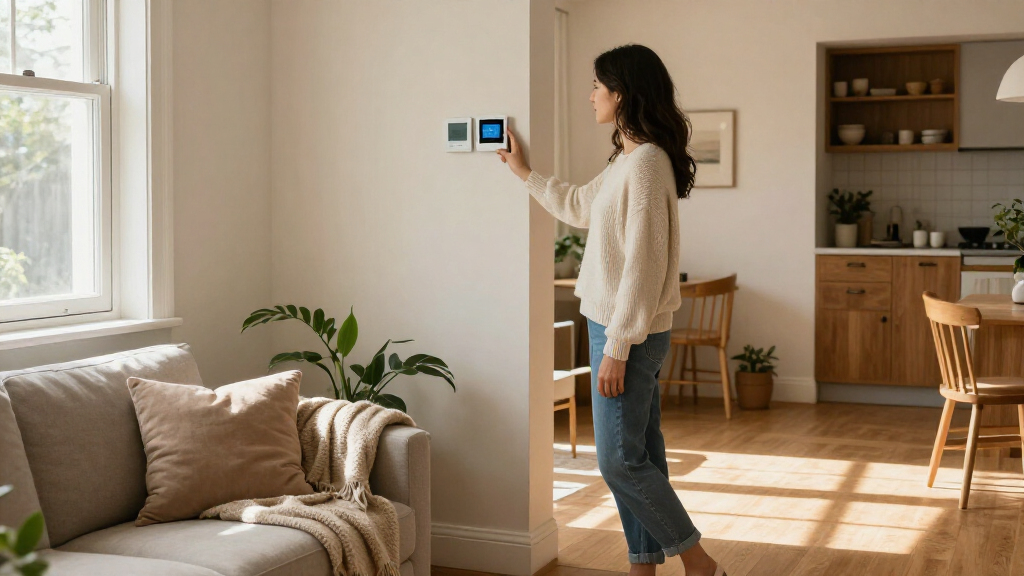
To determine the best smart thermostats for 2027, I evaluated each unit based on four core pillars: ecosystem integration, installation feasibility, energy efficiency algorithms, and build quality. I prioritized devices that offer seamless connectivity with major smart home platforms (Google Home, Apple HomeKit, Alexa) while penalizing those that require proprietary hubs or complex bridges. Compatibility with existing HVAC systems was also scrutinized, specifically looking at voltage requirements and C-wire necessity.
Ranking logic favored devices that deliver tangible comfort improvements through smart features like geofencing and sensor-based balancing, rather than just remote control. Products were ordered by their ability to reduce manual intervention while maintaining consistent temperatures. Budget options were ranked lower not due to poor performance, but because they lack the advanced automation and diagnostic tools found in premium tiers.
Factors to Consider When Choosing Best Smart Thermostats
Selecting a smart thermostat is less about picking the most expensive unit and more about matching technology to your specific home infrastructure and daily habits. These factors will guide your final decision beyond the basic specs.
Ecosystem Compatibility and Smart Home Integration
Your existing smart home setup should dictate your choice more than any other factor. If you are deeply invested in the Apple ecosystem, the Aqara Smart Thermostat W200 or ecobee models with HomeKit support will offer the smoothest experience. Conversely, if you rely on Google Home routines, the Google Nest line provides native integration that third-party devices often struggle to match. Mixing ecosystems can lead to latency issues or broken automations, so aligning your thermostat with your primary voice assistant is a practical first step. Check for Matter support if you want future-proofing across multiple platforms.
Installation Complexity and C-Wire Requirements
One of the most common barriers to adoption is wiring complexity. Most modern smart thermostats require a C-wire (common wire) to supply continuous power, but not all homes have one. Models like the Sensi ST55 or Honeywell Home T5 often include power adapters or are designed to work without one, making them ideal for renters or older homes. If you are uncomfortable working with low-voltage wiring, avoid units that mandate a C-wire unless you are willing to hire an electrician. Always verify your HVAC system’s voltage compatibility before purchasing to avoid damaging your furnace or air handler.
Sensor Technology and Multi-Room Balancing
A single thermostat reading the temperature at one location often fails to account for hot or cold spots in larger homes. Premium options like the ecobee Smart Thermostat Premium include remote sensors that prioritize comfort based on occupancy in specific rooms, not just the hallway. This feature is critical for multi-story homes or open-concept layouts where air circulation is uneven. Budget models typically lack this capability, resulting in a one-size-fits-all temperature setting. If you frequently adjust the thermostat to compensate for a cold bedroom, investing in sensor-based balancing is justified.
Energy Reporting and Utility Rebates
Smart thermostats are marketed as energy-saving devices, but not all provide the data needed to verify those savings. Look for models that offer detailed energy usage reports and integrate with utility companies for automatic rebates. The Google Nest Learning Thermostat and ecobee Enhanced are known for their robust energy insights, which can help you identify wasteful HVAC patterns. Without this feedback loop, you are essentially buying a remote control rather than an efficiency tool. Check your local utility provider’s eligible device list before buying, as some models qualify for instant bill credits.
Interface Design and Manual Control Frequency
While app control is convenient, there will be times when you need to adjust the temperature physically. Premium models invest in high-resolution, circular displays that are intuitive and readable from a distance. Budget options like the Amazon Smart Thermostat have smaller, simpler screens that may require you to pull out your phone for nuanced settings. Consider how often you manually interact with the device; if you rarely touch it, a small screen is fine. If you prefer tactile control, a large, responsive interface is worth the extra cost.
Frequently Asked Questions
Do I really need a smart thermostat if I have a programmable one?
If your current programmable thermostat is rarely adjusted, you are likely missing significant savings opportunities. Smart thermostats go beyond simple scheduling by using geofencing to detect when you leave or return home, preventing energy waste when the house is empty. They also learn your habits over time, creating custom schedules that a static program cannot match. While a basic programmable unit is better than a manual one, the adaptive algorithms in models like the Google Nest or ecobee offer a level of efficiency that justifies the upgrade for most households.
What is the C-wire and why do so many reviews complain about it?
The C-wire, or common wire, provides continuous 24-volt power to your thermostat, allowing it to stay online and use Wi-Fi without draining batteries. Many older HVAC systems did not require this wire, so it is often missing from the bundle of wires in the wall. Without a C-wire, some smart thermostats will fail to connect or reset frequently. Some models, like the Sensi ST55, include a power adapter kit to work around this, but others require you to install a new wire or use a non-standard adapter. Check your existing wiring bundle before buying to avoid installation headaches.
Will a smart thermostat work with my older HVAC system?
Most smart thermostats are compatible with standard 24-volt systems, which include forced air, heat pumps, and radiant heating. However, high-voltage systems (110V/240V) used in older electric baseboard heaters are not compatible and require specific line-voltage thermostats. Additionally, some proprietary HVAC systems or complex multi-stage systems may require professional verification. Always check the manufacturer’s compatibility checker tool by entering your system’s model number before purchasing. If you have a heat pump with auxiliary heat, ensure the chosen model supports emergency heat switching.
How much energy can I actually save with a smart thermostat?
Studies and manufacturer data suggest average savings of 10-15% on heating and cooling bills, but this varies heavily based on your climate and home insulation. The savings come from avoiding heating or cooling an empty house and optimizing runtime based on outdoor weather conditions. Users who frequently forget to adjust their thermostats see the highest returns. However, if your home is already well-insulated and you are diligent about manual adjustments, the financial payback period may be longer. Look for models with utility rebates to offset the initial hardware cost.
Is privacy a concern with Wi-Fi enabled thermostats?
Any device with a microphone or camera (like some premium ecobee models) raises privacy questions, but basic temperature data is generally low-risk. The main concern is occupancy data—knowing when you are home or away. Reputable manufacturers like Google and ecobee have clear privacy policies that allow you to delete historical data and opt out of certain data sharing. If privacy is a major concern, choose a model that does not include cameras or microphones, such as the Google Nest Smart Thermostat (non-learning) or the Amazon Smart Thermostat, and review the app’s permission settings carefully upon setup.
Conclusion
Choosing from the best smart thermostats depends largely on your existing smart home infrastructure and your willingness to handle installation complexities. For most users, the Google Nest Learning Thermostat (4th Gen) offers the best blend of design, automation, and energy savings, making it the best overall pick. If you need precise control over specific rooms and have a larger home, the ecobee Smart Thermostat Premium is the superior choice due to its advanced sensor network and air quality monitoring. Budget-conscious buyers or those new to smart homes should look at the Amazon Smart Thermostat or Sensi ST55 for their straightforward setup and lower price point without sacrificing core functionality. Match the device to your ecosystem, check your wiring, and prioritize features that solve your specific comfort pain points.
Black Friday Picks

Sonos Era 100 SL Wireless Speakers, Black, Pack of 2
As an affiliate, we earn on qualifying purchases.