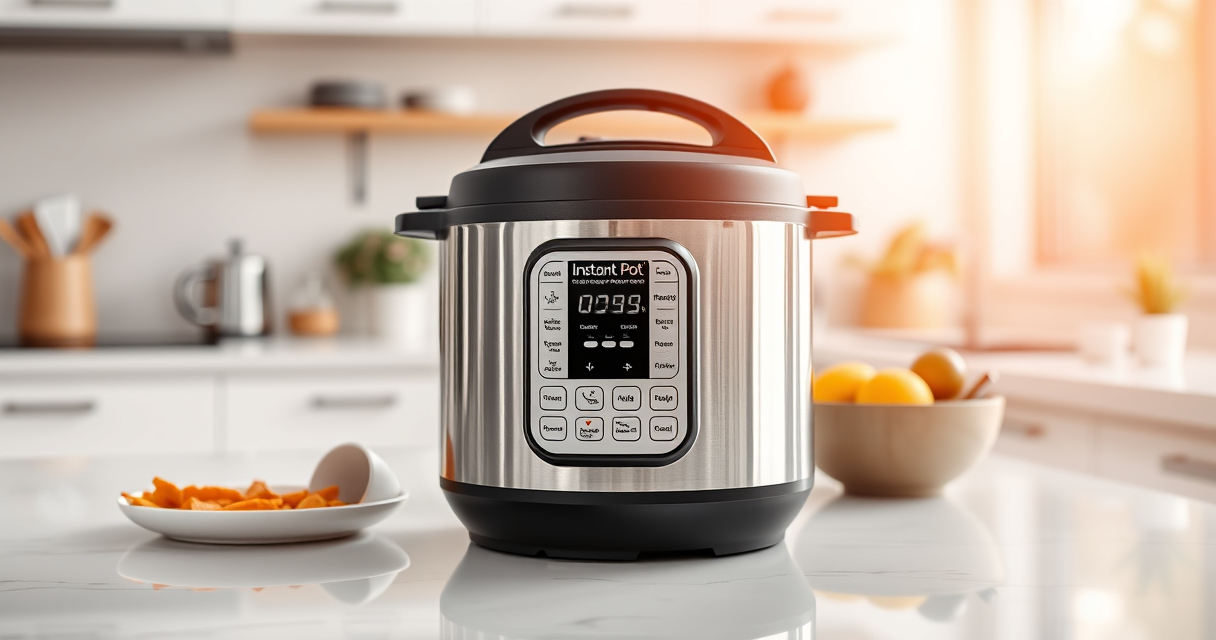

If your Instant Pot pressure cooker isn’t sealing properly, it can prevent your meals from cooking correctly and may even pose safety concerns. A common cause is a faulty sealing ring or improper lid placement. Fortunately, many sealing issues can be fixed with simple troubleshooting steps. This guide walks you through practical solutions to restore your Instant Pot’s sealing function, ensuring safe and efficient cooking.

Get home appliances delivered free — and shop member deals
- Fast, free delivery on millions of items
- Access to Prime Big Deal Days deals on October 6–7
- Prime Video, Amazon Music and more included
Before proceeding, always make sure your device is unplugged and cooled down. Addressing sealing problems promptly can save you time and avoid unnecessary frustration during meal prep.
Key Takeaways
| Check the sealing ring | A worn or misaligned sealing ring is often the culprit |
| Inspect the lid | Ensure the lid is properly closed and sealed |
| Clean components | Debris or residue can prevent sealing |
| Verify valve position | The steam release valve must be set correctly |
| Replace faulty parts | Sealing rings or valves may need replacement |
Ensure Proper Lid Placement and Locking
- Place the lid correctly on the Instant Pot, aligning the markings if your model has them.
- Turn the lid clockwise until it clicks into place, ensuring it is securely locked.
- Check that the steam release valve is set to the “Sealing” position. This is critical for pressure buildup.
- Verify that the anti-spin or anti-blocking features, if your model has them, are properly engaged.
Proper lid placement is fundamental. If the lid isn’t locked correctly, the Instant Pot won’t seal, and pressure cannot build up.
Inspect and Replace the Sealing Ring
- Remove the sealing ring from the lid carefully.
- Check for cracks, tears, or deformations. If it appears damaged, replace it.
- Ensure the sealing ring is clean and free of food residue or odorous buildup.
- Reinstall the sealing ring, pressing it into the groove securely.
The sealing ring is the most common cause of sealing failure. A worn or improperly seated ring prevents the lid from sealing tightly.
Clean the Lid and Gasket Area
Use warm, soapy water to thoroughly clean the lid, sealing ring, and gasket area. Pay special attention to the groove where the sealing ring sits, removing any debris or food particles that could hinder sealing.
Dry all components completely before reassembling. Residual moisture or food can prevent the lid from locking properly or cause leaks.
Check the Pressure Release Valve and Float Valve
- Inspect the steam release or pressure valve for blockages or buildup. Clear any obstructions with a toothpick or small brush.
- Ensure the float valve moves freely and isn’t stuck in the ‘up’ position.
- Make sure the valve is correctly aligned and not cross-threaded or damaged.
Both valves are vital for maintaining proper pressure. Malfunctions or blockages here can cause the Instant Pot to keep not sealing or leak steam.
Test and Use Correctly
After completing the above steps, fill the inner pot with a small amount of water, secure the lid, and set the valve to sealing. Turn on the device and observe if it reaches pressure within a few minutes.
If it does, your issue is likely resolved. If not, repeat the cleaning and inspection process, or consider replacing worn parts.
When to Replace Parts or Seek Professional Help
If troubleshooting doesn’t resolve the sealing problem, it may be time to replace key components like the sealing ring, pressure valve, or float valve. Use genuine parts like the Instant Pot Sealing Ring or compatible silicone gaskets for best results.
Persistent issues despite replacement may require professional repair or contacting customer support for warranty assistance.
The Products in This Guide

Instant Pot 4QT RIO Mini 7-in-1 Multi-Cooker
- ✔ Capacity: 4QT
- ✔ Functions: 7-in-1
- ✔ Material: Black with Rosewater finish

AOZITA Steamer Basket
- ✔ Material: Stainless Steel
- ✔ Size: Fits 6 & 8 QT
- ✔ Design: Stackable 2-tier
Instant Pot 4QT RIO Mini 7-in-1 Multi-Cooker
The Instant Pot 4QT RIO Mini 7-in-1 Multi-Cooker offers a compact yet powerful solution for small households or limited counter space. It combines pressure cooking, slow cooking, sautéing, steaming, rice making, yogurt preparation, and warming in one device. Its anti-spin design ensures stability during cooking, and the 4-quart capacity is ideal for up to 4 servings. While its small size makes it easy to store, users should ensure proper lid sealing to avoid pressure issues.
Pros:
- Space-saving design
- Multiple cooking functions
- Sturdy anti-spin lid
- Ideal for small families
Cons:
- Limited capacity for larger meals
- Requires careful sealing for pressure cooking
- Lid locking can be tricky for beginners
Best for: Small households, students, singles, small kitchen spaces
Not ideal for: Cooking larger meals or batch recipes
Bottom line: A versatile, space-efficient multi-cooker ideal for small kitchens and quick meals.
AOZITA Steamer Basket
The AOZITA Steamer Basket is a perfect addition to your Instant Pot, especially for steaming vegetables, eggs, or seafood. Its 2-tier, stackable design maximizes space and efficiency, making it easy to prepare multiple items simultaneously. Made from stainless steel with a silicone handle, it’s durable, dishwasher safe, and compatible with 6 and 8-quart models, including the RIO Mini’s larger counterparts.
Pros:
- Space-saving 2-tier design
- Stainless steel durability
- Easy to clean
- Compatible with multiple sizes
Cons:
- May be too large for the 4QT model
- Requires additional space in the pot
- Not suitable for very small items
Best for: Steaming vegetables, eggs, and seafood efficiently
Not ideal for: For very small quantities or minimalist setups
Bottom line: A versatile steamer basket that maximizes steaming options for your Instant Pot.
Frequently Asked Questions
Why is my Instant Pot not sealing properly?
Common causes include a damaged or misaligned sealing ring, improper lid placement, or debris on the sealing surfaces. Checking these components and ensuring correct assembly often resolves sealing issues.
How often should I replace the sealing ring?
It’s recommended to replace the sealing ring every 12-18 months, especially if you notice persistent odors, cracks, or leaks during cooking.
Can I wash the sealing ring in the dishwasher?
Yes, the Instant Pot sealing ring is dishwasher safe. Regularly washing it helps prevent odors and buildup that can affect sealing performance.
What should I do if my lid still won’t lock?
Ensure the lid is properly aligned, the sealing ring is correctly seated, and the steam release valve is in the sealing position. If problems persist, inspect for damage or debris that may hinder locking.
Is it safe to cook with a damaged sealing ring?
No. A damaged sealing ring can prevent proper sealing and pressure buildup, leading to potential safety issues. Replace it immediately if damaged.
Mastering Your Instant Pot for Safe and Reliable Cooking
By following these troubleshooting steps, you can restore your Instant Pot’s sealing function and ensure safe, efficient cooking. Regular maintenance, including inspecting and replacing worn parts, will keep your device performing optimally. Remember, proper lid placement and component cleanliness are key to avoiding sealing issues. With a little care, your Instant Pot will continue to be a reliable kitchen companion for years to come.
Affiliate disclosure: As an Amazon Associate we earn from qualifying purchases. Prices and availability are accurate as of the time of publishing.
Fall Picks
fall essentials
As an affiliate, we earn on qualifying purchases.